When crane assistance makes sense
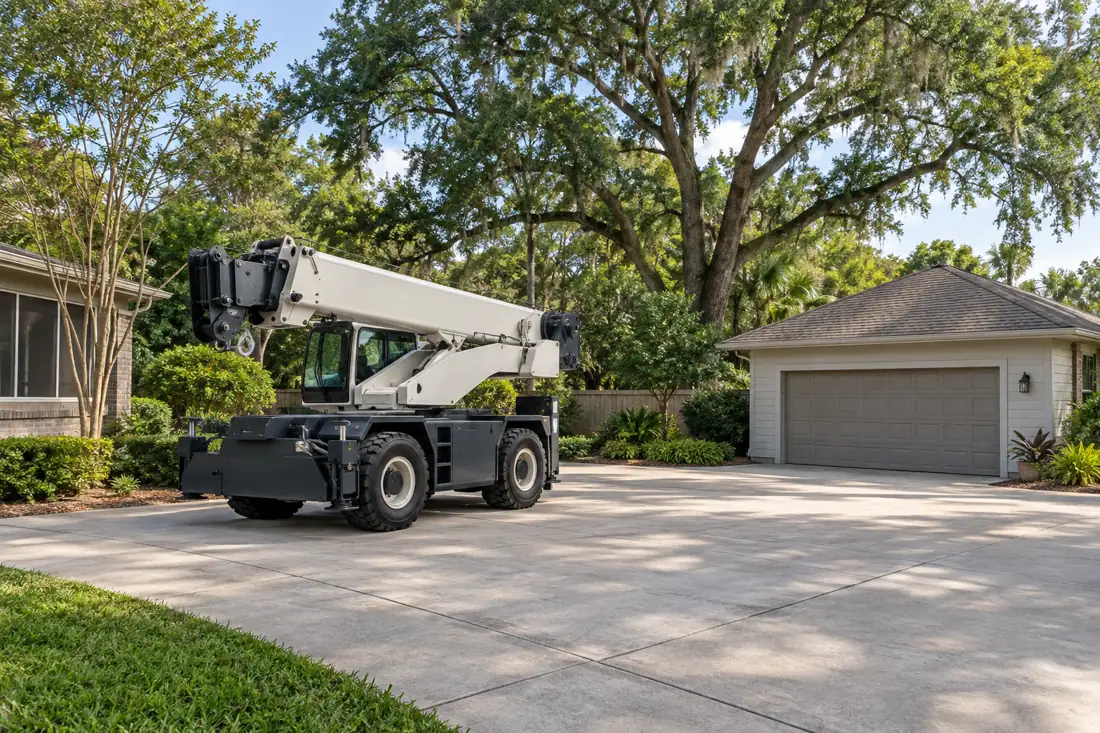
A crane can be a powerful control tool when heavy tree sections need support before a cut is completed, when the landing zone is limited, when a tree is over a structure, or when production matters on a large commercial job. The setup location, reach, load limits, ground conditions and access route all influence whether crane assistance is appropriate.
Practical scope and safety guidance: A crane-assisted removal should be considered only after the lift path, road or yard access, support surface and overhead obstacles have been evaluated. Photograph the tree from several angles and include any possible staging position, nearby power lines, fences and buildings. The crew must verify equipment specifications, ground-bearing capacity, counterweight clearance, communications and the method for controlling each section; these cannot be decided from the tree height alone.
A street setup may involve separate traffic or property permissions, and those requirements should be established before scheduling. Ask the estimate to distinguish crane time, cutting, haul-off, stump grinding and site restoration rather than assuming all are included. Keeping neighbors and pedestrians clear of the work zone is part of planning. A crane is a tool selected for specific conditions, not a blanket promise that a complex tree can be removed without disturbance.
Confirm crane position, reach, ground support, access and target protection.
Plan manageable sections and the order in which weight will be removed.
Support, cut and move sections to a processing area with clear ground coordination.
Crane work is one option, not the default
Not every large tree needs a crane. Some trees are better handled with conventional rigging, mechanized equipment or a mixed approach. Tree Huggers selects equipment based on what improves control, efficiency and safety for the actual site.
Related services
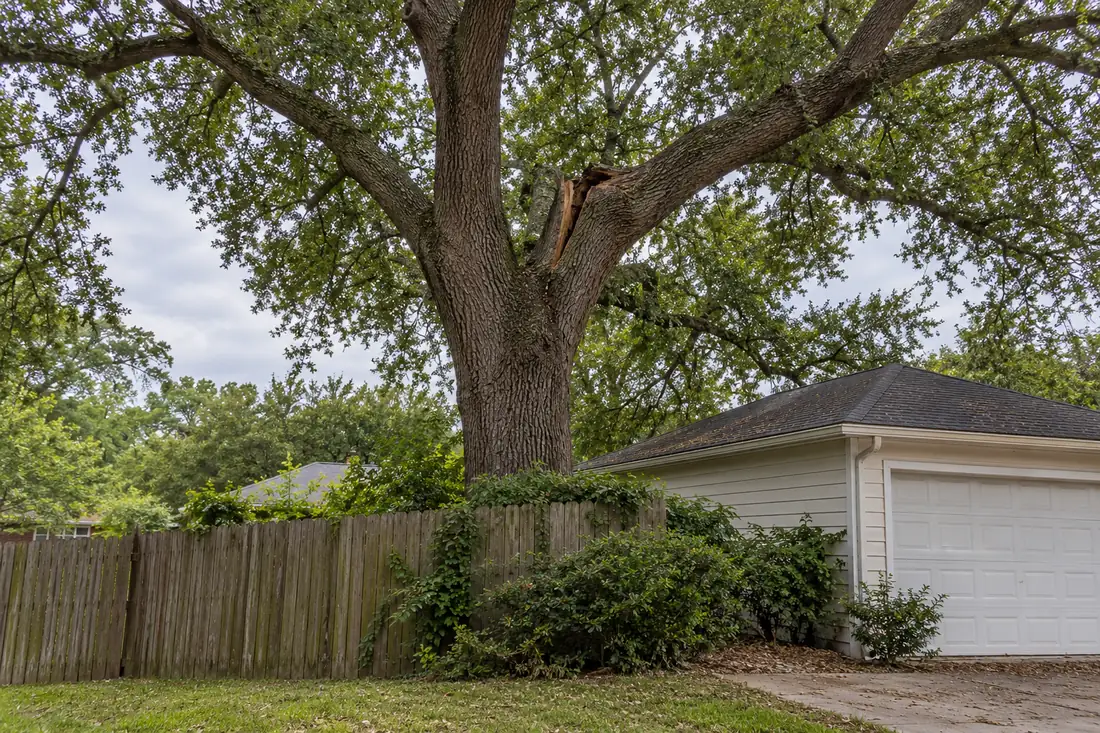
A crane proposal should explain why it fits the job
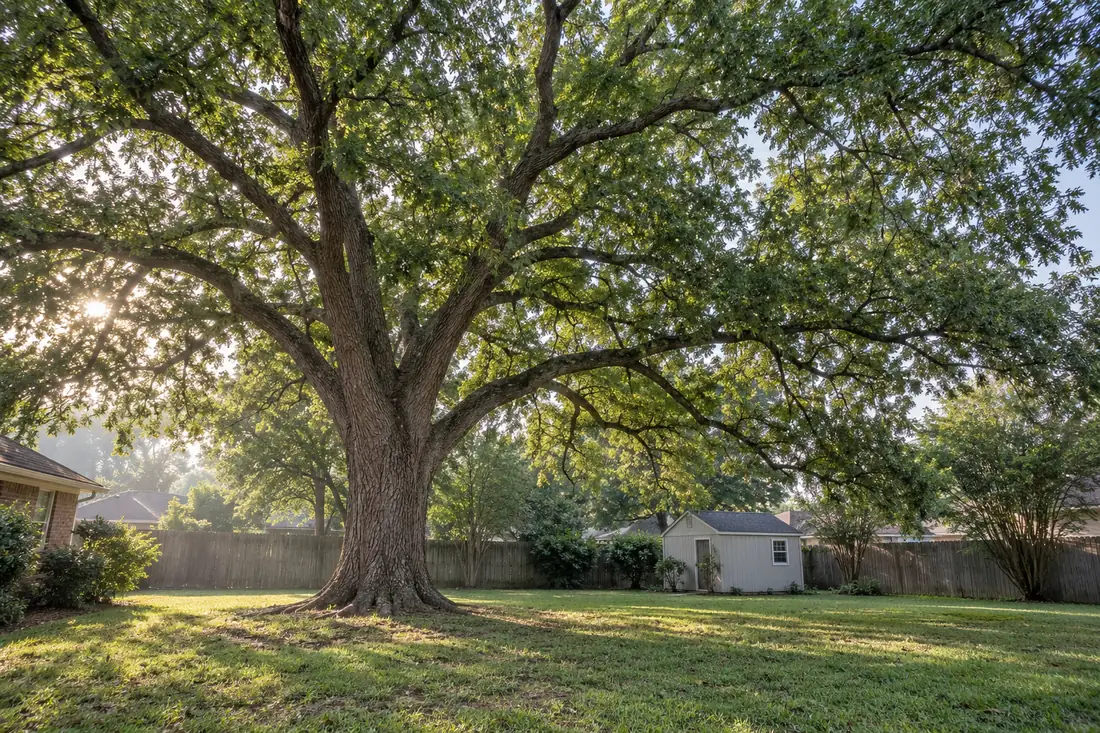
Customers often ask about a crane when a tree extends over a roof, has limited space beneath it or contains large material that needs deliberate handling. Those observations are useful starting points. The next question is whether a suitable equipment position and complete handling arrangement are available. Tree size alone does not settle that question, and not every large tree requires the same approach.
Ask Tree Huggers to connect the proposed method with the specific constraint at your property. The explanation should make sense in everyday terms: the targets involved, where equipment may stand and how material would leave the work area. The customer does not need to design individual lifts to understand why crane assistance is being considered.
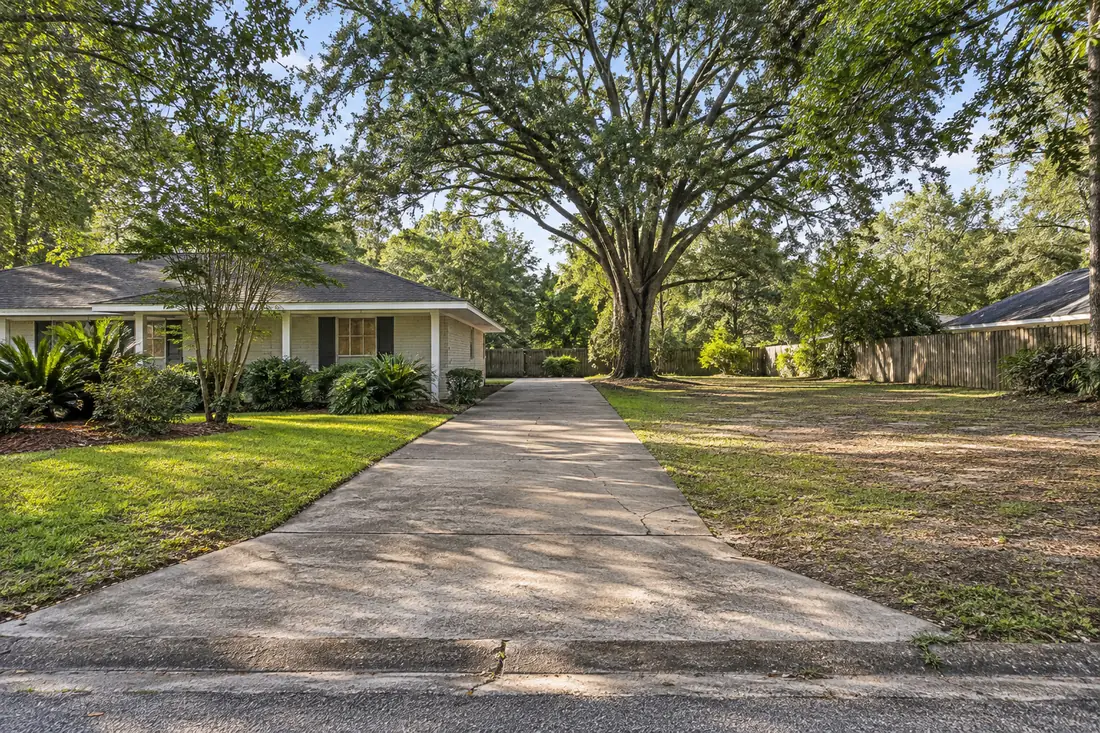
Show the potential setup area and the route into it
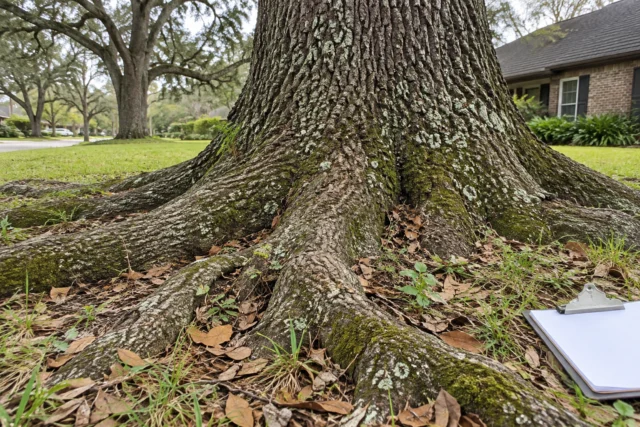
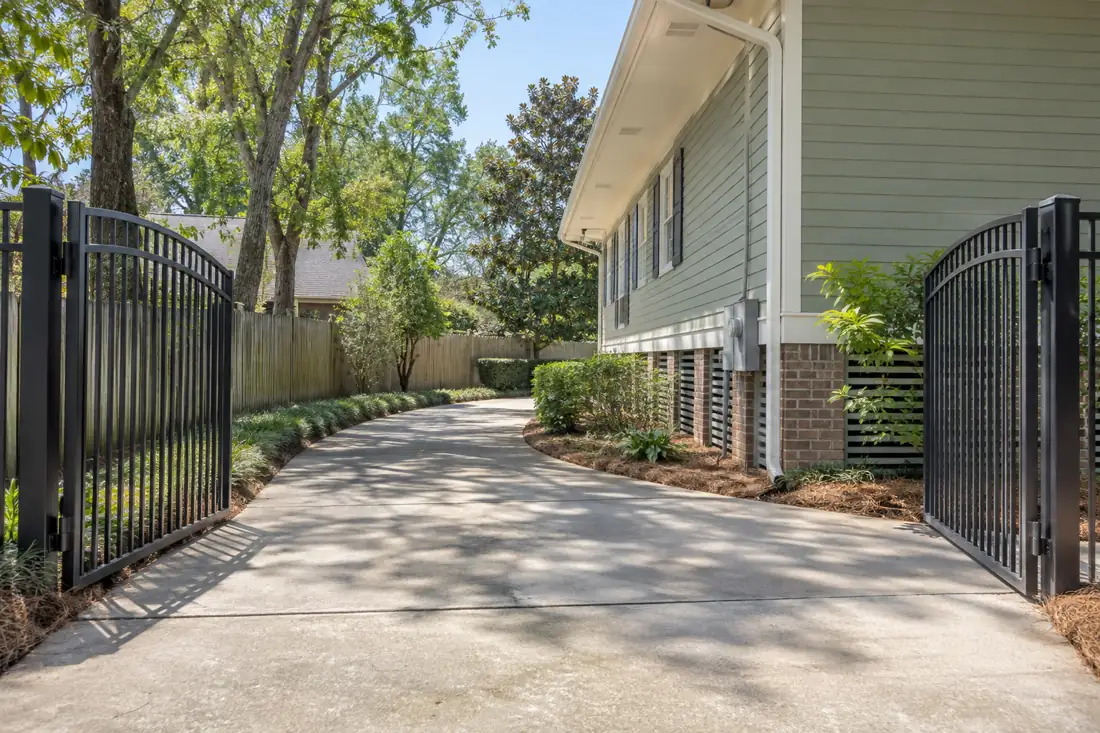
Photograph the entrance, turns and surfaces between the street and any possible working position. Include the tree in context with the house, driveway and neighboring property. A photograph of an empty paved area may hide a tight approach, an overhead obstacle or an occupied route that changes how that space can be used.
Explain what you control and what requires coordination with someone else. Street space, shared drives and adjoining property should not be assumed available simply because they are close to the tree. If the estimate depends on an access arrangement or approval, identify that dependency before confirming a work window. A changed setup location can require more than a simple change in where a truck parks.

Evaluate crane staging before assuming lifting is practical
A crane-assisted removal may be considered when controlled lifting could reduce the need to pass heavy sections over vulnerable structures. Before that method is discussed as a solution, the estimator must understand street access, possible setup locations, overhead electric lines, load paths, soil bearing conditions, and the geometry of the tree. A wide photograph of the frontage and canopy is useful context, but it does not establish reach, lifting capacity or whether a permit will be issued.
Distinguish the operator’s engineered lift planning from the tree contractor’s cutting and rigging sequence. Utility clearances, public-road occupation, traffic measures and neighboring land access may each require separate coordination. The use of a crane does not eliminate falling-object risk or allow an owner to walk under a suspended load. Ground conditions, underground utilities and sidewalk structures can be decisive even when the machine looks capable from the street.
Ask for a scope that identifies the planned staging area, exclusion zones, responsibilities for permits and protection, removal and hauling of the sections, and an alternative sequence if the preferred setup is not feasible. Some properties are better handled with a different technique after site assessment. Treat cost comparisons carefully if one proposal omits traffic management or cleanup. The page describes planning considerations, not a claim that Tree Huggers has used a specific crane on a documented project.
Tell the estimator what is known about the ground
Point out repaired paving, drains, private services, septic components and any ground that has been disturbed or remains soft. The contractor needs that information when evaluating a position and protection measures. An owner’s description can flag a concern, but it should not be treated as an engineering approval or a guarantee about the support beneath a finished surface.
Ask what the proposed preparation and protection responsibilities are. Do not create a pad, move fill or modify the approach on an assumption about the equipment requirement. Confirm the actual plan first. If another owner, facility manager or project professional needs to approve access or preparation, provide the correct contact so that issue can be resolved before mobilization.

The tree and landing area must be considered together
An equipment position near the tree is only one part of a usable arrangement. Material also needs an appropriate destination for processing and loading. Identify gardens, fixed fixtures, occupied paths and nearby structures that limit that destination. Tell the estimator if any area must stay open for residents, deliveries or another part of the business.
Ask how the tree-work phase connects with the ground operation. The proposal may describe a coordinated removal and hauling scope or separate tasks. If you want wood retained, specify the destination and intended finish. A customer should be able to understand where the removed material goes without selecting the contractor’s technical lifting sequence.
Work above a structure needs a clear division of tasks
Explain whether the tree is standing above a building or already resting on it. Those are different conditions, and current damage should be disclosed before a method is discussed. Send safe views showing the relationship between the wood and the structure. Do not climb onto a damaged roof or approach unstable material to supply an estimate photograph.
The removal agreement should distinguish tree work from building repair. Ask what remains for a roofer, builder or other provider after the agreed material is removed. Where other responders or providers are already involved, share the coordination contact and instructions that actually apply. The presence of a crane does not make every related repair part of the tree-service scope.
Compare the full job, not only an equipment allowance
One estimate may describe an equipment-assisted removal, while another describes a different method and finish. Compare the identified tree, access assumptions, handling, debris destination and stump treatment. If an equipment allowance or separate charge appears in the proposal, ask how it relates to the work being offered and what assumptions would change it.
Avoid treating two totals as equivalent when one leaves wood on the property or excludes a preparation task that the other includes. A useful estimate makes those differences visible. If the scope includes a group of trees, confirm which of them the equipment phase covers and whether other methods or visits are expected for the remaining work.
A work window should account for occupied routes
For residential work, discuss vehicles, pets, visitors and how residents will enter or leave while the active area is controlled. For commercial property, add loading activity, tenant access and any limited closure window. These are practical scheduling inputs, not details to improvise once equipment has arrived.
Identify a contact who can resolve a site question promptly and explain who may approve a changed task. If weather or another constraint prevents the planned arrangement, ask how rescheduling and scope review will be communicated. An availability inquiry or online request is not confirmation that a crane-assisted visit has been booked for a particular date.
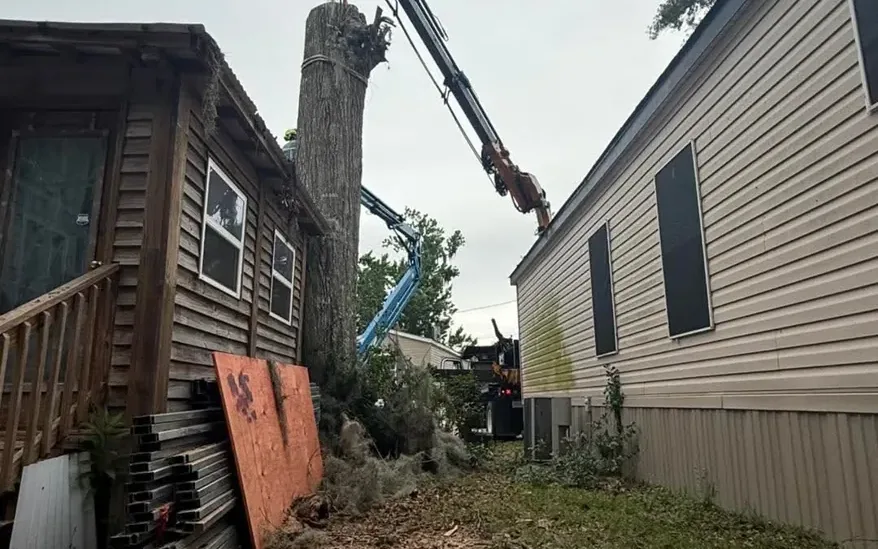
Ground protection has limits that belong in the discussion
Protection measures should be considered as part of the proposed equipment route and setup. Ask what the contractor intends to protect, what conditions may limit access and how any separate restoration responsibility will be recorded. A mat visible in someone else’s project photograph does not establish a guarantee about every surface on your property.
Explain existing cracks, damaged edges and fragile landscape features before the estimate. Keep those observations specific and connected to the route. The objective is an informed agreement about the actual site, rather than a general claim that specialized equipment either causes unavoidable damage or can leave no disturbance at all.
Ask whether crane assistance is feasible before pricing it
Crane-assisted removal is a specialized method, not a promise that every difficult tree can be lifted from a yard. Share photographs of the tree, the entire street approach, overhead obstructions, and possible equipment positions. The contractor must evaluate working radius, ground support, nearby people and structures, utilities, and how cut sections will be controlled.
Do not assume a driveway can support outriggers simply because it holds a parked vehicle. Ask the team to explain why this method is preferable to other removal options and who coordinates any permitted street or utility restrictions. A good crane-removal scope states the proposed technique and its dependencies, rather than treating a crane booking as an isolated purchase.
Crane work can be one part of a wider removal plan
Some jobs may use crane assistance for particular sections and other methods elsewhere. Ask how the proposed arrangement covers the complete tree or tree list. A mixed approach should still lead to one understandable customer scope with an agreed finish. The remote-controlled removal and equipment overview pages explain related questions to discuss.
Bring up stump grinding before accepting the tree-removal proposal if the ground finish matters to your next project. State whether wood is to be kept or hauled and whether another contractor will follow. A clear handover keeps the equipment phase connected to the customer’s actual outcome instead of ending the conversation when the last overhead section is handled.
Ask Tree Huggers for a property-specific assessment
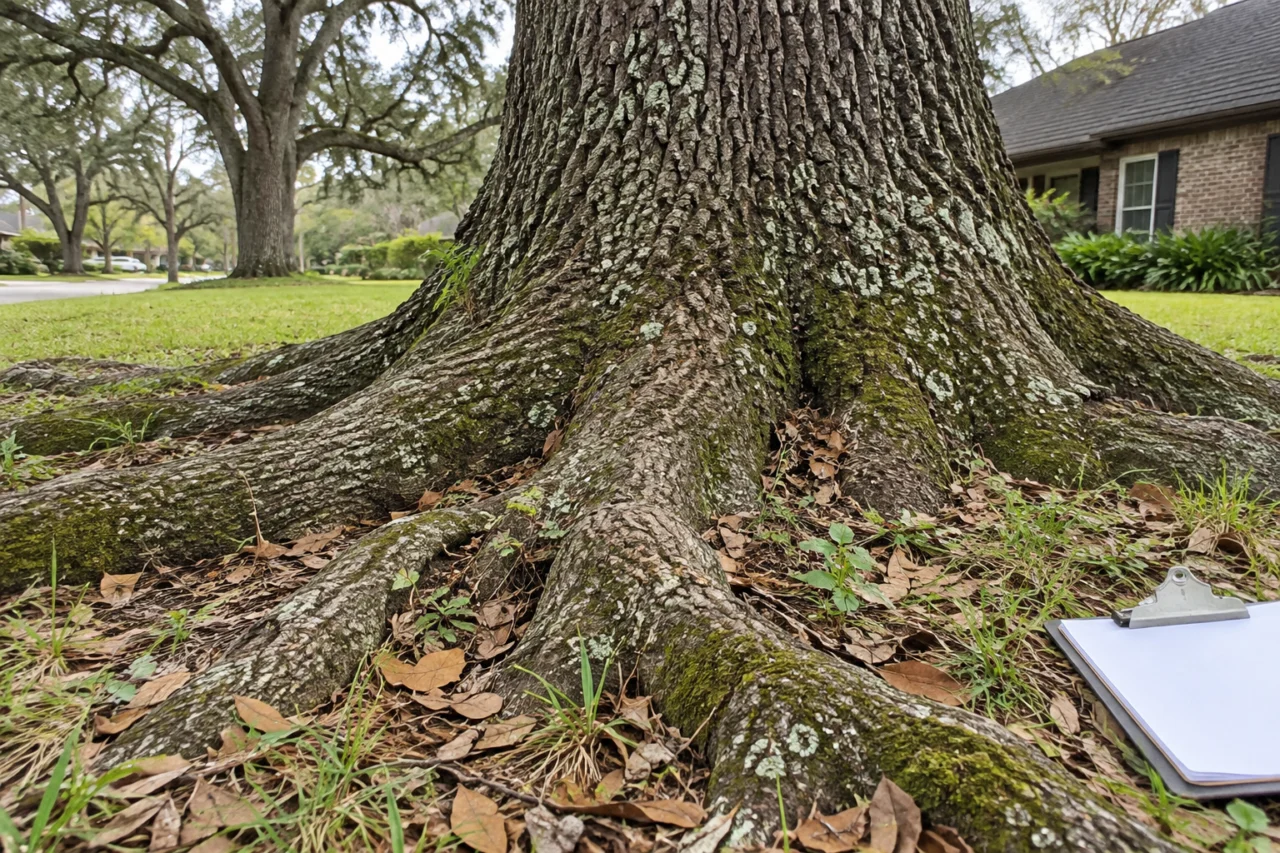
Send the address, safe whole-tree and structure views, possible equipment approach and the result you need. Mention known surface or underground features, occupied routes and any access arrangement still pending. Tree Huggers can discuss whether an assessment is needed and which options may suit the job in Greater New Orleans.
Call or text 504-458-8336 to start that conversation. For a changed or urgent tree condition, explain what is happening now rather than relying on an earlier estimate. Keep clear of immediate hazards and use the appropriate emergency service or utility where required. A web inquiry begins the estimate process; suitability, scope and scheduling need direct confirmation.
Crane removal: setup and landing are part of the decision
A crane can be useful where pieces must move over a target, but the setup itself needs space, access and suitable ground. Photograph possible staging from a safe location, including wires, paving edges, buildings and parked vehicles. Describe known access agreements. A remote image cannot establish soil capacity or an approved lift arrangement.
Ask what crane assistance solves compared with alternatives. The work sequence must consider the tree, occupied targets, swing or lift boundaries, material landing area and truck route. A crane is not automatically the fastest, least disruptive or least expensive choice when setup and permissions are difficult.
Separate equipment mobilization, temporary access changes, traffic arrangements, wood hauling and stump grinding in the proposed scope. The mechanized removal guide offers another method to compare. Confirm who is responsible for approvals and how the property will be handed back after the work.
Three details to settle before an estimate
- Show proposed staging and landing areas
- Compare methods by constraints and protections
- Clarify permissions, wood handling and restoration
Choose a lifting method only after the work path is understood
Crane-assisted tree removal is a work method considered when a tree section cannot be handled safely or efficiently by an ordinary lowering plan. The crew must assess tree condition, pick points, branch movement, lifting reach, equipment position, overhead clearances and where the pieces can be safely landed. A large tree or narrow yard does not alone prove a crane is the right solution. Different rigging and dismantling approaches may better fit the same property.
The estimate conversation should establish why the crane is proposed, who controls the ground and public access zones, and which contractor is responsible for each part of the lift. Do not estimate weights from photographs or assume a manufacturer’s maximum lifting number applies at the site’s required reach. This service page explains what a crane operation entails. The separate cost guide addresses how setup, staffing, lift requirements, hauling and restoration appear in a comparable written quote.
- Photograph the entire potential access and setup route safely from ground level.
- Point out overhead wires, underground facilities, soft ground and nearby occupied spaces.
- Request a method explanation and exclusion-area plan before comparing equipment charges.
For the related but different decision, see Crane Tree Removal Cost. Confirm the work required for this property before relying on a general example.
Crane Tree Removal questions
Does a large tree automatically require a crane?
No. Size is one factor alongside condition, access, targets and handling options. Ask the contractor why the proposed method fits the particular tree and property.
What should a crane-removal estimate explain?
It should connect the identified tree, setup assumptions, handling, material destination and finish. Ask what work the equipment phase covers and which related tasks are separate.
Can a crane simply set up on my driveway?
That needs site-specific evaluation. Describe surfaces, access, known services and existing damage; do not treat the appearance of pavement as approval for every equipment arrangement.
Is street space automatically available for crane work?
No assumption should be made. Explain who controls the proposed area and ask what access coordination or approvals are needed before the arrangement is treated as confirmed.
Should I prepare a setup pad before the estimate?
Discuss the actual requirement first. Unrequested preparation may not suit the proposed arrangement. Confirm responsibilities and any necessary coordination before changing the property.
Does supporting a tree section also solve the landing-area problem?
No. Material still needs a destination for processing and loading. Show fixed obstacles and occupied routes so the contractor can discuss the complete handling plan.
How should I describe a tree already resting on a roof?
State what it contacts, provide safe distant views and identify other providers involved. Tree removal and structural repair need separate, clearly assigned responsibilities.
Does crane-assisted work include stump grinding?
Only when agreed. State the desired ground finish before accepting the removal estimate, including stump treatment, wood retention, hauling and any following landscape or construction work.
Can the crew use several removal methods on one job?
That may be appropriate. Ask how the combined plan covers the whole tree or tree list and how the proposed methods connect to one understandable scope and finish.
Do ground mats guarantee that paving will be unchanged?
No universal guarantee should be assumed. Discuss the actual route, surfaces, protection measures, limitations and separate restoration responsibilities for your site.
What should a business supply about the work window?
Include occupied entrances, tenant activity, deliveries, closure restrictions and the approval contact. The equipment arrangement needs to fit those real site constraints before scheduling.
How do I request a crane-assisted removal discussion?
Call or text 504-458-8336 with the address, tree and target photographs, setup approach and desired finish. Tree Huggers must assess suitability and confirm scope and availability directly.
Decide whether a crane is appropriate before comparing prices
Crane assistance is a method for controlling suspended tree sections in particular conditions, not an automatic requirement whenever a tree is tall. The crew must evaluate safe setup and travel access, supporting ground, overhead obstacles, the tree’s structure, working radius and the area where wood will land or be transferred.
A driveway that looks wide in a photo may still be unsuitable for equipment once turning room, buried structures or ground conditions are considered. Do not place yourself beneath damaged limbs to capture a better view.
If the question is whether a crane can improve control of the removal, start here with the tree and site constraints. If you already have two proposals using different equipment, the crane-removal cost guide explains which assumptions and finished-work items to compare. The general tree-removal cost guide addresses pricing factors for every method, including rope work, lifts and debris handling. The final equipment choice belongs to the qualified contractor after assessment; avoid paying for an assumed crane day without a coherent complete removal scope.
Related decisions: Crane Tree Removal Cost · Tree Removal Cost in New Orleans
Talk to Tree Huggers
Get a clear estimate for your tree work.
Text the property address, a wide photo of the tree, and what you want done. We’ll talk through access and next steps.