Support systems must solve a defined structural problem
A cable or brace should be installed because a specific union, stem or loading condition has been identified, not simply because a tree is large. The condition of the trunk, attachment, canopy and root system still matters. Support does not make an unsound tree safe if the broader structure is failing.
Practical scope and safety guidance: Cabling and bracing are supplemental support systems, not substitutes for correcting every structural defect or signs of decline. Evaluation should consider the species, branch attachments, load paths, condition of the supporting wood and consequences of failure. Older hardware also deserves attention because tree growth, corrosion and movement can change how a system performs. If a support system is proposed, ask what it is intended to accomplish, which limitations remain and what inspections or maintenance the owner must arrange over time.
Do not tie ropes, mount hardware or tighten existing connections as a DIY repair without a qualified assessment. Photographs can document visible attachments and changes but may not reveal internal decay or the integrity of anchors. The written recommendation should clearly distinguish inspection, installation, follow-up and any pruning or removal work needed alongside the support system.
Identify the union or stem of concern and the targets below it.
Determine whether pruning, cabling, bracing or a combination is reasonable.
Support systems and the tree itself should be periodically reassessed as conditions change.
Pruning and support often work together
Selective pruning may reduce end weight or remove dead and damaged limbs before a support system is installed. The objective is to manage load and movement without stripping the tree of healthy canopy.
Related services

Begin with the tree you want to retain
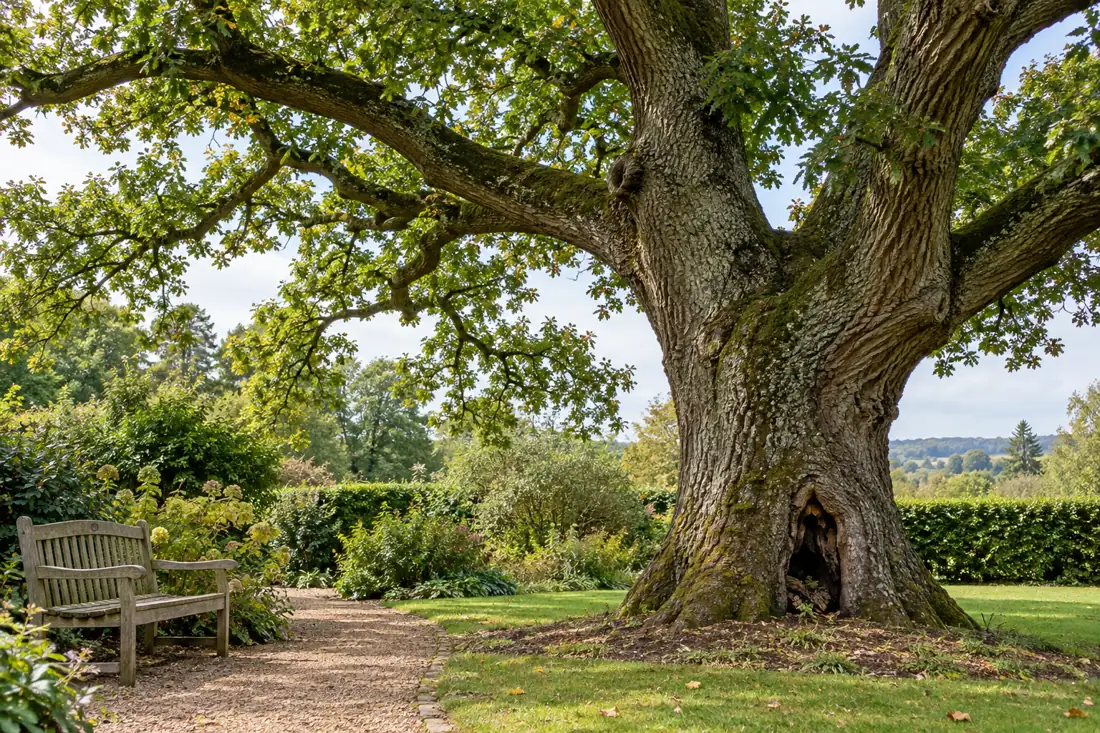
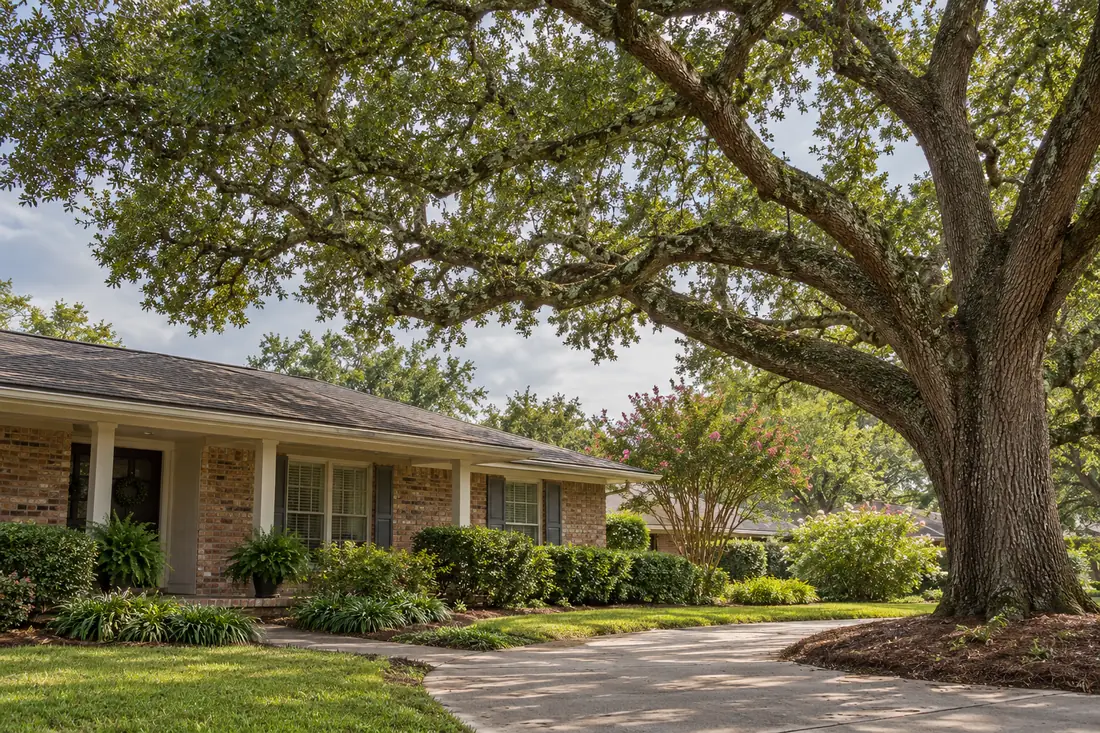
An owner may value a mature tree for shade, landscape character or its place beside the home. Explain that preservation goal when raising a structural concern. Show the whole tree and identify the connection, stem or branch you want reviewed. Cabling or bracing should be discussed as a possible response to a specific condition, rather than a general add-on for every large tree.
Tree Huggers can discuss the assessment and work scope needed for the actual tree and site. A support system is not a promise that a structurally unsuitable tree can be retained in every situation. The assessment service provides related context. Ask what evaluation is proposed, who provides it and how findings, options and limitations will be explained before accepting a particular hardware or pruning task.
Look at the whole structure and surroundings
A visible branch connection is only part of the picture. Provide safe views of the crown, trunk base and nearby buildings, paths or other targets. Tell the company about known failures, earlier support work, storms and changes around the tree. A close-up can help identify the concern but cannot establish all of the surrounding conditions relevant to a retention decision.
Do not climb or pull on a suspect connection to demonstrate movement. If a split has newly opened or material is hanging, keep clear and call about the current condition. The high-risk removal page addresses a different possible work conversation where retention is not appropriate or a removal needs consideration. The purpose of an assessment is to make those options understandable, not to assume the desired answer before the tree has been reviewed.

Ask what supplemental support is intended to do
Cabling and bracing are support approaches for particular structural concerns. Ask the contractor to identify the part of the tree being addressed and the reason a proposed system fits the situation. Different forms of support are not interchangeable labels, and a hardware name alone does not explain why the tree is a suitable candidate. The proposal should connect the system to the tree’s actual condition and management objective.
The International Society of Arboriculture’s tree-owner risk resources provide general context. Your own work still needs site-specific evaluation. Ask which limitations remain and whether other assessment or care is recommended. Supplemental support should not be understood as repairing every defect, restoring lost roots or guaranteeing that a tree will never fail. A clear explanation lets an owner consider the proposal on its actual purpose rather than on an unrealistic expectation of permanent security.
Keep pruning and support tasks distinct
A proposal may discuss appropriate pruning together with support. Ask what each task is intended to accomplish and which parts of the canopy are included. If preserving shade or screening matters, state that goal. Avoid treating a support installation as permission for undefined cutting throughout the crown, or assuming that pruning alone answers every concern at a weak connection.
The pruning service and planning hub organize related clearance and care questions. Keep the written tasks connected to the identified tree. If additional concerns appear during the visit, clarify whether they are part of the accepted work, an option or a separate assessment need. A coherent scope explains the relationship between proposed care and support without asking the owner to choose technical installation details independently.
Include access and ordinary property use
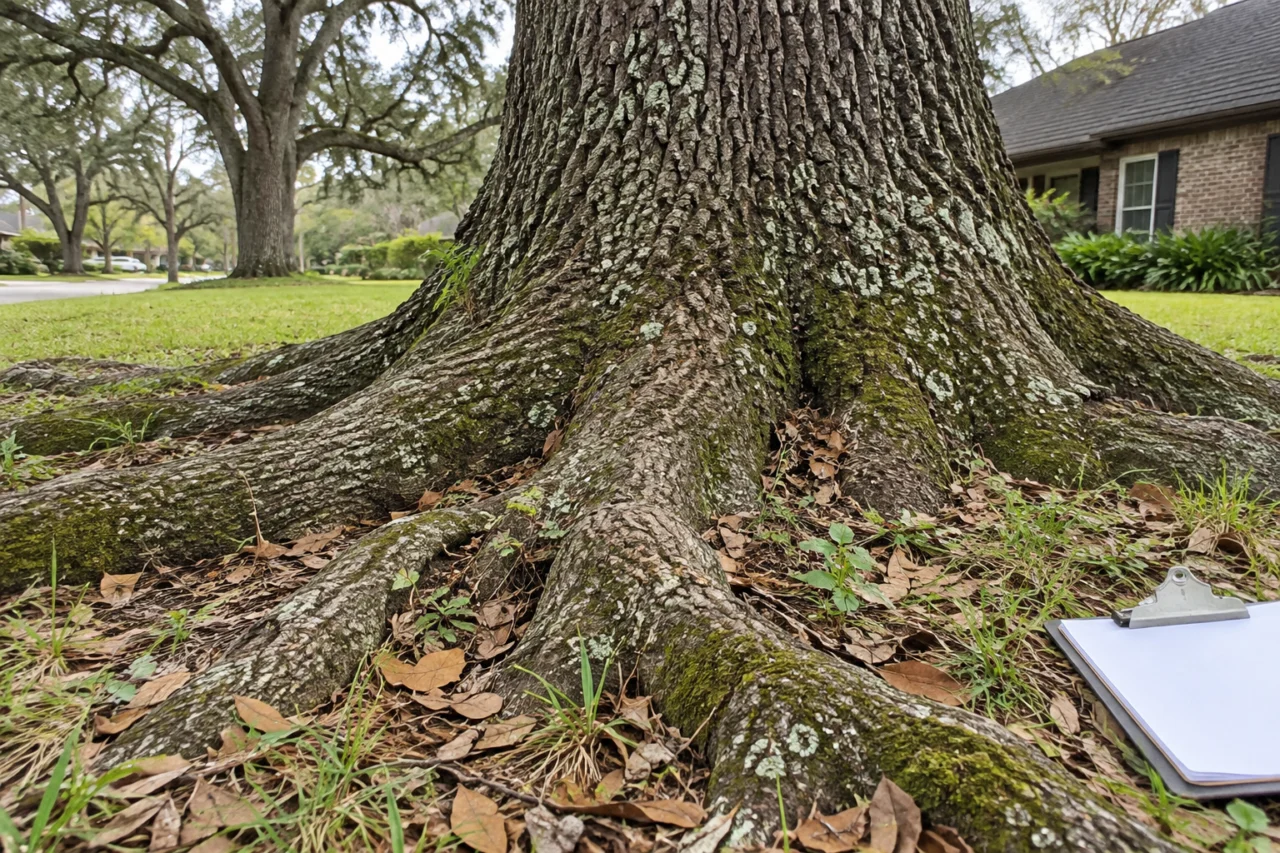
Retaining the tree does not mean the work needs no access or controlled area. Show gates, paths, overhead features, nearby structures and any sensitive surface along the route. Tell the estimator about fixed equipment, irrigation, lighting and planting that should remain protected. The method and work area should fit the actual property, including the material handling associated with any accepted pruning.
Explain how the household or business uses the space beneath and around the tree. Agree on entrances, vehicle relocation and the contact for questions during the work. Keep people and pets outside the active zone until reopening is confirmed by the responsible parties. A tree intended to stay still needs the same clear preparation and communication as other overhead work. The access hub can help organize the route information without presuming a particular method.
Make inspection and follow-up part of the decision
A support system remains in a living tree whose growth and condition can change. Ask what inspection and maintenance are recommended for the specific installation and who is responsible for arranging them. Do not assume that installation creates an automatic perpetual inspection appointment. The interval and scope should be discussed with the qualified provider for the actual tree and system, rather than selected from a universal internet timetable.
Keep the installation information, tree identifier and any supplied findings with the property records. If you already have support hardware, tell the assessor what you know about its age and prior inspections; label unknown details honestly. The support follow-up guide explores the ongoing planning question. Report visible changes or damage rather than tightening, replacing or testing components yourself. Continuing review belongs in the preservation plan from the beginning.
Compare a support proposal with the actual alternatives
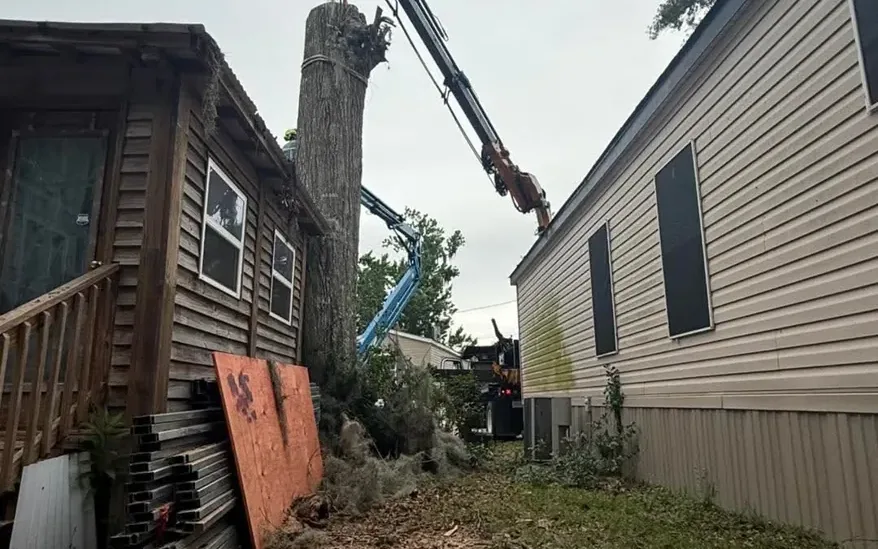
Ask what options the review identified and what each would address. Those may involve care, further assessment, a support scope or a different decision about retention. A useful proposal should distinguish observations, assumptions and recommendations without presenting the owner’s wish to keep the tree as proof that every preservation option is suitable.
Compare the defined tasks and follow-up, not simply the price of installing hardware. Clarify whether written findings, pruning, access preparation and later inspection are included or separate. The tree-health overview and preservation hub provide related context. Keep any accepted option tied to the assessed tree and date so an owner or manager reviewing the file later can understand why the work was selected and what limitations or next steps were recorded.
Start with safe context and a clear retention goal
Send the address, safe whole-tree views and the area of concern. Add known history, existing hardware and the nearby targets. Explain whether the request is a planned preservation review or a new change after a storm. Call about a newly split or unstable condition rather than relying on a routine form reply, and keep clear while the appropriate next step is discussed.
Separate a structural-support proposal from an assurance of safety
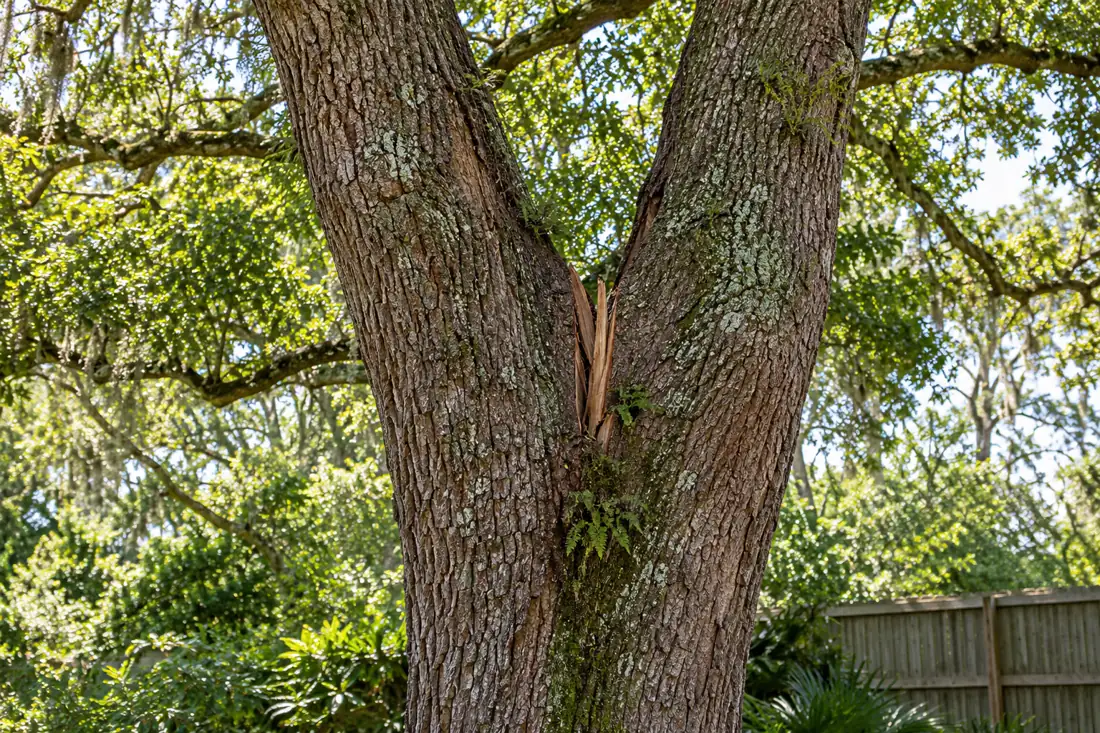
A cabling proposal should begin with a described defect or loading concern and the specific portion of the tree the assessor is trying to retain. A photograph of the whole canopy and another of the union, taken from safe ground, provide useful context. Neither a visible fork nor the overall size of a tree proves that a support system is needed.
Ask the qualified assessor to explain what component is proposed, the intended function of its placement and what pruning or other work belongs in the same scope. A cable may redistribute certain loads, but it cannot repair decay or guarantee that another limb, root system or trunk section will remain sound. The decision should consider targets beneath the tree and viable alternatives, including monitoring or removal.
Include an inspection interval, responsible party and documentation expectations in the written plan. Record changes after major weather or new construction nearby and have a qualified professional revisit the system where warranted. Owners should not climb to tighten hardware or attempt to diagnose its loading from the ground; this is an engineered tree-care decision rather than a do-it-yourself adjustment.

The estimate conversation should establish the assessment needs, availability and proposed scope for that tree. Ask for a practical explanation of the support objective, any associated care and the follow-up arrangement before scheduling. A thoughtful preservation decision keeps the benefit you value in view while remaining honest about condition and limits. It should leave you with an understandable management plan, rather than only a piece of equipment installed in the canopy and an assumption that the concern has disappeared forever.
Plan for inspections and changes after a support system is installed
Tree cabling and bracing should be tied to a stated objective for a particular tree. Ask which union, limb, or movement the support is intended to address, what limitations remain, and what other measures such as selective pruning or root-zone protection may be necessary. Installation is not a declaration that the tree is safe under every wind or loading condition. A system installed without a clear assessment basis can create false confidence for the property owner.
Retain the written scope, approximate locations of supported components, any product or installation documentation the provider supplies, and the recommended follow-up interval. Different systems and tree conditions may require different checks, so do not adopt a universal inspection schedule from an unrelated project. Have the responsible party note subsequent construction, storms, visible movement, broken attachments, unusual cracking, or changes in the canopy. Avoid climbing or attempting to tighten the hardware as a homeowner.
If the tree is close to a walkway, parking area, play space, or occupied building, decide who will receive condition reports and who can arrange reassessment. Ask the provider what specific changes merit avoiding the area until it is evaluated. This turns the support decision into a continuing management plan and helps compare future retention, pruning, and removal options on their merits rather than viewing the original installation as a permanent promise.
Cabling and bracing: define support and inspection duties
Supplemental support is not a universal cure for a weak junction. Identify the tree, visible concern and reason preservation matters. Show the overall crown and relevant unions from a safe location, and describe past failures or existing hardware. Photographs alone cannot prove that a support system is suitable.
Ask what the proposed system is intended to accomplish and how it relates to pruning or other care. Hardware does not make a tree failure-proof. Product compatibility, placement, structural assumptions and installation methods require professional attention. A component count cannot substitute for a maintenance plan.
Before authorization, clarify expected follow-up, inspection responsibility and excluded work. If the central issue is a cracked union or a recent change in lean, start with the risk assessment discussion. If preservation is not viable, the removal guide helps define the alternative scope and cleanup without assuming support was appropriate.
Three details to settle before an estimate
- Identify structural concern and preservation goal
- Ask what support can and cannot accomplish
- Plan inspection and reassessment
Tree Cabling & Bracing questions
Is cabling appropriate for every large tree?
No. A support proposal should address a specific structural concern in a suitable tree after appropriate evaluation of the whole tree and site.
What should I explain about retaining the tree?
State the shade, screening or landscape value you want to preserve, along with the observed concern and nearby targets.
Can a close photo establish support suitability?
It can help identify a detail, but the whole tree, history, surroundings and any needed site assessment remain important.
Should I test a weak connection by pulling on it?
No. Do not climb, pull or shake suspect material. Keep clear of a newly split or unstable condition and call about the next step.
Are cabling and bracing the same task?
They are different support approaches. Ask what is proposed, which concern it addresses and why it is appropriate for the actual tree.
Does support guarantee the tree will never fail?
No. Discuss limitations, remaining concerns and continuing review. Hardware does not resolve every defect or make a living tree permanently failure-proof.
Can pruning be part of a support proposal?
It may be discussed where appropriate. Clarify the purpose and canopy scope of each task instead of treating support as undefined permission to cut.
Does installation include automatic future inspections?
Not necessarily. Agree on recommended inspection and maintenance, who arranges them and which visits or records are included.
What if there is existing hardware in my tree?
Provide known installation and inspection history, and label unknown details honestly. Request review rather than altering or testing the components yourself.
Should I choose an inspection interval from a general article?
Discuss the actual tree, system and site with the qualified provider. A universal timetable may not describe the recommended scope for your installation.
How should support proposals be compared?
Compare the assessment basis, defined objective, associated pruning, access, documentation and follow-up, as well as the price.
How do I request a cabling or bracing discussion?
Send the address, safe whole-tree and concern photos, history and retention goal. Call directly about a new split or unstable condition.
Let’s plan your tree work.
Send the property address, safe tree photos and the result you need. Include access restrictions and the person who can approve the work.