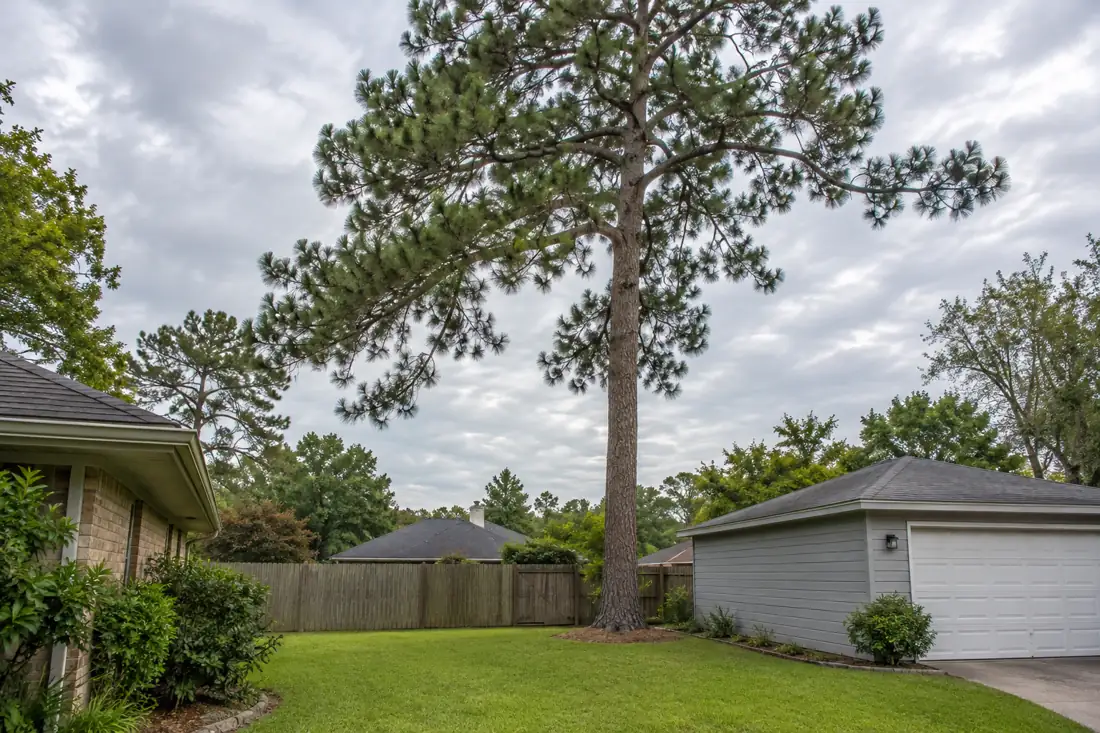
Wet ground can change access and staging even when the tree work itself seems straightforward. Tell the estimator about recent flooding, drainage problems and soft areas. A plan may require different equipment positioning, surface protection or scheduling. Do not assume the same route is suitable in dry and saturated conditions.
For this project, separate soft soil, drainage and equipment support. These details help the contractor understand what must be protected, what information needs confirmation and what result you want from the work. A clear request is more useful than an assumed method or a price based only on tree size.
A sunny forecast after heavy rain does not prove the lawn has regained bearing capacity. Inspect standing water, soft ruts, slope, buried drainage, septic areas and roots already displaced by wet soil. A saturated surface can prevent safe machinery movement and may change the stability of a leaning tree. Ask the estimator whether the job should be delayed, accessed from firmer ground or planned using a different method; avoid driving onto untested ground merely to keep a schedule.
Make a site condition record before equipment arrives, particularly near paved edges, utility trenches and landscaped areas. Discuss ground protection and its limits: mats can distribute some loads but do not eliminate risk to weak soil or underground structures. Specify where wood and chips will be placed so piles do not block drainage.
If work is urgent because a tree threatens a structure, prioritize keeping people out of the hazard area while qualified professionals assess options. Document any restoration of ruts or compacted soil in the estimate.
Recognize the difference between wet grass and unstable ground
A lawn that looks green and ordinary from the driveway may be unable to support concentrated equipment loads after prolonged rain. Saturated soil can rut, shift or lose traction under repeated movements, especially where drainage collects beside a fence or building. Before an estimate, note recent rain, standing water, soft patches and areas where ordinary foot traffic already leaves deep impressions.
Share those observations without walking onto unstable ground simply to demonstrate the problem. Conditions can change substantially between an initial visit and the scheduled job.
Saturation also affects the tree itself. Waterlogged soil may reduce root anchorage, and a tree with an altered lean, raised root plate or fresh ground cracking deserves a different level of attention from a tree that merely stands over a muddy yard. Photograph visible changes from a safe location and describe when you first noticed them.
Do not attempt to brace or pull a leaning tree. If movement or structural failure appears imminent, keep people clear and seek qualified urgent assistance instead of assuming a routine removal plan remains appropriate.

Understand why ground condition changes the scope
After prolonged rain, a lawn may be firm at the street yet unstable near a low swale, drainage ditch or filled trench. Repeated equipment passes can concentrate load and create ruts even when the surface looks green. Ask the contractor to assess the proposed route and staging position under the conditions expected for the work, rather than assuming a dry-weather access plan remains valid.
Tell the estimator where water usually stands and how long it remains after a storm. Photographs from a safe location before and after rainfall can clarify the pattern. Homeowners should not test soft soil with a vehicle or attempt to drive a machine across it to demonstrate access. Ground-support decisions are part of the contractor's site safety assessment.
Find the reason water collects on this property
The estimator needs more than a statement that the backyard is muddy. Explain whether water flows from a roof outlet, an adjacent lot, a low driveway, a blocked drain or a nearby canal. Point out the part of the route that stays wet after the rest dries. Note any recent grading or construction that changed the pattern. You do not need to diagnose a drainage system, but describing recurring locations helps the contractor understand where equipment travel or temporary material storage could become impractical.
On many Greater New Orleans properties, shallow drainage routes, mixed fill and landscaping beds create sharply different conditions a few feet apart. A firm sidewalk does not prove the adjoining lawn can carry machinery, and a dry surface crust can conceal soft soil below. Tell the contractor about known drains, buried irrigation, septic components or previous utility work. Ground protection may reduce disturbance, but it cannot guarantee that an unsuitable soil structure will support every proposed machine. The appropriate method follows the actual site condition.

Review tree stability before mobilizing equipment
A tree that has recently tilted or lifted soil after heavy rain may require immediate risk screening before any normal scheduling discussion. Describe fresh changes, cracked pavement, hanging limbs and nearby occupied areas. Avoid going under the canopy to obtain a dramatic photograph. A qualified contractor should consider the condition of the tree and surrounding soil together, particularly when a large root plate appears disturbed. The work area may need to be isolated while a safe plan is established.
The danger does not disappear simply because the rain has stopped. Soil can remain saturated after the sky clears, and wind may act on a crown whose support has changed. Ask what observations would cause the crew to postpone work, bring different equipment or recommend an additional assessment.
Never ask a crew to proceed under a previously agreed price if new instability makes its assumptions invalid. A carefully documented change to the plan is preferable to pressing ahead because a booking date is inconvenient to move.
Trace surface water before placing material
A temporary wood pile, mat or parked machine can obstruct drainage if it rests across a shallow swale or near a catch basin. Identify culverts, grate inlets, French-drain outlets and the direction water travels during heavy rain. Ask the contractor where brush, logs and equipment will be staged without blocking those pathways or pushing debris toward neighboring property.
Photograph existing low areas, especially if runoff affects the house, sidewalk or driveway. The removal contract should distinguish basic cleanup from correcting a pre-existing drainage problem. A crew can plan to avoid worsening a known condition, but a tree estimate alone cannot establish the cause of recurring flooding or guarantee that the lawn will dry after work.

A Wet Yard Requires a Different Mobilization Decision
A yard can look dry at the surface while soft soil remains below the turf. Tire ruts from a recent vehicle, displaced sod or water seeping from shallow footprints can signal poor bearing capacity. Rainfall totals alone will not tell a crew whether a loaded bucket truck or tracked machine can safely enter. The actual ground, slope and buried systems need evaluation at the proposed staging points.
Plan two versions of the route: one for the tree pieces and another for machinery and heavy hauling. Work that can be performed from a driveway may still fail if crews must drag logs repeatedly through a low section. Temporary mats reduce some surface disturbance but do not create unlimited support or permit safe operation over unknown voids, culverts, septic fields or unstable embankments.
Do not use a clear forecast as proof of bearing strength
Weather decisions should have a specific trigger. If water is still standing near the trunk, if a wheel begins sinking during setup, or if drainage is carrying loose soil toward a neighbor, the crew should stop and reassess. A scheduled date is not a reason to take equipment onto unverified ground. Emergency conditions require professional risk assessment and an appropriately changed method.
Restoration is a separate line item when saturated soil is involved. Ask whether the proposal includes filling ruts, replacing damaged turf, removing temporary mats and reopening blocked drainage. Photograph the route once conditions permit safe access, then inspect again after the area dries. A muddy lawn immediately after work can hide damage that becomes obvious later.

Choose access routes by bearing and clearance
Map the entire equipment and debris route from the street to the tree, showing the narrowest entrance, steps, slopes and surfaces you want protected. A crew may be able to stand on a solid driveway while the final few yards are too soft for heavy travel. Discuss whether smaller equipment, alternative staging, controlled sectioning or limited manual handling could be feasible. The contractor must determine the method; the homeowner should provide accurate constraints rather than prescribe a machine or a set of rigging moves.
Ground mats and temporary tracks can be useful in appropriate circumstances, but they do not turn every saturated lawn into a safe loading platform. Ask what limits the contractor expects and how movements will be managed around underground services, retaining edges and tree roots. A route that crosses a neighbor's land or public right-of-way requires the appropriate permission.
Do not assume a crew can block a drain or drive over a planted swale to save time. Access should work for departure and cleanup as well as for arrival.
Saturated soil changes equipment support and recovery
Rain-soaked ground may look firm until a heavy machine turns or a stabilizer concentrates its load. Soft areas near drainage inlets, fill, septic components or buried utilities deserve special attention. Show the estimator where water collects and where previous vehicles have made ruts. It is safer to describe the conditions than to drive equipment onto the lawn to prove a route.
Tree work in an urgent hazard situation requires a specific safety response, while ordinary work may be better sequenced around safe ground conditions. Neither a fixed number of dry days nor one photograph can establish the bearing capacity of the site.
A contractor may consider mats, a roadside staging position, smaller equipment or a changed cutting sequence, but each has limits. Ask how machines will enter, turn and exit without digging deeply into soil or damaging retained roots. Define the difference between reasonable lawn protection, minor disturbance and restoration work that would require a separate scope.
Clarify the plan if weather worsens after scheduling and the surface is no longer safe to cross. A written pre-work photo record is useful for understanding what was already wet or damaged. Do not confuse the ability to complete a removal with a guarantee that grass, grading or drainage will return to the exact prior condition without additional work.
Protect the drainage system throughout the job
Branches, chips, soil and loose leaves can obstruct catch basins, culvert mouths and low surface drains. Before work begins, photograph the visible drainage features and identify areas that routinely carry runoff after a storm. Agree where the crew may stage material so piles do not block a flow path or push debris toward the street. If a drain is already blocked, document it as a pre-existing condition and address it separately rather than automatically adding drainage repair to the tree scope.
The site may also contain shallow irrigation or buried piping that cannot be seen from above. Show any known locations and avoid making unsupported claims about what lies underground. If stump grinding or root removal is proposed, discuss utility-location responsibilities and the limits of the agreed work.
The completion review should include visible drains and paths that were near the handling area, not just the location where the tree stood. Successful debris removal should not leave the next heavy rain carrying a pile of chips into a culvert.

Set practical weather and stop-work expectations
The date originally quoted may become unsuitable after a storm changes soil traction or makes the canopy unstable. Before the scheduled work, agree on who will review conditions and how a postponement or revised method would be communicated. Avoid asking the crew to promise a fixed completion date regardless of ground condition, weather or utility hazards.
If standing water obscures holes, electrical equipment, roots or access edges, describe that fact during scheduling. Leave the decision about crew operations to qualified personnel rather than entering the work area to clear a route. A revised plan should identify material differences in scope or cost before they are accepted, so a weather delay does not turn into an unexplained invoice.
Set realistic weather and rescheduling triggers
A written estimate should state that site conditions must remain suitable for the planned method. Ask whether the contractor expects a drying interval, a site recheck or a different work window if heavy rain returns. Avoid demanding a fixed number of dry days; drainage, soil texture and loads differ. The goal is a shared decision process rather than a promise that a calendar date will override physical conditions. If the property floods or access deteriorates after the quote, communicate that before equipment is dispatched.
Some work may be urgent because a hazardous tree threatens a building or occupied route. Urgency can change priorities without eliminating the need for a safe approach. Discuss whether temporary exclusion of an area or other immediate precautions are appropriate while the work method is reassessed. A routine homeowner inquiry does not by itself trigger emergency dispatch. Keep the contractor informed about changes in weather, ground movement and access, then confirm any modified method, scope or date in writing before work proceeds.
Evaluate surface protection without assuming zero damage
Mats and protective routes can spread some loads, but they have limits related to soil type, slope, equipment weight and repeated travel. Ask the contractor whether the intended equipment and surface protection suit the actual site. A single plank across a soggy lawn should not be presented as a guarantee against rutting or underground pipe damage.
Document the starting condition of turf, paving and beds along the access corridor. Discuss whether foot access, an alternative staging area or a different date could be more appropriate. The goal is a defensible work method, not an unsupported claim that every square foot can be preserved. If restoration is included, describe the specific finish expected rather than using vague language such as leave everything perfect.

Describe restoration separately from removal
Soft ground is susceptible to ruts, displaced mulch and compaction, even when a crew takes reasonable protective measures. Before the job, document the condition of the lawn, beds, edging and visible hardscape. Ask the contractor what measures are included to reduce disturbance and what restoration is excluded. New sod, imported soil, grading, drain repairs and irrigation adjustments are separate services unless expressly included in the written scope. A vague promise to leave the yard clean does not fully address wet-soil restoration.
Talk about where logs and chips will go, whether you intend to keep wood and how the stump will be handled. Stockpiling heavy sections on wet turf can create new damage away from the trunk. If material must be carried out in smaller loads, make sure the estimate reflects that constraint. Compare quotations on the same final condition rather than only on the number of trees removed. A lower total may exclude hauling or repairs you expected to be included.
Keep drainage features and retained roots visible
Wet sites can conceal roots, garden borders and drainage connections beneath grass or mud. Ask that known irrigation heads, shallow pipes, soft edges and important retained trees be identified during the pre-work walk. Heavy traffic in the root zone of a tree that will remain can cause compaction even if the tree being removed is several yards away.
Avoid moving stored logs or mats yourself while the job is active. After equipment leaves, inspect drainage openings from safe ground and photograph obvious debris or ruts. If deep settlement, a suspected pipe failure or new standing water appears, the proper next step may be specialist evaluation rather than simply spreading topsoil over the surface.

Inspect after the site becomes safe to enter
At handover, inspect accessible routes for leftover material, obvious ruts, displaced barriers and visible drainage obstructions. Do not enter a freshly disturbed area that the crew has not declared safe, and avoid standing close to unstable soil or a remaining hazardous tree. Review the agreed protection and restoration standard, then photograph any outstanding issue with a location and date. If rain makes the final ground condition difficult to judge, agree on how the relevant items will be documented and reviewed.
Keep the estimate, pre-work photos, weather notes and completion record together. They can help distinguish conditions that were present before the job from changes observed afterward. Tree Huggers can review site descriptions and safe-distance photographs when discussing the tree work, but cannot guarantee a method, price or start date from a form submission alone. On saturated ground, the clearest success measure is a safely completed scope with access, drainage and restoration responsibilities understood before the first cut.
Agree on the finish and any follow-up inspection
Separate removal of the tree and debris from repair of turf, grading, drainage and damaged surfaces. Ask for written clarification of which of those items are included, which require a separate contractor and which are outside the estimate. Where the site is too wet for an immediate finish, record what temporary condition will remain and how follow-up access would be arranged.
A useful completion record contains the original route photographs, the final route photographs and any approved scope changes. Compare the location of retained wood, chips and any disturbed ground with the agreement. Do not treat a quick visual inspection as proof that buried drainage systems are intact; if a specific concern arises, arrange appropriate professional assessment.
Questions about this project
Can tree equipment use any driveway?
No general assumption should be made. Pavement condition, edges, support, buried infrastructure and the proposed equipment all matter. Ask the contractor to assess the intended setup and route for the particular property.
Do mats guarantee there will be no ground damage?
Ground protection is one part of a site-specific plan. It does not remove every load, soil or access limitation. Discuss the proposed measures and any restoration responsibilities in the written scope.
What access information helps an estimator?
Send the narrowest opening, overhead obstacles, turns and the distance between the tree and the loading area. Include photos of the entire route and identify steps, soft ground or features that must remain protected.
Should I remove a fence before the visit?
First ask the contractor to assess access and agree on any temporary opening. Identify who owns the fence, who can authorize the change and who will reinstall it. Do not assume the opening is necessary or included.
Can weather change the scheduled method or date?
It can affect equipment support, visibility and the suitability of the work conditions. Tell the contractor about site changes and confirm the work window. The plan should be reviewed when the assumptions used for the estimate no longer apply.
Should I clear storm material before the crew arrives?
Do not enter a hazard area or move loaded wood to prepare for the crew. Describe the conditions from a safe location and follow the preparation arrangements confirmed with the contractor.
Can the removal method be selected from a photo?
Photos help prepare the discussion but may not show defects, ground conditions or usable access. The contractor may need an on-site assessment before confirming the method, equipment and final scope for the property.
What if the tree changes before the appointment?
Tell the contractor about a new split, failed branch, changed lean or other visible change. Keep clear of the affected area. Changed conditions may require a different assessment, priority or work plan before the crew proceeds.
What should I compare besides the price?
Compare tree identification, work objectives, access assumptions, hauling, stump treatment, site finish and exclusions. Ask whether permits or other coordination are part of the scope and who can approve changes if conditions differ.
Does an online request book the crew?
No. A request starts the estimate conversation. The company still needs to discuss scope, availability and any site assessment. For a dangerous or urgent condition, call 504-458-8336 rather than relying on a form response.
What should I tell Tree Huggers about tree removal when the yard is saturated?
Explain the property address, the work you want and the specific concerns: soft soil, drainage, equipment support. Send safe photos of the tree, surroundings and access route. The contractor can then discuss the assessment and scope needed for this situation.
How do I request an estimate for this work?
Call 504-458-8336, text photos or use the estimate form on this page. Include the address, desired outcome and any timing constraints. The company will need to review scope and availability; an online request does not confirm a price, appointment or emergency dispatch.
Get a scope for your property
Share recent photos of puddling, drainage pathways and any ruts. Explain whether the water disappears quickly or persists for days so the site assessment can address actual conditions.