Dead wood behaves differently
As wood dries and decays, branches can become brittle and attachment points can weaken. A dead tree that has stood for months or years may not react like a healthy tree during cutting, which makes controlled sequencing and equipment choice especially important.
Practical scope and safety guidance: A dead or declining tree deserves an onsite evaluation because the safest removal method depends on how much structural strength remains. Dry twigs alone do not prove that every part of a tree is dead, while brittle wood, detached bark and decay can make climbing or rigging unusually hazardous. Keep people out of the potential fall area and avoid pulling branches or testing the trunk.
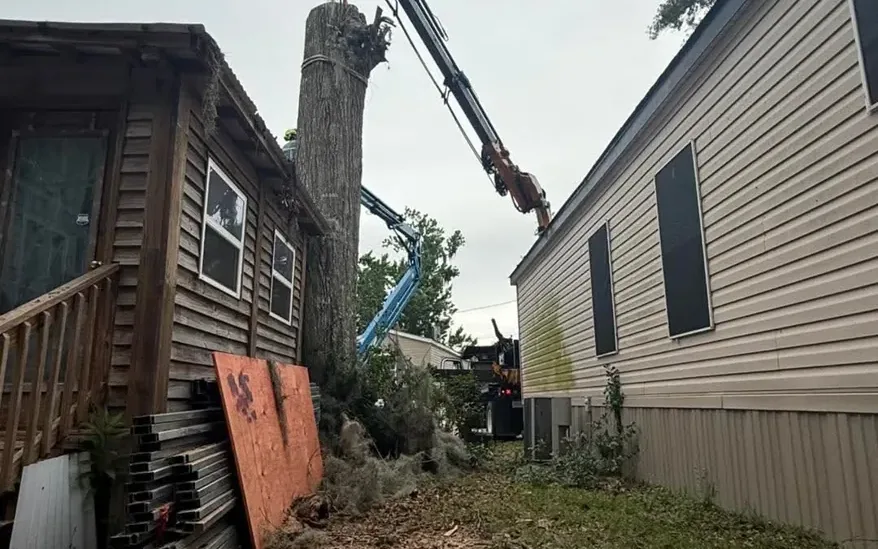
For an estimate, show the full tree, the base, nearby houses or utilities and the path equipment would use. Identify recent storm injury, construction changes, water problems or a history of falling limbs when known. The contractor should explain whether a lift, crane, controlled lowering or ground-based approach can be used under actual site conditions. Separate removal, stump grinding, wood retention, haul-off and restoration in the scope. Do not assume that a dead tree can safely be felled in one piece.
Look at trunk decay, remaining branches, lean, root condition and nearby targets.
Select the safest combination of climbing, rigging, crane or mechanized work.
Handle logs, limbs, hauling and stump grinding according to the agreed scope.
Do not wait for storm season if failure is obvious
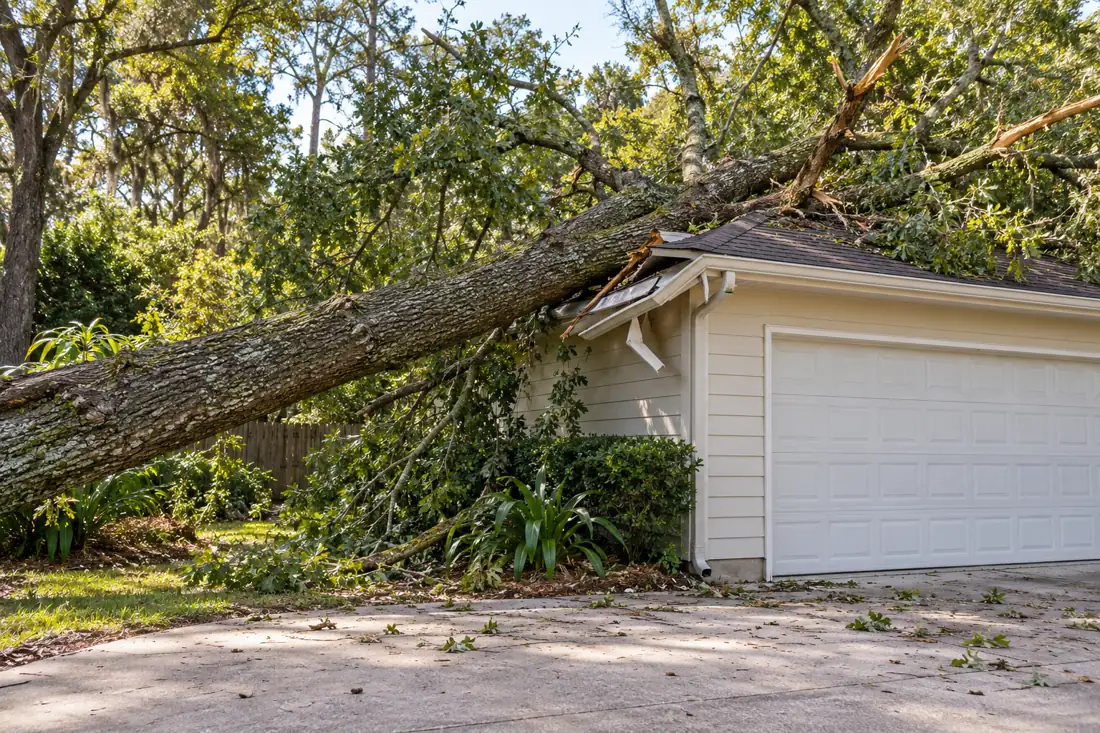
A clearly dead tree near a home, parking area or access route has little to gain from delay. Removing it under planned conditions is generally easier than handling the same tree after wind has broken limbs or pushed the trunk into a structure.
Related services
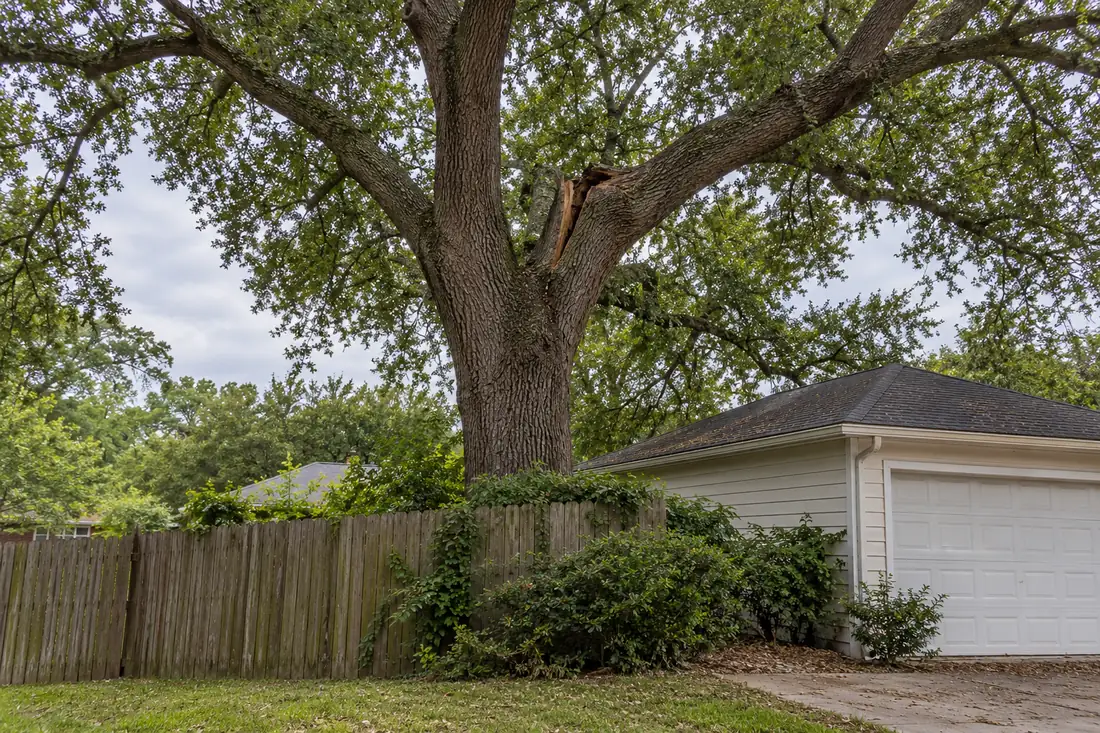
Confirm the question before assuming a method
Some owners know the tree has died; others see bare branches or canopy loss and are uncertain. State which situation applies. If you need a condition review, explain the visible change and when it occurred. Do not treat a single symptom or an online image comparison as a complete diagnosis. The estimator should understand whether the first decision concerns condition, removal scope or both.
The tree-decline guide provides related context, and assessment may be a separate service discussion where needed. If removal is the objective, identify the tree clearly using safe wide photos and fixed landmarks. You do not need to choose climbing, rigging or mechanized handling yourself. The method should follow the present tree, surrounding targets and access rather than be selected from its height or age alone.
Share the history you actually know
Tell the company about prior branch loss, a changed lean, storm damage, earlier cutting or construction near the tree. If a previous owner supplied information, label it as history you were told rather than something you observed. An accurate timeline helps prepare the review without claiming to establish internal condition or the exact reason the tree died.
Current photographs matter more than an old view of the tree with leaves. Show the standing trunk, remaining crown and base from positions that do not place you beneath damaged wood. Do not snap twigs, pull bark or enter a hazardous area to prove that the tree is dead. The condition-concern guide can help frame a useful request, but the actual removal plan still needs appropriate assessment of the tree and property as they are now.

Make nearby targets part of the estimate
Identify buildings, sheds, vehicles, fences, landscape features and regularly used routes beneath and around the tree. A dead tree in an open area presents different handling questions from one extending over a roof or close to another tree you want retained. Safe wide photographs should keep those targets visible instead of isolating the trunk against the sky.
Explain which spaces are normally occupied and whether an alternative route is available during work. Keep people and pets away from visibly damaged areas. If a limb is hanging or a tree has newly shifted, call about the current condition rather than treating it as an unchanged routine request. The high-risk removal service discusses related restricted situations, with methods and work-zone arrangements chosen for the individual tree rather than a general promise that one approach fits every dead specimen.
Review access from street to loading point
Show the full route to the tree, including gates, turns, steps, overhead features and the final work area. A rear-yard tree may be easy to see while difficult to reach and unload. Explain shared drives, locked gates and any location where separate permission is needed. Do not remove a fence or alter a route before a feasible approach is reviewed.
Tell the estimator about soft ground, fragile paving, known buried services and retained planting along the path. Equipment options need to be considered in relation to setup, reach and handling as well as the tree itself. The work plan should connect the cut material with its route out. A change in access after the estimate can change the method or schedule, so send updated information before mobilization instead of assuming any alternate path will work.
Keep preparation outside hazardous tree work
The customer’s preparation may include arranging access or moving vehicles and furniture from a safe area as agreed. It should not include cutting damaged limbs, climbing the tree or shaking it to see what falls. Tell the contractor which fixed features cannot move and which ordinary items can be relocated before the work window. Keep preparation tied to the accepted plan.

Separate dead-tree urgency from assumptions about how to dismantle it
A dead tree near a building creates a different planning problem from a sound tree of similar size. Dead branches may shed unexpectedly, and wood strength can vary throughout the trunk. Share photographs showing the base, crown, surrounding targets and access route, but do not attempt to test the tree by pulling branches or climbing it. An on-site assessment is needed to decide what methods are feasible.
The removal scope should distinguish the concern prompting action from the equipment eventually used. A blocked driveway, detached garage, neighboring fence or nearby utility line changes how pieces can be controlled and where debris can be placed. Ask the contractor to identify exclusions, utility coordination and the anticipated cleanup finish in writing rather than accepting a promise that every dead tree is removed the same way.
After removal, check the intended use of the space. Stump height, grinding depth, loose chips and surface restoration may be separate decisions. Preserve a record of the tree and agreement without claiming that a single photograph proved the tree was about to fail. If a clear immediate hazard is present, restrict access to the affected area while qualified help is arranged.
For an occupied property, identify the site contact and approval contact. If an owner will be away, provide the tree identifiers and accepted scope to the person meeting the crew. No one should need to improvise instructions beneath an unstable crown. The customer preparation hub explains the broader handoff. A clear access arrangement helps the crew assess and perform the actual tree task while the household or business has a practical plan for staying outside the active zone.
Decide what material and stump finish you want
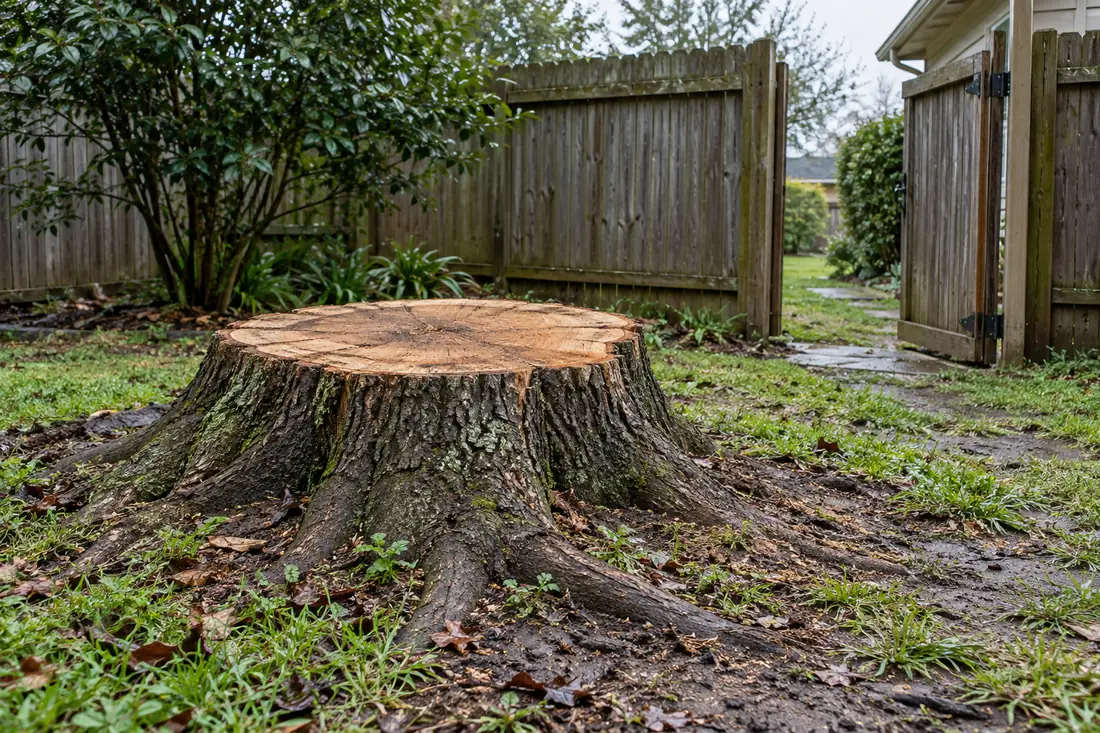
Removal can leave a cut stump unless grinding or another task is included. Explain how you plan to use the area next. A mower route, garden bed, fence or structural project can lead to different finish requirements and coordination. The stump service should not be confused with complete excavation of every root or automatic preparation for construction.
Clarify logs, branches, retained wood and hauling. If you want material left, agree on a feasible amount and location before pricing. Chip handling, backfill, grading and new planting are separate where relevant. A quote described simply as dead-tree removal may not include the same finish as another proposal. Comparing those details is more useful than assuming every contractor uses the word cleanup to describe an identical property handoff.
Use a clear tree list for several removals
A property may contain more than one dead or declining tree, with different access and targets. Number them on photos or a simple plan and connect each to the requested task. Distinguish trees proposed for assessment from trees authorized for removal. Keep retained trees visible so the field scope is not confused with an instruction to clear an entire area.
If only part of a proposal is accepted, identify the current work expressly. Name who can approve an additional task or changed condition during the visit. The removal planning hub provides related comparison guidance. At completion, use the same identifiers to reconcile cutting, hauling and stump decisions. This helps an absent owner or manager understand which items were completed and which remain for later consideration without relying on a general impression that the property looks tidier.
Request a plan before the condition changes further
A clearly dead tree near used space is worth discussing directly rather than waiting for a storm or failure to define the next step. Give the address, current safe photos, known history and nearby targets. The company can review the request, assessment needs and availability. Do not infer a precise deadline or risk level from a general service page; the actual condition and surroundings need consideration.
If a new branch fails, the lean changes or the tree contacts a structure, report that update and keep clear. Appropriate emergency or utility services should handle immediate threats or wires. For planned work, text the site information or use the estimate form and clarify the full scope before scheduling. A good dead-tree removal request connects present condition with practical access, handling and the expected finish, so the agreed job remains understandable from first call through completion.
Describe dead-tree condition without testing brittle wood
A dead trunk and its limbs can respond differently from green wood because drying, decay and prior breakage may have weakened them. Do not strike the tree, climb it or tug on branches to test their strength. Instead, note when foliage stopped growing, whether pieces have fallen, whether the lean changed and any recent excavation or storm activity. This dated history can help a professional conversation but cannot establish structural strength from photographs alone.
Send wide views showing the trunk, canopy, neighboring buildings, fences, used outdoor spaces and access from the street. Close-ups of decay are useful only when they are safe to obtain and paired with context. If the tree touches electric conductors or creates an immediate hazard, stay away and contact the utility or proper emergency authority. An ordinary removal request cannot substitute for energized-line control.

Plan around nearby targets and access
Separate the removal objective from wood cutting, hauling, stump grinding and later soil or landscape repair. The stump may require a different access approach and work window. Identify whether any sizable log should remain and where it could be placed without blocking equipment. Underground services, fragile paving and soft ground may alter the review. No general page can prescribe a safe removal technique for an unseen dead tree.
Keep the agreed tree identifier, material destination, site restrictions and finish together. Report a new failure or changing lean before the planned visit; earlier assumptions may need revisiting. A truthful closeout states what was actually removed and what remains, without promising that the entire property is free of future tree hazards.
Dead Tree Removal questions
What if I am unsure whether the tree is dead?
Say that you need the condition reviewed. Share observed changes and timing rather than treating one symptom as a complete diagnosis.
Which history helps a dead-tree estimate?
Provide known branch loss, storms, changed lean, earlier cutting and nearby construction. Label secondhand or uncertain information honestly.
Should I break a twig or pull bark to prove it?
Do not investigate by approaching or testing a hazardous tree. Safe observations and current photographs can introduce the concern.
Why do nearby structures matter?
They affect what must be protected and how material can be handled. Show roofs, sheds, fences, retained trees and occupied routes in the same context.
Can method be selected from tree height alone?
No. Present condition, targets, access, setup and material handling need review together before choosing an appropriate approach.
Does the route out matter for a dead tree?
Yes. Show gates, turns, ground and loading space as well as the tree. Removed material still needs a workable authorized handling route.
Should I cut damaged branches before the crew comes?
No. Preparation should follow the agreed access plan and stay outside hazardous tree work. Do not climb, shake or cut damaged wood yourself.
Can I request a stump-free lawn finish?
Discuss grinding, chips, soil and grading separately. The intended finish needs to be stated rather than inferred from the removal price.
Does grinding remove every root?
No. Agree on the actual stump task and coordinate any future fence, planting or construction requirements with the appropriate provider.
How should several trees be listed?
Use marked photos or numbered locations and separate assessment, proposed removal and authorized current work. Match those identifiers to completion.
What should I report before the workday?
Send new failures, changed lean, structural contact or altered access promptly. The assessment, urgency or method may need review.
How do I request dead-tree removal?
Send the address, safe whole-tree and access photos, known history and desired finish. Call directly about a newly dangerous condition.
Describe a possible dead-tree hazard safely
Share how long the tree has shown decline, any recent limb or bark failures, and whether a house, walkway, driveway or utility line may be exposed. Safe wide-angle photographs help locate the tree and surrounding access without requiring anyone to stand beneath it. An image cannot confirm that a tree is dead or determine the removal method. Stay clear of suspect limbs and seek urgent utility or emergency assistance when the circumstances require it.