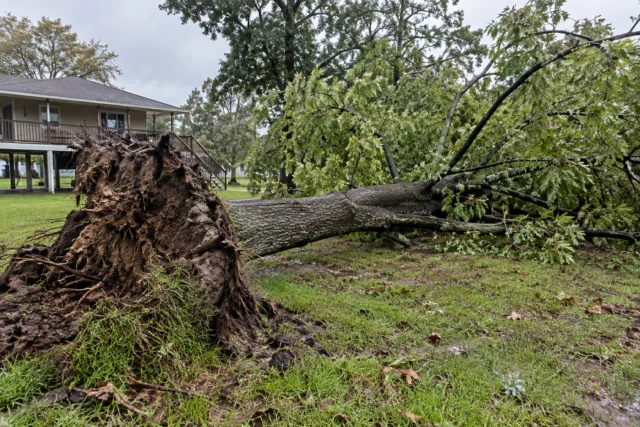
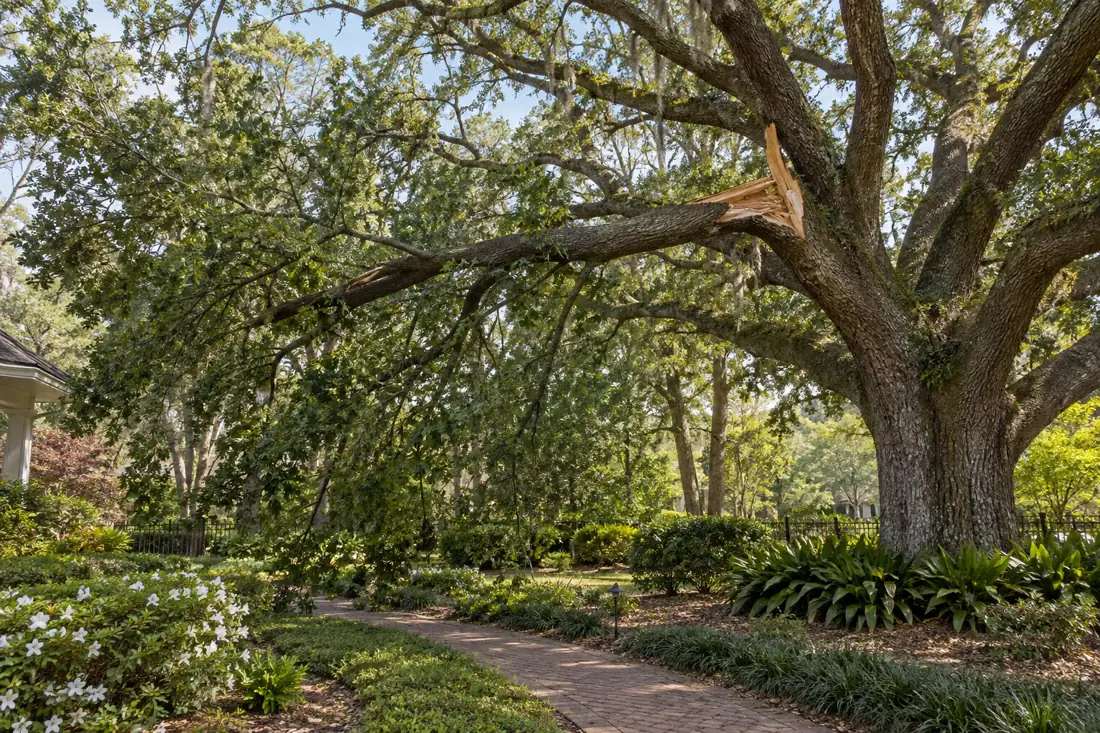
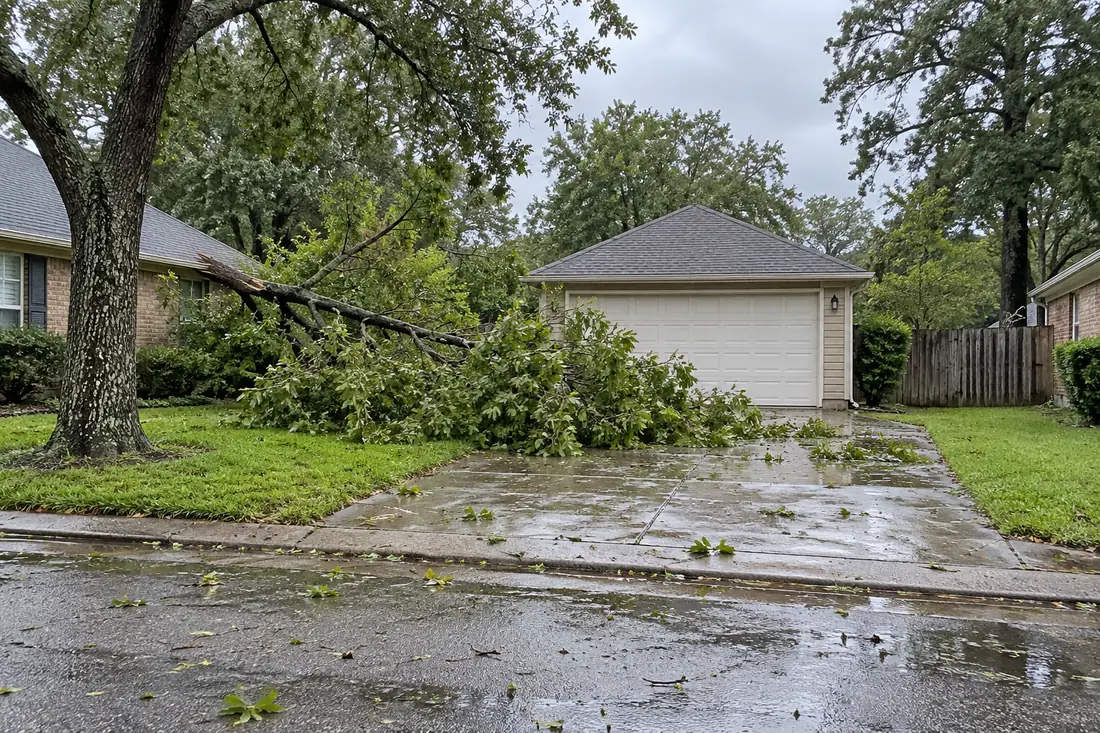
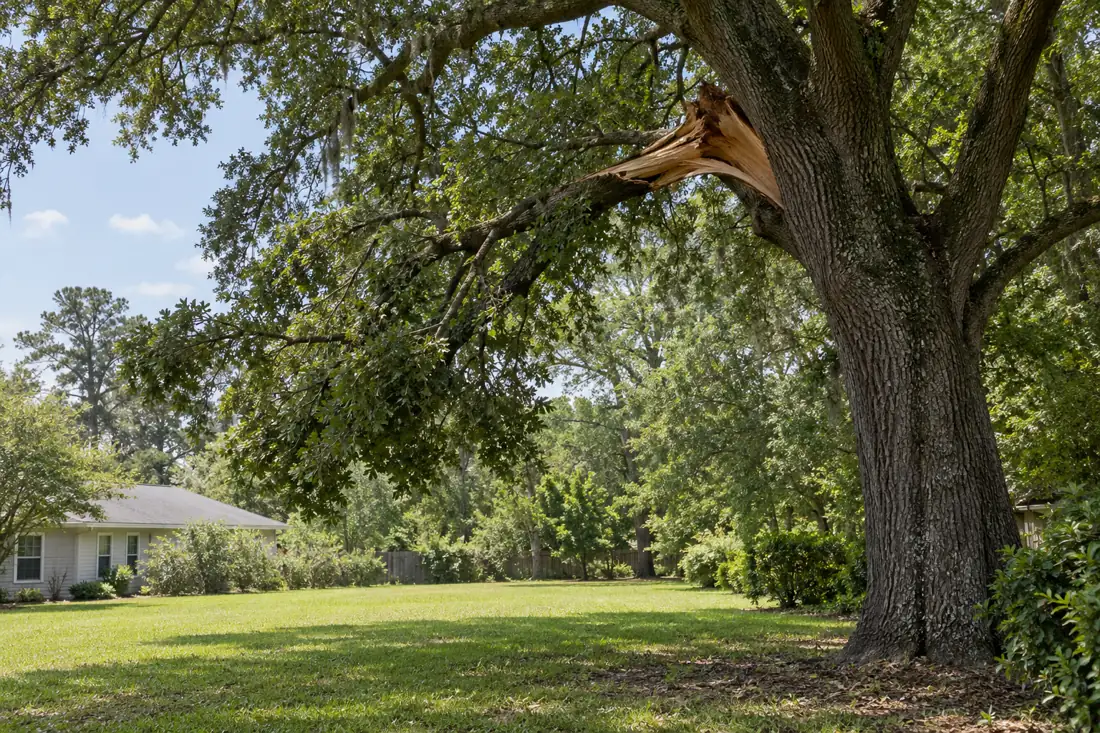
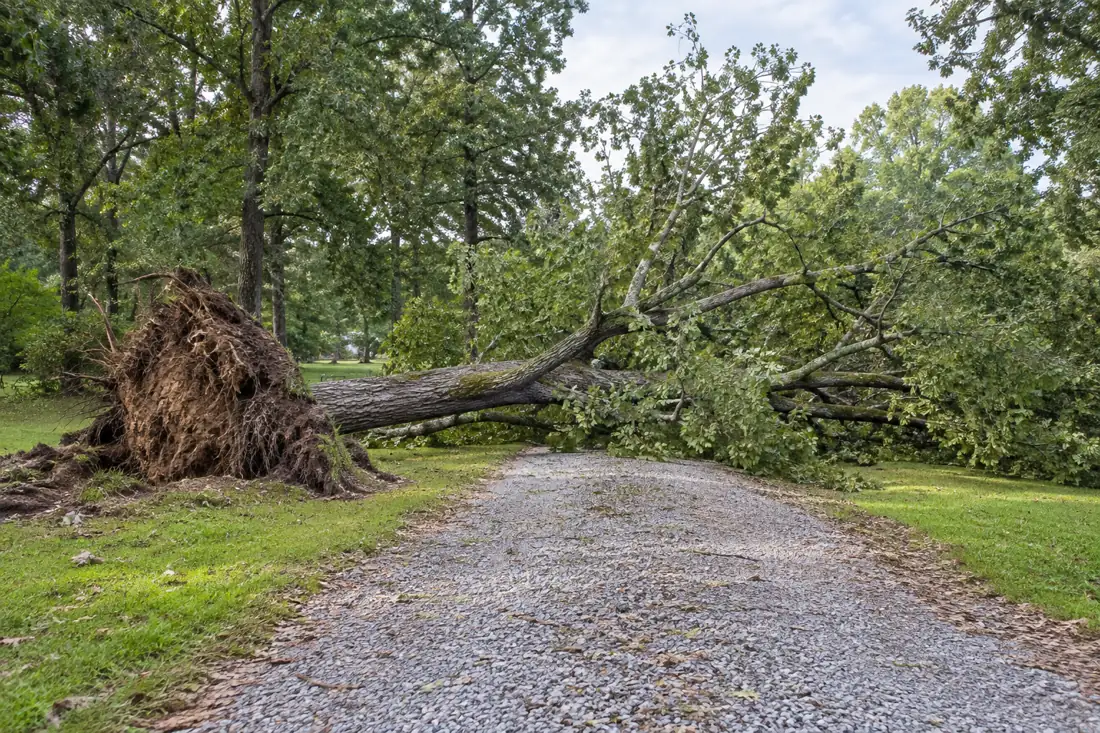
Multiple fallen trees need a work sequence rather than a single broad instruction to clear everything. Identify access priorities, retained trees, structures and the desired debris finish. Ask how material will be handled and where equipment may operate. A tree count, marked photos and one approval contact help keep the scope organized.
Number each connected fallen-tree hazard before pricing cleanup
When several trees overlap, the visible ground pile may hide separate suspended loads and displaced root plates. Mark each tree or work zone on an overhead sketch without approaching unstable material. Describe which obstacles block emergency or necessary access and which can remain isolated. This gives the qualified crew a starting inventory without attempting to prescribe the rigging sequence from homeowner photographs.
Ask for a scope that distinguishes making access safe, separating entangled wood, hauling, grinding and later surface restoration. Material from one tree may need to be moved to reach another, so the quote should describe how those dependencies and any changed conditions are handled. At the end, maintain a list of unfinished stumps, exposed soil and restricted areas rather than treating an empty driveway as completion of the whole property.
Start by identifying the immediate hazards: downed electrical conductors, trees resting on roofs, unstable suspended limbs and blocked emergency access. Keep people away from unstable material and notify the proper utility or emergency service when warranted. Make a simple property map marking each tree and the routes needed first for residents, emergency responders and equipment.
A crew may need to clear one controlled route before working on a larger but less urgent pile elsewhere. Avoid treating all fallen wood as safe merely because the storm has passed.
Ask the estimator to distinguish trees still under load from debris resting freely on the ground and to explain the sequence for cutting, lifting, hauling and stump work. Identify narrow gates, soft soil, underground drains and neighboring structures that could limit equipment. Clarify whether brush, logs and grinding debris leave the property or remain for a separate contractor. Photograph current conditions, record changes in access, and keep the staging area away from occupied entries so restoration work does not create a second hazard.
Storm Cleanup When Several Trees Are Down
When several trees fall in southeast Louisiana, begin with the whole site, not the most visible trunk. Keep occupants, visitors, and unassigned workers away from the affected area; use doors, gates, and barriers to prevent casual entry. Look from a safe location for downed or sagging wires, damaged buildings, blocked exits, unstable trees, and water covering hazards. Treat every power line as energized. Contact the utility about electrical hazards and keep people clear until the utility provides direction.
A property manager can make a simple site map before crews arrive: mark structures, roads, gates, utilities, drainage paths, and each known tree fall. Note where people normally walk or park and which routes emergency responders may need. Do not enter a debris field to inspect it closely, and do not climb, pull, or cut anything to improve the view. Share the map and observations with the tree contractor, utility, and other relevant responders so they can plan from the same picture.

Set Priorities Across the Entire Property
Rank hazards by what they threaten, not by tree size or appearance. A tree resting against a home, a blocked emergency exit, and an unstable stem over a regularly used path may need attention before a large trunk lying in an open field. Mark areas that must remain closed and identify the few routes needed for emergency access. In Louisiana, saturated ground after heavy rain can make seemingly stable trees and equipment support areas unreliable, so conditions may change as water moves or the soil dries.
Ask the lead contractor to explain the proposed order of work and what would cause it to change. The plan should distinguish immediate hazard control from ordinary debris removal, identify where people can safely wait, and account for nearby homes, businesses, and public access. Agree who can authorize a work-area closure or a change in priority, and how that information will reach occupants and other crews. A written sequence helps prevent different teams from independently moving toward the same hazard.
Create a priority map when more than one tree is down
Number each affected tree and mark what it touches: occupied structure, driveway, fence, utility area, drain or retained canopy. A single wide photograph may not show which trunk supports another or where a hanging limb is trapped. Ask the contractor to separate immediate restrictions, controlled removal, hauling and later stump or landscape work in the proposed sequence.
Document whether debris belongs to distinct property owners and whether a public right-of-way is involved before assuming all material can be handled in one scope. Keep access for emergency personnel and essential services in view while planning staging and truck movements. After each phase, record unresolved hazards rather than declaring the entire property safe because one large tree has been cleared.

Turn several fallen trees into independent work-zone decisions
When several trees are down, branches can overlap and obscure which trunk carries a dangerous load. Photograph the entire affected area from outside the debris, note blocked entrances and identify potential overhead hangers. Do not climb over fallen wood or attempt to cut tensioned pieces to learn which tree belongs to which pile. Qualified crews should establish the order of work and exclusion zones.
Write separate scope lines for each tree or connected debris group: where it lies, what it is resting against, what can be accessed first and whether root plates, structures or utilities require another specialist. The equipment needed for a tangled stem may differ from the equipment needed to haul the remaining brush. Do not assume one load count or hourly price covers every hazard.
After hazard control, make a second plan for material separation, chip or log retention, loading and surface cleanup. Preserve progress photographs, records of changed access and explicit owner approval for work beyond the initial emergency scope. Clearing one path may be urgent while complete site restoration remains a later phase.
Recognize the Risk in Root Plates
A fallen tree may still be connected to a lifted root plate, a mass of roots and soil that can shift or drop as the trunk is cut or moved. The plate may conceal broken roots, buried objects, or a void, and its weight can change suddenly when tension is released.
Keep people and machines out of the area identified by the qualified tree professional. Do not lean on the plate, stand beneath it, or treat it as stable simply because it has remained upright since the storm.
Ask the arborist or tree contractor how the root plate will be controlled and whether it should be handled before or after the trunk. The answer depends on the tree's lean, soil condition, nearby structures, and the cutting sequence; it is not a one-size-fits-all task. Also ask how the team will address an exposed hole after the tree is removed, especially near paths, foundations, or drainage features. Keep the exclusion boundary in place until the responsible professional says the hazard has been addressed.

Control Hanging Limbs and Suspended Trees
Branches caught in other crowns, broken tops lodged overhead, and trunks suspended between trees can fall without warning. Wind, vibration from equipment, or removal of a supporting tree can change their position. From outside the restricted area, point out visible hangers to the tree professional, but do not try to shake them loose, pull them with a vehicle, or work beneath them. Make overhead hazards part of the site map and keep people away from the potential fall area while a qualified crew decides how to manage them.
Before work starts, ask which overhead hazards will be addressed first and how workers will avoid placing a crew beneath a suspended load. The work may require specialized equipment, a different access route, or a separate visit; the property owner's role is to communicate constraints, not direct cutting methods.
Identify windows, play areas, sidewalks, and neighboring property that could be affected, and arrange closures or notices where appropriate. If a hanger shifts, stop nearby activity and let the crew reassess rather than approaching to inspect it.
Several downed trees: separate each load path from the cleanup pile
Overlapping trunks can create a misleading picture: one tree may be fully on the ground while another remains partly suspended, and roots may still be connected to an unstable soil plate. Give each tree or cluster a number on a simple sketch and record where it came from, what supports it, what lies beneath it and whether its branches cross other trees.
Do not pull at trunks or cut snagged branches to reveal hidden damage. A controlled removal method may be necessary before ordinary brush cleanup begins. This information changes the scope far more than an estimated number of wheelbarrows of debris.
Plan the sequence around human access and retained property. Separate urgent clearance at doors and driveways from optional log cutting, chip processing, hauling, stump work and restoration. Ask if large wood stays on site or leaves and where it may be staged without blocking drainage or overloading soft ground.
An owner may want to retain a healthy neighboring tree, which means an apparently quick pull is not necessarily appropriate. Photograph the final route and surfaces from safe ground positions, then compare the agreed finish against the estimate rather than treating any cleared pathway as a completed full cleanup.
Untangle Overlapping Fallen Trunks
Several fallen trees often cross, press against one another, or trap limbs beneath trunks. That tangle can store force: removing one piece may cause another to roll, spring, or slide. A visually accessible end does not show where the weight is supported or which tree is under tension. Keep the work zone closed while the crew assesses the arrangement. Tell the contractor which trees appear to be involved and whether any trunk touches a building, fence, vehicle, or another standing tree.
Ask the crew lead to describe the general sequence for separating the trees and how the work area will be controlled as supports change. The sequence should account for the location of workers, equipment, and any structures at risk, rather than treating each trunk as an independent job.
If access is tight, discuss whether material can be removed in smaller pieces or whether equipment must approach from another side. Do not request a quick pull with a truck or loader; tensioned wood requires a qualified plan and suitable equipment.

Establish Access Before Moving Debris
Cleanup is more orderly when access is planned before branches and logs are shifted. Identify an entry route, a separate exit route if possible, turning areas, temporary staging space, and places equipment must avoid. In wet Louisiana soils, repeated passes can rut turf, compact planting areas, damage shallow utilities, and block drainage. Confirm the location of septic components, irrigation, private lines, culverts, and soft ground from available records and site knowledge. If their locations are uncertain, tell the contractor before heavy equipment is dispatched.
Phase access around the hazards: first provide any necessary route for emergency response, then establish controlled contractor access, and only later open general circulation as work permits. Ask how pedestrian areas will be separated from machines and where residents, customers, or deliveries should go during each phase.
Keep gates and fire lanes usable unless responders or the site manager direct otherwise. A marked route and a communicated closure plan reduce conflicting traffic and make it easier to protect the property while crews work in separate zones.
Coordinate Crews, Equipment, and Work Zones
Multiple crews can speed a large response only when their tasks and boundaries are clear. A qualified tree crew may handle overhead and unstable-tree hazards, while hauling or ground crews work in a separate released area. Equipment such as bucket trucks, loaders, and chippers needs room to set up, turn, and move material without crossing active cutting zones.
Name one site contact to coordinate access and relay changes. Avoid scheduling independent crews to work around the same tree unless their leads have agreed on a coordinated plan.
At the daily briefing, confirm who is leading each zone, which areas remain closed, the equipment arrival order, and how crews will signal a stop or report a changed hazard. Ask what needs to be finished before the next team enters, such as clearing a route or confirming overhead hazards are controlled.
Weather, rain-softened ground, and unexpected utility conflicts can require a pause or a revised sequence. Record changes and share them promptly with occupants and contractors instead of relying on informal messages passed between workers.

Plan Hauling by Volume, Not Tree Count
A count of fallen trees is a poor guide to the amount of material to remove. A single broad-crowned tree may produce more brush than several smaller stems; trunks vary in diameter and length, and tangled branches can occupy substantial truck or staging space. Decide which material must leave the site, what can remain as logs or habitat where appropriate, and whether chipped material has an identified destination. Separate those decisions from emergency hazard control so that hauling choices do not delay work around an immediate threat.
Ask contractors how they will estimate, stage, and track the material, including brush, larger wood, and any debris that requires separate handling. Clarify where loads will be assembled, whether staging could block drainage or access, and how the property will be left at the end of each work phase.
Confirm disposal arrangements directly with the service provider and follow local requirements; do not assume all storm debris has the same destination. A volume-based plan helps compare proposals and manage space without treating a tree tally as a reliable measure.
Prioritize several fallen trees by connected hazards and access
Several downed trees require a numbered inventory and a safe priority order, not simply a request to clear everything. Note which tree obstructs emergency access, which contacts a structure, which rests in a closed part of the property and which standing tree has broken overhead limbs. Those conditions have different consequences. Photograph from unaffected ground and do not go beneath a crown to identify its base or the size of a hidden root plate.
Overlapping limbs can transfer load between trunks. Pulling one section with a truck may shift another section or release a root mass. Property owners should keep children, pets and visitors out of the entire area and leave separation to qualified professionals. Ask the estimator to distinguish loose vegetation from suspended or supported wood and to identify any utility or structural coordination required before work.

Use tree-by-tree scope lines rather than one vague cleanup price
Plan hauling from the loading point backward. Soft soil, gates, drainage ditches and slopes can limit where trucks and machinery work. Decide whether some logs remain on site, where brush will be chipped and how debris will be kept away from public sidewalks and drainage inlets. The largest pile is not necessarily the first or easiest operation. Equipment choices need to fit the safety and access requirements.
Request phased line items for priority hazards, each tree, disposal, retained-tree assessment and optional stump work. Have the final site walk include hanging limbs in surrounding trees, ground obstacles, surface damage and the agreed path clearance. Record actual work and unresolved hazards before reopening. A clear inventory gives the owner a defensible comparison of bids without assuming that a preliminary tree count fully describes the job.
Assess Trees That Remain Standing
Once urgent hazards are controlled, have a qualified arborist assess standing trees affected by broken limbs, trunk strikes, root disturbance, or close contact with fallen trees. Look for visible changes from a safe distance, but do not infer stability from a leafy crown or an upright trunk.
A tree may have damage hidden above, at the trunk, or around its roots. Prioritize trees over buildings, parking areas, play spaces, and frequently used paths, and restrict access beneath a suspect tree until a professional has evaluated it.
Ask for findings by tree or clearly marked group, with practical recommendations such as monitoring, pruning, further assessment, or removal where warranted. Request an explanation of the observed defect, its location, and what change would prompt reassessment. Keep the evaluation separate from sales pressure by asking which work is urgent and which can be scheduled later. After heavy rain, additional wind, or nearby removal that changes exposure or support, communicate new observations to the arborist; a previous review does not settle every future condition.

Restore the Property and Keep a Record
After debris is removed, recovery includes more than making the site look tidy. Check for blocked ditches, altered runoff, exposed soil, damaged paths, broken fences, and holes left by root plates. Ask the contractor to distinguish storm damage from access or equipment impacts and to note areas that need follow-up. Reopen routes in stages only after the responsible site contact confirms that overhead and ground hazards have been addressed. In low-lying areas, monitor drainage during later rain rather than assuming a cleared surface will shed water as before.
Keep the site map, dated photographs taken from safe locations, contractor recommendations, utility contacts, work sequence, and notes on access or drainage changes together. These records help property owners and managers plan repairs and explain what was addressed without promising any particular insurance outcome. Set a follow-up date for retained-tree observations and unfinished restoration, and tell occupants which areas remain restricted.
A deliberate closeout—who inspected each zone, what remains, and who will act next—turns emergency cleanup into an organized recovery rather than an uncertain return to normal use.
Questions about this project
How should several storm-damaged trees be described?
Use marked photos or a simple tree list showing locations, affected targets and access problems. Identify urgent routes or buildings separately from later cleanup. The contractor can then discuss assessment and a practical work sequence.
Can restoration be handled in phases?
Yes, when the parties agree on clear scopes. Initial hazard or access work, planned removal, hauling and building or landscape repairs may involve different stages and providers. Record the responsibilities and completion requirements for each.
Is a total tree count enough for a large quote?
Usually the parties also need locations and tasks. Use consistent tree numbers, marked photos or a site plan so the estimate and crew instructions refer to the same trees and retained areas.
Does a work inventory include a condition assessment?
Only if that service is expressly part of the scope. A list used to identify and price tasks should not be mistaken for a documented assessment of every tree's condition or risk.
Does cleanup include every root and wood chip?
That depends on the written scope. Tree removal, stump grinding, chip hauling and root excavation are different tasks. Ask what material is removed, what remains and whether soil or landscape restoration is separately included.
What should a final walk-through check?
Compare the identified trees and tasks with the agreement. Check agreed debris handling, stump treatment, access openings and any listed restoration. Record unresolved items clearly instead of relying on a general impression that the property looks finished.
Can tree equipment use any driveway?
No general assumption should be made. Pavement condition, edges, support, buried infrastructure and the proposed equipment all matter. Ask the contractor to assess the intended setup and route for the particular property.
Do mats guarantee there will be no ground damage?
Ground protection is one part of a site-specific plan. It does not remove every load, soil or access limitation. Discuss the proposed measures and any restoration responsibilities in the written scope.
What should I compare besides the price?
Compare tree identification, work objectives, access assumptions, hauling, stump treatment, site finish and exclusions. Ask whether permits or other coordination are part of the scope and who can approve changes if conditions differ.
Does an online request book the crew?
No. A request starts the estimate conversation. The company still needs to discuss scope, availability and any site assessment. For a dangerous or urgent condition, call 504-458-8336 rather than relying on a form response.
What should I tell Tree Huggers about storm cleanup when several trees are down?
Explain the property address, the work you want and the specific concerns: priority access, material volume, retained trees. Send safe photos of the tree, surroundings and access route. The contractor can then discuss the assessment and scope needed for this situation.
How do I request an estimate for this work?
Call 504-458-8336, text photos or use the estimate form on this page. Include the address, desired outcome and any timing constraints. The company will need to review scope and availability; an online request does not confirm a price, appointment or emergency dispatch.
Get a scope for your property
When several trees are down, number each location and report which hazards affect a home, main exit, shared road or utility. Keep clear of loaded branches and avoid moving debris to make the scene look better in photographs. Include safe wide views and a map or sketch if available. Ask for a phased written scope that identifies priority access, trees that remain, log and brush hauling, and areas requiring separate restoration or later inspection.