A school response needs controlled access and communication with the authorized campus contact. Identify buildings, arrival routes, play areas and trees that affect occupied spaces. Work windows and exclusion areas must be agreed with the school. A contractor should not assume an empty-looking campus is open for unrestricted equipment access.
Plan school-campus storm cleanup around students and protected routes
Before a crew enters a school campus, map where students, staff, buses, deliveries and emergency responders actually travel. Identify playgrounds, athletic fields, covered walkways, pickup lanes and emergency entrances separately; an area may look closed on a map but still serve as a required route. The site contact should mark trees and debris piles by location, access point and degree of obstruction without requiring staff to inspect unstable branches.
A cleanup scope needs an exclusion plan for saw work, chippers, loaders, crane operations and moving trucks. Coordinate with the campus administrator on safe work windows, temporary pedestrian routes, vehicle escorts and communication to employees. Never assume a weekend or school holiday means the property is unoccupied. Utility contacts and neighboring public sidewalks may require separate coordination.
Record whether the requested completion condition is open routes, removed hanging hazards, full debris hauling, stump treatment or surface restoration. Keep waste staging away from drains and occupied doors, and note any landscaping or underground utilities in equipment paths. Written quantities, site photos taken from safe locations and a final walkthrough make it easier for the school to verify the scope actually delivered.
For this project, separate campus access, occupied zones and reopening priorities. These details help the contractor understand what must be protected, what information needs confirmation and what result you want from the work. A clear request is more useful than an assumed method or a price based only on tree size.
A school property may have playgrounds, bus loops, pickup queues, athletic fields and several entrances with different levels of supervision. Facility staff should identify any downed tree, hanging branch or compromised root plate that makes these spaces unsafe before normal traffic resumes. Use a marked closure map to keep children and families away from both debris and active tree equipment.
Do not allow students or volunteers to move storm wood that may still be under tension, and follow school procedures for contacting the responsible facilities authority.
For an estimate, label each priority area by function: emergency access, classroom entrance, bus lane, fencing or field use. Establish a single facilities contact for access and changes, then confirm when noisy work, traffic control and haul trucks could be accommodated. Ask the contractor to specify barriers, ground protection, debris removal, stump treatment and any work that requires a separate utility or construction trade. Document actual completion before reopening each area; a neat lawn is not evidence that overhead hazards were addressed.
Begin with the campus's own access and safeguarding plan
A school campus has routes that serve students, buses, staff, visitors, emergency vehicles and sometimes after-hours programs. Storm debris can affect those routes differently, so a general request to clear the grounds is not enough. Ask the school representative to identify arrival and dismissal paths, bus loops, accessible entrances, playground access and any routes that must remain open. The tree contractor needs an authorized facility contact and a clear way to request changes when conditions differ from the initial description.
A tree-work estimate does not replace the school's emergency procedures. If branches or trees pose an immediate danger, school personnel should follow their established safety and authority contacts and keep people outside the affected zone. Do not send staff or students under hanging wood to take pictures or place markers. The first priority is controlled access and professional evaluation; routine landscape appearance can be handled after hazards and necessary routes are addressed.
Inventory damaged trees by zone and observed condition
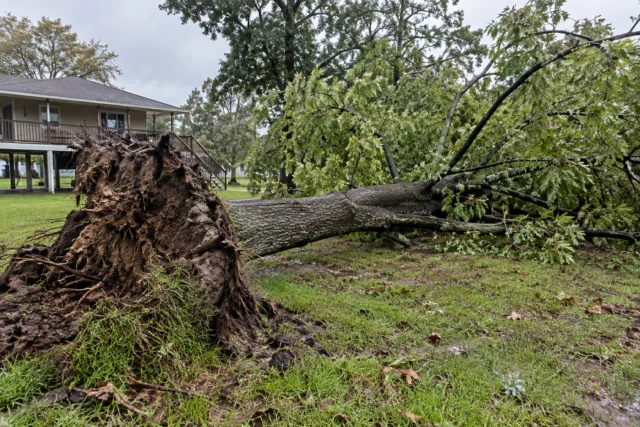
Use a map or numbered list to identify trees near classrooms, walkways, fences, parking and recreational areas. Describe what is visible: a fallen trunk, a suspended branch, a split union, damaged root plate or scattered debris. Do not diagnose hidden structural defects from ground photographs. The contractor may need to inspect each tree separately and determine which concerns require additional professional assessment before removal or pruning is appropriate.
Record which locations are already closed and who controls the closure. Photographs from a safe distance can show the affected tree and its surroundings without revealing students or personal information. A single large tree may need several work phases, while a series of smaller debris piles can sometimes be addressed through a different cleanup plan. Keep the inventory linked to the actual authorized scope, so newly discovered trees are not automatically treated as approved removals.
School storm cleanup needs a route-specific reopening plan
Generic campus imagery cannot establish whether a real classroom, bus loop or covered walkway has a tree hazard. The school contact should identify the affected tree or branch on a campus map, distinguish student arrival and departure routes from staff or contractor access, and note any playground or outdoor classroom within the exclusion area. Do not ask staff or children to walk beneath damaged canopy for photographs. A site overview taken from an authorized safe location is more useful than a misleading close-up.
Before scheduling, confirm who on the school side controls closures, parent communication and approval of changed work. A cleanup estimate should identify where equipment can enter, how pedestrian and vehicle separation will be maintained, which vegetative debris is being hauled and who can authorize reopening of an area. Reopening should follow actual completion and appropriate site review, not an optimistic image caption or the fact that the visible ground appears clear.
Write a campus access and safeguarding plan
A school campus should be divided into zones for drop-off lanes, bus circulation, playgrounds, classrooms, perimeter fences and service access. Identify who can authorize work, who must be notified about temporary closures and who supervises students or visitors near the site. Never rely on a construction crew to provide student supervision or assume work can occur beside an occupied playground.
Record tree numbers or map references, the current hazard, proposed exclusion boundaries, equipment entry and planned reopening criteria. Where branches touch utilities or buildings, bring the appropriate specialists into the sequence. The school's emergency and facilities policies take precedence over a generic illustrative work plan. Reopen each zone only after the responsible parties confirm it is ready for use.
Schedule work around buses and student movement
Bus lanes and carpool queues can be busy during short periods even when the campus appears quiet for most of the day. Coordinate with the transportation and facilities teams before using a driveway for chipper loading or truck staging. A planned closure should account for early arrivals, dismissals, special events and any separate preschool or after-school operations. If an area cannot be fully separated from student movement, choose an appropriate work window or a different access arrangement.
Explain the complete equipment route to the school representative, including entry, parking, cutting, debris transfer and exit. Do not assume a crew can leave machinery in an unused corner between work phases. The campus should handle notifications and alternative routes through its approved communications process. A contractor's completion of cutting does not automatically authorize reopening a playground or sidewalk; the school's responsible person should inspect the result and make that determination.

Protect play areas, sports surfaces and outdoor classrooms
Children may use areas that are not obvious from a site plan, such as shaded benches, gardens, temporary outdoor classrooms and walkways between buildings. Identify these spaces during the site briefing and set work boundaries accordingly. A damaged limb above a play structure requires different planning than brush scattered in an unused maintenance field. Temporary cones alone may be insufficient where children could approach from several directions; the school's safeguarding and safety procedures must govern access.
Outdoor equipment, fences, soft play surfaces, irrigation and landscape beds can also be damaged by machinery. Ask the contractor to evaluate the route and necessary protections rather than treating every grass area as a suitable driving surface. If a playground or athletic surface needs specialist inspection or repair, define that as a separate handoff. Do not describe the tree contractor's cleanup as certification that every piece of school equipment is safe for students.
School campus storm work: build the plan around controlled arrival routes
A school campus can have separate car lines, bus loops, fire access, play areas, athletic fields and buildings with different operating hours. Identify damaged trees against campus maps and have school officials determine which spaces can be secured before a tree crew enters. A blocked play area should not be treated as the same immediate problem as a tree obstructing an emergency vehicle route.
Parents, volunteers and students must remain outside exclusion zones; a tree removal estimate is not permission to resume normal activities in every adjacent outdoor space. Do not rely on an apparently quiet campus as evidence that a work area is unoccupied.
Request an access plan from the authorized campus representative that covers gates, designated work windows, equipment paths and who can change the plan if a route becomes unavailable. Distinguish tree-related hazards from utility, structure or fencing issues needing separate providers. Ask whether playground surfacing, irrigation, sports turf and protected plantings require special precautions. The closeout should identify removed hazards, trees retained for later inspection, cleared debris zones and any areas still restricted, rather than issuing an unsupported whole-campus safety assurance.
Plan school storm cleanup around protected movement
After a storm, a campus tree list should identify locations by function: bus loop, student drop-off, playground, classroom walk, service driveway, athletic edge or utility corridor. A limb that affects a mandatory exit path is a different priority from a downed branch in an unused lawn. The facility's authorized contact should establish what areas can be accessed and who can decide that a school zone is closed or reopened.
Create the initial record without allowing students, staff or volunteers to enter uncertain fall zones. Use safe exterior viewpoints, campus maps and simple numbered locations for photographs. Do not inspect hanging limbs from beneath or try to move a tree that may involve electrical service. Damaged fences, roofs, signs and utility systems should be referred to the proper trades rather than automatically folded into a tree contractor's responsibilities.

A campus is several different work zones, not one yard
A useful proposal breaks the work into immediate hazard management, controlled tree or limb removal, vegetative debris handling and any later pruning or restoration. It should identify whether the campus expects material to remain, be cut and staged, or leave the grounds. Play surfacing, irrigation heads, classroom HVAC and restricted gates may limit equipment routes even when a lawn looks open from a satellite image.
Tell the estimator the campus schedule, time windows, gate rules and authorized point of contact, without sharing student information. Confirm what safety barriers and notifications are the facility's responsibility and what is included in the contractor's scope. No school should assume a tree estimate promises a same-day reopening or certifies a facility safe for occupancy; those decisions require the appropriate independent authorities.
Separate electrical, roof and fencing repairs from tree work
Storms can bring trees into contact with power lines, lighting, security cameras, roofs or boundary fences. Tree personnel should know about those conditions, but the appropriate utility and building professionals must handle their own infrastructure. Keep people away from damaged conductors and any tree touching them. A school work order should specify who coordinates service isolation, roof evaluation or fence repair when those interfaces affect the cutting plan.
If a fallen branch rests on a classroom roof or portable building, the removal sequence may need input from a structural professional. Do not treat the absence of visible roof damage as proof that the building is safe. List tree cutting, material lowering, building repair and final cleanup as distinct tasks or clearly assigned phases. This avoids a contractor being asked to assume responsibility for damage it cannot inspect or repair and gives the school a record of which provider has accepted each portion.
Design a safe debris collection and haul-away route
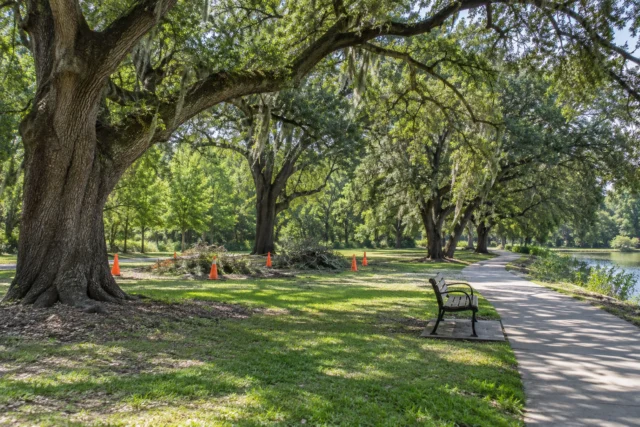
Branch piles, log sections and chips can occupy more space than the initial damage footprint. Choose staging areas away from emergency access, student pickup, accessible parking, sidewalks and gates needed by other vendors. The contractor should identify a route from each tree to the chipper or truck and determine whether equipment can operate without crossing sensitive surfaces. Include loading and sweeping in the work window; the hazard does not end when the last branch is cut.
Clarify whether all wood and chips leave the site or whether the school wants a specifically approved material retained. Debris should not be left where children can climb on it or where it interferes with drainage. If material is stored temporarily overnight, the school and contractor should agree on a controlled area and responsibility for securing it. A documented haul-away outcome is more valuable than assuming the grounds are clean because the main trunk is gone.
Plan tree preservation and selective pruning after the storm
Not every storm-affected tree requires removal. Some may need damaged branches addressed, a qualified condition assessment or a longer-term care plan. The property manager should ask the professional to distinguish an immediate hanging hazard from routine canopy maintenance and a possible structural issue. Removing large amounts of healthy canopy without a purpose may harm retained trees. Conversely, leaving a large broken branch above an active route may create unnecessary exposure.
Record which trees are to remain and any follow-up observation recommended for them. If root systems were disturbed by flooding or construction, that history can affect the assessment. Do not claim that a tree is safe forever after one inspection. A school may benefit from a scheduled reinspection or routine maintenance inventory, but those should be specified separately from the storm cleanup contract so the first response remains focused and measurable.
Reopen each area only after the school accepts the handoff
At the end of a phase, inspect the specific areas affected: bus routes, sidewalks, play spaces, gates, drains and equipment paths. Confirm what debris is gone and what repairs or further assessments remain. Any closure that must continue should be communicated through the school's authorized channels. A crew's departure is not a substitute for the school's occupancy decision. Where other trades are involved, define who will finish and accept their tasks.
For an inquiry to Tree Huggers, share the location map, list of damaged trees, photographs taken from safe positions, school calendar, entry requirements and the responsible site contact. State whether the request is a planned cleanup estimate or an active emergency requiring the school's established channels. Nonemergency form submission does not guarantee an immediate response. A clear work plan protects students and staff while giving the school a defensible record of what the tree contractor actually completed.
Make procurement, authorization and reporting clear
School districts, charter operators and private schools may have different purchasing rules and vendor requirements. Identify the contracting entity and authorized person before treating a verbal request as permission to perform work. Provide any required insurance, site entry or safeguarding documentation through the school's normal process. Avoid inventing qualifications, certificates or public-contract experience. The estimate should identify trees, access restrictions, debris handling and any requested documentation.
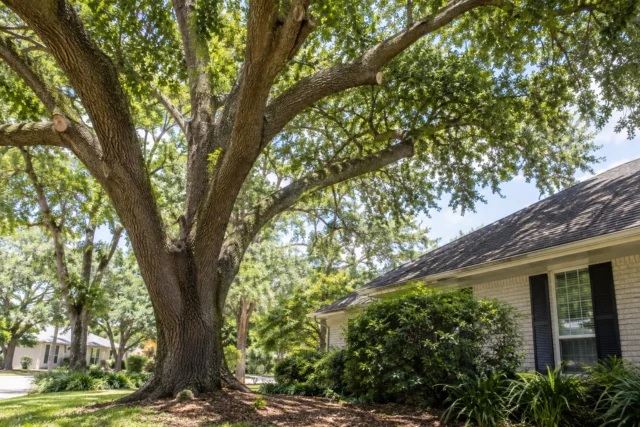
A change order process matters because storm conditions may reveal hidden problems during work. If additional removal, equipment or restoration is needed, the contractor should describe the finding and obtain the appropriate approval. Genuine photographs of work performed, dates and completed locations can support invoicing. Do not use generated planning scenes to represent a school project or claim a customer relationship that has not been established. Accurate records help the school explain the expenditure and the remaining work.
Use a school-specific phased reopening handoff. Campus cleanup should be divided into controlled zones such as bus loops, playgrounds, entrances, athletic areas and utility corridors. Establish a single authorized contact for scheduling and changes, then identify which zones must remain closed while suspended branches, unstable stems, equipment or debris are present. A work-complete photograph does not establish that surfacing, fencing or overhead hazards have been independently cleared. Review each affected area with the school's representative, document material removed and note any separate repairs outside the tree contractor's scope. Keep students and staff away until the responsible school official accepts reopening under the school's own safety process.

Make campus reopening decisions zone by zone
Identify bus loops, accessible entrances, playgrounds, delivery areas and tree locations on a facilities-approved campus map before requesting storm cleanup. Use simple zone codes in every photograph and estimate so the site manager can compare what was assessed, restricted and actually cleared. Only photograph damaged trees from authorized safe locations, without entering a possible fall zone.
Removal of fallen debris and a decision to reopen a route are not the same authorization. Specify who may release each area after work, whether nearby standing trees still need independent assessment and whether electrical, roofing or fence conditions require another qualified trade. An empty parking area does not establish permission to enter or reopen.
School tree hazards require route-by-route reopening
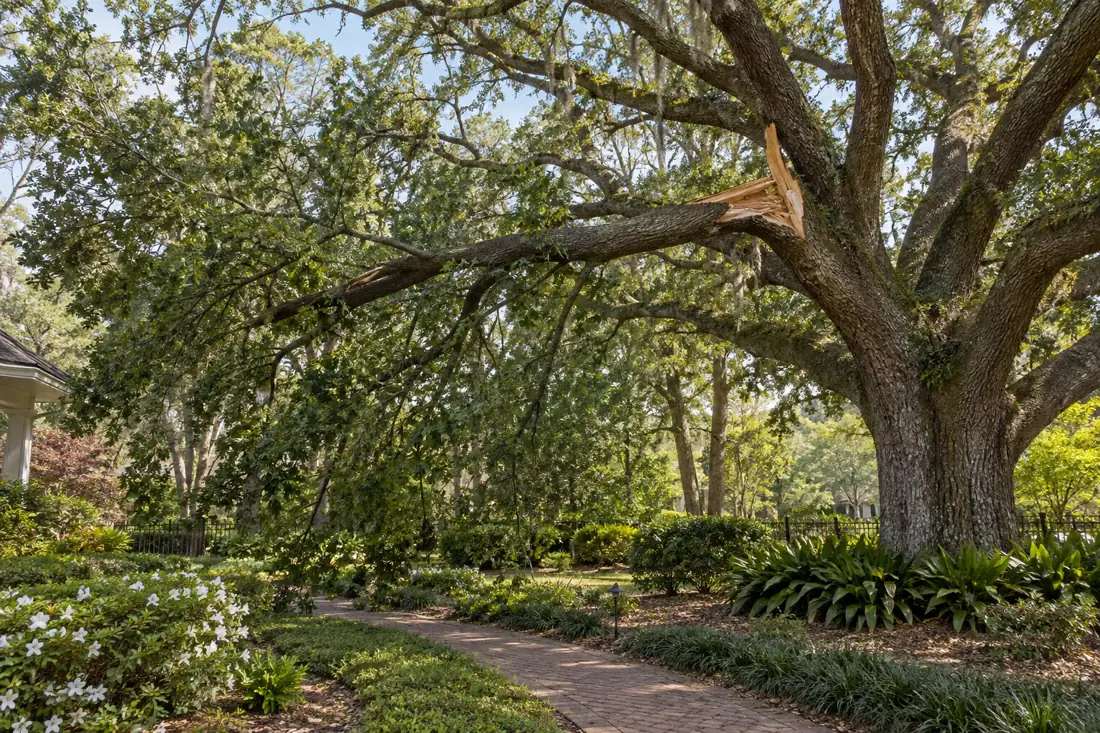
A school campus is not a single work area. The morning bus loop, parent pickup queue, playground, accessible entrance, athletic area and maintenance service gate can have distinct circulation needs. The facilities contact should identify which routes are closed and who can authorize their reopening. Keep students, staff and visitors away from hanging limbs and moving equipment; a school maintenance photograph must never require approaching a structurally damaged tree. A sunny exterior photograph of school grounds is illustrative context, not evidence of storm damage.
Before the contractor arrives, match work windows to the campus calendar and identify any restricted areas, gates or safeguarding requirements. Plan where chips and logs may be staged without blocking fire access or pedestrian flow. The final handoff should record residual hazards and the routes cleared for use, separately from later stump or landscape restoration. The school's own administrator—not an image caption or a tree crew alone—controls student access decisions.
Site-specific information to include with your request
- Identify bus, pedestrian, accessible and emergency routes separately on an existing campus plan.
- Require an authorized facilities contact to approve both the work window and any changes to protected areas.
- Walk the finished route with the responsible school representative before it is put back into service.
School-campus photographs without children or student information
Storm damage near a school should be documented through the authorized facilities contact, not by asking students or parents to inspect it. The most useful images distinguish affected trees from gates, sidewalks and classroom access while excluding minors and identifying records.
- Take pictures only with site authorization, preferably after students and visitors are clear of the area.
- Show the tree in relation to a pedestrian gate, driveway or fenced grounds from outside any closure.
- Use a safe zoomed view of damage rather than passing beneath hanging branches.
- Record which entrance or route is out of use and the responsible facilities contact; do not photograph rosters or student details.
Request a plan for work limits, pedestrian separation, equipment access and the facility's own reopening decision. A tree contractor's completion of debris handling does not by itself certify the campus safe for students or confirm a school schedule.
Campus Tree Work Needs an Occupancy and Reopening Plan
A school site is not simply a commercial yard with a different address. Arrival lanes, bus circulation, playgrounds, athletics, staff parking and public entrances may operate on different schedules. The school contact should define occupied periods, restricted zones, the designated work authorization contact and any required background or access rules. The tree crew should plan controlled equipment movement and pedestrian exclusions around the actual campus calendar, not assume an early start means every area is empty.
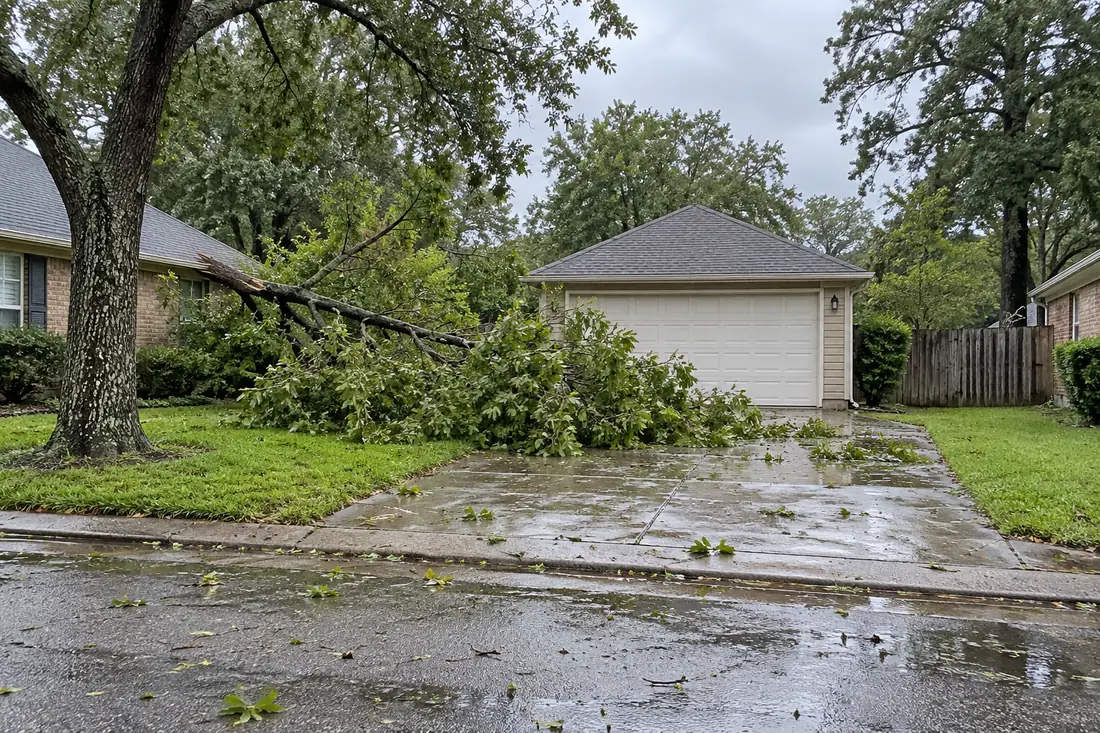
Before reopening a walkway or play area, compare the original marked limits with the completed tree work and debris removal. Confirm that log ends, loose wire, sharp chips, small branches, fencing gaps and temporary traffic controls have been addressed within the accepted scope. An instructional or illustrative photograph must not be presented as a job performed at a specific school. The responsible campus representative makes the reopening decision; a tree-service completion note can support but does not replace that authority.
- Provide the bus, pickup, recess and event windows relevant to the selected work zone.
- Mark authorized equipment gates, designated staging points and no-entry areas.
- Agree on a campus-representative walkthrough before public use resumes.
Review when storm waste must be separated from building debris
Questions about this project
Can a business stay open during tree work?
That depends on the site and scope. Discuss occupied routes, exclusion areas, loading and work windows with the contractor and property representative. Do not assume normal access can continue through the active work zone.
Who should communicate with tenants or visitors?
Agree on that responsibility with the property representative. The contractor needs a clear site contact, while the owner or manager should use the property's established process to communicate access changes and work windows.
How should several storm-damaged trees be described?
Use marked photos or a simple tree list showing locations, affected targets and access problems. Identify urgent routes or buildings separately from later cleanup. The contractor can then discuss assessment and a practical work sequence.
Can restoration be handled in phases?
Yes, when the parties agree on clear scopes. Initial hazard or access work, planned removal, hauling and building or landscape repairs may involve different stages and providers. Record the responsibilities and completion requirements for each.
Can the crew block a public sidewalk or road?
Required arrangements must be coordinated with the appropriate authority. Identify public routes and restrictions before scheduling. A private work agreement should not be treated as automatic permission to occupy or close public space.
When should parked vehicles be moved?
Set the timing and responsible contact before the work window. Vehicles may need to leave the tree zone, equipment route and loading area. Confirm where access must remain available during each phase.
How should extra work be approved?
Use the agreed approval process and identify the change, reason, scope, price or schedule effect as applicable. Confirm who has authority before treating an additional tree or task as part of the original job.
What completion records are useful?
Keep the agreed scope, tree or area identification, authorized changes, invoice and labeled photos where appropriate. Include unresolved items and a contact. Contract-specific records should follow the buyer's stated requirements.
Is a total tree count enough for a large quote?
Usually the parties also need locations and tasks. Use consistent tree numbers, marked photos or a site plan so the estimate and crew instructions refer to the same trees and retained areas.
Does a work inventory include a condition assessment?
Only if that service is expressly part of the scope. A list used to identify and price tasks should not be mistaken for a documented assessment of every tree's condition or risk.
What should I tell Tree Huggers about storm cleanup for a school campus?
Explain the property address, the work you want and the specific concerns: campus access, occupied zones, reopening priorities. Send safe photos of the tree, surroundings and access route. The contractor can then discuss the assessment and scope needed for this situation.
How do I request an estimate for this work?
Call 504-458-8336, text photos or use the estimate form on this page. Include the address, desired outcome and any timing constraints. The company will need to review scope and availability; an online request does not confirm a price, appointment or emergency dispatch.
Get a scope for your property
For a school campus, begin with a campus map showing student arrival zones, bus lanes, playgrounds, staff parking, fences and damaged trees. Submit only photographs taken from areas authorized for safe access, and identify the facilities representative responsible for coordinating the project. A written request should distinguish urgent access hazards from later trimming and debris hauling, specify restricted work windows and explain how children and visitors will remain outside the work area.
Ask which inspections, campus approvals and post-cleanup checks are required before any affected route or outdoor area can be reopened.
Student access is a separate safety decision
After a storm on a school campus, clearing fallen material from a bus loop is not the same as releasing a nearby tree that has shifted in wet soil. Identify whether the tree, loose branches or grounded debris affect arrival routes, classrooms, playgrounds or emergency access. An authorized facilities contact should coordinate any closure and reopening; a contractor should not infer campus permission from an empty parking area.
For a newly leaning tree with soil movement, consult the root-plate movement guide. For work spanning several campus locations and public-facing access controls, the public-works tree-service guide provides a separate checklist for mapped tasks, inspection responsibilities and the approval chain.