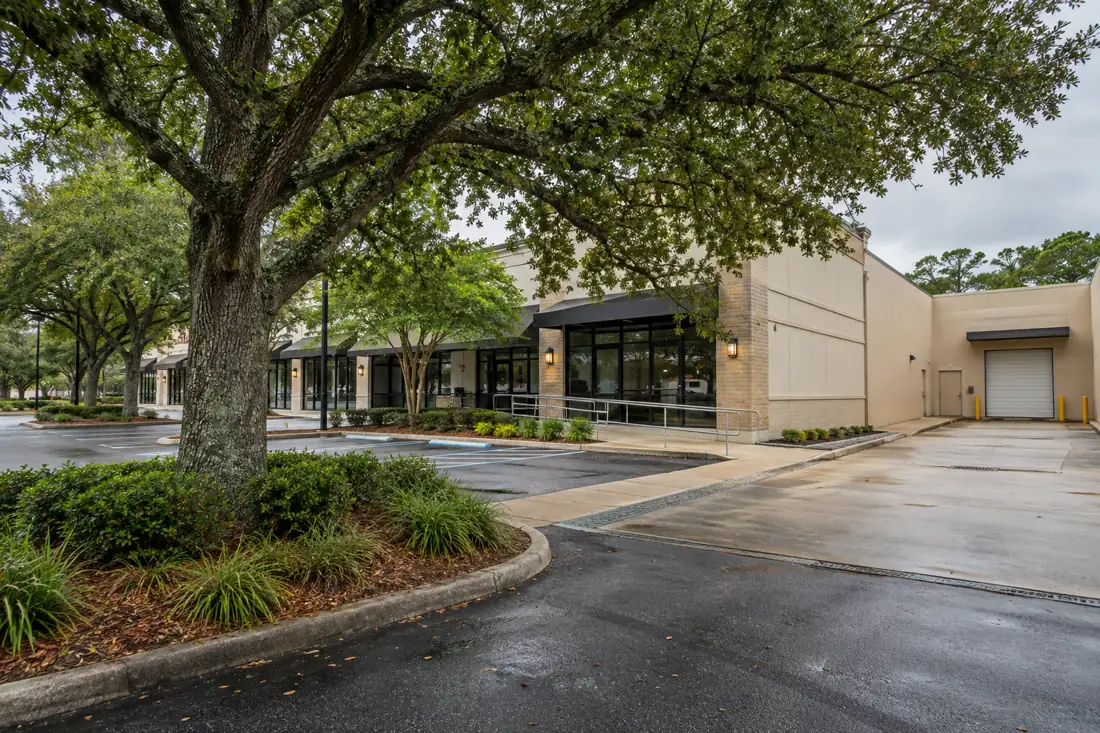
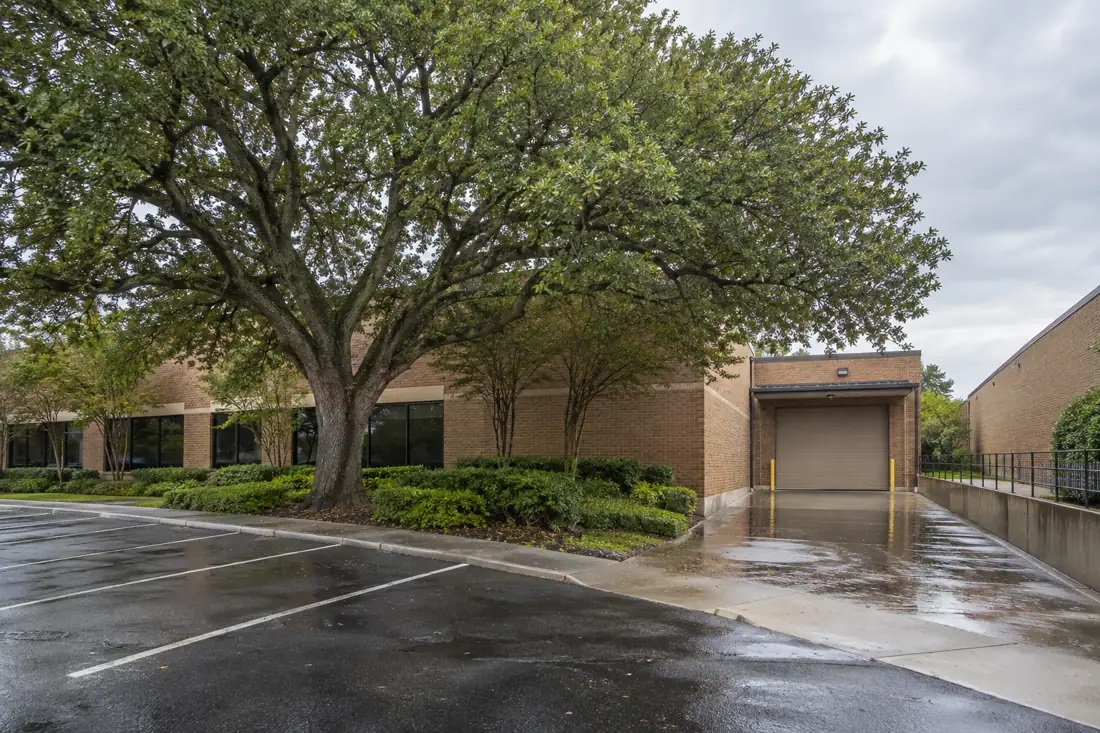
Boundary trees can affect neighboring fences, buildings and access routes as well as apartment residents. Confirm tree ownership and any required access permissions before equipment planning. The property manager should identify occupied areas and a contact for approvals. The quote should clearly state which trees and cleanup areas are included.
Practical scope and safety guidance: Apartment-boundary tree work may involve several legal and practical access permissions. Identify the trunk and affected canopy against fences, patios, parking, sidewalks, meters and neighboring windows. A tenant maintenance request is not automatically permission to enter a neighboring yard or move another resident’s vehicle. The property manager should document who authorizes each temporary closure and how residents are notified. The contractor’s exclusion zone may extend beyond the tree’s visible footprint because sections must be lowered or transported.
Treat property-line interpretation and professional tree-risk assessment as separate services when needed. If limbs overhang another building, the estimate should explain the method without promising the neighboring owner’s consent. Plan cleanup building by building, including debris lodged along shrubs or fencing, and record the state of walkways before reopening. Only verified job-site images should be used as project evidence.
Site-specific planning checkpoint: Before arranging tree work at an apartment property line, confirm which owner controls the trunk, where the actual surveyed boundary lies and which entrances residents must continue using. Photographs should show fences, balconies, utility service, nearby parked vehicles and drainage structures without capturing residents unnecessarily. A limb above a neighboring yard does not automatically authorize access through that yard. Ask property managers to establish a common contact for schedule changes and damage concerns. Describe how the crew will protect shared walkways and what happens if weather interrupts the work. In the written scope, keep permission to enter, tree decisions, debris removal and restoration as distinct items so no party assumes consent was included.
Mark the property boundary against the trunk, roots, branches, fences, balconies, parked cars and accessible entrances. Aerial photographs and assumptions about which side the canopy leans toward are not a legal boundary determination. Provide the estimator with the survey or reliable owner records available, and identify who may grant access through a neighboring yard.
Ask separately whether the goal is roof clearance, branch inspection, removal of a declining tree or protection of a fence. With occupied apartments, tenant notice and emergency access have to be built into the operation; the tree contractor cannot infer permission from an unlocked gate.
The proposed scope should identify each owner's approvals, where equipment and brush may travel, and which areas must stay open for residents. If ownership is disputed, obtain the appropriate professional or legal guidance before work that could permanently affect the tree. Explain any need for utility coordination, rigging above neighboring structures and surface protection.
Keep cost allocation and authorization written instead of making an informal promise between tenants. At the final walk, compare fences, gates, building edges, drainage and parking to the before-work record and note any work deferred because consent or access was unavailable.
Confirm the boundary before selecting trees
A tree beside an apartment boundary may have roots, trunk or branches associated with different properties. Start with available survey or property records and ask management to distinguish known boundaries from assumptions based on the fence line. Photograph the trunk and its relation to buildings, parking and neighboring structures from authorized locations. The exact owner and legal rights can matter to who authorizes removal, access or pruning, so do not treat a neighbor's complaint as blanket permission to cut.
Where ownership or encroachment is disputed, the parties may need a surveyor or legal guidance before proceeding. A tree contractor can explain practical work methods but should not decide property rights. Mark each affected tree with a stable identifier and note which side of the boundary contains the intended working area. That prevents a proposal for one tree from being misunderstood as permission to clear the entire fence line.

Map apartments, parking and residential movement
An apartment property has everyday traffic that is easy to overlook during a short site walk: residents leaving early, children walking to common areas, deliveries, trash collection and moving trucks. Show building numbers, exit doors, parking spaces and any gate or alley needed for equipment. The plan should identify temporary vehicle-relocation areas and a reliable route for residents who cannot use the normal walkway while cutting takes place.
Do not assume everyone can access a building through a distant or stair-only detour. The property manager should evaluate alternative routes, accessibility and necessary tenant notices. A tree crew establishes its work exclusion zone, while management controls broader building access. Choose a method that protects people even when they arrive unexpectedly, and avoid promising all work can fit into a narrow time slot until site conditions and equipment needs are understood.
Ask permission before using the neighbor's land
A tempting equipment route may run through a neighbor's side yard, driveway or parking lot. Written access permission should identify where entry is allowed, when work will occur, what must be protected and how the property will be left. Do not drive across a neighboring parcel merely because a fence gate is unlocked. Where work could extend over another roof or patio, discuss the plan with the affected owner before equipment is scheduled.
The contractor should document any equipment route that depends on third-party access as conditional until permission is confirmed. If consent is not obtained, the tree professional may need another method or may be unable to complete the proposed scope safely. Keep the neighbor's contact details in appropriate private job records rather than publishing them in marketing material. Record the agreed restrictions so the crew does not assume more access than was granted.

Separate building clearance from tree-health decisions
Branches may rub apartment siding, block gutters, crowd windows or extend over parked vehicles. Describe the observed conflict precisely instead of asking for every limb near the building to be removed. Selective pruning may address clearance without destabilizing the tree or producing an unnecessarily bare canopy. If the tree has decay, a split union or new lean, the assessor should evaluate structural concerns separately from the desired clearance.
Root changes near a retaining wall or foundation also deserve careful interpretation. A lifted path does not prove the tree is solely responsible, and unplanned root cutting may increase tree instability. Involve appropriate specialists when structural surfaces or major roots are affected. The final scope should say which branches or trees are included and whether any building, pavement or drainage repair is excluded. Avoid a vague promise that trimming solves every property issue.
Coordinate apartment boundaries without exposing resident information
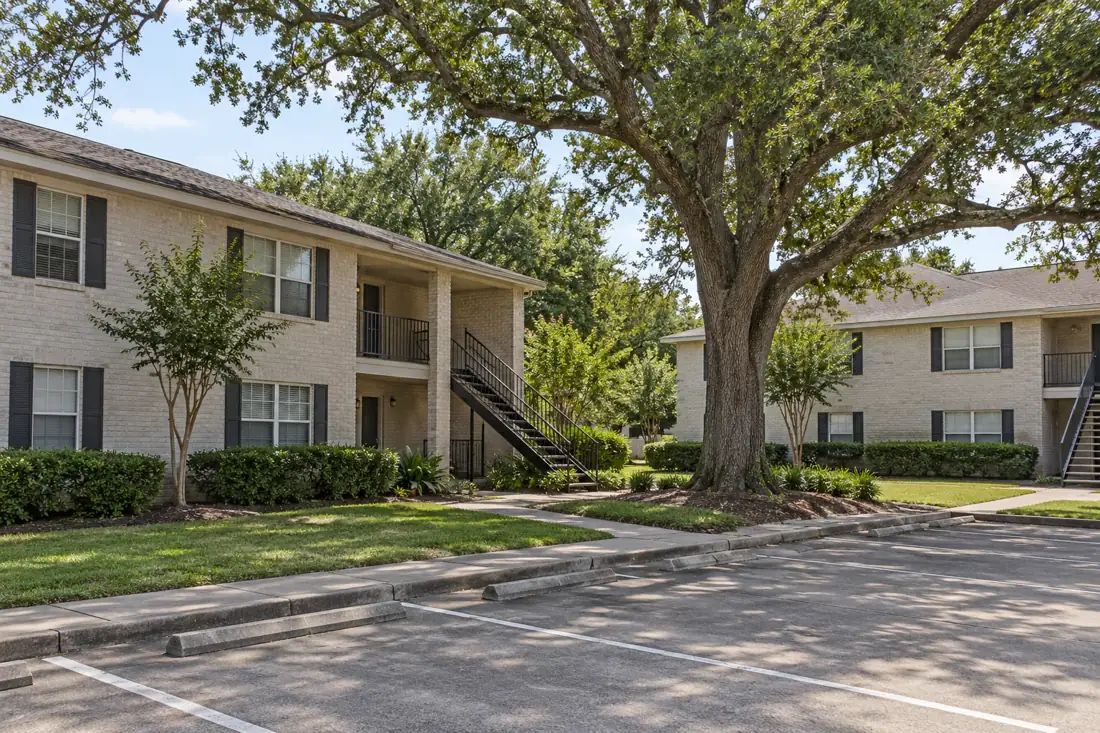
Trees beside an apartment boundary can affect patios, shared walkways, parked vehicles and neighboring structures. A manager should document the tree and relevant access from authorized shared areas, without entering private balconies or photographing residents. Confirm who owns or controls each proposed work area; a fence alone is not proof of tree ownership. If branches extend across the line, agree on permissions and objectives before workers arrive rather than expecting a tree crew to resolve a property dispute.
Describe the requested pruning or removal, equipment entry, resident notices and any temporarily unavailable parking spaces. Separate urgent protection from routine maintenance, hauling and later surface or fence repair. If the proposal affects a neighbor's property, clarify which party obtains permission. A practical closeout includes the exact work done, debris handling and any area still restricted; it does not claim the trees are risk-free. Keep property-specific notices and contact details out of analytics or public-facing pages.
Coordinate overhead lines, meters and utility drops
Apartment boundaries often contain electrical service drops, telecommunications cables, meters and exterior equipment serving more than one building. Mark these systems on the site plan and avoid photographing account information or access credentials. If proposed work could approach energized conductors, coordinate with the utility and qualified personnel before cutting. A resident or property manager should not assume that an ordinary tree crew can simply pull a branch away from a line.
Identify any private underground utilities, irrigation or drainage near intended equipment placement or stump work. Site maps can help but do not replace applicable locating procedures. Avoid positioning stabilizers over unknown vaults, drains or soft edges without assessment. Where a line must be protected or a service interrupted, the responsible utility or facility representative should manage the process according to its requirements. Do not invent outage windows or safety clearances in the estimate.
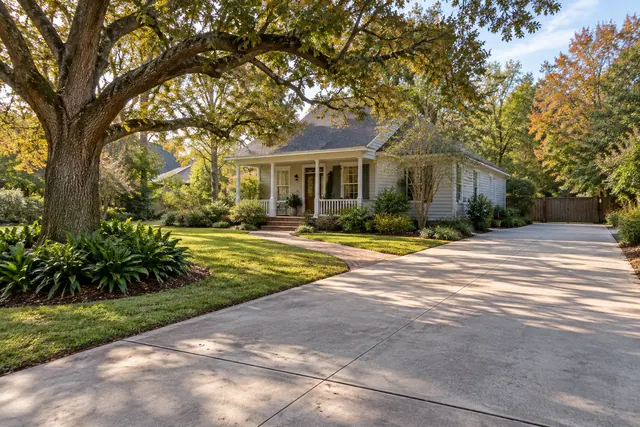
Respond to storm damage without uncontrolled access
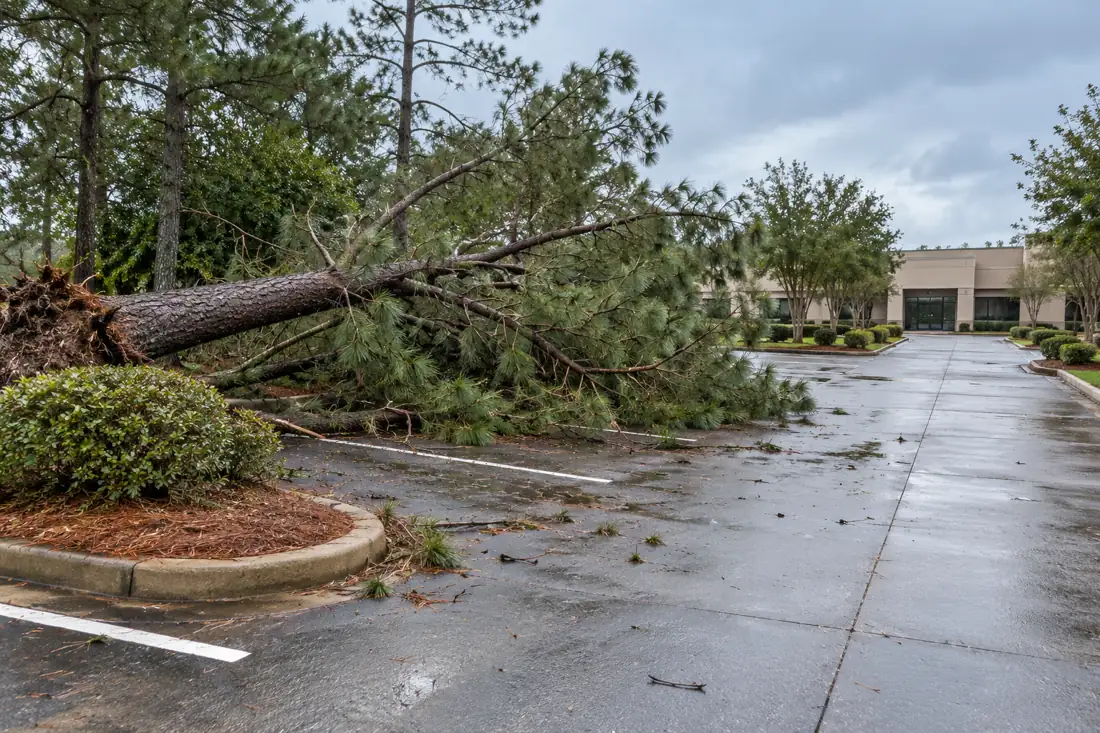
A branch torn by wind may hang over a fence, balcony or parked vehicle, making an established routine pruning plan obsolete. Management should document changes from safe positions, restrict obvious fall zones where appropriate and seek professional evaluation. Do not invite tenants to approach the branch, climb the tree or attempt to pull it down. A tree that appears stable after one storm can still develop new defects or change with subsequent wind and soil conditions.
An emergency work request should identify the tree location, affected people or structures and any blocked exits or drives. The contractor can then assess priority and equipment access. If a neighbor's property is involved, communicate early about safe exclusion and access arrangements rather than assuming the emergency removes all permission requirements. Record what urgent work was completed and what remains for later repair or routine maintenance.
Plan rigging and debris routes around occupied homes
Working near balconies, awnings and fences may require controlled sectional lowering rather than dropping large limbs into an open area. The method must be selected by the qualified crew after inspecting the tree and available support, not prescribed by the property manager from a photograph. Establish where brush and logs can be temporarily held and how they will reach the truck without blocking fire lanes or residents' vehicles.
A debris route crossing the boundary needs the same access authorization as the equipment route. Ask whether all material will be hauled or whether the owner wants any wood retained, and specify how final cleanup will be checked on both parcels. Avoid dragging logs across irrigation, raised beds or paving without considering protection. If there is no safe material path, the scope or schedule must be revised before work begins.

Use clear authorization and payment instructions
For boundary work, the proposal should identify the contracting property, each selected tree, the exact permitted treatment and any neighbor access dependency. Separate costs for work on the apartment parcel from separately authorized work elsewhere. Management should decide internally who can approve a quote, request a change and sign a completion record. A tree contractor should not accept conflicting instructions from several residents about the same tree.
If the proposal depends on owner consent, legal clarification or utility coordination, label that condition plainly instead of treating the job as ready to schedule. Verify relevant contractor information through documents and ordinary due diligence, not unsupported ratings. Keep notices factual and avoid promising that a particular trim will permanently stop every leaf, root or branch from crossing the property line. Continued growth and weather may require future review.
Coordinate Apartment Boundary Trees Without Crossing Permissions
A boundary tree may reach over a neighbor's fence while its trunk sits entirely on one property. Begin by identifying the trunk location, the parts of the canopy affecting each building and any uncertainty over ownership. Measurements and site maps can guide discussion, but a contractor's estimate is not a legal boundary determination. If entry through a neighboring yard or parking area is needed, obtain documented permission before the work method or schedule is treated as final.
Apartment residents need a practical access plan. List the walkways, stair landings, parking stalls and gates that might be closed, including the routes used by people who cannot navigate steps or uneven ground. The property manager should give notices consistent with its policies and choose who may authorize vehicle relocation. Tree crews should not be expected to contact tenants independently or collect their personal details just to set up work.

Separate ownership, tenant access and the work perimeter
Examine both sides of the fence for utility drops, landscaping, irrigation, drains and structures that limit limb movement. Ask where sections could be lowered without striking railings or blocking a shared exit. A trunk near a drainage channel may make heavy equipment staging unsuitable even if the gate opening is wide. If a branch falls outside the agreed work zone, the supervisor needs a safe stop-and-reassess process.
Write down which owner approves which work, which party controls access, what cleanup is included on each side and how newly discovered damage will be reported. The finished job record should distinguish pruning, removal and an unrelated recommendation for retained wood. Do not make unverified claims about neighbor responsibility or property law; refer disputes or uncertain easements to the appropriate qualified local professional before work proceeds.
Document the condition of fences and shared surfaces
Before equipment arrives, record the observable condition of shared fences, gates, walls, patios, paving and drainage in the anticipated work path. Include photos where the parties authorize them. This record helps distinguish preexisting damage from a change noticed during work without suggesting that all future disputes can be prevented. Identify fragile sections that should not carry equipment loads or serve as rigging anchors.
If a fence panel must be removed for access, agree who handles that action and reinstatement rather than assuming the tree service includes unrelated construction. The contractor should report any incident immediately and preserve relevant details. After the work, inspect the surfaces on both sides where access was authorized, confirm the cleanup standard and document any item requiring a separate repair. Do not obscure damaged material with brush or mulch.

Finish with a boundary-specific maintenance record
A completed handoff should identify which trees and limbs were actually treated, the dates, and whether stump work, debris hauling or restoration remains outstanding. Include the map labels used for the estimate and document the agreed condition of access areas before reopening them. The property manager should advise tenants when ordinary routes are usable again and remove closure notices that are no longer relevant.
Retain recommendations for future assessment, especially after storms or evidence of new movement near the boundary. The record can support the next management company and help the neighbor understand what was and was not done, but it does not certify permanent safety or establish property rights. Maintain separate private records for owner contacts and permissions. A clear closeout prevents routine future maintenance from being confused with the original scope.
Questions about this project
Can the contractor use my neighbor's yard?
Only after the required permission and suitable access arrangements are in place. Identify the proposed route and who can authorize it. A quote accepted by one owner does not automatically grant access to someone else's land.
Does a tree estimate determine the property boundary?
No. Resolve an uncertain boundary or ownership question using appropriate property information and professionals. The tree contractor needs an authorized scope and access plan, but a visual work estimate is not a survey or legal determination.
Is a total tree count enough for a large quote?
Usually the parties also need locations and tasks. Use consistent tree numbers, marked photos or a site plan so the estimate and crew instructions refer to the same trees and retained areas.
Does a work inventory include a condition assessment?
Only if that service is expressly part of the scope. A list used to identify and price tasks should not be mistaken for a documented assessment of every tree's condition or risk.
Can a business stay open during tree work?
That depends on the site and scope. Discuss occupied routes, exclusion areas, loading and work windows with the contractor and property representative. Do not assume normal access can continue through the active work zone.
Who should communicate with tenants or visitors?
Agree on that responsibility with the property representative. The contractor needs a clear site contact, while the owner or manager should use the property's established process to communicate access changes and work windows.
What access information helps an estimator?
Send the narrowest opening, overhead obstacles, turns and the distance between the tree and the loading area. Include photos of the entire route and identify steps, soft ground or features that must remain protected.
Should I remove a fence before the visit?
First ask the contractor to assess access and agree on any temporary opening. Identify who owns the fence, who can authorize the change and who will reinstall it. Do not assume the opening is necessary or included.
How should extra work be approved?
Use the agreed approval process and identify the change, reason, scope, price or schedule effect as applicable. Confirm who has authority before treating an additional tree or task as part of the original job.
What completion records are useful?
Keep the agreed scope, tree or area identification, authorized changes, invoice and labeled photos where appropriate. Include unresolved items and a contact. Contract-specific records should follow the buyer's stated requirements.
What should I tell Tree Huggers about tree work along an apartment property boundary?
Explain the property address, the work you want and the specific concerns: boundary ownership, neighboring access, tenant routes. Send safe photos of the tree, surroundings and access route. The contractor can then discuss the assessment and scope needed for this situation.
How do I request an estimate for this work?
Call 504-458-8336, text photos or use the estimate form on this page. Include the address, desired outcome and any timing constraints. The company will need to review scope and availability; an online request does not confirm a price, appointment or emergency dispatch.
Get a scope for your property
At an apartment boundary, a tree may affect residents, neighboring owners, fences, parked cars and shared access. Send safe photographs from authorized areas showing the tree, canopy spread, property boundary features and possible work route, while keeping resident details private. Identify the property manager who can sign the scope and which neighbor approvals are still needed.
Ask how the crew will protect occupied areas, coordinate temporary parking or walkway closures and handle material that crosses the boundary. Put pruning versus removal, debris hauling, cleanup and responsibility for any fence or landscape disturbance in writing.