An estimate prices a proposed scope; an assessment addresses defined questions about tree condition and risk within its limitations. The two may overlap during a visit but are not interchangeable. Explain whether you need a work price, a documented opinion or both. Ask what the professional is providing and what is outside that scope.
Site planning detail: An estimate and a tree risk assessment answer different questions. An estimate describes the proposed work, scope, access, disposal and price assumptions; a risk assessment evaluates a specific tree’s likelihood of failure, expected impact and consequences using an appropriate method and inspection scope. A contractor may notice a defect while estimating, but a price quote alone should not be presented as a formal risk rating.
When contacting a provider, explain whether you need a treatment proposal, a documented professional opinion, or both. Identify the tree, recent changes, important targets and any deadlines such as an impending occupancy decision. Ask what assessment method, limitations and deliverables will be used, including whether internal testing is necessary. Keep risk findings separate from bids so competing services can respond to the same documented conditions. If immediate danger is apparent, restrict access pending professional guidance.
Site-specific planning checkpoint: A price estimate and a tree-risk assessment may use some of the same site observations, but answer different questions. An estimate describes proposed services and costs subject to access, equipment and scope assumptions. A risk assessment considers tree condition, targets and possible failure consequences through a qualified evaluation. A removal quote should not be presented as a formal diagnosis, and a diagnostic recommendation is not necessarily approval to cut. If a dangerous tree threatens people, keep them away and seek appropriate professional or emergency help rather than waiting for normal sales scheduling. On nonurgent sites, document what was visible, what could not be assessed and whether further investigation is recommended. Separate technical findings from commercial options before deciding how to proceed.
A tree-work estimate explains the proposed service and its price, often with access assumptions and exclusions. A tree risk assessment addresses a defined hazard question using a stated method, scope, targets and time horizon. The two may inform one another but should not be described as the same report. If you need evidence for a property decision, ask who is qualified to provide that type of assessment and how it will be documented.
Describe the decision in concrete terms: whether to close an occupied path, commission a second opinion, budget for pruning or determine what alternatives remain. Share dates and factual observations, such as a new lean or fresh cracks, without asking the estimator to certify what photographs cannot prove. Keep people away from visibly unstable limbs while professional advice is obtained.
Request separate deliverables if both services are needed. The written proposal should identify who makes the risk judgment, what was actually inspected, any limitations, and what work is merely recommended rather than authorized. This avoids treating a price or a quick visual visit as a guarantee of future tree stability.
Define the decision a report must support
A removal estimate is a commercial proposal for specified work. A tree risk assessment is a professional evaluation addressing the likelihood and consequences of failure within an identified scope and time frame. They can inform one another, but one does not automatically supply the other. A property owner who wants to budget for removal may need pricing; a manager deciding whether an occupied entrance can stay open may need a documented assessment before selecting a treatment.
Write down the actual decision first. Is there a visible broken limb, a construction conflict, an insurance question or a request from a board? Describe what information would change the decision. Ask the professional whether the proposed service includes inspection only, written findings, risk evaluation, a work recommendation or a price. Those outputs should not be conflated in marketing language or on an invoice.

Choose the deliverable before booking a tree visit
A tree service estimate generally describes work and price: the identified tree, access method, pruning or removal limits and what happens to material. A risk assessment addresses a different question: what condition is observed, what could be affected and what management options fit the level of concern. An estimate may note a visible defect but should not be treated as a substitute for a qualified risk assessment.
Tell the provider whether the decision involves a mortgage inspection, ongoing monitoring, an occupied public area, storm damage or comparison of maintenance choices. Ask about inspection methods, limitations and the form of the report. If an assessment cannot examine the roots or upper crown, that uncertainty should be in the findings; a number, picture or generalized label does not eliminate it.
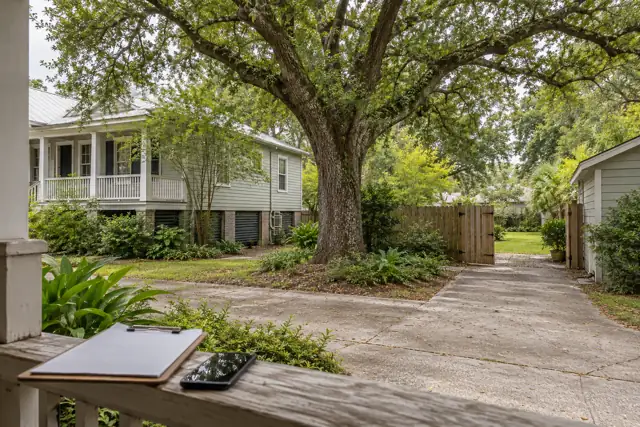
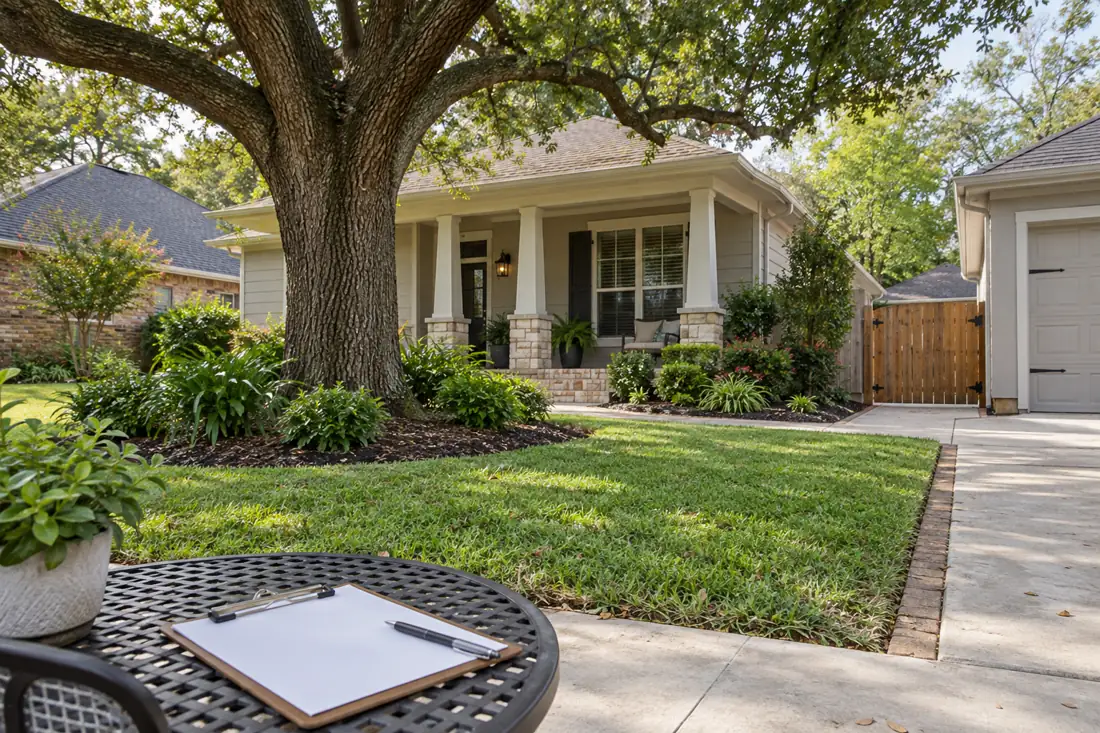
Once the decision is made, request a separate work proposal that follows the findings without rewriting them to justify a particular sale. Compare what is recommended, what is optional, who is authorized to approve work and when the tree should be reviewed again. The image is planning context, not an assessment report for an actual customer.
Choose the deliverable before choosing the appointment
An estimate answers what defined work may cost under stated assumptions. A tree risk assessment addresses a different decision: the condition of a particular tree, potential targets, available evidence and professional conclusions within an identified assessment level. A price for removal does not by itself demonstrate that removal is necessary. Conversely, a condition assessment may recommend investigation, monitoring or mitigation without providing a contractor's complete project price.
Before making an appointment, write the actual decision in one sentence. If the problem is an unclear branch clearance over a driveway, request a scoped discussion of that concern. If occupancy, structural symptoms or competing opinions make the condition uncertain, ask what qualifications and assessment approach are appropriate. Clarify whether written findings, photographs, limitations and follow-up dates are included.
Keep the two sets of records separate but linked by the same tree identifier. A later change in lean, canopy loss or ground conditions should be added as a new dated observation, not silently inserted into an earlier report. If the recommended work is ultimately estimated by another provider, compare that proposal to the assessment's stated objective without representing the quote as a medical-style diagnosis of the tree.

Describe the tree and targets separately
The tree's condition and what could be affected are different parts of the question. A large branch over a rarely used corner and a similar branch above a daily school entrance have different exposure contexts. Describe the nearby buildings, pedestrian routes, vehicles and times people use those areas. Include changes such as construction, drainage work, pruning and recent storms, without presenting recollections as measured facts.
Photographs can show an apparent crack or decay opening, but they cannot reliably establish internal wood condition or the whole root system. Do not dig around roots, climb for photos or approach a hanging section. A competent assessment should state the observations and limitations of the method used. Depending on the question, the professional may recommend monitoring, a closer inspection or other qualified evaluation instead of a definitive conclusion from one distant view.
Ask about qualifications and methodology
A person who can quote a tree removal may not be providing a formal written risk assessment. Ask about training and relevant credentials, whether the site will be examined in person and what recognized approach the assessor uses. The report should explain its scope, tree identity, inspected portions, known limitations and any recommendations, in language the owner can follow.
It is reasonable to ask whether the assessment includes only visible conditions at the time of the visit or further tests, and whether neighboring access or concealed root areas limit what can be examined. No assessment guarantees that a living tree cannot fail in future weather. A useful professional distinguishes observed evidence, reasonable inference and remaining uncertainty; that distinction helps the owner decide what work or additional information is justified.

Know what belongs on the work estimate
A proposal should identify the particular tree, its location and the proposed operations, such as selective pruning, removal, hauling or stump grinding. It should describe access assumptions, disposal and protection of structures or surfaces. If the recommendation originates from an assessment, ask which part of the recommendation the price implements and whether other reasonable options are being considered.
Do not treat a price as a complete explanation of tree health. A contractor may provide a sensible estimate based on a customer's requested scope without evaluating the risk of every nearby tree. Conversely, a risk report may recommend inspections, targets to protect or staged work without naming a contractor's price. Keep the documents separately labeled so future decision-makers know which question each document was prepared to answer.
Use the result to compare options
The recommendation could be monitoring, limiting access, pruning, support work, additional inspection or removal, depending on the actual condition and professional judgment. Ask what each option is intended to accomplish and which uncertainties remain. An intervention may reduce an identified exposure without eliminating every future tree hazard, so avoid statements such as permanently safe.
For a commercial owner or HOA, document why the selected option suits the site's use, budget and timing. If construction or a planned renovation changes the environment, ask whether the prior assessment remains applicable. Keep any treatment scope tied to a named tree and particular observation, rather than using one report to justify unrelated changes to several trees.

Know the Difference Between an Estimate and a Tree Risk Assessment
An estimate explains what a contractor proposes to do and what that work might include. A tree risk assessment addresses tree condition, potential failure, the likelihood of impact and the consequences for nearby targets under an identified method of evaluation. These documents can inform each other but should not be mistaken for the same professional opinion. When contacting a tree company, say whether you need a work proposal, a condition review or documentation for another decision-maker.
A tree that looks tilted, hollow or damaged may deserve closer examination, but a photograph alone rarely establishes the full risk level. The relevant question can depend on roots, defects, occupancy, exposure, past changes and the targets within reach. Ask what level of assessment is being offered and what limitations apply. If an insurer, attorney, municipality or property manager requires a formal report or credential, confirm those requirements before assuming a routine estimate satisfies them.
Use the right kind of answer for the decision
For pricing, clarify which condition assumptions drive the proposed method. Limited equipment access, nearby structures, electrical conductors and unstable wood can affect scheduling or scope even when the tree species is known. The estimate should identify the intended pruning or removal and what debris or stump work is excluded. A separate assessment may lead to recommendations other than removal, such as monitoring, selective pruning or reducing an exposed target.
Keep the two records together but preserve their different purposes. If the decision changes after a specialist's findings, ask for an updated work proposal rather than treating an older quotation as permission for new procedures. When comparing contractors, do not equate the lowest price with the strongest inspection or the highest price with the most severe hazard. Request documents that answer the actual decision: what is observed, what work is proposed, who is qualified to advise and what remains uncertain.
Record changes without rewriting history
A visual assessment reflects a point in time. A new lean, severe weather, excavation or limb failure can change conditions after the report. Preserve the original report date and request follow-up advice when material conditions change. Do not edit a previous assessment to make it appear current or use a photo captured before the change to imply the situation is unchanged.
For approved work, record the contractor, tree identifier, operations performed and completion date. If a recommendation was not implemented, note what was deferred and who accepted that decision, without inventing a safety guarantee. A well-organized file helps a later property manager separate the tree's condition at assessment from the actions taken afterward.
Select the correct tree-work deliverable before booking
A work estimate defines a proposed service and its price; a tree-risk assessment addresses a specified question about condition, targets and risk within a chosen method and its limitations. They may involve looking at the same tree, but they are not the same document. A homebuyer may need a written condition opinion, while a property manager may need a comparable pruning quote. State the decision being made, who will use the document and which trees are included before assuming one visit answers everything.
Ask whether the provider is offering a scope-based quote, a condition note, a qualified formal assessment or several separately defined deliverables. Confirm who is qualified to issue each, what information it will contain and what future changes may require re-evaluation. A bid should not be represented as a guarantee of future stability, an insurance decision or an engineering certificate. If a tree needs urgent protection, do not delay appropriate safety action just to obtain a longer report.
Ask what decision the deliverable is supposed to support
A written tree-work estimate usually describes tasks, access, materials handling and pricing assumptions. A tree-risk assessment instead examines condition, targets and the risk question using a stated method and suitable professional qualifications. An owner may need both, but they are not interchangeable merely because both require a site visit.
Do not label an estimate as a formal risk assessment or use a general photo to declare a tree safe.
An estimate and a risk assessment answer different questions
A tree-work estimate should describe the proposed action, affected trees, anticipated equipment and access, debris handling, and exclusions. A tree-risk assessment asks a different question: what observable conditions and targets bear on the tree's likelihood of failure and consequences. An ordinary price quote should not be treated as an independent condition assessment, nor should an assessment quietly authorize removal.
If an owner needs a documented risk opinion, ask what the assessor will inspect, which qualifications and methodology apply, and whether findings will be delivered in writing.
Prepare a simple property map showing the trunk, root zone, buildings, frequently used routes, and gathering areas. Record dates of visible changes without guessing at causes. Ask whether the proposed work can proceed from an ordinary site visit or requires separate investigation. Property managers should keep the decision maker's approval, written assessment if commissioned, and final work scope together, so neither the next contractor nor a later reviewer mistakes a recommendation for permission or a price estimate for a professional risk conclusion.

A work estimate and a risk assessment answer different questions
A tree-service estimate describes proposed work: which tree or limb, how crews might access it, how material is handled and what is included or excluded. A tree risk assessment addresses a different decision: a structured evaluation of likelihood and consequences of failure for a particular tree and target under specified conditions. Photographs of dead twigs, cavities or a new lean can flag questions, but they do not replace a qualified on-site evaluation. Ask which type of service you are requesting before relying on the document for insurance, property management or a dispute with a neighbor.
A clear estimate can still include sensible safety observations without being presented as a formal hazard rating. If someone needs a documented risk opinion, discuss the assessor's qualifications, the inspection level, the targets considered and any limitations of the evidence. If a tree has moved at the base, an attached root plate is visibly lifting, or a limb is suspended over a frequently used route, isolate the area while seeking guidance.
Do not use an inexpensive trimming quote as a substitute for the assessment a decision maker actually needs. Keeping those purposes distinct helps everyone understand what has and has not been established.
Plan access and communication
A site visit needs a clear point of contact and a realistic path to the tree. Explain locked gates, pets, tenant schedules and whether the professional must observe a tree from adjoining property. Permission for an inspection does not establish permission to enter a neighbor's lot or to perform tree work. Identify those boundaries ahead of time, especially when a trunk is near a property line.
If an assessor recommends immediate restrictions, ask for the affected area and the appropriate party to contact. Keep people away from obvious hazards while waiting for qualified guidance, and use emergency services for immediate dangers. Access arrangements, written deliverables and scheduling should be discussed before the visit rather than assumed afterward.

Request the right service on the first message
When contacting Tree Huggers, explain whether you are seeking an estimate, have an existing assessment for a proposed scope or need help identifying the appropriate next professional. Give the tree's location, the concern, any prior written finding and the people or property potentially affected. Images should be taken only from safe locations and should include context, not just a close-up of bark.
Ask what will be delivered after a visit and whether a separate qualified arborist's report is required for your purposes. Avoid giving a blanket authorization to cut when the actual decision is still under review. A clearly framed inquiry improves the estimate conversation while preserving the distinction between price, professional judgment and approval of physical work.
Recognize what a limited visual review cannot answer
A ground-level inspection may identify obvious deadwood, major defects or target exposure, but it cannot necessarily show hidden decay, buried root conditions or the full implications of previous excavation. Ask the professional what could not be inspected and whether the intended decision requires additional evaluation. A visual observation should never be inflated into an unconditional declaration that a tree is safe.
For a property manager, include the limitations in the record shared with decision-makers. If a recommendation is based on a particular season, occupancy pattern or known construction activity, keep that context. The same tree may need a different discussion after excavation or a major storm. A report is useful because it clarifies evidence and uncertainty, not because it removes the need for future observation.

Choose different deliverables for different audiences
A homeowner seeking a price may need a concise estimate and an explanation of access and cleanup. An HOA board may need a written assessment that identifies tree risk, targets, limitations and recommended follow-up. An insurer may request particular records; a municipality may have its own requirements. Do not order the most formal-sounding document without checking what decision the recipient must make.
Ask who will rely on the information, which tree identifiers should appear and whether images, dates or a site sketch are needed. If a separate assessor and contractor are involved, keep both documents connected by tree ID without pretending they are interchangeable. This can reduce redundant visits and help the customer avoid interpreting a work price as an independent professional opinion.
Choose the deliverable before comparing appointments or prices
Request an estimate when the decision is which defined task to purchase: pruning, removal, debris handling, stump work or a combination. Request a risk assessment when the unresolved question concerns tree condition, potential failure and what it could affect. The two may inform each other, but a price sheet and a risk opinion have different purposes, assumptions and audiences.
Tell the provider whether an insurer, property manager, public buyer or neighbor needs a specific written document. Ask which qualifications, observations and limitations the deliverable will include, and whether a second site visit may be needed if conditions change. For details on hazards, targets and the limits of a professional evaluation, use the dedicated tree-risk-assessment guide rather than relying on price-comparison advice.
- State whether you need a priced work scope, condition opinion or both.
- Ask what evidence and exclusions will appear in writing.
- Do not interpret a quotation as certification that a tree is safe.
Decide When a Quote Cannot Substitute for a Tree-Risk Evaluation
A service estimate usually describes an intended operation and its cost; a risk assessment evaluates a defined question about likelihood of tree or branch failure and possible consequences using an appropriate level of inspection. The two can inform one another, but they are not interchangeable. If a customer points to new root-plate lifting, a trunk split, severe crown change or a hanging branch, the immediate next step may be keeping the area clear and arranging qualified assessment, not simply soliciting the cheapest removal proposal.
Ask what the assessor actually examined, what method and limitations apply, and how the recommendation connects to the intended use of the property. No visual review can guarantee that a tree will remain standing, and no routine estimate can establish the condition of inaccessible roots. A written plan should distinguish urgent restrictions, maintenance options, further investigation and elective removal. That helps the owner understand which decisions are safety-driven, which are preferences and who is responsible for each specialized conclusion.
- Describe the observed change and where people or structures could be exposed.
- Keep people away from a suspected imminent hazard pending appropriate advice.
- Request the qualifications, scope and limitations of any specialist evaluation.
- Compare work estimates only after the recommended action and scope are sufficiently defined.
See the contractor questions that help distinguish a proposal from an assessment
Questions about this project
Is a free work estimate the same as a written risk assessment?
Not necessarily. Explain whether you need pricing, condition advice, a documented assessment or a combination. Ask what the visit includes, who provides it and what limitations apply to any findings or recommendations.
What history should I share?
Share known storm damage, prior failures, construction, root disturbance, flooding, pruning and recent changes. Include the timing and nearby property use. Useful history supports the evaluation without replacing inspection of the current tree and site.
How should extra work be approved?
Use the agreed approval process and identify the change, reason, scope, price or schedule effect as applicable. Confirm who has authority before treating an additional tree or task as part of the original job.
What completion records are useful?
Keep the agreed scope, tree or area identification, authorized changes, invoice and labeled photos where appropriate. Include unresolved items and a contact. Contract-specific records should follow the buyer's stated requirements.
What should I compare besides the price?
Compare tree identification, work objectives, access assumptions, hauling, stump treatment, site finish and exclusions. Ask whether permits or other coordination are part of the scope and who can approve changes if conditions differ.
Does an online request book the crew?
No. A request starts the estimate conversation. The company still needs to discuss scope, availability and any site assessment. For a dangerous or urgent condition, call 504-458-8336 rather than relying on a form response.
Does healthy-looking foliage mean a tree is structurally safe?
No. Leaves do not establish the condition of roots, trunk or branch connections. Explain visible defects and recent changes, and ask for an assessment appropriate to the tree and nearby targets.
Should I test a cracked branch or trunk?
Do not pull, shake, climb or cut damaged material to test it. Keep clear of the affected area and describe the condition from a safe location. Qualified assessment and an appropriate work plan are needed.
Is leaving the trunk untouched enough to protect a tree?
No. Roots, soil conditions and nearby work can matter even when the trunk is not cut. Identify retained trees before planning access, excavation and storage, and ask what site-specific protection is appropriate.
Can pruning undo construction-related root damage?
Do not assume it can. Share the work history and ask for an assessment of the current tree and site. Pruning, monitoring or other recommendations should address an identified need rather than substitute for protection planning.
What should I tell Tree Huggers about tree work estimate versus tree risk assessment?
Explain the property address, the work you want and the specific concerns: purpose, documentation, assessment limits. Send safe photos of the tree, surroundings and access route. The contractor can then discuss the assessment and scope needed for this situation.
How do I request an estimate for this work?
Call 504-458-8336, text photos or use the estimate form on this page. Include the address, desired outcome and any timing constraints. The company will need to review scope and availability; an online request does not confirm a price, appointment or emergency dispatch.
Get a scope for your property
Explain whether you want tree-work pricing, a professional condition opinion or documentation for a specific third party.