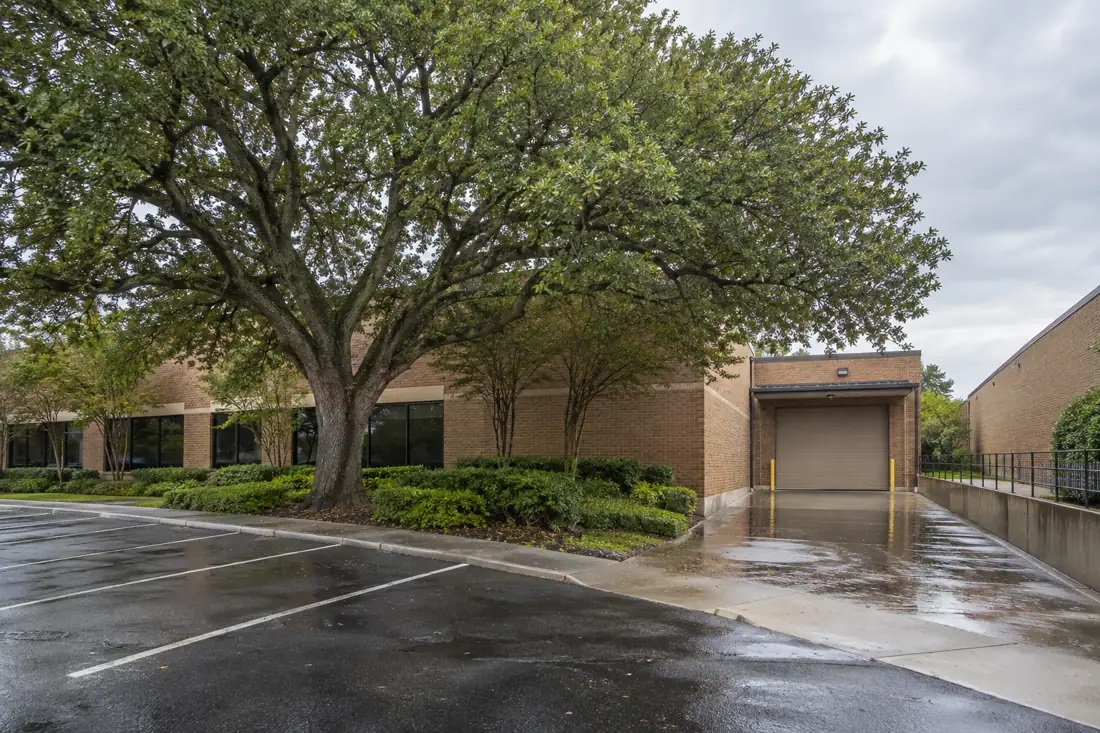
A pending inspection may prompt attention to blocked access, known defects or maintenance items. Identify the actual concern and the required completion date. Ask for a tree scope that addresses the condition rather than making assumptions about inspection acceptance. Keep photos and completion records so the property representative can document the work performed.
Practical scope and safety guidance: Before a commercial property inspection, document observable tree conditions without claiming that photos alone prove structural stability. A manager can record deadwood visible from the ground, branches over walkways, obstructions to signs, root uplift, low clearance and drainage conflicts. Sort each observation by location, responsible contact and any real deadline from the specific inspector or insurer; there is no universal inspection checklist. A tree contractor’s maintenance quote should clarify whether it includes assessment, pruning, removal, stump grinding, haul-off or restoration.
An urgent concern should trigger controlled access and qualified review rather than a cosmetic trim. Provide bidders with a map and consistent photo references so work scopes can be compared without ambiguity. Keep an inspection report separate from marketing visuals, and document completed work with actual site evidence. Record exclusions and who approves additional work if a concealed condition is discovered.
Site-specific planning checkpoint: Before a commercial inspection, list the conditions that prompted the request: visibly damaged limbs, clearance concerns, blocked signage, root-related pavement movement or deferred maintenance. An inspection deadline is useful scheduling context, but it does not establish that every tree needs removal. Have the owner or facility manager identify entrances that must remain accessible and any tenants requiring advance notice. Share safe overview photos showing the affected area and closeups only when they can be taken without climbing or approaching hazards. Ask for a written sequence that separates assessment, approved work, debris removal and any follow-up evaluation. Keep official inspection findings distinct from the tree contractor’s recommendations.
Before a commercial property inspection, list the trees that could affect occupied doors, sidewalks, parking rows, roofs, drainage or neighboring uses. Record visible dead limbs, root movement, broken branches, sightline obstructions and ordinary maintenance needs as different observations. A tree trimming estimate does not substitute for a qualified inspection of suspected structural defects; nor does a tidy canopy guarantee that an insurer, purchaser or agency will accept a property.
Provide the tree contractor with the inspection date, authorized access window and any written requirements the responsible reviewer has actually supplied. Avoid creating urgency through unverified promises about passing a review.
Ask for a written scope identifying which findings the proposed work addresses, how removed material and stumps are handled, and what completion photos or invoices can be supplied. If a reviewer requests further arboricultural evaluation, keep that separate from corrective pruning or removal until someone qualified determines the needed work.
Coordinate tenant notices and parking closures where branches overhang occupied areas. At closeout, make a tree-by-tree list of the work performed, before-and-after evidence where accurate, and unresolved recommendations. This documentation helps an owner communicate clearly without misrepresenting the contractor as the inspecting authority.
Identify what the inspection will actually evaluate
A commercial property inspection may concern the building envelope, accessible routes, drainage, site conditions, liability concerns, or routine maintenance documentation. A tree work request should identify which of those issues has generated the deadline. A branch near a facade can create a different problem from a dead limb over a customer entrance or a tree obstructing a fire access lane. Asking for “all trees to be made safe” is not a usable scope or a guarantee anyone can provide.
Decide which trees require treatment and which require assessment
Walkthrough findings sometimes describe a condition without explaining its cause. Visible deadwood, torn limbs, bark defects, fungal growth, and root-area changes deserve consideration, but none necessarily requires the same treatment. Ask the service provider to identify each tree and the relevant observation. Pruning for building clearance should be distinguished from a condition assessment; removal should be separately justified and scoped. A healthy-looking canopy does not rule out a hidden problem, and an unattractive branch does not prove imminent failure.
When the owner needs a documented opinion rather than just a bid, establish who is qualified to provide the requested assessment and what the written deliverable will cover. Avoid claiming that an ordinary pruning invoice constitutes a tree-risk certificate. If potentially unstable material threatens an occupied area, restrict access while arranging a suitable professional response. Describe the uncertainty and recommended next step in the maintenance record.
Close inspection findings with verifiable scope records. Ask the property manager for the specific inspection concern, location and responsible approval contact rather than guessing which pruning or removal will satisfy a reviewer. Identify whether the issue is canopy clearance, a damaged limb, blocked access or a tree defect requiring assessment. Photograph the relevant condition from safe ground-level positions before and after the authorized work, and retain the written scope and completion notes. An invoice or a generic picture should not be presented as proof that a particular code or insurer requirement was accepted.
Identify the tree task behind a commercial property inspection notice
A commercial inspection may identify deadwood, branches over pedestrian routes, blocked signage or vegetation contacting a building. First record the actual request and area involved; a photograph of a limb does not establish compliance with an ordinance or insurer's requirement. Name the property representative responsible for authorizing tree work. Include a marked site view, relevant access conditions and the practical outcome sought rather than asking for an undefined inspection cleanup.
Separate what a tree contractor can bid or complete from any formal evaluation by an inspector, surveyor, engineer or other professional. Treat the inspection date as a planning constraint, not a guaranteed crew arrival. The proposal should identify the trees, work, disposal and property protection measures. After completion, retain factual records describing what was actually done, without presenting an ordinary invoice as a formal compliance certificate. This makes scope comparisons and follow-up with the reviewer much clearer.
Request a copy of the specific tree-related finding or photograph without forwarding confidential tenant or business information. Separate a documented deficiency from a general desire to improve appearance. If the inspector has identified an uncertain structural concern, ask whether a qualified tree assessment is needed before selecting pruning or removal. The objective is to produce an observable correction or a clear professional recommendation, not to conceal a concern ahead of inspection.
Map entrances, vehicle movement and critical operations
Commercial sites operate differently from a quiet backyard. Trees may overhang delivery routes, ADA-accessible paths, parking stalls, loading docks, drive-through lanes, dumpsters, and emergency access. Walk the site from safe ground with the facility contact and identify what must remain open. A contractor should not learn after arrival that an ambulance entrance or busy loading bay cannot be blocked during operating hours. Show the work location, parking restrictions and likely equipment route on one marked site plan.
An occupied property may require notices, cones, barriers, flagging or approved alternate entrances, depending on the work. The property manager should coordinate those arrangements with the contractor and any affected tenant. Do not invent a response time or assume overnight work is available. If the inspection date is fixed, disclose it early while leaving room for safe weather, access and utility coordination.
Coordinate the inspection deadline with realistic work stages
A property manager may have to obtain vendor approval, notify tenants, secure equipment access, perform tree work, and collect completion evidence before an inspection. Those are separate milestones. Build a sequence that accommodates weather, site access, and any utility or governmental interfaces rather than expecting a crew to solve every item at the last minute. A site visit can reveal that one tree requires a simple clearance cut while another needs a different assessment or contractor.
For multi-building properties, prioritize documented exposure at active entrances and routes over cosmetic canopy shaping. Use a simple work order with tree identifiers and the affected locations. If the project spans several days, record which zones are released for normal use after each phase. Do not imply that an inspector will accept the work automatically; the inspection authority or contracted evaluator determines whether its stated issue is resolved.
Make the written quote specific enough for procurement
Commercial purchasing needs more detail than a line reading “trim trees — lump sum.” Identify the individual trees or groups, pruning objectives, removal tasks, work-area limits, equipment access assumptions, debris destination, and final site condition. Include any site restrictions such as loading hours, occupied walkways, parking closures or available staging. Clarify whether stump grinding, crane setup, protective mats, traffic control or separate cleanup are included. These differences can materially alter bids.
If a prime contractor or property manager is responsible for vendor coordination, document who approves the scope and changes. Do not add unverified insurance, licensing, safety credentials or government qualification claims to the website or proposal. Instead, request the documentation actually needed for the job and check it through normal procurement procedures. A comparable scope lets the owner evaluate plans and qualifications rather than treating a vague lowest price as the entire decision.
Protect the property and operations during work
Tree work at an occupied commercial site affects more people than the crew. Establish where pedestrians, tenants and vehicles will be excluded, and who communicates temporary restrictions. Identify signs, lighting, cameras, sprinkler heads, paved areas, landscaping and neighboring structures around the equipment route. If work is near overhead conductors or public rights of way, appropriate personnel and coordination may be needed; a standard tree contractor cannot assume permission to control a public street or touch electrical lines.
Discuss where sawdust, brush and logs could be staged without blocking drains, fire lanes or tenant doors. If the surface is newly paved or has underground utility infrastructure, notify the estimator before deciding on equipment. Do not present protection mats as an absolute guarantee against all surface effects. The work plan should acknowledge feasible controls, assumptions and responsibilities so building occupants are not surprised by changes to access.

Collect meaningful completion evidence rather than a token photograph
For each inspection item, keep a short record connecting the original observation to the work order, treated tree, location and completion date. A wide after photograph from a safe public area helps show that a walkway or facade is accessible, while a closer view can document a specifically identified branch. Photographs should not be used to manufacture proof of work that did not occur or to claim a tree is indefinitely safe. Retain any qualified assessment separately from a contractor's cleanup images.
If the inspected issue cannot be corrected by pruning without harming the tree, record the recommendation and proposed next decision. An inspector may need clarification, an engineering review, or a revised schedule depending on the issue. If the owner requests a signed report, establish its scope and author before work begins. Document exceptions and unfinished areas explicitly, rather than marking the entire property complete because a few branches have been removed.
Prepare a decision record before the inspector arrives
Before a commercial property inspection, ask what the inspection actually covers and which concerns have already been documented. Tree-related issues may involve walking clearance, dead branches, roof overhang, parking lots or drainage access, but not every nearby tree requires pruning or removal. Avoid turning a preliminary observation into a diagnosis. A condition report and a contractor's proposed work scope serve different purposes.
Walk the property from safe accessible routes and assign a location number to each tree that is part of the request. Include nearby storefronts, tenant entrances, loading areas and accessible parking in a site sketch. If there are overhead wires, suspended limbs or uncertain utility installations, keep away and refer the issue to the appropriate qualified professional. Photos cannot establish hidden decay or guarantee inspection approval.

Fix the confirmed scope, not every possible observation
Compare proposals against a clearly defined desired result: which tree or limb is addressed, how wood is handled, whether stumps are included, and which property protections matter during business hours. If the inspector identified a specific deficiency, provide that exact wording to the estimator when permitted, rather than asking for a vague all-clear. The contractor can describe completed tree work but cannot independently certify an unrelated building code item.
Provide an authorized facilities contact, access windows and any tenant restrictions. Ask how new defects discovered on site would be documented and approved before the scope expands. Once work is completed, retain the written description, invoices and any legitimate project photographs; do not imply that a proposed estimate guarantees a future inspection outcome.
Preserve change control and future maintenance information
Unexpected decay, a utility restriction, an inaccessible gate, or a new tenant safety concern can alter the plan. Require the contractor to identify material changes and obtain authorization from the designated property representative. Capture revised tree IDs, prices and operational effects in a written change record. If tenants or a property owner are off site, specify who can authorize the work; access permission alone is not necessarily spending authority.
After the inspection, retain the final scope, work dates, photos, debris disposition and remaining tree concerns in the facility file. This documentation supports future inspections and budgeting without inventing a “risk-free” certificate. Where several sites are managed together, use the same record fields to compare actual conditions, not an identical pruning formula imposed on every property. Recurring care should respond to observed growth, weather and occupancy changes.
Turn the inspection issue into a clear estimate request
Tree Huggers can be approached with the site address, affected tree locations, specific inspection concern, required operational access, and the desired evidence of completion. Attach safe ground-level photographs and indicate whether the property manager can escort a visit. Do not send tenants' private information or access codes in general website analytics. The existing inquiry form and contact workflow are the appropriate channels for discussing the work.
Ask the estimator to distinguish urgent exposure from routine maintenance and assessment needs. Request a written scope showing what is included, which areas must be restricted, and what remains uncertain. If there is an absolute inspection deadline, mention it as a planning constraint rather than demanding an unverified guarantee. A precise, documented work order is more useful to both the property manager and the reviewing inspector than a broad claim that the trees have been “taken care of.”
Questions about this project
Is a free work estimate the same as a written risk assessment?
Not necessarily. Explain whether you need pricing, condition advice, a documented assessment or a combination. Ask what the visit includes, who provides it and what limitations apply to any findings or recommendations.
What history should I share?
Share known storm damage, prior failures, construction, root disturbance, flooding, pruning and recent changes. Include the timing and nearby property use. Useful history supports the evaluation without replacing inspection of the current tree and site.
How should extra work be approved?
Use the agreed approval process and identify the change, reason, scope, price or schedule effect as applicable. Confirm who has authority before treating an additional tree or task as part of the original job.
What completion records are useful?
Keep the agreed scope, tree or area identification, authorized changes, invoice and labeled photos where appropriate. Include unresolved items and a contact. Contract-specific records should follow the buyer's stated requirements.
Can a business stay open during tree work?
That depends on the site and scope. Discuss occupied routes, exclusion areas, loading and work windows with the contractor and property representative. Do not assume normal access can continue through the active work zone.
Who should communicate with tenants or visitors?
Agree on that responsibility with the property representative. The contractor needs a clear site contact, while the owner or manager should use the property's established process to communicate access changes and work windows.
How should I describe the pruning I want?
Explain the objective: clearance for a route or building, deadwood, a damaged branch or structural development. Ask for suitable tree-specific work rather than requiring an arbitrary shape or amount of canopy to be removed.
Will pruning resolve every tree concern?
No. Root, trunk and major structural problems may need a different assessment or response. State the full concern so pruning is not used as a substitute for evaluating the condition that prompted the call.
What should I compare besides the price?
Compare tree identification, work objectives, access assumptions, hauling, stump treatment, site finish and exclusions. Ask whether permits or other coordination are part of the scope and who can approve changes if conditions differ.
Does an online request book the crew?
No. A request starts the estimate conversation. The company still needs to discuss scope, availability and any site assessment. For a dangerous or urgent condition, call 504-458-8336 rather than relying on a form response.
What should I tell Tree Huggers about tree work before a commercial property inspection?
Explain the property address, the work you want and the specific concerns: inspection concern, deadline, completion evidence. Send safe photos of the tree, surroundings and access route. The contractor can then discuss the assessment and scope needed for this situation.
How do I request an estimate for this work?
Call 504-458-8336, text photos or use the estimate form on this page. Include the address, desired outcome and any timing constraints. The company will need to review scope and availability; an online request does not confirm a price, appointment or emergency dispatch.
Get a scope for your property
A commercial-property inspection may raise specific questions about blocked access, damaged trees, neglected landscape zones or an existing hazard report. Share the actual inspection notice or written concern when you are authorized to do so, along with the relevant location and deadline. Photograph the tree, route and affected feature from a safe position instead of trying to prove compliance with an isolated close-up.
Distinguish a visible maintenance issue from a code requirement or an engineer's conclusion; the tree company should not promise what an inspector will accept.
Ask for an estimate that connects each proposed action to a clearly described tree-work item, with access controls, debris removal and any limitations. Identify who authorizes work at the site, whether tenants or delivery routes must remain usable and what kind of photographs or invoices the manager needs for their own records.
A completion record documents the work performed; it is not itself an official inspection approval. Discuss realistic sequencing and separate the contractor's work from any follow-up by the property owner or reviewing authority.