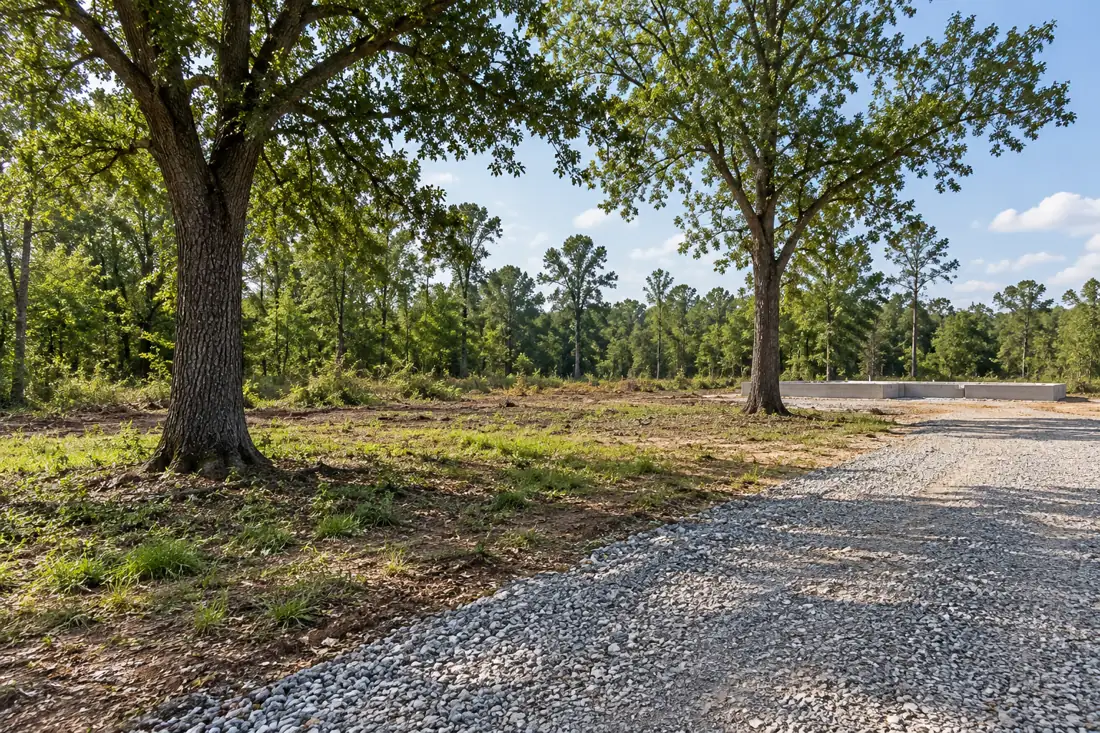
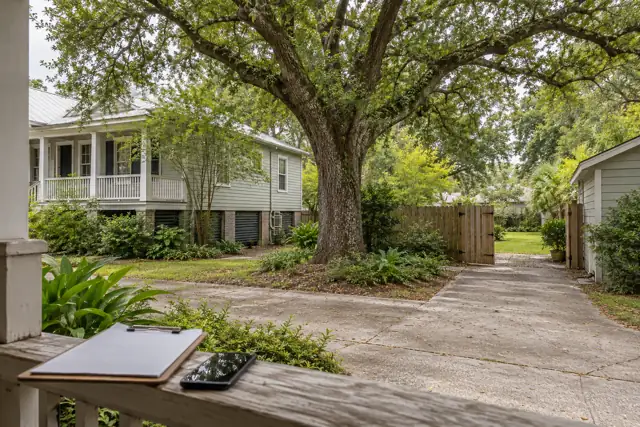
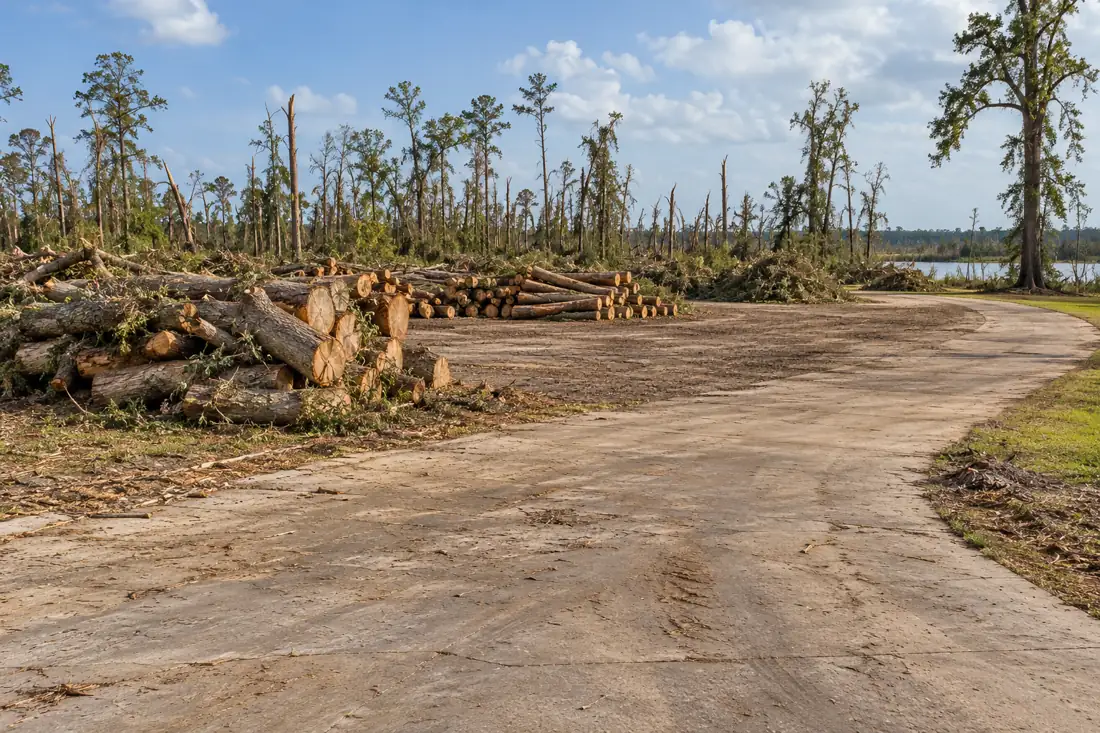
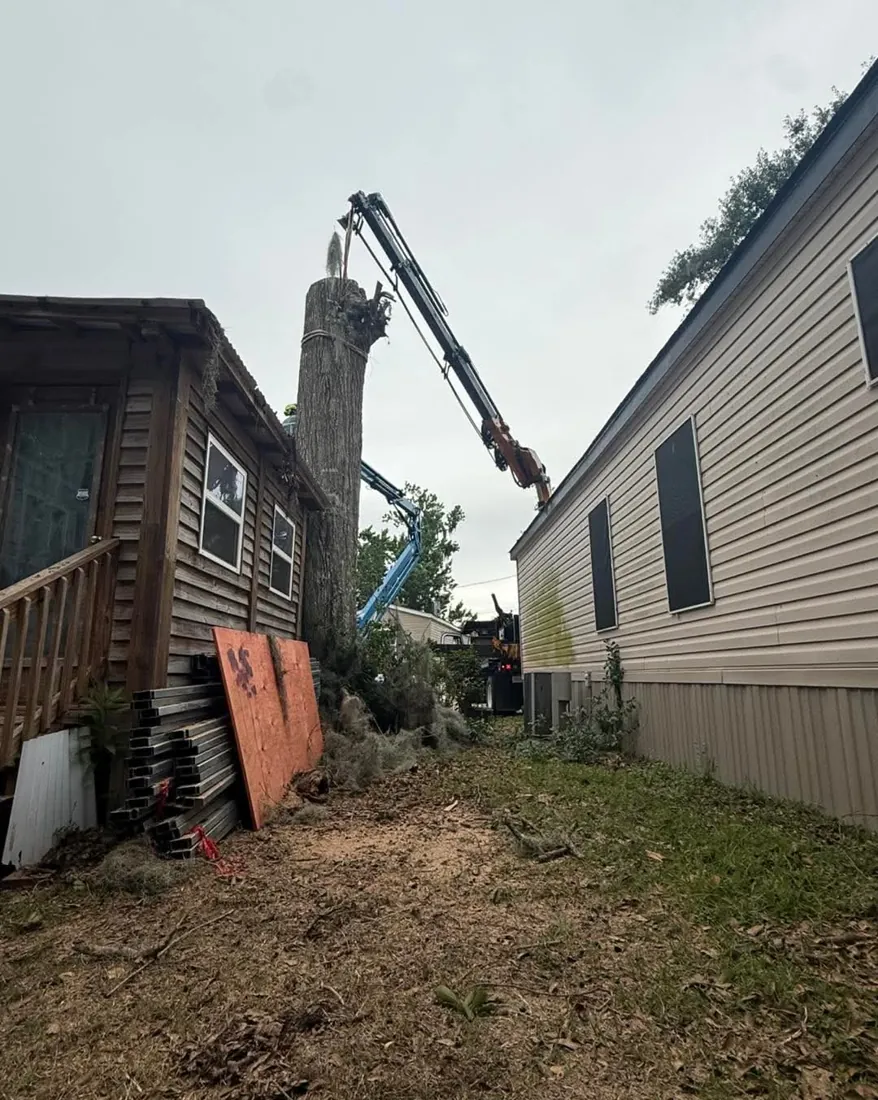
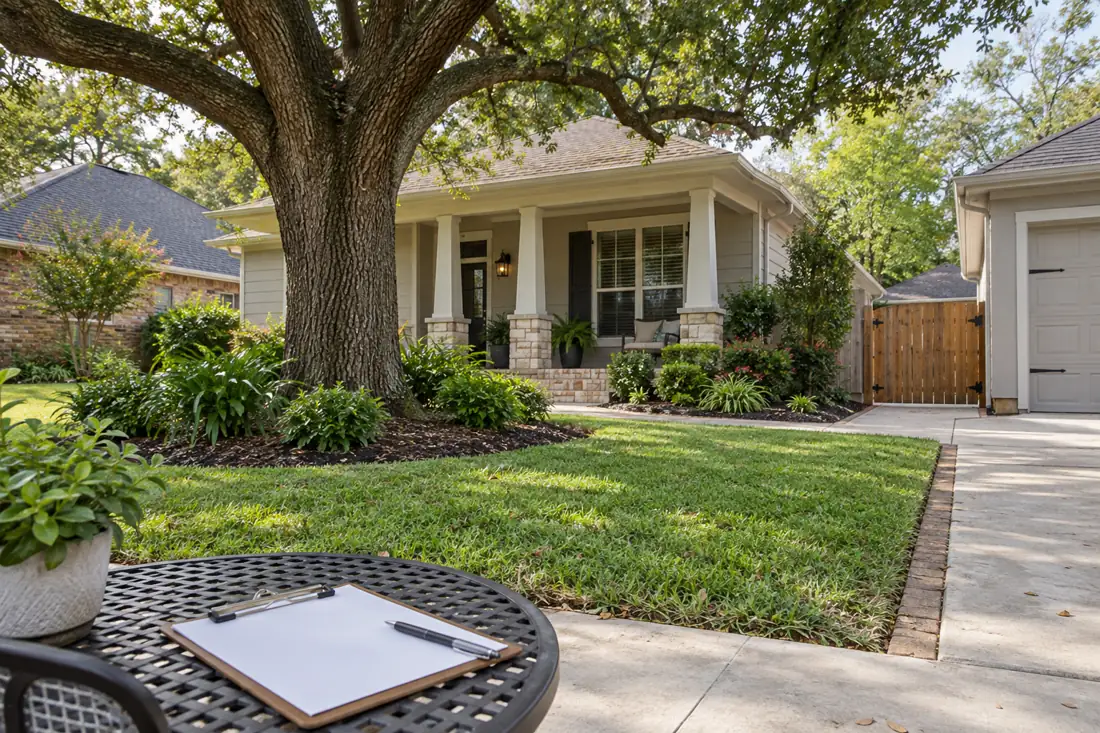
Preparation should follow the contractor’s agreed plan. Confirm parking, access, movable items, pets and the areas that will be closed. Identify buried features and anything that must remain accessible. Do not begin cutting or moving loaded wood to help before the crew arrives. Clear communication is more useful than unplanned preparation inside the hazard area.
Site-specific planning checkpoint: Before tree crews arrive, identify the actual route for trucks and equipment, including gate clearance, lawn softness, slopes, irrigation heads and underground features. Move vehicles, furniture, garden decorations and pets away from the agreed work area without attempting to approach an unstable tree. Mark plants and features that must remain protected, and ask whether temporary matting or fencing is included in the estimate. Neighboring property should not be used without permission. Review debris staging and whether wood, chips, stumps and disturbed turf are part of cleanup. Provide safe overview photographs of access constraints rather than sensitive entry codes. Afterward, compare visible work with the written scope and raise restoration concerns through the agreed contact.
Prepare access and protect movable property before the crew arrives
After the work scope and date are agreed, walk the planned access route from the street to the tree with the contractor or site contact. Measure gate openings, identify slopes or soft ground, and point out irrigation heads, buried pet wires, septic features, pavers, and drainage fixtures. Move outdoor furniture, toys, planters, pet equipment, and parked vehicles only when you can do so safely and lawfully. A narrow gate may affect equipment selection, so avoid assuming a truck or stump grinder will fit.
Clarify who controls each part of the property and whether a neighbor's permission is needed for access, overhanging limbs, or material handling. Keep children and pets out of the work zone, and arrange a separate safe place for them during the operation. Agree where debris may be staged and how the crew will identify items intended to remain. If the contractor requests shutting a service off or changing a barrier, have the relevant responsible party handle the authorization.
Before starting, review the scope again: which tree, what portion of canopy, stump depth if specified, debris removal, and any surface-restoration limits. Photographs can record the initial condition of fences, paving, and lawn from safe viewpoints. Afterward, inspect the agreed work and identify anything needing clarification instead of treating the crew's departure as final acceptance. A focused checklist helps avoid surprises without pretending every minor lawn mark can be prevented.

Identify a safe equipment and truck route
Show the crew where it may enter, turn and exit without crossing a known fragile surface or occupied path. Measure gate openings when safe, move ordinary portable obstacles outside the planned route and tell the estimator about soft ground, old paving or buried systems. Do not remove structural fencing, lift utility lines or perform hazardous clearing yourself.
Keep the route free of parked vehicles, trailers and waste containers according to the agreed plan. A truck may need more space to turn or load than its width suggests. If access belongs to an association or neighbor, obtain the appropriate permission before the scheduled window. Do not assume the crew can solve an access disagreement after its equipment has arrived.
Read the related tree service estimate photos: what to send guide · Review public-sector tree-work services
Make the site ready before crew arrival: Before a tree crew arrives, confirm the exact work area and the person authorized to approve access. Identify the tree and agreed work type, then discuss where equipment may park, how gates will open, which vehicles need moving and whether neighbors share a driveway. Keep children and pets away from the work zone from setup through cleanup; a crew’s temporary barriers are not a safe viewing area.
Confirm the final work scope rather than the first estimate
The description discussed during an initial site visit may change before work is authorized. Review the latest written scope, marked trees, pruning objectives, stump treatment and debris plan. If you have more than one tree, make sure each is identifiable. A picture of the first estimate is not a substitute for the agreed version that the crew will use on arrival.
Ask questions about exclusions before the work date. For example, hauling brush may be included while soil restoration, fence removal or replacement landscaping is not. If the tree condition has changed after a storm, report that change rather than expecting the original method to remain suitable. Good preparation means everyone understands the work now, not merely the work once requested.
Protect children, pets and household circulation
Tree work creates hazards even beyond the visible trunk. People should not enter the designated work zone to watch, take photos or retrieve belongings. Decide where children and pets will stay and which doors or paths must remain closed. Tell household members, visitors and workers on site about the planned restrictions, including any alternate route they should use.
A pet door opening onto the work area or a frequently used side gate can defeat a good barrier plan. Identify those access points in advance and coordinate with the crew. Do not promise that every room, parking space or entrance will be available throughout the job. The contractor should establish and maintain its own safety exclusion controls while occupants respect them.

Move portable items without disturbing the tree
Garden furniture, toys, hoses, planters and lightweight decorations may be easy to move before work. Ask the estimator which items are in the equipment route, branch handling area or loading zone. Move only objects that can be handled safely, and protect fragile items inside the property where possible. Do not begin cutting branches or dismantling a tree as a courtesy to the crew.
Attached lights, swings, cables, birdhouses or structures may need special coordination because removal could affect the tree or another system. Flag these items rather than pulling at them. If a shed, fence panel or utility fixture must be moved for access, establish who is responsible and whether that work is separately priced. Unapproved changes can cause more delay than leaving an obstacle clearly identified.
Report private utilities and landscaping systems
Irrigation lines, buried low-voltage wires, drainage piping, septic components and invisible pet fences may not be visible or identified through ordinary public utility locating. Provide any plans or known locations and point out uncertainty. Stump grinding and equipment stabilization create different ground-contact risks from limb trimming. The contractor should consider all areas it proposes to disturb or load.
Do not guess that a system is absent because its control box is hidden. Discuss appropriate locating and disconnection responsibility with qualified providers where needed. A sprinkler head exposed at the edge of a driveway is a useful warning, but not a complete map. Accurate information lets the estimator evaluate routing and clarify the limits of any included repair.
Point out buried irrigation, shallow drainage, invisible pet fencing or recent landscaping where known, and arrange proper utility marking when applicable. Do not attempt to move unstable debris or cut material yourself in advance. Agree on what happens to brush, logs, chips and stump debris, since some services leave material by design and others haul it away.
Ask which surfaces should be protected and what restoration is included; avoid assuming that heavy equipment causes no marks. For a tight site, confirm how the crew will keep emergency and pedestrian access clear. When the job ends, review the agreed work and note any remaining questions before the site is fully reopened.
Arrange a reliable contact and approval process
If you cannot remain at home, identify who can provide access and who is authorized to decide changes. A neighbor may be able to open a gate without having permission to approve an additional removal. Keep the final scope accessible to the contractor and specify how unexpected conditions should be reported. Do not assume that a quick text exchange automatically satisfies every required authorization.

A Practical Tree-Crew Arrival Checklist
Review the actual approved work description before the crew arrives. The first estimate may mention several possibilities, but only the final authorization determines what is scheduled. Check which trees are marked, whether stump treatment was accepted and how logs or chips will be handled. If something looks different after a storm or a recent delivery, notify the contractor before work starts rather than trying to fix it yourself.
Clear movable furniture and parked vehicles from the agreed equipment route where you can do so safely. Do not cut branches, loosen loaded wood or cross a restricted area to make the job easier. Let the contractor decide where a drop zone, chipper or lift can operate. The agreed route may change because of weather, slope or overhead utilities; ask for confirmation before placing fragile items near it.

Prepare the site without entering the hazard zone
Make a plan for children, pets, visitors and deliveries. The yard can look familiar to the household while being temporarily unsuitable for ordinary use during tree work. Close pet access to work areas and identify a safe alternative route. If an underground containment fence, sprinkler line or private electrical cable crosses the route, disclose it in advance. Public locating systems may not identify privately installed features.
At the end of work, walk the released area with the agreed scope in mind. Verify the specified logs, chips and stump finish and identify any remaining restoration separately. Do not enter until the crew has handed the area back. Make note of new concerns promptly with safe photographs and an accurate description rather than assuming that a clean-looking yard guarantees every hidden condition.
Set expectations for logs, chips and stump material
Tree work may leave large pieces of wood, brush, chips or stump grindings, depending on the written arrangement. Decide whether you want usable logs retained and designate a safe placement area before cutting begins. If everything is to be hauled, verify which material types are covered. Do not assume ground chips or existing yard debris are included unless the scope says so.
Ask what the finish should look like after the crew leaves. A stump may be ground to a defined depth while the area still needs soil, sod or future landscaping by another party. A log left for the owner is not the same as missed cleanup when that was agreed. Clear material decisions prevent extra handling and help protect the lawn and nearby access routes.
Provide a working contact method without putting personal information into analytics events or public captions. If a tree presents a condition the crew did not anticipate, the safe choice may be to pause that operation until a suitable review and approval occurs. Agreeing on this process beforehand avoids an unnecessary argument while machinery and personnel are on site.

Review the property after the work area is released
Do not enter the exclusion area just because the cutting noise has stopped. Wait for the crew's release and follow the agreed handover process. Compare the visible results with the marked trees, debris decisions and any restoration included. Check driveways and paths that should have been cleared and make notes about work still pending rather than assuming every later landscaping step was part of the job.
Photographs can help document the visible condition after work, but they cannot certify the future safety of every remaining tree. Save the final invoice, scope and any written follow-up together. If you notice a concern, communicate it through the agreed contact channel with location details and safe photos. A clean handover gives both sides a useful record for future maintenance decisions.
Prepare for unexpected weather without entering the hazard zone
Rain can soften a machine route, lightning can stop outdoor work and wind can change the condition of a damaged crown. Keep the crew's contact details accessible and expect the work window to be reviewed when conditions shift. Homeowners should not inspect hanging branches or enter the tree's fall area to determine whether work can still proceed.
If severe weather changes the tree, provide a safe description or existing photograph and request reassessment. Moving patio items is not a substitute for professional hazard evaluation. A delayed start may be the appropriate safety decision; do not expect the contractor to use the original cutting plan automatically after a material change in site conditions.
Prepare a clear, safe handoff to the arriving tree crew
A useful homeowner handoff starts with access and responsibility, not with a request to move risky material. Confirm where authorized vehicles may park, which gate opens fully, where pets will remain, and whether irrigation heads, shallow drains, buried lighting or a septic area should be marked. Photograph the work area from a safe distance and explain known obstacles, recent soil saturation or changes around the tree. Do not climb, cut, drag hanging limbs or enter a hazardous area to obtain better pictures for an estimate.

Keep a simple day-of-work information sheet
A concise sheet can include the approved tree identifiers, property access instructions, gate arrangements, known private utilities, debris choice and authorized contact. Note which entrance is reserved for occupants, where pets will stay and whether another contractor is scheduled nearby. This helps a field supervisor understand the property without relying on scattered texts.
Avoid including passwords, alarm codes or private personal information in public forms or analytics tracking. Share sensitive access details only through the agreed private channel. If something on the sheet contradicts the signed scope, resolve it with the contractor before work rather than expecting the crew to choose which document to follow.
Agree on how the crew will contact the person authorized to answer questions and approve a field change. Ask whether vehicles, patio furnishings or ordinary garden items need moving before the arrival window, and who handles any necessary neighbor notification. Keep children and pets away from work zones even during setup and cleanup. After the work, review the agreed stump height, wood placement, hauling limits and surface protection, because those details can be as important to the homeowner as removal itself.
The Last Property Walkthrough Before Crew Arrival
A useful pre-crew walkthrough should separate ordinary household preparation from decisions reserved for the tree crew. Move portable items and keep people and pets away from the proposed work zone, but do not cut branches, shift heavy logs or dismantle utilities yourself. Photograph the driveway, fencing, irrigation heads, soft lawn, drainage covers and any surfaces expected to carry equipment before the start. Those photographs help clarify existing conditions; they do not replace a crew inspection of soil bearing or safe rigging points.
Discuss gates, parking, trailer approach and a backup route for leaving the property if weather changes. Ask which parts of the property will be excluded from access and what cleanup finish is intended. Leave space for a crew leader to change a method after seeing a tree's condition; a homeowner's sketch is a briefing aid, not permission to improvise around overhead conductors, hidden service lines or uncertain boundaries. Keep the agreed work list and a phone contact available for change approvals.
- Move loose furniture and keep children and animals away from the working area.
- Show the crew marked irrigation, drainage, septic and low-voltage features you know about.
- Confirm gate access, vehicle movements and where brush or logs may be staged.
- Document the desired cleanup finish and who may approve a scope change.
Coordinate parked vehicles and arrival access before equipment is moved
Prepare an access handoff without entering danger
Before arrival, confirm the intended drive or gate, locations of ordinary movable items and separate household or pet routes. Do not enter a damaged tree's hazard area to clear furniture or take photographs.
Keep the current scope and an authorized contact available. Tell the estimator about known irrigation, septic features, buried utilities and landscaping rather than trying to expose them yourself. At completion, identify any logs, chips or stumps that remain and the person responsible for the final surface.
Questions about this project
What access information helps an estimator?
Send the narrowest opening, overhead obstacles, turns and the distance between the tree and the loading area. Include photos of the entire route and identify steps, soft ground or features that must remain protected.
Should I remove a fence before the visit?
First ask the contractor to assess access and agree on any temporary opening. Identify who owns the fence, who can authorize the change and who will reinstall it. Do not assume the opening is necessary or included.
Can a business stay open during tree work?
That depends on the site and scope. Discuss occupied routes, exclusion areas, loading and work windows with the contractor and property representative. Do not assume normal access can continue through the active work zone.
Who should communicate with tenants or visitors?
Agree on that responsibility with the property representative. The contractor needs a clear site contact, while the owner or manager should use the property's established process to communicate access changes and work windows.
Will a utility locate show every private line?
Do not assume it will identify all irrigation, pet-fence, drainage or other customer-owned systems. Provide available plans and ask what additional locating or coordination is needed for the actual work and access area.
Who should arrange utility-related preparation?
Set that responsibility before scheduling. The property contact, contractor and relevant providers need to identify who handles locating, disconnection, relocation or separate repair work. Uncertain utility information should be resolved rather than guessed.
Which property features should I point out?
Identify buildings, vehicles, fences, fixed fixtures, landscape features, utilities and occupied routes. Explain what can move and what must remain. Include existing damage and any buried features you know about along the access route.
Should people remain inside the work area?
The contractor and site contact should establish an exclusion area and access arrangements appropriate to the work. Keep children, pets, visitors and other workers outside the active zone until the responsible parties say it can reopen.
What should I compare besides the price?
Compare tree identification, work objectives, access assumptions, hauling, stump treatment, site finish and exclusions. Ask whether permits or other coordination are part of the scope and who can approve changes if conditions differ.
Does an online request book the crew?
No. A request starts the estimate conversation. The company still needs to discuss scope, availability and any site assessment. For a dangerous or urgent condition, call 504-458-8336 rather than relying on a form response.
What should I tell Tree Huggers about preparing your property for a tree crew?
Explain the property address, the work you want and the specific concerns: access confirmation, movable items, work zone. Send safe photos of the tree, surroundings and access route. The contractor can then discuss the assessment and scope needed for this situation.
How do I request an estimate for this work?
Call 504-458-8336, text photos or use the estimate form on this page. Include the address, desired outcome and any timing constraints. The company will need to review scope and availability; an online request does not confirm a price, appointment or emergency dispatch.
Get a scope for your property
Before scheduling, confirm the marked tree, safe access route, pet plan and written handling of wood and stumps.