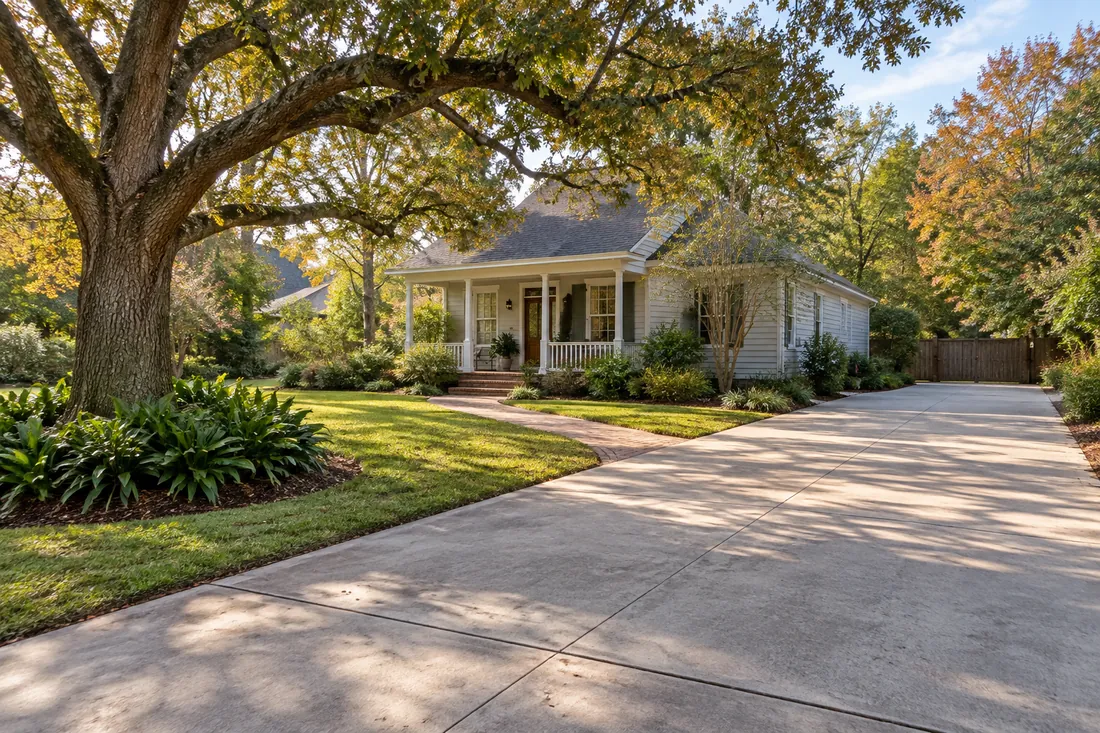
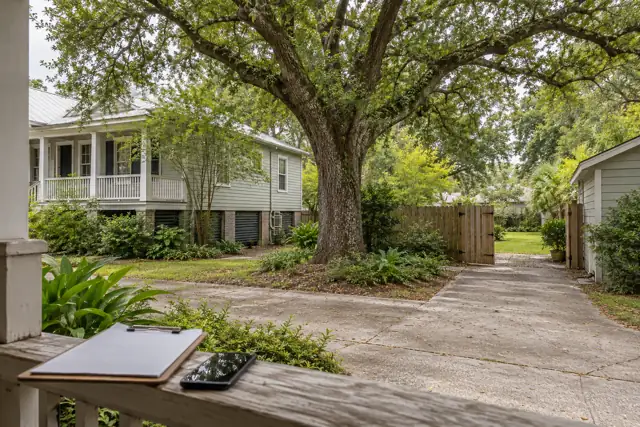
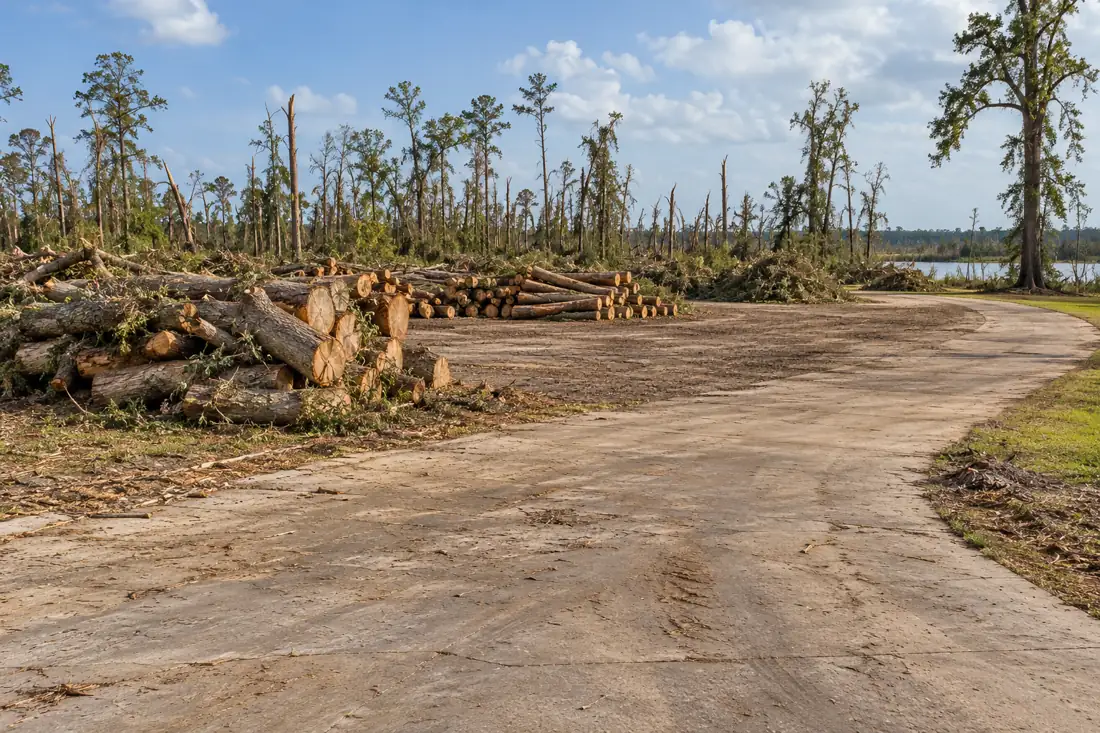
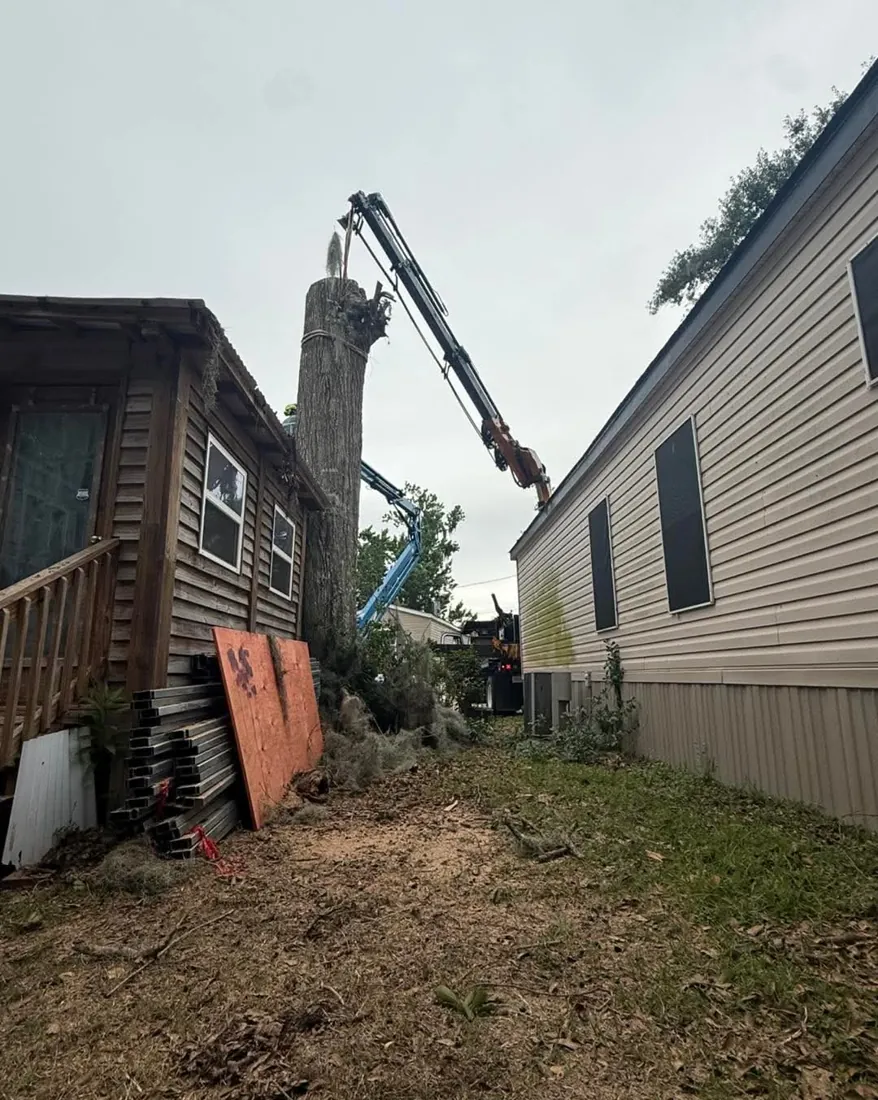
An absent owner needs a confirmed scope, access arrangements and a way to approve changes. Mark the trees and share photos before the appointment. Decide how gates, pets and parked vehicles will be handled. Completion photos and a final communication can help the owner verify the agreed work without being on site.
Site planning detail: Tree work scheduled while an owner is away requires a reliable decision and access plan. Identify an authorized contact who can confirm the exact trees, scope and any changes if unexpected conditions appear. Provide gate instructions through a private channel, keep pets secured, and identify tenants, irrigation, underground lines or surfaces that need protection. Use numbered photographs or a simple sketch to avoid confusion about similarly sized trees; do not rely on a single distant image.
Agree on whether the scope includes branches, logs, chips, stump grinding, hauling and final restoration. Establish how a proposed change will be documented and approved before work begins, rather than allowing an open-ended instruction to ‘do whatever is needed.’ Request completion photographs from agreed viewpoints and a final invoice tied to the authorized work. Remote oversight should not substitute for onsite safety decisions by qualified personnel.
Site-specific planning checkpoint: If the property owner will be absent during tree work, agree in advance on the precise tree identifiers, approved services and boundaries for additional decisions. A marked overview photograph and contact number for unexpected findings can prevent a wrong-tree misunderstanding. Confirm gates, pets, alarm arrangements, parking and any fragile surface or planting that requires protection. Do not leave passwords or security codes in public photo submissions. Establish who may approve changed costs and whether work should stop when that person cannot be reached. Crew progress pictures may help document access and cleanup, but do not by themselves establish hidden conditions or final contract acceptance. A written comparison against the estimate should close the job without assuming the absent owner consented to extra work.
Arrange a verifiable decision path when you cannot attend
If tree work must occur while you are away, name one reachable person who is authorized to answer practical site questions and identify which decisions require your approval. Provide entry instructions that do not expose alarm codes or passwords unnecessarily, and confirm any gate, tenant, or association permissions before the date. A contractor should not be expected to resolve a property-line dispute or approve additional removals simply because the owner is unavailable.
Agree in writing on the exact marked trees, approved operations, debris destination, and what happens if a dangerous or unexpected condition is discovered. A useful instruction distinguishes safe temporary stabilization from work that requires another estimate or authorization. Make sure pets, access-controlled areas, parked vehicles, and delivery schedules are accounted for. Remote approval should include a clear channel for photos and questions, not an open-ended permission to change the project.
Request a brief completion record tied to the approved scope, with factual photographs from safe viewpoints where practical. Compare before and after information when you return, and report any restoration or unresolved matters promptly. A final payment or acceptance step should follow the actual agreement, not an assumed response guarantee. Keep only the access details necessary for the job and ask that temporary entry instructions be retired when the work is finished.

Set remote approval boundaries before tree work starts
When the property owner will be away, a contractor needs more than a gate code and a general request to trim a tree. Identify the person who can lawfully authorize entry, who will meet the crew if necessary, and whether tenants, caretakers or neighbors need advance notice. Share only the minimum access information necessary; avoid placing passwords or personal travel plans in public-facing forms or photographs.
Approve a written work scope and identify decisions that require a new conversation, such as discovering concealed decay, changing equipment access or encountering another tree. A prearranged contact method is helpful, but do not assume immediate phone service or promise that a contractor will perform extra work without authorization. Pets, locked gates, overhead wires and soft ground can still make the visit unsuitable.
Ask for safe before-and-after wide photographs and a closeout note describing the work actually completed, the removed material and any area left inaccessible. Photographs cannot substitute for an inspection of concealed damage or certify that every branch is safe. Confirm payment and document handling through the agreed business channel, not by sending confidential information through an open photo link.
Read the related tree service estimate photos: what to send guide · Review public-sector tree-work services
Designate an authorized contact before leaving
If tree work will occur while the owner is away, identify one adult who can answer questions and approve permitted changes. Give the contractor the property address, a reliable contact method and the scope approved in writing. Do not assume an unrelated neighbor, tenant or caretaker can authorize additional removal. A clear authorization chain prevents confusion if the crew finds a condition not visible during the estimate.
Explain any periods when you cannot respond and decide in advance what should happen if an issue needs consent. The safest default for work outside the agreed scope is to stop the affected operation until approval is obtained. Avoid promising that every surprise can be handled remotely.
Some hazards require on-site evaluation or a separate professional rather than a quick photo and a text reply. A useful authorization sheet can be kept to one page: approved tree identifiers, agreed treatment, entry location, protection requirements, cleanup choices, responsible contact and a clearly stated rule for unapproved additions.
Include a dated version number so an older email attachment cannot silently supersede the final agreement. If more than one owner must consent, confirm who is entitled to approve the specific work instead of relying on whoever is easiest to reach. This preparation is especially valuable when travel prevents the owner from resolving a misunderstanding face to face.
It does not remove the need for a professional to make safety decisions once the crew encounters the actual site.

Create a shared visual map of the property
Before departure, photograph the work trees from consistent ground-level viewpoints and mark them on a simple sketch with the driveway, gates, building and nearby retained trees. Each tree needs a distinct identifier. Photos should show relevant obstructions and access routes without exposing alarm codes, children's belongings or other unnecessary private details to a broad distribution list.
Ask the estimator to confirm the map before work begins. A picture of a branch behind the house does not prove which trunk owns it when several crowns overlap. Include what should not be touched, such as a neighboring shade tree or garden structure. Store an older version of the map if the scope changes so the crew and owner can identify the difference without relying on memory.
Arrange entry without exposing unnecessary access credentials
Agree on which gate or driveway the crew will use and whether someone must be present to open it. If a gate needs to remain open temporarily, determine how pets and people will be protected and how it will be secured afterward. Do not place permanent alarm or smart-lock codes in ordinary estimate forms or public job notes. Share only necessary access instructions through the provider's accepted secure channel.
Check whether machinery can enter from the planned route without blocking a resident or emergency lane. Parking restrictions and gate dimensions may change the estimate. If access depends on a neighbor's land, obtain permission in advance rather than assuming a friendly relationship authorizes a truck crossing. Confirm who will secure the site after the final load leaves.
Coordinate tenants, neighbors and property managers
When tenants or family members use the property, explain the anticipated work area and temporary restrictions before the crew arrives. Identify who will contact them if the schedule changes. Keep the communication factual; do not guarantee that noise, dust or all interruptions can be eliminated. Tree work can require exclusion zones that remain in place until the crew confirms an area is safe.
If a shared driveway, sidewalk or parking court may be affected, ask the contractor who coordinates any necessary permissions and access arrangements. A neighbor should not be asked to move through a work zone to inspect progress. Provide one point of contact for questions to reduce conflicting instructions from people watching from nearby windows.
Inventory pets, irrigation and hidden property features
Tell the crew about animals that normally use the yard, including where containment depends on a gate or an underground pet wire. Make independent safe arrangements for animals during work; a temporary open fence can defeat ordinary routines. List known irrigation valves, drainage covers, landscape lighting and other private installations near the route or stump.
Public utility markings may not show private systems. Where a concealed line matters, arrange qualified location or records before grinding or machine travel. Photograph existing pavers, edging and lawn conditions from reasonable viewpoints, then agree on protection and restoration responsibilities. A crew should not discover an important system only after a track or saw has damaged it.
Define an evidence-based progress update
Decide which updates are useful rather than requesting a continuous feed from a hazardous site. Ground-level before and after photographs of the numbered trees, loading area and cleanup route may be sufficient. Workers should not be distracted from a cut to obtain a dramatic picture or video. Any recorded media should respect neighboring privacy and avoid implying that staged or illustrative images document your job.
Ask who will send status information and under what circumstances the owner must approve a change. A photograph can show visible progress but cannot by itself certify structural safety, underground repairs or professional inspection. Keep communication tied to the approved scope and record actual decisions rather than collecting large amounts of personal information.
Establish a stop-work process for changed conditions
Unexpected rot, a newly discovered utility, severe weather or loss of access can change the work plan. Agree that the crew should pause the affected operation and notify the designated contact when the change affects scope, authorization or safety. Do not pre-authorize unspecified extra tree removals merely because you will be unavailable. Ask for a clear description of what was found and the alternatives.
Any additional price or revised task should be documented before proceeding, except for measures genuinely required under the contractor's emergency safety procedures. Preserve the original estimate and the approved change together. This prevents a casual message about a different tree from becoming a dispute over what was ordered while the owner was traveling.

Consider storms and ground-condition delays
A storm forecast or saturated yard may require moving equipment to a different day or choosing another access route. Make sure your calendar and temporary access arrangement can accommodate a change. A tree standing at the edge of a soft ditch may be unreachable by the initially planned machine even though the weather has cleared by morning.
Ask how postponements are communicated and who will close a gate or secure temporary barriers if the job stops early. Do not pressure the crew to complete a cut before your return flight when conditions are unsafe. Record weather-related scope or schedule changes accurately and avoid treating a preliminary arrival window as a guaranteed completion time.
Specify the cleanup and property handoff
Write down whether logs, chips, brush and grindings will leave the site or be stacked at designated locations. State which driveway, gate and walking routes must be clear when the crew departs. If grindings will remain, say where they may be placed and who will handle soil replacement. Do not assume that tree removal includes full lawn or paving restoration.
Ask for a final set of ordinary photographs of the work area, retained trees and access route. Someone authorized locally may perform a safe ground-level walkthrough if appropriate, but they should not enter a partially secured work area. A clear handoff checklist reduces the need for remote guesses about whether the work was actually finished.

Close the project with a documented follow-up
Compare final images and the contractor's completion description with the approved numbered tree map. Note missing debris, open gates or unresolved surface damage through the agreed contact rather than issuing new instructions to workers already demobilized. If a tree needs further evaluation, treat that as a separate professional question and keep it distinct from the original removal scope.
Retain the estimate, approvals, photos and completion correspondence together. Avoid using incidental images of workers, vehicles or neighboring property as marketing evidence without appropriate rights and context. The goal is a practical record that lets the owner understand what happened while away, what remains to be done and whom to contact with a specific concern.
Authorize Tree Work Remotely Without Guesswork
Being away from home changes how a crew confirms the right trees, not the safety obligations of the job. Before departure, provide a numbered tree map, safe site photographs, the written scope and a reachable decision contact. Specify how the crew will enter the property, whether pets or occupants will be present, and who may approve unexpected work.
If a tree number, neighboring ownership or structural condition is uncertain, the crew should have a defined way to hold that portion of the work rather than relying on an unclear text exchange.
Remote updates are most useful at genuine decision points: arrival and access, discovery of a material condition that alters the plan, and completion with agreed cleanup photographs. Avoid asking workers for live photographs from an active drop zone just to provide reassurance. A final set of ground-level photos can document visible completion, but it is not a warranty of tree health, hidden root stability or undiscovered property conditions. Keep invoice, change approvals and before/after views together for a clear record.
- Share numbered work trees and any trees explicitly excluded from the estimate.
- Provide a reachable primary and backup contact for material changes.
- Agree on secure access and who locks gates or confirms pets are contained.
- Request a completion summary of the agreed scope, exceptions and cleanup.
Review what to prepare on the property before a crew arrives
Questions about this project
How should extra work be approved?
Use the agreed approval process and identify the change, reason, scope, price or schedule effect as applicable. Confirm who has authority before treating an additional tree or task as part of the original job.
What completion records are useful?
Keep the agreed scope, tree or area identification, authorized changes, invoice and labeled photos where appropriate. Include unresolved items and a contact. Contract-specific records should follow the buyer's stated requirements.
Which photos should I text first?
Send a wide tree view, the base if safely visible, nearby targets and the equipment route. Add the address, desired work and any recent change. Identify each tree clearly if the request involves several.
Can photos confirm that a damaged tree is stable?
No. Photographs may omit defects, support conditions and other important details. Use them to prepare for the contractor's assessment, and avoid entering hazardous areas to obtain a better view.
Is a total tree count enough for a large quote?
Usually the parties also need locations and tasks. Use consistent tree numbers, marked photos or a site plan so the estimate and crew instructions refer to the same trees and retained areas.
Does a work inventory include a condition assessment?
Only if that service is expressly part of the scope. A list used to identify and price tasks should not be mistaken for a documented assessment of every tree's condition or risk.
What access information helps an estimator?
Send the narrowest opening, overhead obstacles, turns and the distance between the tree and the loading area. Include photos of the entire route and identify steps, soft ground or features that must remain protected.
Should I remove a fence before the visit?
First ask the contractor to assess access and agree on any temporary opening. Identify who owns the fence, who can authorize the change and who will reinstall it. Do not assume the opening is necessary or included.
Does cleanup include every root and wood chip?
That depends on the written scope. Tree removal, stump grinding, chip hauling and root excavation are different tasks. Ask what material is removed, what remains and whether soil or landscape restoration is separately included.
What should a final walk-through check?
Compare the identified trees and tasks with the agreement. Check agreed debris handling, stump treatment, access openings and any listed restoration. Record unresolved items clearly instead of relying on a general impression that the property looks finished.
What should I tell Tree Huggers about tree work while you are away from home?
Explain the property address, the work you want and the specific concerns: remote approval, access arrangements, completion evidence. Send safe photos of the tree, surroundings and access route. The contractor can then discuss the assessment and scope needed for this situation.
How do I request an estimate for this work?
Call 504-458-8336, text photos or use the estimate form on this page. Include the address, desired outcome and any timing constraints. The company will need to review scope and availability; an online request does not confirm a price, appointment or emergency dispatch.
Get a scope for your property
When an owner cannot be on site, ambiguity about gates, neighbors and final cleanup becomes a bigger risk. Before arranging tree work, identify an authorized local contact, parking and entry rules, alarm or animal restrictions, existing damage and any areas that must remain locked or undisturbed. Share safe photographs and a property plan when available. Avoid sending access codes or other sensitive information through public inquiry forms. Confirm the method for exchanging secure access details directly with the provider after scope and timing are established.
Ask for a written proposal naming the exact trees, pruning or removal limits, material handling and photo documentation expected at completion. Decide in advance how unforeseen work will be priced and who can approve it; an unresponsive owner should not become assumed permission for new tasks. Specify whether debris is hauled, logs are retained, surfaces are restored and gates are secured before departure. Arrange a safe, agreed inspection or evidence review after the crew finishes rather than treating an automated message as proof.