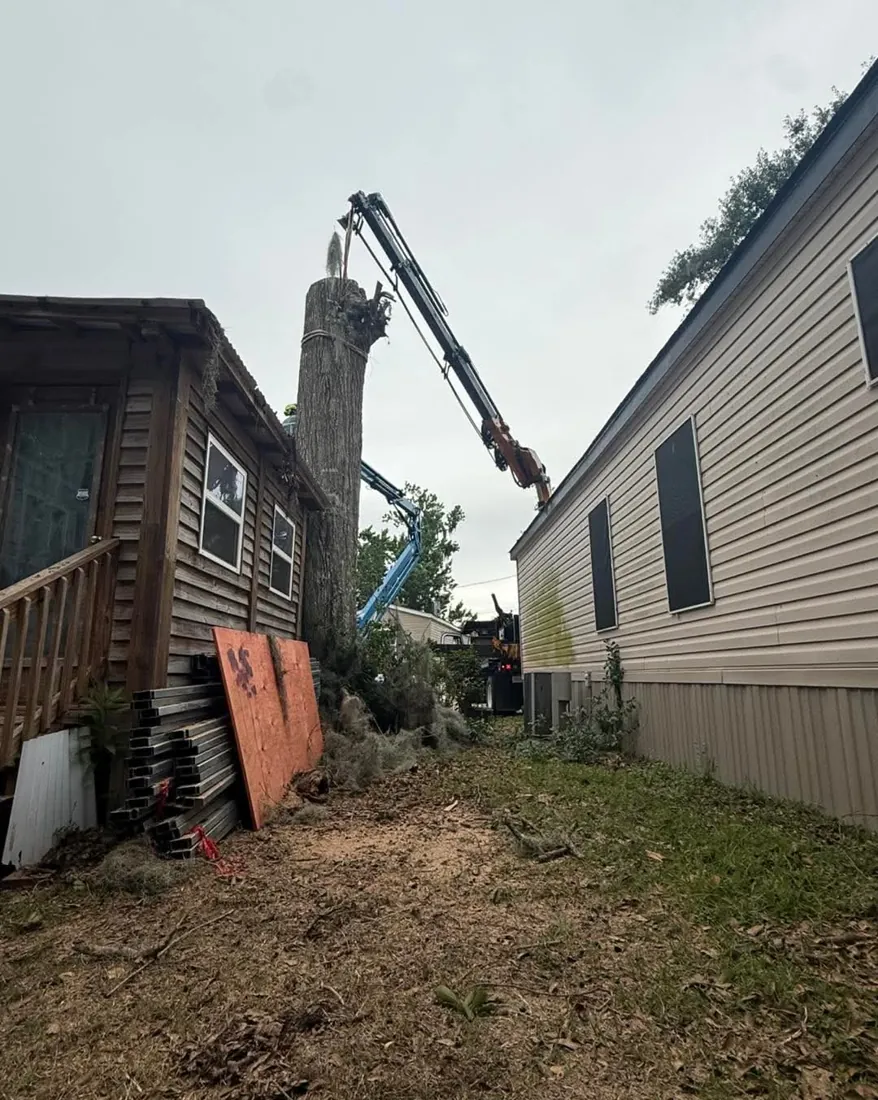
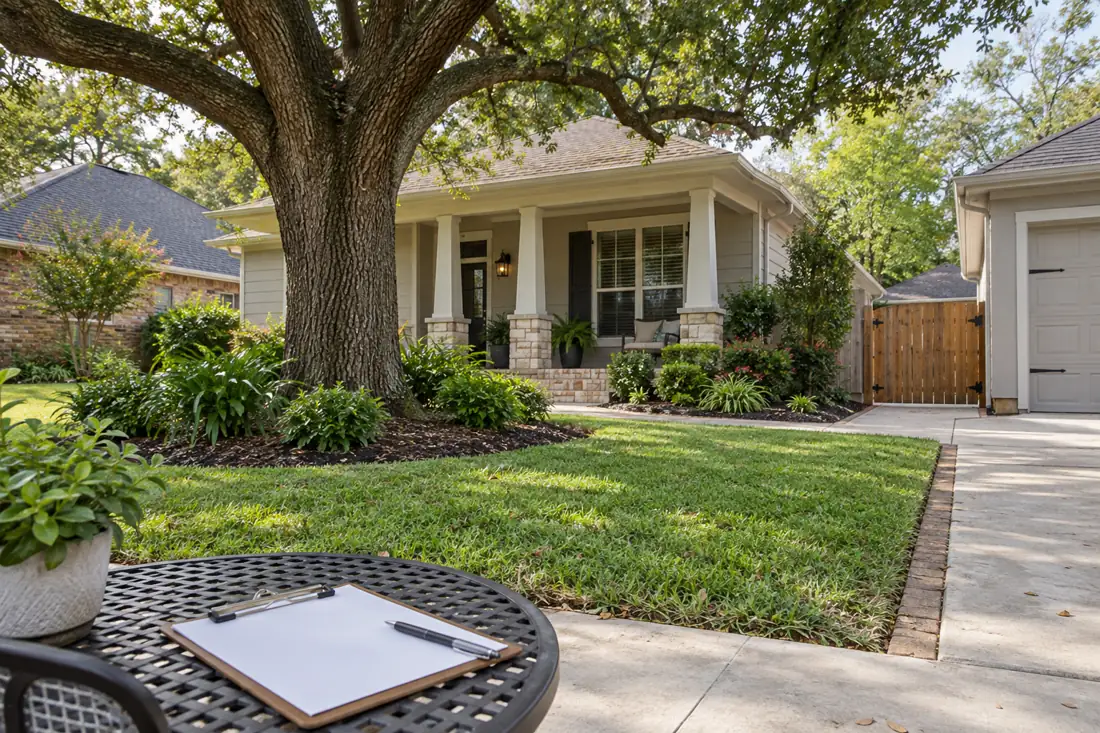
Deliveries and tree equipment may need the same driveway or curb space. Share known delivery times and identify the routes that must stay clear. Ask whether the tree work needs a dedicated window. A schedule that accounts for loading, people and vehicles can prevent conflicts that are hard to resolve once the work zone is active.
Site-specific planning checkpoint: When a refrigerator, furniture delivery or construction material shipment shares access with a tree crew, map the driveway and curb as one loading area rather than promising simultaneous use. Record the delivery vehicle’s expected size, its unloading method and the doorway it needs to reach. Tell the estimator whether an elevated platform, chip truck or trailer would block that route. Choose separate windows for cutting, lowering branches, loading debris and moving goods; allow room for unexpected weather or delivery delays. Walk the path from curb to doorway and identify overhead branches, uneven pavement, gates and outdoor steps. Keep residents and delivery personnel out of the crew’s controlled work area, even if the delivery is brief. If a shipment cannot be rescheduled, ask the contractor to revise the work sequence before confirming the appointment, and record who is responsible for communicating changes.
Map the driveway, gate swing, loading area and turning room before scheduling the crew. A delivery van, appliance truck or materials carrier may need the same space as a chip truck or lift. Share the date and approximate delivery window, not private customer details, and identify which deliveries can be moved or routed elsewhere.
Ask the estimator whether falling material, equipment mats, parked vehicles or debris staging would block residents, emergency access or a delivery route. Do not assume a driver can pass under active cutting or that a crew can interrupt a suspended load safely. Choose separate, realistic work windows when the space cannot be shared, and communicate them to the affected household or building manager.
Confirm who will move vehicles, unlock gates and receive delivery updates. The written work plan should identify access constraints and a contact for unavoidable schedule changes. If weather or an unexpected hazard delays cutting, prioritize an orderly restart over squeezing both operations into an unsafe overlap.
Treat the driveway as a shared resource
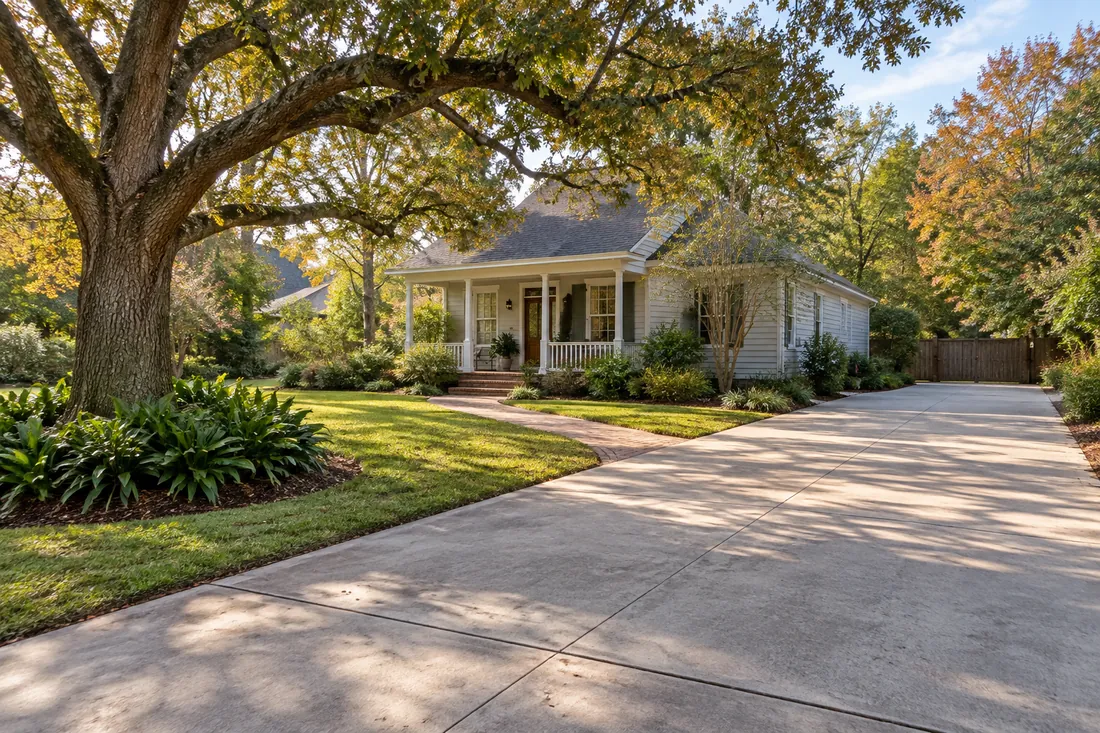
The same driveway may be needed for a delivery truck, a tree crew, residents and emergency access. Start by showing the estimator where each vehicle normally enters and turns, and whether the curb or gate is the only place to unload. A tree-work plan that looks reasonable on an empty property can fail when a furniture truck or building-material delivery arrives in the middle of active cutting.
Write down deliveries already booked, their approximate arrival windows and whether the driver needs a liftgate, pallet jack or large turning radius. Ask which part of the tree job needs exclusive use of the space and for how long. Avoid assuming that the last branch cut means the route is clear; chipping, log loading and cleanup can require continued access.
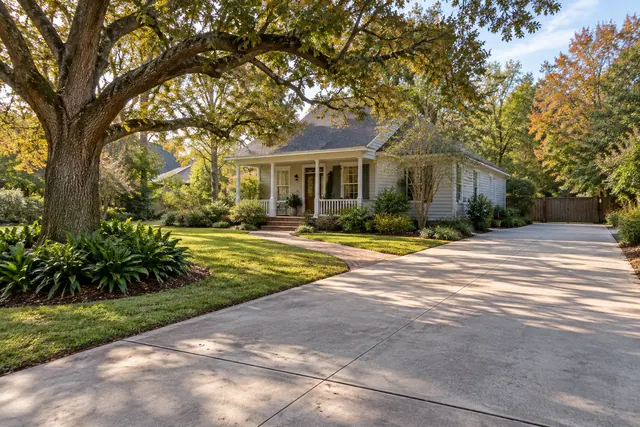
Identify activities that cannot overlap
Some delivery activity should never take place inside an active tree-work exclusion area. Discuss where drivers and helpers would walk, which overhead branches might be handled and where the crew needs to set down material. A truck parked just beyond the trunk can still interfere with material lowering or obstruct an escape path. Only the work crew can establish and manage its safe operating area.
If a delivery cannot be moved, discuss staging tree work in phases or selecting a different date before committing. Do not ask a crew member to pause a hazardous operation so a delivery driver can squeeze through. Confirm with the contractor when the area may reopen and convey that instruction to household members and visiting workers.
Coordinate tree work with delivery routes and loading areas. Mark the time windows when trucks, movers or couriers need access and keep the proposed work zone distinct from the delivery path. Include overhead branches, turning space, pedestrian entrances, parked vehicles and places where equipment or debris might temporarily block access. Agree who controls access on the day of service and how unexpected delivery arrivals will be handled. A safe plan may require resequencing deliveries or work rather than directing a truck through an active cutting zone.
Reserve access windows with a documented fallback
List the deliveries that use the same entrance as the tree crew, including furniture trucks, construction materials, appliances and waste collection. For each, record the approximate vehicle size, loading duration, maneuvering area and who has authority to change the appointment. Compare that schedule with the tree crew's proposed equipment staging, removal route and hauling. A driveway can appear open on a photograph while being unusable once a trailer and material piles occupy it.
Set one responsible contact for each contractor and agree on a check-in time before either vehicle is dispatched. Mark the part of the site that must remain available for occupants and emergency access, and verify whether any street or neighbor permission is needed. If weather or an unexpected equipment requirement changes the work zone, use the agreed rescheduling process rather than directing people through an active exclusion area.
At completion, confirm the access route is cleared of branches and loose debris before the delivery crew arrives. Make a separate note of surfaces that require inspection, because removing limbs from a driveway does not establish that pavement or landscaping is undamaged. Never promise a delivery can proceed safely until the responsible people confirm actual site conditions.
Tell the crew what is arriving
A courier van is different from a moving truck, concrete delivery, appliance installation or building-material load. Describe the approximate vehicle type and the activity at the destination. A major delivery may need space for a tail lift, open doors, a hand truck or multiple workers carrying an item through a gate. These details affect the work zone even if the vehicle itself stays in the street.
Provide the delivery address and any confusing access instructions when there are rear lanes, shared gates or multiple units. Ask the estimator which entrances must be kept free and which can be temporarily closed. If the route crosses another property, authorization from that owner is a separate question from the tree-work appointment.

Choose a realistic work window
Discuss likely setup, cutting, handling, loading and cleanup stages rather than requesting a single narrow hour for the entire job. A tree company may offer a proposed date but conditions such as rain, soil saturation, access conflicts or unexpected defects can affect the sequence. Ask when the contractor will confirm the window and how either side should report a changed schedule.
Where a delivery appointment is fixed, it can be simpler to schedule tree work for another day than to make both crews compete for the same space. If only part of the route must stay open, agree which part and when, and whether a designated contact can make decisions. Do not promise a delivery company access that the tree crew has not confirmed.
Protect surfaces and delivery items
New appliances, flooring, furniture and building materials should not be stored close to a tree-work area. Identify where deliveries could safely wait away from falling material, dust, chips and moving equipment. The tree crew may need mats or another route for a machine, but those measures do not guarantee that a fragile paved surface or saturated lawn can support the intended load.
Before work, photograph visible existing surface damage and discuss what protection is included. If a delivery happens the day before, tell the contractor about newly placed pallets or trailers so the access plan can be updated. An estimate based on a clear driveway is not necessarily valid after it has become a storage area.

Coordinate Tree Work With Home Delivery Schedules
Appliances, furniture, building supplies and landscape deliveries may need exactly the driveway or side path a tree crew plans to use. Before agreeing on a tree-work date, list any expected large deliveries and ask each provider about vehicle size, unloading space and arrival flexibility. A delivery 'window' can shift; do not promise that a truck will be gone by a particular minute unless the carrier has confirmed it. Describe the access conflict when requesting your tree-work schedule.
Tree removal can temporarily occupy a driveway with equipment, staging, barriers and woody debris. Even when the crew can pause, an unexpected visitor entering the drop zone creates a safety problem. Ask the contractor how the work zone will be marked and whether an alternate pedestrian or delivery route is feasible. Do not tell a delivery driver to drive around cones or under suspended branches to save time. Access restrictions should be communicated before the driver reaches the property.

Keep large deliveries and removal equipment from competing for the same access
Consider not just the truck but the material being delivered. A new refrigerator may need a level, unobstructed path through a porch, while pallets of roofing or flooring may require a clear unloading surface and protection from dust and debris. A tree crew may also need access after cutting for cleanup. Record which activity must happen first and who will notify the other provider if a delivery or tree-work window changes.
For the final confirmation, designate one property contact and share only the necessary logistics with each provider: entrance, vehicle clearance, reserved area and any date changes. Reconfirm the morning of work if schedules remain uncertain. Ask the tree contractor what parts of the project can be safely staged or delayed if an essential delivery cannot move. This is easier than improvising while a loaded truck waits outside an active equipment zone.
Coordinate neighbors and tenants
A shared driveway or rear service alley may serve multiple households. Identify who can authorize temporary access restrictions and who needs advance notice. Do not presume that a neighbor is willing to relocate a car, open a gate or move a delivery merely because the tree work was booked. Confirm arrangements directly and keep the contractor informed of any unresolved conflict.
For rental property, explain how tenants receive scheduling information and who will be present if a delivery changes. Keep messages factual: the planned work window, which route might be unavailable and whom to contact. Avoid giving a definitive reopening time before the crew confirms the area is clear. Written coordination prevents residents and drivers from relying on conflicting verbal assumptions.
Plan for utility and street constraints
Tree equipment and delivery trucks may both require overhead clearance. Show any service drops, low lines, awnings and sign structures along the route. Do not estimate safe clearance by looking at wire height or ask a driver to position under a line to save space. Utility conflicts require the appropriate qualified coordination; the homeowner cannot authorize work near energized infrastructure by signing a quote.
On a narrow public street, parking and loading limits may require action by the responsible authority. A private appointment does not confer permission to block a lane or sidewalk. Describe these constraints in the inquiry so the contractor can determine whether a different staging approach or formal authorization is necessary.

Agree on a change and cancellation contact
Choose one person who can approve an adjusted work window and communicate with delivery providers. If an expected shipment moves to an earlier time, notify the tree contractor before trucks arrive. Ask how much notice they need to review the plan and whether rescheduling affects costs; do not invent a universal cancellation rule. Keep the final agreed date and access assumptions with the work order.
A simple note naming the delivery company, approximate window, required driveway space and tree crew contact can prevent confusion. During active work, let the designated lead direct requests to enter or cross the exclusion area. Neither a delivery driver nor a homeowner should make that call from outside the work plan.
Give delivery vehicles a clear schedule
A tree crew and a moving truck, concrete delivery, appliance installer, or furniture van may all need the same driveway and street parking. Check your confirmed delivery window before agreeing to a tree-work date, and describe shared access with neighbors or tenants. Trees may be lowered or loaded in stages, so a road or driveway might be needed intermittently rather than only at the start.
Ask what parking or staging areas must remain free and whether equipment can be moved quickly if emergency access is required. A delivery appointment does not guarantee that tree work can pause safely at any moment. Share the street approach, gate, and planned drop-off area in the inquiry, along with any timing restrictions you already know.
Coordinate a delivery lane and a tree-work exclusion area before anyone arrives
Delivery trucks and tree crews may need the same driveway, curb or loading apron, yet their safe working windows differ. A branch handled over a delivery path can create exposure even when neither crew intends to use that exact patch of ground. Start with the location of the tree, the truck's normal stopping point, the pedestrian route and any tight turnaround.
Identify whether a moving van, concrete truck, appliance carrier or routine parcel vehicle is expected. A simple delivery calendar matters more than a promise that everyone can work simultaneously. Keep the tree-work exclusion zone free of visitors and equipment until the responsible crew has released it.
For a driveway shared by neighbors, establish which party controls access and who can advise the arriving driver of a temporary restriction. Heavy vehicles can also affect soft turf, roots, irrigation and paving near the working route, so a delivery detour needs its own ground-condition check.
Request a tree estimate with photographs from safe existing walking areas, not from beneath suspended limbs. Ask the service contractor to define which vehicle movements are included in its site plan and which require separate scheduling with a carrier. If the project also involves clearing a route before a larger construction delivery, the property-preparation guide is a more relevant companion than a routine delivery calendar.
Separate a delivery truck's path from an active tree work zone
A moving van, roofing-material truck, or appliance delivery may need the same driveway, curb area and turning radius as a tree crew. Sketch the anticipated approach and note low branches, sidewalk width, driveway slope, parked vehicles and gate restrictions. Ask the delivery company what space its particular vehicle requires; a ground-level photograph is useful context but cannot certify overhead clearance.
Identify where a chip truck, trailer or equipment setup would obstruct that route, and do not schedule two operations to occupy the same narrow space at once.
Reserve distinct windows for truck arrival, active tree work, debris cleanup and a final clear-access check. Give both vendors a consistent site map and the number of the person empowered to approve schedule changes. Verify responsibility for parking permissions and pedestrian protection before crews arrive. When unexpected utility clearance, unstable branches or blocked access arise, stop the conflicting movement and coordinate a safer revised sequence instead of urging a driver to squeeze past working equipment.

Coordinate the delivery route and the work zone
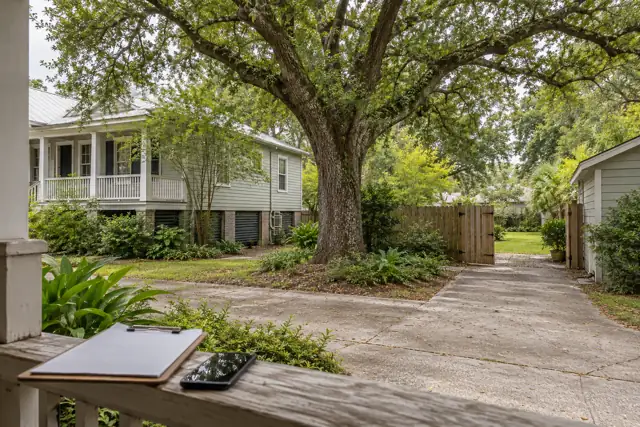
Home deliveries and tree work can compete for the same driveway, gate and curb space. Identify the arrival route, approximate vehicle size and unloading area before setting a work date. A large box truck may need the full turning area under low branches, whereas a tree crew may need to keep the same space clear for its equipment and debris. Note any gate that must remain unlocked, soft ground after rain or walkway used by children and pets. Photos from the street toward the driveway and from the driveway back toward the street can reveal conflicts that a single tree close-up misses.
When the timing cannot be coordinated with certainty, plan separate access windows rather than assuming every task will finish on a fixed schedule. Tell the tree contractor about delivery constraints and tell the delivery company about any temporary work-zone closure. Discuss whether vehicles need to be moved beforehand and where cut material can be staged without blocking a shared entrance.
Put any requested branch clearance or debris removal in the written scope. A useful plan identifies who can approve access changes and how everyone will communicate if rain, equipment or site conditions alter the sequence; it should not invent arrival or completion guarantees.
Inspect the route before calling it clear
Completion includes removal of debris, equipment and temporary restrictions according to the agreed scope. Ask who confirms the driveway, gate and walking route are available for deliveries again. Walk the area at a safe time with the appropriate contact and note any remaining items, such as logs awaiting separate hauling or a surface repair outside the tree scope.
If a shipment is scheduled soon after tree work, build in contingency for weather or an unexpected task rather than assuming a guaranteed finish. Keep photos of the route before and after if they are useful for coordinating multiple trades. A clear handoff protects the next crew from entering an area that is still being managed.

Create a handoff for both crews
Write a short access note naming the delivery, proposed arrival window, entry point and whether unloading requires the full driveway. Beside it, identify the tree crew's confirmed work zone and the contact who can answer scheduling questions. This is especially helpful if the homeowner will not be present when the delivery driver arrives. The note is coordination information, not permission to enter an active tree-work area.
On the day before work, confirm both schedules and report changes to each provider. If there is no safe overlap, ask to move one appointment rather than creating pressure for workers to improvise. Do not depend on the delivery company's live-tracking map as a guarantee of an exact arrival time. Keep the plan flexible enough for conditions on the ground.
Check what happens if a delivery is late
A truck that arrives after the cutting stage may still conflict with chipping, stump work or equipment recovery. Ask whether the crew can safely leave a route open at a particular stage, and accept that the answer may be no. A delayed delivery should not cause an untrained driver or occupant to cross an exclusion barrier. If the route cannot reopen, contact the delivery company before it reaches the property when possible.
Keep emergency routes clear according to the site plan and avoid parking a waiting vehicle where it blocks neighbors. After the work is complete, verify the actual access condition before giving the delivery driver new instructions. These small handoffs can prevent a successful tree job from disrupting a separate household project.

Build a no-overlap schedule for vehicles that share one route
A tree crew and a delivery truck can each be properly booked and still have incompatible access needs. Confirm the route and contingency together.
- Mark the route: Draw the driveway, gates, curb space and turning area used by tree equipment and the delivery vehicle. Include where logs, chips and incoming materials could block each other even after cutting is over.
- Assign time blocks: Coordinate the actual arrival and departure windows with both providers, allowing for equipment setup, site cleanup and delays. A delivered appliance or pallet cannot safely sit inside a tree work zone just because its driver arrived first.
- Choose the fallback: Name one person to notify both crews if a weather delay, broken-down lift or late delivery changes access. Decide in advance which appointment moves; do not improvise simultaneous operations near suspended material.
Before confirming delivery, ask whether the contractor can actually release the required access lane at that stage of the work. Reopening the driveway should be a site decision, not a clock assumption.
A delivery appointment and a tree crew cannot assume the same driveway
A delivery truck may need a straight approach, turning room, a clear gate or an unloading space that a chipper and tree truck also need. Even brief overlap can create an unsafe or impractical situation. Tell both parties the type of delivery, any appointment window and whether the items must pass under the tree or through the proposed work zone.
Plan a no-overlap window and an alternative contact if a driver is early or late. Do not promise that tree work will finish at a fixed hour without confirmation from the crew, especially when hazards or weather may change the method. If the issue is ordinary parked cars or control of shared spaces rather than a timed delivery, the vehicle-relocation guide focuses on clearing, permissions and reopening the work area.
- Show the complete route from street to unloading area.
- Tell the estimator about oversized vehicles and gate limitations.
- Confirm a fallback plan if delivery and work schedules change.
Create a Work Window That Does Not Trap Deliveries or Vehicles
A furniture, appliance or construction-material delivery can be blocked by a tree crew even when the tree itself is in another part of the yard. Confirm the truck route, turning area, trailer position and debris loading zone before agreeing to a delivery slot. Shared drives, narrow streets, curb restrictions and loading dock access may require advance coordination with neighbors or the property operator.
The goal is to avoid an avoidable conflict, not to predict an exact end time for outdoor work affected by weather and tree condition.
Give the tree crew the delivery schedule and ask which phases require an uninterrupted exclusion zone. If a supplier cannot change its arrival, identify another staging area or plan a different work date instead of allowing a delivery driver through an active drop or chipping zone. Arrange a single contact to coordinate changes on the day. The crew lead should be able to pause or redirect an operation when a vehicle appears unexpectedly; safety takes precedence over keeping a speculative calendar promise.
- Share delivery vehicle sizes and access needs before choosing the crew date.
- Identify shared-drive, roadside and sidewalk permissions separately.
- Keep suppliers and household members out of active work and debris zones.
- Use a realistic rescheduling contact plan for weather or unexpected conditions.
Review where parked vehicles should be moved for safe crew access
Questions about this project
Can the crew block a public sidewalk or road?
Required arrangements must be coordinated with the appropriate authority. Identify public routes and restrictions before scheduling. A private work agreement should not be treated as automatic permission to occupy or close public space.
When should parked vehicles be moved?
Set the timing and responsible contact before the work window. Vehicles may need to leave the tree zone, equipment route and loading area. Confirm where access must remain available during each phase.
What access information helps an estimator?
Send the narrowest opening, overhead obstacles, turns and the distance between the tree and the loading area. Include photos of the entire route and identify steps, soft ground or features that must remain protected.
Should I remove a fence before the visit?
First ask the contractor to assess access and agree on any temporary opening. Identify who owns the fence, who can authorize the change and who will reinstall it. Do not assume the opening is necessary or included.
Can a business stay open during tree work?
That depends on the site and scope. Discuss occupied routes, exclusion areas, loading and work windows with the contractor and property representative. Do not assume normal access can continue through the active work zone.
Who should communicate with tenants or visitors?
Agree on that responsibility with the property representative. The contractor needs a clear site contact, while the owner or manager should use the property's established process to communicate access changes and work windows.
How should extra work be approved?
Use the agreed approval process and identify the change, reason, scope, price or schedule effect as applicable. Confirm who has authority before treating an additional tree or task as part of the original job.
What completion records are useful?
Keep the agreed scope, tree or area identification, authorized changes, invoice and labeled photos where appropriate. Include unresolved items and a contact. Contract-specific records should follow the buyer's stated requirements.
What should I compare besides the price?
Compare tree identification, work objectives, access assumptions, hauling, stump treatment, site finish and exclusions. Ask whether permits or other coordination are part of the scope and who can approve changes if conditions differ.
Does an online request book the crew?
No. A request starts the estimate conversation. The company still needs to discuss scope, availability and any site assessment. For a dangerous or urgent condition, call 504-458-8336 rather than relying on a form response.
What should I tell Tree Huggers about scheduling tree work around home deliveries?
Explain the property address, the work you want and the specific concerns: shared access, delivery timing, work window. Send safe photos of the tree, surroundings and access route. The contractor can then discuss the assessment and scope needed for this situation.
How do I request an estimate for this work?
Call 504-458-8336, text photos or use the estimate form on this page. Include the address, desired outcome and any timing constraints. The company will need to review scope and availability; an online request does not confirm a price, appointment or emergency dispatch.
Get a scope for your property
Mention oversized deliveries, scheduled contractors and driveway restrictions when requesting a tree-work date.