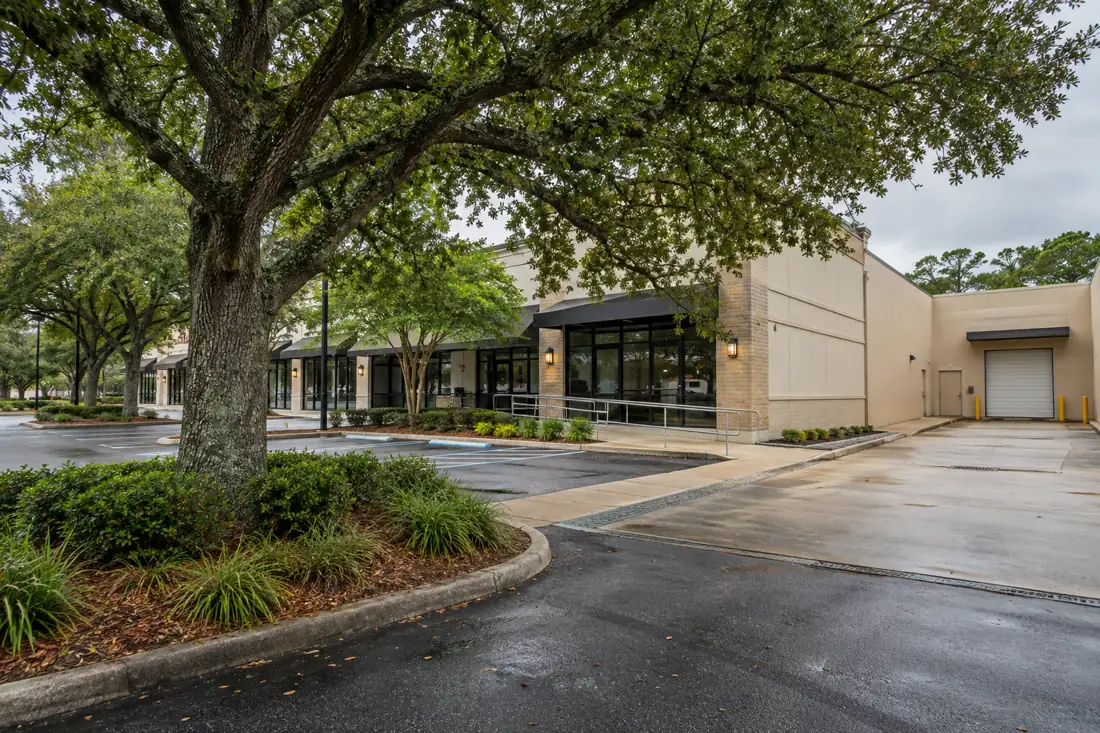
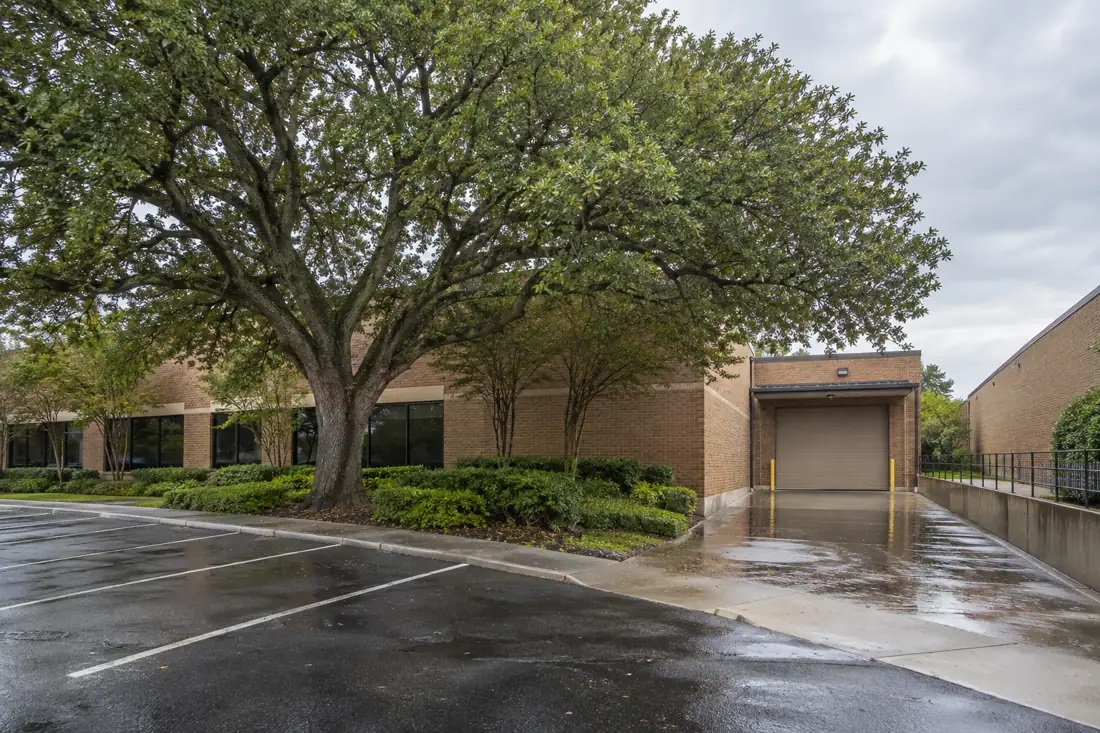
Critical access changes the work plan
Healthcare sites may have ambulance routes, emergency entrances, staff parking, patient drop-off areas and continuous operations. Tree work near those areas needs clear staging, communication and a sequence that keeps essential access available.
Practical scope and safety guidance: Healthcare properties have limited tolerance for blocked entrances and unplanned interruptions. Describe ambulance and patient access, accessible parking and walking routes, deliveries, mechanical equipment, outdoor air intakes and areas where noise or falling material could affect operations. Site coordination should include the facility’s authorized contact and any specific infection-control or contractor-entry procedures that apply to the location. A tree crew should not assume it can close a ramp, re-route emergency vehicles or stage machinery near sensitive equipment without approval.
For estimates, separate necessary pruning or removal from stump grinding, hauling, cleanup and surface repair. Consider how communication, work hours, spotters and exclusion zones will protect patients and staff. A professional site plan and actual facility permission are prerequisites; generalized educational imagery does not establish experience at a named hospital.
Identify entrances, emergency access, occupied zones and trees that present the highest risk.
Plan equipment and work zones around facility operations and traffic.
Complete the agreed cleanup and reopen affected areas as soon as practical.
High-risk trees near occupied facilities
Large trees over parking, entrances and buildings require careful control. Crane-assisted or mechanized work may be appropriate where heavy sections need to be supported and moved away from critical targets.
Put the facility’s current contact first
Provide the actual work address and the person coordinating facilities or operations. Explain who approves the tree scope and who can answer practical site questions. A remote purchaser may not know that an entrance has changed or a temporary service route is in use. The tree company needs a current contact path before relying on access, setup or a proposed work window at a property that continues to operate.
List the trees or areas of concern with practical identifiers that match the facility’s own locations. Separate scheduled care, a condition question, removal and storm damage. The commercial service page introduces related coordination. A request should identify what needs review rather than treating every tree visible around a hospital or clinic as included in one general grounds-maintenance instruction or assuming that an entire property assessment has already occurred.
Identify routes the facility needs to control
Show the relevant emergency, service, staff, visitor and drop-off routes, with the facility contact explaining their current use. Say which alternatives exist and which arrangements remain unresolved. The proposed tree task needs that operational context, particularly where the same area appears useful for equipment setup, wood handling and normal access. A clear-looking lane in a photograph is not evidence that it is available to the contractor.
Do not make informal promises about closing or reopening essential routes without the responsible facility team. Ask how the tree-work plan interfaces with the site’s actual arrangements and who communicates changes. The planning hub helps structure that discussion. The useful result is a reviewed scope and a clear coordination path, with current operating decisions made by the facility rather than inferred from a general website capability description.

Include the pedestrian experience around each tree
Photograph the tree with relevant sidewalks, ramps, entrances, benches and other adjacent use areas from appropriate positions. Explain the specific concern: clearance, dead material, a new failure or another observed change. The same branch can pose different planning questions depending on what lies beneath it. Keep photographs focused on the tree and work context, avoiding unnecessary patient, visitor or private interior details in the material sent for an estimate.
Describe views that are unavailable instead of entering a restricted or damaged area to complete the set. Photos support the initial discussion; they do not establish every concealed attachment, root condition or site requirement. The company can discuss which further review is needed for the actual tree. Information about nearby use should stay connected to the tree identifier so an operations contact can understand which area is involved without interpreting detached close-ups.
Separate routine care from changed conditions
For pruning, explain the actual clearance or deadwood objective and the canopy the facility wants retained. The trimming service provides related scope context. A broad instruction to reduce every tree does not tell the company which roof, path or facility use needs attention. Ask what each proposed task addresses so the purchaser can compare the work with an understandable completion objective.
Protect critical access without promising uninterrupted service
A healthcare campus can contain entrances with very different operational importance. A routine landscaping path, an accessible patient drop-off and a fire or ambulance route should not be treated as interchangeable. Identify the exact tree and the nearest critical movements before deciding where a work zone might fit. Facilities leadership must approve any affected access; tree work does not authorize an improvised closure.
During estimating, share the site contact, known overhead and underground constraints, occupied building edges, and areas where loud or debris-producing operations need coordination. The site may require permits, infection-control precautions or vendor onboarding for particular areas. Those requirements vary by facility and must be confirmed rather than assumed to apply identically to every healthcare customer.
Closeout should say which access and surface areas have been checked and which conditions still need another trade or qualified tree assessment. Avoid implying a hospital commissioned the pictured work or that a single site photo proves clinical safety. A transparent location-based report helps staff maintain continuity while documenting exactly what the tree-service scope did and did not include.

New cracks, failures, changed lean or disturbed ground should be reported directly with timing if known. The assessment page describes a separate inquiry. A tree’s green appearance does not establish its full condition from a photograph. Clarify the selected trees, review limits and any recommended follow-up. One accepted care task should not be treated as an undocumented property-wide assessment or a guarantee that retained trees will remain unchanged indefinitely.
Review removal and handling with the whole site visible
Show roofs, entrances, fixed features, retained landscaping and the complete route for material. The high-risk removal service offers related information for difficult settings. Size alone does not determine the handling approach. The company needs the actual tree, surrounding targets, ground and access before discussing methods that may fit near an occupied facility or a restricted service area.
Provide current site instructions and identify known features or information still needing confirmation by the responsible party. The equipment guide helps organize gates, turns, setup and loading. Do not assume a large paved area is unrestricted or that a machine used at another facility fits this property. The plan should connect the tree task and operational limits while leaving separate engineering, utility or building responsibilities with their appropriate providers.
Give the purchaser the actual vendor requirements
Send the facility’s current onboarding instructions, relevant work-area requirements and requested records before a commitment depends on them. The company needs to review what it can provide for the actual opportunity. A general service page should not be read as proof of a particular contract status, credential or preapproved access arrangement. If requirements change, make that update part of the conversation before the work proceeds on an older assumption.
Identify who can approve changes and who will be available during the proposed visit. Keep sensitive access information in the agreed direct channel. Ask how accepted tasks and additions will be recorded so the on-site team and purchaser share the same scope. This is especially useful when tree work is coordinated with another maintenance project: a practical contact and a current instruction set are more useful than an undocumented expectation that every provider already knows the facility’s routine.
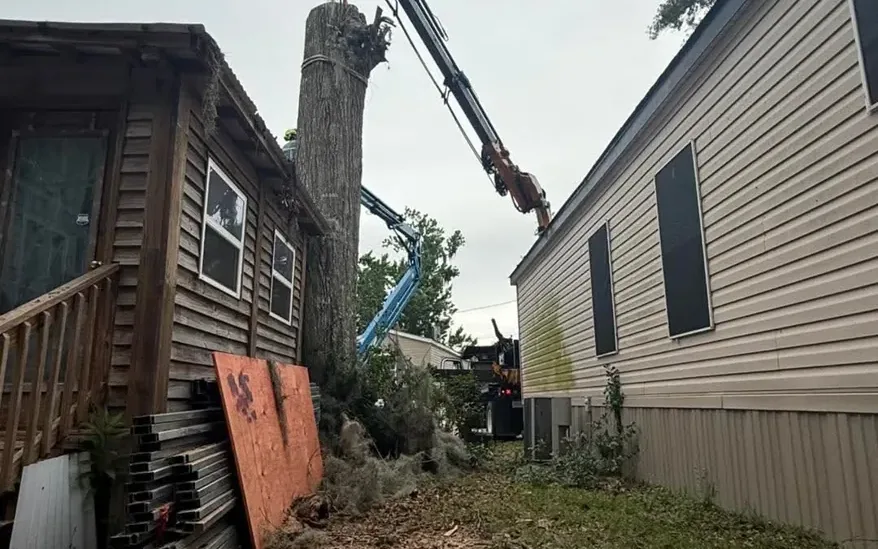
Use separate channels for immediate hazards and later cleanup
Keep people away from damaged trees or suspended material. For immediate threats to people or electrical involvement, use the appropriate emergency or utility service. Call 504-458-8336 to discuss current tree-work response availability; a website submission does not confirm dispatch. Give the current facility contact and explain which route or occupied area is affected without asking staff to investigate a dangerous condition for a closer photograph.
The commercial response page helps frame access priorities and area lists. Separate the first damaged-tree or obstruction task from later debris hauling and property repair. A review of one route should not be assumed to clear every other area for use. Keep the accepted tree-work boundary and the facility’s operating decisions connected through the responsible contacts as conditions or information change during the response.
Define completion in terms the facility can verify
Specify logs, brush, chips, stump decisions and the practical condition of each accepted area. Disclose mixed building or other non-tree material before hauling is arranged. The debris service provides related preparation. Soil repair, planting, paved-surface restoration and building work are separate responsibilities unless expressly included. Explain which provider follows and what condition they need instead of assuming removal of wood also completes those other operations.
As a planning example, a clinic could request selected entrance pruning and a separate removal beside staff parking, with later landscape work by its usual provider. That is an example, not a documented healthcare job. Use the original tree and area identifiers at closeout, recording actual work and remaining items without unsupported broader guarantees. Agree on relevant photos while avoiding unnecessary private facility activity. A clear handoff helps the purchaser and operations contact verify the same result.
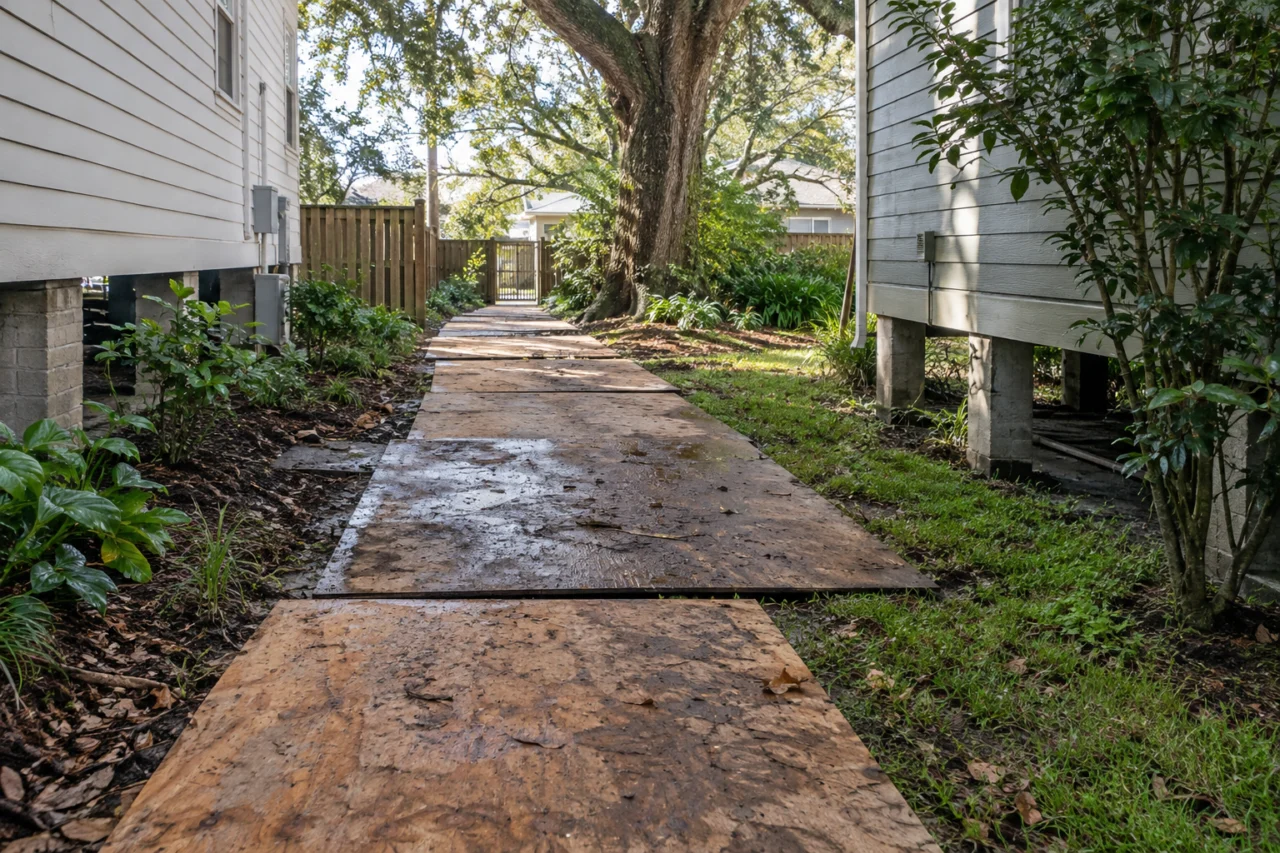
Align work limits with facility continuity and patient access
Healthcare properties may have entrances and service routes that must remain usable even when surrounding landscaping is being worked on. Ask the facility to identify emergency arrivals, patient drop-off areas, accessible routes, loading docks, waste collection, and any outdoor waiting or therapy spaces near the trees. A contractor’s normal staging preference should not override the facility’s operational controls. Mark the exact work limits and potential vehicle routes on an agreed site plan before assuming that a crane, lift, or material trailer can enter.
Discuss possible dust, airborne debris, noise, vibration, and exterior air-intake proximity with the facility’s own safety, infection-prevention, and engineering contacts. The tree contractor should follow authorized facility procedures and site-specific requirements rather than claim to set medical safety standards. Confirm any needed permits, escort arrangements, identification requirements, or work-window restrictions. Keep sensitive patient information out of routine tree-work photographs, shared notes, and marketing materials.
Use a completion checklist tied to each tree location: approved work, any staged removal, material handling, reopened paths, and unresolved surface or irrigation effects. If a storm changes the situation, report new hazards directly and confirm availability rather than treating a routine maintenance request as emergency dispatch. That separates the tree contractor’s work from hospital operations, building repairs, and decisions only the facility can authorize.
Hospital & Healthcare Tree Service questions
Who should be the first healthcare-property contact?
Identify the current facilities or operations contact, the scope approver and a practical on-site decision path.
Does an empty access lane mean it is available for setup?
No. The facility must explain current route use, restrictions and actual arrangements before an approach is accepted.
Can tree work be planned beside an operating facility?
Discuss the actual tree task, routes, work area and operating constraints directly rather than assuming an unrestricted site.
What photographs are useful?
Safe views of identified trees, surrounding targets and routes help; avoid unnecessary patient, visitor or private interior details.
Does foliage alone establish tree condition?
No. Report observed changes and ask what review fits the actual concern and selected trees.
Is pruning the same as a property-wide assessment?
No. Confirm the care objective, review scope and any follow-up separately.
What should be shared about vendor requirements?
Provide the actual current onboarding instructions, site requirements and requested records for the company to review.
Can equipment be chosen from tree size alone?
No. The tree, targets, route, ground, setup and facility limits affect the method discussion.
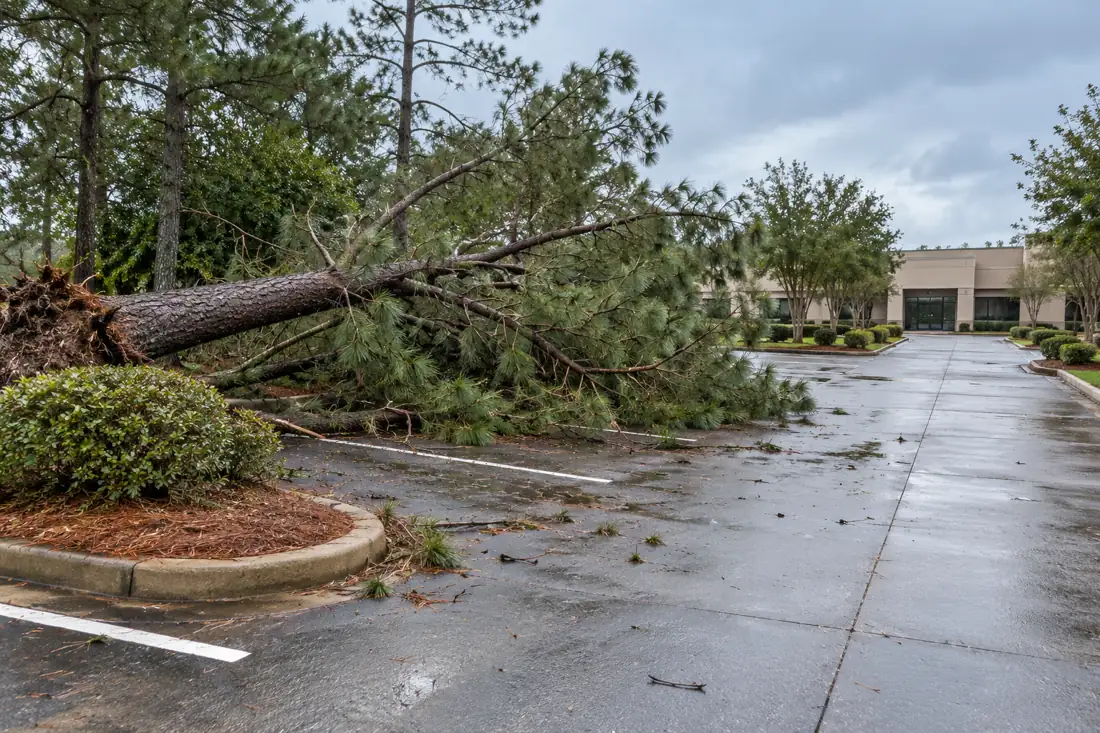
What if a damaged tree affects a critical entrance?
Keep people away, involve emergency or utility services where appropriate and call about current tree-work response availability.
Does a form confirm emergency dispatch?
No. Confirm availability and the next step directly with the company.
Is landscape or surface restoration included?
Ask explicitly. Tree handling, stumps, material hauling and restoration are separate responsibilities unless included.
What should closeout record?
Use the agreed tree/area identifiers to describe actual tasks, material handling, approved changes and remaining items.
Let’s plan your tree work.
Send the property address, safe tree photos and the result you need. Include access restrictions and the person who can approve the work.