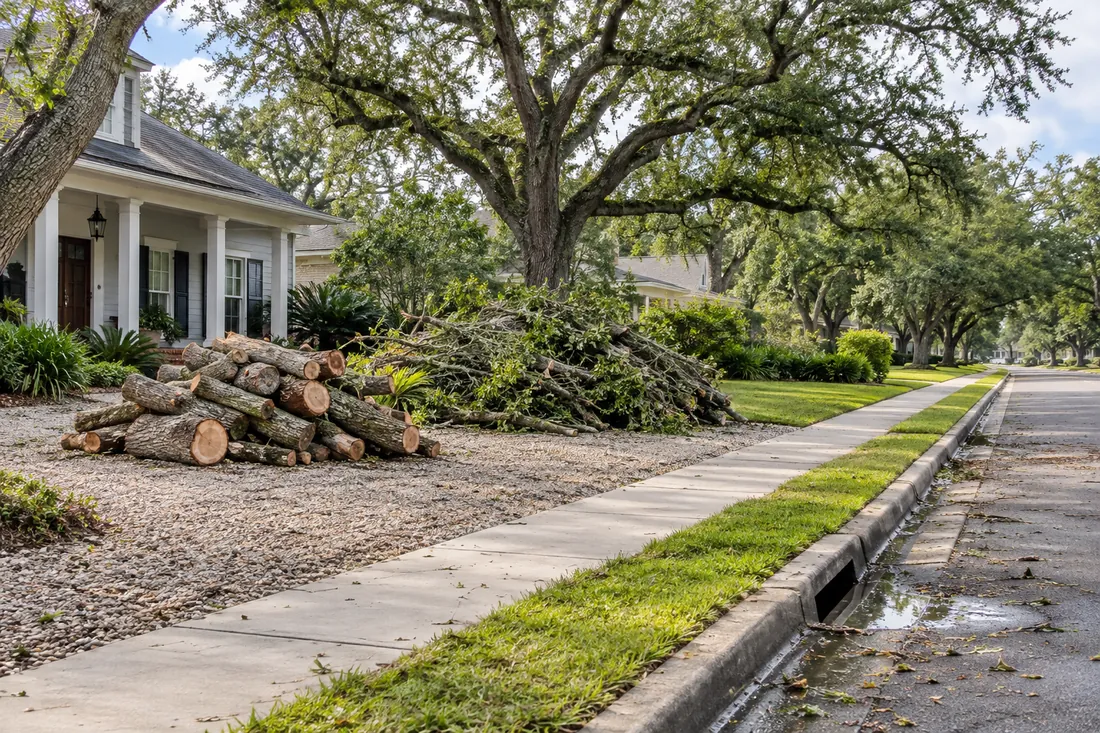
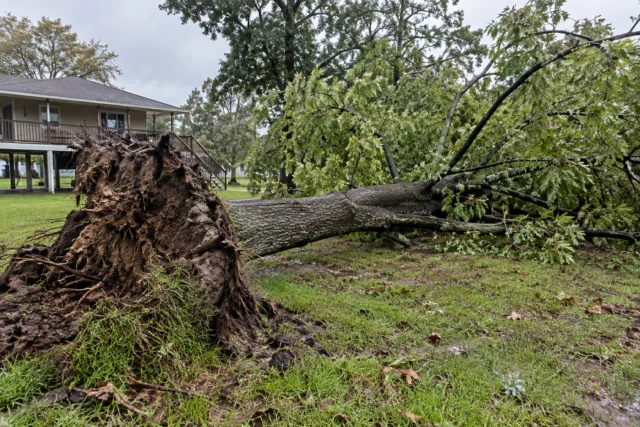
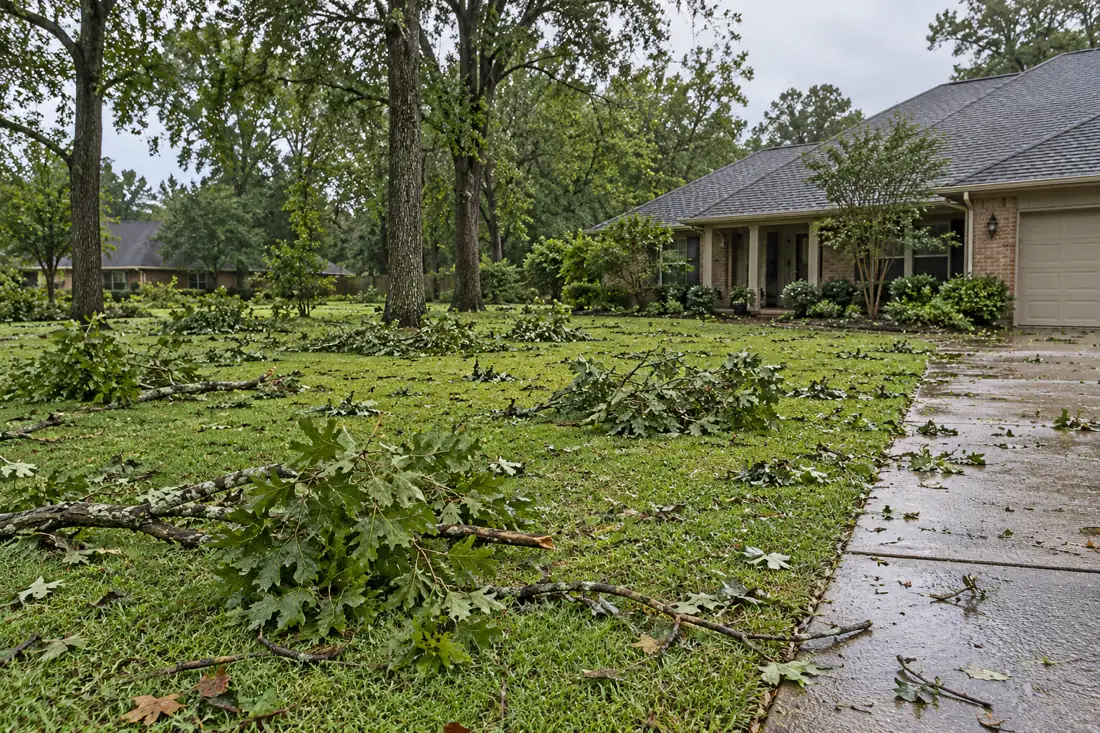
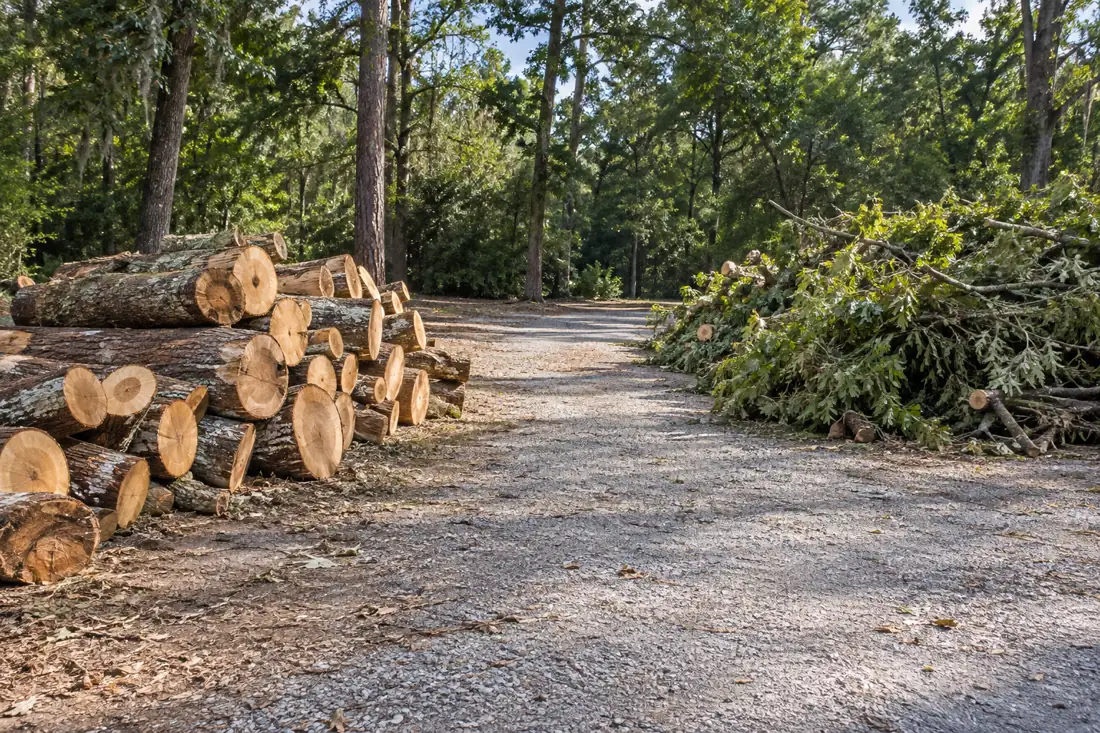
A brush pile quote needs to account for what is in the pile and whether machinery can reach it. Include photos of the whole pile, access and nearby obstacles. Separate vegetative material from household, construction or hazardous waste. Define the finish so the customer knows whether small debris and surface cleanup are included.
Site planning detail: Brush piles often contain material that is not obvious from a distant photo: heavy limb sections, vines, thorny branches and sometimes hidden fencing or building waste. Show the footprint of the pile and its position near gates, drains, irrigation or retaining walls. Keep children and pets away while the material is awaiting removal; piled brush can conceal sharp ends and wildlife. Before a quote, separate vegetative debris from unsuitable disposal material rather than assuming every item can go in one truck.
Confirm whether workers will load by hand or machinery and what access they require. Clarify whether raking, scattered twig collection and restoring the collection area are included, while treating stump grinding and additional pruning as distinct requests.
A useful brush-pile photograph shows the overall size and relationship to the driveway, not just a close-up of leaves. Record how long the pile has been there and whether it contains logs, vines, soil, plastic, fencing or other material. Avoid disturbing unstable piles or potential hazardous waste for a quote; animals or insects may occupy them.
Identify loading access, gate width and the intended cleanup boundary. Ask if cutting, loading, approved disposal and loose-twig cleanup are included. Where the pile sits on wet turf or against a structure, discuss ground protection and any pre-existing damage before hauling begins.
Identify the source and condition of the brush pile
A brush pile may contain fresh hedge trimmings, storm-damaged limbs, invasive vines, dead branches, or months of mixed yard work. Its origin affects how safely it can be handled and where the material can go. Before requesting removal, describe the approximate footprint, height, age, and whether the pile is compacted, wet, or tangled. Take photographs showing the whole pile and the route to the loading area, without climbing onto unstable material to get a better view.
Ask whether any branches remain attached to standing or fallen trees above the pile. Loose material can usually be assessed as hauling, but suspended limbs and tensioned trunks require a separate tree-safety evaluation. If the pile grew gradually, it may conceal soil, old fence posts, or discarded household items. Tell the contractor what is known and what is uncertain instead of assuming the whole mass is clean vegetative waste.

Inspect for hidden objects without disturbing hazards
Old piles can contain wire, stakes, nails, bottles, sharp metal, and discarded landscaping tools. They may also shelter insects or wildlife. Do not put hands into the middle of dense brush or ask children to help pull branches apart. Keep pets away and describe any visible nest, animal activity, or hazardous object to the service provider. The removal crew should assess how to approach the pile and whether special handling or another qualified service is required.
If an active nest or protected animal is found, do not assume that hauling should proceed immediately. Applicable wildlife protections and safe handling may require pausing or changing the plan. The same is true of suspected chemicals or unknown containers hidden in brush. These are not ordinary wood debris, and they should not be mixed into a truckload. A responsible quote distinguishes what can safely be removed from what needs separate treatment.
Separate brush from other material before booking haul-off. Check whether the pile contains leaves and branches only, or whether wire, nails, lumber, trash, soil, fencing or storm-damaged household items are mixed in. Photograph the pile from more than one side and show the intended truck approach. Ask the provider to identify what can be accepted, whether chip processing is suitable, how small debris will be collected and whether ruts or ground disturbance are excluded from cleanup. Do not ask a crew to handle unknown chemical containers or unstable mixed debris as ordinary vegetation.
Describe the pile as it actually sits
A brush pile can contain loose twigs, thick limbs, vines, leaves and partially buried pieces, sometimes mixed with storm debris or building waste. Identify approximately where it sits, whether it is accessible from the street and whether it has been there long enough to settle or become overgrown.
Photograph the whole area from a safe distance, not just the tallest part of the pile. If material is beside a fence or under a tree, explain that a machine may not have a direct approach. Do not crawl inside stacked limbs to estimate volume or move unstable logs without suitable equipment. The practical question is what must be lifted, cut, separated and removed.
Know which disposal stream is being requested
Ordinary vegetative waste and mixed debris can require different handling. Tell the contractor if the pile contains treated lumber, nails, plastic, household trash, wire, soil or unknown materials instead of describing everything as brush. Discuss whether chipping on site is practical and acceptable, whether logs will be hauled separately and whether any chips may remain.
Municipal pickup rules are not a substitute for the private hauling scope, and a tree crew should not be assumed to accept hazardous or restricted material. If a previous service left the pile, keep that history available without turning the new estimate into an unsupported claim about the first provider's obligations.
Separate brush, logs, soil and household waste
Loose branches compress differently from dense log rounds, and a pile full of dirt or rock may be unsuitable for ordinary vegetative collection. If it can be done from a safe accessible edge, identify visible material groups and photograph them. Do not dismantle a tangled stack to improve an estimate. The contractor may need to segregate logs, clean brush, and excluded waste during loading. That labor can matter more than the apparent size of the pile.
Treated lumber, fencing, metal, plastics, construction debris, and household garbage should be disclosed as mixed waste rather than described as vegetation. The receiving facility may have restrictions. If the homeowner wishes to keep a few usable logs or branches for chipping, mark that choice before the crew begins. Clear material boundaries make the disposal plan more reliable and avoid accidental mixing or unexpected rejected loads.

Turn an unorganized brush pile into a defined removal request
A brush pile can conceal more than leaves and limbs. Walk around it from a safe distance and document approximate footprint, height and the location of its accessible edges. Avoid stepping onto a pile with voids or reaching under tangled branches to judge its depth. Note visible vines, thorny material, wire, discarded fencing, plastic or signs that other waste has been dumped there. A pile left through a wet season may have compacted or become a wildlife shelter, so the contractor should know its history rather than assuming it is freshly cut clean brush.
Clarify where loading equipment can stand and how the pile will be separated from living shrubs, property lines and drainage features. Do not burn brush or assume an open lot authorizes burning. If the pile is close to a road, public ditch or utility easement, ask how traffic and access will be managed without obstructing those areas.
The crew may need to separate bulky branches from small material or first remove nonorganic objects. The estimate should say whether cutting long limbs to loadable lengths is included in brush pickup.
Discuss the meaning of finished condition before scheduling. Removing visible brush may expose compacted soil, old leaf mulch, stumps, buried wire or low spots that were hidden underneath. Those are not automatically part of a debris-hauling project. If the client wants the site ready for mowing or planting, describe that separately and consider whether a site-preparation service is needed. Confirm whether haul-away, sorting, surface raking and final sweep are included instead of assuming that a single word such as clearing covers every possible outcome.
After removal, inspect the pile footprint and access route for sharp branches, plastic, hidden metal and debris displaced into a ditch or neighboring vegetation. Record anything left intentionally because it was unsafe, outside the agreed scope or not tree debris. If the ground remains uneven or the soil has been disturbed, identify that as an additional restoration decision.
A photograph taken from the same point before and after the work is useful evidence of the agreed service, not proof that an unrelated future building or landscape use is automatically ready.


Estimate volume and loading effort honestly
The visible height of a brush pile does not directly translate into a fixed number of truckloads. Long branches create air pockets; compacted leaves and wet vines can add weight; thick limbs require different handling from fine trimmings. Measure the rough footprint if it is safe and note the largest diameter pieces. Photos with a stable reference such as a fence or shed can support a better assessment than a close-up of the top layer.
Tell the estimator whether the pile is one compact mound or material spread along several beds. Carry distance, gates, steps, and the amount of loose debris beyond the main stack all influence the effort. A quote for a roadside branch pile should not be compared directly with one requiring manual retrieval from a fenced rear corner. Document the proposed collection boundary so both sides know exactly what is being priced.
Make the brush pile accessible without concealing hazards
A brush pile can contain sharp stubs, vines under tension and branches that shift when pulled. Keep people and animals away and photograph its footprint from more than one side. A pile formed after pruning may be mostly flexible branches; one created after storm damage can include hidden limb sections that need cutting. That distinction matters to loading methods and equipment requirements.
Before scheduling hauling, identify whether the pile sits beside the driveway, behind a narrow gate or against a fence that cannot support heavy pulling. If piles are on adjoining land, confirm who has permission to enter. Ask the contractor whether the scope is pickup only, light cutting for transport or an additional property cleanup. Do not imply that hauling brush includes finding or correcting defects in the standing trees. If there are damaged branches still overhead, describe them as a separate safety concern.
Plan a route that avoids damaging the property
Removing brush may require repeated trips with loaded carts, a small machine, or workers carrying tangled branches. Walk the path from the pile to the loading point and note narrow openings, sharp corners, sprinkler heads, planted borders, and fragile pavers. A machine that fits through a gate may still have trouble turning with a load. Ask the contractor to select safe access and appropriate protection rather than assuming the shortest path is usable.
Wet turf and soft fill can rut under repeated traffic. If the yard is saturated, a postponed date may be preferable to tearing up the access lane. Keep retained trees' root zones in mind, especially where the route crosses exposed roots. A temporary mat can help in some conditions but is not a universal guarantee. Record whether turf or border repair is part of the quote or remains a separate landscape task.

Maintain safe access and fire awareness while waiting
A large pile beside a house, shed, fence, or narrow driveway can restrict access and create additional concerns while pickup is pending. Avoid storing brush against vents, mechanical equipment, or emergency exits. Keep household walkways usable and do not pile new branches over utility boxes or drainage inlets. If the material is dry, follow applicable local fire guidance rather than assuming open burning is an acceptable removal method.
Do not move the pile onto a street, ditch, or sidewalk simply because a truck would reach it more easily there. That can obstruct visibility, pedestrians, and stormwater movement and may violate local rules. Ask the hauler whether the current pickup location can be serviced safely. If the owner needs to reorganize loose material, do only what is safe without handling unstable, thorny, or potentially inhabited sections.
Account for drainage and runoff after storms
Brush in a drainage swale or low corner may trap leaves and sediment, making water back up during heavy rain. Show nearby ditches, yard drains, culverts, and outfalls in the site photos. The removal plan should keep loose fragments from being pushed into those features while loading. A pile in standing water may also contain soft soil that changes equipment access and the weight of material being handled.
Routine brush haul-off is not automatically a drainage repair. Removing an obstruction can help restore flow, but the cause of chronic ponding may require separate grading or drain work. If runoff has deposited sediment under the pile, discuss whether that soil is within scope. The final cleanup should leave drains free of new wood fragments without claiming to solve an unrelated property-wide water problem.

Verify collection and disposal requirements
Municipal vegetative collection programs can differ on branch length, diameter, bundling, curb placement, service days, and material produced by private contractors. Check the current rules for the specific local jurisdiction before preparing a pile for public pickup. Do not assume that a parish accepts every brush load from a commercial tree service. Private hauling should include an appropriate lawful destination for the material and clear identification of anything excluded.
If the owner prefers wood chips, confirm whether on-site chipping is offered and whether the pile contains suitable material. Chipping requires space, exclusion controls, and clean feedstock, not just a truck that can carry branches. Keeping chips may be helpful for a designated path or mulch area, but they should not be piled against tree trunks or block drains. Include that preference in the service scope before the equipment arrives.
Describe the finish beyond removal of the main pile
A crew may remove the visible brush mound and still leave fine twigs, leaves, thorns, and disturbed grass behind. Decide whether the desired result is bulk haul-off, basic rake cleanup, removal of smaller scattered branches, or a complete landscaping restoration. Those are different service levels. Photograph the surrounding footprint so a provider can understand how far the loose material extends beyond the core pile.
If the area will become lawn or a garden, discuss whether soil preparation is needed separately. Brush lying for months can suppress plants and leave uneven ground, which hauling alone does not fix. Do not demand that a tree-debris crew promise healthy new grass if that work was never included. A realistic completion standard describes the material removed and the condition the crew will leave for the next contractor or homeowner project.

Close out the pickup with practical documentation
After removal, inspect from stable ground for hidden stakes, broken branches, holes, and sharp objects that may have been under the pile. Avoid disturbing unidentified containers or active wildlife habitat that still needs attention. Check that walkways, driveway corners, and drainage openings are not blocked by newly scattered fragments. Compare the result with the quoted collection areas instead of assuming every landscape issue in that corner should now be repaired.
Keep before-and-after photographs, the estimate, and notes about any retained logs, excluded debris, or additional work. If stump grinding, grading, or fence repairs remain, list them as separate tasks. A transparent record helps the homeowner schedule the next stage and protects the service provider from confusion about work that was never promised. The useful outcome is a clearly defined pile removed responsibly, with safe access restored and no disguised gaps in scope.
Protect nearby features during loading
Plan a loading route that avoids breaking irrigation heads, scraping gates, blocking neighbors or rutting saturated ground. Branches pulled from beneath a fence can catch posts or landscaping; this is a reason to discuss handling methods, not a reason for homeowners to clear the area themselves.
If vehicles use a shared driveway, arrange access with the responsible parties. Keep children and animals away while a loader, chipper or truck is operating. If the pile covers a drainage inlet, report it, but do not attempt to pull heavy material away from an unstable edge. Site conditions may make smaller equipment or additional hand-carrying necessary.
Make the finish specific enough to inspect
Ask whether the quote includes separating branches, loading logs, hauling chips, raking small debris and cleaning hard surfaces, or only removing material already prepared at curbside. Decide what should happen to branches too large for a chipper and whether any stumps or rooted plants are outside scope.
After pickup, inspect for protruding stakes, remaining sharp wood and blocked drainage. Some ground disturbance may need separate repair or regrading; write that expectation down rather than assuming a cleared pile means a finished landscape. A complete estimate request identifies the location, pile composition, approximate access width, desired finish and the person who may approve changes.
Questions about this project
Does vegetative-debris hauling include building waste?
Do not assume it does. Describe mixed roofing, fencing, soil or other material before pricing. Ask what is accepted in the scope and what needs a separate provider or handling arrangement.
Why does access affect a debris-removal price?
The route, loading position, carrying distance and obstacles affect how material can be handled. Send photos of both the pile and the access, and identify any remaining tree or utility hazards.
Does cleanup include every root and wood chip?
That depends on the written scope. Tree removal, stump grinding, chip hauling and root excavation are different tasks. Ask what material is removed, what remains and whether soil or landscape restoration is separately included.
What should a final walk-through check?
Compare the identified trees and tasks with the agreement. Check agreed debris handling, stump treatment, access openings and any listed restoration. Record unresolved items clearly instead of relying on a general impression that the property looks finished.
Which photos should I text first?
Send a wide tree view, the base if safely visible, nearby targets and the equipment route. Add the address, desired work and any recent change. Identify each tree clearly if the request involves several.
Can photos confirm that a damaged tree is stable?
No. Photographs may omit defects, support conditions and other important details. Use them to prepare for the contractor's assessment, and avoid entering hazardous areas to obtain a better view.
What access information helps an estimator?
Send the narrowest opening, overhead obstacles, turns and the distance between the tree and the loading area. Include photos of the entire route and identify steps, soft ground or features that must remain protected.
Should I remove a fence before the visit?
First ask the contractor to assess access and agree on any temporary opening. Identify who owns the fence, who can authorize the change and who will reinstall it. Do not assume the opening is necessary or included.
What should I compare besides the price?
Compare tree identification, work objectives, access assumptions, hauling, stump treatment, site finish and exclusions. Ask whether permits or other coordination are part of the scope and who can approve changes if conditions differ.
Does an online request book the crew?
No. A request starts the estimate conversation. The company still needs to discuss scope, availability and any site assessment. For a dangerous or urgent condition, call 504-458-8336 rather than relying on a form response.
What should I tell Tree Huggers about brush pile removal from a property?
Explain the property address, the work you want and the specific concerns: pile contents, access, cleanup boundary. Send safe photos of the tree, surroundings and access route. The contractor can then discuss the assessment and scope needed for this situation.
How do I request an estimate for this work?
Call 504-458-8336, text photos or use the estimate form on this page. Include the address, desired outcome and any timing constraints. The company will need to review scope and availability; an online request does not confirm a price, appointment or emergency dispatch.
Get a scope for your property
Brush piles should be described by what they contain, not only by an approximate height. Share a wide picture of the entire pile and close views from safely reachable edges showing leaves, limbs, vines, cut trunks and any bags or construction waste mixed in. Explain whether it sits on a driveway, in an overgrown lot or beside a drainage feature.
Identify parked cars, low wires, locked gates and the closest suitable loading area. Avoid climbing the pile; small branches can conceal sharp metal, insects, unstable logs or an open drainage inlet.
Ask the hauling estimator to state whether the price scope includes hand loading, chipping, oversized wood, ground-raking and collection of loose fragments. Clarify which mixed materials are excluded and who must separate them before removal. If the pile was formed after storm work, ask whether more hanging branches or damaged trees need assessment before the area reopens.
Define how far equipment may drive, what surface protection is proposed and whether the final condition means removal of visible woody debris rather than landscape restoration or an unpromised clean-sweep guarantee.