Large projects need space for equipment, material handling, trucks and people outside the work zone. A staging plan should account for occupied entrances and changing conditions over the job. Identify where the contractor may operate and where access must remain clear. Agree on the responsibility for approvals and changes.
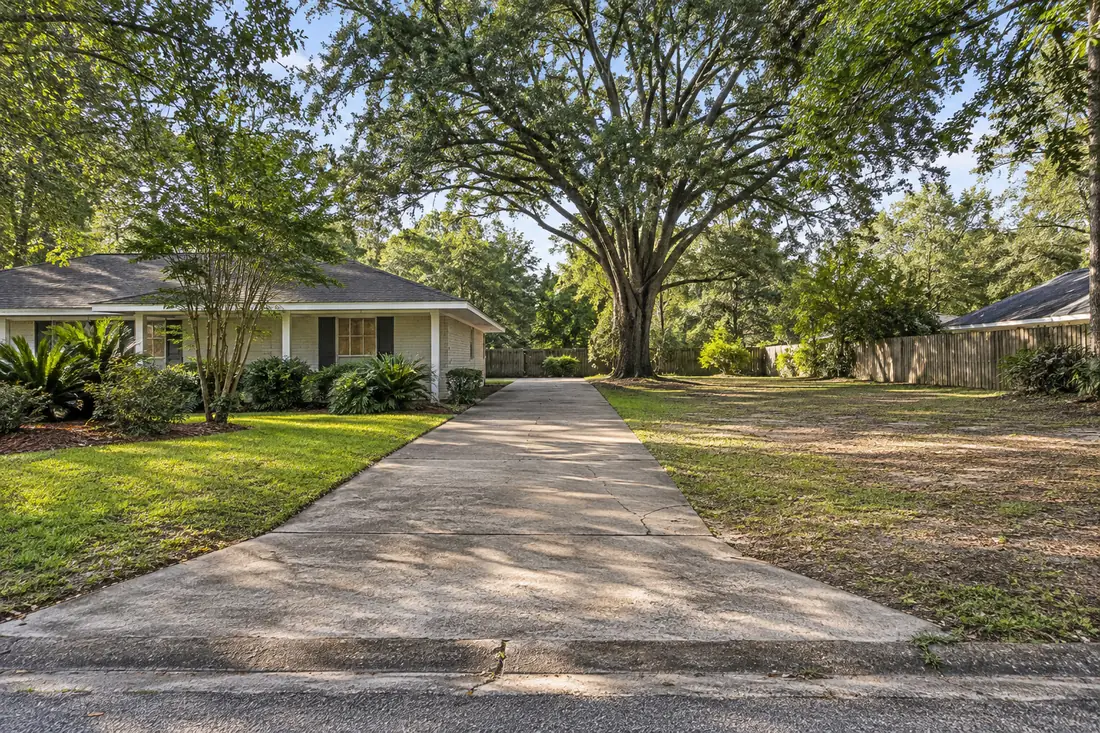
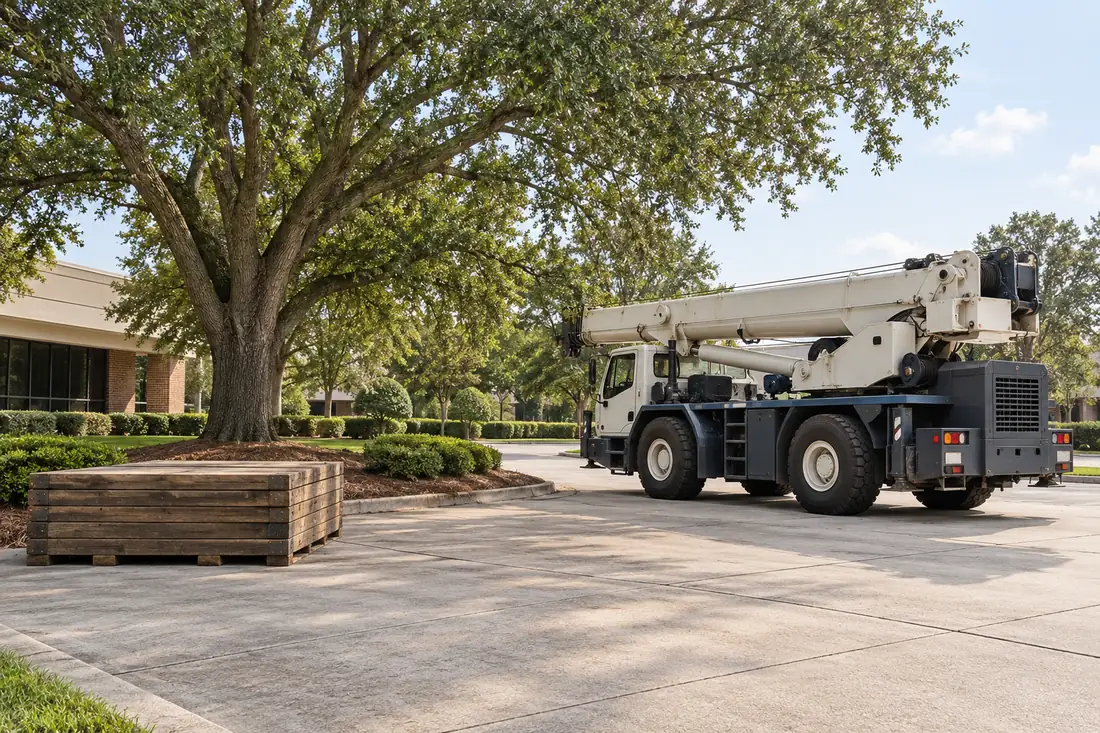
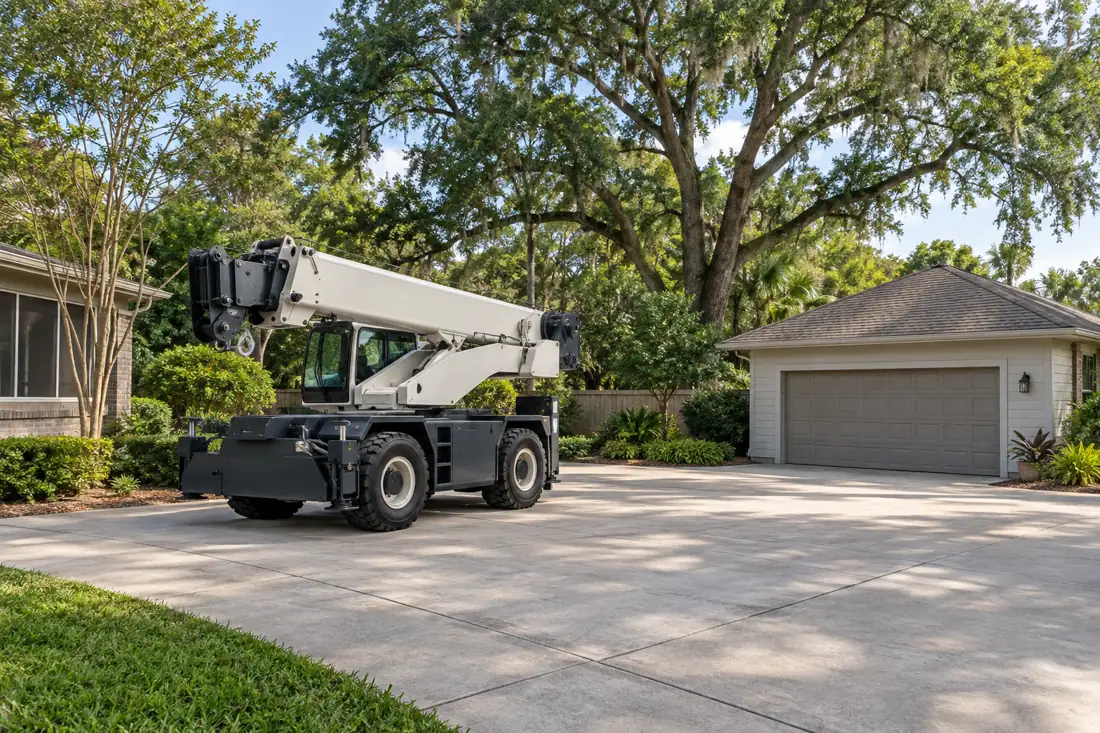
Practical scope and safety guidance: Equipment staging should be mapped from the public entrance to the actual operating point, not described merely as room for a crane. Show the turning area, gate, overhead branches, paved transitions, underground drainage and places where material would be set down. A driveway can appear wide enough until a truck must turn or an outrigger occupies the only debris route. Confirm who controls any shared parking or entrance that may need a closure.
Matting may help distribute loads, but it does not certify weak pavement, buried drainage or soft fill. The contractor should compare viable setup alternatives against tree reach, equipment weight, ground support and the separation of people from moving sections. Record whether logs leave in one trip or need a second vehicle and a separate loading zone. If field access is tighter than the initial site sketch, the quote should state what must be reevaluated rather than improvising access.
Draw a simple site map that identifies entrance width, turn locations, staging pads, protected landscape, chip truck placement, log loading, pedestrian routes and the location where work is actually performed. Mark soft areas, drains, irrigation heads, concrete edges and buried utility corridors so the crew can assess what can carry a load.
Large pieces of wood have to travel somewhere after cutting; a site with room for a crane but no debris exit can still be difficult. Discuss whether building entrances, parking spaces, emergency access and neighboring drives need to remain open during each phase.
Request a phase-by-phase mobilization sequence rather than a general promise that machines will fit. The contractor should identify who controls the exclusion zone, how deliveries and occupants will be warned, and what happens if weather changes soil capacity. Surface mats and temporary barriers may help where appropriate but are not substitutes for a ground assessment.
List which materials must be removed, where temporary piles may sit, and the standard for sweeping, turf repair or landscape reinstatement. Finish with a site walk that compares the entrance, staging footprint, drains and planting beds against the before-work photos. Written acceptance of the work area prevents disputes about what was included in cleanup.
Draw a working map before placing equipment
A large tree project may occupy a wider footprint than the trunk and canopy suggest. The work plan should identify where equipment enters, where people operate, where cut material lands, and how logs and brush leave the property. Sketch the location of buildings, parking, gates, underground features, retained trees, pedestrian routes, and neighboring property lines. A simple annotated map and a few wide photographs help the contractor evaluate options before arriving with machinery.
Separate zones for setup, cutting, chipping, loading, and temporary material storage. If a space must remain accessible for residents, deliveries, or emergency vehicles, identify it plainly. Do not treat an unused corner of the property as automatically available; it may contain a septic component, drainage structure, shallow utility, or protected root zone. Professional site assessment determines how the zones can be used safely.

Identify all entry and exit routes
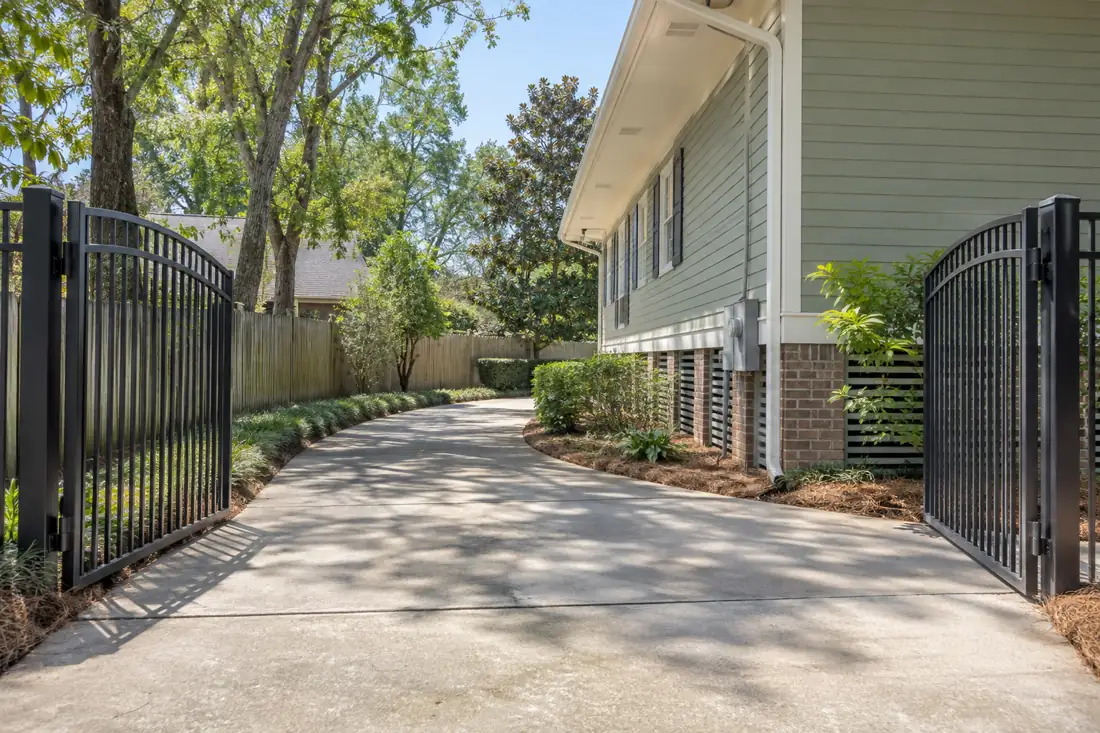
A machine's trip into the property may differ from the route used to haul logs away. Check gate widths, curb cuts, overhead clearances, turning room, slopes, driveway edges, and the location of parked vehicles. A narrow turn may matter more than the width of the straight driveway. Ask whether equipment will travel across turf, gravel, pavers, or another owner's land, and what access permission is needed.
Consider the end of the day as well as setup. Chippers and haul trucks may need to reverse or reposition after the cutting area has filled with debris. Ask how their movements will be separated from ordinary traffic and how the crew will leave gates, sidewalks, and shared driveways usable. A convenient entrance can become a bottleneck if the removal and loading sequence is not planned together.
Separate cutting, loading and occupied access
Large tree projects need room for more than the cutting machine. A truck may need a loading aisle, branches a temporary handling zone and building occupants a protected route. Mark fire access, ramps, deliveries and shared driveways on the proposed site plan. An empty parking area at the time of the estimate may be busy on the scheduled workday.
Record curb conditions, drainage structures, landscaping and overhead obstacles along the approach. The contractor must evaluate ground support and equipment clearance. The property manager can identify utility information, time restrictions and who is allowed to approve a temporary closure or vehicle relocation.

Map a useful work sequence before the closure window
Ask for a sequence showing when each zone is unavailable and how wood will leave the site. Branches stored near storm drains, pedestrian ramps or emergency access can create additional hazards. For multi-day projects, establish where material may remain overnight and how occupants will be informed.
After the contractor releases the area, compare the access route, curb edges, drainage and landscape features against the agreed scope. Clarify disposal and restoration responsibilities in writing. The purpose is an orderly property handback, not a claim that every commercial site requires the same machinery or traffic plan.
Assess soil and supporting surfaces
Heavy equipment requires more than a visually clear patch of ground. Soil moisture, past fill, underground structures, surface cracks, slope, and repeated traffic can affect where equipment is appropriate. Provide information about drainage problems, irrigation, sewer or septic features, retaining walls, and previous excavation. A paved surface intended for passenger vehicles is not necessarily suitable for every machine setup or load.
Mats and support materials may reduce certain surface impacts, but they do not remove the need for qualified evaluation of ground conditions. Ask what areas will be excluded from equipment use and what would cause a setup to be reconsidered after rain. In the Greater New Orleans region, saturated low areas may look firmer than they are. The crew should retain authority to postpone or change a method rather than forcing a route that has become unsuitable.

Protect trees and landscaping that remain
Most site plans focus on the tree to be removed while overlooking the trees and shrubs that must survive. Identify the retained trees before machinery arrives, including canopy edges, exposed roots, trunk flares, and planted beds. Soil compaction, grade change, and material storage around a mature tree can cause damage that appears well after the project. Establish reasonable no-traffic and no-storage zones as part of the professional staging plan.
Ask the crew how it will avoid dragging logs across trunks, piling debris against root collars, or storing heavy materials inside sensitive root areas. Temporary barriers can make responsibilities visible to everyone on site. If a route through a root zone cannot be avoided, the qualified contractor should explain the alternatives and limitations. Surface protection is not proof that roots beneath it are unaffected.
Separate machine staging from tree and customer traffic
A large tree project may need room for a crane or loader, a brush truck, a chipper, log processing, crew access and residents entering the property. If these activities overlap, a driveway can become both blocked and hazardous. Show the street approach, existing parking, overhead structures, gates, slopes and possible loading areas. Include routes that residents, emergency responders or business deliveries must use. The contractor should establish safe exclusion zones rather than treating ordinary pedestrian movement as compatible with active lifting.
Ask for a clear arrival and departure sequence and where each type of material will be collected. If a street lane, shared driveway or neighboring land is needed, establish permission and responsibility for any required traffic management. Also note sprinklers, drainage inlets and retained trees near proposed equipment paths. Cleanup should include checking the approved access corridor for ruts or other visible impacts, not merely confirming that branches are gone. Avoid promising uninterrupted access before the qualified crew has assessed the site.
Match machine positions to the removal sequence
Crane, lift, chipper, loader, grapple saw, and conventional rigging operations each require space for their intended movement. The largest machine on the site does not always determine the best staging plan; the interaction between equipment and workers matters. Ask which sections of the tree will be handled from each position and whether a machine must move during the project. A single setup drawing may not cover all phases.
Changes in tree condition can require changes in sequence. Dead sections, cavities, heavy lean, and branches over structures need qualified assessment before cutting. The contractor should establish exclusion areas, communication, and method-specific controls rather than relying on the owner to direct equipment. If the proposed setup requires a neighbor's yard or public road, obtain the necessary coordination before promising a work date.

Plan the chip truck and debris route
Brush and logs need a practical path from the work zone to the loading point. Ask whether a chipper will be placed near the street, in a driveway, or farther inside the property and how noise, dust, and vehicle movements will affect nearby users. The landing area must accommodate material without blocking drainage or emergency access. Identify where wood is to be stacked if the owner intends to keep some of it.
Debris handling can determine the duration and cost of a project as much as the cutting itself. Specify whether the estimate includes full hauling, chipping, stump grinding, grinding cleanup, and removal of large log rounds. Do not assume a phrase such as 'tree removal' includes every material or surface restoration item. A clear material-flow plan reduces confusion about what will remain when the crew leaves.
Manage pedestrians, neighbors and occupied areas
A large removal can affect people well outside the immediate tree canopy. At a residence, school bus stops, shared drives, pets, children, and delivery routes may intersect the proposed staging area. On a business property, tenants, visitors, accessible entrances, and emergency routes may need separate coordination. Tell the estimator which areas must remain operational and which can be closed for a defined period.
The contractor should control work-zone boundaries and communicate any required temporary closures. Owners should arrange building access and give timely notice to affected neighbors without promising operational details they have not confirmed. Do not invite spectators into the work zone or let delivery drivers bypass barriers. A good site plan accounts for who might arrive unexpectedly, not only the people present at the morning meeting.

Coordinate utilities and overhead restrictions
Service drops, street lighting, communications cables, low branches on retained trees, buried pipes, and irrigation can affect both travel and machine setup. Show the estimator visible wires and known subsurface features without approaching a suspect hazard. Required locating and any utility coordination must be addressed before ground-disturbing or electrical-adjacent work. Do not move a wire, dig to find a cable, or trim around an energized line yourself.
A crane or lift may need a different setup area if an overhead conflict cannot be safely controlled. The responsible qualified contractor and utility should make those decisions. Note whether equipment will cross a driveway with a service cable overhead or operate near a public streetlight. The scope should identify known coordination dependencies and how changes to the staging arrangement will be approved.
Build flexibility into the work schedule
Large projects often involve several linked activities: access preparation, utility coordination, equipment arrival, tree work, hauling, stump treatment, and final cleanup. Rain, changed ground condition, a newly discovered defect, or an unavailable street setup can disrupt the sequence. Ask for a reasonable communication plan rather than an absolute completion guarantee. Give the contractor one authorized contact for scope and schedule decisions.
If the job spans multiple days, discuss where equipment and material can remain overnight, what barriers will be maintained, and how residents or tenants will regain access. Do not assume temporary storage areas are safe just because they are on private land. A written change procedure helps everyone understand when an alternate machine, work window, or access route creates a different scope.

Close the project with a defined inspection
Before work begins, record visible conditions of driveways, paving, curbs, fencing, lawns, and features close to the staging route. After the crew releases the area, compare the result with the agreed scope. Check for leftover debris, displaced edging, damaged planting beds, blocked drains, unremoved protection materials, and unfinished wood handling. Do not enter an uncleared work zone or inspect a hazardous tree while operations remain active.
Make restoration responsibilities explicit: some estimates include basic cleanup but not sod repair, regrading, fence rebuilding, or irrigation troubleshooting. If a concern arises, document it promptly and identify the responsible party rather than assuming a verbal promise covers everything. Retain the scope, approved changes, before-and-after records, and service contact information. A well-staged project ends with the property usable and the delivered work understandable.
Questions about this project
Does a machine's maximum reach prove it can do my job?
No. Loaded reach, configuration, section handling, obstacles and setup conditions all affect suitability. A contractor needs to evaluate the particular tree and property before confirming an equipment plan.
Can specialized equipment replace a site assessment?
It does not remove the need to assess tree condition, targets, access and support conditions. Ask how the contractor will confirm that the proposed machine and method fit the actual scope.
What access information helps an estimator?
Send the narrowest opening, overhead obstacles, turns and the distance between the tree and the loading area. Include photos of the entire route and identify steps, soft ground or features that must remain protected.
Should I remove a fence before the visit?
First ask the contractor to assess access and agree on any temporary opening. Identify who owns the fence, who can authorize the change and who will reinstall it. Do not assume the opening is necessary or included.
Can the crew block a public sidewalk or road?
Required arrangements must be coordinated with the appropriate authority. Identify public routes and restrictions before scheduling. A private work agreement should not be treated as automatic permission to occupy or close public space.
When should parked vehicles be moved?
Set the timing and responsible contact before the work window. Vehicles may need to leave the tree zone, equipment route and loading area. Confirm where access must remain available during each phase.
Can a business stay open during tree work?
That depends on the site and scope. Discuss occupied routes, exclusion areas, loading and work windows with the contractor and property representative. Do not assume normal access can continue through the active work zone.
Who should communicate with tenants or visitors?
Agree on that responsibility with the property representative. The contractor needs a clear site contact, while the owner or manager should use the property's established process to communicate access changes and work windows.
How should extra work be approved?
Use the agreed approval process and identify the change, reason, scope, price or schedule effect as applicable. Confirm who has authority before treating an additional tree or task as part of the original job.
What completion records are useful?
Keep the agreed scope, tree or area identification, authorized changes, invoice and labeled photos where appropriate. Include unresolved items and a contact. Contract-specific records should follow the buyer's stated requirements.
What should I tell Tree Huggers about equipment staging for a large tree project?
Explain the property address, the work you want and the specific concerns: staging footprint, loading route, occupied access. Send safe photos of the tree, surroundings and access route. The contractor can then discuss the assessment and scope needed for this situation.
How do I request an estimate for this work?
Call 504-458-8336, text photos or use the estimate form on this page. Include the address, desired outcome and any timing constraints. The company will need to review scope and availability; an online request does not confirm a price, appointment or emergency dispatch.
Get a scope for your property
Large tree work needs more than an open patch of pavement. Send a site plan or safe overview photographs locating vehicle entrances, usable shoulders, slopes, drain covers, irrigation, septic areas and buried utilities. Mark where residents and deliveries must still pass. Ask the contractor to identify equipment footprint, support surfaces, exclusion zones, possible traffic or neighbor permissions and a separate location for logs and brush.
The estimate should tell you which access or staging assumptions remain unverified, who handles any temporary surface protection and what conditions would trigger a revised plan before crews or equipment are dispatched.