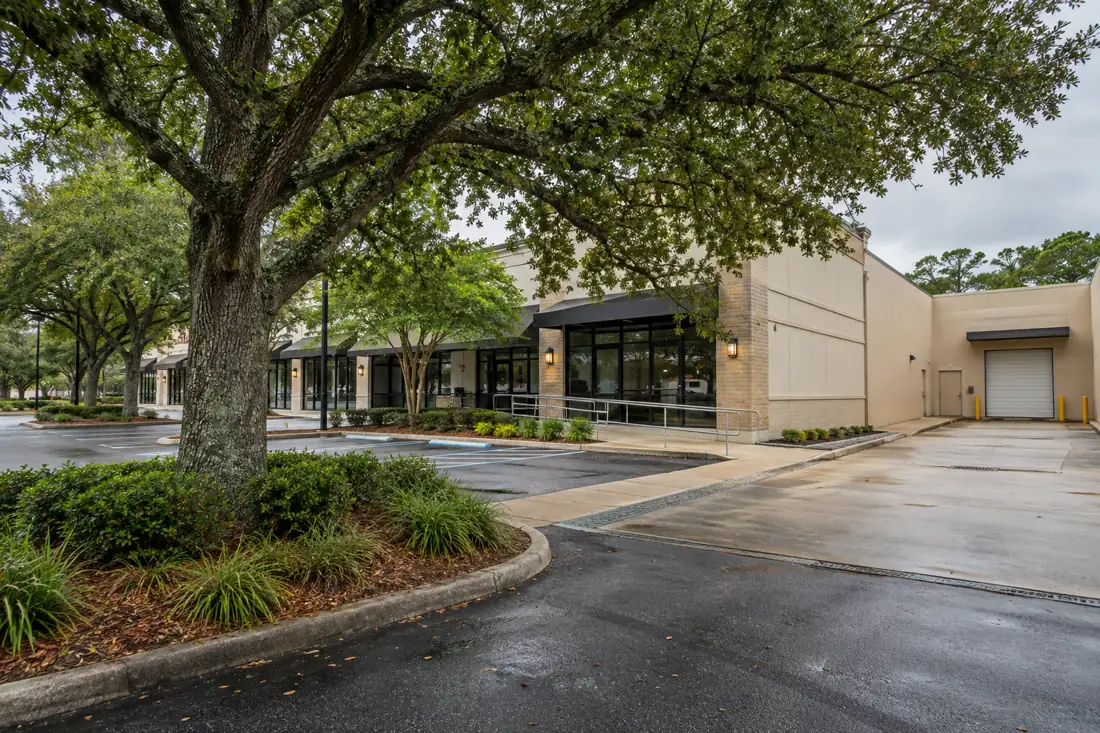
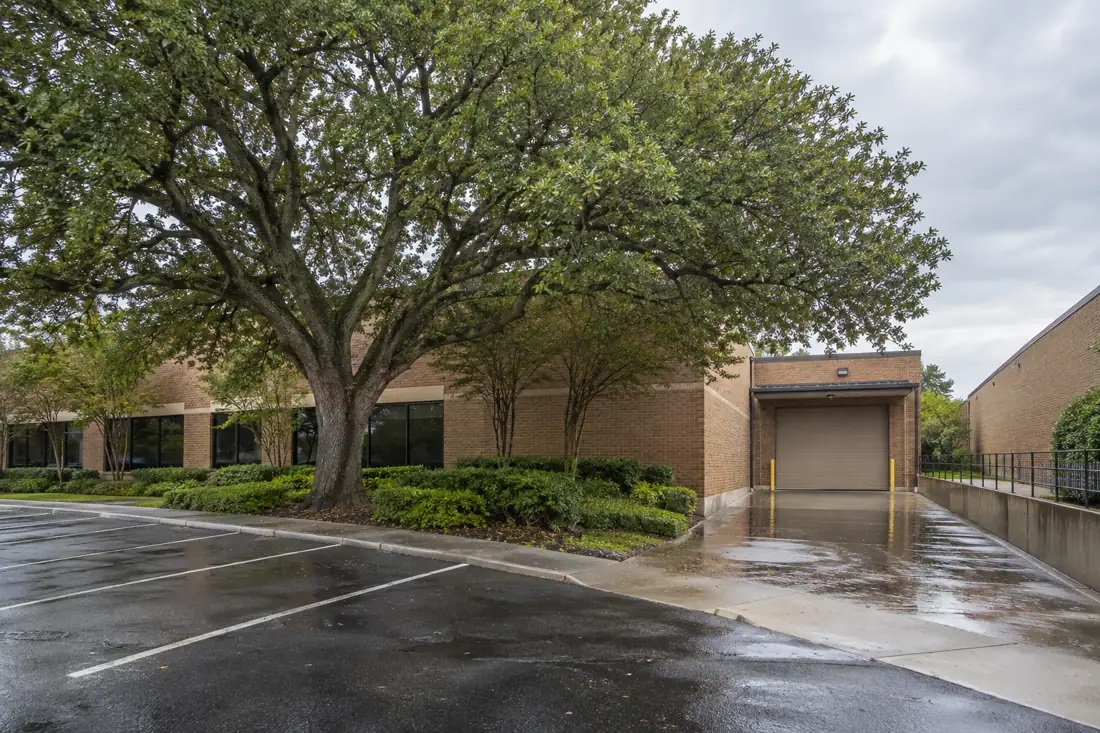
Connect the tree scope to campus operations
University tree work may involve pedestrians, service roads, scheduled events and protected landscape areas. Identify the work locations and campus requirements early. A scoped project should account for staging, tree identification and approvals for changes. Current documentation and procurement requirements should be requested for the specific opportunity.
Practical scope and safety guidance: Tree work on a school or university campus should be coordinated around its actual pedestrian circulation, supervised outdoor areas and operational calendar. Identify the authorized facilities contact, trees under consideration, nearby playgrounds or sports spaces, accessible routes, utility corridors and times when students or visitors are present. A working plan should establish secure exclusion zones, traffic or parking changes, and practical alternate routes before any cutting begins.
Do not rely solely on a summer or weekend schedule; building access and campus events may continue. Ask the estimate to distinguish pruning, hazard mitigation, removals, debris disposal and any stump or surface restoration. A campus inspection can prioritize observed concerns, but it should not be described as guaranteeing risk-free trees. Documentation and approvals must follow the property’s own policies and, for public institutions, the applicable procurement process.
Plan work around occupied campus areas
Educational sites may have drop-off zones, playgrounds, athletic areas, pedestrian paths, buses and scheduled events. We plan work zones and timing around the property so tree operations remain controlled and predictable.
Deadwood, lean, storm damage, clearance problems and large trees near occupied areas.
Work around class hours, traffic, events and access restrictions.
Finish the agreed cleanup and restore affected areas to normal use.
Storm and risk planning
Large trees near classrooms, parking and walkways deserve regular attention because targets are heavily occupied. Risk assessment, pruning and removal can be prioritized before storm season, while emergency response focuses on trees that fail or block access.
Use campus locations that remain clear across teams
Identify trees by the school’s building names, a map reference or an agreed location description. A tree beside the east classroom entrance should carry the same identifier in photographs, the request and the accepted work list. Large campuses can have similar courtyards or parking edges, and different staff may use different names for them. Consistent locations help the purchaser, facilities team and tree company discuss the same task without interpreting an unlabeled close-up.
Separate pruning objectives, condition concerns, possible removals and stumps. Explain what is currently known and which areas have not been reviewed. The commercial service page offers related preparation. A campus inquiry should not imply that every tree has been assessed merely because a map or preliminary list exists. Define the initial request and any separate inventory or assessment work the buyer actually needs.
Review the real calendar and daily movements
Share relevant class, drop-off, pickup, athletics, event and maintenance activity. A school-break date may still include staff, camps, deliveries or a scheduled event. Explain which areas the property team can make available and who coordinates those arrangements. The proposed window should be reviewed against the actual tree task, setup and material movement before it is treated as confirmed. An empty campus photograph is only one moment in the site’s use.
Identify the authorized operations contact for changes during the project. If a route or work window changes, communicate it before relying on the original plan. The commercial planning hub helps organize responsibilities. Tree-work scheduling should not depend on an unsupported assumption that all students and visitors will remain away simply because a date falls outside ordinary classroom hours or because one department is closed.

Connect work areas to pedestrian and service routes
Show entrances, covered walkways, playground approaches, bus or vehicle areas and service roads relevant to the trees. Explain which routes are essential to current use and whether alternatives exist. A tree on an open field edge raises different coordination questions from a limb over an entrance used throughout the day. The company needs these relationships before discussing an approach that fits the site’s operation and the condition being addressed.
Keep the property team’s arrangements for access and communications explicit. Do not ask staff to investigate damaged canopy or create a closer photo angle beneath a broken limb. The playground planning guide provides related context for a heavily used outdoor area. The agreed work boundary and return-to-use discussion should connect to the actual task and responsible site contacts, leaving unrelated campus supervision decisions with the school.
Define care objectives for the identified trees
For pruning, explain the particular clearance, deadwood or other objective and valued canopy to retain. The trimming service describes the broader request. A uniform instruction to cut all campus trees back can conceal different tree conditions and different uses beneath them. Ask how the proposed task is identified so the buyer can compare the finished result with the work actually accepted for each tree or area.
Report new cracks, failures, changed lean or ground disturbance as observations with timing if known. The assessment service addresses a separate inquiry. Clarify whether the visit concerns selected trees, a broader review or another defined task. A pruning project should not be treated as an undocumented campus-wide assessment or a permanent guarantee about the future condition of trees that remain, including those outside the accepted list.
Coordinate retained trees with other campus projects
Tell the company about nearby building work, route changes, landscape installation or other activity relevant to the trees. Share current instructions for trees or areas to remain. Access and staging decisions should account for those retained features before work is arranged. Keeping a trunk alone does not resolve every later question about roots, grade changes, storage or excavation around a valued shade tree.

Coordinate canopy work against campus movement periods
Schools and universities often have several different clocks: class changes, pickup queues, athletics, maintenance deliveries and special events. An effective tree-work plan names the affected campus zone and the periods when that space must remain available. A generic after-hours note may miss students arriving for evening activities or a maintenance route used before dawn.
Ask the campus coordinator to identify the location owner, tree ID, pedestrian circulation, utility restrictions and any institution-specific contractor requirements. An exit route cannot simply be relocated because a branch is overhead. If the proposed work affects accessible routes, emergency access or transportation, site authorities must approve the actual controls before mobilization. Tree condition decisions should be made separately from scheduling convenience.
A final walkthrough can match completed pruning or removals to the campus map and identify temporary controls that can be removed. Preserve observations about retained trees and any separate inspection still needed. This keeps future project teams from treating old tree-service photos or a completed invoice as a current condition assessment.
The preservation guide offers related preparation, while the construction tree-service page helps introduce a phased project. Identify the responsible provider for design, ground work and other next-stage requirements rather than assuming they belong to the tree scope. A consistent retained-tree plan across departments and contractors helps prevent one accepted task from being undermined by a different set of instructions later in the campus project.
Provide site instructions before relying on a method
Send the actual current buyer requirements, entry arrangements and requested documentation. Do not assume a particular credential, contract status or report format from a general capability description. The company needs to review the opportunity’s requirements and confirm what it can provide. For public purchasing, the government service page provides a related contact path without asserting that every possible procurement arrangement is already in place.
Show the complete route for equipment and wood: gates, turns, surfaces, setup and loading. The equipment hub explains why machine selection follows the task and property review. Include known buried features and retained landscape along the approach. A broad service road near a campus does not establish permission or a suitable route to every tree, particularly when the work area is beyond a narrow courtyard or another occupied section.
Keep storm response and cleanup stages distinct
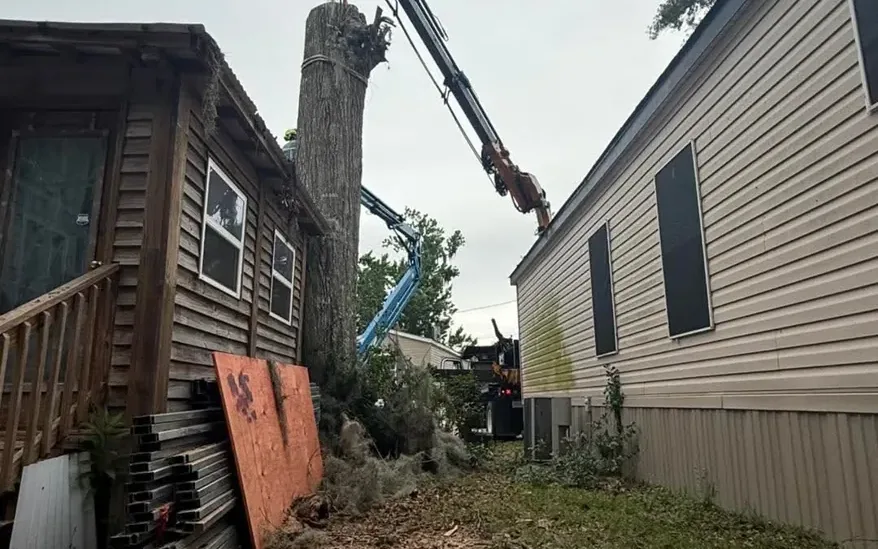
For current hazards, keep people away and contact the appropriate emergency or utility service where immediate threats or electrical involvement exist. Call 504-458-8336 about current tree-work availability. A form is not dispatch confirmation. Safe wide photos can introduce the tree, affected route and surrounding structures; explain missing views rather than entering damaged areas to gather more detail for the request.
The campus storm cleanup guide and response page provide related information. Separate a first access or damaged-tree task from wider processing, hauling and repairs. Identify material accepted, mixed contents and stump decisions. Soil repair, surfacing, planting and building work need their own assignments unless expressly included. This keeps an initial storm response from being mistaken for complete restoration of every affected school area.
Close the work against an agreed campus list
Name the person accepting the tree work and authorizing any additions. Keep tree identifiers, scope, changes and requested completion records connected. If photographs are part of closeout, agree on useful tree and work-area views without unnecessary images of students or private campus activity. The record should describe the actual task and remaining items, not invent measurements, professional findings or a broader inspection that was not commissioned.
A planning example is playground deadwood work, separate parking-area removal and later landscape repair by another provider. Different locations can share coordination without having identical tasks or completion conditions. Review what is finished, what remains and who controls the next handoff. That gives the campus team an understandable result and keeps a future addition or newly reported tree concern visible as a separate decision.
Use the campus calendar as an access-control document
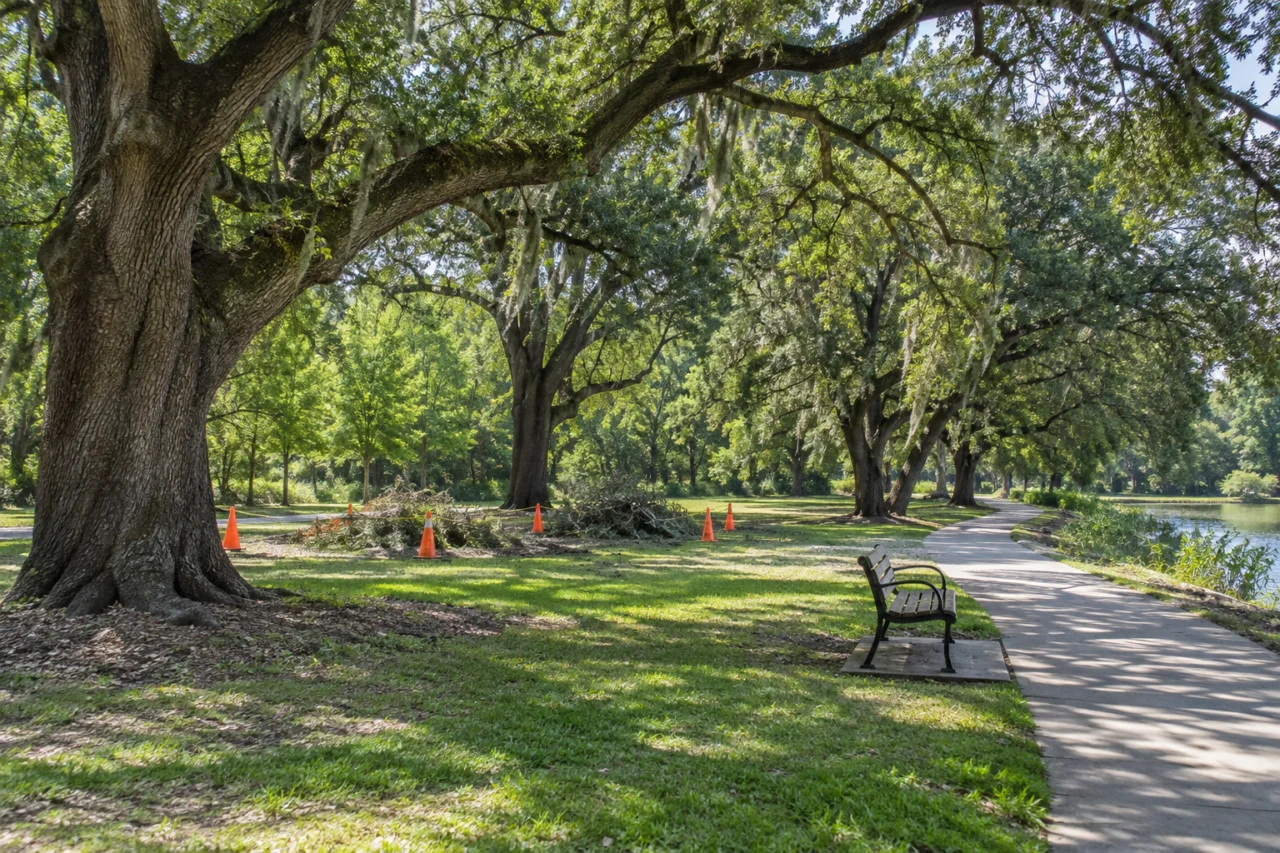
A school or university tree project needs to account for people who move through the same areas at different times. Record arrival and dismissal movements, accessible building entrances, outdoor instruction areas, athletic use, service deliveries, and examination or event days. An apparently empty space in a site photo may become a crowded route an hour later. Work sequencing should be coordinated with the institution’s authorized facilities and safety contacts, not assumed from a generic school-day schedule.
Before preparing the scope, give each tree a stable building, path, or grounds reference and identify the nearby facilities that must remain operational. Ask who can approve temporary closures, communicate a detour, relocate vehicles or grounds equipment, and advise campus security or custodial teams. Do not rely on students, staff, or visitors to interpret a tree crew’s boundaries without the institution’s own access plan. If utilities or structurally damaged trees are involved, the proper emergency and utility procedures still apply.
For retained trees, record whether the project concerns routine pruning, structural defects, root-zone damage from construction, or a planting-space conflict. The closeout should connect actual work and material disposition to the original tree identifiers, with changes noted separately. That makes future care and budget decisions more reliable and avoids suggesting that one pruning visit resolves all tree-risk or landscaping needs.
School & University Tree Service questions
What should a school or university inquiry include?
Provide the address, campus/tree identifiers, safe photos, objectives, operating constraints and an authorized facilities contact.
Does a school-break date guarantee an empty site?
No. Explain actual staff, camps, deliveries, athletics or event use before a work window is confirmed.
How should similar campus areas be labeled?
Use consistent building names, map references or agreed location identifiers across photos, scope and closeout.
Can playground trees be included with other areas?
Yes. Identify their specific objectives and use constraints rather than assuming the same task applies everywhere.
Does pruning mean the whole campus was assessed?
No. Clarify the selected trees and scope; pruning and a broader condition or risk assessment are different requests.
What should be shared about upcoming construction?
Provide current retained-tree instructions, relevant site activity and the responsible next-phase contacts or requirements.
Are all buyer documentation requirements automatically covered?
No. Send actual current requirements so the company can review what it can provide for the opportunity.
What access details help equipment planning?
Show gates, turns, surfaces, setup, loading, permission limits and relevant retained or buried features.
What happens if storm damage blocks a route?
Keep people away, discuss current response availability and involve emergency or utility services where appropriate.
Does cleanup include restoring playground surfaces or landscaping?
Confirm the finish explicitly. Tree material, stumps, surface repair and planting are different tasks unless included.
Should closeout photos include students?
Agree on useful tree and work-area evidence without unnecessary images of students or private campus activity.
Does submitting a request confirm a work date?
No. Confirm availability, the accepted scope and access arrangements directly.
Let’s plan your tree work.
Send the property address, safe tree photos and the result you need. Include access restrictions and the person who can approve the work.