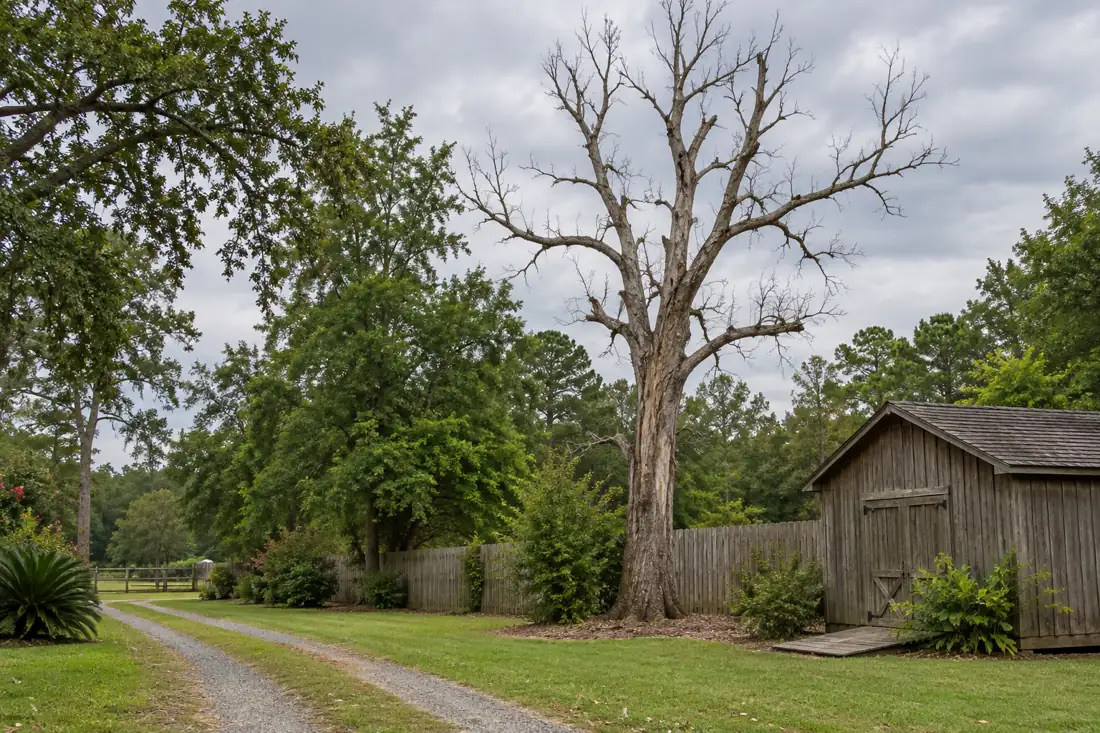
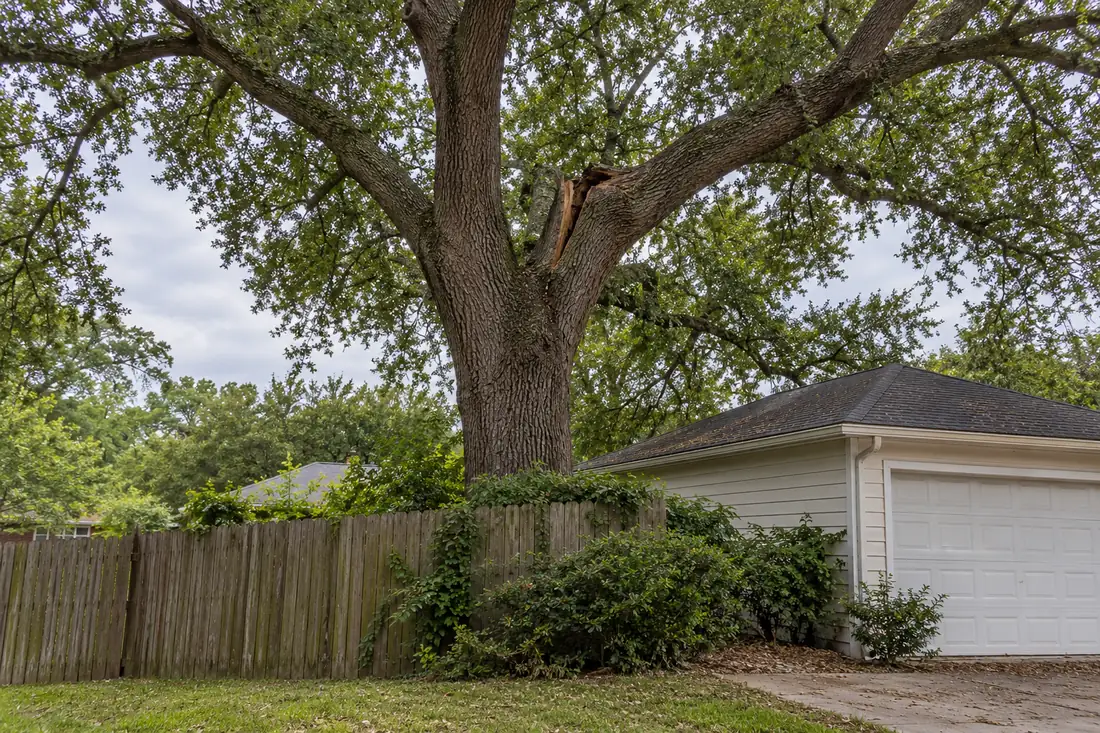
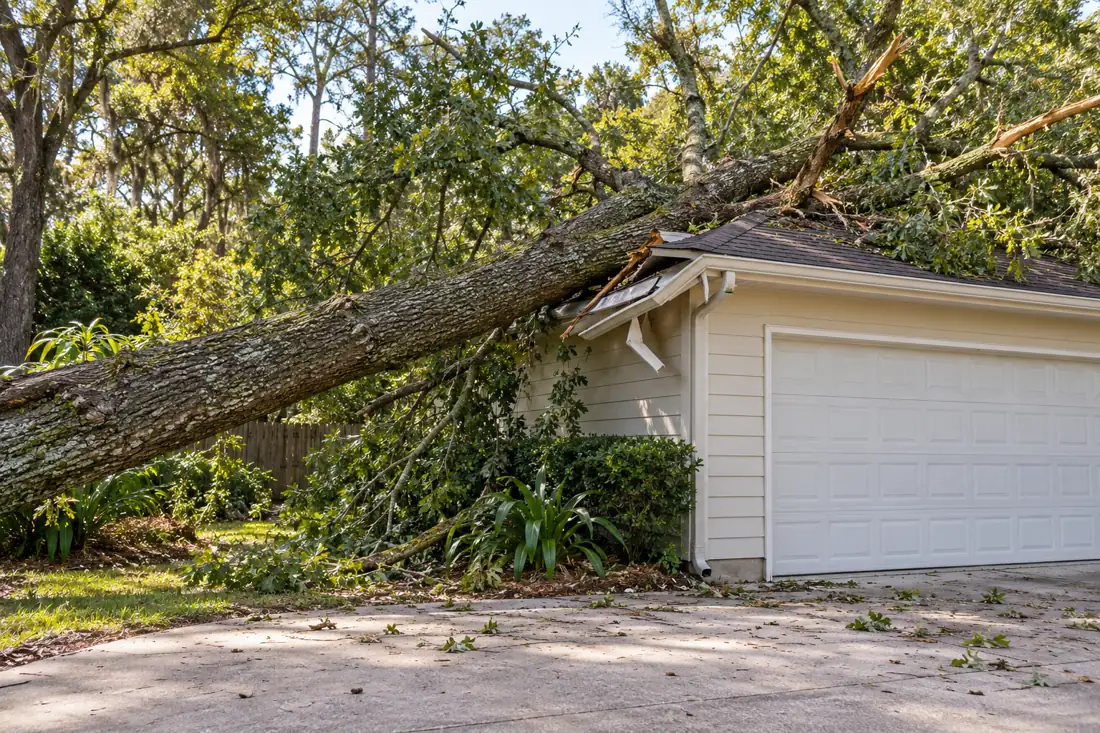
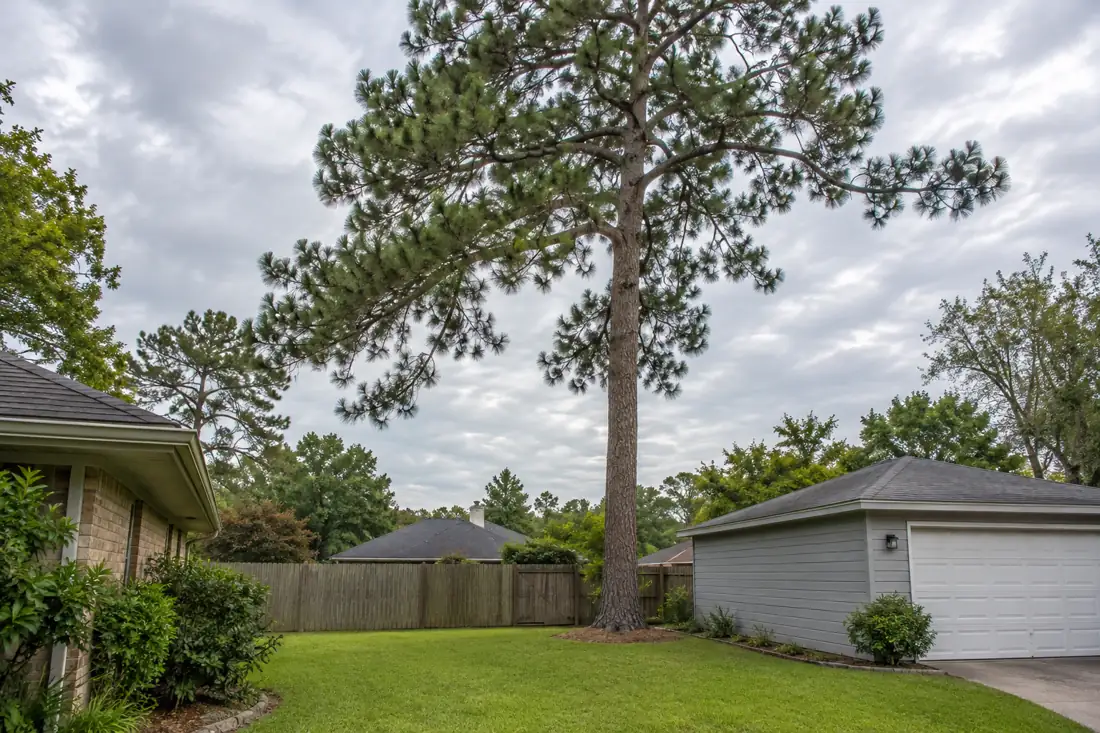
A seller may need a clear scope and completion record for a tree concern raised during a property inspection. Identify the specific issue rather than requesting broad removal of every mature tree. Discuss timing, access, cleanup and the documentation the buyer or agent needs. A tree estimate does not replace the other professionals involved in the transaction.
For this project, separate inspection concern, completion deadline and documented scope. These details help the contractor understand what must be protected, what information needs confirmation and what result you want from the work. A clear request is more useful than an assumed method or a price based only on tree size.
List the actual concerns raised during the sale: a broken limb, roof contact, deadwood, overgrown driveway clearance or a requested condition assessment. A buyer's concern does not by itself establish that an entire tree requires removal. Have a qualified professional distinguish immediate hazards, maintenance options and conditions requiring closer inspection. Coordinate property access and authorization with the current owner, particularly if the closing date or contract responsibilities are unsettled. Do not promise that a tree-service estimate will satisfy any insurer or lender.
Request a written scope identifying each tree, the proposed cuts, stump finish, debris hauling and cleanup standard. Photograph the driveway, lawn and structures before work and retain the finished invoice and any genuine assessment report for the transaction file. Separate what the tree crew did from what an inspector, roofer or insurer may later determine. A clear completion record helps the next owner understand the work without implying that a healthy-looking canopy is a warranty against future storm damage.
Separate the sale deadline from the tree decision
A home transaction can create several different deadlines: the inspection response, the buyer's due-diligence period, a repair agreement, a final walk-through, and closing. A seller should identify which milestone actually requires a tree-related decision. A request from an agent to address an overhanging limb is not automatically a requirement to remove the whole tree. The tree, the defect, and the relevant part of the contract must be described before the scope can be determined.

Decide whether evaluation, pruning, or removal is appropriate
Visible leaning, a large old pruning wound, a crack, or a dead limb can justify asking for a professional assessment, but the observation alone does not establish that removal is necessary. Site conditions and the potential consequences of failure matter as much as the appearance. A qualified assessor may recommend monitoring, selective pruning, further investigation, or removal depending on what is actually observed. Avoid promising the buyer that any single service guarantees future tree safety.
Ask the provider to distinguish the limits of a visual review from an extensive tree risk assessment. Some issues cannot be resolved from photographs or from a quick ground-level look. If a tree is near a power line, do not approach or request ordinary pruning in that clearance zone; utility coordination and properly qualified personnel may be necessary. Document the agreed next step before treating an uncertain observation as a completed repair.
A real estate inspection may mention clearance, visible damage or a root conflict without establishing that removal is the correct answer. Record exactly which tree and condition prompted the concern, then ask whether pricing, pruning advice or a separate tree assessment is needed. Do not make a synthetic planning image appear to document the subject property.
If timing is linked to a sale, communicate that deadline when requesting availability without promising the contractor can meet it. Keep the estimate, actual completed work and any inspection findings as distinct records. Clarify cleanup and stump treatment so the buyer and seller know what the proposed result includes.
Make tree decisions without creating a last-minute closing surprise
A sale schedule can make an ordinary tree question feel urgent, but the right starting point is still the condition and location of the tree. Gather inspection findings, any written requests from the buyer, and clear photographs of the trunk, visible crown and nearby structures. Separate an identified safety concern from a purely cosmetic request before authorizing removal.
When several people are involved, identify who can approve the work and who can provide site access. Ask the estimator to spell out whether the proposal includes removal, hauling, stump work, lawn protection and cleanup, because those details can affect a closing checklist. Keep the estimate and any completed-work documentation with the transaction records rather than relying on a verbal summary.

Prepare useful tree information for a property transaction. Before listing the home, identify trees that affect roof clearance, access, fencing, walkways or insurance questions. Separate routine pruning from a documented hazard and avoid making unverified promises about what a future buyer or insurer will accept. Keep the tree-service scope, inspection findings and any completed work records together for the seller's disclosure process. An estimate should state the specific concern and proposed work, not imply that removing every mature tree is necessary.
[/fusion_text][/fusion_builder_column_inner][/fusion_builder_row_inner]A sale deadline does not establish that removal is needed
Large trees near a house may attract questions during a sale, but a buyer's preference, an inspector's observation and a documented tree hazard are not the same thing. First identify precisely what prompted the request. Photograph the tree from safe distances, note visible dead limbs, unusual lean or recent damage, and gather earlier tree-care records if they exist.
A service estimate describes potential work and exclusions; it should not be presented as a formal tree risk assessment or a guarantee that an insurer or buyer will be satisfied. Avoid rushing into an irreversible removal before the concern is clearly stated.
When timing matters, request a written proposal that identifies each tree, the work method, disposal of wood, stump treatment and access permissions. Ask whether the crew needs an onsite visit to validate a photo-based estimate. If the tree is to remain, the next step might be a targeted pruning scope or qualified assessment rather than whole-tree removal.
Clarify permits and other approvals that may apply locally and do not promise a particular closing date unless scheduling is actually confirmed. Keep after-work photographs and a completion description with the property's records, but recognize that pictures do not certify tree structure. The useful goal is a clear, defensible decision and a documented completed scope.
If an inspector noted a branch above a roof, ask whether the concern is clearance, deadwood, visible damage, or an assessment of the entire tree. If a buyer simply wants greater sunlight, that is a preference rather than proof of a structural problem. When documenting the request, quote the actual inspection language and include any photographs. An arborist or tree contractor can then respond to the physical condition rather than guessing what the real estate parties intended.
Give the estimator a transaction-ready property record
Identify the property address, who may authorize work, whether the home is occupied, and where the affected tree stands. Send one wide photograph showing the whole canopy in relation to the house, a closer view of the stated concern taken from safe ground, and views of the driveway and side gates. A photograph of one suspicious limb without its surroundings leaves the estimator unable to judge practical access or the nearby targets that affect the work.
Include the relevant inspection excerpt without forwarding unrelated financial, identity, or buyer information. If the seller lives elsewhere, name the person who can open a gate, arrange vehicle movement, and approve a change. Buyers may want to attend a visit, but attendance is not the same as authorization. Establish who the service provider should communicate with and how any findings will be shared with the parties entitled to receive them.
Protect the home and finished landscaping during the work
Property-selling schedules tend to coincide with cleaning, pressure washing, painting, staging, and lawn preparation. Large equipment and material movement can conflict with freshly completed improvements. Tell the tree contractor where irrigation, decorative lighting, edging, drains, soft paving, a septic component, or newly installed sod may be present. Discuss which route vehicles can use, where debris can be staged, and what should be moved before anyone arrives.
The space directly below the canopy is not the only concern. A loading route may cross the front lawn; wood may need to pass a narrow gate; a crane or truck may have a setup area outside the backyard. The seller should not promise that the property will look untouched after heavy tree work. Define reasonable surface protection, the planned cleanup, and any separate restoration responsibilities in the written scope.

Compare bids by the same final result
Two quotes may cover different work despite carrying the same heading of tree removal. One may include cutting to a low stump while another includes stump grinding, hauling, and removal of grinding debris. A pruning quote may address one dead limb while another covers several branches and cleanup. Specify the tree or limbs to be treated, the reason for the work, material handling, and exclusions so the seller can compare like with like.
Request clarification about whether access permission, specialized equipment, traffic protection, and site conditions have been evaluated. The lowest number is not necessarily the lowest total cost when other tasks are omitted. Never insert an unconfirmed price or a promise that insurance or a home warranty will pay. The provider should explain scope and assumptions; real estate parties and insurers make their own coverage or contractual decisions.

Separate sale concerns from a removal decision
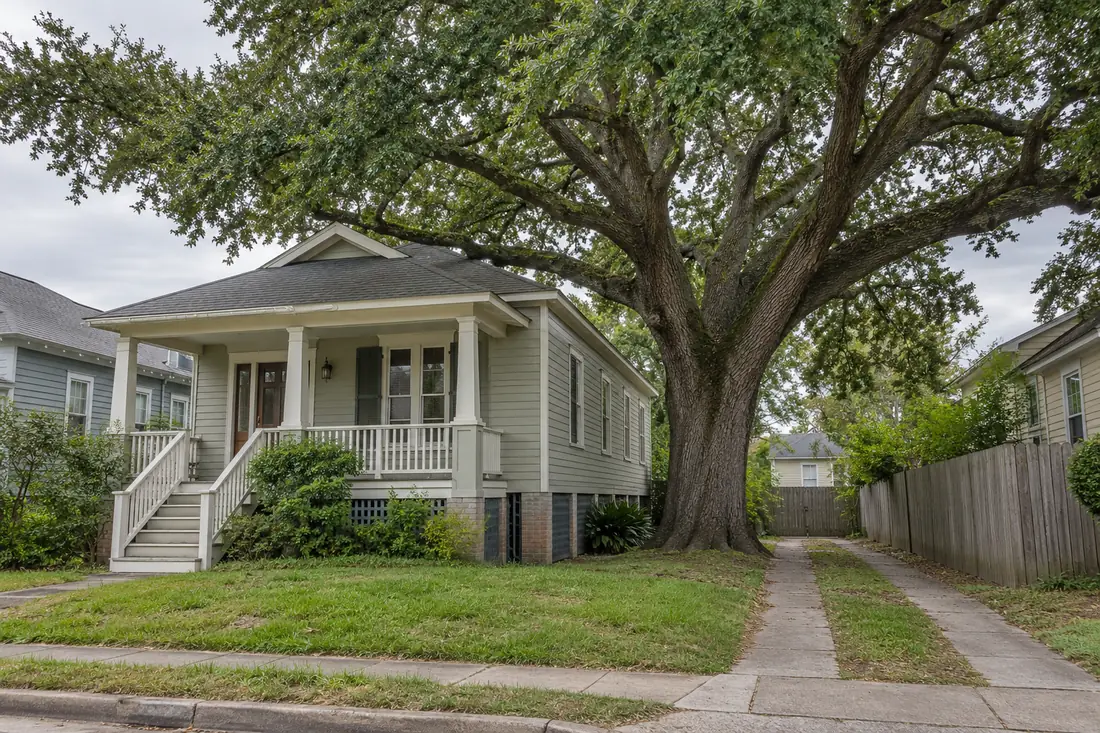
An established tree near a house can influence buyer questions, but proximity alone does not justify removal. Identify the specific reported concern, whether the owner seeks a tree-health opinion or a quote for a defined job, and how any decision will be documented for the transaction. Keep a general home photograph separate from specialist findings. This is a hypothetical planning image, not a photographed listing or Tree Huggers customer property.
Tree Removal Before Selling a House
Preparing a property for sale can create pressure to remove a conspicuous tree quickly, especially if an inspection report mentions overhanging branches or visible decline. Start by identifying the actual concern: an observed defect, routine clearance, accessibility for an inspection, or a buyer request. A tree's size or location alone does not establish that removal is necessary.
A qualified evaluation can help distinguish actionable defects from routine maintenance recommendations. If an assessment is needed, retain the dated findings and make sure the scope is consistent with them. Do not describe an uninspected tree as safe, dangerous or insured merely to simplify negotiations. If a buyer requests documentation, share only genuine records and avoid invented certifications.

Keep buyer-facing documentation factual
Scheduling may be constrained by permits, weather, neighboring access, inspections or the availability of equipment. Discuss the proposed finish before work: logs hauled or retained, stump depth, grindings, and whether lawn or driveway restoration is included. A completed tree-removal invoice does not automatically mean a stump was removed or a site was replanted.
Take before photographs from safe, repeatable vantage points and keep the written proposal and after documentation together. A real invoice, scope and dated observations are more useful than a general claim that tree work raises a home's selling price. Discuss disclosures and contractual requirements with the appropriate real-estate or legal professional; tree service estimates should not substitute for those decisions.
Coordinate with inspections and closing without inventing guarantees
Ask the agent or transaction coordinator which documents the contract actually requires and when they must be delivered. Depending on the situation, the record may be an estimate, a paid receipt, the work scope, images of the final condition, or a separate professional assessment. None of those documents automatically proves that the entire tree is safe indefinitely. Keep their roles separate and avoid rewriting a service receipt as an engineering or insurance certification.
Tree work should not be scheduled in a way that blocks a planned inspector, moving crew, or final walk-through. If weather, equipment access, or a newly discovered defect changes the feasible work date, share that uncertainty promptly with the parties who control the transaction. Ask for an updated written plan rather than silently assuming a deadline can be met.
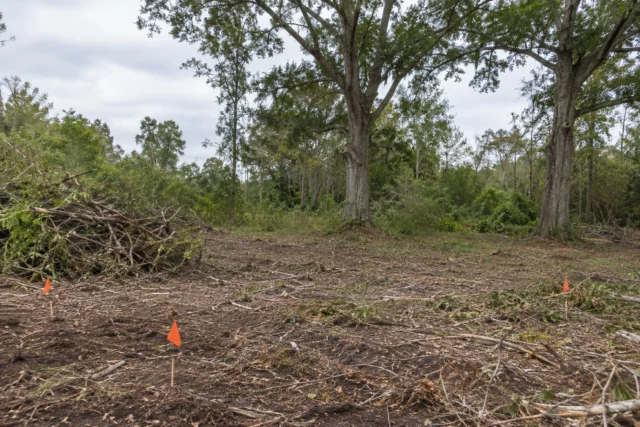
Use photos to show what was done, not what was promised
A practical completion record may show the whole tree before work, the specific branches or trunk sections involved, and the final condition from comparable safe viewpoints. The record should identify the date of the actual job and the service performed only when those facts are known. Do not describe an illustrative website image as the seller's project, and do not invent a camera location or a worker identity. Real job evidence should be supplied by the actual provider.
Where pruning is involved, photos can clarify which limbs were addressed but cannot show every hidden defect. Where removal is involved, the seller should separately confirm stump treatment, retained wood, debris hauling, and any ground damage that is part of the agreement. If the buyer expects lawn or fence restoration, put that task in the scope instead of assuming it follows from the word removal.
Plan for uncertain findings and change orders
A contractor may find concealed decay, another tree involved in the work area, an unmarked underground utility, or access restrictions that were not visible in the original photos. The seller should have a clear route for approval rather than leaving an agent, tenant, or neighbor to make an unauthorized decision on site. Ask how price, timing, and the finished result would change before approving additional work.
Keep the original estimate, the approved change, and any completion note together. When a buyer asks for additional work after the agreed tree task is finished, treat that as a new question rather than revising the original record. This protects both parties from disagreements about which concern was actually addressed. It also makes the final walk-through less dependent on an ambiguous conversation.
Close the loop with a narrowly defined handoff
Before the work area is returned to ordinary use, compare the visible result with the accepted scope from a safe place. Note whether logs, limbs, wood chips, and stump grindings were handled as agreed and whether temporary access restrictions have ended. If a requested item is still outstanding, name the item and the responsible party in writing. An invoice marked paid is useful transaction evidence, but the invoice alone may not answer the buyer's underlying question.
When requesting an estimate from Tree Huggers, describe the exact tree issue, inspection language, deadline, and access constraints. Use the text or photo-intake option for a concise initial review and ask what further visit or assessment is appropriate. The useful outcome is a credible, documented scope that fits the property and transaction, not a broad sales claim about guaranteed compliance or risk elimination.
Questions about this project
Is a free work estimate the same as a written risk assessment?
Not necessarily. Explain whether you need pricing, condition advice, a documented assessment or a combination. Ask what the visit includes, who provides it and what limitations apply to any findings or recommendations.
What history should I share?
Share known storm damage, prior failures, construction, root disturbance, flooding, pruning and recent changes. Include the timing and nearby property use. Useful history supports the evaluation without replacing inspection of the current tree and site.
How should extra work be approved?
Use the agreed approval process and identify the change, reason, scope, price or schedule effect as applicable. Confirm who has authority before treating an additional tree or task as part of the original job.
What completion records are useful?
Keep the agreed scope, tree or area identification, authorized changes, invoice and labeled photos where appropriate. Include unresolved items and a contact. Contract-specific records should follow the buyer's stated requirements.
Does cleanup include every root and wood chip?
That depends on the written scope. Tree removal, stump grinding, chip hauling and root excavation are different tasks. Ask what material is removed, what remains and whether soil or landscape restoration is separately included.
What should a final walk-through check?
Compare the identified trees and tasks with the agreement. Check agreed debris handling, stump treatment, access openings and any listed restoration. Record unresolved items clearly instead of relying on a general impression that the property looks finished.
What should I compare besides the price?
Compare tree identification, work objectives, access assumptions, hauling, stump treatment, site finish and exclusions. Ask whether permits or other coordination are part of the scope and who can approve changes if conditions differ.
Does an online request book the crew?
No. A request starts the estimate conversation. The company still needs to discuss scope, availability and any site assessment. For a dangerous or urgent condition, call 504-458-8336 rather than relying on a form response.
Which property features should I point out?
Identify buildings, vehicles, fences, fixed fixtures, landscape features, utilities and occupied routes. Explain what can move and what must remain. Include existing damage and any buried features you know about along the access route.
Should people remain inside the work area?
The contractor and site contact should establish an exclusion area and access arrangements appropriate to the work. Keep children, pets, visitors and other workers outside the active zone until the responsible parties say it can reopen.
What should I tell Tree Huggers about tree removal before selling a house?
Explain the property address, the work you want and the specific concerns: inspection concern, completion deadline, documented scope. Send safe photos of the tree, surroundings and access route. The contractor can then discuss the assessment and scope needed for this situation.
How do I request an estimate for this work?
Call 504-458-8336, text photos or use the estimate form on this page. Include the address, desired outcome and any timing constraints. The company will need to review scope and availability; an online request does not confirm a price, appointment or emergency dispatch.
Get a scope for your property
If tree work is being considered before a property sale, provide safe photos of the tree and targets, available assessment records, and the actual timeline for closing or inspection. Ask for a written condition-based scope and keep documentation of completed work without promising a buyer or insurer a particular result.