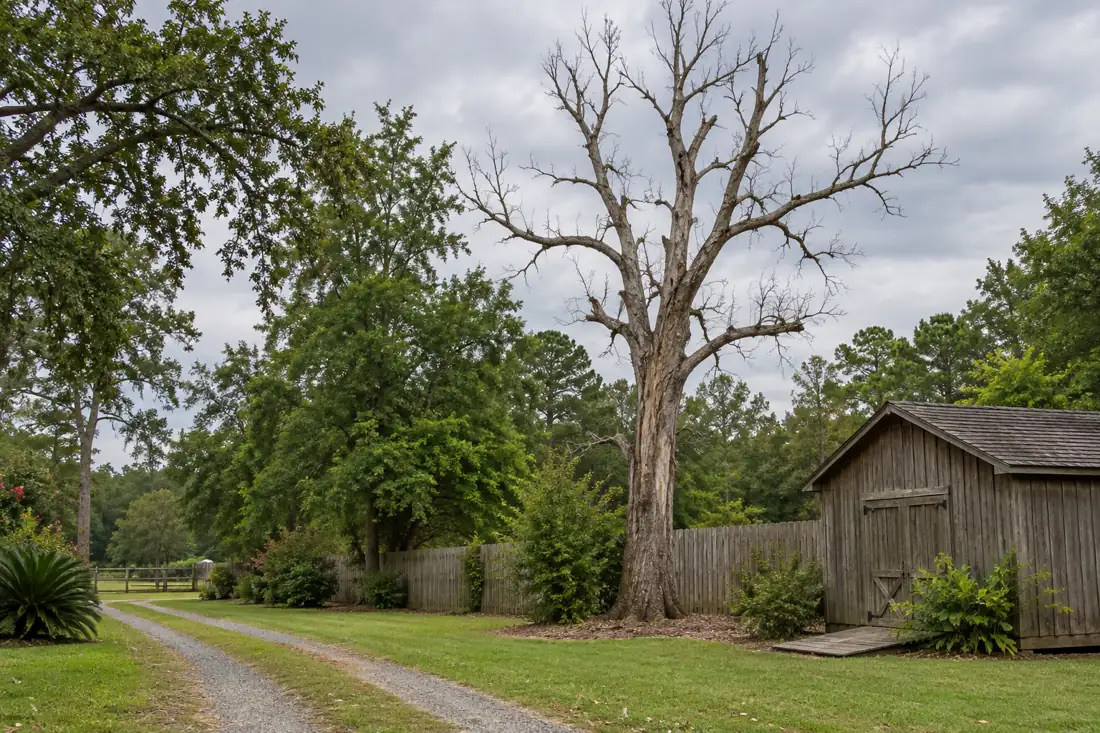
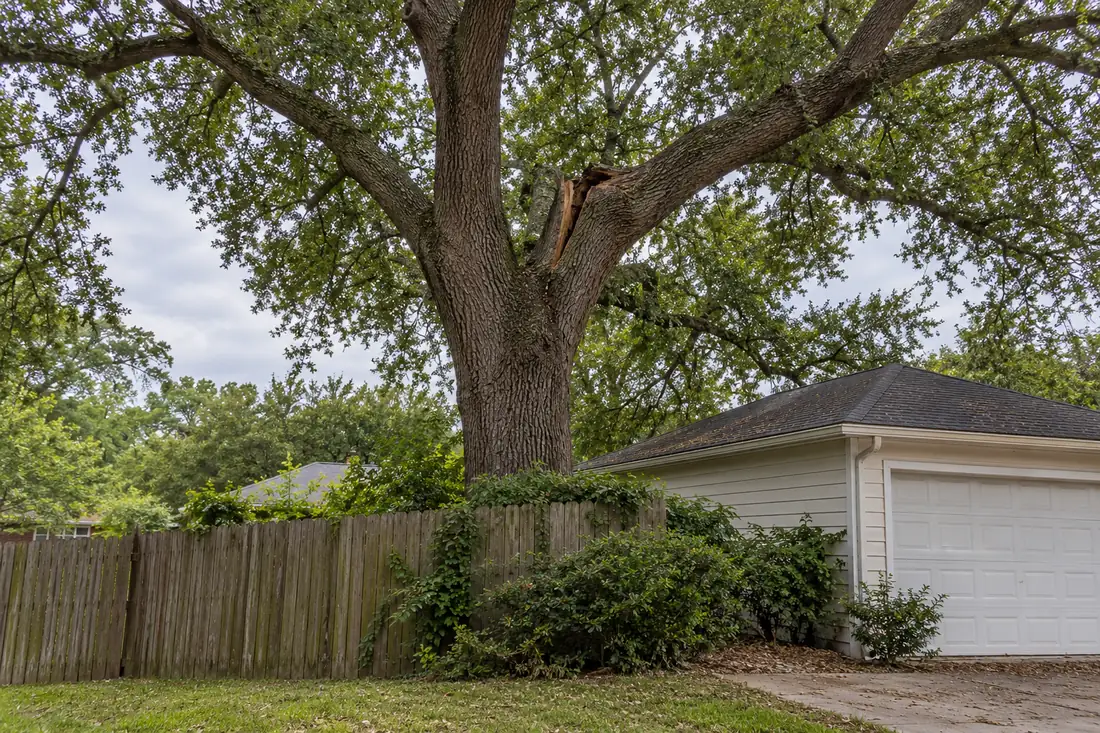
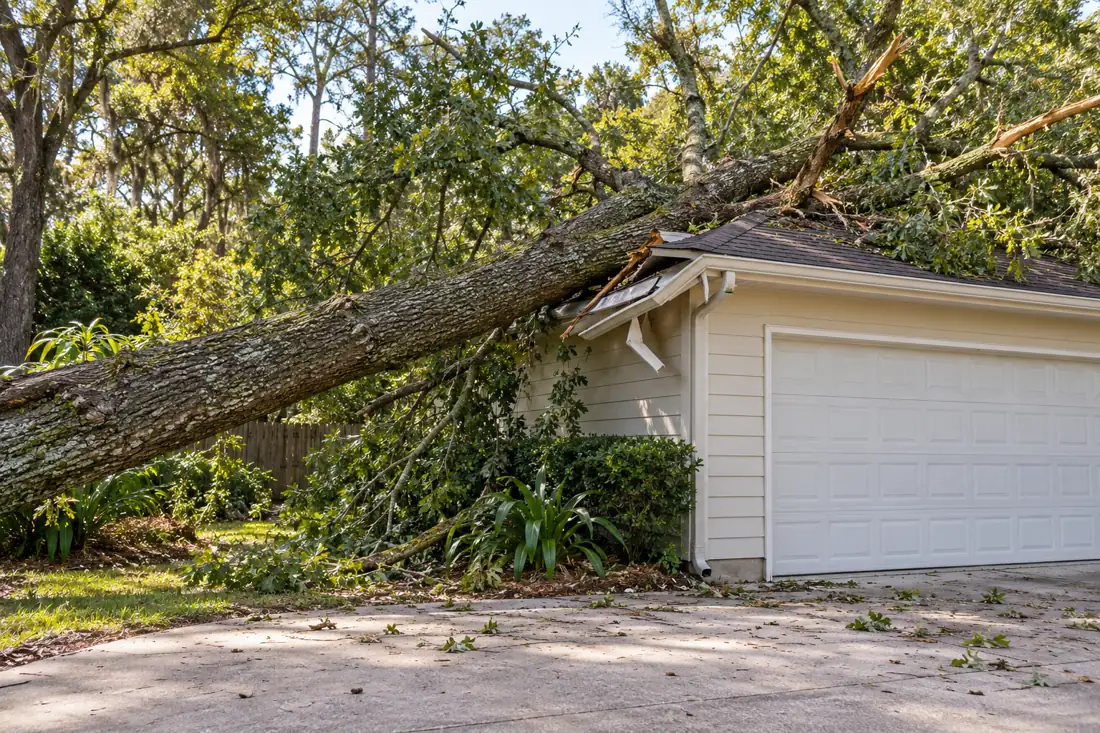
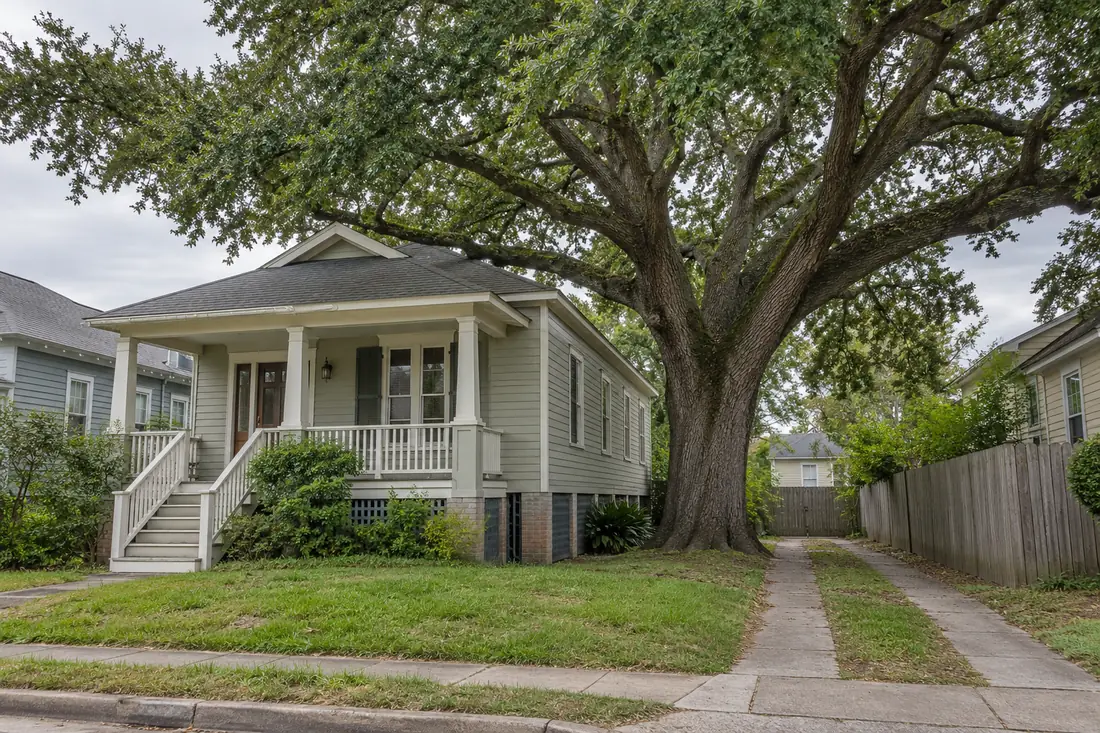
A retaining wall can restrict access and may be affected by existing roots or proposed stump work. Identify the wall, drainage outlets and any visible movement without attempting a structural diagnosis. Tree work and wall repairs should have separate responsibilities. Ask how equipment and material handling will be kept away from vulnerable edges.
Record wall movement separately from the proposed tree removal
If a retaining wall is cracked, leaning, wet or visibly displaced, photograph its condition and drainage outlets from a safe position before discussing stump excavation or equipment placement. Note where the wall supports a slope, patio, driveway or neighboring ground. The arborist’s tree recommendation and a qualified wall or geotechnical professional’s structural advice answer different questions and should not be blended into one assurance.
Written scope should distinguish removal above grade, grinding to a stated depth where feasible, root treatment, soil retention and any wall repair. If unexpected voids, saturated fill or movement become visible, establish who can stop operations and request specialist direction. The final tree-work invoice should not be presented as a certification that the wall, soil or drainage will remain stable after removal.
For this project, separate wall condition, drainage and equipment setbacks. These details help the contractor understand what must be protected, what information needs confirmation and what result you want from the work. A clear request is more useful than an assumed method or a price based only on tree size.
Document the retaining wall's visible lean, drainage outlets, cracks, soil levels and the location of the trunk and exposed roots. Roots near a wall can complicate removal, but do not assume they caused wall movement or provide necessary support without a qualified assessment. Cutting major roots or excavating behind a wall may change tree or soil stability. If the wall shows movement or the root zone overlaps structural elements, have the appropriate specialists assess the sequence before digging.
Ask where logs, machinery and grindings will be placed so the crew does not add avoidable loads near the wall. Keep the wall itself out of rigging plans unless a qualified design explicitly permits that use. Clarify whether the final tree scope leaves roots, a stump, a hole or loose chips and which contractor will handle any wall or surface repairs. Inspect wall drains and nearby paving at handoff. A removal estimate is not a structural engineering certification.
Tree Removal Beside a Retaining Wall: Start With the Wall
A tree beside a retaining wall is not simply a cutting job. Its roots may press against the wall, reinforce soil temporarily, or occupy ground that already drains poorly. Removing the tree can change both the load on the wall and the way water moves through the slope. In southeast Louisiana, soft, saturated soils and heavy rain can make small changes consequential. Before choosing a removal method, identify the wall type, the tree’s position, and who is qualified to assess each.
Walk the site from both sides of the wall, without climbing on it or entering an unstable area. Note leaning, bulging, displaced blocks, open joints, fresh cracks, standing water, and soil that has settled or washed away. Photograph conditions from fixed viewpoints and record recent changes after rain. Keep occupants and visitors away from visibly distressed areas until they are assessed. This first record helps an engineer distinguish longstanding features from new movement and gives the arborist useful context for planning tree work.

Map the Tree, Roots, Slope, and Wall
Record the trunk’s distance from the wall, its diameter, lean, canopy spread, and the direction of major limbs. Note whether the tree stands above the wall, below it, or on the same bench; those positions create different fall and soil-loading concerns. Identify nearby buildings, fences, drains, buried services, and narrow access routes. A simple site sketch with photographs can reveal where workers, equipment, and falling or lowered tree sections could affect the wall or send debris downslope.
Visible roots do not show the full root system, and a trunk’s apparent distance from the wall does not prove that roots are harmless. Roots may extend under a footing, follow a wet drainage route, or run along compacted fill. Avoid digging exploratory trenches beside a wall: excavation can remove support or expose a footing. Ask the arborist to describe observable root conflicts and the engineer to assess structural implications where needed. Agree on the limits of any root investigation before disturbing soil.
Assess the wall and tree as two interacting structures
A retaining wall holds soil, while a nearby tree draws water and anchors part of that soil through a root system that can extend far beyond the trunk. Neither visible proximity nor a photograph proves that roots caused a crack. Make a record of the wall's age if known, its material, current drainage outlets, past repairs and observable movement.
Compare older photographs where available. Newly bulging courses, undermined footings, leaning railings or sudden soil loss should be treated as reasons to restrict access and seek appropriate structural evaluation.
Tree removal and stump grinding are different decisions near a wall. Cutting a trunk above ground may leave existing root structures in place for a time, while excavation or aggressive grinding could disturb soil near footings, buried pipes or drainage. Ask the contractor to identify the proposed stump depth and work boundary.
Where a wall supports a building, patio, driveway or neighboring grade, a qualified engineer or wall specialist may need to guide the structural portion of the plan. A tree-work estimate alone should not promise that the wall will remain stable.

Separate removal decisions from excavation and wall repair
Provide an access sketch showing both the upper and lower sides of the wall, the nearby buildings, drains, steps and retaining hardware. Indicate whether the crew has permission to enter the lower property or whether material must be handled exclusively from above. Do not stand below a visibly unstable wall for inspection photographs, and never loosen roots to test whether they are holding it up. Conditions that change rapidly after heavy rain warrant special caution because water pressure and soil saturation can affect the wall.
Ask for separate written line items covering above-ground tree removal, debris removal, stump treatment, soil protection and any engineering or wall repair by others. Clarify who will determine if root material must remain untouched, how the area will be left after tree work and what conditions would cause the crew to stop. This division helps the property owner avoid confusing a tree contractor's safe cutting plan with a structural guarantee about the wall.
Separate the Engineer’s and Arborist’s Decisions
A qualified arborist evaluates the tree’s condition, likely response to pruning or removal, and practical rigging options. A licensed professional engineer with relevant retaining-wall experience evaluates wall stability, soil and water conditions, and whether removal or equipment loads could affect the structure. Their roles overlap in planning but are not interchangeable. The arborist should not be asked to certify a wall, and the engineer should not be expected to choose a safe cutting sequence without tree-work expertise.
Ask the engineer what observations or measurements are needed, whether a site visit is warranted, and what limits should govern equipment, excavation, or temporary protection. Ask the arborist how the tree will be dismantled, where each section will be lowered, and how roots will be handled. Share each professional’s findings rather than relying on separate assumptions. If wall movement is active or the proposed work changes the slope substantially, pause scheduling until the relevant specialists agree on a workable sequence.

Check Wall Condition and Warning Signs
Retaining walls resist sideways soil pressure, and their performance depends on more than the visible face. Drainage outlets, backfill, footing condition, wall height, and soil behind the structure all matter. Look for bulging, rotation, leaning, separated joints, crushed or displaced masonry, repeated ponding, or a new gap between the wall and adjacent ground. A single crack does not establish the cause, but a changing crack or several related signs merits prompt professional review, especially after prolonged rain.
Do not treat a wall that looks sound from the yard as proof that heavy work is acceptable. Hidden footings and backfill may be vulnerable even when the face appears intact. Keep excavators, log piles, trucks, and material stockpiles away from the wall unless an engineer has assessed their position and loads. Ask whether temporary markers or photographs will help track change during the project. If movement becomes visible while work is underway, stop work, clear the affected area, and contact the project professionals.
Separate tree-root conditions from wall stability
A retaining wall is both an obstacle and a possible independent structural problem. Cracks, bulging, poor drainage or displaced capstones are worth recording, but a tree worker should not be expected to diagnose wall engineering from photographs. Share pictures showing the whole wall, its top and bottom, visible drainage points and where the trunk and exposed roots sit relative to it.
Explain whether recent movement followed heavy rain or excavation. Keep everyone away from a wall that appears unstable and seek an appropriate structural professional when conditions warrant.
Removal choices can affect the wall differently: lowering crown sections, leaving roots in place, grinding a stump or excavating a root system are not interchangeable operations. Pulling roots near a wall may cause avoidable disturbance, while leaving a decaying root mass may create later maintenance questions. Ask for separate documentation of the tree scope and any wall repair, with a clear handoff between contractors. Do not permit a crew to use a compromised wall as an equipment support, anchor or unreviewed access platform.
Plan Around Saturated Soil and Seasonal Water
Southeast Louisiana’s rainfall, high groundwater, and locally variable soils can reduce bearing strength and make slopes less predictable. A route that supports equipment in dry weather may rut or settle after a storm. Water trapped behind a wall can increase pressure; water flowing around a root ball can also carry fine soil away.
Review recent rainfall, site drainage, and the forecast with the project team. Reschedule or change the work plan if ground conditions no longer match the assumptions used to select access and equipment.
Before removal, identify where roof runoff, yard drains, irrigation, and surface flow discharge. Confirm that existing wall outlets are open and that crews will not block them with brush, soil, or logs. Do not redirect water toward a neighboring property, foundation, or the wall’s backfill. Ask the engineer whether temporary drainage measures are appropriate and who will inspect them after rain. Keep a record of ponding and seepage, since new water patterns after removal may signal a need for prompt evaluation.

Choose Access and Equipment Without Overloading the Edge
Access planning should begin before a machine arrives. Measure gates, turns, overhead clearance, and ground bearing areas, then identify whether equipment can work from a stable area without crossing the wall’s influence zone. A compact machine is not automatically low-risk: its tracks, outriggers, turning, and lifting can concentrate substantial force. Ask the contractor for the proposed machine type, operating position, travel route, and log handling plan. Have an engineer review loads and setbacks when equipment will work near a wall or slope.
If access is narrow, compare controlled sectional lowering, hand-carried brush, suitable lifting equipment, and other methods with the arborist and contractor. Each choice has limits; a crane, for example, needs an appropriate setup area and an evaluated lifting plan. Do not allow equipment to park, turn, or stockpile wood on an unapproved edge simply because it fits there. Mark the agreed travel route and no-go zones on site, brief every crew member, and stop if actual conditions differ from the plan.
Control Falling Wood and Heavy Log Loads
A large trunk section can weigh far more than its appearance suggests, particularly when wet, and an uncontrolled drop can impact a wall or compact soil behind it. The arborist should plan cuts, rigging, and lowering so wood is not dropped or rolled toward the retaining structure.
Agree where brush and logs will be placed, how they will be removed, and whether hauling equipment introduces additional loads. Keep people out of fall, swing, and landing zones; only qualified tree-care crews should perform hazardous cutting and rigging.
Tree work near electrical conductors requires special attention. Treat every line as energized; do not estimate clearance or approach it with people, tools, ladders, or machinery. Contact the appropriate utility and use qualified specialists for work within regulated or unsafe proximity. Ask the arborist to explain how the crew will maintain exclusion zones and manage changing wind or limb movement. Property owners and site managers should not attempt to cut, climb, or direct hazardous felling themselves, even when the tree appears manageable.

Decide How Roots and the Stump Will Be Managed
Root cutting, stump grinding, and stump extraction have different effects on a wall and slope. Grinding removes wood below or near the surface but generally leaves roots and soil in place; pulling a stump can lift or loosen surrounding ground and may disturb wall backfill. Roots may also be entangled with drains or lie close to a footing. Ask the arborist to describe the proposed method and limits, then have the engineer review root or stump work where it could affect support, drainage, or wall stability.
Avoid a blanket instruction to remove every root or to grind as deeply as possible. The appropriate endpoint depends on the wall, slope, future planting, and intended surface use. Define in writing which roots may be cut, how large cuts will be handled, and what to do if a footing, drain, or unexpected void appears.
Stop for professional review rather than cutting or pulling through an unknown obstruction. The project decision should protect the wall first and address the remaining stump in a way the site can tolerate.
Expect Soil Movement After the Tree Is Gone
After removal, decaying roots leave pathways and the soil may settle as voids collapse or water follows new routes. The tree’s former root network may have helped bind shallow soil, but leaving the tree also carries risks if it is declining, unstable, or damaging the wall. The timing and amount of movement cannot be promised from appearance alone. Ask the engineer whether the slope needs monitoring, localized repair, or a specific observation period, especially where the trunk stood close to the wall.
Inspect after rainfall and compare photographs for new depressions, cracks, seepage, wall displacement, or soil washing toward drains. Do not fill a depression with loose material and assume the cause is solved; confirm whether it reflects normal settling, a drainage leak, or a developing void. Keep heavy loads off disturbed ground until the responsible professional says the area is suitable. Establish who receives reports, what changes trigger a call, and how occupants will be kept away if conditions worsen.

Stage Protection, Restoration, and Closeout
A practical sequence is to document existing conditions, agree on access and exclusion zones, complete the tree work, inspect the wall and slope, then restore disturbed ground and drainage. Use temporary barriers where needed, protect drains from debris, and keep soil, logs, and equipment out of marked limits. Restoration may involve appropriate backfill, surface grading, erosion control, or replacement planting, but materials and methods should suit the wall design and local drainage. Have the engineer advise on structural repairs and the landscape professional or arborist advise on suitable planting.
Before closing the project, walk the site with the contractor and record the final wall, ground surface, drainage outlets, and any unresolved stump or root work. Confirm who will remove debris, repair access damage, and report a newly observed concern. Choose replacement vegetation for mature size, root behavior, and moisture conditions rather than planting another large tree in the same constrained spot.
Keep the photographs and professional recommendations with property records. If movement, new seepage, or wall damage appears later, restrict access and seek assessment promptly.
Questions about this project
Can tree equipment use any driveway?
No general assumption should be made. Pavement condition, edges, support, buried infrastructure and the proposed equipment all matter. Ask the contractor to assess the intended setup and route for the particular property.
Do mats guarantee there will be no ground damage?
Ground protection is one part of a site-specific plan. It does not remove every load, soil or access limitation. Discuss the proposed measures and any restoration responsibilities in the written scope.
Which property features should I point out?
Identify buildings, vehicles, fences, fixed fixtures, landscape features, utilities and occupied routes. Explain what can move and what must remain. Include existing damage and any buried features you know about along the access route.
Should people remain inside the work area?
The contractor and site contact should establish an exclusion area and access arrangements appropriate to the work. Keep children, pets, visitors and other workers outside the active zone until the responsible parties say it can reopen.
Does stump grinding remove the entire root system?
Grinding normally addresses an agreed stump area and depth. It should not be assumed to extract every underground root. Describe your future use of the site and ask what additional work or coordination is needed.
Can the area be paved or planted immediately afterward?
That depends on the intended project and the agreed finish. Chips, remaining roots, excavation and soil preparation may need separate attention. Coordinate the grinding scope with the installer who is responsible for the next phase.
Will a utility locate show every private line?
Do not assume it will identify all irrigation, pet-fence, drainage or other customer-owned systems. Provide available plans and ask what additional locating or coordination is needed for the actual work and access area.
Who should arrange utility-related preparation?
Set that responsibility before scheduling. The property contact, contractor and relevant providers need to identify who handles locating, disconnection, relocation or separate repair work. Uncertain utility information should be resolved rather than guessed.
What should I compare besides the price?
Compare tree identification, work objectives, access assumptions, hauling, stump treatment, site finish and exclusions. Ask whether permits or other coordination are part of the scope and who can approve changes if conditions differ.
Does an online request book the crew?
No. A request starts the estimate conversation. The company still needs to discuss scope, availability and any site assessment. For a dangerous or urgent condition, call 504-458-8336 rather than relying on a form response.
What should I tell Tree Huggers about tree removal beside a retaining wall?
Explain the property address, the work you want and the specific concerns: wall condition, drainage, equipment setbacks. Send safe photos of the tree, surroundings and access route. The contractor can then discuss the assessment and scope needed for this situation.
How do I request an estimate for this work?
Call 504-458-8336, text photos or use the estimate form on this page. Include the address, desired outcome and any timing constraints. The company will need to review scope and availability; an online request does not confirm a price, appointment or emergency dispatch.
Get a scope for your property
For a tree beside a retaining wall, provide safe views of the trunk, wall face, drainage outlets and any existing cracks or movement. Note whether the wall supports a drive, building approach or raised yard. Roots and equipment may affect the wall differently; the tree crew should not be expected to certify structural stability or excavation safety. If movement or serious cracking is visible, ask whether a qualified wall or geotechnical specialist should review the area before stump work is specified.