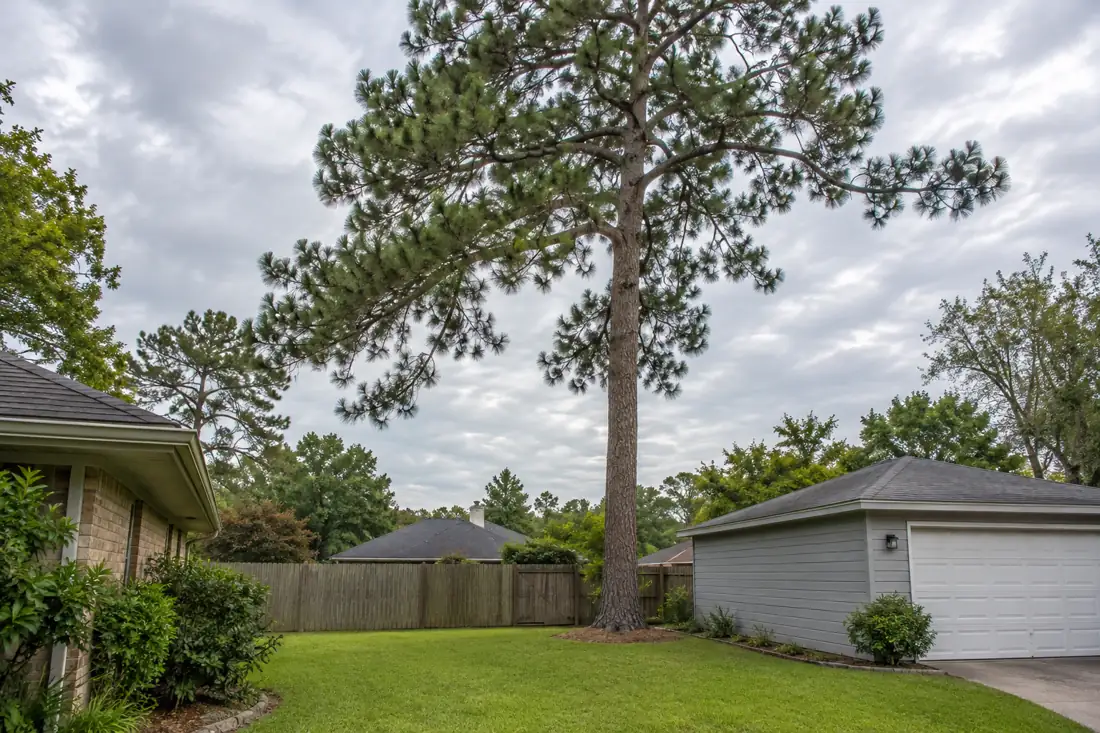
Renovation projects add temporary fences, deliveries, scaffolding and other trades to the tree-work area. Coordinate the removal before materials block the access route. The tree scope should identify retained trees, new construction features and who can authorize a change when the site layout changes.
For this project, separate trade coordination, temporary obstacles and retained trees. These details help the contractor understand what must be protected, what information needs confirmation and what result you want from the work. A clear request is more useful than an assumed method or a price based only on tree size.
Tree removal can compete for the same access as demolition, concrete trucks, dumpsters, temporary power and roof work. Put the proposed tree date on the renovation sequence and identify who controls the site on that day. Map overhead service connections, construction fencing, scaffolds, buried utilities and fresh foundations before selecting a path for equipment or debris. A route that is open now may be blocked once another trade occupies the lot, creating avoidable return visits or rushed changes.
Identify which trees will remain and protect their root zones against storage, trenching and soil compaction. Ask the general contractor and tree estimator to agree on exclusion areas, temporary access, debris pickup and who restores disturbed ground. Do not assume one trade may alter another's temporary electrical or structural work. At handoff, document the tree work's completed boundaries so the construction team knows where stumps, roots or buried material still remain before grading or new paving.
Start with the renovation sequence, not the removal date
A tree that seems accessible during initial demolition may become difficult to reach after a dumpster, scaffold, temporary fence, masonry delivery or new framing occupies the same ground. Ask the general contractor for a dated sequence showing excavation, concrete placement, deliveries, utility changes and inspections. Mark the tree, its anticipated fall or rigging zone, crew access and truck loading position on that plan. A removal appointment should fit a known construction phase rather than an optimistic guess about when the yard will be open.
During a walkthrough, photograph the site from the street, both sides of the house and the proposed loading area before trades begin placing material. These pictures help establish which obstacles are temporary and which structures must stay. Include gate widths, low eaves, overhead wires, irrigation components and the route back to the truck. If the remodel schedule shifts, ask the estimator to confirm whether the access plan and quoted scope still work. Do not assume the original crew approach remains safe after site conditions change.

Decide which trees must go and which can stay
Not every tree near a planned addition needs removal. Compare the proposed foundation, utility trench, drainage work, equipment travel and finished roofline with the tree's trunk, major roots and crown. A healthy mature tree may provide shade and site value if its critical root area can be protected. Conversely, a tree directly inside an excavation footprint may not be realistically retainable. Ask the designer and an appropriately qualified tree professional to evaluate conflicts before demolition commits the project to one outcome.
Put retained trees on the construction drawings as deliberately as the buildings. Identify where fencing will stand, where excavation is prohibited and which branches genuinely conflict with permanent structures. Avoid treating pruning as an automatic cure for a design that removes too many roots. When the choice involves foundation proximity, structural stability or a significant mature oak, discuss alternative designs or footing locations while changes are still possible. A clear retain-or-remove decision prevents rushed work when contractors are already waiting on the site.
Document utilities, property boundaries and approvals
Locate visible utility equipment and arrange applicable underground utility marking before digging, stump grinding or driving stakes. Renovations may have temporary electrical service, relocated meters, abandoned irrigation or freshly installed lines that are absent from older property sketches. The tree crew should know about each known service and should not be asked to infer where an underground line runs. Work near energized conductors requires appropriate utility coordination and qualified personnel, not homeowner attempts to push branches away from wires.
Check who legally controls the tree and the working area. A shared boundary, utility easement, homeowners association rule or local protection requirement can affect the scope. Confirm whether an owner, contractor, association or other authority must authorize removal and whether local permits apply; do not assume every tree is exempt or that a verbal agreement covers a neighbor's property.
Collect relevant approvals in advance and identify who can answer questions on workday. A written contact chain is especially helpful when the owner is absent during construction.

Reserve usable access before other trades occupy it
Measure the narrowest part of the access route, not merely the width of the driveway. Gates, porch steps, gravel edges, soft soil, temporary trenches and parked trailers can stop equipment that otherwise fits through a fence opening. If the crew plans to use a lift, loader or chipper, discuss ground-bearing conditions, turning space and a level location for setup. A plan that relies on crossing newly poured concrete or driving over exposed utilities deserves review before either operation is scheduled.
Ask the general contractor to keep the agreed path and loading zone clear for the entire work window. Roofers may need the driveway, plumbers may have an open trench, and cabinet deliveries may arrive without much flexibility. Mark a practical truck position that does not trap workers or obstruct emergency access. If conditions require hand-carrying logs or limited mechanical access, request a revised scope rather than pressuring crews to improvise unsafe maneuvers. Access affects both safety and labor, so it belongs in the original estimate.
Schedule removal around the renovation's changing site
During construction the route to a tree may change week by week as scaffolds, fences, trenches, delivery areas and building materials appear. A tree that can be approached before excavation may be difficult to reach afterward, and a partially demolished roof can introduce hazards not shown in older photographs.
Provide the general contractor's site plan when one exists and identify the areas already disturbed. Do not assume a drawing confirms buried utility positions or that every piece of equipment can safely cross a newly filled area. Discuss which tree work is essential to the renovation and which nearby trees should be retained and protected.
Coordinate a defined work window with the builder before the tree crew arrives. Specify whether removal is complete when the tree is down, when all debris is hauled, or when a stump and root obstruction have been treated to a particular depth. Standard landscape stump grinding should not be represented as construction-ready structural excavation or compacted fill.
Clarify who will move stored materials, protect hardscapes and restore temporary access openings. If a retained tree is near trenches, concrete washout or repeated vehicle movement, the tree's root-zone protection needs its own plan. A written handoff to the next trade avoids misunderstandings about unfinished surfaces and access.
Protect occupied rooms, windows and neighboring improvements
Construction does not make nearby property disposable. Newly installed glass, gutters, siding, porches, roofs and landscape walls may be particularly vulnerable to falling limbs or equipment contact. Walk the perimeter with the crew lead and identify surfaces that require additional protection or a change in removal method. Discuss the position of the tree relative to open framing, scaffold, neighboring fences and exposed materials. Separate the tree contractor's work zone from any area where trades intend to continue using tools.
If the house is occupied, agree on which doors, driveways and outdoor areas residents should avoid while work is underway. Keep children and pets inside an appropriate protected area rather than watching from a nearby window or patio. When neighbors share a driveway or tree canopy, give them practical advance notice of the expected disruption without making guarantees about exact finishing times.
The crew establishes the exclusion zone and may extend it as conditions warrant. No one should enter that zone to retrieve tools or take photographs.

Coordinate Tree Removal With Renovation Trades
Tree work can become more expensive or less safe after dumpsters, scaffolds, temporary utility lines and building supplies occupy the only clear route. Decide early whether the tree should be treated before demolition, during exterior work or after structural repairs. Every option has tradeoffs: an early cut may protect the renovation, while a later cut might benefit from already opened access but add risks to new finishes.
The general contractor and tree crew should share the same site constraints in writing. Identify which gates can open, who controls scaffolding, where materials may be staged, and which occupied spaces must remain accessible. The tree crew should not dismantle a temporary structure or move someone else's equipment without express coordination and an agreed responsibility for putting it back.
A good sequence avoids doing the same access work twice
Renovation plans may change the root environment even if a tree remains untouched by saws. New paving, trenches, grade changes or repeated soil compaction can damage roots. Distinguish protecting a retained tree from merely avoiding the trunk. Where substantial excavation is planned close to the root zone, have the appropriate design and arboricultural professionals evaluate the conflict before work begins.
At the handoff, document the surfaces protected, material cleared, stump elevation and any remaining root work that belongs to a different trade. If another contractor will excavate afterward, the tree crew's finished condition should be visible on a site sketch or clear photographs. Avoid implying that stump grinding alone clears all buried roots or utilities for a new foundation.

Preserve roots and soil around trees that remain
Equipment access, staging and backfill can injure a retained tree even if no limb is cut. Repeated vehicle trips compact soil, stockpiled materials can bury roots, and grading changes can alter drainage around the trunk. Set a protective boundary based on the tree's size, species, condition and site limitations. Do not use the root area as the default location for demolition debris, soil piles or washout. If work must cross that area, ask for a reviewed temporary protection method rather than relying on a thin plywood sheet.
New excavation near a remaining tree should be reviewed before a trench severs large structural roots. An arborist may recommend moving a line, using a different installation method or modifying the work zone. Monitor soil moisture and drainage during construction without overwatering around a disturbed root system. Record any unavoidable root or crown damage so the property owner can arrange follow-up assessment. Protecting the retained trees is part of the tree-work plan, not a separate landscaping detail to remember after the renovation ends.
Choose a removal method around confined space
A tree hemmed in by an addition, garage, overhead service or newly built structure may need controlled sectional dismantling rather than a single felling cut. Crew members assess branch weight, sound attachment points, decay, stem lean and the usable landing area. Ropes and rigging can control manageable pieces, but they do not eliminate the force imposed on anchors or nearby structures. Cranes and lifts may be suitable for certain sites, subject to access, ground stability and a professional lift plan.
Ask the estimator to explain where wood will be lowered, where brush will be processed and how heavy logs will leave the site. The cheapest apparent access route may actually interfere with a new retaining wall or footing. Where structures remain partly exposed, discuss weather protection and coordination with the general contractor before overhead work begins. The homeowner should not prescribe rigging cuts or operate under suspended material. The crew must retain authority to stop when hidden defects or changed conditions make the plan unsafe.
Define the handoff between tree crew and remodel contractor
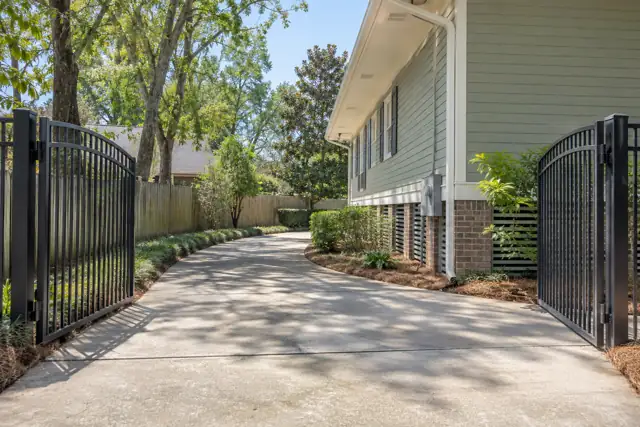
Tree removal and renovation commonly involve different contractors with different scopes. Write down who disconnects temporary equipment, moves dumpsters, removes fencing panels, protects windows, trims retained branches and clears the load-out route. Identify the decision-maker who can approve changed access, additional stump work or a newly discovered hazard. If a subcontractor needs the area immediately afterward, communicate a realistic sequence with room for inspection rather than scheduling conflicting activities at the same hour.
Document whether the tree contractor is removing the entire tree, leaving a specified stump height, grinding below a stated depth or hauling chips and large timber. A foundation excavation may require root or stump removal beyond ordinary residential grinding, while some large roots may remain outside the agreed work area. The remodel contractor should confirm the depth and footprint actually needed for construction. Avoid assuming that the phrase 'complete removal' includes excavation, fill compaction, regrading or disposal of all underground wood.
Agree on the handoff between trades
Tree removal during a renovation often overlaps with fencing, excavation, roofing, electrical work and material delivery. Confirm who controls each work area and when access will be available, rather than assuming the tree contractor can maneuver after other trades have occupied the site. Identify which trees remain and where their root zones must be protected from parking, trenching or stored materials.
Mark temporary obstacles and neighboring property before choosing a removal date. If the project scope changes, the owner or authorized project representative should approve the updated tree-work boundaries. A simple handoff plan can prevent two contractors from making conflicting assumptions about the same gate, driveway or retained tree.
Plan for rain, ground conditions and schedule changes
Soft ground, saturated slopes and open trenches can make a previously approved equipment route unsafe or damaging. Construction schedules often move, and a tree crew should not be asked to meet a deadline by driving heavy equipment into unstable soil. Review the weather outlook near the work date and identify what can be protected if removal is postponed. A separate emergency hazard may justify prioritizing stabilization, but that situation requires a fresh assessment rather than treating a normal renovation booking as emergency work.
Have a contingency for stored materials or temporary barriers that cannot be moved in time. If the tree is leaning toward unfinished construction, restrict access and seek professional assessment instead of relying on a tarp, rope or homeowner bracing. After wind or lightning, revisit the tree's condition before work resumes. Keep the property owner and general contractor informed of changes in scope, timing and access; clear updates prevent trades from assuming a hazardous area has already been released back to them.

Close the project with a documented site walk
Before the crew leaves, compare the work with the written scope. Check that large wood and brush have been addressed as agreed, the approved travel path is usable and obvious loose debris has been removed from areas that contractors must enter. Look at fences, hardscape, landscape beds, nearby retained trees and irrigation features, and photograph any concern for a calm follow-up discussion. Do not climb on remaining logs or enter a newly opened excavation to inspect work.
Confirm the stump condition, chip handling and any remaining root work the renovation contractor must perform. A bare or mulched spot does not establish that soil is ready for a slab, footing or finished planting; those steps require their own appropriate preparation. Note whether future pruning or tree monitoring was recommended and preserve any tree identification map with the renovation records. The final handoff should tell the next trade exactly what has been cleared, what remains and where access restrictions still apply.
Questions about this project
When should tree work be discussed on a building project?
As early as practical, while the footprint, access, excavation and staging can still be coordinated. Identify retained trees and share drawings before clearing or other site activity creates avoidable conflicts.
Does stump grinding complete construction site preparation?
Not necessarily. Excavation, root removal, base preparation, compaction and grading may require separate work and acceptance criteria. Coordinate the tree scope with the contractor responsible for the next construction phase.
What access information helps an estimator?
Send the narrowest opening, overhead obstacles, turns and the distance between the tree and the loading area. Include photos of the entire route and identify steps, soft ground or features that must remain protected.
Should I remove a fence before the visit?
First ask the contractor to assess access and agree on any temporary opening. Identify who owns the fence, who can authorize the change and who will reinstall it. Do not assume the opening is necessary or included.
Which property features should I point out?
Identify buildings, vehicles, fences, fixed fixtures, landscape features, utilities and occupied routes. Explain what can move and what must remain. Include existing damage and any buried features you know about along the access route.
Should people remain inside the work area?
The contractor and site contact should establish an exclusion area and access arrangements appropriate to the work. Keep children, pets, visitors and other workers outside the active zone until the responsible parties say it can reopen.
How should extra work be approved?
Use the agreed approval process and identify the change, reason, scope, price or schedule effect as applicable. Confirm who has authority before treating an additional tree or task as part of the original job.
What completion records are useful?
Keep the agreed scope, tree or area identification, authorized changes, invoice and labeled photos where appropriate. Include unresolved items and a contact. Contract-specific records should follow the buyer's stated requirements.
What should I compare besides the price?
Compare tree identification, work objectives, access assumptions, hauling, stump treatment, site finish and exclusions. Ask whether permits or other coordination are part of the scope and who can approve changes if conditions differ.
Does an online request book the crew?
No. A request starts the estimate conversation. The company still needs to discuss scope, availability and any site assessment. For a dangerous or urgent condition, call 504-458-8336 rather than relying on a form response.
What should I tell Tree Huggers about tree removal during a home renovation?
Explain the property address, the work you want and the specific concerns: trade coordination, temporary obstacles, retained trees. Send safe photos of the tree, surroundings and access route. The contractor can then discuss the assessment and scope needed for this situation.
How do I request an estimate for this work?
Call 504-458-8336, text photos or use the estimate form on this page. Include the address, desired outcome and any timing constraints. The company will need to review scope and availability; an online request does not confirm a price, appointment or emergency dispatch.
Get a scope for your property
Share a rough contractor schedule, the tree location and photos of current obstacles. Ask for a written tree-work handoff that defines who removes temporary materials and who restores access.