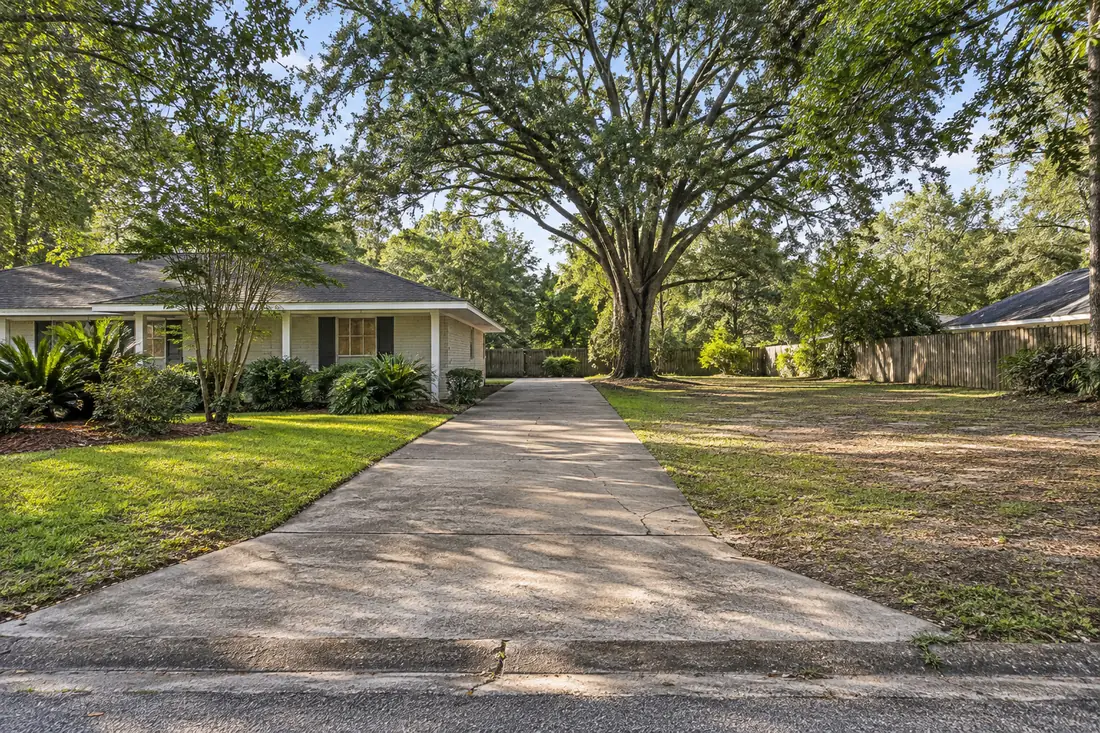
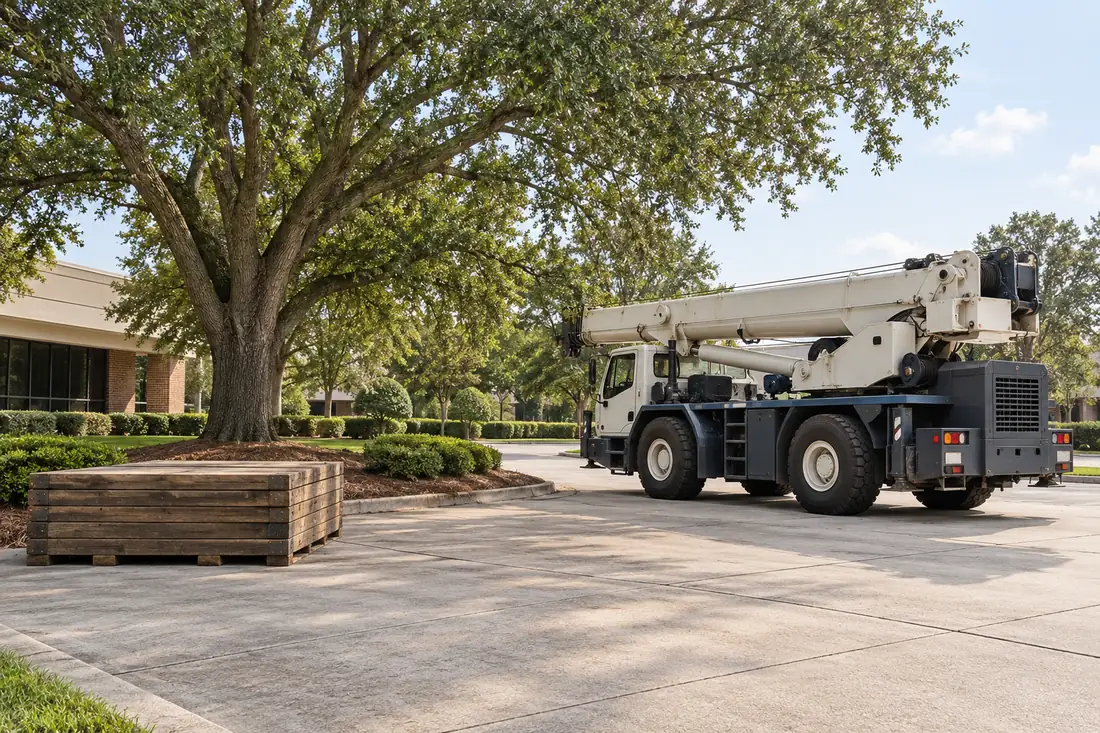
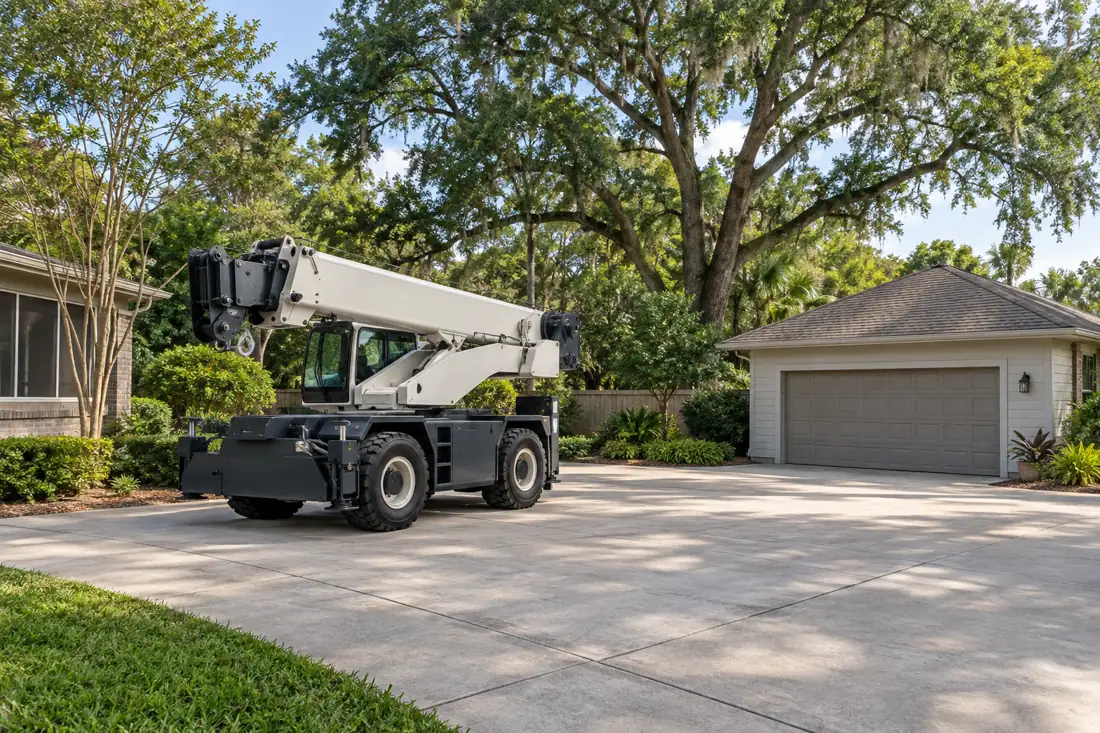
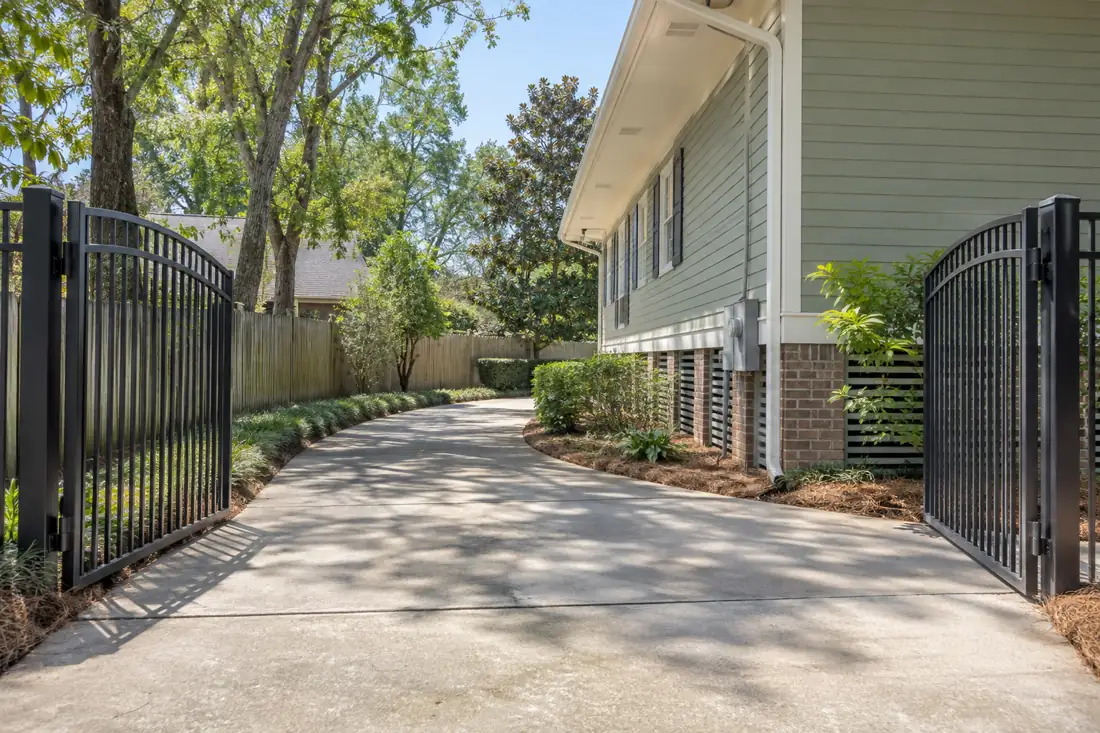
Protecting a lawn involves route selection, ground conditions and how material is handled. It is not simply a matter of placing a mat on the grass. Identify soft areas, irrigation and features that should be avoided. Ask what measures are proposed and what repair work, if any, is included in the estimate.
Site planning detail: Lawn protection should begin with an equipment route and a realistic discussion of soil conditions. Identify wet patches, root zones, irrigation heads and slopes where wheels, tracks or stored logs could disturb turf. Protective mats may reduce some impacts but do not guarantee zero rutting or compaction. Ask when weather or ground softness would require a postponed job or a revised route. Mark gardens and desirable plants before staging, and avoid storing wood against tree trunks or over drainage inlets.
Decide what cleanup and grading are included versus an optional lawn-restoration service. At a final walkthrough, look for ruts, broken heads, displaced soil and stray branches rather than evaluating only how tidy the photographs appear.
Lawn protection begins with the soil beneath the grass. Note soft spots, recent rain, drainage swales, slopes and routes that already suffer from vehicle rutting. Explain whether the job may require a chip truck, loader, stump grinder or crane, because each has different turning and loading needs.
Mats may distribute pressure or protect a surface, but they cannot make every wet or unstable site suitable for machinery. Also identify nearby tree roots and root flares that could be damaged by repeated travel even when the grass looks intact.
Ask the estimator to map the entry route, staging zone, debris exit and any areas that must stay accessible for residents. Take photos of existing turf, beds, irrigation heads and low spots before work. If weather forces a change, agree on who can approve a revised route or delay. The scope should separate normal wear, expected cleanup, soil repair, seed or sod replacement and any specialized root-zone protection. That creates an understandable finish standard instead of promising that large equipment will leave no trace.
Start with a lawn-condition baseline
Before anyone moves equipment, walk the proposed access path and distinguish healthy turf from already thin, rutted, or waterlogged areas. Photograph the lawn, driveway margins, edging, garden beds, and irrigation heads from several consistent viewpoints. Tell the estimator about previous drainage work, a buried drain, recent sod installation, or places that remain wet long after rain. These observations help create a realistic protection plan without suggesting that a mat can eliminate every possible mark.
An access route needs enough room for turns, not only a gate opening that appears wide enough in a photograph. Look for air-conditioner platforms, fence corners, raised planters, downspouts, exposed roots, and changes in grade. Explain which spaces belong to neighboring properties and which gates must be locked after access. The contractor should measure clearances and decide whether a different machine, staging position, or method protects the property more appropriately.

Understand equipment footprints and ground pressure
A compact tracked machine may distribute its load differently from a wheeled truck, but neither description alone proves that a lawn is safe for travel. Machine weight, contact area, repeated passes, turning movements, moisture, slope, and attachments all matter. Request a site-specific explanation of the chosen route and any ground protection. Do not rely on the smallest advertised machine dimension or a photograph of equipment working on a different property.
Protection mats can spread pressure and reduce surface tearing when selected and installed appropriately, yet they are not a substitute for assessing subsoil or buried voids. Ask where mats begin and end, whether support is needed beneath outriggers, how workers will avoid abrupt turns, and what happens if conditions deteriorate. Distinguish temporary surface impressions from structural damage to a driveway or buried system when reviewing the written scope.
Plan for the soil underneath the lawn
A lawn can look firm while covering wet subsoil, drainage pipes or irrigation lines. Identify visible sprinkler heads, valves, low areas and the route where water collects after a storm. Provide that information before the contractor chooses a staging location. A recent grading change or buried installation can matter even if the surface looks undisturbed.
The movement of removed timber deserves its own route. Repeated hauling over grass may disturb soil, compact turf or block drainage even when the cutting machinery operates elsewhere. Ask where branches and logs will accumulate, how they will leave and whether a different access path is preferable. Rain conditions can justify changing the method or schedule.

Ground protection is selected for the route and soil, not merely because mats are available. Even with mats, wet turf, irrigation, edging and buried drainage may be vulnerable. Photograph the proposed equipment path from street to tree, identify soft areas, and clarify whether repair of disturbed grass or landscaping is included in the written scope.
Equipment and debris routes may affect different areas
Discuss appropriate matting, machine selection and landscape limits for the actual ground. Protective materials do not guarantee zero disturbance. A written estimate should say which areas will be used, what is protected, whether sprinkler repairs are excluded and which restoration tasks are included. Avoid treating a broad phrase such as lawn protection as an unlimited warranty.
Once work is completed and the area is safe, examine the route for ruts, displaced edging, obstructed drains and exposed irrigation components. Do not dig around suspected damage without the relevant utility or irrigation expertise. Preserve the original property photographs to support a practical closeout discussion.
Protect roots while protecting grass
A mature tree's roots extend through the soil beyond the visible trunk, sometimes beyond the dripline, so an otherwise convenient route can still endanger a retained tree. Compaction reduces pore space for water and oxygen, and repeated storage of logs or equipment near the root zone can matter long after grass recovers. Identify trees that are staying, not only the one being removed, so the estimator can plan work around those living systems.
Mark proposed no-traffic areas with temporary fencing or visible site notes and ask which decisions should be verified by a qualified tree professional. Avoid piling chips, heavy logs, or soil against trunk flares. If the only possible route crosses a sensitive root area, discuss alternative removal sequences or manual handling rather than treating a protective panel as a blanket promise. A documented exclusion area is often more useful than general instructions to be careful.

Locate irrigation and subsurface obstacles
Sprinkler lines, valve boxes, landscape lighting, French drains, septic components, private communications cables, and old utilities can be hidden beneath ordinary-looking turf. The owner should provide any as-built plans, recent repair records, or known locations without presenting a guess as a verified locate. Explain whether the work includes stump grinding or soil disturbance, since that changes the discussion from access protection to excavation-related precautions.
Before work, agree on who coordinates required utility locating and how private systems will be identified. A white paint mark or a recollection of where a pipe runs is not a substitute for appropriate verification. Photograph visible heads, boxes, and exposed connections that can be safely reached. If a line is discovered unexpectedly, work should be paused and the responsible qualified party consulted; a customer should not dig to inspect suspected energized or hazardous utilities.
Protect soft soil, roots and turf as distinct priorities
Grass that looks dry may cover soft soil after rain, irrigation or high water. A tracked machine can rut a lawn and compact a retained tree's root zone even when no branches touch the tree. Show the proposed movement corridor, low spots, drainage inlets, sprinkler heads and valued plantings. Also include the exit path: a truck or loader leaving with wood may travel differently than the empty machine that entered. Do not test unstable ground by entering a saturated area.
Discuss whether equipment can stage on hardscape, whether approved ground protection is useful, and when wet-weather rescheduling makes more sense. Mats spread some loads but cannot eliminate every soil problem. Ask how many turns or repeated passes are expected and who will monitor rutting. The written cleanup standard should distinguish branch removal from grading, sod replacement, irrigation repair and root-zone protection. A property can be free of debris yet still need substantial landscape work that was not included in the original quote.
Plan the route through gates and tight turns
The path from street to tree may include a narrow side yard, one tight corner, a retaining edge, a deck step, or a low canopy. Measure gate openings at their narrowest point and note hinges or latches that reduce usable width. Ask where equipment will enter, turn, reverse, and exit, and whether temporary removal of a gate panel is truly necessary and included in the estimate.
A machine that can enter a corridor may still be unable to work effectively or safely at the tree. The load path, boom swing, worker access, and room to transfer brush should be reviewed separately. If equipment must cross a neighbor's driveway or a shared easement, identify permissions before scheduling. Tell the estimator about school pickup times, children and pets in adjacent yards, and any gate that must remain operational during the project.

Account for wet weather and drainage
In the Greater New Orleans area, even short rain events can leave low lawns soft, especially near downspouts or where water is trapped against fences. A dry surface after sunrise does not necessarily indicate sufficient bearing capacity. Ask how the crew will evaluate changed ground conditions when it arrives, whether the planned method has a weather-dependent alternative, and what would trigger a reschedule instead of unnecessary lawn damage.
Discuss where water will flow if mats temporarily cover an area or a brush pile obstructs a swale. Avoid blocking catch basins, drainage inlets, and the route to a neighbor's property. Include restoration expectations for ruts or damaged edging in the estimate rather than relying on verbal assurances. A practical schedule leaves room to reassess soil condition and protects workers and property more effectively than a promise to proceed in every weather condition.
Separate equipment travel from material removal
Cutting a tree is only one part of the work. Logs, limbs, chips, and stump grindings must travel from the work zone to an approved loading point. Ask whether material will be carried by hand, moved by equipment, chipped near the street, or transported in staged loads. Heavy logs dropped or dragged across turf can cause damage even if the main machine never leaves a protected track.
A useful estimate identifies whether wood will remain for the owner, be stacked in a designated location, or be hauled away. Confirm whether the stump, visible roots, chips, and final rake are included, since each creates a different handling need. If a large log is being retained for firewood or a landscape feature, specify its practical placement and who is responsible for further cutting. Keep loading areas clear of parked cars and pedestrian access.

Protect hardscape edges and garden details
Driveway edges, pavers, retaining walls, buried landscape borders, and steps deserve their own inspection. A concrete slab may support normal vehicles but still have weak edges, old cracks, or an unsupported shoulder. Tell the crew about loose pavers or repairs made after past storm damage. Ask whether the chosen equipment needs an outrigger or turning area near those boundaries and whether a different route avoids a fragile surface.
Take dated pre-work photographs for your own records and agree on the condition that counts as completion. This should not turn into a request for an unrealistic guarantee that every blade of grass remains untouched. Instead, record which delicate features will be excluded from traffic, which surfaces may need reasonable protection, and who will address any agreed restoration items. A clear written distinction helps homeowners compare estimates fairly.
Protect lawns without hiding soil limitations
Mats and other surface protection can reduce concentrated wear, but they do not turn waterlogged soil into reliable equipment support. Before selecting a route, point out irrigation trenches, drain lines, septic components, recent fills, garden edging, and any low spots that remain wet after rain.
The turning area deserves the same attention as the straight travel lane because wheels and tracks can disturb turf while changing direction. Establish what level of rutting or surface disturbance is acceptable, what remediation is included, and whether a postponement is preferable after a storm.
Ask the estimator to show where equipment would enter, turn, work, and exit. Wide photos of the full route, rather than isolated marks on the lawn, help communicate the problem.
Put lawn protection in the written scope
An estimate that merely says 'protect landscaping' leaves too many decisions unanswered. Request clear descriptions of the access path, ground-protection measures where appropriate, material handling, removable barriers, known exclusions, and the cleanup standard. If irrigation shutoff or fence removal is expected, identify who performs it and when reinstallation or testing occurs. The scope should state what observations could require a revised plan rather than hiding all contingencies.
A lower quote may exclude hauling, stump grinding, restoration, or the labor needed to use a more careful route. Compare the same deliverables instead of comparing totals alone. Share wide photographs of the entire route and close-ups of soft areas through the service inquiry form, but do not enter dangerous zones to obtain images. A clear description of the property and your priorities helps the estimator propose options suited to actual conditions.

Check the property after crews leave
After completion, walk the entry route and the former work zone with the agreed scope nearby. Look for debris in planting beds, displaced edging, blocked drainage, remaining stakes or mats, and visible damage to irrigation heads or fixtures. Keep the inspection objective and record concerns promptly with photographs from safe positions. Any suspected underground damage should be handled by the appropriate qualified service, not investigated through hazardous digging.
Observe how the lawn drains after the next ordinary rain and monitor retained trees for signs of stress over time. A surface can look acceptable immediately while compacted soil affects roots later, so prevention mattered throughout the job. If repairs were included, confirm the completion method and timeline in writing. The goal is not a perfect before-and-after image; it is a clearly delivered tree service with property protection appropriate to the site.
Questions about this project
Can tree equipment use any driveway?
No general assumption should be made. Pavement condition, edges, support, buried infrastructure and the proposed equipment all matter. Ask the contractor to assess the intended setup and route for the particular property.
Do mats guarantee there will be no ground damage?
Ground protection is one part of a site-specific plan. It does not remove every load, soil or access limitation. Discuss the proposed measures and any restoration responsibilities in the written scope.
Does a machine's maximum reach prove it can do my job?
No. Loaded reach, configuration, section handling, obstacles and setup conditions all affect suitability. A contractor needs to evaluate the particular tree and property before confirming an equipment plan.
Can specialized equipment replace a site assessment?
It does not remove the need to assess tree condition, targets, access and support conditions. Ask how the contractor will confirm that the proposed machine and method fit the actual scope.
Will a utility locate show every private line?
Do not assume it will identify all irrigation, pet-fence, drainage or other customer-owned systems. Provide available plans and ask what additional locating or coordination is needed for the actual work and access area.
Who should arrange utility-related preparation?
Set that responsibility before scheduling. The property contact, contractor and relevant providers need to identify who handles locating, disconnection, relocation or separate repair work. Uncertain utility information should be resolved rather than guessed.
Which property features should I point out?
Identify buildings, vehicles, fences, fixed fixtures, landscape features, utilities and occupied routes. Explain what can move and what must remain. Include existing damage and any buried features you know about along the access route.
Should people remain inside the work area?
The contractor and site contact should establish an exclusion area and access arrangements appropriate to the work. Keep children, pets, visitors and other workers outside the active zone until the responsible parties say it can reopen.
What should I compare besides the price?
Compare tree identification, work objectives, access assumptions, hauling, stump treatment, site finish and exclusions. Ask whether permits or other coordination are part of the scope and who can approve changes if conditions differ.
Does an online request book the crew?
No. A request starts the estimate conversation. The company still needs to discuss scope, availability and any site assessment. For a dangerous or urgent condition, call 504-458-8336 rather than relying on a form response.
What should I tell Tree Huggers about tree removal equipment and lawn protection?
Explain the property address, the work you want and the specific concerns: access route, soil conditions, repair expectations. Send safe photos of the tree, surroundings and access route. The contractor can then discuss the assessment and scope needed for this situation.
How do I request an estimate for this work?
Call 504-458-8336, text photos or use the estimate form on this page. Include the address, desired outcome and any timing constraints. The company will need to review scope and availability; an online request does not confirm a price, appointment or emergency dispatch.
Get a scope for your property
Lawn protection requires knowing what the ground is like today, not only how it looks in a dry-season photo. Show the route equipment would take from the truck to the tree, including low spots, sprinkler heads, tree roots, slopes and narrow turns. Describe recent rain, standing water, drainage problems and any buried septic or utility components you know about.
Identify valuable turf, planting beds and low retaining edges that need consideration. Do not spread boards or move irrigation fixtures as a substitute for the contractor's ground-support assessment.
Ask which access method is proposed, whether ground-protection mats or a different route could limit rutting and how logs will be moved to the staging area. A written estimate should explain which lawn effects are reasonably foreseeable and whether repair, leveling, reseeding or sod is included. Wet soil can remain vulnerable despite mats, and protection is not a promise of zero marks. If conditions change after heavy rain, the contractor may need to revise the approach. Define the final cleanup boundary in advance.