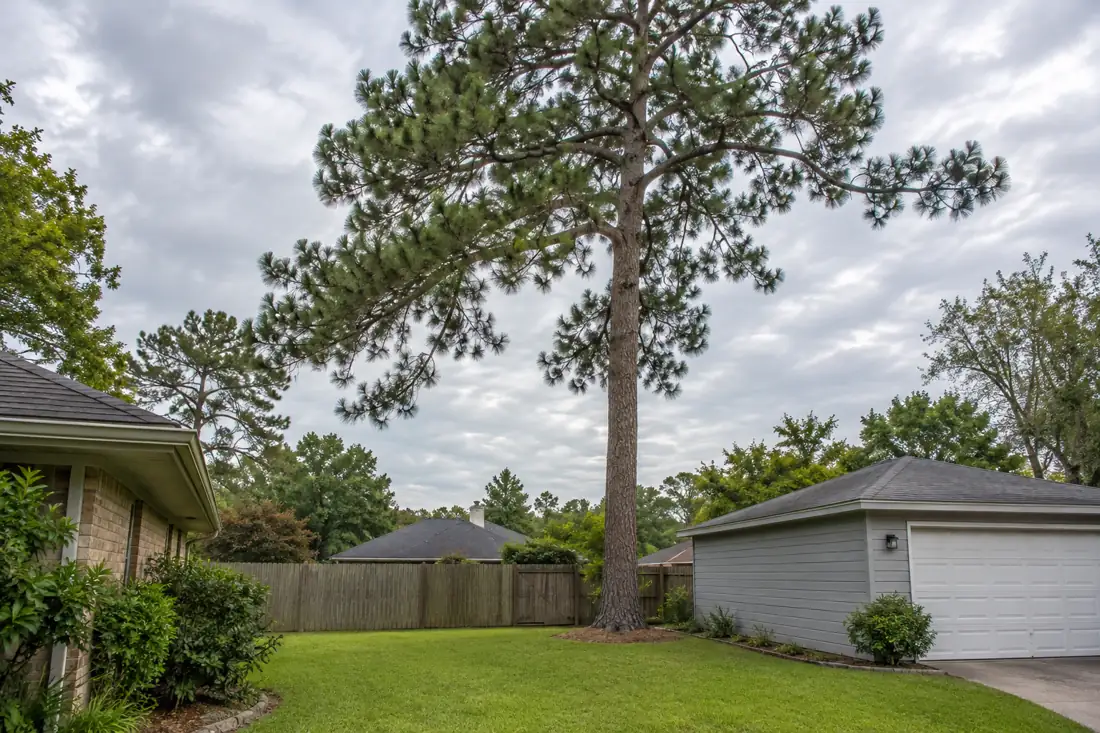
Urban tree work may depend on space for trucks, loading and safe pedestrian movement. Explain parking restrictions and competing uses of the street. The contractor and property contact need to identify any required permissions rather than assuming a truck may occupy any curb. Work windows should account for deliveries, neighbors and access to occupied buildings.
Build a curbside setup diagram that leaves emergency access intact
A street-side tree job may require several distinct spaces: an equipment position, a chipper and hauling zone, a protected pedestrian route and a place for residents or businesses to continue access. Sketch each on the same block view with intersections, driveways, hydrants, overhead services and the actual parking rules. A convenient vacant curb space is not automatically legal or suitable for staging.
Before scheduling, have the responsible party confirm which local authority controls any lane, sidewalk or parking restriction and whether permits or notices are required. Establish a fallback if a parked car remains in the proposed setup area. Keep the crew’s start decision separate from the owner’s informal neighbor conversations; no work should depend on assuming that drivers, pedestrians or emergency responders will find a safe way around.
For this project, separate truck staging, curb restrictions and pedestrian access. These details help the contractor understand what must be protected, what information needs confirmation and what result you want from the work. A clear request is more useful than an assumed method or a price based only on tree size.
Record available curb length, hydrants, driveways, sidewalks, bus stops and normal traffic patterns. Chip trucks, loaders and cranes can each require different staging space and travel routes. Ask the estimator whether the work may need parking restrictions, a traffic-control contractor or public permission, and who is responsible for obtaining approval. Do not assume a personal cone or message to neighbors legally closes a sidewalk or lane.
Map how cut wood will move from the tree to the truck without crossing open pedestrian routes or blocking emergency access. Explore a quieter work window if site use permits and the contractor considers it practical. Photograph curbs, driveway aprons and pavement before moving heavy equipment. Specify debris loading, drain protection and restoration of normal parking at handoff. If a branch already threatens traffic or touches wires, coordinate with appropriate responders rather than improvising clearance.
Tree Removal With Limited Street Parking: Start With the Street
On a narrow southeast Louisiana street, the tree may be only part of the job. A crew also needs room for a work truck, a chipper or other equipment, workers on foot, and a clear route for material to leave the property. Parked cars, a sidewalk, drainage features, and a tight turn can shrink that space quickly. Before choosing a removal date, walk the block with the tree professional and observe how traffic, parking, and deliveries actually work.
Record the tree’s location, the nearest intersections, the usable curb space, driveway openings, and any pinch points. Notice whether a vehicle could pass when a work truck is at the curb, and whether street parking fills at particular times. Take photographs from both approaches and from the property. These observations help the contractor plan access and identify questions for the local authority; they are not permission to occupy public space or a substitute for an on-site assessment.

Map the Tree, Work Area, and Possible Drop Zones
Ask the arborist or tree-removal professional to explain the proposed work sequence on site, including where workers will stand, where equipment will sit, and how limbs and trunk sections will be controlled. A narrow lot may offer no safe place to lower material without considering a roof, fence, parked car, sidewalk, or neighboring yard. The plan should account for the tree’s lean, condition, nearby structures, and the limits of the available work area—not assume that the street provides unlimited room.
Point out features that are easy to overlook: a gate too narrow for equipment, an awning, a low porch roof, a retaining edge, or a neighbor’s regularly used walkway. Ask what changes if the planned access path is blocked or a piece of equipment cannot reach the tree. For a hazardous tree or complex removal, leave cutting and climbing to qualified professionals. Your useful decision is whether the proposed method fits the actual site and whether any affected neighbor needs advance notice.
Coordinate Vehicle Relocations Before Scheduling
Make a vehicle list for the frontage and the stretch of curb the crew may need, including cars belonging to household members, tenants, employees, visitors, or customers. Identify who can move each vehicle and where it can legally and practically go. Do not assume a contractor can move a neighbor’s car, that a space will remain open, or that a parking restriction exists just because work is planned. Ask the contractor which specific spaces or access points are essential and for how long.
Set a relocation deadline that allows time to resolve a missed message, an unavailable driver, or a vehicle that will not start. Tell residents and staff which date is tentative and who will confirm it. If a vehicle remains in the work area, stop and reassess rather than asking workers to operate around it or move it without authorization. Discuss a rescheduling plan with the contractor in advance; a clear decision point is safer than improvising once equipment and workers arrive.

Check Local Right-of-Way Requirements, Not Assumptions
A street, sidewalk, curb lane, or other public right-of-way may be managed by a city, parish, state agency, or another authority, depending on the location. Rules for placing a truck, chipper, signs, barriers, or workers there can differ by jurisdiction and by the type of work. Ask the contractor which parts of the plan use public space, then contact the responsible local authority to confirm applicable requirements, approvals, and any notice or traffic-control conditions.
Do not treat a vehicle relocation message, a homeowner’s permission, or a contractor’s past experience as proof that street use is authorized. Ask who is responsible for confirming requirements and obtaining any needed approvals, and request the relevant details in writing. If the work may affect a state-maintained road, a public sidewalk, or another agency’s property, verify which authority to contact rather than guessing.
Schedule only after responsibilities and timing are clear; this avoids last-minute changes that could leave a crew without a safe staging location.
Confirm curbside workspace before committing to a work window
A narrow street may offer enough room to park a pickup but not enough for safe loading, boom movement, chip collection and public passage. Send photographs looking both directions from the proposed stopping point. Identify scheduled trash collection, school pickup, buses, businesses, hydrants, bike lanes and driveways that must remain clear.
The crew should determine whether a parking reservation, traffic control plan or permission from the road authority is necessary. Homeowners should not place unauthorized cones or assume that a neighborhood agreement substitutes for any required permit.
Work sequencing can reduce conflicts without promising a fully open roadway during every stage. The contractor might separate the main removal from hauling, use an alternate loading location or schedule around peak access needs if lawful and safe. Ask what happens when an unexpected parked vehicle blocks the only workable setup location.
Make a distinction between maintaining emergency access and merely keeping the driveway usable for a resident. Clear written expectations protect the property owner, neighbors and crew better than a vague request to 'take up as little street as possible.'
Plan Work-Truck and Chipper Staging as One System
A work truck and chipper need a deliberate arrangement: the crew must be able to access the tree, feed and handle material using the planned method, and depart without trapping vehicles or blocking a crossing. On a narrow street, placing one unit too close to an intersection, driveway, hydrant, or corner can create a different hazard even when the tree is reachable. Ask the contractor to identify the intended positions and explain how the arrangement changes if curb space is less than expected.
Discuss the likely equipment footprint rather than planning around a truck alone. The chipper’s position, material path, loading activity, and turning room may determine whether the setup works. Ask whether equipment will remain on private property or use the street or sidewalk, and confirm any right-of-way requirements with the relevant authority.
If the contractor cannot describe a workable staging option that preserves safe access, postpone the start until the plan is revised; do not solve a layout problem by squeezing equipment into an unsafe gap.

Preserve Emergency and Essential Access
A work zone must not leave emergency responders, residents, or essential services with an impassable route. Look for narrow sections where a staged vehicle could obstruct through traffic, a fire hydrant, an intersection, or access to a multi-unit building. Consider how an ambulance or fire vehicle would approach from each direction, not only whether an ordinary car can get through. Tell the contractor about gates, shared drives, mobility needs, and other access arrangements that cannot be interrupted without planning.
Ask who will monitor the street while equipment is positioned and what the crew will do if an emergency vehicle needs passage. Confirm that any traffic-control plan follows directions from the responsible authority; do not invent a lane closure or expect neighbors to direct traffic informally. If access cannot be kept clear under the proposed arrangement, change the staging, work timing, or method before work begins. Make sure residents know which route to use during the operation and whom to contact if access becomes blocked.
Make curb space part of the tree-work scope
On a compact New Orleans street, a removal can be feasible yet still difficult to stage. A truck, chipper, trailer or other equipment may require an uninterrupted length of curb that a single driveway opening cannot supply. Record the actual location of existing parked vehicles, bus stops, fire hydrants, accessible parking, intersections, storm drains and garbage pickup points.
Do not estimate permits or street closures from what a neighbor did on a different block; ask the contractor and relevant local authority to determine what is required for this location.
Describe the pedestrian route separately from the vehicle route. A narrow sidewalk may be the only path for residents using wheelchairs, strollers or mobility devices. If the intended operation could obstruct it, the qualified crew and property contact need to plan an authorized accessible alternative rather than directing people into the street. Where power lines or adjacent buildings complicate overhead work, the usable equipment position must be evaluated on site. Clear curb space alone does not mean the setup is safe.

Coordinate neighbors, pedestrian movement and loading limits
Prepare the site-information packet with a wide photograph from each direction of travel, the tree's relation to the road, the property address and preferred access hours. Note one-way streets, commercial delivery peaks, nearby school activity and any posted restrictions. Distinguish a request for neighbors to move cars voluntarily from a legally authorized closure. Never put out unofficial no-parking signs or block public access on the assumption that an estimate authorizes traffic control.
Before accepting the scope, ask who is responsible for applying for any required permission, communicating with nearby occupants and providing signs, cones or traffic-control personnel if needed. Also identify where brush and logs will be loaded without damaging curb ramps, roots of retained trees or drains. A written distinction among curb staging, pedestrian protection, debris hauling and restoration avoids a low bid that overlooks the very constraint that makes the job complex.
Treat Overhead Service Lines as Energized
Scan the entire tree and equipment path for overhead electrical wires and other service lines, including lines that cross from a pole to a building. A limb can move unexpectedly, and a lift, pole, rope, or long piece of wood can enter a line’s space.
Treat power lines as energized, even if a line appears coated, low, or inactive. Do not touch a line, attempt to move branches near it, or ask a tree crew to work around it without the appropriate utility coordination and qualified specialists.
Show the contractor every visible line and ask how the proposed work will keep people and equipment clear, who will contact the relevant utility, and whether the utility or a qualified line-clearance specialist needs to be involved. Confirm that coordination has occurred before setting a work date; do not infer readiness from a verbal assurance that a line is harmless.
If a line is damaged or contacted, keep people away and contact emergency services and the utility. Never approach a downed line or let occupants use the affected area.

Give Neighbors Useful Notice and a Way to Respond
Share the likely work window, the expected noise and vehicle activity, the spaces residents may need to clear, and the best contact for questions. Give the notice to affected households and businesses, not only the closest property owner: a parked car at the end of the block can affect turning room just as much as one beside the tree. Explain that timing may change if required approvals, utility coordination, weather, or access arrangements are unresolved.
Invite neighbors to identify needs that could alter the plan, such as a delivery, accessible entrance, scheduled caregiver visit, or vehicle that cannot be moved easily. Do not promise that noise, dust, or disruption will be absent; instead, ask the contractor what practical controls are planned and communicate those accurately. Keep a record of who received notice and when. If a neighbor raises a right-of-way concern, verify it with the responsible authority before proceeding rather than treating disagreement as permission to occupy the street.
Inspect the Setup Before Work Starts
On the work day, compare actual conditions with the agreed layout before cutting begins. Check that the required curb spaces are clear, the truck and chipper fit as planned, the work zone does not obstruct essential access, and pedestrians are not being routed into equipment movement.
Look again for changed conditions such as a delivery vehicle, a newly parked car, standing water, or a blocked driveway. Ask the crew lead to explain any difference from the plan and pause if the safe arrangement is no longer in place.
Southeast Louisiana weather can bring heavy rain and saturated ground, so ask the contractor to assess whether the chosen equipment position and access path remain suitable after wet weather. Watch for soft shoulders, drainage inlets, and sidewalks that could be damaged or made slippery by debris. Keep occupants, children, and pets away from the active work area and follow the crew’s instructions. Do not enter the zone to retrieve a branch, direct workers, or help with equipment; leave adjustments to the responsible professionals.

Agree on Stop Conditions and Closeout
Before work begins, agree on conditions that require a pause: an uncleared vehicle, unexpected line conflict, loss of emergency access, an unsafe equipment position, or weather and ground conditions that undermine the plan. Ask who has authority to stop work and how a revised start will be communicated. This gives the property owner, site manager, and crew a shared response instead of pressure to continue because equipment has already arrived. If the method or work area changes materially, revisit relevant local requirements before proceeding.
After removal, ask the contractor to confirm that equipment and debris are clear of the street, sidewalk, driveway, and drainage features, and that any temporary controls have been removed when authorized. Inspect for a blocked walkway or access route and report a problem promptly to the contractor or responsible authority.
Keep records of notices, approvals, utility coordination, and agreed staging details with the property file. A careful closeout does not guarantee that no damage or disruption occurred, but it makes unresolved issues visible and easier to address.
Questions about this project
Can the crew block a public sidewalk or road?
Required arrangements must be coordinated with the appropriate authority. Identify public routes and restrictions before scheduling. A private work agreement should not be treated as automatic permission to occupy or close public space.
When should parked vehicles be moved?
Set the timing and responsible contact before the work window. Vehicles may need to leave the tree zone, equipment route and loading area. Confirm where access must remain available during each phase.
What access information helps an estimator?
Send the narrowest opening, overhead obstacles, turns and the distance between the tree and the loading area. Include photos of the entire route and identify steps, soft ground or features that must remain protected.
Should I remove a fence before the visit?
First ask the contractor to assess access and agree on any temporary opening. Identify who owns the fence, who can authorize the change and who will reinstall it. Do not assume the opening is necessary or included.
Can the contractor use my neighbor's yard?
Only after the required permission and suitable access arrangements are in place. Identify the proposed route and who can authorize it. A quote accepted by one owner does not automatically grant access to someone else's land.
Does a tree estimate determine the property boundary?
No. Resolve an uncertain boundary or ownership question using appropriate property information and professionals. The tree contractor needs an authorized scope and access plan, but a visual work estimate is not a survey or legal determination.
How should extra work be approved?
Use the agreed approval process and identify the change, reason, scope, price or schedule effect as applicable. Confirm who has authority before treating an additional tree or task as part of the original job.
What completion records are useful?
Keep the agreed scope, tree or area identification, authorized changes, invoice and labeled photos where appropriate. Include unresolved items and a contact. Contract-specific records should follow the buyer's stated requirements.
What should I compare besides the price?
Compare tree identification, work objectives, access assumptions, hauling, stump treatment, site finish and exclusions. Ask whether permits or other coordination are part of the scope and who can approve changes if conditions differ.
Does an online request book the crew?
No. A request starts the estimate conversation. The company still needs to discuss scope, availability and any site assessment. For a dangerous or urgent condition, call 504-458-8336 rather than relying on a form response.
What should I tell Tree Huggers about tree removal with limited street parking?
Explain the property address, the work you want and the specific concerns: truck staging, curb restrictions, pedestrian access. Send safe photos of the tree, surroundings and access route. The contractor can then discuss the assessment and scope needed for this situation.
How do I request an estimate for this work?
Call 504-458-8336, text photos or use the estimate form on this page. Include the address, desired outcome and any timing constraints. The company will need to review scope and availability; an online request does not confirm a price, appointment or emergency dispatch.
Get a scope for your property
For tree removal where street parking is limited, photograph the full curb frontage, access gates and trunk from a safe location. Tell the estimator about delivery hours, shared drives, building entrances and known restrictions, without assuming that public curb space is reservable. Parking, temporary closures or traffic arrangements may need approval from the appropriate authority. Ask for a written setup plan showing where crews, debris and vehicles can be positioned without blocking essential access.