Keep the work record separate from the insurance decision
Photos, work orders, arrival conditions, debris records and itemized services help explain what a contractor observed and performed. They do not establish whether an insurer will reimburse a particular charge. Coverage can depend on the policy wording, damaged property, cause of loss, exclusions and a claims decision made by the carrier—not the tree crew.
When submitting a record, distinguish emergency safety work from later cleanup and restoration, retain source photographs, and avoid labeling an uncertain tree condition as proven by a single image. For the coverage question itself, see when insurance may pay for tree removal; this page focuses on producing accurate work documentation, not predicting a claim result.
Document the condition before and during tree work
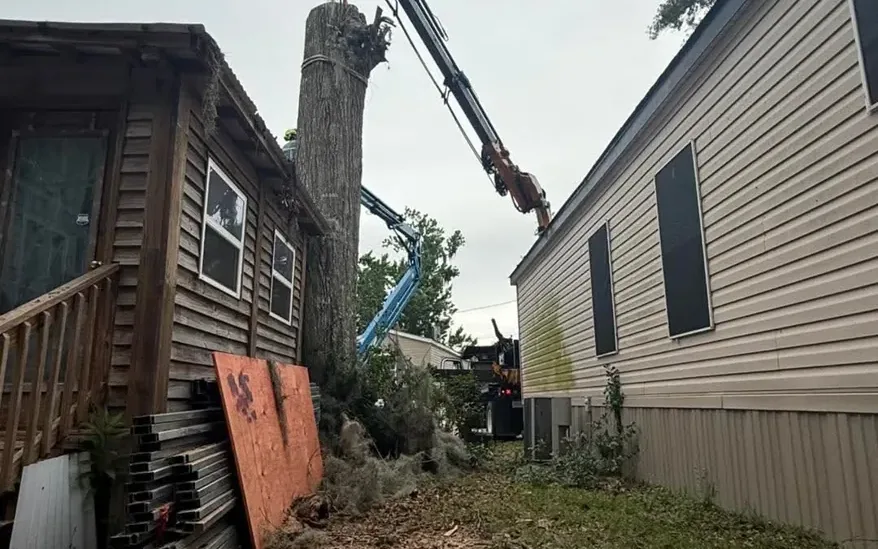
When it is safe to do so, photos showing the whole tree, the damage area, the trunk or root condition and the surrounding property can help establish what happened. During tree removal, additional photos can document how the tree was loaded on the structure and what work was necessary to remove the hazard.
Insurance-related removal: document physical work, not coverage
When a tree strikes a roof, vehicle shelter or fence, document the immediate hazard from a safe position, keep original images and record why access or stabilization was needed. The removal estimate should distinguish emergency protection, tree cutting, removal from the structure, hauling, stump work and later building repair. Do not put an insurer’s coverage decision into a contractor’s scope.
This service page concerns the documentation a tree-work contractor can supply for proposed or completed physical work, such as dated scope descriptions and itemized invoices. It does not determine causation, policy coverage or reimbursement. The linked broader documentation guide explains how a property owner can organize authorization, communications, exclusions, photos and records across the entire claim or maintenance process. Tree Work and Insurance Documentation.
Wide and close photos of the tree, structure, damage and access before work begins.
Separate emergency removal, debris handling, hauling and stump work so the work is clear.
Job-related photos and scope notes can be retained for the property owner or manager.
Tree contractors do not decide insurance coverage
Coverage, deductibles, reimbursement and policy interpretation are determined by the insurance carrier and the policy. Our role is to perform the tree work and document that work accurately, not to promise what an insurer will pay.
Start with the people and the unstable area
A tree resting on a building can affect more than the visible roof damage. Keep people away from the tree and damaged structure while appropriate emergency, utility and building professionals address their responsibilities. If a line is involved, report it to the utility and keep clear. A tree-work request does not replace those calls. Tell Tree Huggers whether the building is occupied, where people are sheltering and whether there is a safe way to reach the property without crossing the affected area.
Describe the situation in plain terms rather than naming a removal method. A trunk across a garage, limbs pressing on a porch and branches scattered on an open lawn are different work scopes. Photos taken from an already safe position can help communicate that difference. Do not climb onto a roof, move a loaded branch or enter a damaged room for a better picture. The contractor needs accurate information, not a close-up obtained at personal risk.
Open a claim conversation without assuming the answer
Contact your insurer or agent and ask what information is needed for the actual event. Have the property address, policy reference, approximate incident time and a brief damage description available. The Louisiana Department of Insurance recovery guidance recommends contacting the insurer, documenting damage and keeping receipts for necessary temporary work. Those steps help organize a claim; they do not establish that every tree-related expense is covered or that a quoted amount will be reimbursed.
Ask the carrier about its inspection needs, applicable limits, deductibles and any instructions for urgent protective work. Record the contact name and the instructions you receive. Tree Huggers can discuss a tree-work scope, but an estimator cannot interpret your policy or promise a claim outcome. Keep the contract and payment terms understandable even if the carrier’s decision is still pending. If the owner needs policy advice or a disputed claim reviewed, use the appropriate licensed insurance or legal professional.

Photograph a sequence rather than an isolated branch
Useful documentation connects the tree, the affected property and the work. Start with a wide view from a safe place that shows where the tree originated and what it contacted. Add available views of the roof, fence, driveway or detached structure involved. Preserve the original files and note who took them and when, if known. A sequence is easier to follow than several close photographs with no explanation of which part of the property they show.
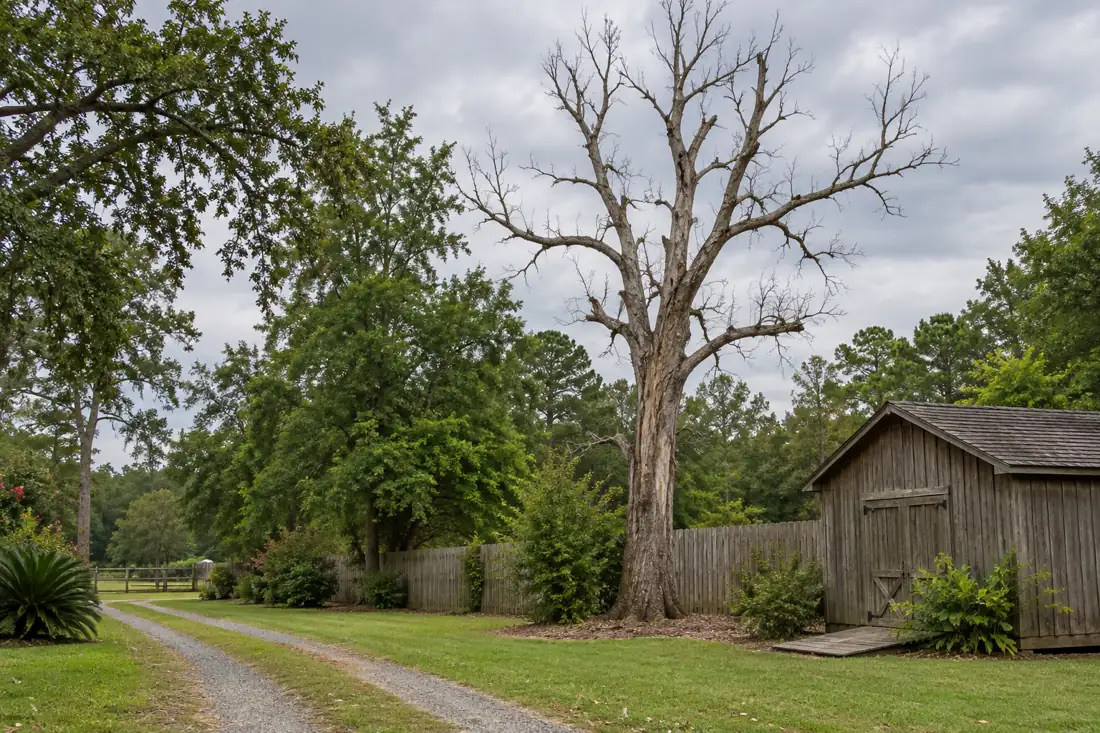
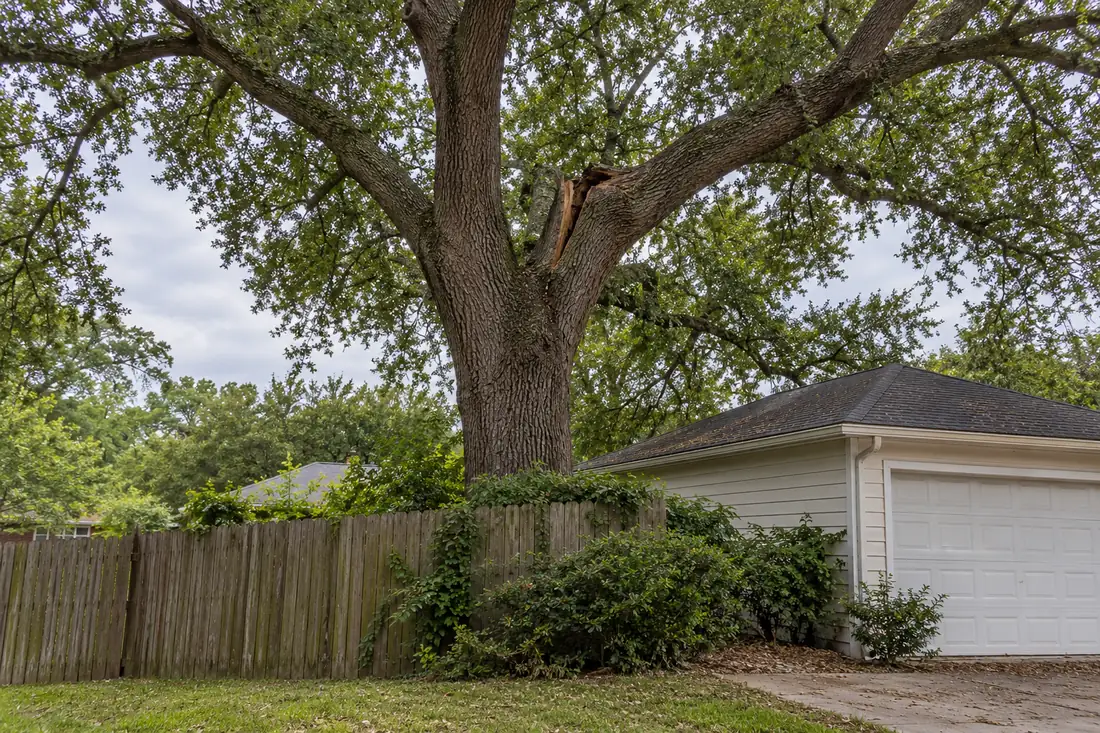
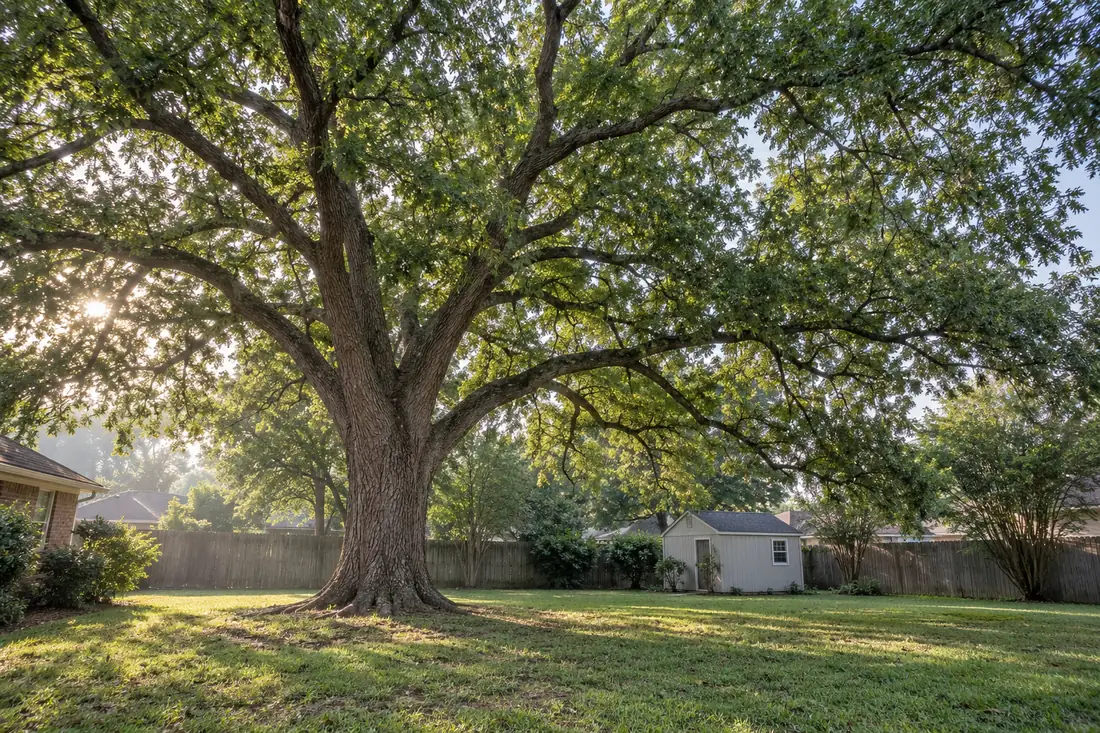
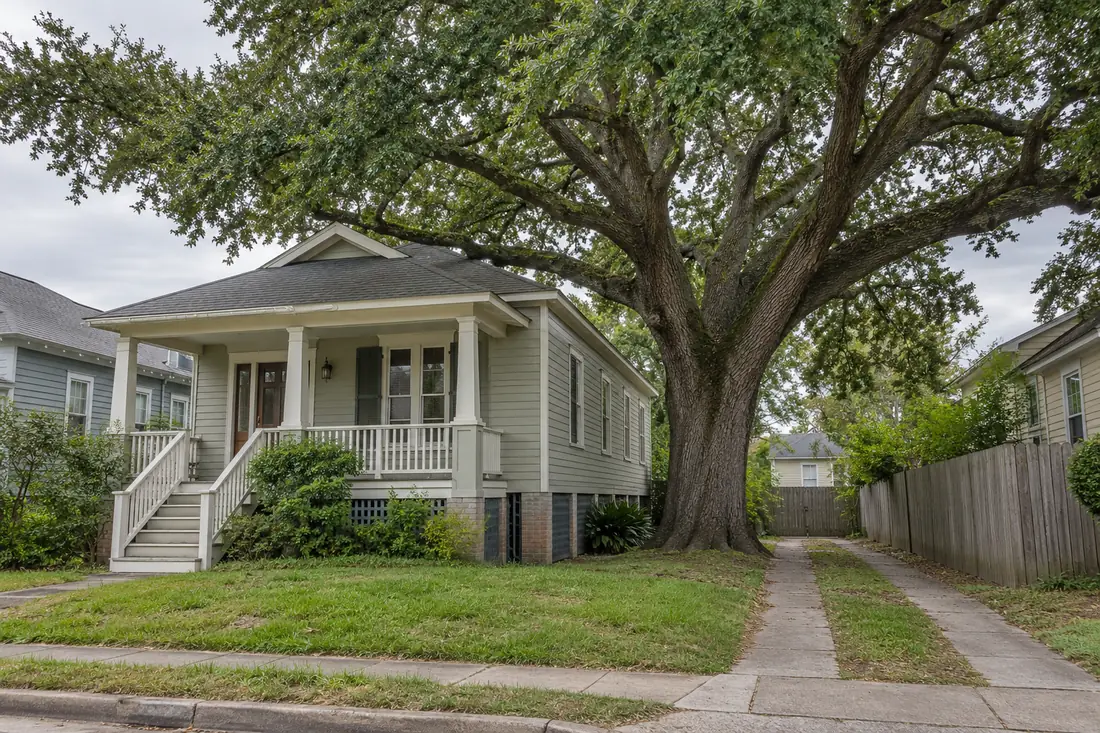
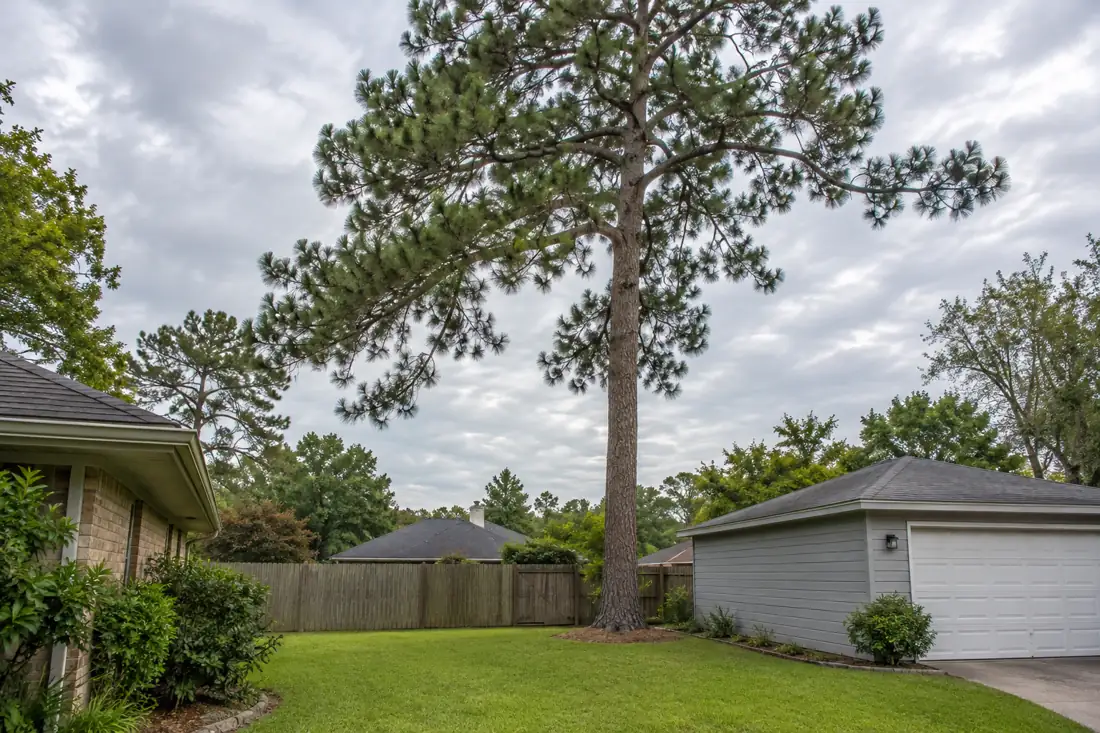
During the estimate, ask what job photographs the contractor expects to retain and what copies can be provided. Record visible conditions honestly; do not rearrange debris to make the event look different. If immediate work prevents a full set of before pictures, explain that gap in the record instead of recreating the scene later. Label customer photographs separately from contractor photographs. Images on this website, including planning illustrations, are not evidence of the condition at your address and should never be submitted as such.
Separate emergency handling from the rest of the cleanup
A clear proposal identifies the immediate tree problem and the tasks included in addressing it. For a tree on a structure, that may mean evaluating access, controlling the affected area, removing the tree material and handling the debris. Stump grinding, unrelated standing trees, landscaping and building repairs should have their own scope lines when relevant. The point is to show what is actually being purchased, rather than treating everything after a storm as one undifferentiated cleanup charge.
Ask how uncertain quantities or newly exposed conditions will be handled. The amount of debris visible from the street may not describe the trunk or material behind the building. If additional work becomes necessary, identify the reason, authorized contact and effect on the agreement. Avoid describing discretionary yard improvements as emergency work. Accurate distinctions help the owner, contractor and anyone reviewing the records understand the invoice without requiring the contractor to make a coverage determination.
Coordinate removal with temporary building protection
Tree removal and building repair can depend on each other, but they are different responsibilities. Ask who controls the site while the tree is being handled and who decides when a roofer or other trade may enter. A temporary tarp, structural evaluation or utility clearance needs the appropriate provider and a safe work sequence. The tree crew should not be presumed to include roof repair simply because a tree is touching the roof.

Insurance records: separate facts from claim conclusions
Useful records distinguish what someone actually observed from what was inferred later. A photograph can show a limb contacting a structure, but it does not by itself prove when or why the tree failed or what an insurer will pay. Keep dates, observations and who supplied them separate.
Where it is safe, capture a wide image showing the tree and affected area before work, followed by close details of the limb, access limits and removal sequence. Never approach hanging branches or power lines merely to obtain a better picture.
Request an itemized description of the work that was actually performed, including sectional dismantling, removing wood from a structure, loading and hauling when applicable. Coverage interpretation belongs to the insurer and policyholder; a contractor’s invoice should document real tasks, not promise claim approval.
Give each provider the current contact information for the owner or manager who can approve decisions. If a tenant, neighbor or absent owner is involved, identify who grants access and who receives updates. Discuss gates, parked vehicles and the route for removing material before the crew arrives. Keep a short record of which trade is handling each task. This prevents a practical handoff from becoming an assumption that someone else has already inspected, authorized or completed work outside the tree contract.
Read an invoice as a record of actual work
An itemized tree-work record should identify the property, service date and work performed. Ask for enough description to connect the invoice with the agreed trees, access limitations and disposal arrangements. Keep the accepted proposal and any authorized changes with it. Where the method or equipment affected the work, request an accurate description of what was used rather than adding equipment names solely because they sound more substantial.
Do not ask a contractor to inflate an amount, describe work that did not occur or change an invoice to fit an assumed coverage category. If an entry is unclear, request a truthful clarification or correction. Separate receipts from other providers, such as the roofer or hauling company, so overlapping charges are visible. A well-organized file is useful even when an insurer requests a different format later. It also gives the owner a clear completion record independent of the claim decision.
Keep the job file useful after the crew leaves
Create one folder for the incident and retain the original proposal, approval messages, change notes, photographs, invoices and payment records. Include the insurer’s claim reference in your own file if one has been issued. An initial tree-service inquiry needs the address, condition and access information; do not send a full policy or other unnecessary private documents merely to request pricing. Ask the company what project information it actually needs.
At handover, compare the tree work with the agreement. Note remaining stump work, retained wood, unresolved access restoration and any separate building tasks. Tell the insurer about the actual completed work through its requested process. A contractor’s completion note does not close the insurance claim, certify a damaged building for occupancy or determine responsibility between neighbors. Keeping those outcomes separate makes follow-up more accurate and reduces the chance that a useful tree-work document will be read as a promise it never made.
Request a documented scope for this property
For Tree Huggers, send the address, safe wide photographs, a description of what the tree is contacting and any urgent access restriction. Explain whether you need immediate availability reviewed or a scheduled estimate. If the carrier has asked for a particular description of the tree work, share that request so the company can say what it can document. Confirm who can accept the scope and how that person can be reached during the job.
You can start with tree-on-house removal or storm-damage service, depending on the condition. Ask about the finished state of the property, not just getting the tree off the roof. Confirm disposal, stump exclusions and the handoff to other trades. For active danger, call for current availability and use appropriate emergency services as needed; an online form does not confirm dispatch. The goal is a controlled tree-work plan with records that describe what really happened.
Insurance Tree Removal Documentation questions
Will Tree Huggers decide whether my policy covers removal?
No. Tree Huggers can describe and document its tree work. Your insurer and policy determine coverage, limits and deductibles.
Should I wait for photos before reporting a dangerous tree?
No. Keep clear and contact the appropriate emergency or utility services when needed. Take photographs only from a safe position.
What should my first tree-service message include?
Send the address, what the tree is touching, safe wide photos, access restrictions and a contact who can authorize the work.
Does removing a tree from a roof include roof repair?
Only work expressly included in the agreement is included. Coordinate roofing, structural review and temporary protection with the appropriate providers.
Can you guarantee that an invoice will be reimbursed?
No. A truthful itemized invoice supports the work record, but reimbursement remains subject to the carrier’s review and the policy.
What if the insurer asks for more detail?
Share the specific request. Ask the contractor for an accurate clarification of the work performed, without changing facts or adding unperformed tasks.
Should stump grinding be listed separately?
Yes, when it is part of the project. Clarify grinding, chip handling and restoration separately from immediate tree removal.
Are website planning pictures claim evidence?
No. They do not document your property. Use actual incident and job photographs with their original context.
Do I need to send my entire policy for an estimate?
No. Begin with the property and tree condition. Provide only the information the contractor needs for its scope and records.
Can a tenant arrange access for an absent owner?
Explain the arrangement and confirm who has authority to approve the work, charges and changes before scheduling.
Does the tree invoice establish that a building is safe?
No. Building condition and occupancy questions require the appropriate qualified professionals and authorities.
What should I retain when the job is finished?
Keep the scope, authorized changes, actual photos, invoice, payment record and notes on separately assigned or unfinished tasks.
Let’s plan your tree work.
Send the property address, safe tree photos and the result you need. Include access restrictions and the person who can approve the work.