Big trees magnify every site constraint
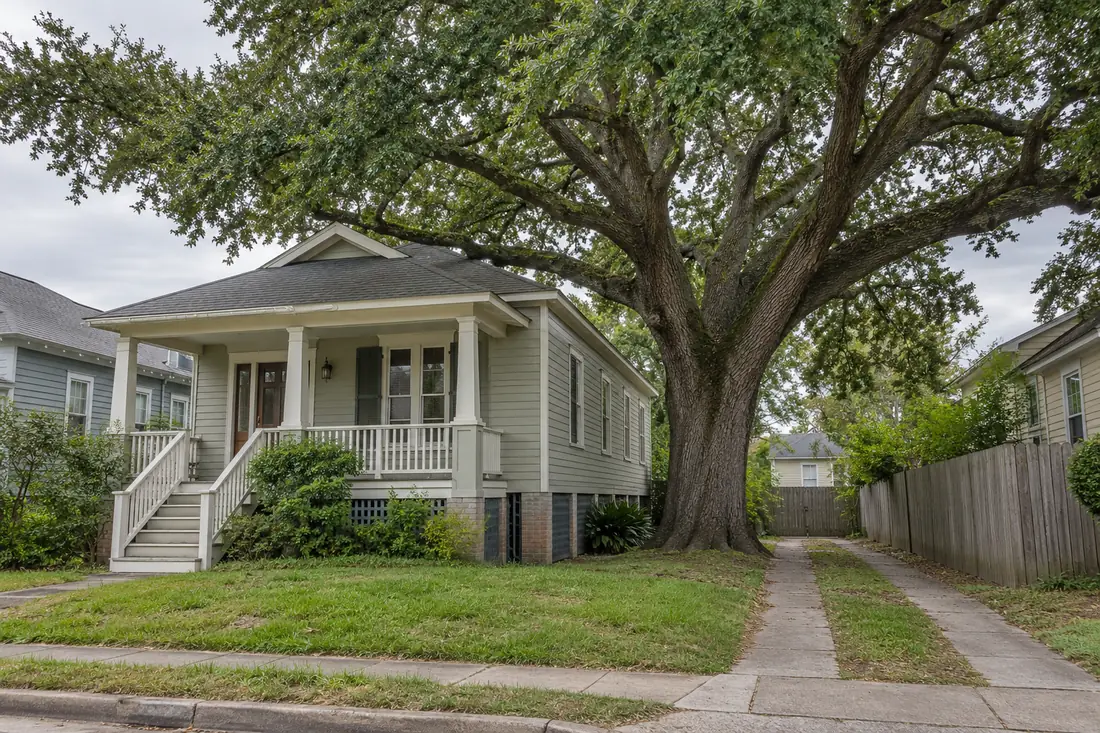
A mature tree can span multiple roofs, yards or drive lanes. Large limbs may weigh thousands of pounds and require careful handling around targets. Access, setup, reach, ground conditions and debris flow become as important as the cutting itself.
Separate the removal sequence from the final cleanup promise
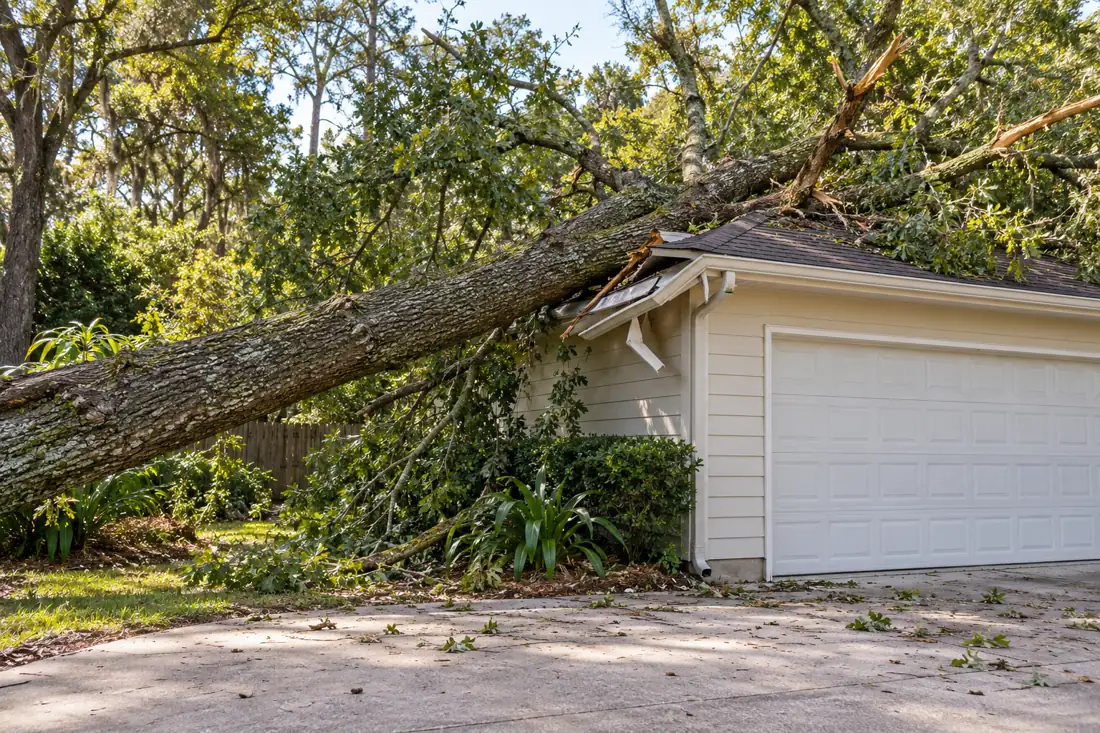
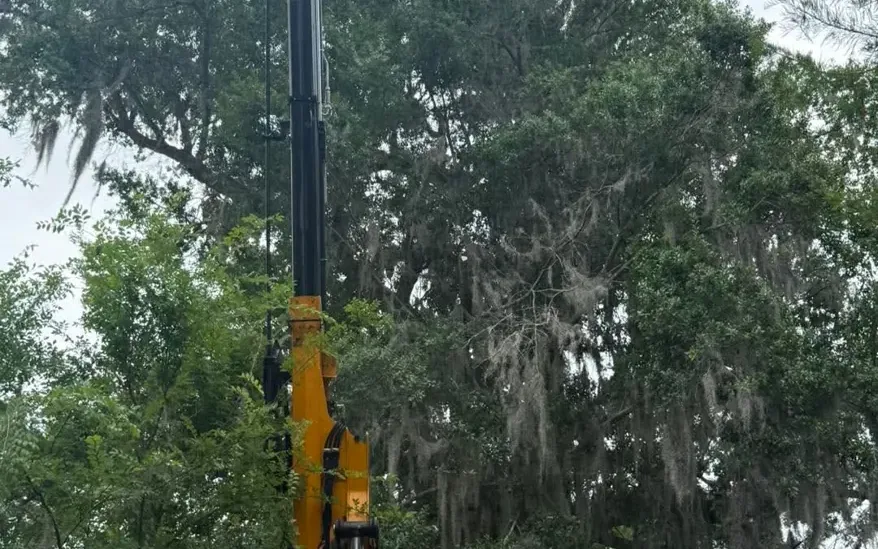
Large tree removal can require several controlled steps rather than one directional cut. Branch weight, lean, internal decay, nearby structures and the available drop zone influence whether rigging, climbing, a lift or a crane is appropriate. Before work begins, identify where pieces can be lowered and what must be protected below them. Discuss service lines, buried utilities, fences, neighboring property and equipment entry. If a tree is visibly compromised, stay clear of the potential fall area while qualified personnel assess it.
Make the written scope explicit about the entire trunk, limbs, brush, wood hauling, stump treatment and final grading. Removing a tree does not automatically include grinding its stump or repairing turf where equipment crossed the yard. If wood will be left for the owner, specify manageable sizes and a safe placement location. Ask how unexpected structural conditions will be communicated and authorized without treating a provisional estimate as an unconditional guarantee of the method.
Site planning detail: Large tree removal is a sequence of controlled decisions, not simply cutting a tall trunk into pieces. Important planning facts include the crown’s reach, lean, visible decay, rigging anchors, work-zone footprint and the room available for lowering sections. The presence of a roof, fence, swimming pool, overhead service or narrow access can determine whether equipment is practical. Ask the estimator to distinguish the tree-removal scope from the stump, hauling, temporary traffic control and surface restoration.
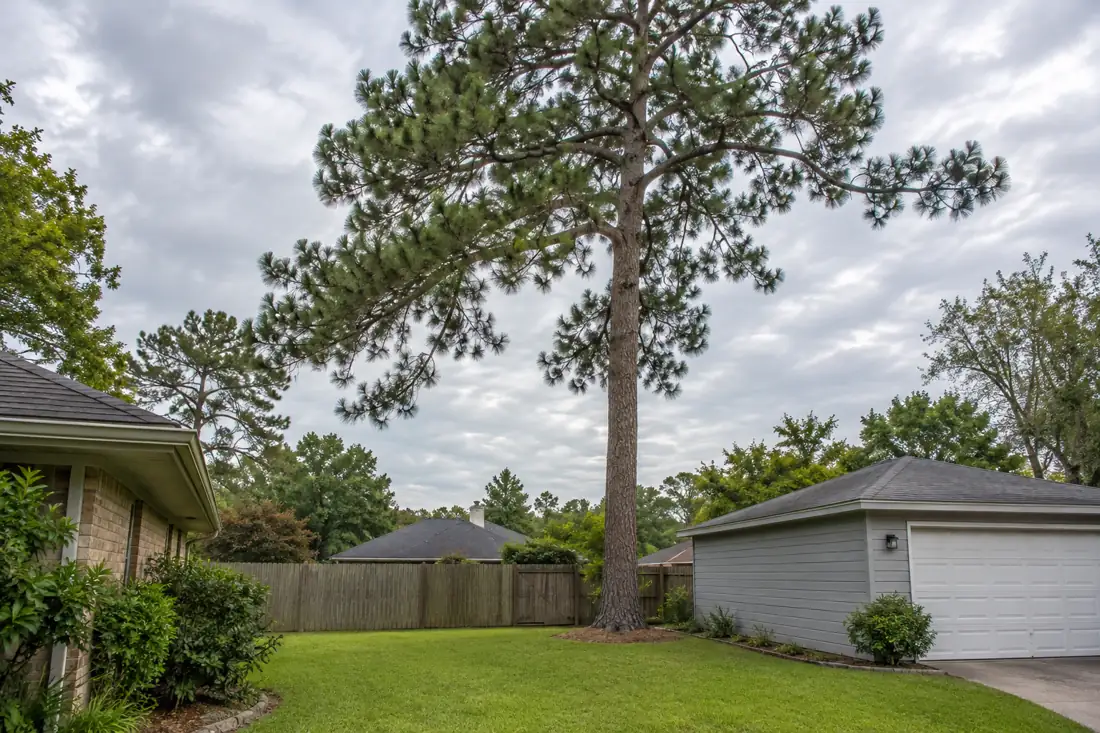
Keep people and vehicles away from a dangerous tree until a professional has evaluated it. Photos are most useful when they show the whole tree and the relationship to structures, without requiring anyone to stand below unstable limbs. No method or timeline should be promised solely from the tree’s height.
Identify buildings, fences, utilities, roads and landing or processing areas.
Use climbing, rigging, crane or mechanized methods based on control and production needs.
Reduce the tree deliberately and keep debris movement organized.
Large does not automatically mean remove
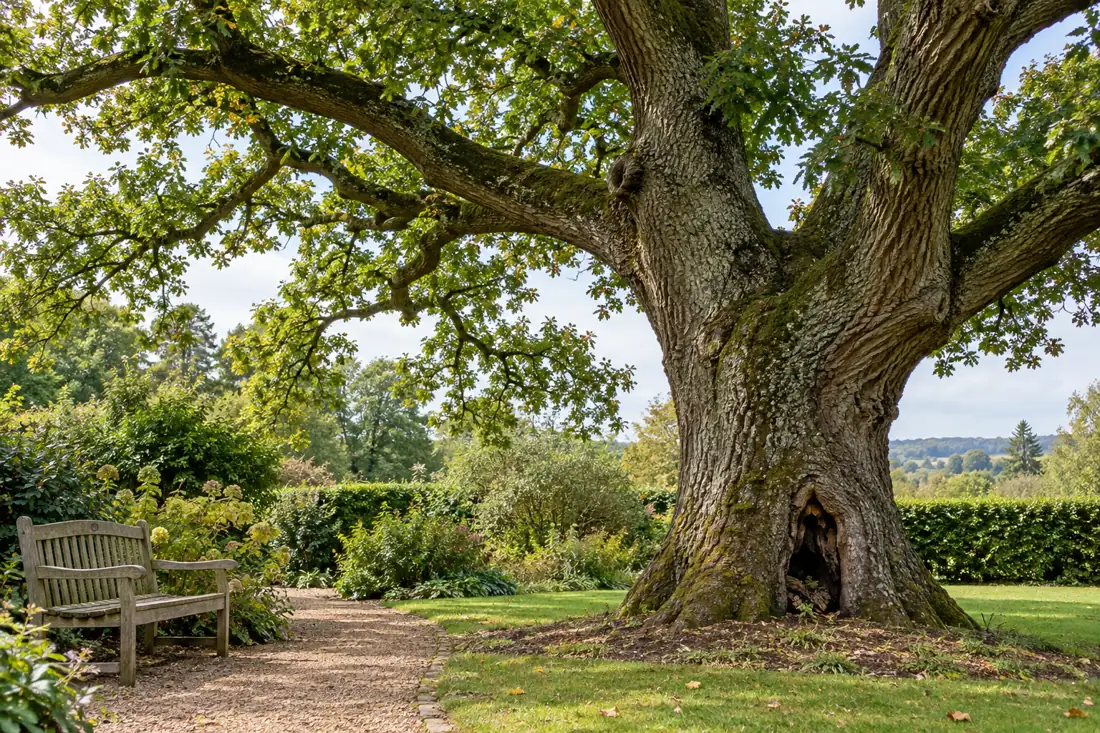
Some mature trees can be preserved through pruning, support or health care. Removal is more likely when structural defects, severe decline, site conflicts or unacceptable risk make long-term preservation impractical.
Related services
Describe the canopy’s reach across the property
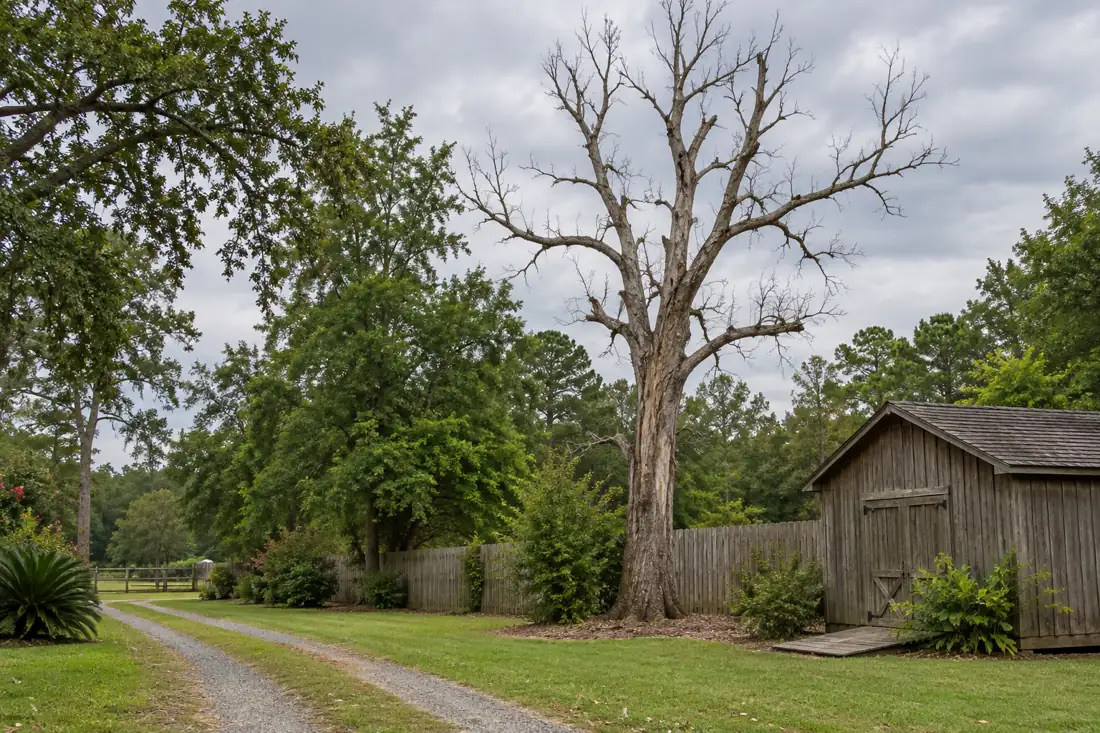
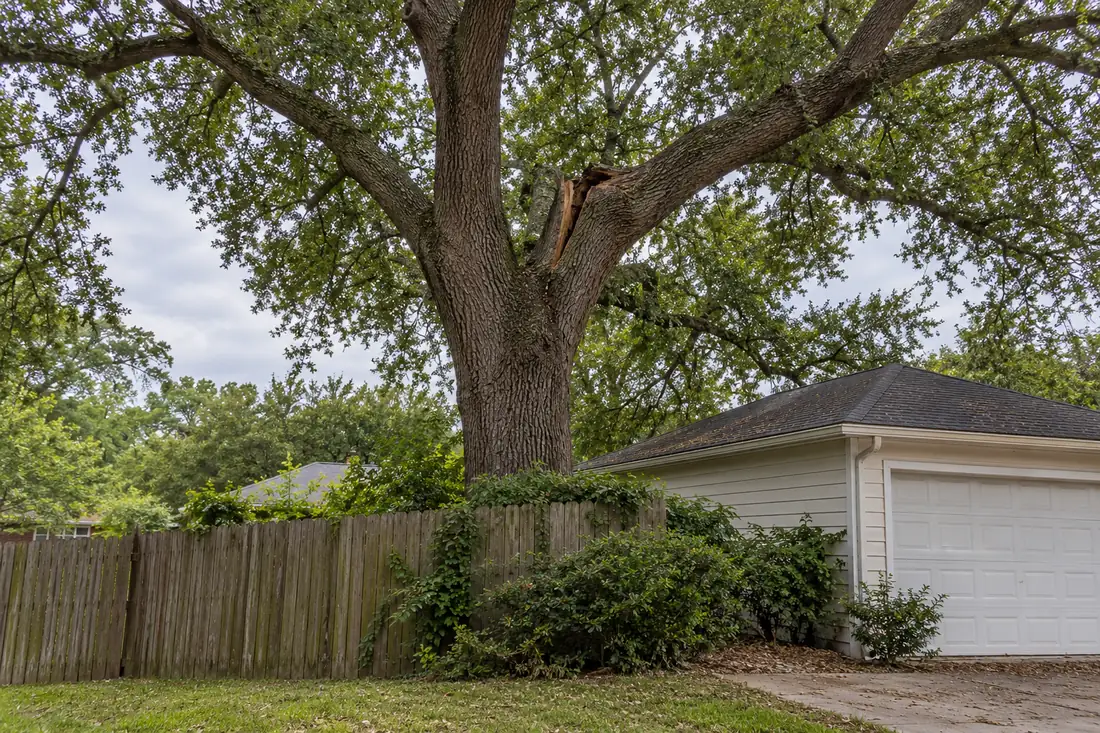
A large tree can affect more than the patch of ground around its trunk. Branches may extend over a house, a neighbor’s yard, a shed and the route vehicles use to reach the rear of the property. Photograph those relationships from safe positions. The estimator needs to understand the tree as it sits within the property, not just recognize its size in a close photograph.
Identify the areas beneath the canopy that are occupied or difficult to clear. A garden bed, covered patio, pool enclosure or work entrance may influence the handling discussion. Tell Tree Huggers what matters most to you and which fixed features must remain. That gives a large-removal inquiry a practical starting point instead of reducing the job to trunk diameter alone.
Be clear about why removal is being considered
Some owners are responding to a failure or a changed condition. Others are planning an addition, resolving a repeated building conflict or deciding whether continued tree care fits the property. Explain the reason, the history you know and any assessment already obtained. The recommendation and work scope should respond to that particular situation rather than assume size is itself the problem.
If retaining the tree is still a goal, say so before requesting a final removal price. A discussion about tree assessment, selective pruning or preservation may be relevant to the decision. The removal page helps you prepare for an estimate; it cannot establish the condition or future behavior of a specific tree from a distant description.
A complete tree list matters on a mature property
Large properties may contain a mixture of trees to remove, trees to retain and trees that need a separate assessment. Use a simple marked photograph or site list with consistent names. Include nearby trees you want protected so the intended boundary of the work is visible. “Clear the back” can otherwise mean quite different things to the owner and contractor.
For a shared boundary or a property managed on behalf of someone else, clarify who can authorize the work. The person opening the gate may not be the person who can approve removal or changes. Resolve the identification and authorization questions before scheduling equipment, especially if branches cross into an adjoining property or another party controls part of the access route.

Plan the route for both equipment and material
An approach that reaches the trunk may still be awkward for moving the volume of wood and branches a large tree produces. Show the street, entrance, turns, ground surfaces and space available for processing or loading. Explain what can be moved and where material cannot be placed. These details can affect the proposed method and the sequence of the work.
Ask how the handling route fits the removal scope. A confined passage, a shared driveway or a busy commercial entrance may require coordination beyond the cutting phase. Do not assume a particular truck or attachment can use a route based on one measurement. Tree Huggers needs the continuous approach and the working space in context before confirming equipment suitability.
Large sections require a method chosen for the site
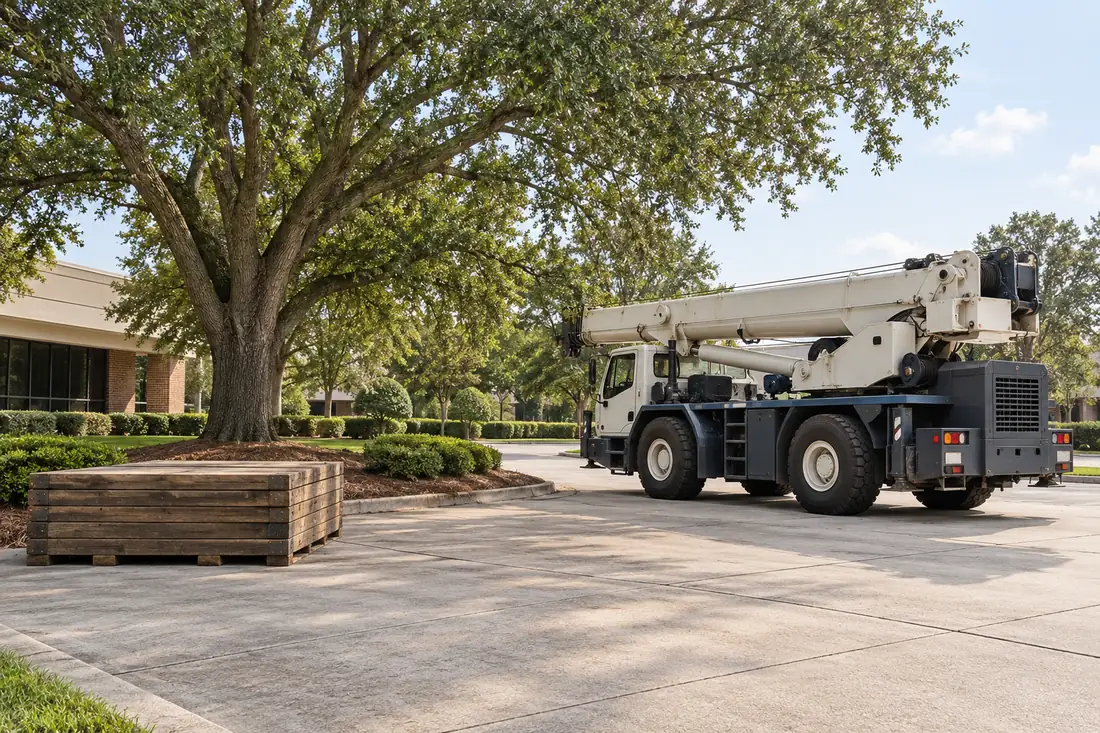
Customers often hear about cranes, grapple equipment and conventional rigging when discussing a mature tree. These are options to evaluate, not labels that make different proposals automatically equivalent. Ask why the proposed approach fits the targets, access and condition. You do not need to design the cut sequence or estimate loads to understand the customer scope.
The crane-assisted removal and remote-controlled work pages explain the kinds of setup questions involved. A large tree may call for a combination of methods. Keep the discussion connected to the complete result, including material processing and hauling, rather than selecting equipment solely because it appears impressive in another project photograph.
Explain what the property can accommodate during work
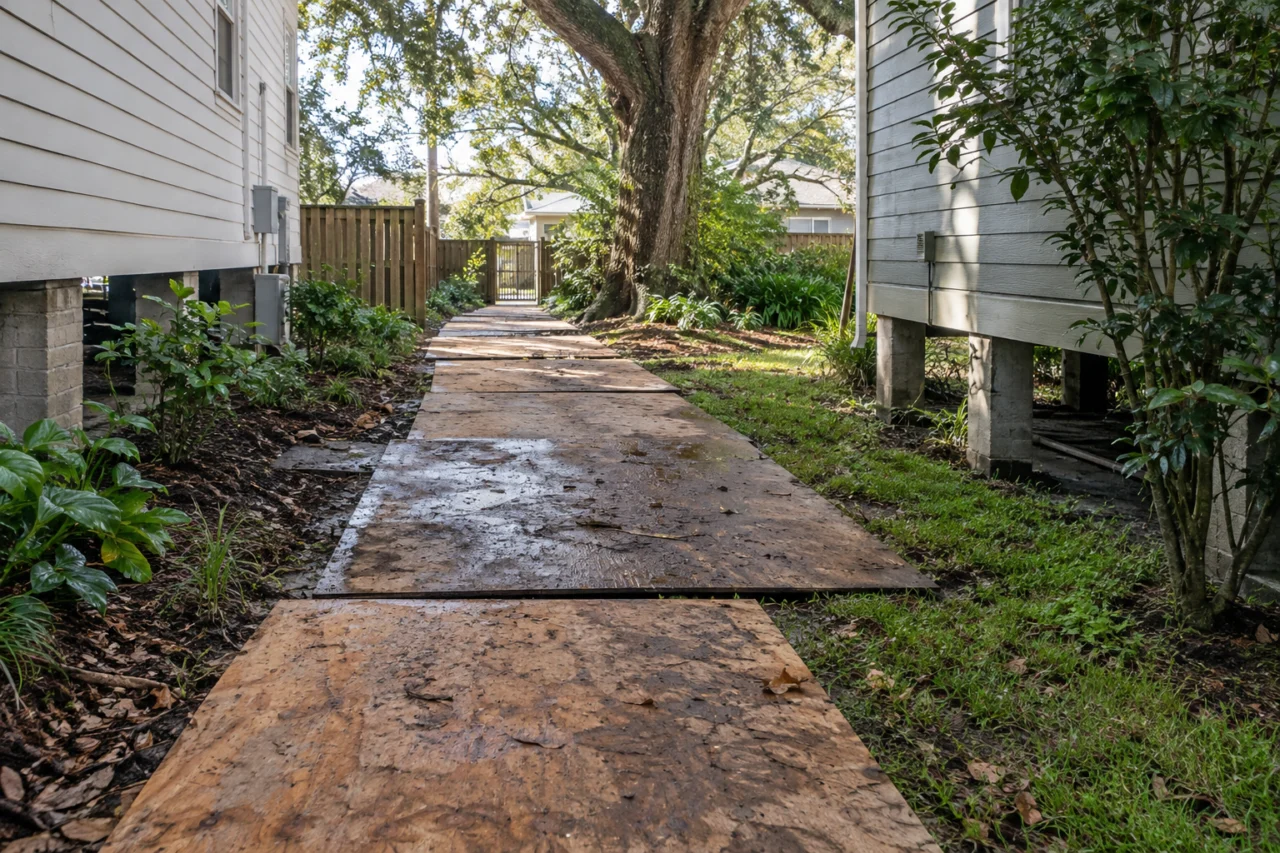
A removal can affect vehicle movement, access to buildings and the use of outdoor space. Tell the estimator about residents, pets, visitors and any time-sensitive activity. On a business property, include delivery routes, tenants, customer entrances and the contact responsible for site coordination. The work window should account for those constraints before it is confirmed.
Ask which portable items need to move and which areas must be kept clear under the agreed arrangement. If access changes after the estimate, report it early. New storage, parked vehicles, another trade’s equipment or altered ground conditions can change the plan. An owner should not have to guess how a large operation will fit around ordinary property use on the day of the visit.
Wood retention needs a more specific instruction than “leave it”
If you want some wood kept, identify what you want and where it should be placed. Ask whether the requested piece size or processing is included. Keeping logs does not automatically include splitting, stacking or preparing every piece for a later use. A large removal can produce enough material that the placement decision meaningfully affects the rest of the property.
If material is to be hauled, confirm which logs, branches and other agreed debris are included. The cleanup scope should also distinguish existing piles from material created by this removal. A clear destination and finish make the proposal easier to compare and prevent the owner from discovering at handover that a much larger amount of wood was intended to remain.
The stump is a separate decision about the next use
Tell Tree Huggers whether the area will become lawn, planting space, a path or part of another project. That intended use helps define the stump-treatment discussion. Removing a large standing tree does not automatically mean excavating every root, hauling grindings or preparing a building footprint. Those tasks need the appropriate agreed scope.
If another contractor follows, obtain that contractor’s actual preparation requirement before accepting a general finish description. Ask what the tree-work visit leaves and who handles soil, sod or separate restoration. Planning that sequence early is more useful than trying to convert a completed removal into a different ground-preparation project after the equipment has left.
Review the assumptions behind price and timing
A meaningful large-tree estimate should identify the tree, work objective, access assumptions, material destination and finish. Ask which preparation or coordination tasks belong to the owner and how changes will be authorized. If a dependency is unresolved, keep it visible rather than treating a preferred date as a confirmed work appointment.
Explain deadlines such as a closing, construction start or property turnover when requesting the estimate. Tree Huggers can discuss feasibility and availability, but the schedule still needs direct confirmation. Report a changed tree condition while waiting. A new failure, contact with a structure or another significant change should not be assumed covered by the original photographs and work plan.
Complete the job against the original project objective
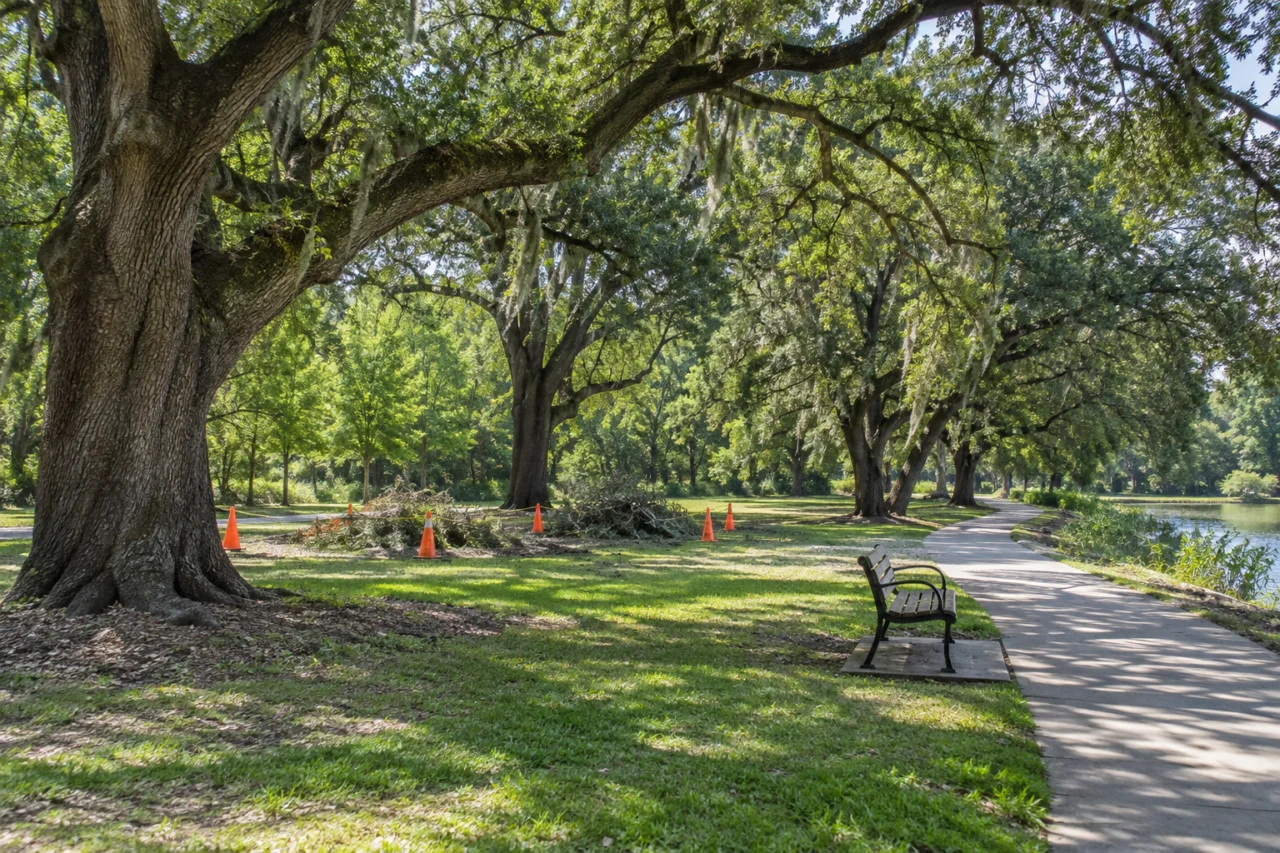
Use the identified tree list and agreed finish for the completion review. Check the included debris handling, retained wood placement, stump treatment and any temporary access opening. If the owner is absent, arrange a knowledgeable property contact and an appropriate record of the result. Describe remaining items by location and task so follow-up is clear.
To begin a large-tree estimate in Greater New Orleans, call or text Tree Huggers at 504-458-8336. Include the address, whole-tree and canopy views, nearby targets and the route from the street. Explain why removal is being considered and what you need afterward. The company can then discuss the assessment, proposed scope and next scheduling step.
Large-tree removal: map targets and material movement
A mature tree’s wide canopy can extend across roofs, driveways, sidewalks and neighboring property. Photograph the full canopy and trunk base, then show the equipment approach from a safe position. Tell the estimator about septic features, valued planting, private paving and anything that cannot be relocated.
Explain why removal is being considered. Construction conflicts, a documented condition concern and a preference for more sunlight are different decisions. When retention matters, request an appropriate review or discuss targeted pruning. A large tree is not automatically an unsafe tree.
Ask how large logs will be sectioned, staged, hauled or left by agreement. Define each tree, crew access, protected features, grinding options and known exclusions. A proposed route across a neighbor’s land requires permission rather than an assumption. The crane guide may help compare handling options around occupied structures.
Three details to settle before an estimate
- Show crown and nearby targets
- State the reason for removal and retention goal
- Name log, stump and access finish
Large Tree Removal questions
Is trunk diameter enough to price a large removal?
No. The canopy, condition, nearby targets, access and material handling also affect the scope. Send safe wide views and explain the desired finish so the estimator can understand the whole project.
Does an unusually large tree have to be removed?
Not solely because of size. Explain why removal is being considered and whether retaining the tree remains a goal. Ask what assessment or care discussion is appropriate for the actual condition.
What if the canopy crosses several yards?
Show the relationships in photographs and explain the relevant ownership and access arrangements. The included tree and authority to approve work need to be clear before a removal is scheduled.
Should nearby retained trees be included in the site information?
Yes. Identify the trees and landscape features you want retained so the contractor can understand work boundaries, targets and the route material may need to take through the property.
Can I choose the removal machine before an assessment?
Start with the tree and constraints. Ask why an equipment or mixed-method proposal fits your site rather than assuming one machine is necessary because the tree is large.
How should I describe wood I want to keep?
Specify the material, placement and any required piece size. Ask what processing is included; keeping wood does not automatically include splitting, stacking or preparing every piece for use.
Will large-tree removal include existing debris piles?
Only as agreed. Distinguish existing material from debris created by the proposed removal so hauling and cleanup expectations are clear when estimates are compared.
Is the stump always dealt with during the removal visit?
Not necessarily. Confirm the stump scope, treatment, material handling and sequence. Tree removal and grinding may involve different equipment or appointments and should be discussed before acceptance.
What should a builder tell the tree contractor?
Provide the actual tree identification, work boundary, access restrictions and required handover condition. Construction preparation may need a different scope from a general tree-removal and grinding request.
Can residents use the yard during removal?
Ask about the work-area and access arrangement. Tell the contractor about occupants, pets and essential routes so property use can be coordinated rather than improvised during the visit.
What happens if the site changes after the estimate?
Report changed access, ground conditions, added obstacles or new tree damage before work. The contractor may need to review the method, scope or schedule against the actual current conditions.
How do I request a large-tree estimate?
Call or text 504-458-8336 with the address, safe whole-tree views, canopy targets, access photographs and the intended finish. Confirm assessment, scope and the work window directly with Tree Huggers.
Talk to Tree Huggers
Get a clear estimate for your tree work.
Text the property address, a wide photo of the tree, and what you want done. We’ll talk through access and next steps.