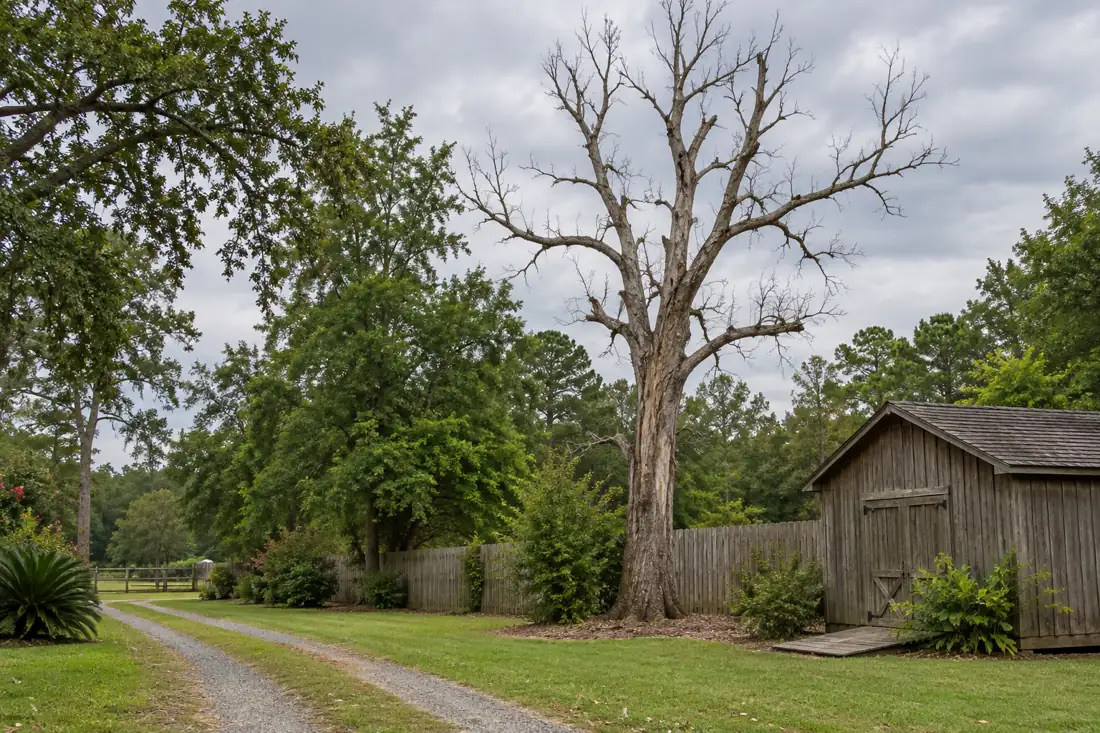
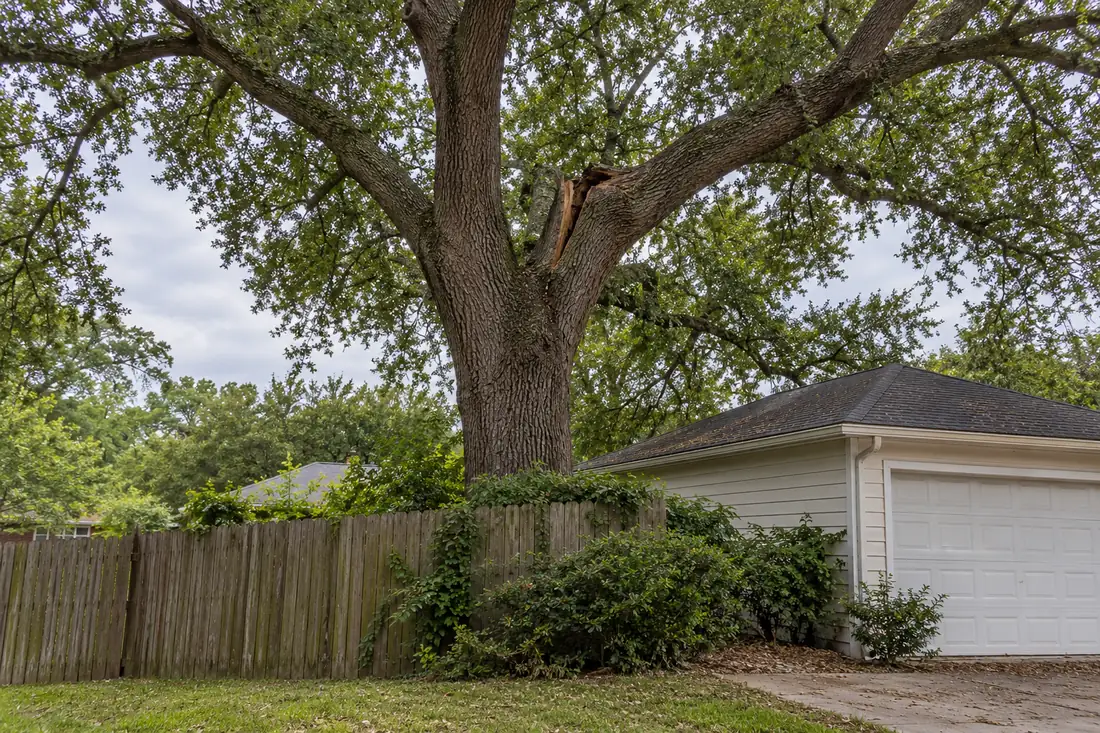
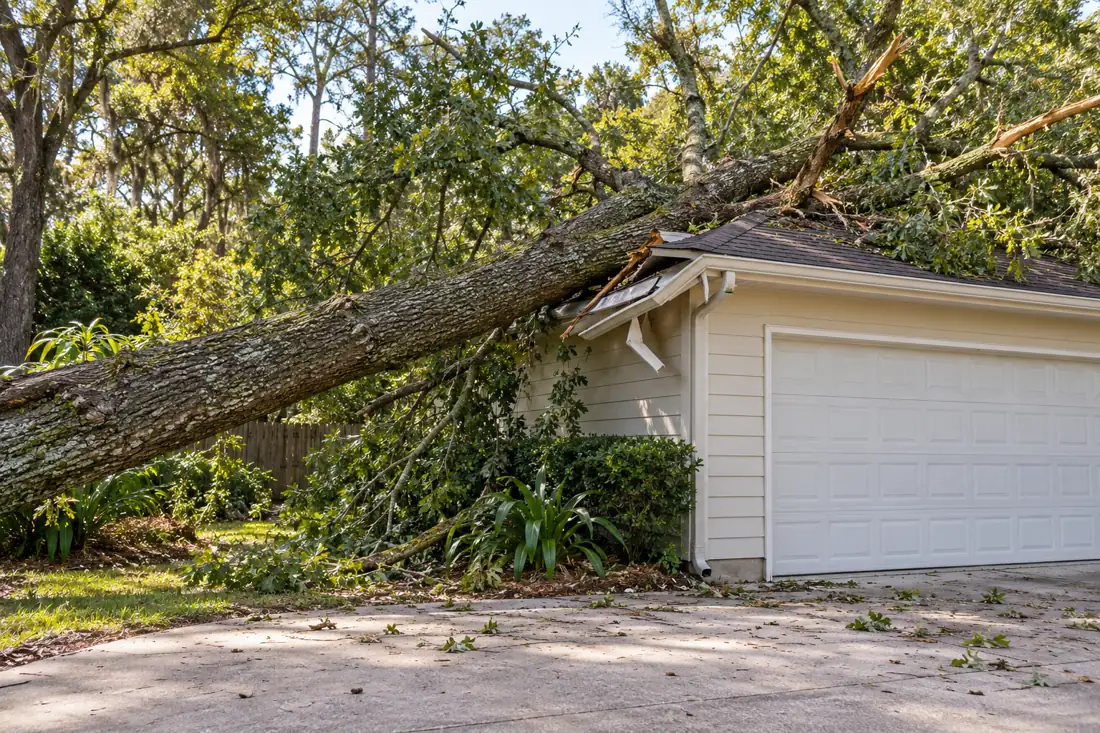
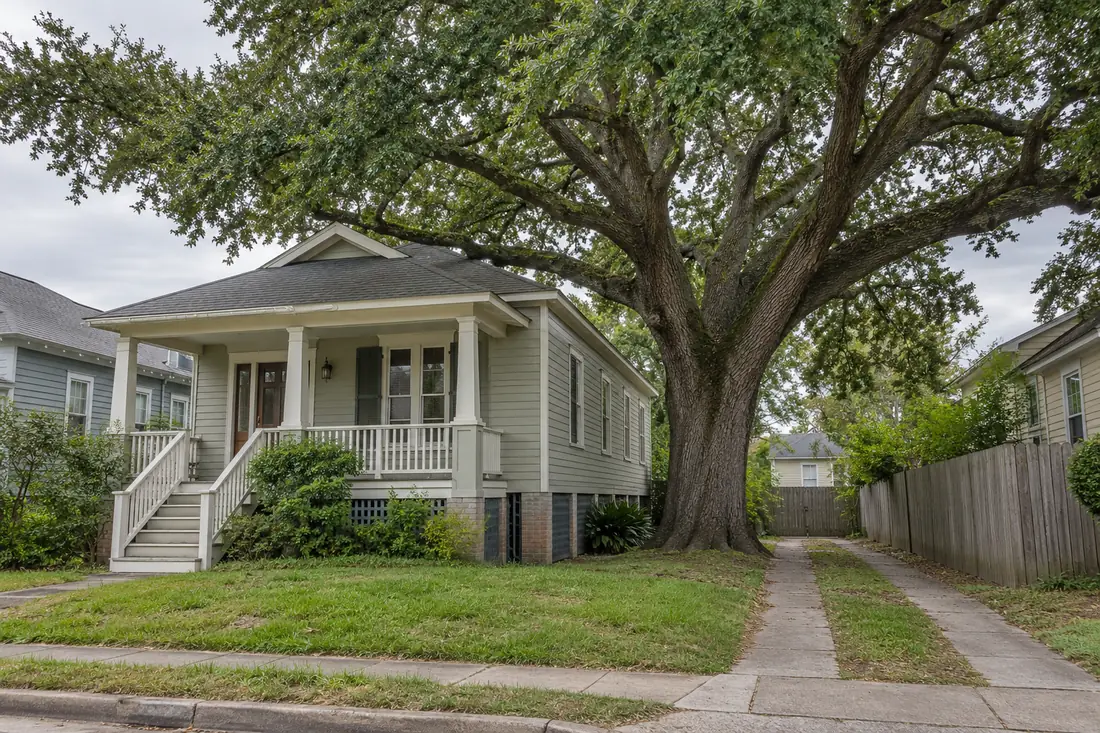
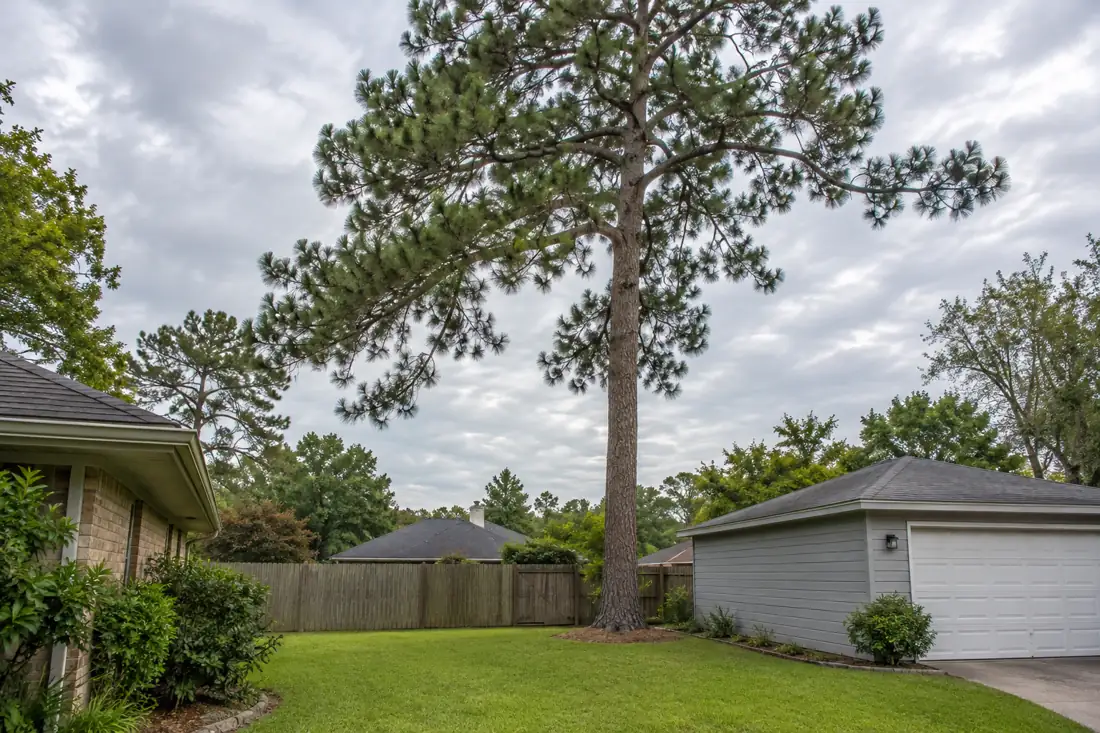
A yard that appears open may contain a septic tank, drain field or related piping. Heavy equipment must be planned around those features rather than routed across them by assumption. Give the contractor the available system information and identify any uncertain areas. Tree removal, root work and septic repairs should be scoped separately.
Locate the septic tank, inspection covers, distribution lines and drain-field area from existing service records or a qualified septic professional, not from the apparent position of the lawn. Supply the tree estimator with a marked plan and flag any uncertainty. Heavy equipment, outriggers, log piles or repeated wheel traffic can damage buried components even when the grass looks firm. Tank lids and lateral lines may not tolerate a shortcut through the yard.
Ask the contractor to propose an access and material-handling route that avoids known system components. When locations are uncertain, resolve them with the appropriate professional before committing to a machine position or root excavation. A tree removal quote should identify any stump work separately; stump grinding close to a drain field has additional underground risks. Do not assume visible roots indicate where the plumbing runs, and avoid do-it-yourself digging to check.
Identify the tank, access lids, distribution box, laterals, drain field and any recent septic repairs using available records and qualified on-site verification. A green patch of lawn does not prove that soil can bear a vehicle or heavy logs; crossing a drain field can damage buried pipes or compact treatment soil.
Show the layout to the tree estimator and compare it with proposed access, rigging anchors and debris collection locations. Do not mark a system as clear from a diagram alone if the actual installation may differ.
Define exclusion zones and make them visible to the crew. If work must happen close to a tank or absorption area, arrange a septic professional's input on allowable loads and protection. Do not excavate suspected components or remove roots close to pipes without assessing potential system damage.
Confirm how brush and chips will leave the area and how the site will be checked afterward for depressed soil, broken lids, surfacing effluent or changes in drainage. Tree removal is not a substitute for repairing a septic system.

Distinguish the Tank, Drain Field, and Distribution Lines
A septic system is a connected layout, not just a tank in the yard. Wastewater moves from the house into a tank, then through an outlet and distribution components toward buried drain-field lines. The lines rely on surrounding soil to accept and treat effluent; compacting or rutting that soil can affect performance even when a pipe is not visibly broken. Ask the septic contractor to identify the tank, access lids, outlet route, distribution box if present, field boundaries, and any known reserve area on a site sketch.
Confirm what the marks mean before anyone moves brush, sets down logs, or brings in a vehicle. Locate marks may identify approximate routes rather than exact pipe edges, and the system may include branches or later additions absent from old plans. Ask the contractor what clearance is needed for the proposed tree and stump work, and whether any component needs to be exposed or inspected first.
A clear map lets the tree crew plan where to stand, carry material, and stage tools without assuming that unmarked ground can bear traffic.
Treat septic infrastructure as a protected underground zone. A septic tank, drainfield or buried pipe may be closer to tree roots than surface clues suggest. Before scheduling equipment, locate system records and identify access lids, known tank boundaries and drainfield areas for the estimator. Heavy machinery, staged logs and even concentrated foot traffic can be inappropriate over sensitive parts of the system. Confirm travel routes, allowable grinding areas and debris locations. If the system boundary remains uncertain, obtain specialized locating advice rather than assuming grass means firm ground.
Map the underground system before anyone chooses a cut zone
The visible tank cover, if any, is not a complete map of a septic system. A tree-removal plan should account for the tank, distribution piping, drain field and any access or repair areas. Locate the system with reliable records or qualified septic assistance rather than assuming the footprint from the direction of the driveway. Protect the identified area from machinery and stored logs.
Root interaction with a septic system does not establish that removing a tree will repair a blocked or damaged component. Coordinate any needed septic evaluation separately from the arboricultural decision. Ask the tree contractor to describe alternate equipment routes and where ground pressure or lowering of trunk sections must be controlled.

Tree Removal Around a Septic System: Start With the Site Map
Before requesting a removal plan, gather whatever records exist for the septic system: permits, installation sketches, inspection notes, repair invoices, and closing documents. In southeast Louisiana, older homes may have systems whose locations were never accurately recorded or whose layouts changed after repairs. Mark confirmed information separately from estimates. A tank lid visible in the yard does not reveal the full drain field, distribution lines, or reserve area, so do not treat open-looking ground nearby as a safe route for workers or equipment.
Walk the property with the records in hand and note landmarks that can be checked later: cleanouts, plumbing exits, depressions, unusually green strips, inspection ports, and areas where the ground stays wet. These clues can help a septic professional narrow the search, but none proves where a buried component lies.
Ask who will locate and mark the system before tree work is scheduled, and how those marks will be kept visible. The first project decision is whether the system is known well enough to plan around, or needs evaluation before removal.
Read the Ground for Bearing and Drainage Conditions
Soil bearing capacity matters because a machine can damage a system without driving directly across a tank or pipe. Southeast Louisiana yards commonly include soft, fine-textured soils, shallow groundwater, and low areas that hold water after heavy rain. A vehicle’s tires or tracks can compress wet soil, create ruts, shift shallow components, or change surface drainage toward the field.
Look for recent ponding, soft footing, cracked ground, and wheel marks, then tell both professionals what you have observed rather than deciding that dry-looking grass means firm support.
Ask the septic contractor and tree service to consider the site’s condition on the actual work date, not only during an earlier visit. Clarify whether the plan depends on equipment operating from a driveway or another verified firm area, and what will happen if rain softens the route.
Do not approve mats, boards, or a chosen vehicle as automatically protective; their usefulness depends on the soil, loads, and system layout. If a route cannot be evaluated safely, postpone the work or revise the method instead of testing the ground with a loaded machine.

Consider How Roots Interact With Septic Components
Roots seek moisture and oxygen, so leaks, joints, and consistently damp soil can attract growth. Roots may enter a compromised pipe or interfere with a component, but a tree standing near the field does not by itself establish that roots have damaged the system. Root spread varies with species, age, soil, water availability, and barriers. Ask a septic professional to distinguish observed system symptoms from assumptions based only on proximity. Slow drains, odors, unusually wet patches, or lush linear growth deserve evaluation, but they can have causes other than tree roots.
Removing a tree stops future growth from that tree, but it does not pull every existing root out of the soil or repair a line that is already impaired. Conversely, aggressive digging to chase roots can create more disturbance than leaving buried roots to decay naturally.
Before choosing a removal and stump plan, ask whether the contractor has evidence of root intrusion, which component is affected, and what inspection method is appropriate. Decide on work based on the system’s condition and the tree’s risk, not on a promise that removal alone will solve a septic problem.
Use a septic-system map to reject unsafe equipment routes early
The first useful question is not how large the tree is but where the septic tank, distribution box, drain field and connecting lines are located. Ask for available installation drawings or service records, and tell the tree estimator clearly when a component's location is uncertain.
A lawn that feels firm underfoot does not establish that it can take heavy vehicle loads; settlement or damage can occur below the surface. Do not attempt to locate a buried system with guesswork or by driving equipment over suspected features. If the proposed machine route crosses that area, pause the route decision and obtain input from the appropriate septic professional.
Any alternative route must be evaluated for its own gates, slopes, utilities and property permissions.
Tree removal and root or stump work have separate consequences near a septic system. Cutting down a leaning tree might be necessary while aggressive root excavation could disturb buried components. Ask the contractor to specify whether the quoted work stops at a safe stump height, includes surface grinding, or proposes deeper excavation.
Those choices should be coordinated with the system specialist where proximity is material. Photograph accessible covers and nearby fixed reference points without opening or entering equipment. Request a written equipment exclusion area and confirm where logs and brush will be staged so that the crew does not inadvertently load the drain field during cleanup. If the work scope changes onsite, agree on the protection plan before continuing.
Get a Septic Evaluation Before Finalizing the Tree Plan
Bring the proposed tree location, trunk size, likely fall direction, access route, and intended stump treatment to a licensed or otherwise appropriately qualified septic contractor familiar with the local system. Ask the contractor to verify accessible components, explain uncertainties, and identify any area where digging, loading, or repeated foot traffic should be avoided.
If the layout cannot be confirmed, ask what additional locating or inspection work is warranted. A useful evaluation translates system information into practical limits the tree crew can follow, rather than offering a vague instruction to be careful.
Request clear answers to focused questions: Can the planned crew access point carry the expected equipment? Must lids or inspection ports remain accessible? Is the stump within or near a line route? What observations would require stopping work and calling the septic contractor? Ask how the contractor wants suspected damage reported, and whether a post-work inspection is advisable.
Record the answers in writing and share them with the tree service before the crew arrives. The go-ahead should depend on the evaluated method and conditions, not on general confidence that the system is buried.

What the Septic Layout Changes About Tree Removal
A septic diagram is a starting point, not proof of the actual location or present condition of buried components. An old drawing may predate additions, relocated lines, landscaping or repairs. When arranging tree work, identify the source and date of the drawing, which features can be located visibly, and which still require a qualified septic professional. Nobody should treat a sketch as permission to drive over a suspected disposal area.
The site walk needs two separate maps: the work area above ground and the underground features that could be damaged by outriggers, tracked equipment, logs or grinding. Show the likely direction of sectional wood handling, a route to the truck, potential turning space and any lawn segment that could be crossed repeatedly. These are different questions from whether the tree is physically close to the tank.
Keep drain-field protection in the written scope
Trees and septic features can coexist without proving a root has penetrated a component. Surface mounds, slow drains and standing water are reasons to investigate, not sufficient evidence to blame the nearest trunk. Tree removal may not repair a damaged pipe or failed drain field, and excavation around a root system can change stability before a tree is safely dismantled. Keep septic diagnosis separate from a removal recommendation.
At handoff, ask the contractor to identify where equipment actually stood, whether any septic cover or visible line was disturbed, and which areas were deliberately avoided. If work exposes a previously unknown feature, stop ground disturbance and revise the plan rather than hiding it under mulch or soil. A useful before-and-after photograph includes fixed landmarks so a septic contractor can later find the same area.

Select a Tree Service and Resolve Utility Hazards
Choose a tree service able to explain its proposed method, crew positions, equipment footprint, and material handling around a septic system. Discuss whether the tree’s size, lean, decay, or nearby structures require a qualified arborist’s assessment. Do not attempt hazardous cutting yourself or ask an unqualified worker to improvise a felling plan. Tell the service where septic components are marked and provide the septic contractor’s limits. Ask who has authority to pause work if marks disappear, soil changes, the tree behaves unexpectedly, or the agreed access route cannot be maintained.
Look above the work area as well as below it. Treat every power line as energized; never assume a line is insulated or safe because it appears quiet or distant. Contact the appropriate utility about the line and required clearance, and use qualified specialists for work near electrical hazards.
The tree service should explain how overhead and underground utilities will be addressed before cutting begins. Keep occupants, visitors, and pets outside the work zone, and establish a communication plan between the tree crew and septic contractor. Do not proceed until unresolved utility or site hazards have an appropriate professional response.
Keep Loads Off Septic Features and Plan Material Handling
No machinery should travel, turn, park, or set down a load over a tank, drain field, distribution lines, or other septic features without professional approval specific to that system and equipment. Even a machine that seems light can concentrate weight, and repeated passes can worsen soil compaction.
Ask the septic contractor to review the exact route, not merely the general side of the property. Include trucks, loaders, lifts, chipper positioning, log handling, and temporary material piles in the plan; the machine’s operating path and the ground bearing a suspended load both matter.
Where approved access is unavailable, discuss whether branches and sections can be hand-carried to a staging point outside the identified system area. Choose that point with the septic contractor and tree service, keeping it clear of lids, pipes, field soil, drainage paths, and access needed for later inspection.
Hand carrying is a work method to be assessed by the tree crew, not a reason to underestimate lifting hazards or cut beyond the crew’s ability. If material cannot be moved without crossing a protected area, revise the scope, arrange another professional method, or defer the job.

Choose a Removal Sequence That Limits Disturbance
Ask the tree service to describe the sequence from setup through cleanup: where workers will enter, where cutting and rigging will occur, how limbs will be lowered, and how logs will leave the yard. The sequence should respect septic markings and avoid using field soil as a landing zone or convenient work platform. If the tree stands close to a tank or line route, the crew and septic contractor should agree on precautions before the first cut. A changing wind, unstable tree, failed mark, or unexpected buried obstruction is a reason to reassess, not to continue on autopilot.
Keep the homeowner or site manager out of the cutting area and follow the crew’s exclusion-zone instructions. Do not stand beneath suspended limbs, guide a falling tree, or retrieve tools from an active work zone. Arrange for one designated contact to communicate concerns without entering the hazard area.
Agree in advance that suspected pipe exposure, a cracked lid, unusual sewage odor, or unexpected wetness triggers a stop and professional review. These controls protect occupants and workers while giving the septic contractor a chance to evaluate possible damage before soil or debris conceals evidence.
Choose a Stump and Root Treatment Deliberately
Stump options can create very different effects on septic soil. Grinding usually removes the visible stump and some upper wood, but it leaves roots in place and can disturb nearby ground; its feasibility depends on the stump’s location, machine access, and the system layout.
Pulling or excavating a stump can remove a larger root mass but may require digging and exert force through the soil. Ask the septic contractor to identify the nearest protected components and the tree service to explain the actual tool, working area, and expected depth before selecting either method.
In some locations, cutting the trunk low and leaving the stump and roots to decay may be less disruptive, though it can leave an obstacle and is not suitable for every site or future use. Do not assume that chemical treatment, deep grinding, or root extraction is harmless near buried lines.
Ask how each option could affect access, grading, erosion, and later septic maintenance. Make the decision jointly when the stump overlaps a marked field or distribution route. The practical goal is to manage the tree without trading a visible stump for unassessed disturbance to a working system.

Inspect the Site and Plan for the Next Use
After removal, compare the work area with the pre-work map and photographs. Check from safe ground for new ruts, settlement, displaced lids, exposed pipes, damaged inspection ports, or drainage changes; do not step onto a suspect feature or open a tank yourself. If the crew encountered an unmarked line, unusual moisture, odor, or unexpected obstruction, arrange prompt septic contractor evaluation. Tell the contractor exactly what happened and where, rather than covering the area or treating an apparently minor disturbance as proof that the system remains sound.
Before restoring lawn, adding fill, planting, or scheduling construction, confirm with the septic contractor how the disturbed area should be finished and whether an inspection is needed. Keep access to service lids and reserve areas available, and avoid redirecting roof or yard runoff toward the drain field.
Save the updated site sketch, photographs, contractor notes, and tree-work route for future maintenance. For a property with an uncertain layout or persistently wet ground, make locating and system evaluation the next project step before planting another tree or allowing vehicles onto the area.
Questions about this project
Will a utility locate show every private line?
Do not assume it will identify all irrigation, pet-fence, drainage or other customer-owned systems. Provide available plans and ask what additional locating or coordination is needed for the actual work and access area.
Who should arrange utility-related preparation?
Set that responsibility before scheduling. The property contact, contractor and relevant providers need to identify who handles locating, disconnection, relocation or separate repair work. Uncertain utility information should be resolved rather than guessed.
Can tree equipment use any driveway?
No general assumption should be made. Pavement condition, edges, support, buried infrastructure and the proposed equipment all matter. Ask the contractor to assess the intended setup and route for the particular property.
Do mats guarantee there will be no ground damage?
Ground protection is one part of a site-specific plan. It does not remove every load, soil or access limitation. Discuss the proposed measures and any restoration responsibilities in the written scope.
What access information helps an estimator?
Send the narrowest opening, overhead obstacles, turns and the distance between the tree and the loading area. Include photos of the entire route and identify steps, soft ground or features that must remain protected.
Should I remove a fence before the visit?
First ask the contractor to assess access and agree on any temporary opening. Identify who owns the fence, who can authorize the change and who will reinstall it. Do not assume the opening is necessary or included.
Does stump grinding remove the entire root system?
Grinding normally addresses an agreed stump area and depth. It should not be assumed to extract every underground root. Describe your future use of the site and ask what additional work or coordination is needed.
Can the area be paved or planted immediately afterward?
That depends on the intended project and the agreed finish. Chips, remaining roots, excavation and soil preparation may need separate attention. Coordinate the grinding scope with the installer who is responsible for the next phase.
What should I compare besides the price?
Compare tree identification, work objectives, access assumptions, hauling, stump treatment, site finish and exclusions. Ask whether permits or other coordination are part of the scope and who can approve changes if conditions differ.
Does an online request book the crew?
No. A request starts the estimate conversation. The company still needs to discuss scope, availability and any site assessment. For a dangerous or urgent condition, call 504-458-8336 rather than relying on a form response.
What should I tell Tree Huggers about tree removal around a septic system?
Explain the property address, the work you want and the specific concerns: buried tank, drain field, uncertain utility locations. Send safe photos of the tree, surroundings and access route. The contractor can then discuss the assessment and scope needed for this situation.
How do I request an estimate for this work?
Call 504-458-8336, text photos or use the estimate form on this page. Include the address, desired outcome and any timing constraints. The company will need to review scope and availability; an online request does not confirm a price, appointment or emergency dispatch.
Get a scope for your property
For an estimate, share a broad view of the tree, any known septic sketch, and pictures of access routes. Mark tank and drain-field positions as unverified until an appropriate specialist confirms them.