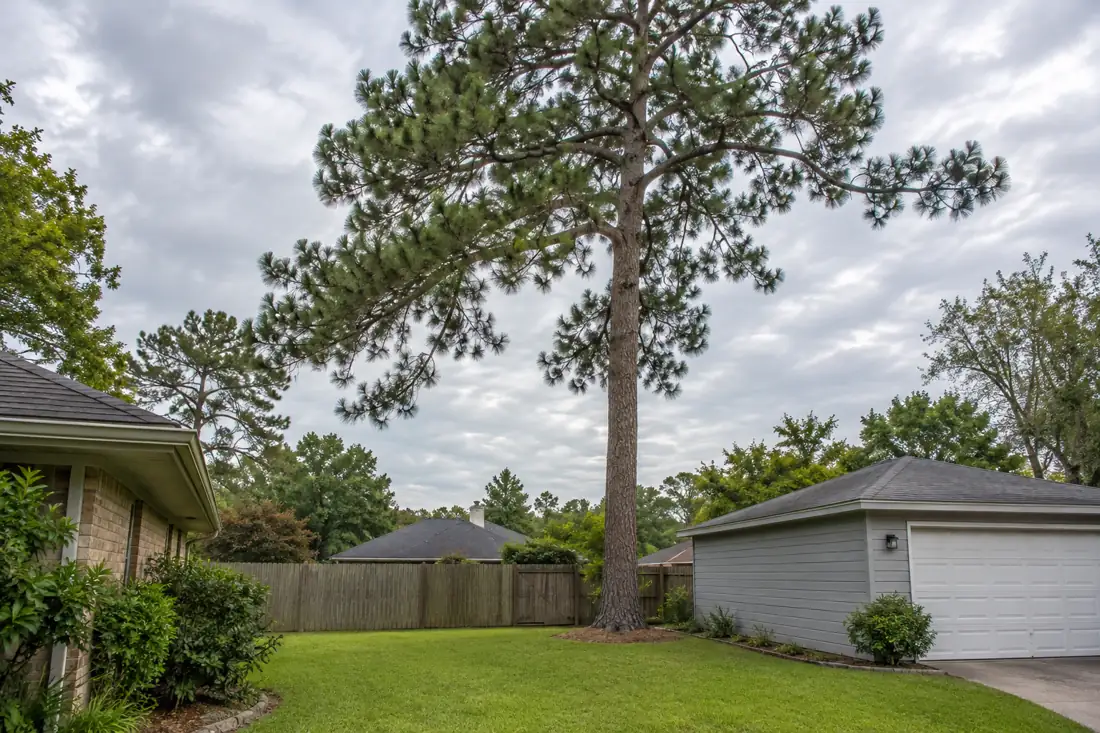
A remaining trunk is a new work condition, not simply the last part of the original job. It may be cut, weakened, inaccessible or surrounded by leftover debris. Share what was already done and any known damage. The new estimate should define the remaining work without relying on undocumented assumptions from the first contractor.
For this project, separate previous cuts, remaining debris and access changes. These details help the contractor understand what must be protected, what information needs confirmation and what result you want from the work. A clear request is more useful than an assumed method or a price based only on tree size.
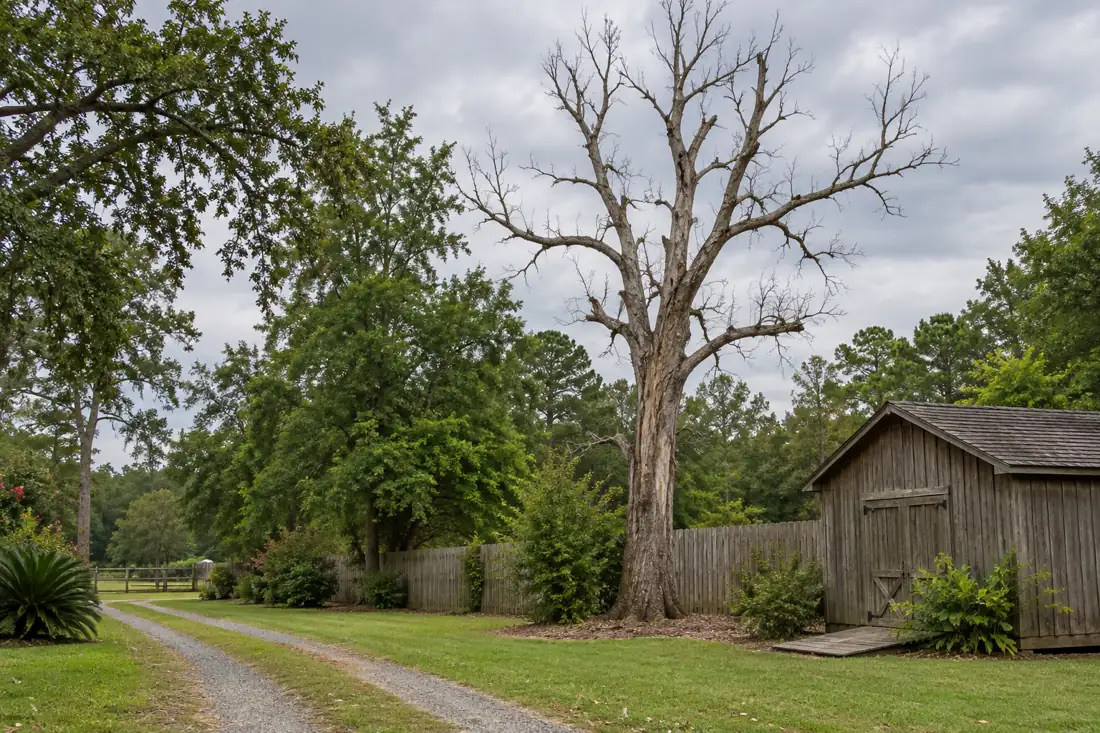
A partially completed removal can leave a tall stem, shortened crown, hanging cuts or disturbed ground that no longer resembles the original site. Photograph the current trunk, cut surfaces, retained attachments, nearby targets and access route without entering an unsafe work zone. Ask the next estimator to assess what remains today, including whether prior rigging points are suitable and whether the trunk's loading has changed.
The previous contractor's plan should be treated as a document to review, not as proof the remaining work is safe.
Keep the original contract and any completion, payment or communication records separate from the new estimate. Clarify whether the new scope includes only sectional removal, stump work, haul-away, root work or site restoration. Record who owns the cut logs and where they may be staged. The next contractor should not be asked to resolve a billing dispute as part of technical tree work, and no quote should presume prior workmanship was defective without inspection. A clear current-condition record helps avoid overlapping obligations.
Treat the remaining trunk as a new condition
A standing trunk left after earlier removal may not behave like the intact tree that existed before the first crew arrived. The crown may be gone, large cuts may be exposed, or the stem may be shortened to an unusual height. The reasons for the earlier stoppage also matter: access loss, weather, hidden decay, a change in the agreed scope, or an equipment issue can each affect the next contractor's planning. Do not assume the unfinished portion is automatically simple.
Photograph the entire remnant from a safe distance, the base and surrounding targets, and the route to the street. If the previous crew left a written scope or invoice, provide the relevant parts showing what was performed. Avoid speculation about fault or safety; the new provider needs the actual present condition, not an unsupported explanation of why another company stopped.

Treat a previous crew's remaining trunk as a new condition
A new contractor cannot assume the remaining trunk has the same stability or internal condition as the original tree. Previous cuts, cracks, decay, root movement or damage to surrounding areas may change how it should be approached. Provide a wide photograph of the entire standing remnant and explain what the earlier contractor completed and what is still disputed or unfinished.
Ask for a new scope that states the final height, treatment of any remaining wood, access protection, stump or root work and cleanup. If prior equipment affected a gate, paving or lawn, show the current condition rather than asking the next crew to accept a description from before the first job.
Do not try to shake, winch or push the standing remnant to test stability. An estimate should be based on current on-site observations and necessary precautions.
Look for changed loading and support
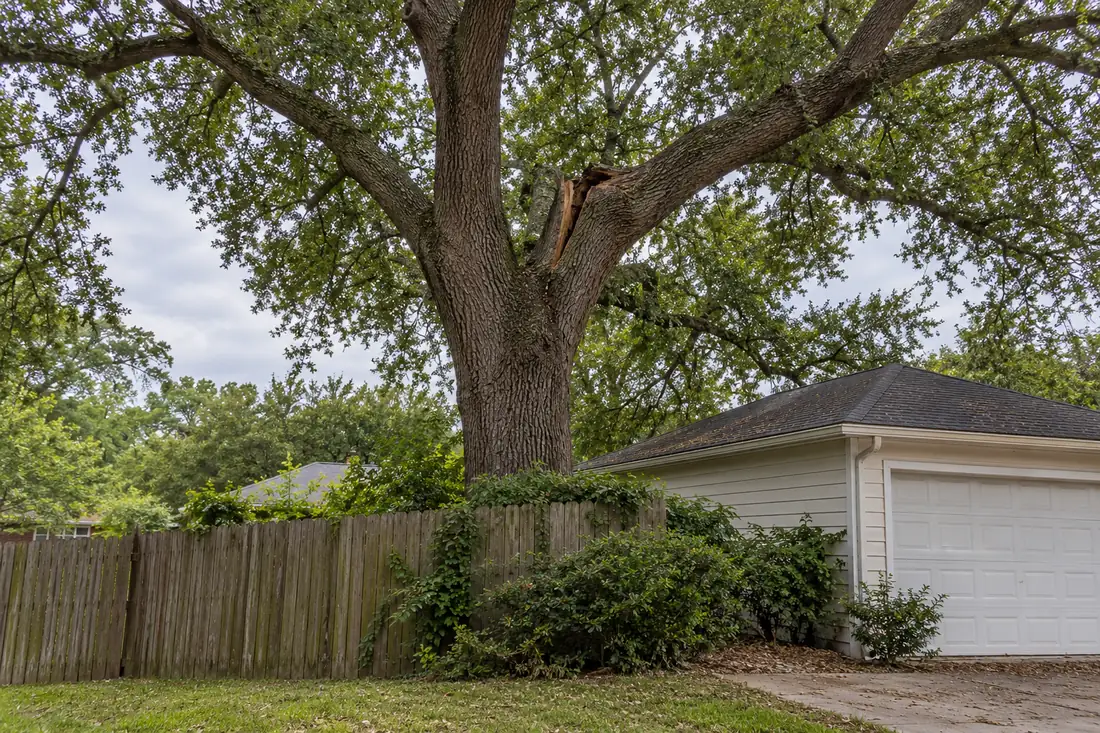
Removal of the canopy changes the forces acting on the remaining tree, and previous cuts can create notches, cracks, uneven surfaces or suspended material. A trunk may lean even when it has no branches left, and a cut surface can conceal internal decay or a hollow center. The presence of old rigging hardware or ropes should be reported without climbing or attempting to use them. What remains must be assessed on its own merits.
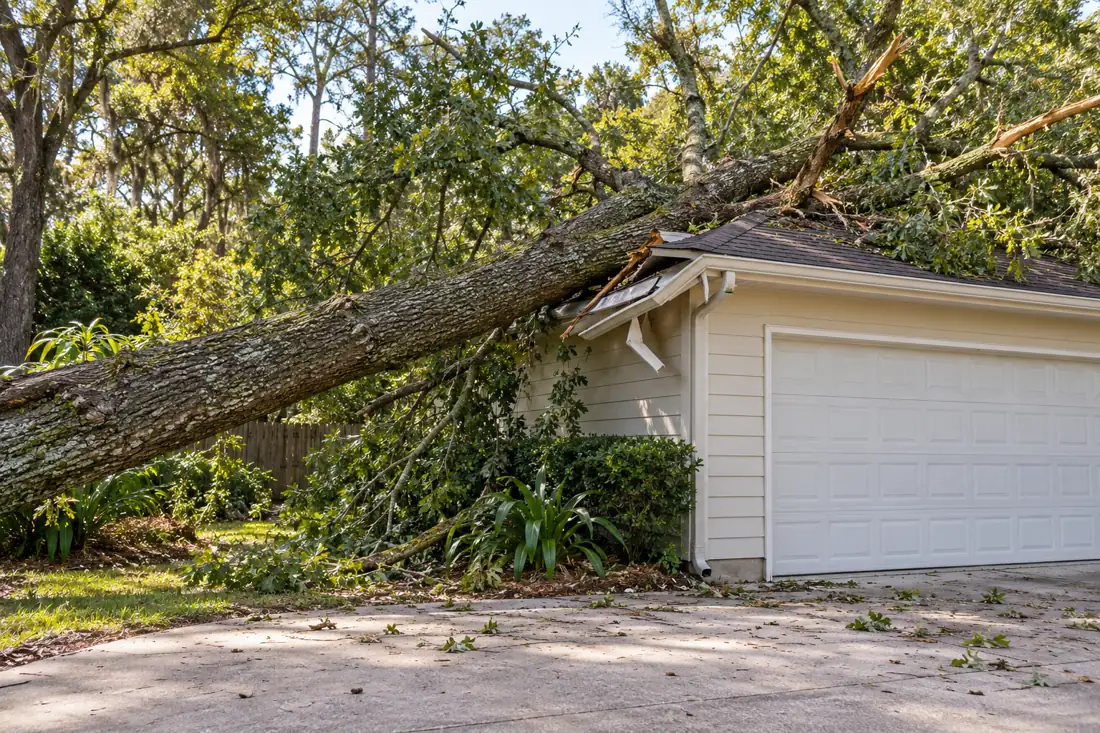
Do not pull the trunk with a vehicle, climb it to measure its height, or try to finish a large cut from a ladder. If a partially attached section or suspended wood remains, keep the affected area clear. The contractor should inspect the current support and determine a feasible method for handling the remaining material. A price copied from the earlier quote may not describe the new risk or access conditions.
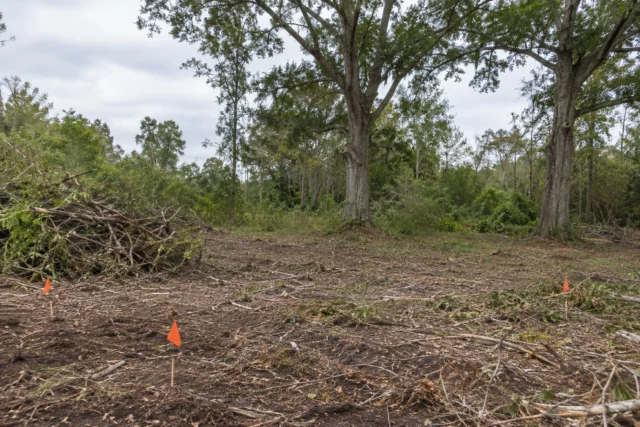
Recover the original scope without assigning blame
Ask for the previous estimate, approved change orders, and receipts to establish whether the job was intended to include the entire trunk, stump, haul-off, or only a specific portion of the tree. Homeowners often use removal to mean different finish levels. A provider completing the remaining work should not be required to interpret an unwritten promise from another company. The new agreement should describe exactly which standing and ground-level material is now included.
If there is an unresolved dispute or insurance issue, handle it through the appropriate parties rather than asking a tree crew to certify legal responsibility. Photographs and factual records are more helpful than accusatory descriptions. Identify who has authority to order new work, whether the property is occupied, and any deadlines associated with access or adjacent construction.
Price the work that remains, not the original whole tree
When a previous crew leaves a trunk or large section standing, the next quote should begin with the exact remaining condition. Show the trunk height, the cut surface, any branch stubs and any loose sections in the canopy. The partially cut configuration may have fewer attachment points, less balance or an awkward shape that changes how the final heavy section can be supported.
Avoid pushing against the remaining wood or entering below a lodged branch for a close-up photograph. Retain the earlier written scope and pictures for background, but do not assume why the first contractor stopped or claim a defect without evidence.
Ask the new estimator to separate previously generated debris from the wood that will be created during completion. A complete proposal should specify whether old logs or brush will be removed, what will happen to the stump, and the condition in which the yard will be returned.
Confirm equipment access, fragile landscaping, surface damage already present and possible restoration that is not included. If there is an unresolved contractual dispute, keep that paperwork separate from the new crew's job safety plan. The new removal team needs a clear finish line, not a vague promise to complete whatever was left. A post-work photo set and itemized checklist help verify the outcome.
Reassess equipment access after the first visit
The previous crew may have moved fences, damaged ground, placed wood in a staging area, or left equipment tracks that change what can now reach the trunk. A short remaining stem might still be difficult to handle near a roof, patio, or boundary wall. The new contractor needs current gate widths, ground conditions, overhead lines, and practical landing or lifting space. The method should not be decided only from the remnant height.
Show any temporary access route that existed during the earlier work and say whether it is still available. If a neighbor previously granted permission, confirm that it covers the new project and dates. Heavy rain or a newly restored lawn may make an old equipment plan unsuitable. Discuss these changes openly instead of treating the prior contractor's method as a guarantee of current feasibility.

Identify the material still on the property
A remaining trunk is often accompanied by logs, limbs, chips, or cut rounds from the first phase. List them separately. The next contractor may quote removal of the standing stem only, removal plus existing debris, or a complete clearing and grinding package. Each choice affects loading time, hauling capacity, and the finished condition. Mark wood that the owner intends to retain and agree on a location that will not obstruct a work route.
A pile of cut material can hide sharp stubs, nails from old attachments, irrigation components, or soft ground. Do not ask children or occupants to move it before the professional crew arrives if handling may be hazardous. The quote should state who will inspect and remove existing debris and whether foreign material requires a different arrangement. Unclear debris ownership creates unnecessary disputes at completion.
Tree Removal After a Previous Contractor Left the Trunk
A partially completed tree removal presents a different set of uncertainties from a tree that has not been touched. The remaining trunk may have a changed center of mass, exposed cuts, hanging pieces or altered support. Record what work was completed and what remains, but do not stand beneath a suspended limb or approach an unstable section to obtain a close-up.
The next contractor should assess the residual structure and available work area from the current condition, not assume the previous crew's method was appropriate. Explain whether an old access route remains open, whether equipment has been removed, and whether nearby property was disturbed. A photograph of the stump alone cannot show the height or balance of the standing material.

Document what remains before proposing the next cut
Ask for a fresh written scope separating removal of the remaining wood, hauling debris left by the earlier job, stump grinding and any site restoration. Ownership of wood already on the ground and responsibility for previous damage may need to be documented separately. Avoid asking a new contractor to accept undocumented responsibility for everything that preceded their work.
Where there is a visible hazard, keep people away and obtain professional advice on urgency. Do not make further exploratory cuts or attach ropes yourself. For estimating, provide photos of the trunk from two safe directions, existing saw cuts where visible, the target area, and any gate or surface restrictions. Clarify what evidence or written records from the earlier project are available.
Separate stump height, grinding, and restoration
Removing a standing remnant to ground level does not necessarily remove the stump or roots. Stump grinding has its own access width, depth objective, utility considerations, and debris finish. If the trunk is near a fence, slab, drain, or buried service, these conditions may limit the feasible grinding approach. Ask whether the proposal leaves a low cut surface, grinds below surrounding grade, or performs some other defined finish.
Wood chips from grinding take up space and may need removal before the area can be planted or paved. Bringing in soil, grading, turf restoration, and reinstallation of a fence are not automatic consequences of tree removal. Coordinate these later steps with the responsible provider and document exclusions. A homeowner who wants to build over the area should discuss that intended future use before agreeing to a stump-depth assumption.
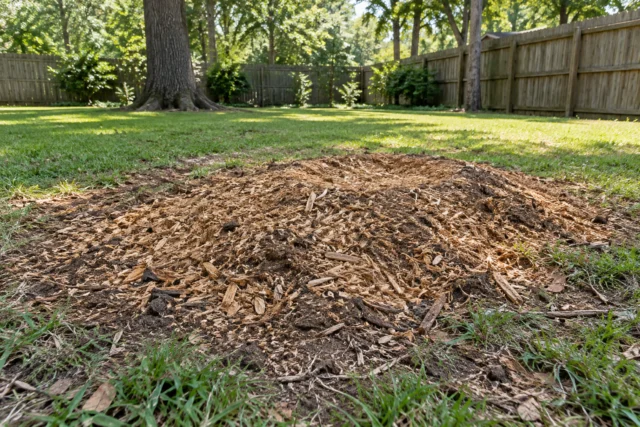
Control the site while the remnant is handled
A cut trunk may look less intimidating than a full canopy, but heavy wood and equipment remain dangerous. Set a work zone based on the actual handling plan and keep household occupants, pets, and visitors out. Remove movable vehicles or decorations when the crew requests it. If the original work area is beside a public sidewalk, school route, or shared driveway, tell the estimator about the occupied target and relevant work-hour restrictions.
Changes during removal should be discussed with the authorized contact, not with an uninvolved neighbor or tenant. If the crew discovers a hollow section, embedded metal, or another unexpected condition, the provider can explain the effect on the plan and quote. A staged decision process is preferable to pressing ahead merely because the homeowner has already waited for completion.
Compare the new quote on the remaining work only
A follow-on estimate should identify the remnant by location, the current condition, the proposed work method, debris included, hauling, stump work, and cleanup. It should not silently carry over old assumptions from a quote made before the canopy was removed. Ask the provider what measurements and site observations support the plan and what remains uncertain until inspection. No generic per-foot rate can capture every combination of damage, access and targets.
If the work is being requested for a sale, repair, or development deadline, share that schedule but do not assume it guarantees availability or price. A written scope can distinguish immediate hazards from optional landscaping, allowing the owner to authorize the correct sequence. The goal is a clear completion plan for a changed tree rather than a vague promise to finish somebody else's job.
Record a precise handover after the final cut
After work, compare the visible site with the accepted agreement: remnant height, stump status, wood removal, chips, equipment route, and any temporary protections. Use real photographs of the completed project when available and label them factually. Do not use an AI planning scene as evidence that a specific customer received service. Any fence repair, grading or other excluded item should have a clear owner and follow-up arrangement.
When contacting Tree Huggers, mention that another contractor already performed part of the removal and send current wide-view photographs, the standing remnant and the related debris. Include any written prior scope that explains the present condition, without exposing unnecessary private information. This gives the estimator the details needed to assess a new, honest scope.
Questions about this project
Is a free work estimate the same as a written risk assessment?
Not necessarily. Explain whether you need pricing, condition advice, a documented assessment or a combination. Ask what the visit includes, who provides it and what limitations apply to any findings or recommendations.
What history should I share?
Share known storm damage, prior failures, construction, root disturbance, flooding, pruning and recent changes. Include the timing and nearby property use. Useful history supports the evaluation without replacing inspection of the current tree and site.
Can the removal method be selected from a photo?
Photos help prepare the discussion but may not show defects, ground conditions or usable access. The contractor may need an on-site assessment before confirming the method, equipment and final scope for the property.
What if the tree changes before the appointment?
Tell the contractor about a new split, failed branch, changed lean or other visible change. Keep clear of the affected area. Changed conditions may require a different assessment, priority or work plan before the crew proceeds.
Does cleanup include every root and wood chip?
That depends on the written scope. Tree removal, stump grinding, chip hauling and root excavation are different tasks. Ask what material is removed, what remains and whether soil or landscape restoration is separately included.
What should a final walk-through check?
Compare the identified trees and tasks with the agreement. Check agreed debris handling, stump treatment, access openings and any listed restoration. Record unresolved items clearly instead of relying on a general impression that the property looks finished.
How should extra work be approved?
Use the agreed approval process and identify the change, reason, scope, price or schedule effect as applicable. Confirm who has authority before treating an additional tree or task as part of the original job.
What completion records are useful?
Keep the agreed scope, tree or area identification, authorized changes, invoice and labeled photos where appropriate. Include unresolved items and a contact. Contract-specific records should follow the buyer's stated requirements.
What should I compare besides the price?
Compare tree identification, work objectives, access assumptions, hauling, stump treatment, site finish and exclusions. Ask whether permits or other coordination are part of the scope and who can approve changes if conditions differ.
Does an online request book the crew?
No. A request starts the estimate conversation. The company still needs to discuss scope, availability and any site assessment. For a dangerous or urgent condition, call 504-458-8336 rather than relying on a form response.
What should I tell Tree Huggers about tree removal after a previous contractor left the trunk?
Explain the property address, the work you want and the specific concerns: previous cuts, remaining debris, access changes. Send safe photos of the tree, surroundings and access route. The contractor can then discuss the assessment and scope needed for this situation.
How do I request an estimate for this work?
Call 504-458-8336, text photos or use the estimate form on this page. Include the address, desired outcome and any timing constraints. The company will need to review scope and availability; an online request does not confirm a price, appointment or emergency dispatch.
Get a scope for your property
When another contractor leaves a trunk, send wide photographs showing its full remaining height, any cuts or attached limbs, the surrounding targets and the path to the street. Do not assume the new crew can safely resume the previous sequence without an independent assessment.