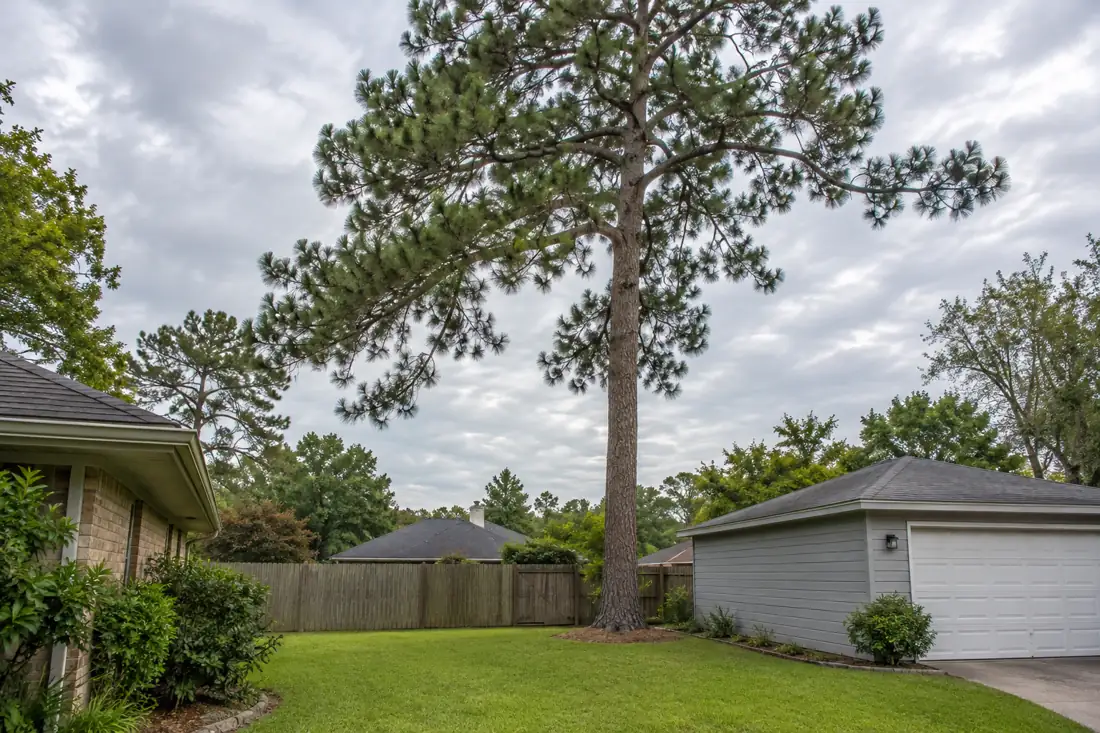
Dense vines can obscure defects and make the tree’s condition difficult to judge from the ground. They may connect branches or reach into nearby structures. Show the extent of the growth rather than pulling on it to expose the trunk. The estimator should distinguish tree work, vine management and any separate building repair.
Vines can conceal bark defects, old branch stubs, wire, cavities or the point where a trunk meets a fence or building. Photograph the full tree and vine coverage from a safe distance, including nearby structures and the proposed access route. Do not strip dense growth or pull attached vines to expose the trunk before a professional review; the material may be tangled with branches or connected to fragile siding, gutters or fencing.
Ask the estimator to distinguish vine management from removal of the underlying tree. Identify whether the climbing plant is rooted in your property, attached to a neighbor's structure or likely to irritate skin when handled. The crew may need to assess what can be cut, staged and hauled safely without dragging attached growth across roofs or landscaping. Include vine debris, any separate vegetation-control work and limits on building contact in the estimate.
Thick vines can conceal cavities, cracks and attachment points, and they can connect the canopy to fences, buildings or other trees. A vine-covered trunk should not be assumed structurally sound or unsound solely from its appearance. Identify which growth is actually attached to the tree and where it extends beyond the property. Photograph the base and main unions where visible, then let a qualified tree professional determine how much inspection is possible without disturbing unstable vegetation.
Ask whether vine management is necessary for access or should be addressed by a separate landscape scope. Do not pull long, attached vines through overhead utilities or tear them from a retained neighboring tree. Make sure the removal estimate explains how brush and vine material will be contained, separated and hauled, as tangled debris can affect handling time and cleanup. If the trunk remains obscured, the estimator should acknowledge the limited visibility rather than offering unsupported certainty about hidden wood.

Choose a work approach without assuming the tree can fall intact
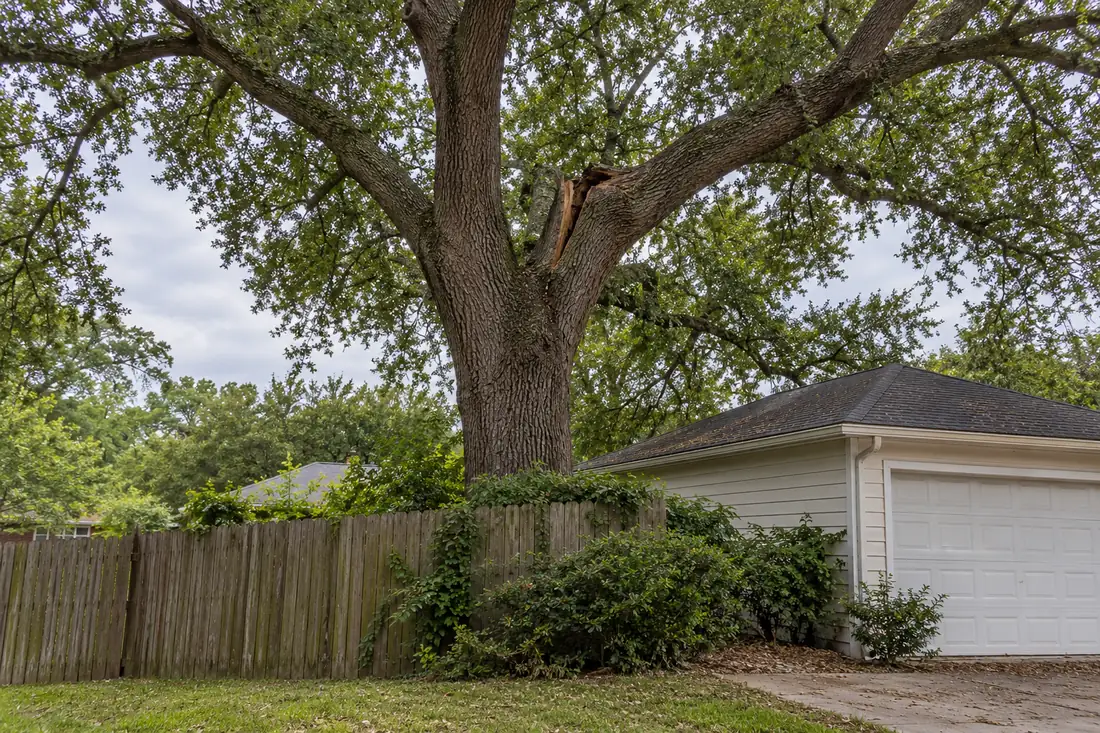
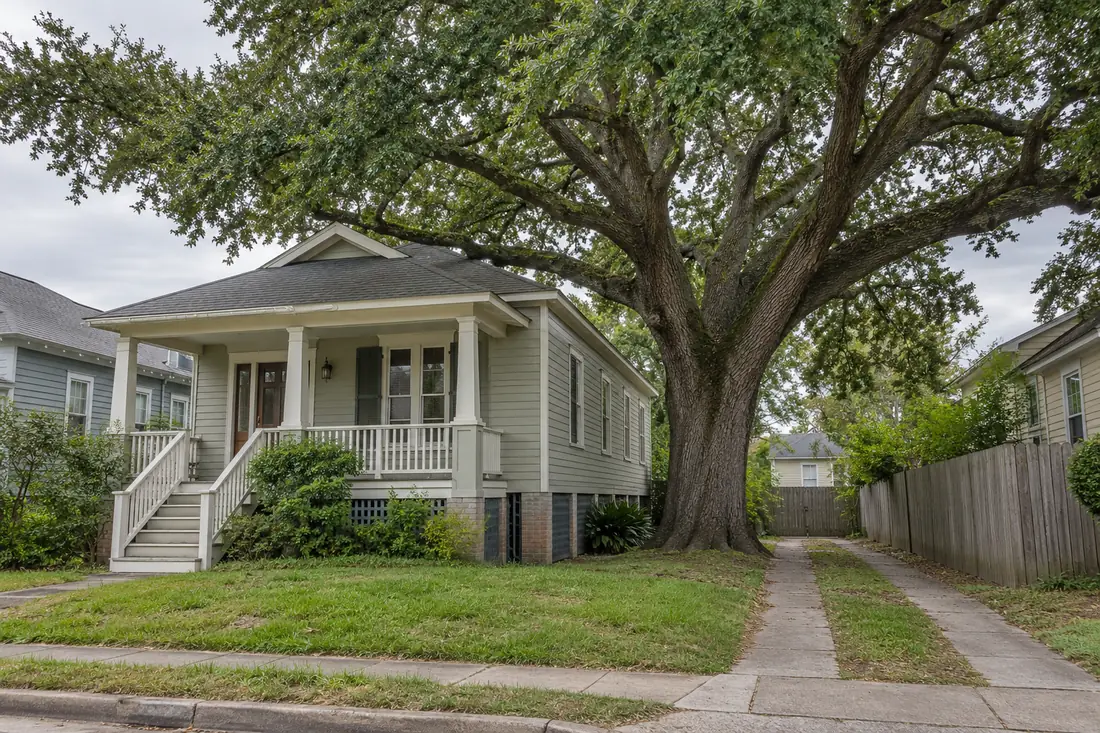
A vine-covered tree in an open field and one beside a house may demand very different plans. Whole-tree felling is not appropriate simply because there appears to be a patch of lawn nearby. Long trailing vines can complicate the movement of sections, while hidden decay could change how a trunk bears load. A professional needs to decide where loads may travel, whether sections can be lowered, and how workers remain separated from unstable material.
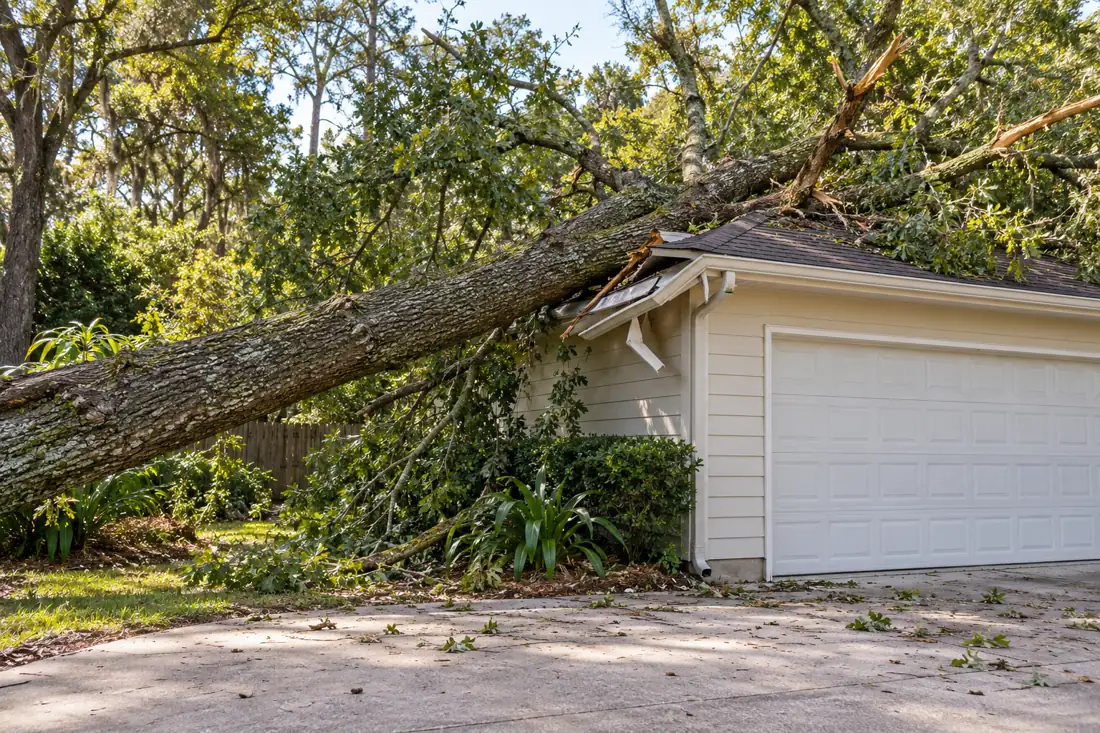
Ask how the crew will prevent uncontrolled contact with fences, roofs, walkways, and neighboring plants. Where several trunks are intertwined, clarify which tree is in the contract. If large vines are left attached to the tree during dismantling, the contractor should have a deliberate strategy for them rather than treating them as harmless decorations. A customer should not attempt to loosen a hanging vine or stand beneath connected branches to “help” with the removal.
Treat concealed trunk defects as a separate assessment question. Thick vines may hide cavities, cracks, loose bark and branch unions. Do not assume the trunk is sound merely because foliage appears green, and do not yank heavy attached vines from a stressed tree to make an inspection photograph. Ask a qualified professional to decide how the trunk and root collar can be observed safely before rigging and cutting are planned. The estimate should say whether controlled vine separation, removal of the host tree, debris collection and protection of adjacent plants are included. If a vine extends onto a fence or neighboring canopy, confirm boundaries and access permissions. A clean-looking trunk afterward is not evidence that underlying decay was absent.
Distinguish the tree from the growth climbing over it
A trunk covered in vines can look like a single mass of wood and leaves, but the vines are separate plants. Depending on the species and extent, they may conceal bark damage, obscure branch unions, and connect the tree to a fence, utility structure, or adjacent vegetation. Some vines climb by attaching to the bark; others twine around branches. A photograph of an ivy-covered trunk does not establish decay, structural weakness, or a particular removal method.
Begin with a wide view of the entire tree and its surroundings. Show where the vine growth starts, whether it reaches the upper canopy, and what it touches on the property. Do not pull on vine ropes or climb into the canopy to reveal hidden surfaces. If the concern includes a visibly unstable limb, remain outside the suspected fall area. The contractor needs to evaluate both the host tree and the added vegetation, not assume one can be handled without affecting the other.
Consider how vines may interfere with a visual assessment
Dense foliage around a trunk can hide wounds, cavities, old pruning cuts, and root flare details that would normally be visible from the ground. Thick vine stems may also be mistaken for structural roots or branches in photographs. An estimator should identify what can be observed confidently and what remains concealed. A routine removal quote may require an additional inspection step when significant parts of the tree cannot be assessed before work.
Changes in lean, fresh cracking, soil movement, and recent failures remain important even when the trunk is obscured. Tell the provider about storms, excavation, grading, or previous cutting you know about. Do not scrape bark, cut large vine stems under tension, or attempt to expose a suspect union yourself. An ordinary close-up photograph cannot prove that a concealed condition is harmless. Ask what uncertainty could affect the proposed method or the safe working area.

Identify what the vine growth connects to
Long vine stems can bridge the canopy to a neighbor's tree, a shed, an overhead structure, or vegetation on the ground. Before removal, the crew needs to understand which connections could move or be pulled when a section of wood is handled. An attached vine may snag a nearby ornamental plant or pull on a fence even if the main tree itself can be controlled. That interaction belongs in the planning discussion and should not be discovered only after a stem is cut.
Show fences, trellises, wires, roof edges, and landscape beds that the growth touches. Do not assume that vines on the neighbor's side are yours to remove, or that ordinary tree-service workers can manage vegetation on an energized utility line. Where utility equipment is involved, appropriate clearance and coordination are necessary. Ask whether the estimate includes cutting and removing the vines as a separate task, and which connected growth will remain.
A heavily vine-covered trunk can hide bark injuries, branch unions and cavities. Some growth reaches into adjacent fences or structures, making it important to distinguish vine control from tree work. Photographs should capture the full tree and the point where vegetation climbs, taken from stable ground without tugging vines or attempting to expose hidden surfaces.
Discuss whether the contractor can assess the host tree adequately before confirming the sequence. A vine may be a separate plant, and removal of the host does not automatically mean eradication of roots or regrowth. Clarify how detached plant material will be handled and which nearby features must remain protected.
See past the vines before choosing a removal method
Vines can hide a trunk cavity, an old split, attached dead wood or the true diameter of a tree. Dense green growth can even make a declining tree look healthy from the street. Photograph the tree from several safe ground positions without peeling the vines away or climbing into the canopy.
Note whether the growth connects to fencing, a neighboring tree, a utility line or the house. Identification of irritating plants such as poison ivy may be relevant to safe handling, but the presence of vines alone does not prove that a tree is structurally unsound.
A site assessment should distinguish the tree's condition from the vegetation covering it.
Clarify whether the quoted service is to remove the entire tree, clear vines from a tree being retained, or both. Heavy mats of vines can obscure rigging points and complicate how brush is processed and hauled. Ask how the crew will inspect connection points and hidden obstructions before lowering sections.
Removing vines from a neighbor's fence or wall may require permission and extra work not included in a basic tree quote. If the tree remains, ask what practical follow-up observation is recommended rather than assuming the removal of vines completes a tree-health treatment.
Keep cleanup and disposal responsibilities explicit, especially where vine debris catches against shrubs, wires or narrow passageways.
Map the actual access path through the vegetation
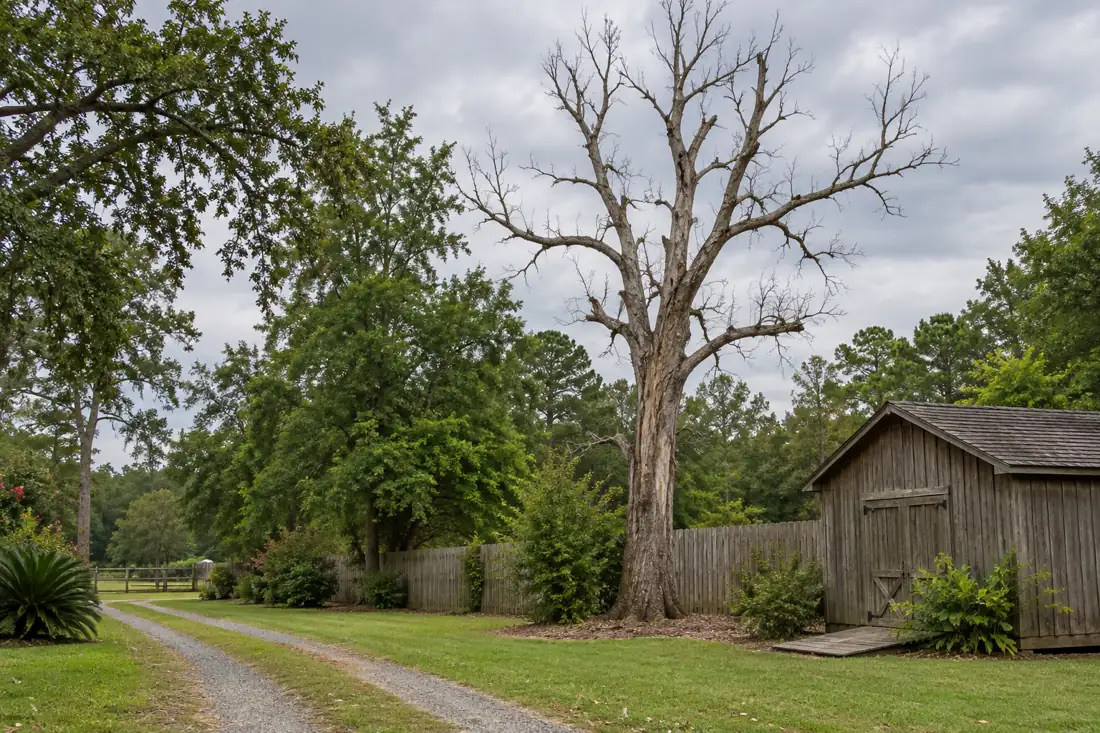
A tree may stand only a short distance from a driveway but still be difficult to reach because dense undergrowth, fencing, soft ground, or narrow passages restrict equipment. Photograph the route from the street to the trunk and the likely hauling exit. Show any gate, retaining edge, irrigation line, or protected planting that could complicate movement. Heavy vines at the base may also conceal objects and uneven ground. Do not enter a thick, unstable tangle merely to measure it.
The estimator can then discuss whether preliminary vegetation clearing, hand handling, climbing, or specialized machinery is relevant. No single technique should be prescribed before assessing condition, reachable setup areas, and surrounding targets. If brush clearing must happen before the tree can be examined, ask who performs it and whether that work is priced separately. A controlled access plan also identifies which areas occupants must avoid while operations are under way.
Distinguish vine cover from tree condition
Vines can conceal bark, branch junctions and visible defects. The presence of climbing vegetation alone does not establish that the host tree is dead or unsafe. Document where vines begin, how high they extend and whether they connect to fences or neighboring structures. A tree professional should review the relevant hazards before cutting, pulling or climbing. Do not tear large attached vines from an elevated branch without a safe plan.

Removing a Tree With Vines on the Trunk
Heavy vine growth can make it difficult to see bark, trunk unions, cavities and older pruning wounds. The vines themselves may also add weight or obscure individual branches. Before deciding that the underlying tree should be removed, determine whether the main concern is the tree's health, the vines, an overhead target, or an access problem.
Different climbing plants call for different management, and some can cause skin irritation or other exposure concerns. Do not strip unknown vines with bare hands or cut large ropes of vegetation without understanding what they are attached to. If a tree has visible deadwood or splitting, avoid approaching the stem merely to identify the leaves. Tell the estimator what can be seen safely.

Separate the vine problem from the tree condition
Removing a vine does not repair a rotten stem or guarantee an otherwise declining tree will recover. Similarly, a vine-covered trunk does not prove decay. A qualified assessment may include staged vine control followed by a clearer look at the bark and unions. Ask how any follow-up inspection would be planned and what uncertainty remains until vegetation is reduced.
Photographs should show the vine coverage from the ground to the lowest branches, any contact with nearby roofs or fences, and the available access route. Keep the written estimate explicit about whether the work is vine treatment, pruning, full removal or debris hauling. The finish should include where cut vegetation goes and who handles any hazardous or irritating plant material.
Define tree, vine, stump, and debris disposition separately
A request to remove the tree does not automatically include every vine root, connected shrub, or below-grade stump. The written estimate should identify whether the vine-covered trunk is removed to a stated height, whether stump grinding is included, and whether material from the climbing plants will be hauled or left. Thick vine tangles may increase brush volume and sorting work compared with a bare trunk of similar size. Confirm whether wood chips and ground stump material remain on site.
If the owner wishes to keep a fence or trellis previously concealed by vines, point it out before cutting begins. Some growth may already have affected the surface; a contractor should not promise to return old materials to like-new condition. Define reasonable cleanup boundaries, areas excluded from vine removal, and the result expected around the former trunk. This prevents a quote for tree removal being mistaken for complete invasive-plant eradication or landscape restoration.
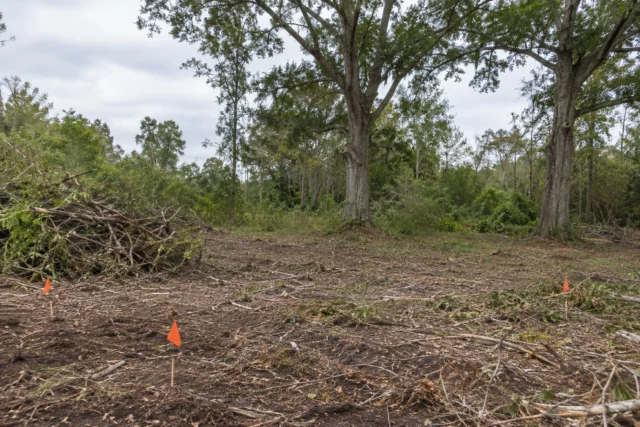
Set expectations for what remains after the main tree is gone
Removing the supporting tree may leave other living vines attached to structures or nearby trees. Underground root portions may sprout again. The treatment or long-term control of unwanted vine species is a separate vegetation-management question, not an automatic result of a tree-removal crew cutting aboveground growth. Ask whether any follow-up is recommended for retained plants and whether that service is included or should be handled by another qualified provider.
The former canopy may also expose a previously shaded bed to additional sun and rain. If the site contains ornamental plants worth preserving, discuss them before machinery or debris moves through the area. Do not assume that all vines are harmful or that removal of the host tree is required solely because vines are present. The decision should address actual site objectives, observed condition, and the feasibility of retaining the tree with appropriate vegetation management.
Confirm responsibility, evidence, and the handoff
Before approving the job, check the selected tree on a marked photograph. Record which vines belong to the agreed scope, the access route, nearby property to protect, and any separately authorized clearing or stump work. Where the trunk stands near a boundary, establish who can grant access without making legal assumptions from a fence position. Set a process for approval if previously hidden conditions change the plan during work.
After completion, walk the released work area from safe ground and compare it with the final scope. Check whether contracted wood and brush were removed, whether retained trees and fencing were addressed as agreed, and whether unexpected damage or excluded growth is documented. A completion photograph is useful for communication but cannot certify the condition of every remaining tree. Keep the written estimate and any changes with the property maintenance records so the next visit starts from known facts.
Know when a site visit is more useful than more pictures
If the canopy is densely intertwined, the base is entirely concealed, or the vines connect to structures and nearby trees, an estimator may not be able to determine a safe removal method from photographs. A physical visit can establish access dimensions, look for visible structural features, and clarify who controls adjoining spaces. Even then, concealed conditions may remain uncertain until vegetation is managed by the crew using a controlled plan.
Send a concise request that identifies the tree, describes the desired finish, and explains any areas you cannot photograph safely. Include the most useful wide views rather than dozens of shots of the same bark. Ask which observations support the proposed approach and which assumptions might change it. This is a better basis for a reliable, comparable quote than treating heavy vine growth as merely an aesthetic problem.
Questions about this project
Is a free work estimate the same as a written risk assessment?
Not necessarily. Explain whether you need pricing, condition advice, a documented assessment or a combination. Ask what the visit includes, who provides it and what limitations apply to any findings or recommendations.
What history should I share?
Share known storm damage, prior failures, construction, root disturbance, flooding, pruning and recent changes. Include the timing and nearby property use. Useful history supports the evaluation without replacing inspection of the current tree and site.
Does healthy-looking foliage mean a tree is structurally safe?
No. Leaves do not establish the condition of roots, trunk or branch connections. Explain visible defects and recent changes, and ask for an assessment appropriate to the tree and nearby targets.
Should I test a cracked branch or trunk?
Do not pull, shake, climb or cut damaged material to test it. Keep clear of the affected area and describe the condition from a safe location. Qualified assessment and an appropriate work plan are needed.
Which property features should I point out?
Identify buildings, vehicles, fences, fixed fixtures, landscape features, utilities and occupied routes. Explain what can move and what must remain. Include existing damage and any buried features you know about along the access route.
Should people remain inside the work area?
The contractor and site contact should establish an exclusion area and access arrangements appropriate to the work. Keep children, pets, visitors and other workers outside the active zone until the responsible parties say it can reopen.
Can the removal method be selected from a photo?
Photos help prepare the discussion but may not show defects, ground conditions or usable access. The contractor may need an on-site assessment before confirming the method, equipment and final scope for the property.
What if the tree changes before the appointment?
Tell the contractor about a new split, failed branch, changed lean or other visible change. Keep clear of the affected area. Changed conditions may require a different assessment, priority or work plan before the crew proceeds.
What should I compare besides the price?
Compare tree identification, work objectives, access assumptions, hauling, stump treatment, site finish and exclusions. Ask whether permits or other coordination are part of the scope and who can approve changes if conditions differ.
Does an online request book the crew?
No. A request starts the estimate conversation. The company still needs to discuss scope, availability and any site assessment. For a dangerous or urgent condition, call 504-458-8336 rather than relying on a form response.
What should I tell Tree Huggers about removing a tree with vines on the trunk?
Explain the property address, the work you want and the specific concerns: concealed defects, connected growth, building contact. Send safe photos of the tree, surroundings and access route. The contractor can then discuss the assessment and scope needed for this situation.
How do I request an estimate for this work?
Call 504-458-8336, text photos or use the estimate form on this page. Include the address, desired outcome and any timing constraints. The company will need to review scope and availability; an online request does not confirm a price, appointment or emergency dispatch.
Get a scope for your property
For a vine-covered tree, photograph the entire trunk, the vine growth at the base, and the crown from a safe position. Mention any suspected poison ivy or unknown plant and ask whether vine control, tree assessment and tree removal are separate parts of the proposed work.