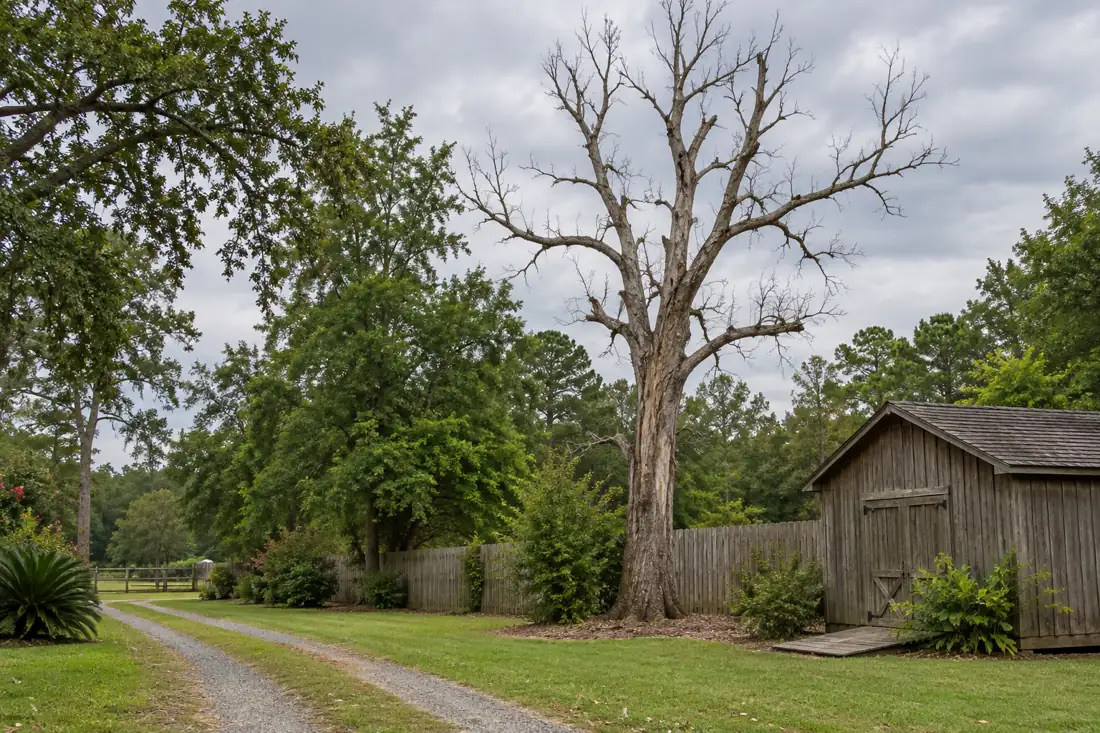
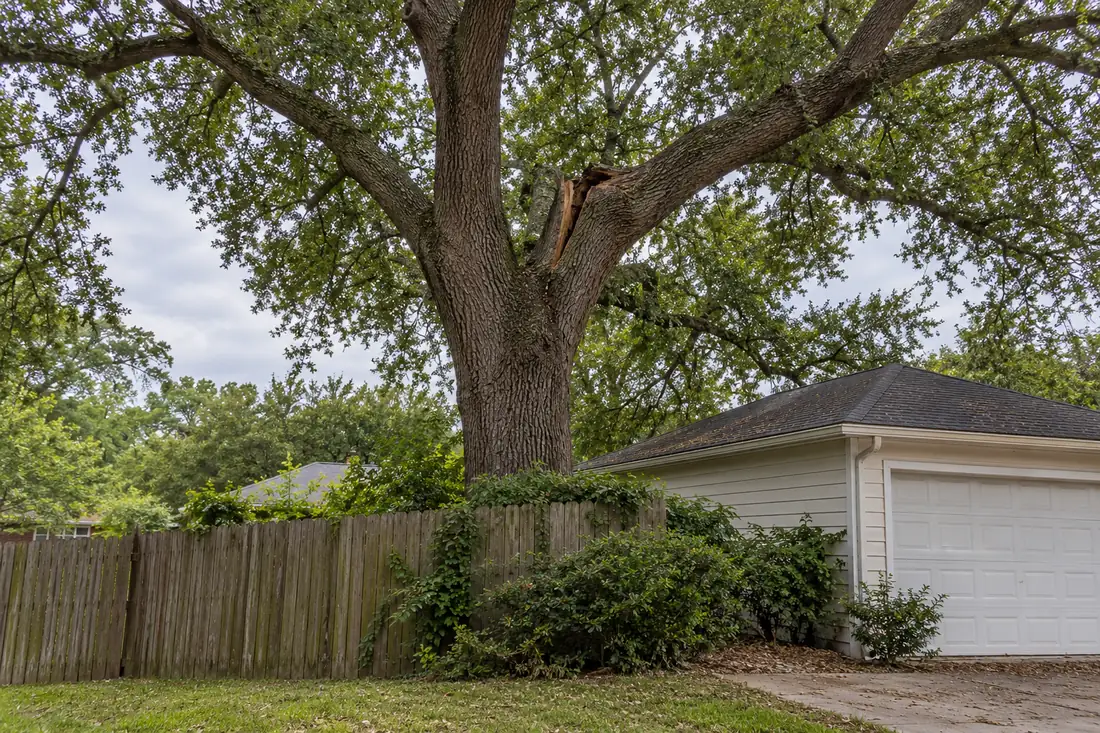
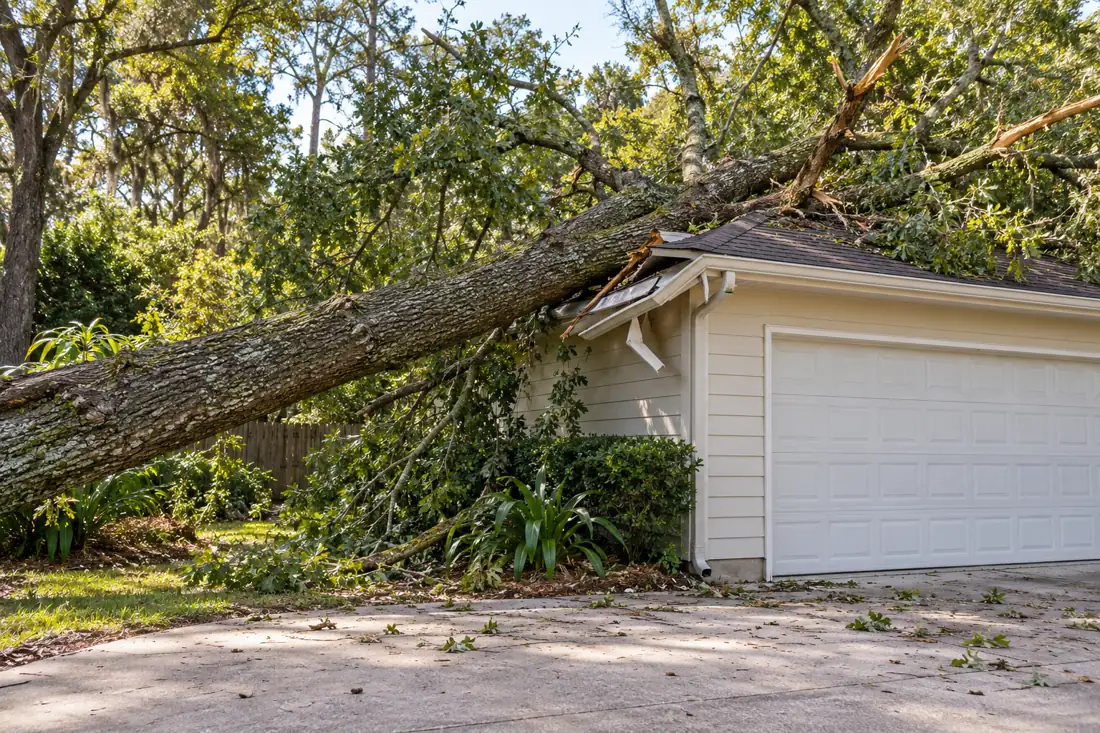
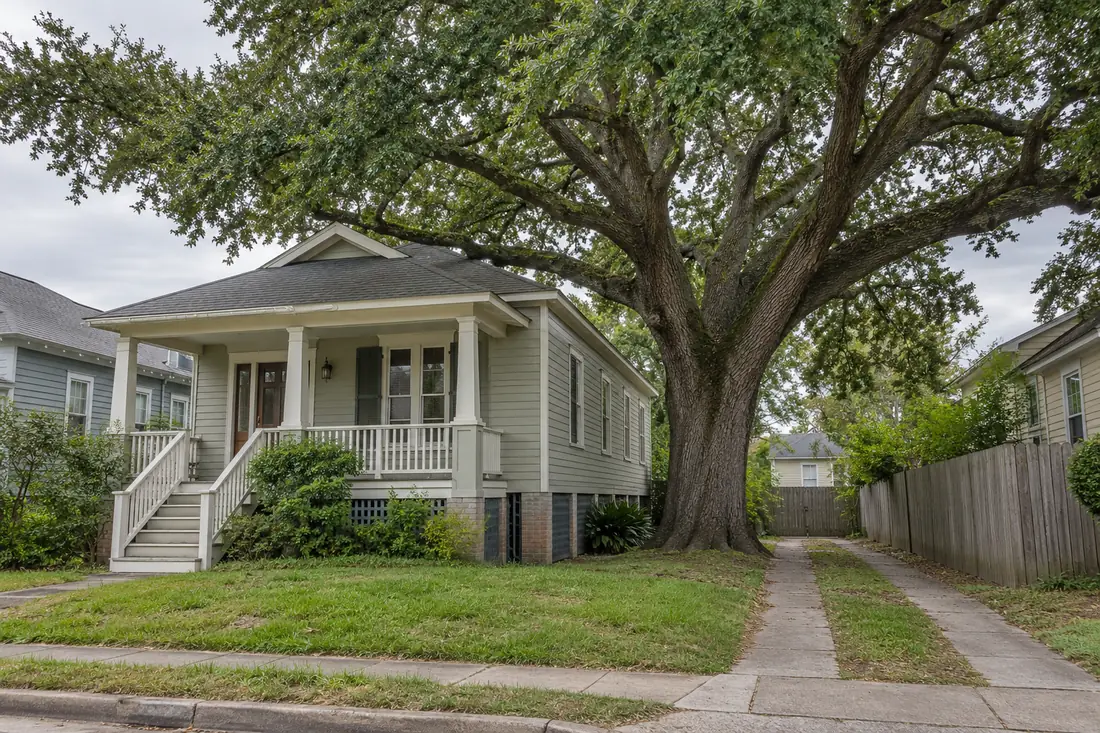
New owners may inherit trees without knowing their pruning, storm or construction history. Begin with the current concern: a visible defect, roof clearance, an unwanted tree or an access problem. Share any inspection report and identify trees you hope to preserve. A property-wide wish list is easier to price when each tree has a clear objective.
Separate closing-day disclosures from the first tree service decision
A purchase inspection may include tree observations, but the condition visible on moving day may have changed after storms, demolition or landscape work. Save the seller disclosures, any arborist report and the approximate date of each document; then create a fresh numbered tree list with current photos from ordinary accessible ground. Do not present an old inspector’s note as a current tree diagnosis.
For the first contractor visit, identify the immediate use of the property: roof access, shared fences, children’s areas, driveway clearance and known buried services. Put uncertain ownership, property-line and easement questions on an explicit hold list until they are resolved. Ask for separate written choices when a tree might be assessed, pruned or removed, including any stump and restoration work the estimate excludes.
For this project, separate unknown history, priority trees and preservation goals. These details help the contractor understand what must be protected, what information needs confirmation and what result you want from the work. A clear request is more useful than an assumed method or a price based only on tree size.
Map the trees against the house, drainage, property boundaries, overhead service, outdoor play areas and planned renovations. Compare visible conditions with available survey and disclosure documents, while recognizing that a survey may not evaluate health and an older inspection may no longer describe current hazards. Look for fresh root-plate movement, broken branches or construction disturbance from safe locations. Ask a tree professional to explain when pruning, closer assessment or removal is appropriate rather than starting with clearing every mature tree.
Prioritize urgent access issues separately from shade management, canopy structure and long-term maintenance. Name or label each tree in estimates so one contractor cannot mistakenly include a different stem. Confirm the owner has authority to approve the work, and describe machine access before installing new beds, fencing or irrigation. Record photos and maintenance recommendations for the first year. The objective is a defensible property plan, not a claim that every visible defect proves the whole tree is unsafe.
Tree Removal After Buying a House
A new home changes what a tree means: a canopy that looked attractive during a showing may shade a roof, hide a defect, or interfere with drainage you have not yet watched through a storm. Start with a calm property-wide inspection rather than deciding that every large or leaning tree must go. Walk the site in daylight, note tree locations and visible conditions, and photograph concerns from a safe distance. Do not climb, cut limbs, probe cavities, or enter a work area to investigate.
In southeast Louisiana, trees may stand in wet ground, compacted fill, narrow side yards, or places shaped by old drainage work. A tree's apparent condition on a dry day does not show how its roots and surrounding soil respond after prolonged rain or wind. Record what you can observe without disturbing the site, including recent changes you notice over time. If a tree may threaten people, a building, or access, keep people away and arrange a qualified assessment rather than attempting hazardous work yourself.

Separate Purchase Records from Present-Day Evidence
Review the seller disclosure, inspection report, survey, permit records, and any tree-service invoices as historical information, not as a current diagnosis. A disclosure may mention a prior limb failure or drainage complaint, while an inspection may simply have been limited to visible conditions. Neither establishes that a tree is safe now or that removal is required. Keep the documents together and note their dates, the exact tree or area discussed, and any conditions that may have changed since they were prepared.
Compare each written record with what you observe, and describe differences precisely: for example, a new crack, a fresh soil mound, or a limb that has recently begun hanging over a walkway. Do not assume that an omission means a defect was concealed, or that a reported problem remains unchanged.
If records conflict or refer vaguely to “the big oak,” identify the tree on a site sketch and ask the relevant professional what can and cannot be concluded. This creates a useful evidence trail without turning suspicion into fact.
Map Trees, Buildings, and Shared Boundaries
Make a simple site map showing each tree of concern, the house, garage, fences, driveways, walks, drainage features, and overhead or buried service routes if known. Add approximate trunk locations and note which branches extend above roofs, neighboring property, or places people regularly use. A sketch is not a survey and should not be used to settle a boundary dispute, but it helps an assessor understand targets and helps you compare estimates for the same tree and work area.
Before authorizing work near a property line, check the survey or ask a qualified surveyor when the boundary is uncertain. A trunk near a fence can be difficult to assign by casual measurement, and removing branches that cross a line can have legal and neighbor-relations implications.
Speak with affected neighbors early, especially if access, equipment, debris handling, or temporary parking may involve their land. Put access permissions and agreed work limits in writing; do not treat a neighbor's silence as permission to enter or remove a tree.

Triage Immediate Hazards Without Attempting Repairs
Prioritize conditions that may expose people or structures to near-term harm: a newly split stem, a large hanging limb, a tree that has shifted noticeably, or a damaged tree beside an occupied room or route. These are observations, not proof of imminent failure. Keep people, pets, and vehicles out of the likely hazard area, and do not use a ladder, rope, chainsaw, or vehicle to pull or trim anything. If a tree has fallen onto a structure or blocks an emergency route, contact appropriate emergency services and qualified tree professionals.
A lean by itself does not reveal when a tree will fail; some trees grow at an angle, while recent soil movement or a changing lean may be more concerning. Look from a safe location for fresh root-plate lifting, newly exposed roots, a split at a major union, or broken branches caught overhead, and report what you see rather than trying to test it.
Ask a qualified arborist how quickly an assessment is warranted and what temporary exclusion area is appropriate. Avoid declaring a tree safe based only on a brief visual impression.
Turn a new property into a practical tree-work scope
Buying a house rarely tells you what work an older tree needs today. Start a property-specific record for each tree that concerns you: its location, the feature it could affect, signs you can see from normal ground-level access, and what you want to achieve. A listing photo or seller statement is context, not a current tree-risk assessment. Capture dated views only from safe positions and avoid treating a visible lean as proof of immediate failure.
On a raised house or tight neighborhood lot, map the gate, fence, driveway, eaves, utility equipment and surfaces that should remain undisturbed. The route used to carry brush out matters as much as the distance between the trunk and the wall. If the tree lies near a shared fence or uncertain boundary, verify who can authorize work before a crew is scheduled. Ask for both the cutting scope and the expected site finish.

Separate the purchase-day record from today's decision
Compare three decisions separately: whether urgent access restrictions are warranted, whether an on-site tree evaluation is needed, and whether the proposed action is pruning, monitoring or removal. A photograph may help with planning but cannot establish root condition, hidden decay or a safe rigging method. If you see a hanging branch, possible energized wire or unstable structure, keep people out of the area and contact the appropriate qualified responder instead of moving closer for a better image.
Send the address, the tree's approximate position, a short description of your goal and safe photographs with your request. Mention planned renovations, landscaping, insurance documentation needs and move-in timing without assuming coverage or a guaranteed appointment. Ask that the written estimate distinguish debris hauling, stump treatment, site protection and any work excluded from the scope. That makes a new owner's first decision easier to compare later.
Coordinate Neighbors, Access, and Utility Services
Identify overhead lines before planning any tree work. Treat every power line as energized, keep people and equipment away, and never assume a line is inactive because it appears insulated or because a service drop looks low. Contact the electric utility when a tree or planned work may be near its lines; the utility can explain its process and whether it needs to arrange work or coordinate with a qualified line-clearance specialist.
For underground services, use the appropriate locating service and confirm how private lines will be addressed.
Tell the tree contractor about narrow access, gates, soft ground, fences, septic components, irrigation, and any known buried cables or pipes. Ask who will arrange utility coordination, what work cannot proceed until clearance is addressed, and how the crew will keep occupants and passersby outside the work zone.
Notify neighbors about expected timing, noise, and access impacts without promising an exact finish time. If a utility issue appears during work, the crew should stop the affected operation and follow the utility's direction rather than improvising.

Clarify Insurance Questions Before Assuming Coverage
Do not infer from a policy's general language that it will pay for tree removal, stump work, root damage, or preventive removal. Coverage can depend on the policy, the cause and timing of damage, what property was affected, and the facts documented at the time. Contact your insurer or agent with a specific description and ask what information or inspection it needs. Keep the policy, claim number if applicable, photographs, correspondence, and any instructions together; a contractor's estimate is not a coverage decision.
If damage may already have occurred, document it before cleanup when doing so is safe, and avoid moving damaged material that could help explain the event unless urgent safety or access needs require action. Ask the insurer whether it wants to inspect before nonemergency work and whether particular records are needed.
Separately ask the contractor to distinguish work proposed for immediate hazard control from elective pruning, removal, stump grinding, or site restoration. Get any coverage position from the insurer in writing; do not rely on a contractor's prediction or a verbal promise.
New owners need an inventory before a removal list
A newly purchased property may have mature trees with little or no maintenance history. Rather than ordering removal based only on age, size or unfamiliar species, start by photographing each significant tree and assigning it a simple location number. Note which branches extend above buildings, parked vehicles, walkways or outdoor play areas.
Record visible deadwood, trunk wounds and any recent changes to soil or drainage. A phone app can assist with names, but it is not a professional assessment of tree condition. Do not stand under cracked or suspended limbs to obtain a better photograph.
Prioritize apparent immediate concerns for professional evaluation, followed by routine maintenance and longer-term preservation. A useful first-year plan distinguishes pruning, monitoring, independent assessment and removal, with no invented prediction about when a tree may fail. Also note property lines, neighbors' trees, buried utilities and overhead wires before requesting quotes.
Aggressive topping to improve a view may create additional problems and should not substitute for a thoughtful pruning specification. Ask for a written record of what was observed and what was merely recommended for future monitoring. Keeping a baseline inventory helps homeowners compare later changes after storms and evaluate work proposals without cutting trees unnecessarily.
The inventory should be updated after major weather events so new changes can be distinguished from longstanding conditions.
New-owner tree decision record
After purchasing a house, start by giving each significant tree a simple location identifier and collecting the most relevant purchase records. A current wide photograph, a description of recent changes and any known utility or boundary constraints help distinguish a condition assessment from an estimate to remove a specific tree. Do not assume every tree near the house needs removal.
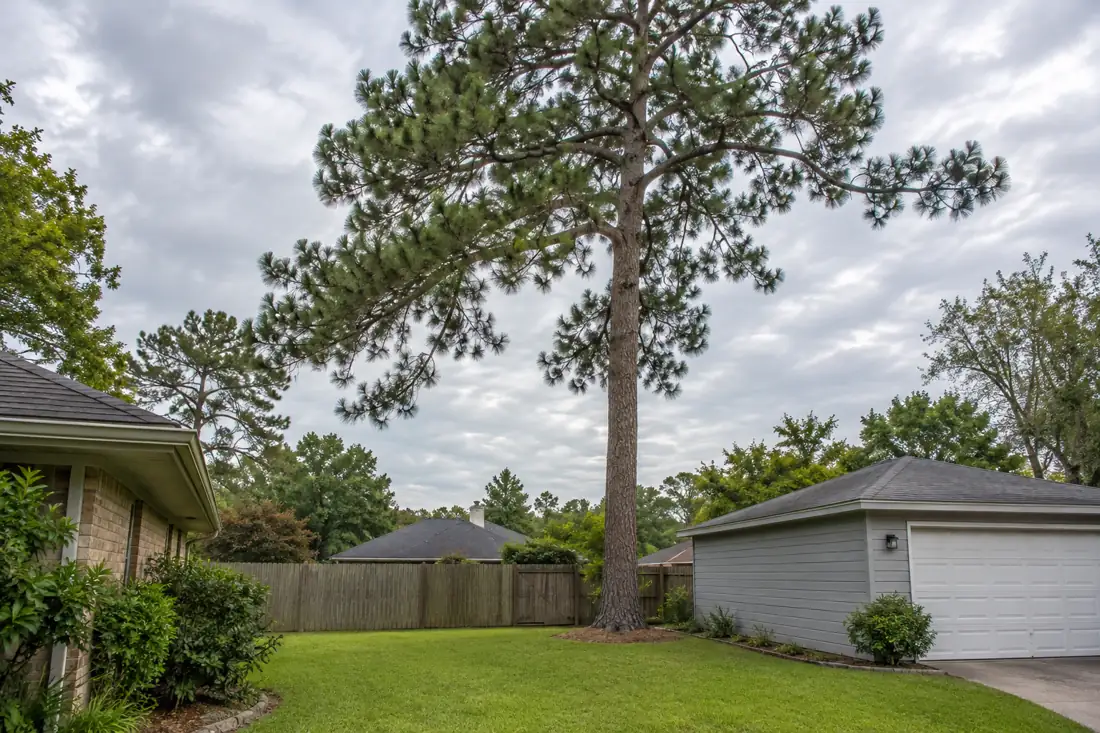
A general educational planning scene cannot diagnose the pictured tree. Ask for a written explanation of what was observed, what remains uncertain, whether follow-up examination is recommended and which work is actually included in any quote.

Trace Drainage, Roots, and Old Stumps
Inherited yard conditions can make a tree decision more complicated than the canopy suggests. Note where rainwater collects, where downspouts discharge, whether drains or swales appear blocked, and whether water flows toward the foundation or a neighbor. Photograph these conditions during or shortly after rain from safe, accessible locations. Roots may affect paving or drainage features, but a visible crack or slow drain does not by itself prove a tree caused it. Ask a qualified drainage or plumbing professional when the source is unclear.
Look for old stumps, buried wood, raised ground, or previous cutting that may signal earlier removal or concealed roots. Stump grinding depth, root decay, access limits, and disposal can affect later planting, paving, or drainage work. Ask the tree professional what remains below grade and what restoration is included; do not assume that grinding removes every root or corrects a drainage problem.
Before changing grades, cutting major roots, or installing a drain, coordinate the work with appropriate specialists so one repair does not redirect water or destabilize another area.

Request a Tree-Specific Assessment and Written Estimate
Ask a qualified tree-care professional to identify each tree by location and explain observed defects, likely targets, and practical options. Depending on the condition, options may include monitoring, pruning, reducing a specific exposure, or removal; an assessment should explain its limits as well as its reasoning. Share your records and photographs, but invite an independent site evaluation. Ask whether the person assessing the tree has relevant arboricultural qualifications and experience, without treating a credential as a guarantee of a particular outcome.
Request a written estimate that separates trees and tasks rather than bundling everything as “cleanup.” It should state the proposed work, access assumptions, debris handling, stump treatment if included, protection for lawns and structures, utility coordination, and exclusions such as repair of concealed damage. Ask how the crew will control falling material, protect occupants, and handle changes if hidden conditions arise. Compare estimates by scope and methods, not just totals, and obtain clarification in writing before authorizing work or paying for an expanded scope.
Choose a Work Sequence That Fits the Risk
Use the assessment and your household's needs to separate urgent control from planned property improvement. A documented immediate hazard may require prompt isolation and professional action, while a healthy tree that shades a roof may call for maintenance planning rather than removal. Consider occupancy, access routes, storm season, soil conditions, and whether other contractors need the same area. If the evidence is uncertain and no immediate exposure requires action, ask what monitoring or further evaluation could answer the question before committing to irreversible removal.
For each proposed tree, record the reason for the decision, who assessed it, what work was approved, and any conditions that would trigger a reassessment. Set a realistic sequence for utility coordination, neighbor access, drainage repairs, and tree work so crews do not compete for space or undo one another's work. Confirm that the person authorizing the job has authority over the property and that all agreed limits are clear. Do not let a tight schedule replace a safe work plan or required coordination.

Protect the Site During Work and Plan Follow-Up
Before the crew arrives, move people and vehicles away from the work zone and keep children and pets indoors or elsewhere as directed. Confirm the work order, access route, debris destination, and contact person; tell the crew about new observations, underground features, or utility instructions. Keep clear of rigging, equipment, falling limbs, and drop zones, and do not enter a closed area to retrieve belongings. If conditions differ from the agreed plan, pause the affected work and seek written clarification before additional work proceeds.
After completion, compare the work with the written scope and photograph the site, remaining stump, and any areas where drainage or paving may need follow-up. Ask what maintenance, monitoring, or restoration remains and whether the crew observed unexpected conditions requiring another specialist. Watch drainage through later rain and check retained trees periodically, particularly after severe weather, while keeping notes of changes. Removal resolves the presence of one tree; it does not automatically correct old drainage faults, buried roots, damaged utilities, or risks from other trees.
Questions about this project
Is a free work estimate the same as a written risk assessment?
Not necessarily. Explain whether you need pricing, condition advice, a documented assessment or a combination. Ask what the visit includes, who provides it and what limitations apply to any findings or recommendations.
What history should I share?
Share known storm damage, prior failures, construction, root disturbance, flooding, pruning and recent changes. Include the timing and nearby property use. Useful history supports the evaluation without replacing inspection of the current tree and site.
Is leaving the trunk untouched enough to protect a tree?
No. Roots, soil conditions and nearby work can matter even when the trunk is not cut. Identify retained trees before planning access, excavation and storage, and ask what site-specific protection is appropriate.
Can pruning undo construction-related root damage?
Do not assume it can. Share the work history and ask for an assessment of the current tree and site. Pruning, monitoring or other recommendations should address an identified need rather than substitute for protection planning.
What should I compare besides the price?
Compare tree identification, work objectives, access assumptions, hauling, stump treatment, site finish and exclusions. Ask whether permits or other coordination are part of the scope and who can approve changes if conditions differ.
Does an online request book the crew?
No. A request starts the estimate conversation. The company still needs to discuss scope, availability and any site assessment. For a dangerous or urgent condition, call 504-458-8336 rather than relying on a form response.
How should extra work be approved?
Use the agreed approval process and identify the change, reason, scope, price or schedule effect as applicable. Confirm who has authority before treating an additional tree or task as part of the original job.
What completion records are useful?
Keep the agreed scope, tree or area identification, authorized changes, invoice and labeled photos where appropriate. Include unresolved items and a contact. Contract-specific records should follow the buyer's stated requirements.
What access information helps an estimator?
Send the narrowest opening, overhead obstacles, turns and the distance between the tree and the loading area. Include photos of the entire route and identify steps, soft ground or features that must remain protected.
Should I remove a fence before the visit?
First ask the contractor to assess access and agree on any temporary opening. Identify who owns the fence, who can authorize the change and who will reinstall it. Do not assume the opening is necessary or included.
What should I tell Tree Huggers about tree removal after buying a house?
Explain the property address, the work you want and the specific concerns: unknown history, priority trees, preservation goals. Send safe photos of the tree, surroundings and access route. The contractor can then discuss the assessment and scope needed for this situation.
How do I request an estimate for this work?
Call 504-458-8336, text photos or use the estimate form on this page. Include the address, desired outcome and any timing constraints. The company will need to review scope and availability; an online request does not confirm a price, appointment or emergency dispatch.
Get a scope for your property
If you recently bought the property, send safe, wide views of the trees that concern you, the nearby house and outdoor areas, and any previous tree reports or seller disclosures you actually have. Identify a goal such as removing an obviously dead tree, evaluating a changed lean or protecting a planned improvement. Unknown tree history should be described as unknown; it is not proof of danger. Ask for tree-by-tree priorities and a written scope before authorizing work.