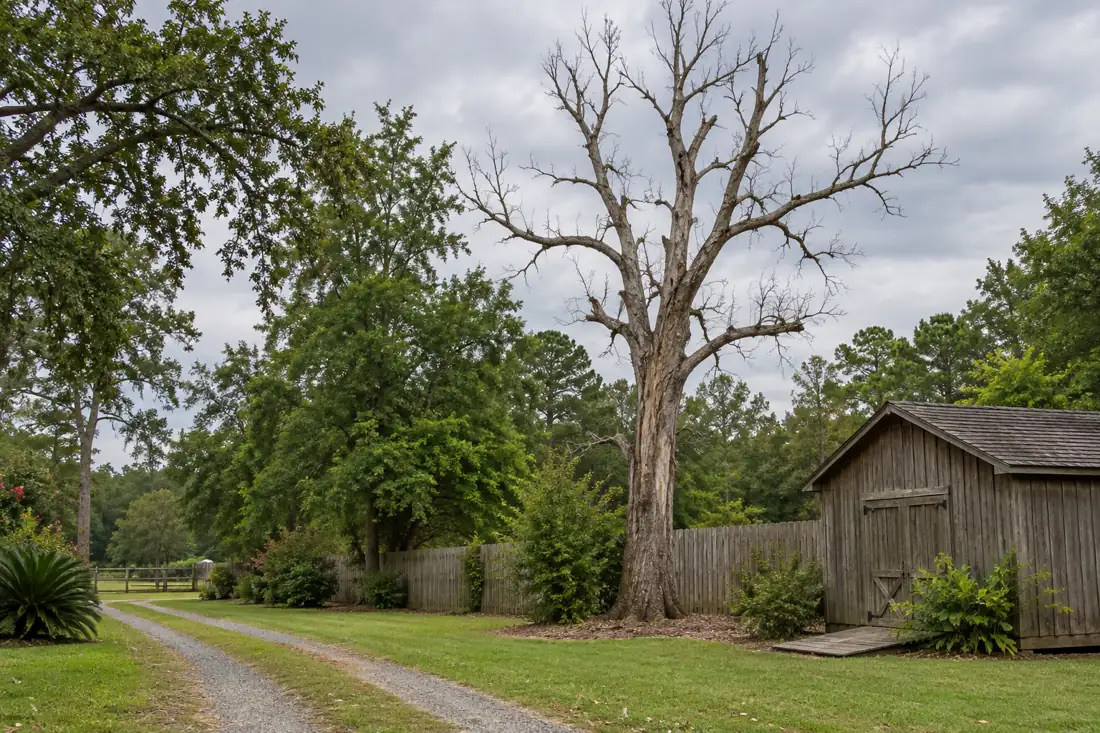
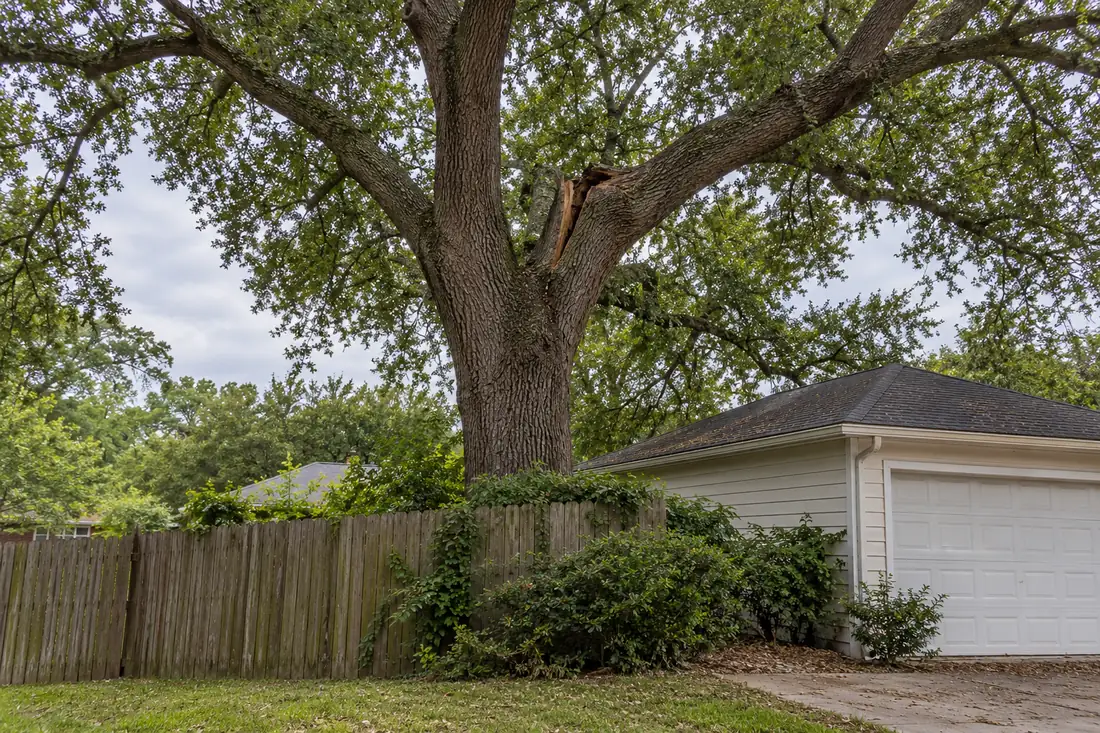
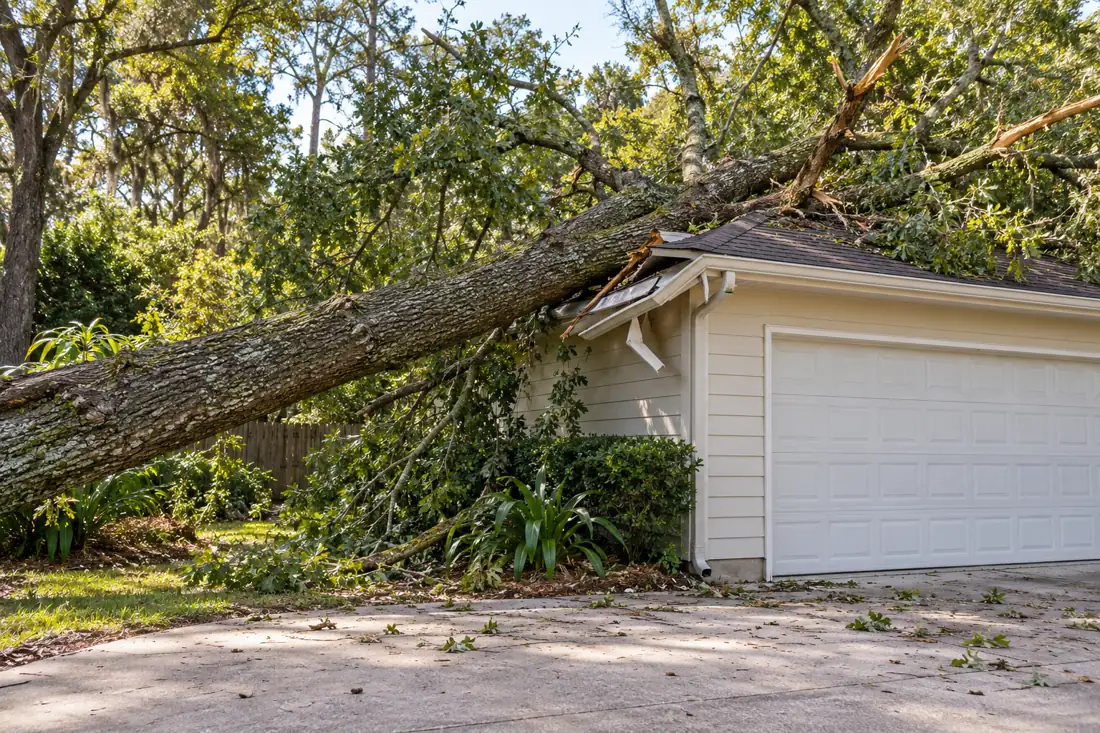
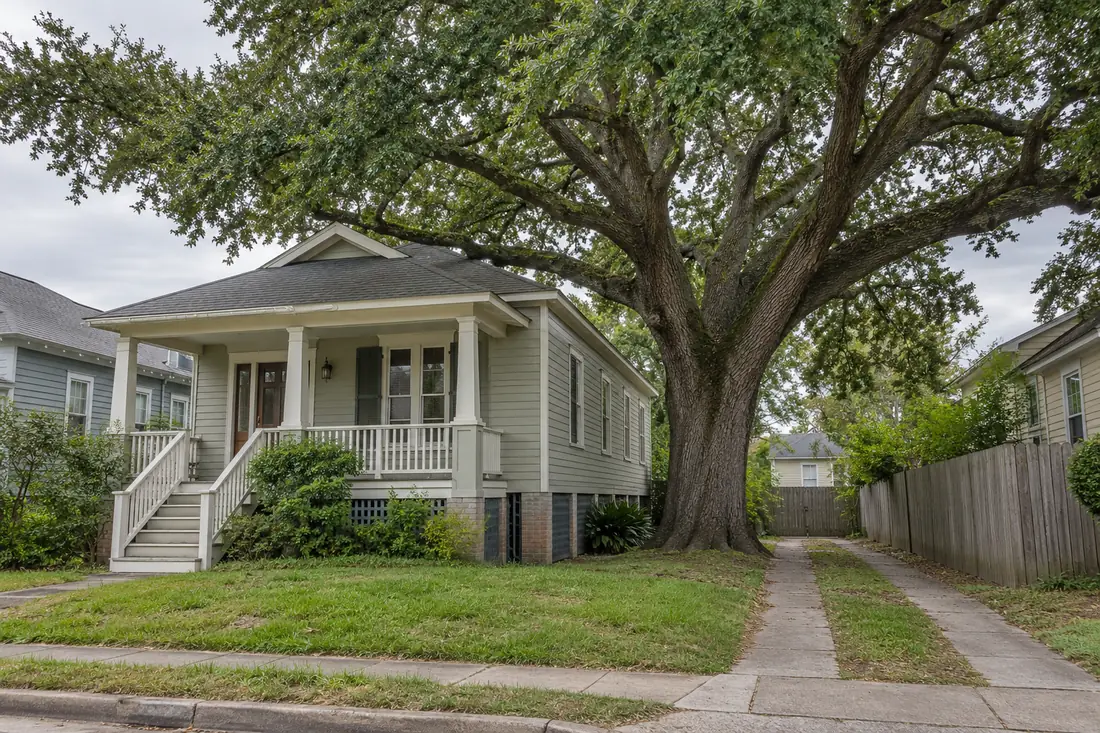
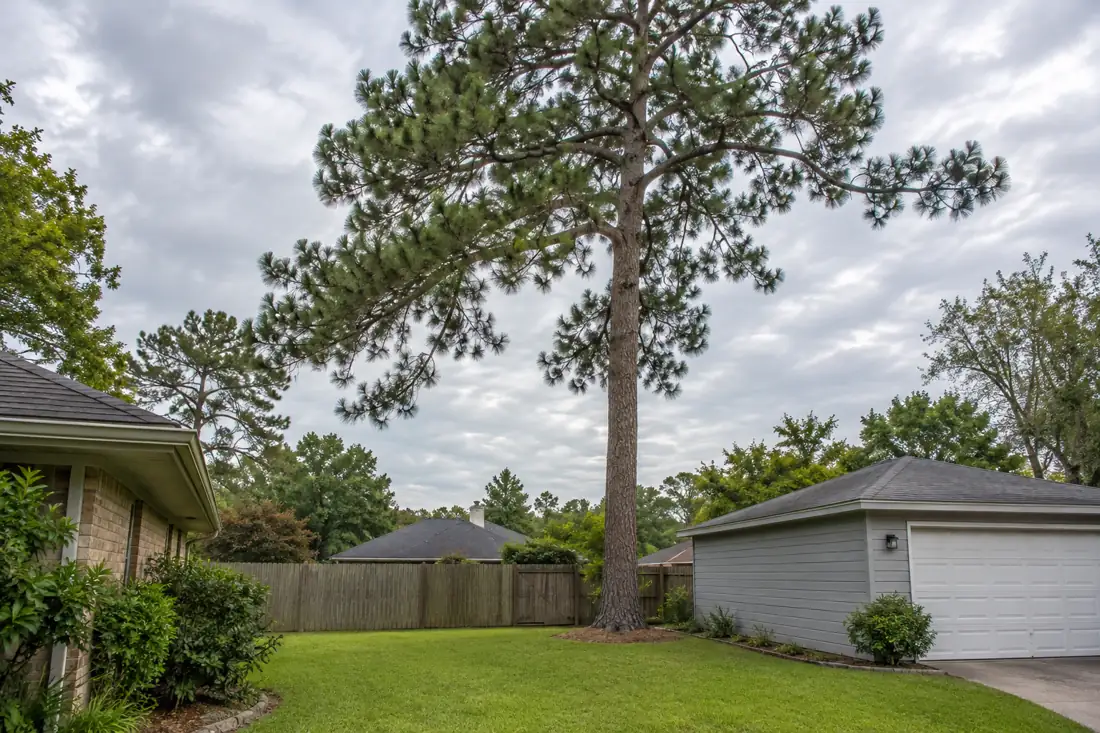
Flower beds, irrigation, edging and small ornamental trees can occupy the same space needed for material handling. Identify the plants and features you want protected before work is priced. Temporary access and landscape restoration should be discussed explicitly. A general cleanup promise may not include replacing plants or repairing irrigation.
Assign protection responsibilities to features on the yard plan
Photograph the landscape from the route the crew would actually use and label irrigated beds, surface drains, garden edging, young trees, lighting, low walls and fragile pavers. For each important feature, record whether it must remain undisturbed, can be temporarily relocated by an authorized person or needs a separate restoration decision. This avoids a vague ‘protect landscaping’ line that everyone may interpret differently.
Ask the contractor which protections are included in the removal scope and which require a landscaper, irrigation specialist or property owner. An uncovered sprinkler line or newly exposed root is a reason to pause that part of the operation and agree on a next action, not to improvise a permanent repair. Closeout should name any accepted impacts, incomplete restoration and photos of the areas most likely to be disturbed.
For this project, separate valued plants, irrigation and restoration boundaries. These details help the contractor understand what must be protected, what information needs confirmation and what result you want from the work. A clear request is more useful than an assumed method or a price based only on tree size.
Walk the route with the estimator and flag ornamental shrubs, shallow irrigation, exposed roots, lights, edging, drainage and pavers. Photograph existing cracks, uneven lawn and fragile beds. Identify desirable trees whose root zones need protection from compaction or material storage. A plywood sheet or mat may reduce localized abrasion but cannot make a weak ground surface safe for every load. Ask the crew to distinguish the intended lowering area from the path used to carry removed wood.
Determine whether the owner should relocate planters or movable furniture and whether irrigation needs qualified isolation. Keep landscaping work such as sod replacement and bed rebuilding distinct from tree cutting and hauling. Confirm the post-work standard for raking chips, restoring borders and clearing drains. Walk the protected areas together at completion, noting any damage without assuming all pre-existing issues were caused by the crew. A thoughtful plan protects the parts of the yard intended to remain.
List the landscape features worth protecting
A removal crew needs to know which parts of the yard are priorities before heavy wood begins to move. Walk the site and mark perennial beds, ornamental shrubs, specimen trees, stone edging, irrigation controls, path lighting, retaining walls and buried drainage features. A small plant near the intended rigging zone may matter more to the owner than a larger lawn area. Give each important feature a location on a simple sketch so the discussion does not depend on identifying plants from memory.
Photograph the condition of the yard from consistent viewpoints and tell the estimator which elements may be moved temporarily, which must remain untouched and which could be replaced if unavoidable. A plant protection request should be specific: keeping an established camellia intact requires a different plan from avoiding scuffs on turf. Ask what protection is realistic for the selected removal method and where a different route may be needed. These conversations belong in the estimate, not after an incident occurs.

Choose tree retention and removal deliberately
When one tree comes out, nearby trees and shrubs may become more exposed to wind and sun. Evaluate the proposed removal in relation to the remaining canopy, irrigation needs and long-term planting design. A tree in poor condition may need work regardless of landscaping, but removal choices should not be based only on whether its roots disturb a flower bed. An appropriate tree professional can explain the structural or health concerns while a landscape designer considers the resulting shade and planting conditions.
Do not rely on a promise that nearby roots will be unaffected. Trees may share rooting space beneath turf, mulch and paths, so driving, excavating or grinding can disturb more than the target trunk. Mark retained tree protection zones and establish where root disturbance is not permitted. If a planned bed redesign requires major grade changes around remaining trunks, discuss it before equipment arrives. The goal is to resolve conflicts on paper while the owner still has choices.
Walk the equipment route from curb to trunk
The shortest path across a yard is not always the safest or least damaging. Identify the narrowest gate, steepest slope, wettest ground and most vulnerable edging along each possible route. A tracked machine, loader or lift may distribute weight differently from a wheeled vehicle, but no equipment is damage-proof on saturated soil. Ask how many trips are anticipated and where machines will turn, because repeated turning can scar turf even when a single straight pass seems harmless.
Move portable furniture, pots, hoses and toys before the work window, but leave fixed irrigation and utility components for properly coordinated protection. If access requires removing a fence panel or crossing a bed, name the party responsible and the restoration expectations. Temporary matting may help under suitable conditions, yet it must be chosen for the equipment and soil. Avoid assuming that decorative stepping stones can serve as a stable equipment roadway.

Protect irrigation and drainage systems
Irrigation lines, drip tubing, valve boxes and shallow sprinkler heads can occupy the precise strip used for moving brush and logs. Share an irrigation layout if one exists, and identify visible controls during the walk. Before digging or stump work, use applicable utility-location procedures and arrange to identify private lines that utility marking may not cover. The tree crew should not be asked to guess the route of irrigation pipes hidden under mulch or sod.
Ask whether irrigation must be turned off during the operation and who will restore it afterward. If a root plate has lifted an irrigation line or damaged a drain, tree removal may expose the problem without completing the plumbing repair. Test and document the system through the appropriate professional after work, including zones not immediately adjacent to the stump if equipment crossed them. Keep repair responsibility explicit instead of assuming every underground component is part of ordinary tree cleanup.
Treat landscaping as part of the access plan, not an afterthought
Established planting beds can conceal drip irrigation, low-voltage lighting, shallow edging and fragile tree roots. Draw a simple route on a property overview before discussing protection. Mark plants to remain, elements that can be temporarily moved by an appropriate party, and locations where wood cannot be set down.
A small ornamental tree near the target may create a tighter rigging corridor than the width of the gate suggests. Explain whether a landscape contractor or property manager must approve any temporary changes. Do not ask an unqualified person to disconnect buried services or remove structural edging.
Use precise language when comparing proposals: protecting existing shrubs from direct contact is not the same as replacing a plant damaged by falling material or restoring compressed soil after work. If access requires a flowerbed, ask what alternatives were considered and what is intentionally excluded.
Discuss whether chip debris can be blown or raked from mulch, whether logs are carried over pavers, and which party will inspect irrigation afterward. Photos taken before work establish the starting condition, but they do not by themselves prove cause or liability for every later change.
Separate the falling zone from valued beds
Branches and trunks can be lowered in controlled sections to reduce contact with plants, but rigging has physical limits determined by tree condition, attachment points and available space. Identify where a piece could swing, where the ground crew will receive it and whether a flower bed occupies the landing route. Some fragile plants may be better moved ahead of time by the owner or a landscape professional. Others may be too established to relocate without harm.
Ask the estimator whether a crane, lift or sectional rigging approach is reasonable for the site rather than demanding a particular technique. A method that protects a rose bed might require larger equipment crossing the lawn; weigh the full impact. Do not enter the exclusion zone to move plants once work has started. When unexpected decay or weather changes the plan, give the crew authority to pause and discuss revised protection rather than forcing its original method around unsafe conditions.

Keep debris handling away from garden features
Chippers and log loading areas need practical clearance, not just a place where material can be stacked. Identify a brush corridor that avoids narrow stone borders, landscape lights and open planting beds. A long log section can sweep sideways when it is turned or lifted, so its travel envelope matters as much as the machine's width. Ask how far logs will be hand-carried and whether brush will be chipped on site or hauled to another location.
Keep chips, sawdust and large wood away from drainage grates, ornamental plant crowns and stormwater inlets. Fresh chips can be useful as mulch in some settings, but a dense accidental pile against trunks or shrubs is not a finished landscape treatment. If the owner wants chips left, specify the placement and approximate volume in advance. Do not assume the crew will sort ornamental stones, remove root fragments from beds or restore fine gravel without a specific agreement.
Identify which landscape features need special protection
Start with a walk-through of the garden, not just the tree. Record beds with bulbs or perennial roots that may be invisible in the current season; ornamental plants with shallow roots; masonry or metal edging; landscape lighting; raised beds; irrigation heads, valves and drip lines; and drainage inlets.
A contractor cannot protect an underground line that has never been identified. A rough sketch plus close-up and wide-angle photographs can show which features need an exclusion zone and which can be moved by the property owner before the appointment.
Choose practical priorities rather than claiming that the entire garden is equally sensitive. Note the specimen plants that cannot easily be replaced, the routes where workers may cross mulch or lawn, and the areas where pieces of wood cannot safely be laid. If a plant is fragile or valuable, ask whether a qualified landscape contractor should temporarily relocate it. Do not trim or relocate plants beneath an unstable tree or within a dangerous cutting zone just to prepare a job.

Plan protection and restoration as distinct scope items
The estimate should describe how the crew intends to manage brush, log sections and access while minimizing contact with protected areas. Tarps can collect small debris, but they are not a substitute for load-bearing ground protection and may trap water over sensitive plants. Mats and plywood have limits on soft soil, slopes and uneven edging. An appropriate plan may use a different removal sequence, smaller pieces or an alternate carry path. Ask who will coordinate movement of pots, irrigation shutdown and any fence-panel removal, and who restores those items afterward.
Document the starting condition with dated photographs from safe positions, and put specific restoration expectations in writing. Distinguish routine raking and debris pickup from replanting, sod replacement, irrigation repair or hardscape restoration; none should be assumed included unless written. During a final walk-through, inspect drains, valves, edging, walkways and the planned travel corridor as well as the stump area. This protects both the garden and the clarity of the customer's agreement with the tree contractor.
Plan stump grinding around plants and hardscape
Stump grinding can create a wider disturbance than the visible stump itself. The grinder needs access and room for its cutting head, while roots may extend beneath edging, irrigation or paving. Identify the desired finished depth and area based on whether the location will receive sod, shrubs, a walkway or structural construction. The tree contractor can describe ordinary grinding scope, but excavation for footings or specialized soil preparation is a different task.
Grinding debris often contains wood chips mixed with soil that will settle as it decomposes. Discuss whether the crew will leave that material, remove some chips or provide a rough fill, and who will prepare the final planting bed. A ground stump does not guarantee that every lateral root has been removed. Around surviving trees, avoid requesting extensive root excavation without assessing the effect on their stability and health. Good restoration starts with accurate expectations about what grinding actually accomplishes.

Consider wet soils, slopes and plant health
A yard that drains slowly after rain may not support the originally proposed equipment route. Tire ruts can disrupt surface drainage, compact rooting soil and create low spots that harm grass and ornamentals long after the tree is gone. Ask the crew to reassess access when the soil is saturated and to identify conditions that would require postponement or a different method. The owner can help by keeping irrigation off where appropriate, but should not undertake unsafe ground modifications to force access.
Slopes, raised beds and retaining edges deserve special attention because a log or piece of equipment may move unexpectedly when support changes. Protecting plants also involves keeping soil piles and repeated foot traffic out of their crowns and root zones. After work, watch for changes in drainage and vigor, particularly on retained trees whose wind exposure has changed. If a nearby plant declines later, investigate multiple possible causes instead of automatically attributing every change to the removal.
Define restoration in writing before pricing
The phrase 'leave the yard neat' means different things to different people. List the tasks expected at completion: collecting large debris, raking an agreed work area, removing chips, replacing removed fence panels, repairing irrigation, leveling ruts or reseeding turf. Ask the estimator to specify which items are included, excluded or handled by a separate contractor. Written limits help the owner compare proposals fairly and keep landscaping costs from appearing as an unpleasant surprise.
Where a valuable plant cannot reasonably be protected, discuss the risk and alternatives before work starts. A contractor may recommend changing the access path, adjusting the removal sequence or arranging a landscaper to temporarily relocate plants. Take before photographs, record any agreed changes and identify who approves additional work. Even a well-planned project can encounter hidden roots or unstable soil, so the agreement should explain how unexpected conditions will be communicated.

Review the yard and create a recovery plan
Walk the site after the hazardous work and loading are complete, looking at the previously marked features rather than judging the result only from the driveway. Check the irrigation controls, bed edges, paths, neighboring trunks, drainage inlets and the stated debris-removal area from safe ground. Take matched after photographs and note anything needing repair or follow-up. Avoid using equipment again simply to make a minor cosmetic correction if doing so would risk substantially more soil damage.
Create a practical restoration sequence: remove excess chips where specified, address drainage or irrigation defects, prepare soil correctly and replant for the new light conditions. A shade-loving bed may need changes after the canopy is opened. Observe retained trees for new stress and arrange professional advice when significant roots were disturbed. A successful removal protects as much of the existing landscape as feasible and leaves the owner with clear, honest next steps rather than an unexplained patch of disturbed ground.
Questions about this project
Is leaving the trunk untouched enough to protect a tree?
No. Roots, soil conditions and nearby work can matter even when the trunk is not cut. Identify retained trees before planning access, excavation and storage, and ask what site-specific protection is appropriate.
Can pruning undo construction-related root damage?
Do not assume it can. Share the work history and ask for an assessment of the current tree and site. Pruning, monitoring or other recommendations should address an identified need rather than substitute for protection planning.
Will a utility locate show every private line?
Do not assume it will identify all irrigation, pet-fence, drainage or other customer-owned systems. Provide available plans and ask what additional locating or coordination is needed for the actual work and access area.
Who should arrange utility-related preparation?
Set that responsibility before scheduling. The property contact, contractor and relevant providers need to identify who handles locating, disconnection, relocation or separate repair work. Uncertain utility information should be resolved rather than guessed.
Which property features should I point out?
Identify buildings, vehicles, fences, fixed fixtures, landscape features, utilities and occupied routes. Explain what can move and what must remain. Include existing damage and any buried features you know about along the access route.
Should people remain inside the work area?
The contractor and site contact should establish an exclusion area and access arrangements appropriate to the work. Keep children, pets, visitors and other workers outside the active zone until the responsible parties say it can reopen.
Does cleanup include every root and wood chip?
That depends on the written scope. Tree removal, stump grinding, chip hauling and root excavation are different tasks. Ask what material is removed, what remains and whether soil or landscape restoration is separately included.
What should a final walk-through check?
Compare the identified trees and tasks with the agreement. Check agreed debris handling, stump treatment, access openings and any listed restoration. Record unresolved items clearly instead of relying on a general impression that the property looks finished.
What should I compare besides the price?
Compare tree identification, work objectives, access assumptions, hauling, stump treatment, site finish and exclusions. Ask whether permits or other coordination are part of the scope and who can approve changes if conditions differ.
Does an online request book the crew?
No. A request starts the estimate conversation. The company still needs to discuss scope, availability and any site assessment. For a dangerous or urgent condition, call 504-458-8336 rather than relying on a form response.
What should I tell Tree Huggers about tree removal and landscaping protection?
Explain the property address, the work you want and the specific concerns: valued plants, irrigation, restoration boundaries. Send safe photos of the tree, surroundings and access route. The contractor can then discuss the assessment and scope needed for this situation.
How do I request an estimate for this work?
Call 504-458-8336, text photos or use the estimate form on this page. Include the address, desired outcome and any timing constraints. The company will need to review scope and availability; an online request does not confirm a price, appointment or emergency dispatch.
Get a scope for your property
Before tree removal near valuable landscaping, identify plants, edging, lighting, irrigation heads and buried lines that should remain. Wide photos establish the access corridor; safe close-ups show beds and features near the trunk. Ask the contractor which protection can be included, what might need to be moved by another trade and what level of cleanup is expected. If the tree work might disturb a bed, separate any planting or irrigation restoration from the tree-service scope.