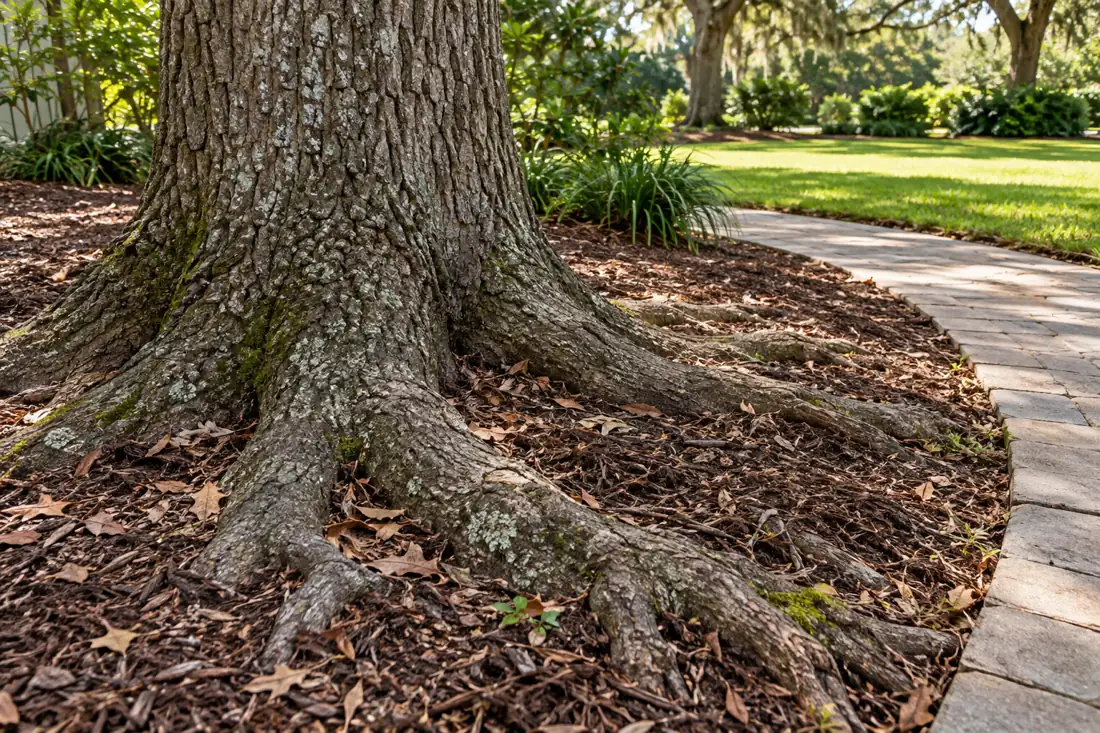
Surface roots can create mowing or walking problems, but cutting them without evaluation can harm the tree and affect stability. Explain the conflict and the desired use of the area. A suitable response depends on the tree, roots, soil and nearby targets. Ask about options before removing roots to make a flat lawn.
Surface roots and lawn access
Visible roots can be normal on mature trees. Describe whether they create tripping, mowing or erosion issues, and photograph the whole root pattern and nearby trunk rather than only one exposed segment.
Cutting large roots can affect tree health and stability. Deeply burying them also has risks. Ask whether a shallow mulch bed, altered path or other surface treatment could solve the owner’s actual problem.
Where public sidewalks or shared areas are involved, coordinate approvals and accessibility. Include soil disturbance, compaction control and final surface maintenance in the scope.
Document where roots cross the surface and whether they are being struck by mower blades, stepped on or driven over. Visible roots are not by themselves proof of disease; some trees naturally develop shallow roots, especially in compacted or poorly aerated soil. Photograph the trunk, the full root zone and the route people or equipment follow. Avoid slicing off large roots to restore a flat lawn, and do not bury the area under a sudden layer of soil without evaluating how the tree will respond.
Ask for options that reduce repeated damage, such as redirecting foot traffic, modifying mowing practices, using an appropriate mulch bed or redesigning a small landscape area. If drainage or soil compaction is also involved, address that condition as part of the plan. The written scope should say which roots are to be protected and who is responsible for any hardscape work. A useful follow-up measures fewer impacts to the roots and better access—not whether the roots have disappeared from view.
Determine why roots are visible
Tree roots may become exposed through erosion, soil compaction, grade changes or ordinary growth close to the surface. A visible root is not automatically diseased or dangerous. Photograph its path across the lawn, the trunk it appears to connect with, and nearby grading or drainage features. Note whether the roots became more prominent after a landscaping project or heavy rain, but do not assume a single cause without evidence.
Some species naturally develop broad shallow root systems, and a lawn may be an imperfect surface over those roots. The practical question is how the yard will be used and what can be changed safely. Avoid taking a shovel to the area before understanding which roots belong to living trees. Cutting or covering them may solve a mowing inconvenience while creating a larger tree-health issue.

Protect the relationship between roots and tree stability
Roots absorb water and nutrients and help anchor a tree in soil. Large woody roots near the surface can be structurally important even if they appear inconvenient. Their size and position alone do not reveal how much load they carry, so there is no universal safe diameter to cut for a flatter lawn. Ask an arborist to consider species, root arrangement, soil conditions and any previous disturbance before major root work.
Where a mature tree overhangs a house or commonly used area, the consequences of destabilization are particularly important. Do not undermine the root plate or mechanically grind living roots without an appropriate review. The professional may recommend changing the lawn design instead of cutting. A good plan treats roots as part of the tree rather than disposable landscaping debris.
Protect exposed woody roots instead of shaving them to the lawn
Surface roots often become visible as grass thins, soil erodes or a tree matures. They are not automatically a defect. Avoid cutting, grinding or shaving attached woody roots to make mowing easier; doing so can injure the tree and create decay or stability concerns. Map which roots are exposed and whether people regularly cross the area. Also note changing drainage, repeated mower strikes and any recent fill material placed near the trunk.
Choose a lawn-management response based on how the space is used. A mulched planting area with the trunk flare visible may reduce mower traffic, while an adjusted path can redirect feet away from roots. Do not cover major roots with thick soil to make the surface look level. If the roots affect a walkway, steps or a driveway, a design review can address accessibility separately from tree biology.
Assess the actual mowing and walking conflicts
Describe where equipment catches on roots, where people may trip and which parts of the yard need regular access. A single raised root in a low-traffic bed differs from a network crossing the only route to a gate. Photograph the path of travel and identify any mobility needs. The owner may be able to shift a walkway or create a planted area without removing important root structure.
Do not assume adding soil will permanently bury the root. Grade changes can affect oxygen exchange and drainage around the root zone, while new roots or erosion can alter the surface again. Discuss alternatives such as changing the mowing boundary, mulching appropriately or using a designed crossing where justified. Any new paving or edging should be planned to avoid further root injury.


Use the planning checks before authorizing the work
Visible surface roots are observations, not a stand-alone diagnosis of tree decline. Document how the ground meets the trunk and whether soil has washed away, pavement has moved or mowing has repeatedly contacted wood. Note changes in drainage, grading and nearby work dates rather than assuming that every high root should be removed. Simple surface treatments may address a minor trip or maintenance issue, but cutting structural roots or burying the root flare can introduce new problems. Ask for a site-specific assessment when stability, excavation or damage to occupied areas is in question.
Define the real conflict created by surface roots
Exposed roots are common near mature trees and are not automatically evidence of disease. Record whether the conflict is mowing, a trip-prone walking route, a cracked paving edge, drainage or appearance. Include a wide image connecting the visible root to the trunk, grade and affected area. Soil loss, previous excavation, watering and foot traffic can change how a root looks over time. Note when the issue first became noticeable; avoid cutting a root or burying it under fill just to make the ground look level.
Ask whether changing the human use or surface design can resolve the problem. A redesigned path edge, adjusted mowing strip or carefully planned mulch bed can sometimes avoid damage to a significant root. Root cutting, grade changes and pavement work require attention to structural support, oxygen, moisture and the tree's overall condition.
No one should promise that a large root can be removed without consequence from a photograph alone. If a sidewalk or public right-of-way is involved, establish who owns the surface and authorizes changes.
Distinguish erosion from a high-root profile
Water moving across a slope can wash fine soil away and leave roots increasingly exposed. Look for channels, bare patches, deposits of sediment and where runoff travels during rain. If a downspout or drainage feature directs water across the lawn, note that connection. The root exposure may be a symptom of an ongoing surface-water issue rather than a reason to add more soil around the trunk.
A drainage professional may need to advise on runoff control, while an arborist evaluates impacts on the tree. Avoid excavating trenches through large roots to redirect water. A solution should stabilize the surface without burying the trunk flare or creating standing water. Take before-and-after photographs so changes in grade and erosion can be assessed over time.
Understand the limits of topdressing
Light, appropriate surface adjustments may sometimes be part of a landscape plan, but thick fill over established roots can change oxygen, moisture and soil conditions. A deep layer that makes the yard level today may stress the tree later. Do not use a generic soil-depth rule without knowing the root distribution and species. Ask for a site-specific recommendation when a proposed grade change affects a mature tree.
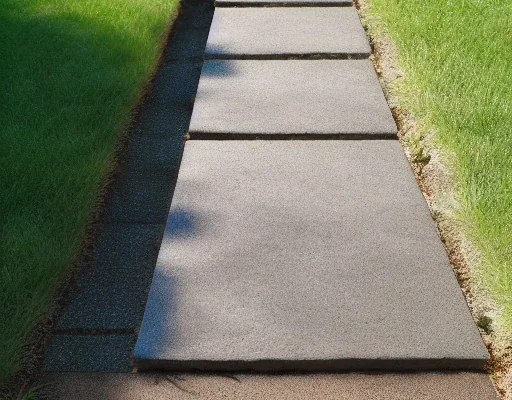
If the aim is new sod, coordinate with the turf installer before placing material. Sod establishment and root preservation have different needs, and neither contractor should assume the other has approved deep fill. An alternative ground cover or a mulch bed may be more practical near the trunk. The owner should understand the tradeoff between a continuous lawn and protecting the tree's existing root environment.

Choose alternatives to cutting surface roots
A wider mulch or planting bed can reduce mowing around raised roots, provided material is not piled against the trunk. A thoughtfully routed stepping path may provide access without excavating the entire root zone. Where a walkway must cross, a designer may consider methods that limit excavation or accommodate future root growth. The right option depends on access needs, tree value and existing grade.
Avoid placing rigid edges or stakes through major roots without planning. Even hand excavation can damage fine roots and create wounds that predispose the tree to further problems. If a root is already cut or damaged, document the location and timing for an arborist. The goal is to solve the yard-use problem without transferring all the risk to the living tree.
Manage exposed roots without sacrificing the tree for a smooth lawn
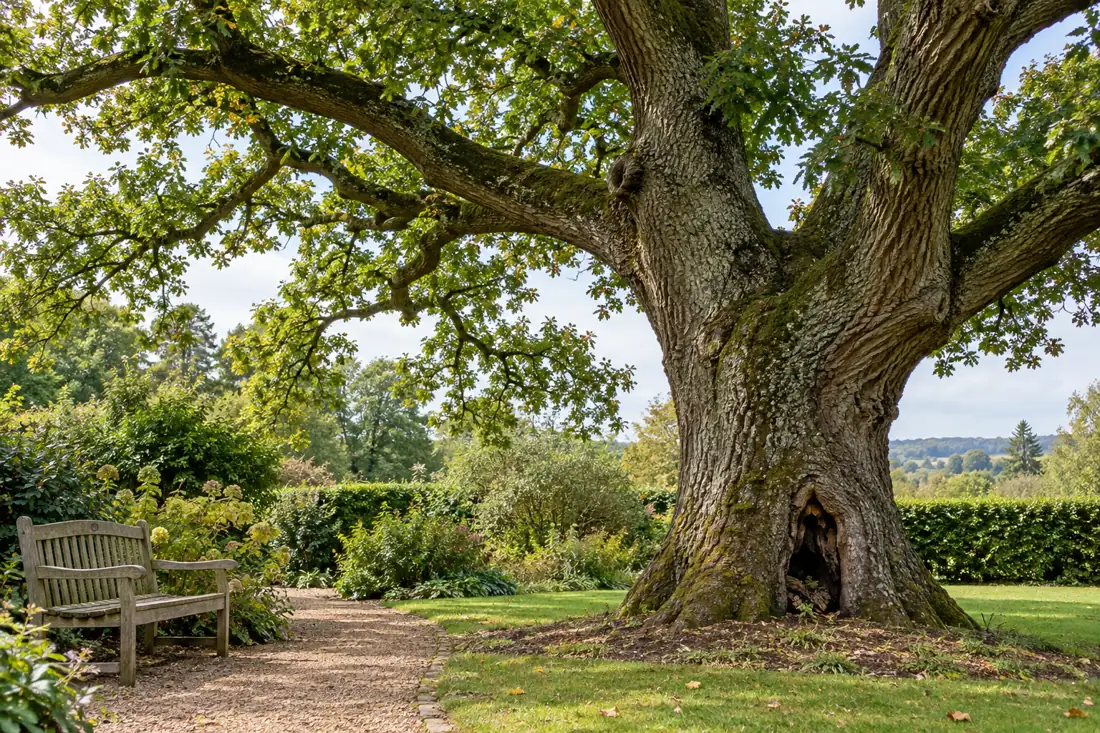
Roots visible at the lawn surface are often part of a mature tree's normal architecture, not evidence that a tree has become defective. They can interfere with mowing, present trip points, or change drainage, but sawing them flush with the grass can remove structural or absorbing roots.
Evaluate which areas are truly used as walking routes, where mowers strike roots, and whether erosion has gradually exposed the soil. Take note of past grade changes, irrigation, shade, compaction, and the tree's visible condition before proposing a surface treatment.
Safer design often begins with changing the way the space is used. It may be possible to redirect foot traffic, use an appropriate surface mulch, create a planted bed, or modify the lawn layout so machinery avoids the roots. Raising soil deeply over roots or building a rigid slab without root planning can create another problem.
For a walkway used by people with mobility limitations, consult an appropriate designer about accessibility and surface transitions; the answer is not to ask a gardener to cut the nearest root. If there is significant root damage, movement, or unusual lean, request qualified assessment. Record the chosen protection and maintenance plan to avoid repeated accidental strikes from future mowing crews.
Surface roots: repair lawn use without sacrificing the tree
A mower catching a large surface root is an equipment-and-trip problem, not automatic evidence that the root should be ground down. Mark the route where people or maintenance equipment actually travel. Consider a mulch area, a different walking path or an adjusted mowing edge before proposing any live-root cutting.
If the desired outcome is new pavement, the question changes from lawn maintenance to structural design and tree retention. Ask a qualified professional about root impacts before agreeing to deeper excavation, soil fill or cutting. Keep permission for the property and the intended final surface explicit.
Document grade changes before recommending tree work
Ask when the roots first became visible, whether recent excavation or landscaping altered the soil, and whether water now follows a different path. Photographs from multiple angles are more useful than a single close-up because they show how roots connect to the trunk and other features. A visible root does not tell you how far the system extends underground. Avoid assuming a neighboring root belongs to a particular tree without context.
For a professional inquiry, include a wide view of the trunk and the ground conflict, the affected access route, and any planned paving or grade work. Explain the goal—safe walking, easier maintenance or preservation—before requesting cutting. Where root cutting might be unavoidable, seek assessment of consequences rather than asking for a standard depth or size rule. Keep work instructions for future grounds crews.
Resolve the yard-use conflict without automatic root cutting
Mark the exposed roots that interfere with a mower, walkway or planned landscape change, then photograph the tree and the full affected area. A route adjustment, mulch bed or modified mowing practice may be safer than cutting a structural root. Note erosion, repeated soil compaction and drainage because adding soil over roots without addressing those conditions may create a different problem.
Ask which roots should remain undisturbed and whether an access solution needs a landscape or pavement specialist. A photograph showing a raised root cannot by itself establish the tree's stability.
Review tree-root care and a safe site-use assessment

Make the lawn usable without grinding away living roots
Measure the actual conflict: whether mower blades strike a raised root, a walkway edge has shifted, or erosion has removed soil around an otherwise stable root. A photograph from ground level with a ruler beside—not driven into—the affected area helps explain the scale. Do not shave a structural root just to restore a perfectly flat lawn. Mower routing, a small mulch island or a changed walking path may solve the day-to-day problem with less disturbance.
Keep the tree's root flare visible and avoid piling soil or mulch against the trunk. Where runoff is carrying soil away, address drainage and erosion instead of repeatedly burying exposed wood. Ask a qualified tree professional to review any proposed root cutting or excavation, especially near large roots on the side of a leaning tree or where a paved surface is already lifting.
Compare alternatives before root removal
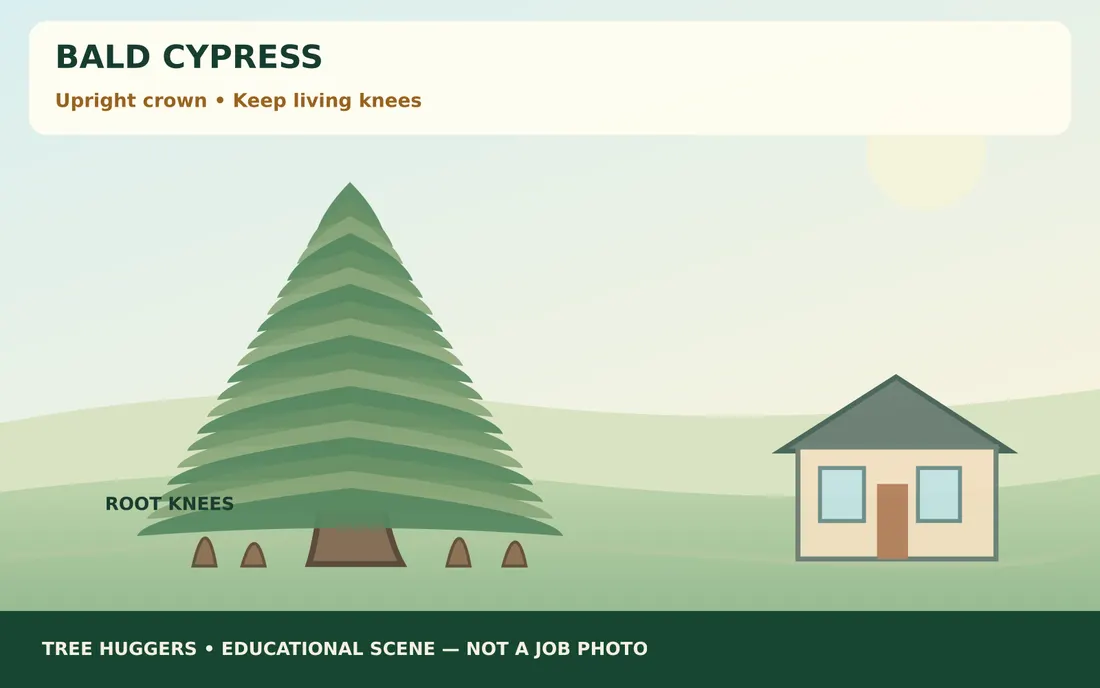
Create a written handoff for any combined tree and hardscape project. Identify the authorized work limit, which roots will be protected and what discovery requires reassessment before further excavation. Distinguish improving the walkway from performing arboricultural work. Photograph the actual final surface from repeatable safe positions and schedule an appropriate observation of the retained tree. An educational scene can illustrate a typical conflict, but it must not be passed off as proof of a Tree Huggers repair or an engineered structural result.
Decisions to confirm
- Identify whether the conflict is access, mowing or drainage
- Photograph root, trunk and adjacent surface together
- Review path and surface alternatives before excavation
- Define stop-work conditions for unexpected large roots
Look for changes that warrant tree assessment
Exposed roots alone are not proof of instability, but new root-plate movement, a developing lean, cracks in the soil or significant canopy decline deserve attention. Observe from a safe location and avoid walking under suspect limbs during severe conditions. If construction recently cut roots on one side, share that history with the assessor. Previous site work may change how the root system should be interpreted.
Do not use a homemade push test or drive a vehicle over roots to see whether they move. These actions are unsafe and unreliable. Ask the professional what evidence supports retention, management or further investigation. Where exposure is high, temporary changes to site use may be prudent while findings are reviewed.

Coordinate with fences, sidewalks and utilities
Roots near paving or fences can become part of a multi-trade problem. A lifted slab may need review by a concrete or accessibility specialist, while a buried pipe concern requires the utility provider's findings. A tree contractor should not assume the nearest root caused a plumbing leak or structural crack. Share inspection results and the intended repair before asking for root work.
The excavation plan should identify retained trees and underground services. A root cut beside a boundary can affect a tree on an adjoining property, so permissions and responsibility matter. If the project involves a new fence post or sidewalk, ask whether a different alignment can reduce conflict. Keeping the tree and construction scopes separate improves both planning and accountability.
Make the estimate request specific and useful
Send wide photos of the yard, close views of the raised roots taken safely, and a description of the actual problem: trip hazard, mower access, lawn establishment or construction conflict. Include recent soil changes, drainage concerns and nearby trees. The root's visible height is useful context, but it does not establish a safe removal method. Ask for an assessment before authorizing large cuts or stump equipment near a living tree.
Define whether the requested service is evaluation, selective work, landscape redesign or removal of a tree that has already been judged unsuitable to retain. If another contractor will rebuild a walkway or lawn, share the proposed design. An online request starts the conversation, not a promise that every root can be cut, a price can be guaranteed remotely or the yard will remain permanently level.

Plan a sustainable maintenance outcome
A completed project should leave a clear agreement about which roots remain, how the lawn or pathway will be maintained and what changes should trigger reassessment. Photograph the finished area and note any material added or removed. If an alternate planting bed was chosen, tell future maintenance crews not to repeatedly scalp the exposed roots or mound mulch against the trunk.
Review erosion after subsequent rain and watch for significant tree changes over time. A healthy-looking canopy is useful context but not a structural warranty. Where the owner and landscape contractor differ, assign responsibility for maintaining the new boundary and avoiding equipment strikes. The best outcome is a yard that functions for people while respecting the root system that supports the tree.
Questions about this project
Can I cut a surface root to flatten the lawn?
Do not assume that is harmless. The root may matter to tree condition or stability. Describe the conflict and ask for an assessment and appropriate options before cutting or excavating near the tree.
Does a nearby tree prove it caused a plumbing problem?
No. Use the plumbing provider's findings and identify the affected system. Coordinate any tree or root work with that information rather than assuming location alone establishes the cause or the right remedy.
Is leaving the trunk untouched enough to protect a tree?
No. Roots, soil conditions and nearby work can matter even when the trunk is not cut. Identify retained trees before planning access, excavation and storage, and ask what site-specific protection is appropriate.
Can pruning undo construction-related root damage?
Do not assume it can. Share the work history and ask for an assessment of the current tree and site. Pruning, monitoring or other recommendations should address an identified need rather than substitute for protection planning.
Is a free work estimate the same as a written risk assessment?
Not necessarily. Explain whether you need pricing, condition advice, a documented assessment or a combination. Ask what the visit includes, who provides it and what limitations apply to any findings or recommendations.
What history should I share?
Share known storm damage, prior failures, construction, root disturbance, flooding, pruning and recent changes. Include the timing and nearby property use. Useful history supports the evaluation without replacing inspection of the current tree and site.
Can tree equipment use any driveway?
No general assumption should be made. Pavement condition, edges, support, buried infrastructure and the proposed equipment all matter. Ask the contractor to assess the intended setup and route for the particular property.
Do mats guarantee there will be no ground damage?
Ground protection is one part of a site-specific plan. It does not remove every load, soil or access limitation. Discuss the proposed measures and any restoration responsibilities in the written scope.
What should I compare besides the price?
Compare tree identification, work objectives, access assumptions, hauling, stump treatment, site finish and exclusions. Ask whether permits or other coordination are part of the scope and who can approve changes if conditions differ.
Does an online request book the crew?
No. A request starts the estimate conversation. The company still needs to discuss scope, availability and any site assessment. For a dangerous or urgent condition, call 504-458-8336 rather than relying on a form response.
What should I tell Tree Huggers about exposed tree roots in a lawn?
Explain the property address, the work you want and the specific concerns: surface-root conflict, mowing damage, stability concerns. Send safe photos of the tree, surroundings and access route. The contractor can then discuss the assessment and scope needed for this situation.
How do I request an estimate for this work?
Call 504-458-8336, text photos or use the estimate form on this page. Include the address, desired outcome and any timing constraints. The company will need to review scope and availability; an online request does not confirm a price, appointment or emergency dispatch.
Get a scope for your property
Roots showing above a lawn often cause conflicts with mower blades, walking routes or uneven turf. Indicate where the roots cross the yard, whether equipment has repeatedly struck them and whether pedestrians or pets use the same path. Wide photographs should show their relationship to the trunk and the lawn; closer images can show bark damage without scraping soil away.
Mention irrigation, recent grading or heavy foot traffic if relevant. Avoid trenching, shaving or cutting roots to make the lawn appear level before the tree has been evaluated.
A useful assessment compares practical surface treatments, rerouting of foot traffic and any needed tree-health review rather than assuming exposed roots are defects that must be removed. Ask how proposed mulch or landscape changes will affect the root flare, water movement and mowing access. If there is newly lifted soil, a fresh lean or movement following storms, separate that possible stability concern from routine lawn maintenance.
The written scope should identify exactly which surface or tree issues the proposed work addresses and which it does not.