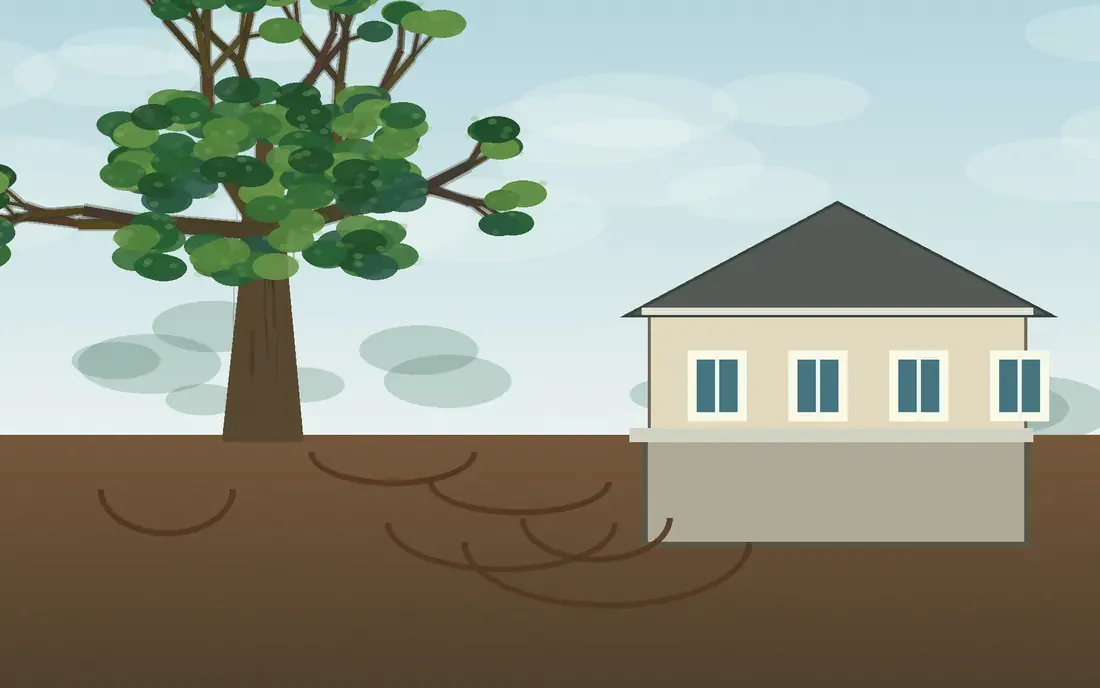
A plumbing problem and a nearby tree do not by themselves establish the cause. Use the plumbing provider’s findings and identify the affected line before requesting tree work. Root cutting, removal and plumbing repair have different consequences and responsibilities. A coordinated scope is more useful than assuming the whole tree must be removed.
Roots near a pipe: determine what failed before choosing tree work
Roots often follow existing moisture sources and may enter a pipe through a joint or defect. A root visible near a trench does not establish that the tree broke a sound line, and a plumbing backup does not identify which tree is involved. Ask the plumber for the pipe location, material, depth, camera observations and the nature of the defect. If the exact line is uncertain, mark utilities before digging.
Coordinate the proposed plumbing repair with root protection. Cutting a large structural root near the trunk can affect anchorage, while trenching may expose many small roots that support water uptake. The safest route, repair method or pipe replacement may avoid some conflicts. Do not apply root-killing products or excavate around a major root based on assumptions from a distant photograph.
Provide both trades a common diagram showing the tree, trunk flare, affected pipe and any planned access for equipment. Ask the arborist what root disturbance could mean for the tree and the plumber which repair actually addresses the leak. The written scope should separate plumbing work, tree assessment, excavation, surface restoration and follow-up responsibility rather than combining them into an unsupported guarantee.
Collect the available plumbing evidence first: drain-camera findings, the line’s location and depth if known, recurring blockages, leaks or sections that have shifted. Tree roots may enter an existing pipe defect, but their presence does not establish that a healthy tree caused the initial failure or that cutting roots will repair damaged plumbing. Photograph the property layout and identify the tree in relation to the suspected line without digging into major roots. Keep affected areas clear if water or sewage is surfacing.
Ask the plumber and tree assessor to coordinate on repair access, trench route and root protection before excavation. Discuss whether a different pipe repair method or path could reduce root damage, and identify any permits or utility-locate requirements relevant to the work. A written plan should separate the plumbing diagnosis from tree-health decisions and include what happens if excavation exposes larger roots than expected.
Avoid promising that root removal will prevent all future pipe issues or that a pipe repair has no effect on the tree.
Separate plumbing symptoms from assumptions about tree roots
Slow drains, wet ground or recurring backups near a tree can raise suspicion about roots, but these symptoms do not establish where a pipe is damaged. A blockage might involve grease, sediment, a collapsed section, a poor connection or root intrusion at an existing defect. Before choosing tree work, document which fixtures or areas are affected, when the symptoms began and whether a licensed plumbing professional has identified the actual line condition.
Do not remove a healthy tree because of a neighbor's guess or one unexplained puddle. Note whether the wet area follows rainfall, irrigation operation or indoor water use. If sewage is suspected, avoid contact and follow appropriate plumbing and public-health guidance. The useful first question is what has been verified inside or around the pipe, not how quickly the tree can be cut down.

Find the actual route and ownership of the underground line
The line serving a home may cross a yard far from the shortest visible path to the street. Pipes may run beneath walkways, driveways, fence lines and root systems of several different trees. Ask the plumbing contractor to identify the likely route, depth and responsibility for the service. Public utility marks may not cover all private laterals, so separate locating work may be needed before excavation is considered.
Show the tree professional the best available plumbing sketch or marked route, not just a close-up of roots at the surface. If the location is uncertain, preserve that uncertainty in the proposal. Tree roots are rarely confined to a tidy circle around the trunk, and a pipe near one tree may also cross the root zones of others. Site decisions should account for the whole landscape and the practical excavation corridor.
Use plumbing evidence before authorizing tree work
Ask the plumber for the location and condition of the affected line, including camera findings where available, rather than assuming that a nearby tree caused the blockage. Roots can enter an existing defect, but identifying roots in a pipe does not establish which tree they came from or what work is justified.
Confirm utility locates and permits before excavation, and ask the plumbing provider and tree assessor to discuss ways to protect retained roots. Separate pipe repair, trench restoration, tree assessment and any proposed removal into clear responsibilities. Avoid contact with suspected sewage.
Do not treat every blocked drain as a tree-root diagnosis
Roots can exploit openings in buried pipes, but a slow drain or wet patch by itself does not identify the pipe condition or the tree responsible. Start with a licensed plumbing assessment and appropriate camera or line-location information when warranted. Record where the line actually runs and where damage is documented. A surface photograph of a tree and a cleanout cap does not show the buried pipe, its material or an entry point.
Keep plumbing repairs and tree decisions in distinct scopes. A plumber may recommend repairing a failed joint or replacing a line; an arborist can evaluate the implications of excavation or proposed root cuts for nearby trees. Neither discipline should be asked to guess the other's findings. Before digging, follow the applicable utility-location process and any property approvals, especially near shared servitudes or public infrastructure.

Separate a suspected pipe leak from a root-location assumption
Roots near a pipe do not, by themselves, prove that the pipe was damaged by the tree. Water availability, older joints and existing leaks can attract root growth. If drains repeatedly clog, water pools in unusual places or a cleanout shows problems, start with the plumbing system's condition and location rather than removing a tree on suspicion.
A licensed plumbing professional can advise on appropriate inspection of the affected line. A tree professional can separately assess how excavation, root severance or trench alignment might affect the tree's stability and health. Ask both parties to agree on the work area, protective measures and who is responsible for locating public and private underground services before digging.
Keep irrigation valves, landscape lighting and other buried systems in the site plan, even if they are not part of the failed plumbing line. The supporting image illustrates why hidden landscape infrastructure needs attention; it does not depict the homeowner's plumbing defect or a verified leak.
Use a plumbing diagnosis rather than a generic root theory
A professional inspection may involve locating access points, assessing flow and using a drain camera where appropriate. Request a description of what was seen, its approximate location and any limitations such as poor visibility or a blocked section. A camera view of roots inside a line can show intrusion, but it may not reveal why the pipe allowed entry or the full structural condition of the surrounding soil.
Ask whether the plumber recommends repair, replacement, further investigation or a temporary clearing step, and what each option can and cannot solve. Mechanical removal of intruding roots may restore flow for a time without repairing the opening that admitted them. Do not interpret a cleared drain as proof that the tree's root system has been permanently eliminated from the area. Keep photographs and reports together for the tree consultant.
Coordinate a pipe diagnosis with root protection before digging
Ask the plumber for evidence that identifies both the line and the fault. A camera report may show offsets, broken joints, collapsed sections or roots entering at an existing opening, and those situations call for different repairs. Keep the inspection date, approximate depth, affected section and any marked surface route.
A nearby tree does not prove its roots caused the failure, and roots visible inside a pipe do not establish that removing the tree would repair the opening. Treat the plumbing diagnosis as the starting document.

Protect Root Zones While Investigating a Buried-Line Concern
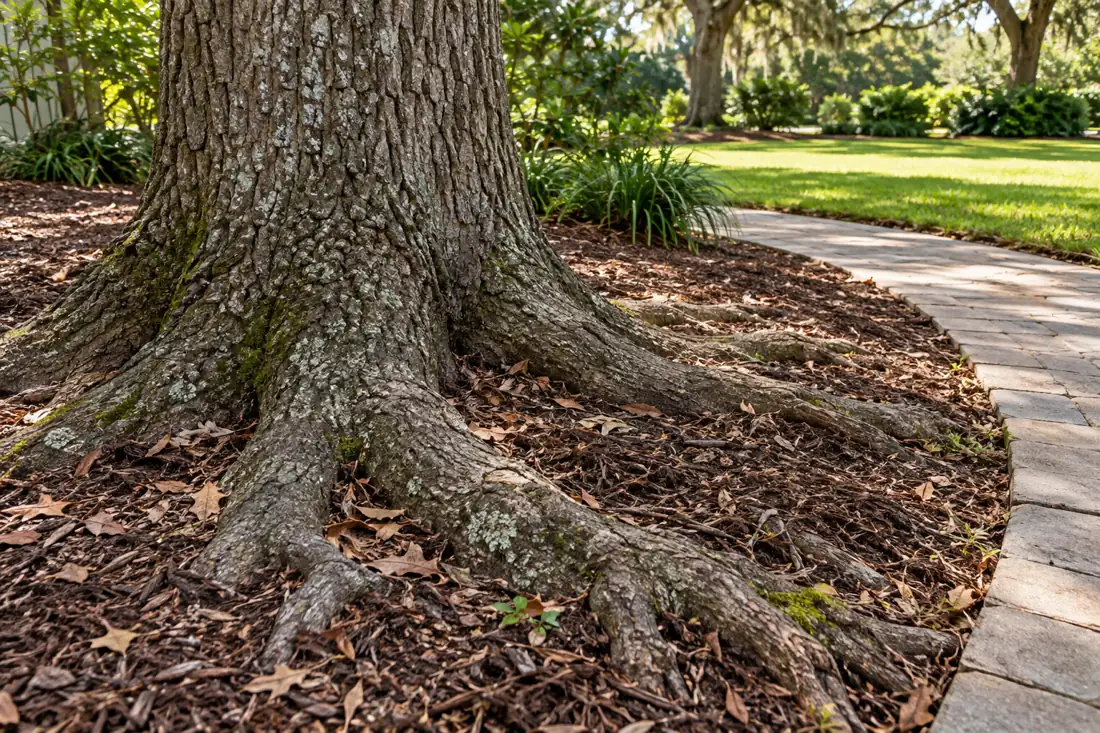
Roots and buried plumbing can occupy the same soil without a photo revealing the condition of a pipe. Surface roots, wet ground, repeated drain backups and previous trench lines provide different pieces of information. Record the symptoms and where they appear instead of assuming root intrusion from tree proximity alone.
Do not cut roots, probe an underground line or excavate around a suspected utility as a do-it-yourself test. Contact the relevant utility or plumbing professional for the line investigation and the appropriate locating process before ground disturbance. A tree assessment can then consider root health and consequences of proposed excavation.
For the work request, specify whether the main concern is a plumbing defect, a construction route, a surface trip hazard or retaining the tree. Combining them into a generic tree-removal request can obscure the actual decision. A coordinated plan should identify what is known, what must be verified and who is responsible for each part.
Before excavation, have utilities marked through the appropriate locating service and ask the plumbing contractor what additional private lines require locating. Identify access from the driveway or gate, soil stockpile locations and where machinery could compact the tree's root area. If a trench will cross major roots, involve a qualified tree professional early to discuss a different excavation alignment, trenchless repair where feasible or other ways to protect the tree. Do not instruct homeowners to expose, cut or pull roots themselves.
Separate the short-term sewer remedy from any long-term tree recommendation. Pipe lining, a localized repair and full replacement can have different disturbance footprints; the plumber should explain suitability for the observed defect. A tree assessment can then address whether the chosen repair changes stability, health or future site use. If a proposal recommends immediate tree removal, ask which evidence links that decision to a tree condition rather than to an unresolved pipe defect. There may be a valid removal reason, but it should be stated.
After the plumbing work, retain the pipe footage, repair location, as-built routing and photographs of any roots disturbed with the tree report. Confirm that disturbed soil and drainage are restored without burying the root flare or compacting the surface into a hard equipment pad. Watch for meaningful canopy or lean changes over time, but do not promise that either the plumbing or the tree can be made risk-free. One shared property record makes future repairs far easier to coordinate.
[/fusion_text][/fusion_builder_column_inner]
Separate plumbing diagnosis from assumptions about nearby roots
Roots may enter damaged or leaking underground plumbing, but a tree near a slow drain does not by itself prove that its roots caused the problem. First identify which line is affected, the age and material of the pipe if known, the location of access points, and whether a licensed plumber has performed an appropriate inspection. A sewer-camera report, marked line location, or recorded leak can be more useful than cutting nearby surface roots on suspicion. Keep safety barriers around open excavations, and do not dig near buried utilities based on an approximate map.
Repair choices belong with the qualified plumbing contractor, while root impacts and tree stability should be considered with an arboricultural professional where important roots may be disturbed. Pipe repair, rerouting, trenchless options, or changes in drainage may affect roots differently; the correct method depends on pipe condition, access and site constraints.
Avoid claiming that one chemical or mechanical root treatment permanently solves the issue, and do not make promises about a tree's stability after trenching without assessment. Before excavation, mark the work envelope, identify nearby structures and paving, plan spoil and equipment areas, and agree on who will authorize any changed route when roots or utilities appear. Keep photographs and contractor reports together for future maintenance decisions.
Buried plumbing: establish which professional answers which question
A blocked drain or pipe camera showing roots is first a plumbing-system diagnosis. Obtain the licensed plumbing professional’s location of the defect, pipe condition and proposed repair before concluding that an entire tree must be removed. Roots can exploit existing openings, and a camera image alone does not establish the structural condition of the tree.
Once the proposed repair route is marked, the tree professional can evaluate effects of excavation and root removal on the retained tree. Confirm utility locating, permits where applicable and site restoration with the responsible trades. Avoid blind cutting or trenching to create a photograph.
Coordinate trench placement and tree protection before excavation
Once a line location is confirmed, mark the excavation footprint and compare alternatives that may reduce root damage. Where a trench must cross a mature tree's rooting area, ask for construction methods and protection practices suited to the actual site. Avoid promising that a certain distance from the trunk is always safe; root extent varies with soil, drainage and historic disturbance. Coordinate temporary access so heavy machinery does not compact the remaining root zone.
Save the plumber's camera findings, repair drawings and photographs of exposed conditions, with personal identifiers removed from public materials. If the tree later shows stress, those records can inform a proper assessment without asserting that the plumbing work caused it. A useful estimate request explains whether the goal is pipe repair, tree preservation or both. Those goals may require separate contractors, sequencing and authorizations.
Request a tree assessment coordinated with plumbing findings

Understand why roots find openings and moisture
Roots naturally grow through soil in search of favorable conditions, including moisture and oxygen. Where a pipe is cracked, jointed poorly or otherwise permits entry, fine roots can expand inside the line. That does not mean the root necessarily broke an intact pipe in the first place. The condition of the pipe, nearby soil and history of repairs all matter. A diagnosis should separate the presence of roots from the cause of the defect.
This distinction changes the work plan. Removing the tree may not repair a broken line, and roots from other vegetation may still find the same opening. Conversely, a major excavation near a mature tree can cut important roots even if the intention is only to repair plumbing. A good solution looks at the failed infrastructure and the tree together instead of treating one as a convenient substitute for fixing the other.
Protect people, utilities and the tree during investigation
Sewer leaks, waterlogged excavations and unknown underground lines can create hazards before any tree work begins. Keep children and pets away from open or contaminated areas. Arrange appropriate utility locating and qualified excavation planning; homeowners should not dig into an unmarked service corridor or work inside a trench without proper safeguards. A tree contractor may need to coordinate with plumbing specialists rather than lead the repair itself.
Tree protection is also a construction safety concern. A deep trench beside a trunk can remove roots that contribute to stability, while heavy machines can compact the remaining root zone. Ask the team to identify where access equipment, spoil piles and temporary fencing would be placed. If the repair route crosses important structural roots, discuss alternatives before cutting. An attractive short-term plumbing fix should not create an unassessed falling-tree hazard.

Compare pipe repair options and their root effects
The available plumbing methods depend on the defect, pipe material, access, grade and other site conditions. Conventional replacement, targeted excavation and some trenchless approaches may have different impacts on surrounding roots. Ask the licensed plumbing provider to explain which are technically suitable for this particular line, rather than assuming a method advertised as low-disturbance is always feasible or safe for trees.
A tree professional can help identify which parts of an excavation could affect important roots, but cannot certify pipe performance without the relevant plumbing expertise. When alternatives have different costs, compare them using the same repair objective and expected lifespan. An option that preserves a tree today but leaves a known pipe defect unresolved may cause repeated disturbance later. Written coordination reduces surprises during construction.
Treat proposed root cutting as a structural decision
Large roots may provide mechanical support and essential resources to a tree. Their significance depends on size, orientation, proximity to the trunk, species and existing condition. Cutting a root because it blocks a trench or pipe access can have consequences that appear much later. Ask for an assessment before removing substantial roots, particularly on the side of a tree exposed to prevailing winds or above an occupied space.
No universal number of inches or feet guarantees that root severance is harmless. A shallow root close to a trunk may be important even when the tree looks vigorous. The professional should explain what is known and unknown about the proposed cut and whether a route change is preferable. If major structural roots must be removed, the overall feasibility of retaining the tree may need to be reconsidered rather than justified after the fact.

Consider water management and soil recovery after repairs
A repaired leak can change moisture availability in surrounding soil. A tree that grew near an old wet line may experience different conditions afterward, though the response depends on the site and cannot be predicted from a single photo. Avoid automatically increasing irrigation to replace the leak without understanding the tree's actual needs and local soil. Restore grades to prevent standing water around the root flare or accidental drainage toward buildings.
Backfill and surface restoration should follow the plumbing design and appropriate landscape guidance. Do not pile excavated soil against the trunk or bury exposed roots under excessive fill. Equipment damage, compacted soil and disturbed mulch should be documented for any follow-up. A careful repair closes the pipe problem while minimizing avoidable injury to the remaining trees, instead of treating landscape recovery as an unrelated cosmetic task.
Record the finished infrastructure and any remaining tree concerns
A useful handover identifies which line was repaired, how its condition was confirmed and where excavation or root work occurred. Keep the plumber's report, genuine site photographs, tree notes and any agreed monitoring recommendations. If a root or trunk defect remains in question, arrange separate tree follow-up rather than assuming the repaired pipe resolves all concerns. A clear record helps a future contractor avoid reopening the same sensitive root area unnecessarily.
Where multiple owners share a line or easement, clarify responsibility for future access and maintenance. If landscaping was damaged, separate restoration work from the plumbing repair's technical completion. Do not label a stock educational image as an actual before-and-after photograph of the job. Records should distinguish verified observations from assumptions about roots, pipe causes or predicted future performance.

Prepare a combined, specific inquiry
For a Tree Huggers estimate or assessment discussion, provide the tree location, safe overview photographs, the approximate line route and any available plumber findings. Describe whether the tree is healthy-looking, has visible structural problems or has already been affected by digging. Mention proximity to a house, street, utility easement or heavily used path. These details help determine whether a tree assessment, site-protection consultation or a different specialist is appropriate.
Keep the request focused on the decision that remains unresolved. Is the owner considering tree retention during pipe replacement, worried about stability after root cutting, or evaluating removal because access cannot otherwise be achieved? Do not seek a guaranteed plumbing diagnosis from a tree-service inquiry. Coordinating qualified providers before irreversible excavation gives the owner a better chance of resolving the line defect while making an informed decision about the tree.
Questions about this project
Can I cut a surface root to flatten the lawn?
Do not assume that is harmless. The root may matter to tree condition or stability. Describe the conflict and ask for an assessment and appropriate options before cutting or excavating near the tree.
Does a nearby tree prove it caused a plumbing problem?
No. Use the plumbing provider's findings and identify the affected system. Coordinate any tree or root work with that information rather than assuming location alone establishes the cause or the right remedy.
Will a utility locate show every private line?
Do not assume it will identify all irrigation, pet-fence, drainage or other customer-owned systems. Provide available plans and ask what additional locating or coordination is needed for the actual work and access area.
Who should arrange utility-related preparation?
Set that responsibility before scheduling. The property contact, contractor and relevant providers need to identify who handles locating, disconnection, relocation or separate repair work. Uncertain utility information should be resolved rather than guessed.
Is leaving the trunk untouched enough to protect a tree?
No. Roots, soil conditions and nearby work can matter even when the trunk is not cut. Identify retained trees before planning access, excavation and storage, and ask what site-specific protection is appropriate.
Can pruning undo construction-related root damage?
Do not assume it can. Share the work history and ask for an assessment of the current tree and site. Pruning, monitoring or other recommendations should address an identified need rather than substitute for protection planning.
How should extra work be approved?
Use the agreed approval process and identify the change, reason, scope, price or schedule effect as applicable. Confirm who has authority before treating an additional tree or task as part of the original job.
What completion records are useful?
Keep the agreed scope, tree or area identification, authorized changes, invoice and labeled photos where appropriate. Include unresolved items and a contact. Contract-specific records should follow the buyer's stated requirements.
What should I compare besides the price?
Compare tree identification, work objectives, access assumptions, hauling, stump treatment, site finish and exclusions. Ask whether permits or other coordination are part of the scope and who can approve changes if conditions differ.
Does an online request book the crew?
No. A request starts the estimate conversation. The company still needs to discuss scope, availability and any site assessment. For a dangerous or urgent condition, call 504-458-8336 rather than relying on a form response.
What should I tell Tree Huggers about tree roots near underground plumbing?
Explain the property address, the work you want and the specific concerns: confirmed line problem, root location, coordinated scope. Send safe photos of the tree, surroundings and access route. The contractor can then discuss the assessment and scope needed for this situation.
How do I request an estimate for this work?
Call 504-458-8336, text photos or use the estimate form on this page. Include the address, desired outcome and any timing constraints. The company will need to review scope and availability; an online request does not confirm a price, appointment or emergency dispatch.
Get a scope for your property
A tree near a buried drain, sewer or water line is not by itself evidence that roots caused a plumbing failure. Collect the plumber's report or camera findings if available, along with a sketch of the confirmed line location, repair area and affected tree.
Note whether the problem is a leak, obstruction, recurring backup or excavation near major roots. Ground-level photographs can show access and the tree's condition, but cannot identify underground defects. Leave utility location and excavation decisions to qualified professionals and the relevant utility providers.
Ask for a coordinated scope that first clarifies the pipe problem and then assesses tree-root exposure if a repair may cut through the root area. A tree assessment can discuss likely effects on health and stability; plumbing repair specifications must come from the appropriate licensed trade. Document protective access routes, equipment and soil-storage areas before digging. Avoid authorizing wholesale root removal because roots are visible near a pipe. If the tree already shows cracking, movement or decline, request that those symptoms be considered separately.