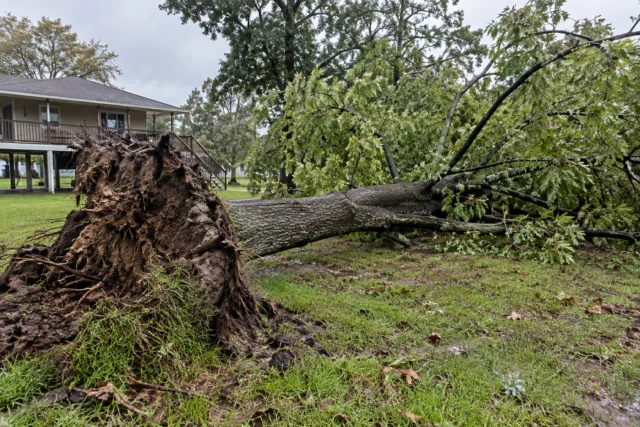
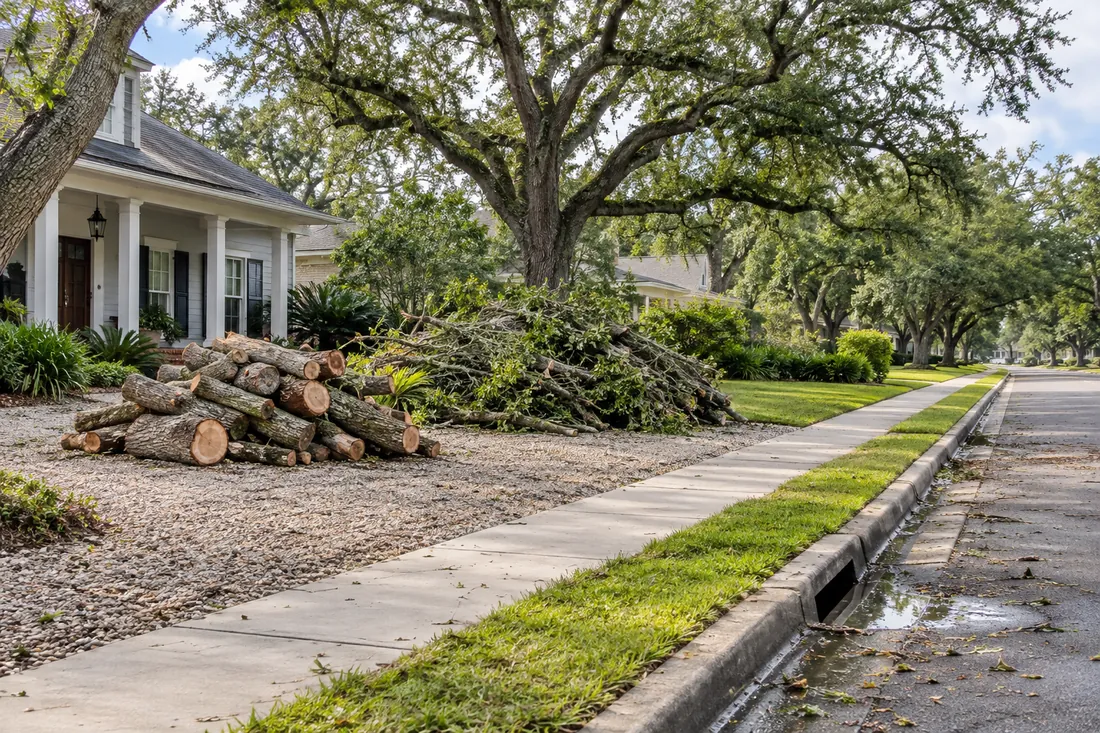
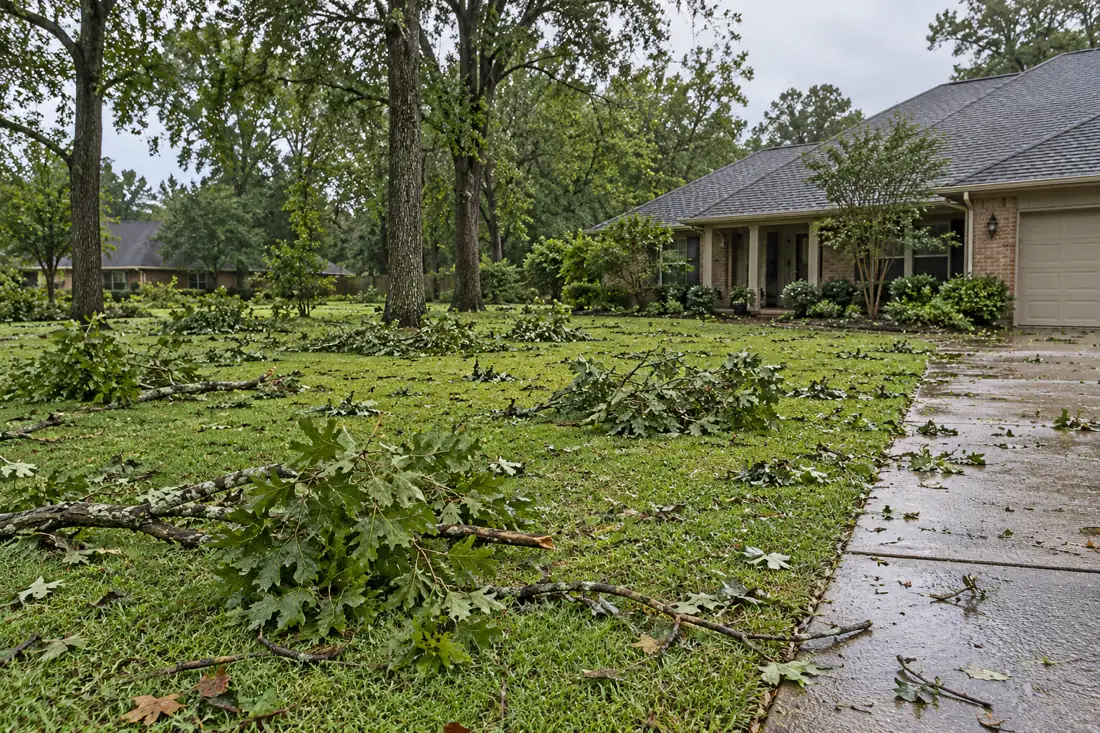
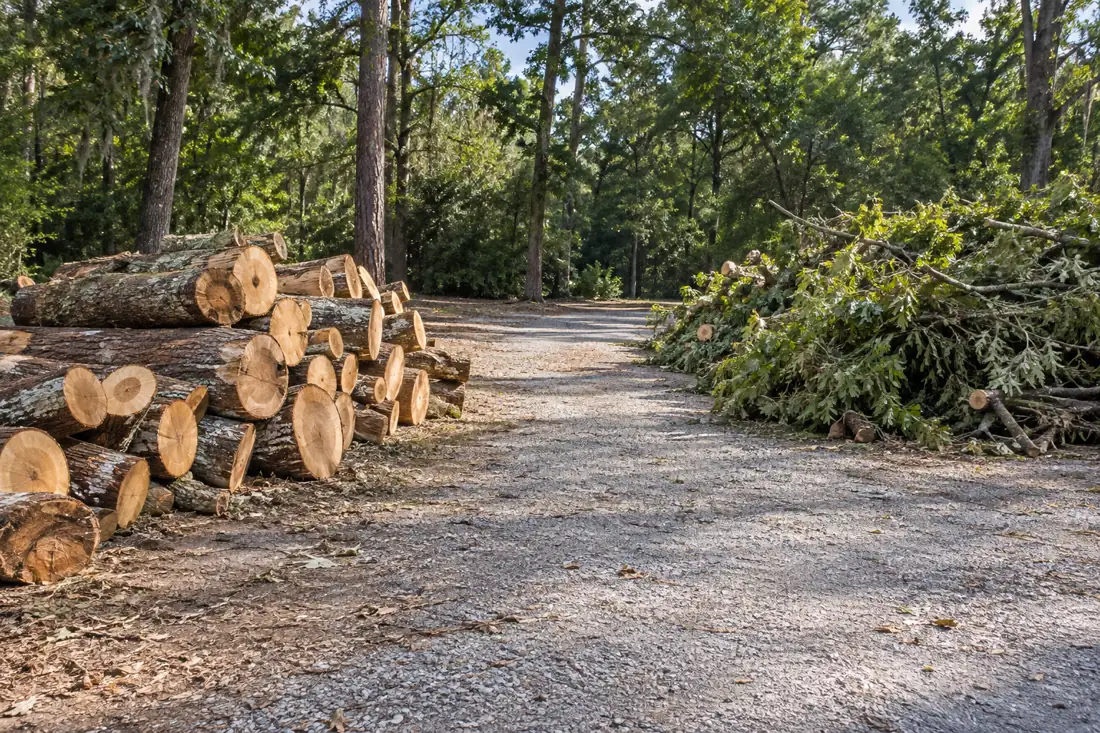
Pets need to be kept outside the work zone and away from equipment, debris and open access points. Plan containment with the property contact before gates are opened. Explain any yard features or animal areas that need protection. Cleanup and reopening should be coordinated so pets are not released into an active work area.
Site planning detail: Pets need a planned safe location while gates are open, machinery is operating and sharp debris remains in the yard. Show the estimate crew any animal enclosures, buried pet-fence wires and gates that must be closed when workers leave. Do not rely on tree workers to supervise an animal during dangerous cutting or hauling. If a run or play area will be used for material staging, arrange an alternative first.
At the end, check for wood splinters, twigs, exposed holes, metal from old fencing and loose chips before allowing pets back outside. Do not assume every species of bark, sawdust or mulch is safe for every animal. Communicate practical containment and site-access information without submitting unnecessary personal details through the inquiry form.
Tell the crew which pets use the yard, how they enter outdoor areas and whether a side gate must remain secured. Identify temporary fencing, open doors, water bowls and areas where animals may hide or become startled. During cutting, rigging, loading and equipment movement, pets should be kept securely away from the active work zone.
Do not assume a friendly dog will stay clear of a chipper or that a cat will avoid a freshly opened gate. Agree on who is responsible for securing animals before the first worker enters.
Ask whether the service includes removing loose splinters and twig fragments from the accessible pet-use area, or whether a more detailed yard sweep is needed. Clarify where sawdust, stump grindings and chips will be left, and inspect any holes or exposed roots before reopening the yard.
If pesticides or other products are proposed, request their identity and applicable safety information; do not invent a blanket reentry period. A simple end-of-work check of gates, fences, debris and designated pet areas is more useful than assuming general cleanup covers every pet-related concern.
Make an animal safety plan before the crew arrives
Pets react differently to chainsaws, unfamiliar workers, vibrations, and trucks. Even a dog normally comfortable in the yard may slip through a gate when startled, while a cat may hide beneath a shed or vehicle. Before tree work starts, decide where each animal will remain safely contained, who will supervise it, and how access will be controlled. Moving animals in the middle of active cutting is an avoidable risk.
Choose an indoor room away from the work area, or a reliable off-site arrangement when noise or vibration would be excessive. Make sure gates, doors, and fences used by crews are not part of the pet containment plan. Tell the contractor that animals live on the property without asking workers to assume responsibility for them. If a pet has medical or stress needs, follow your veterinarian's guidance rather than guessing what level of noise it can tolerate.

Inspect every enclosure and escape route
Walk the fence line and check latches, temporary panels, dog runs, and any holes hidden by vegetation. A tree or limb may lean on fencing that appears intact from inside the yard. If access requires an open gate or removing a panel, the animal must be secured in an independent space first. A sign alone will not stop a pet from escaping through a gate left open for machinery.
If the crew needs a side yard as its route, arrange a way to keep that route open without allowing pets into the active zone. Do not tether an animal near operating equipment or place a crate where it could receive falling debris. Verify that outdoor kennels, shade structures, and water stations are not beneath any limbs being cut or within a potential drop or swing area.
Plan the work area around pets. Gate latches, open fences, noise and moving brush create risks on properties with animals. Arrange a secure place for pets away from the work and decide who checks gates after equipment passes. Ask about sharp wood fragments and grindings left behind. Return pets only after someone responsible inspects the yard.
Create a gate-by-gate plan for animals and workers
List every exterior gate, pet door and side entrance that a crew might use. Decide which person is responsible for securing each one before equipment arrives, and confirm that pets will be confined in a separate space that workers do not need to enter. A fenced yard is not reliable containment when a truck, trailer or wheelbarrow must pass through an open gate repeatedly.
Place a clear reminder at the agreed access point, but do not rely on a sign as the only precaution. If neighbors share the gate, communicate the schedule and explain that access might be interrupted. Recheck the plan if the workday or access route changes.
Protect paws and noses after the cutting stops
Branches, sharp twigs, sawdust, exposed roots, wood chips and small metal or plastic fragments can remain around a work zone. Some bark or plant material may be irritating or harmful if chewed, and wet chips can cling to paws or be tracked indoors. Arrange for a final walk-through of areas that pets actually use, paying special attention to fence lines, under shrubs, near play equipment and beside a dog run.
Ask what debris is included in the cleanup scope and whether a stump hole or ground depression will remain. Do not assume that a crew's completion of cutting means the yard is ready for animals immediately.
Tell the contractor about pet-related property features
Point out buried pet fences, low-voltage boundary wires, outdoor cameras, kennel pads, ramps, shade sails, and drinking stations. Some of these installations are easy to damage with a wheelbarrow or equipment mat because they are not obvious beneath leaves. Put important locations on a sketch and photograph them before the job. The crew should know which items are removable and which require an alternate route.
If an invisible fence is part of your normal containment system, do not rely on it while tree work is occurring. Equipment can interrupt its signal or damage a wire, and a frightened animal may cross the boundary despite training. Use physical indoor containment during the work and verify the system afterward. Any private buried line should be identified separately from public utility markings before equipment or ground penetration is planned.

Set a pet-safe access and cleanup plan for tree work
Tell the tree-service coordinator whether dogs, cats or other animals use the work area and how they are normally secured. Mark gates that must remain closed and describe any temporary fencing, dog run or patio enclosure. Pets can escape when crews move equipment through a side gate even if they normally stay inside a fenced yard. Arrange an indoor or offsite place away from the activity rather than relying on workers to watch an animal while controlling saws, vehicles and heavy limbs. Provide a contact number through the normal inquiry process, not through public website analytics events.
Noise, moving vehicles and unfamiliar people can frighten animals even when cutting is confined to another section of the property. Discuss the anticipated work zone and the need to keep animals away from logs, branches, ropes, chips, machinery and fuel. A leash alone is not a safe substitute for a secure separation when the handler must also supervise children or open gates.
If a neighbor feeds or checks on a pet, confirm the visit will not cross the work area. Never assume that a crew can safely halt a suspended lift to accommodate an unexpected animal crossing.
Before arrival, move pet bowls, bedding, toys and waste bags out of the approved cutting and staging zones. Note irrigation or garden areas where small debris could be hard to see later. Keep pets away during any stump grinding or chipping as well as cutting; moving fragments and dust can travel beyond the stump.
Ask who will reopen gates or remove temporary barriers at completion. If the crew must access a yard while the homeowner is away, agree on a secure, documented arrangement rather than leaving an unlocked entry unmonitored.
The pet-specific walk-through should look for small sharp splinters, loose rope, wire, chips, unsecured tools and openings left in fencing. Check door latches and garden gates before letting an animal outside again. Minor sawdust may be normal under the stated cleanup scope, but hazardous fragments in a pet area deserve a specific correction request.
Photograph any problem and communicate directly with the contractor. The objective is to verify a usable, secure space, not to imply that any outdoor work can guarantee zero particles or eliminate all routine animal risks.

Keep pets away from fallen wood and work debris
Fresh branch piles can have sharp broken ends, loose bark, heavy sections that roll, and hidden gaps where an animal could become trapped. Sawdust and small chips can be irritating, while some tree species or associated fungi may be unsuitable for chewing. Do not allow dogs to investigate a new pile simply because the cutting has stopped. The area should remain inaccessible until large hazards and loose waste are dealt with.
A pet that likes sticks may carry away small branch pieces before cleanup is complete. Schedule a final yard inspection with that behavior in mind, checking favorite play corners, fence edges, mulch beds, and areas beneath shrubs. Remove visible sharp fragments and unknown materials. If an animal has eaten something potentially toxic or is showing symptoms after exposure, contact a veterinarian or animal poison resource promptly rather than relying on a web article.
Build cleanup around pets without putting them near machinery
Pets should be secured away from active cutting, loading and grinding. Loose branches, chips, sharp stump remnants and open gate access can create risks even after loud equipment stops. Before work begins, identify where animals can be kept securely, how the crew enters and leaves, and whether a second adult can confirm gates are closed. A pet in the yard is not a substitute for a formal exclusion zone.
At closeout, check accessible walking routes for sharp fragments, exposed wire, holes or poorly covered irrigation. Avoid promising a sterile yard: small twigs and chips can remain depending on the agreed scope. If a pet run needs sod, fencing repair or backfill, put those tasks in writing rather than assuming tree removal includes them. Photograph issues from a safe location and request clarification before reopening the affected section of yard.
Plan noise, dust, and ventilation around the home
Chipping, grinding, and power saws can create noise and airborne debris. Keep pets indoors with windows closed near active work and avoid placing them beside a garage wall where machinery operates. A quieter interior room, familiar bedding, and routine supervision may reduce stress for some animals. Others may require an off-site day arrangement. Do not make a universal promise that every pet will tolerate a particular operation.
Dust and exhaust should not be routed toward an open pet door or enclosure. Tell the crew where air intakes and outdoor cages are located so equipment placement can account for them. If the animal will be kept indoors for several hours, arrange water and a safe relief plan ahead of time. A job that runs longer than expected should not leave a pet without adequate care or a secure place to move.

Watch for wildlife displaced by tree work
A tree may shelter birds, squirrels, bats, or other wildlife. If the crew encounters a nest or occupied cavity, pause to assess applicable wildlife protections and safe handling rather than attempting casual relocation. Resident pets must stay away from the discovery area. A dog can disturb a fallen nest or injured animal, increasing risks to both the wildlife and household.
Ask what the crew will do if protected wildlife is present before work begins, especially during nesting periods. In some situations, timing or technique may need to change. Do not allow pets to retrieve a bird or investigate a cavity opened during removal. Keep a separate note of any wildlife concern for qualified assistance, and do not confuse an educational illustration on the website with evidence from an actual removal site.
Inspect the yard before outdoor play resumes
When cleanup appears complete, walk slowly through the actual areas pets use: around gates, along fences, beneath decks, at the base of remaining trees, and near drinking stations. Look for nails or wire from unrelated objects, splintered wood, loose twine, small tools, and chips that could be swallowed. Check that temporary fencing and mats have been removed or secured as agreed.
Run a visual and hands-on check of the gate latches and fence sections used during access. If equipment crossed a buried pet-fence wire, test the system according to its manufacturer's instructions before allowing reliance on it again. Do not let animals into an area still being inspected for suspended limbs or damaged trees. Yard cleanup and tree-risk clearance are separate questions, and both may matter.

Address soil disturbance and chemical assumptions
Tree work can expose soil, stump grindings, and decaying wood. Pets may dig into a fresh stump cavity or track loose chips indoors. Decide whether the ground needs temporary fencing or an agreed backfill and restoration plan. Avoid assuming the crew used herbicides or other treatments: ask whether any products were actually applied, and request real label and safety information if relevant.
If no chemical treatment was part of the service, do not invent a waiting period for animals based on a generic online rule. The more immediate hazards may be physical—soft ground, uncovered holes, unstable piles, and splinters. Discuss what is included when a stump is ground and whether a landscaper will return to finish grading. Keep animal access restricted until the work area is genuinely safe for normal use.
Coordinate with boarding, walking, and feeding routines
Some jobs can be planned around a pet's normal outdoor schedule, while others require the animal to remain away for the entire operational window. Ask for realistic access and work phases, not a guaranteed finish time. A dog walker or family member should know that the yard is unavailable until you release it. Post a private household reminder so nobody opens a door into the active zone by habit.
If you manage several rental units with pets, notify occupants in advance of expected access restrictions and explain where they can obtain updates. A contractor should not collect tenants' private pet details for marketing or analytics. Keep only the information necessary for safe site coordination. If work is postponed due to weather or a newly identified hazard, make sure everyone responsible for the animal knows the revised plan.

Include pet protections in the written work scope
When requesting a quote, explain the number of access gates, whether a fence panel must be opened, any buried boundary wires, and the places pets normally occupy. Ask for clear boundaries around the work zone and what cleanup will include. An estimate may need to account for hand-carrying material through a narrow side yard rather than driving across the animal's play space.
At closeout, confirm the gate is secure, pet-related fixtures remain functional, and the yard is free of agreed debris before returning animals outdoors. If you find a problem, document its actual location and discuss it directly with the contractor. The practical goal is a clear, safe handoff—not an unsupported claim that no tiny wood fragment can ever remain in a natural yard.
Separate pet care decisions from tree-service responsibilities
Tree workers can discuss access and their work boundary, but the property owner or designated caregiver remains responsible for animal containment and medical needs. Tell the team if a pet is particularly reactive to loud noise or if there are outdoor feeding stations, kennels, buried leads or fragile enclosure panels.
If off-site care is needed, arrange it independently and avoid promises about exact finish times until scope and conditions are confirmed. For an animal found unexpectedly in the active area, work should stop until the responsible person can safely secure it. Never ask workers to chase or handle an unfamiliar frightened animal around running machinery.
Make reopening part of the written finish
Before pets return to the yard, confirm the equipment has left, gates and fence panels are resecured, loose debris has been addressed and any remaining hazard is identified. For stump grinding, clarify whether chips stay, whether the hole is backfilled and which portions of the area should remain off-limits.
If a tree was removed near a boundary fence, inspect the adjacent line from a safe position for accidental openings. The scope can distinguish included hauling from optional extra cleanup, and note whether the owner needs to arrange lawn repair. Useful photos for an estimate show the tree and gate route without identifying children, pets or private household details unnecessarily.
Questions about this project
Can a business stay open during tree work?
That depends on the site and scope. Discuss occupied routes, exclusion areas, loading and work windows with the contractor and property representative. Do not assume normal access can continue through the active work zone.
Who should communicate with tenants or visitors?
Agree on that responsibility with the property representative. The contractor needs a clear site contact, while the owner or manager should use the property's established process to communicate access changes and work windows.
Does cleanup include every root and wood chip?
That depends on the written scope. Tree removal, stump grinding, chip hauling and root excavation are different tasks. Ask what material is removed, what remains and whether soil or landscape restoration is separately included.
What should a final walk-through check?
Compare the identified trees and tasks with the agreement. Check agreed debris handling, stump treatment, access openings and any listed restoration. Record unresolved items clearly instead of relying on a general impression that the property looks finished.
What access information helps an estimator?
Send the narrowest opening, overhead obstacles, turns and the distance between the tree and the loading area. Include photos of the entire route and identify steps, soft ground or features that must remain protected.
Should I remove a fence before the visit?
First ask the contractor to assess access and agree on any temporary opening. Identify who owns the fence, who can authorize the change and who will reinstall it. Do not assume the opening is necessary or included.
Which property features should I point out?
Identify buildings, vehicles, fences, fixed fixtures, landscape features, utilities and occupied routes. Explain what can move and what must remain. Include existing damage and any buried features you know about along the access route.
Should people remain inside the work area?
The contractor and site contact should establish an exclusion area and access arrangements appropriate to the work. Keep children, pets, visitors and other workers outside the active zone until the responsible parties say it can reopen.
What should I compare besides the price?
Compare tree identification, work objectives, access assumptions, hauling, stump treatment, site finish and exclusions. Ask whether permits or other coordination are part of the scope and who can approve changes if conditions differ.
Does an online request book the crew?
No. A request starts the estimate conversation. The company still needs to discuss scope, availability and any site assessment. For a dangerous or urgent condition, call 504-458-8336 rather than relying on a form response.
What should I tell Tree Huggers about tree cleanup for a property with pets?
Explain the property address, the work you want and the specific concerns: pet containment, gates, reopening. Send safe photos of the tree, surroundings and access route. The contractor can then discuss the assessment and scope needed for this situation.
How do I request an estimate for this work?
Call 504-458-8336, text photos or use the estimate form on this page. Include the address, desired outcome and any timing constraints. The company will need to review scope and availability; an online request does not confirm a price, appointment or emergency dispatch.
Get a scope for your property
Tree cleanup at a property with pets begins with containment and communication, not simply shutting a gate. Tell the estimator which pets use the yard, where their normal routes pass and whether an interior room or alternate enclosure can keep them entirely outside equipment and debris zones.
Photograph any pet door, side gate, low fence opening or shared passage that crews may need to use. Note pet bowls, toys, buried cables and delicate landscaping only where relevant to the work. Do not allow an animal to investigate a work area while cutting, chipping, grinding or loading continues.
Ask the crew to describe which gates must remain open, how access will be managed and who has authority to confirm the yard is ready for pets to return. The cleanup scope should identify larger wood, sharp branch stubs, chips and known disturbed ground rather than promising a hazard-free yard. If a gate panel must be moved, establish how it will be secured afterward. Keep pets isolated until equipment and workers have left, then conduct your own careful property check before reopening their normal area.