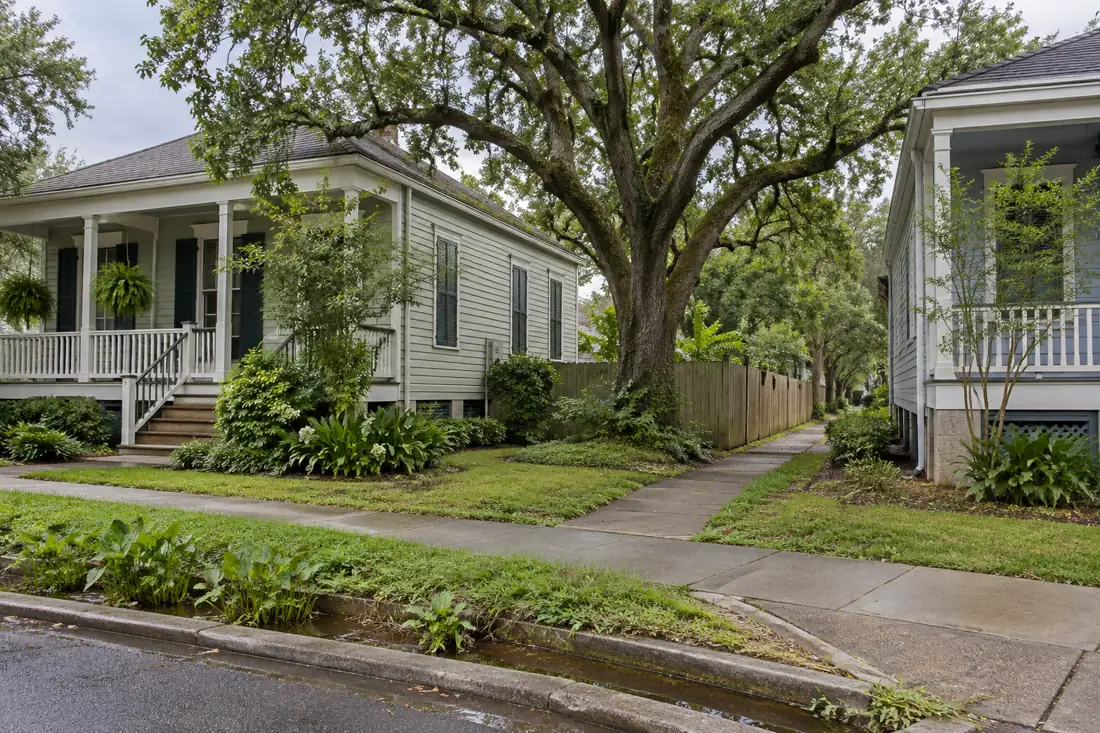
Tree work on compact urban lots
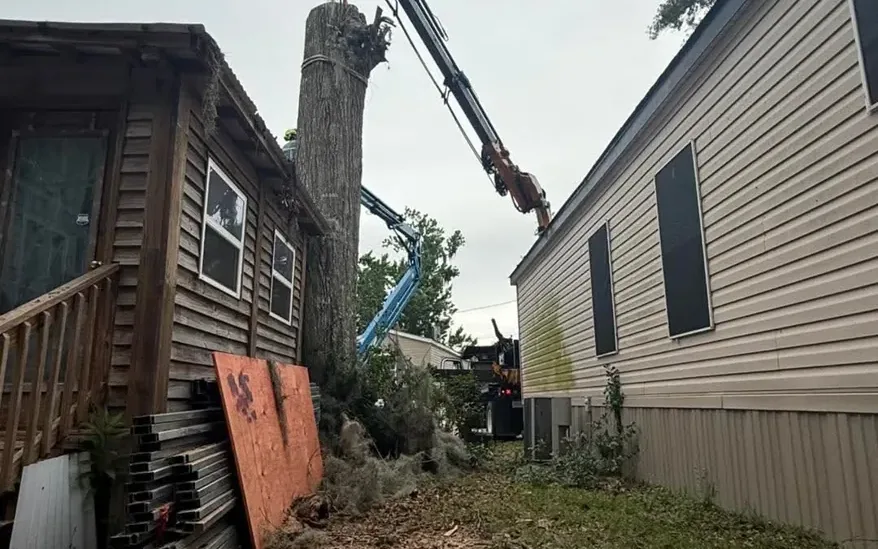
Jefferson’s mature trees often grow around roofs, utility drops, fences, vehicles and neighboring property. The safest method depends on the whole work zone, not just the trunk diameter. Large removals may require controlled rigging, aerial access or crane support when there is no safe drop zone.
For trimming, Tree Huggers focuses on defined objectives such as deadwood, roof clearance, damaged limbs and storm preparation rather than indiscriminate canopy cutting.
Use the address to remove location ambiguity
Send the actual street address and explain the intended work location on the property. The word Jefferson may be used broadly in conversation, so a precise location is more useful than a general parish or community reference. Include the owner or authorized manager and the tree you want discussed. A map reference or wider photograph can help identify a rear or side-yard tree that is not obvious from the mailing address alone.
The service-area hub connects related local pages. This page does not establish another Tree Huggers office or a prior visit to a particular address. Availability, scope and the need for a site review must be confirmed for the actual request. When several buildings or trees share an address, connect each proposed task with a recognizable identifier so the estimate and later completion review can follow the same work list.
Use the address consistently on photos, owner instructions and the estimate request, especially when a purchaser manages several nearby properties. Identify which entrance reaches the intended tree and whether the street-facing building is the only part of the site involved. A contact familiar with the area may recognize a nickname that another reviewer does not. Keeping the precise location and task together helps the company discuss the same property throughout pricing, access planning and completion review.
Describe the task before asking for a particular method
Explain whether you want selective pruning, removal, stump work or a discussion of a reported condition. For clearance, show the relevant roof, drive or entry and describe what result is needed. The pruning overview provides related context. A tree’s overall size or position in a compact yard does not by itself establish the customer’s objective or the appropriate handling method for the particular site.
For a possible removal, identify the intended tree and whether the decision has already been made or still needs review. The removal service addresses broader scope questions. If visible defects or changed movement prompted the inquiry, provide the timing and history you know. Ask separately about any assessment or written findings needed rather than assuming the estimate price includes an evaluation of every tree in the surrounding properties.

Show the route around the house and side gate
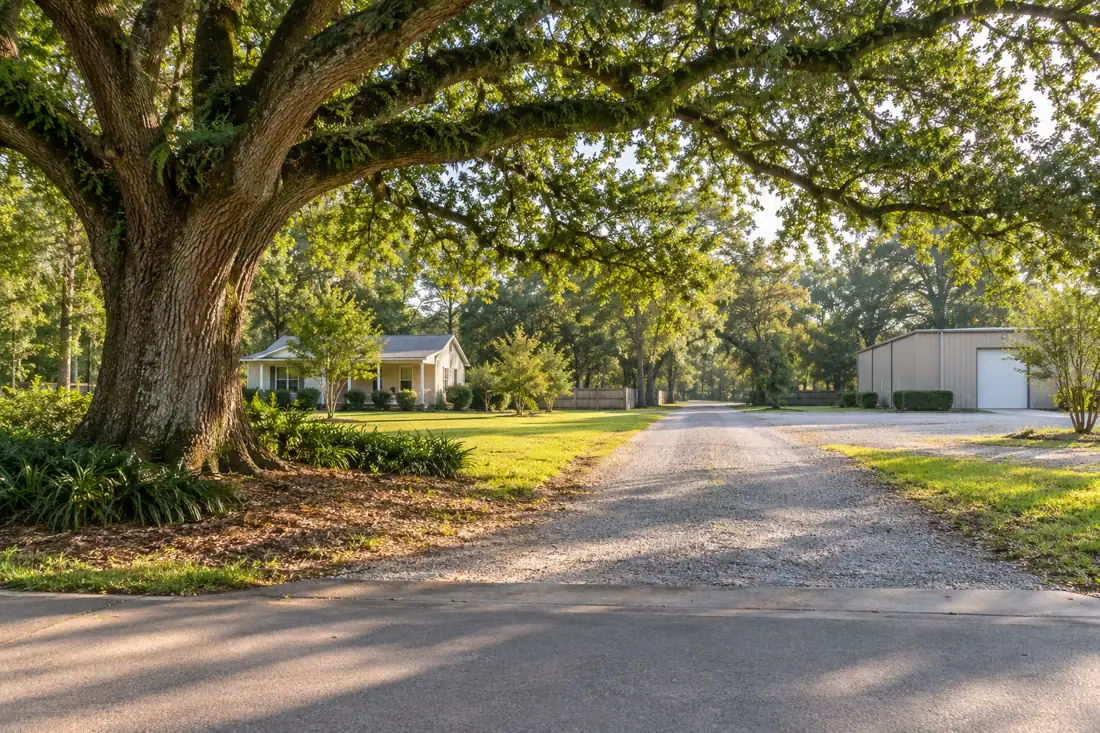
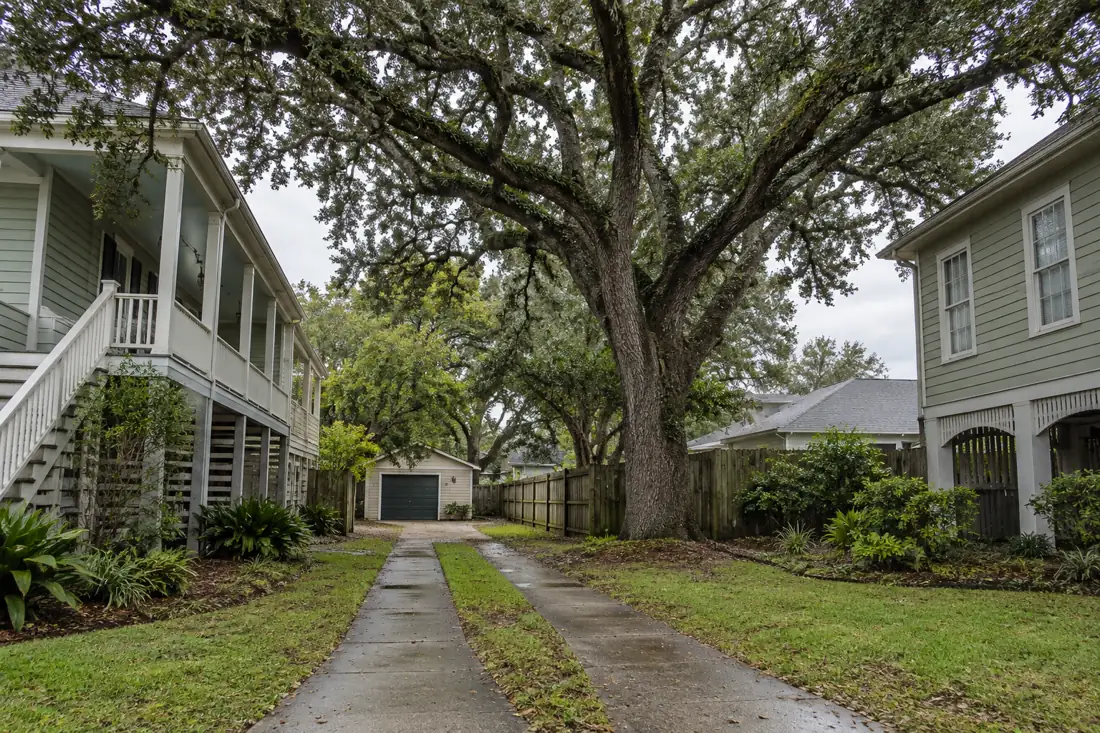
Photograph the street approach, driveway, gate, turns, surfaces and final work area. Include overhead restrictions and known ground conditions. A compact route can have several different limits even when the gate itself looks adequate in one photograph. Material must also move out of the work area, and that route may involve more of the property than the space directly beneath the tree’s crown.
The equipment planning hub explains why the full route and task are reviewed together. Describe any shared portion and the person who can coordinate it. Do not assume an adjacent driveway, lawn or other convenient area is available simply because it appears open. If current parking, a stored object or recent building work changes the route shown in an older image, send an updated view before the work plan relies on the earlier arrangement.
Confirm public-tree and property authority questions
Identify who owns or is authorized to manage the tree and the property involved. Explain boundary, shared-access or public-space questions before requesting work beyond the area the customer controls. A branch overhang or the position of a fence does not by itself determine authority to prune, remove or use adjoining space. The scope should identify the intended tree and applicable coordination responsibilities rather than treating an estimate request as permission for every related action.
Jefferson: select a realistic staging area
On a compact lot, the driveway may be the only practical staging space and also the household’s only access route. Identify which areas must remain usable and whether the pavement can support proposed equipment. Neighboring drives should never be assumed available.
If a branch extends over a fence, photograph the branch connection and the targets underneath from a safe authorized place. The method of controlling pieces should be determined after reviewing clearances and access rather than choosing machinery from a single image.
To compare estimates, list the tree, targeted work, staging assumptions, wood removal and final ground condition. Different access or debris provisions can explain why two quotes for a similarly sized tree are not equivalent.

Jefferson Parish Parkways provides official information about parish right-of-way trees and tree-work permits. Confirm the relevant process for the actual location and task with the responsible authority. This page does not grant a permit or decide a property boundary. Keep any required owner or public-space arrangements visible before a date, route or work method is accepted on the assumption that those matters have already been settled.
Give nearby property features a clear place in the brief
Show roofs, fences, vehicles, sheds, garden beds and other features around the tree and material route. State which trees or planted areas are to remain. The estimator needs a useful view of the whole work zone, not a list of objects disconnected from the intended task. Explain household use, pets and regular deliveries so the company can discuss an available area with the person actually coordinating the property.
If another contractor’s project motivates the tree work, share that provider’s specific requirement. The customer guide offers related preparation questions. Tree handling, roof work, paving and later gardening are different tasks even when they concern the same area. A well-defined result helps the owner compare proposals and arrange the next phase without assuming every nearby repair or property improvement belongs to the tree company’s accepted scope.
Put hauling and stump decisions beside removal pricing
Ask what happens to branches, logs, chips and the stump. Explain whether material should leave or remain in an agreed place and what processing is expected. The material-handling guide connects the task to route, loading and destination. A proposal for removing the standing tree should not silently become firewood preparation or unlimited placement of retained material after the owner changes plans.
The stump guide helps describe future use of the area. Grinding, removing grindings, excavation, backfill, grading and restoration are separate operations. Share known relevant buried-feature information and the contact responsible for confirmation before below-ground work is accepted. If another provider follows, state the handoff condition that provider needs. This keeps the completion point visible and avoids comparing prices for scopes that use similar service names but leave different work for the owner afterward.
Update the inquiry when condition or access changes
Describe any new lean, failure, hanging material, visible split or changed ground condition from safe positions. Keep people away from unstable material. Call 504-458-8336 about current tree-work availability. Immediate threats to people or electrical involvement need the appropriate emergency or utility service. An online request does not confirm dispatch, establish arrival time or certify that an affected route is safe to keep using.
The storm overview connects related response tasks. Explain the affected building, driveway or use area and the authorized contact. New damage can change a routine pruning or removal estimate, so provide current information instead of assuming the earlier proposal still describes the tree. Keep the first accepted tree or access task separate from broader processing, hauling, repairs and later restoration when describing the order of work you need.
Keep the agreed scope useful through completion
Save the identified trees, work objectives, access assumptions, material handling and finish with any authorized changes. Name the person who can approve additions and review the result. If an absent owner needs photographs or a particular record, agree on that output before the visit. Closeout should describe actual completed tasks and remaining responsibilities without implying an uncommissioned assessment of neighboring trees or an unlimited promise about future property conditions.
A planning example is selected clearance pruning beside a driveway, a separate removal behind the house and later stump-area restoration by another provider. The tasks may share one access arrangement while having different objectives and completion points. Send the precise address, safe tree and route photos, desired result and decision-maker so Tree Huggers can discuss a practical next step for the actual property.
Tree service in Jefferson versus the whole parish
The Jefferson community and Jefferson Parish are not interchangeable location labels. A request for work in Jefferson should use the exact street address, street access and property features rather than relying on a parish name. Compact lots can put the tree near neighboring fences, parked vehicles, utility lines and shared drives, so a useful estimate starts with that specific work area and permission to access it.
For a broader overview of tree service across Marrero, Harvey, Gretna, Metairie, Kenner and other communities, see the Jefferson Parish service guide. This local page is intended for work in Jefferson itself, not a claim of an additional office at that location. A property photo and a clear description of the intended result help establish the correct crew access and service scope.
Tree Service Jefferson questions
Why is the exact Jefferson address important?
It identifies the actual community, property entry and work location instead of relying on a broad area name.
Does this page represent a separate Tree Huggers office?
No. It describes service inquiries from the Marrero-based business.
What should a pruning request explain?
Identify the tree, nearby feature and selected clearance or other care objective.
Does tree size alone select the removal method?
No. The task, complete route, ground and surrounding property need review together.
What access photos are useful?
Show the approach, driveway, gate, turns, overhead restrictions, surfaces and final work area.
Can an adjacent driveway be assumed available?
No. Identify who controls it and confirm the relevant arrangement first.
How should parish right-of-way tree questions be checked?
Use Jefferson Parish Parkways' official information and confirm the process for the actual location and work.
Does an overhang or fence establish authority to cut?
No. Clarify tree ownership, property authority and relevant coordination.
What should hauling pricing identify?
The material, processing, route, loading area and accepted destination or placement.
Does removal leave the site ready for every future use?
No. Clarify stump work, grindings, ground work and separately assigned restoration.
What if new damage appears after the estimate?
Keep clear and provide current observations; call about availability for urgent tree-work concerns.
What makes closeout useful?
Compare actual work with tree identifiers, accepted objectives, material decisions, finish and remaining items.
Let’s plan your tree work.
Send the property address, safe tree photos and the result you need. Include access restrictions and the person who can approve the work.