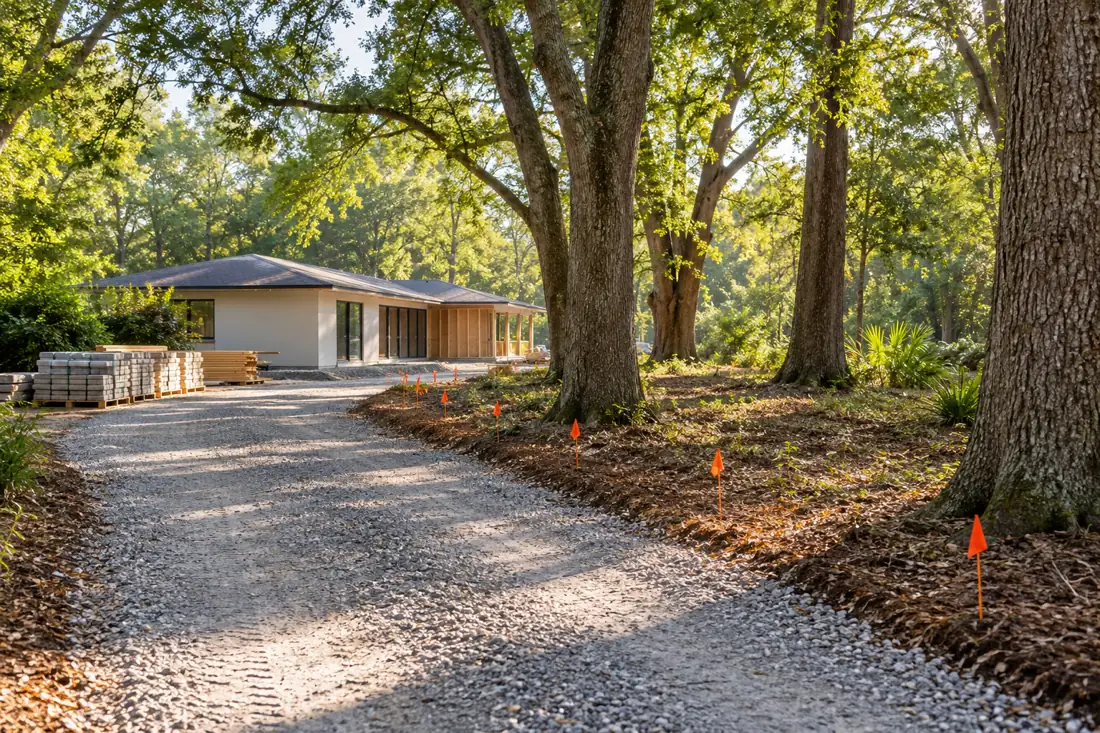
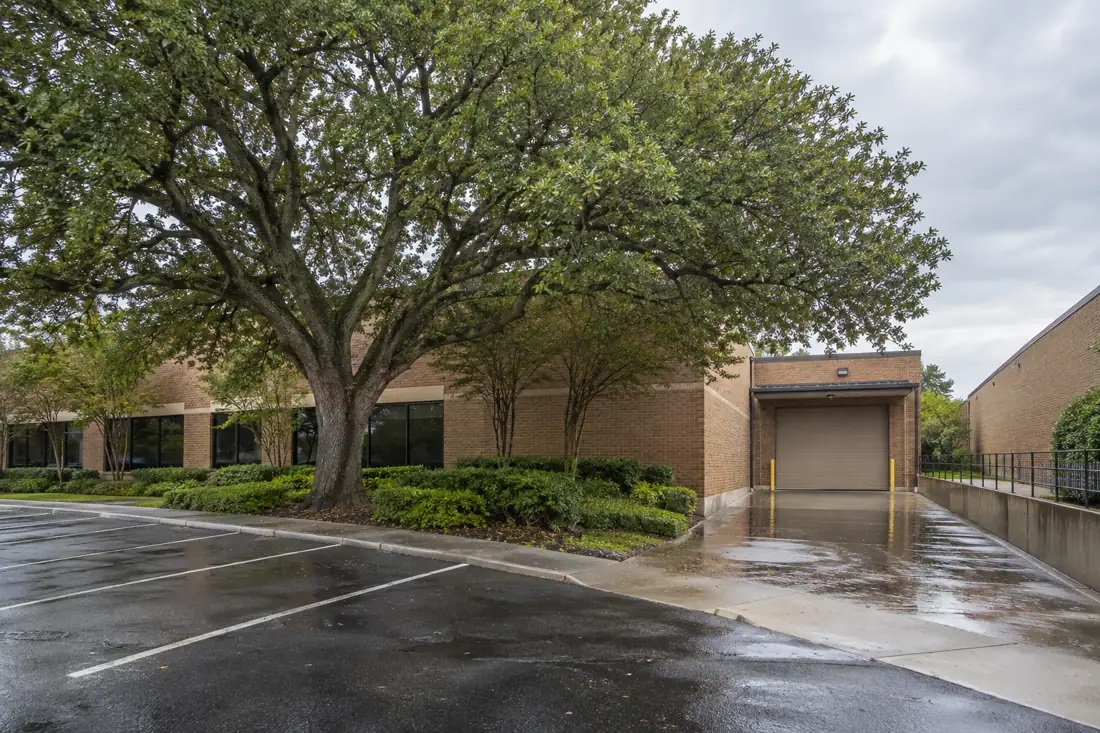
Protect gathering areas and important trees
Many religious properties have long-established trees that contribute to the character of the site. When preservation is reasonable, pruning, risk assessment or support may be appropriate. When a tree is dead, severely compromised or threatening occupied areas, controlled removal may be the responsible choice.
Practical scope and safety guidance: For a church, cemetery, synagogue, mosque, or other gathering property, tree work must protect the people who use the grounds as well as the landscape itself. Identify the primary entrances, accessible routes, outdoor seating, parking rows, memorial plantings, and any spaces that need to remain quiet or open for scheduled gatherings. Photos from ground level help distinguish limbs over a walkway from trees near a fence or an older monument.
Do not enter an area below visibly compromised limbs to collect a better picture. The property representative should identify who can approve the work and any preservation or neighborhood requirements before a schedule is discussed. Separate urgent hazards from routine pruning and longer-term tree-health questions so each can be evaluated on its merits.
For an estimate, include a site map or marked photographs, realistic equipment access, known underground utilities, any restricted areas, and disposal preferences. The proposal should make clear which trees and limbs are included, how visitors will be separated from work, and who restores any disturbed lawn or hardscape.
Buildings, parking, walkways, schools, gathering spaces and mature trees of concern.
Match pruning, support or removal to the actual condition and target.
Plan work around services, events, school activity and site access.
Storm readiness for community properties
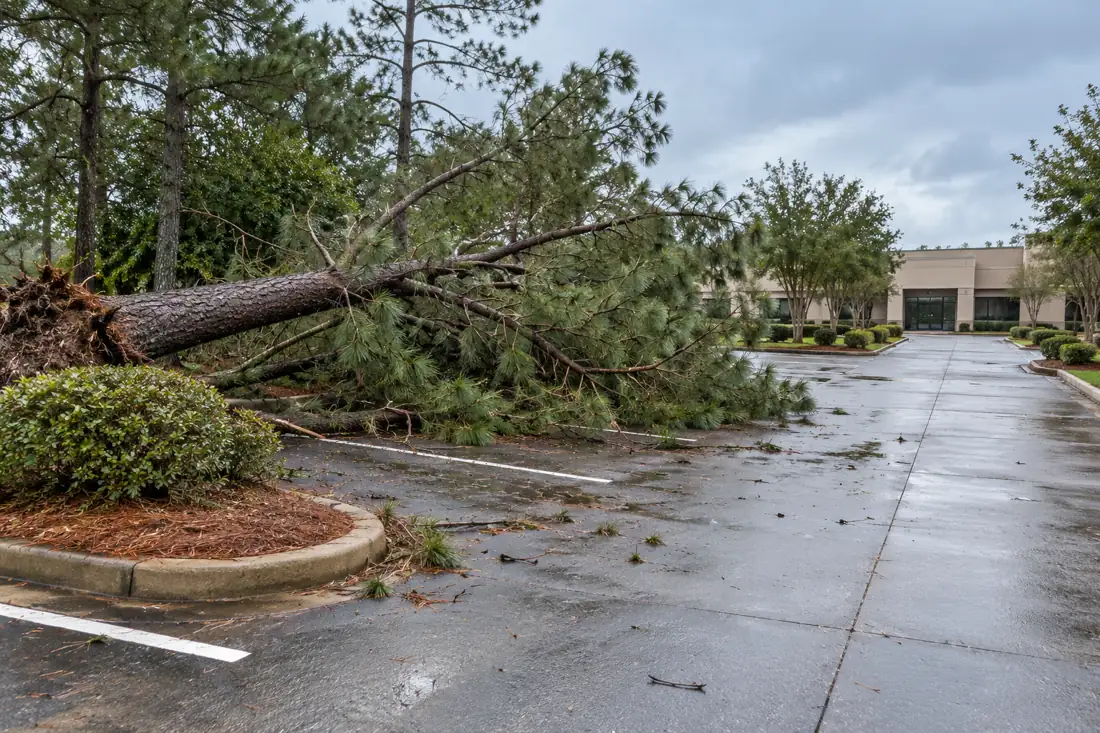
Heavy deadwood, compromised limbs and leaning trees can become more serious during severe weather. Addressing known hazards before storm season can reduce exposure, while emergency response focuses on restoring access and removing immediate dangers after damage occurs.
Give the request one clear decision contact
Identify the person authorized to request and approve tree work, plus a practical on-site contact. A religious or community property may involve staff, volunteers, a committee and several building users. Their observations can be helpful without automatically creating one accepted scope. Use a single current list to connect the concerns and make it clear who can resolve questions or authorize a change once the project is being discussed.
Provide the address and location of each tree or area. A sanctuary entrance, fellowship building, school area or parking edge may have different uses and contacts. The commercial service page provides related preparation. State the immediate objective and optional later work so the proposal can match an actual decision rather than an open-ended request to improve everything on the grounds.
Keep valued trees in the care conversation
Explain which mature trees contribute shade, screening or character to gathering areas and what concern needs attention. Retention can be a meaningful objective, but it should be discussed alongside the tree’s actual condition and surroundings. A general desire to save an important tree does not establish which care option is appropriate, and a concern about one branch does not automatically settle the future of the whole tree.
The tree health overview and assessment page help introduce those questions. Share known changes, previous failures or earlier reviews if available. Ask what the proposed visit addresses and what information or follow-up remains necessary. The aim is an understandable decision about the identified tree, without treating a sentimental value, green canopy or one maintenance task as a permanent condition guarantee.

Use the property calendar honestly
Tell the company about services, gatherings, school activity, deliveries and other use relevant to the work areas. Include activities outside the usual weekly schedule. A weekday or school-break date may still involve staff or visitors. Explain which windows and spaces the property can actually provide, who coordinates notices and who can report an unexpected change before a proposed visit relies on the original arrangement.
Tree operations need a usable work area and material route; they should not be assumed quiet or compatible with simultaneous use beneath the affected canopy. The planning hub helps organize those responsibilities. Discuss the actual task and property arrangements before confirming timing. A practical calendar brief is more useful than a broad promise that the grounds will be empty, especially when several groups share the same buildings or outdoor spaces.
Show the paths between buildings and parking
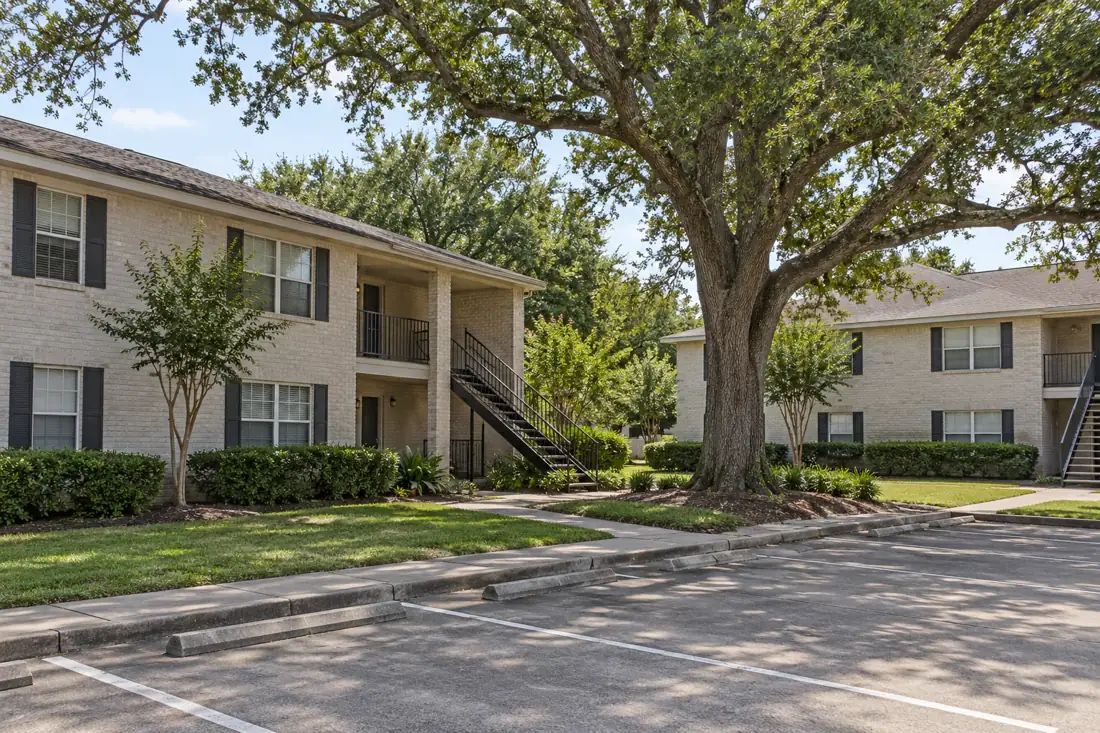
Provide safe wide views of the tree, entrances, walkways, gathering places and parking that matter to the request. Explain whether another route exists and who controls it. A tree beside an unused lawn raises different coordination questions from one above a regularly used entrance. Keep the context attached to the tree identifier rather than sending only a close view of the trunk or a single branch.
Translate the event calendar into a realistic work window
Religious and community properties often host gatherings outside the main service time: weekday classes, memorial visits, outreach distribution, seasonal events and maintenance crews. A tree-work request should identify which paths and outdoor areas are used at those times. This allows a decision contact to discuss a true work window rather than assume the property is empty on weekdays.
When reviewing a landmark tree, distinguish preservation preferences from condition questions. The tree may be important to the character of the grounds, but an aesthetic reason to retain it is not a professional safety determination. Ask for the specific pruning objective, visibility requirements, access route and any independent assessment needed. Photographs should illustrate the context without pretending to show a real Tree Huggers church project.
For closeout, note the agreed route restoration, handling of wood and chips, and how the area is handed back before a scheduled gathering. If a project touches a cemetery, historic landscape, or privately managed memorial space, identify that boundary and seek the property owner’s direction before making assumptions. The written scope can then respect the site without turning sensitive features into marketing claims.

For areas shared with a school or another organization, identify the relevant operations contact and requirements. The campus service page offers related preparation. Do not ask volunteers or staff to climb, pull on damage or enter a hazardous area for closer photos. Explain missing views honestly. Photographs prepare the discussion but do not establish every attachment, concealed defect or access condition that affects the appropriate work.
Give pruning and removal different objectives
For pruning, describe the clearance or identified material involved and valued canopy to retain. The trimming page provides related scope context. A request to make every tree smaller can leave different expectations about shade, appearance and the practical use of the grounds. Ask which parts of each tree are included and what result the accepted work is intended to achieve.
For a possible removal, identify the tree, observed concerns and the intended use of the space afterward. The removal service explains the broader task. Clarify logs, brush and the stump separately. Repairs, replacement planting and preparation for another project do not follow automatically from removing the main tree. Keeping those decisions visible helps the authorized contact explain the proposal to a committee or other property users on the same basis.
Fit access and handling to the grounds
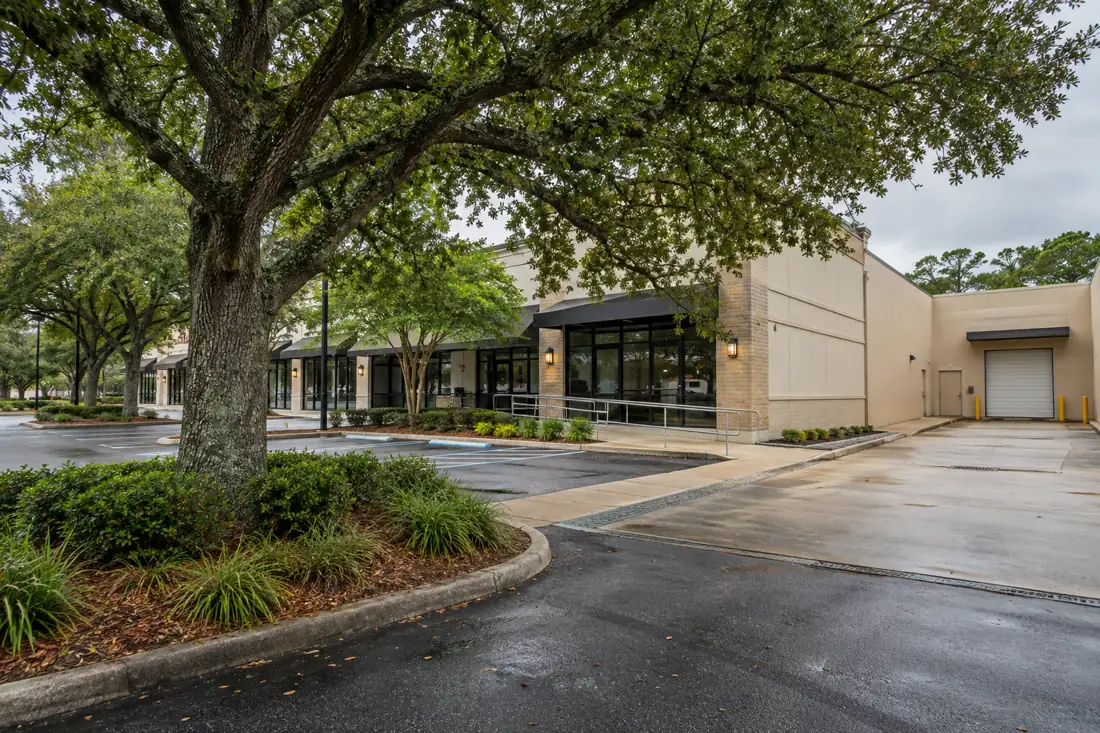
Show the complete approach, including gates, turns, surfaces, setup space and loading. Walkways designed for people may not describe a suitable equipment route, and a large parking area may still have restrictions or a limited connection to the tree. The equipment hub explains the information behind handling options. Identify known buried features, retained landscaping and any appropriate permission needed along the route.
Do not remove fencing or rely on neighboring land before an approach is agreed. Tell the company about current ground conditions and changes after weather. Equipment selection should follow the task and site review, not a guess based on tree height or a machine seen on another job. A complete route discussion helps the property compare proposals and understand how material leaves while preserving a clear boundary around the accepted work areas.
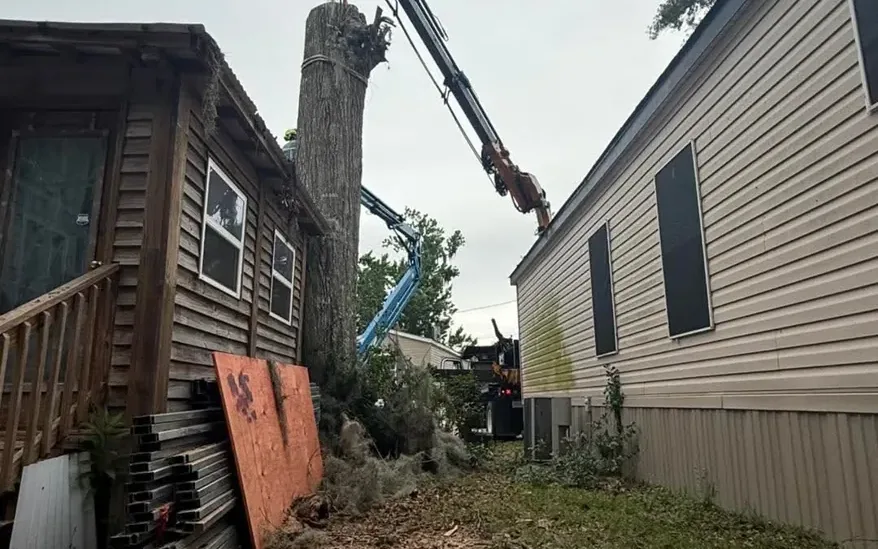
Organize storm concerns before routine cleanup
Report newly fallen wood, hanging limbs or changed standing trees directly. Keep people away from affected areas and use the appropriate emergency or utility service for immediate threats or electrical involvement. Call 504-458-8336 about current tree-work availability. A website request does not confirm dispatch. Do not organize a volunteer cleanup beneath damaged canopy or alter supported material to prepare it for the company.
The church storm guide and response page give related context. Separate an initial tree or access task from later processing, hauling and restoration. Use current tree and area identifiers, and report changes since photos were taken. The accepted work should make remaining responsibilities clear instead of allowing a first response to be interpreted as complete recovery of the grounds and buildings.
Agree on a finish the property can recognize
Specify material that leaves, retained wood and its placement. Disclose mixed fence wire, roofing or other non-tree contents before hauling is arranged. The debris service explains that boundary. Ask about stumps, grindings, ground impressions and work that remains for another provider. Tree-material removal, soil repair and new landscaping are different operations unless expressly included, even when they all support one longer-term property improvement.
A planning example is retaining a valued oak with selected care while removing a separate dead tree and arranging planting later. Keep the accepted tree list, approved changes and relevant completion notes together. A clear handoff gives the decision contact something useful to review with other property users, showing the actual result and remaining tasks without inventing a broader inspection, guaranteed outcome or completed restoration that was not part of the work.
Plan tree work around gatherings
Religious facilities may have a weekday office entrance, an evening classroom, a funeral route and a heavily used parking area on service days. Identify those patterns before requesting work. An area that looks unused during an inspection may be crowded at another hour. Share the events calendar, accessible entry requirements and the person authorized to approve any temporary change. A clear work window should fit actual operations rather than assuming a crew can close a route on arrival.
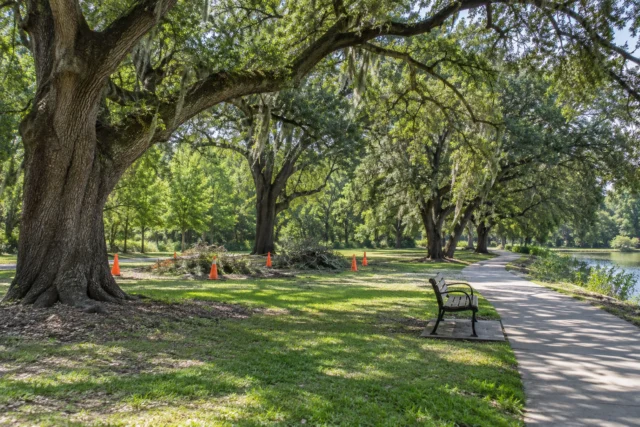
Established live oaks and memorial trees can be part of a congregation’s history. Ask about preservation alternatives when conditions warrant them, while treating recent cracks, fallen branches or suspended limbs near gathering areas as reasons for prompt professional attention. Volunteers should document observations from safe ground, not climb or pull on suspect branches. Explain which trees are valued, where children or visitors gather and which routes must remain open.

Protect shared routes and valued landscape features
Separate pruning for sightlines or clearance from removals, stump work and debris handling. Photograph the surrounding roof edges, overhead lines, fences, garden beds and vehicle access without entering a hazard area. Older paving, irrigation and delicate landscape features may change the equipment or protection conversation. If work affects a neighboring property or public sidewalk, identify the relevant contact rather than assuming permission is automatic.
At handoff, keep the accepted tree list, access plan, material decisions, approved changes and remaining tasks together for the office or committee. A newly completed pruning task does not guarantee protection from future storms, and tree removal does not automatically include soil repair or planting. A useful grounds record tells future stewards what happened and what still needs review.
Church & Religious Property Tree Service questions
Who should coordinate a church-property request?
Name the authorized decision contact and an on-site person who can arrange entry and explain current use.
Can several groups contribute tree concerns?
Yes. Keep observations in one current location list so they do not become conflicting work instructions.
Can preservation of an important mature tree be discussed?
Yes. Explain its value and observed concerns while allowing the actual tree review to inform appropriate options and limitations.
Does one maintenance task guarantee a tree’s future condition?
No. Clarify the accepted task, review limits and any recommended follow-up.
What calendar information matters?
Share services, gatherings, school use, deliveries and other relevant activity, including exceptions to the normal weekly schedule.
Can volunteers prepare storm material before the visit?
Do not work beneath damaged canopy or alter supported material. Describe the current condition and keep people away.
Should pruning and removal use the same scope wording?
Give each tree its own objective and finish, including retained canopy, material handling and stump decisions.
What access information helps?
Show gates, turns, surfaces, setup, loading, retained features, current ground and permission limits.
Does removal include replacement planting?
Not automatically. Tree handling, stumps, soil work and planting need separate assignments unless included.
What if damage affects an entrance after a storm?
Keep people away, involve emergency or utility services where appropriate and call about current tree-work availability.
Can logs remain for the property?
Discuss which wood, processing and placement before approval; specific lengths or splitting are not implied.
What should completion records identify?
Use the accepted tree/area list to show actual tasks, approved additions, material handling and remaining work.
Let’s plan your tree work.
Send the property address, safe tree photos and the result you need. Include access restrictions and the person who can approve the work.