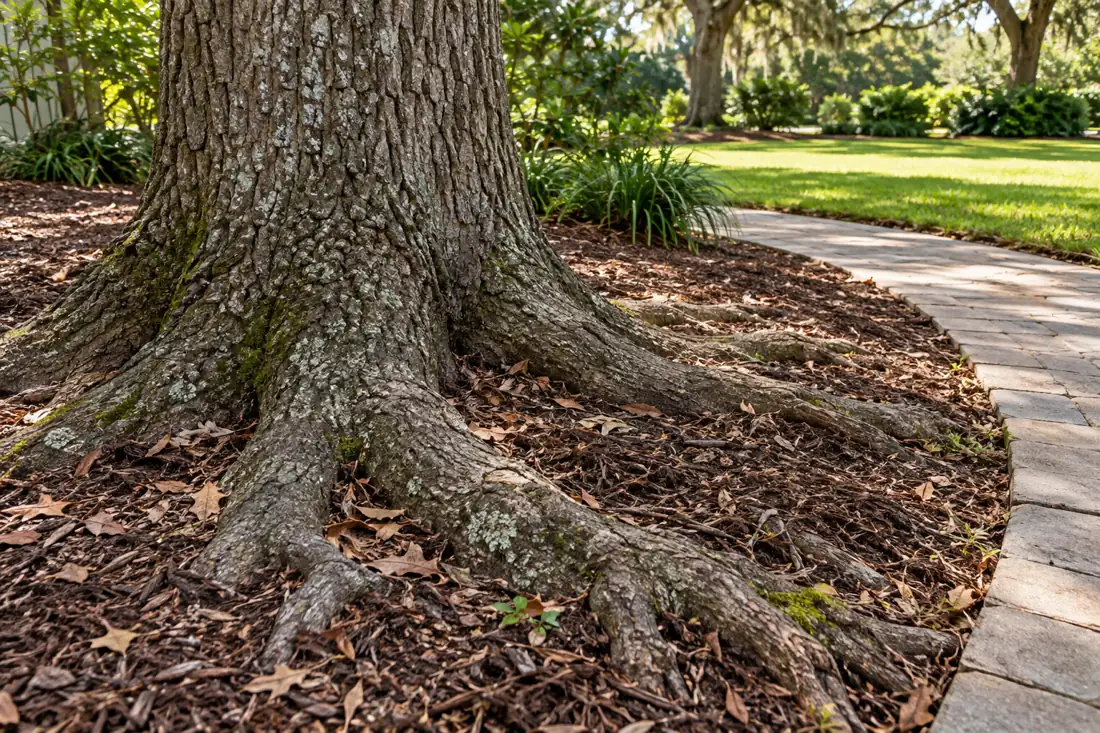
Walk only through safe, normally accessible parts of the property and note where trees extend over entrances, parking and regular paths. This is a way to prepare questions for a professional, not to declare a tree safe. Record visible changes and known history, then arrange an assessment where concerns need attention. Use marked photos to connect each question to the correct location.
Turn route observations into a traceable assessment request
Assign consistent labels to the main entrance, side path, parking spaces and other regularly used routes. Record what was observed, when it appeared and how that differs from earlier notes; a whole-tree image and a safe contextual view can clarify location. Do not diagnose a defect from a photo or use perspective to estimate the severity of a lean. Document which images are current and which came from earlier inspections.
If a newly hanging limb, sudden movement or other immediate concern is suspected, keep people out of the affected area and seek suitable professional or emergency assistance. Do not probe roots, test a limb or pass beneath a concern to take a better photograph. Note which alternative paths can be used without entering the suspected hazard area, and avoid assigning a risk rating without a competent assessment.
Bring route identifiers, historic records and the exact questions to the qualified provider. Clarify whether the request concerns tree health, clearance, closer inspection or a specific restriction, then record the advice actually given. A follow-up log should name the person responsible and the next action, rather than declaring the route safe merely because an inspection was requested. This helps the next reviewer understand decisions instead of reconstructing them.
Start with the routes people actually use
An everyday property review is easier to organize around a route than around every tree you can see. Begin with the entrance used for school mornings, the walk between parking and the door, the gate to the trash bins and any path regularly used by a tenant or delivery driver. From a normally accessible safe position, note which trees extend over those spaces. The purpose is to identify the locations worth discussing, not to decide that every overhanging branch needs removal.
Include places that become busy only at certain times. A shaded parking space may hold a vehicle overnight even when it is empty during your walk. A rear gate may be used for weekly maintenance, and a side path may be an important alternative entrance. Record that use beside the location. A professional reviewing the concern then has more context than a photograph of an isolated tree with no explanation of the people or property beneath it.
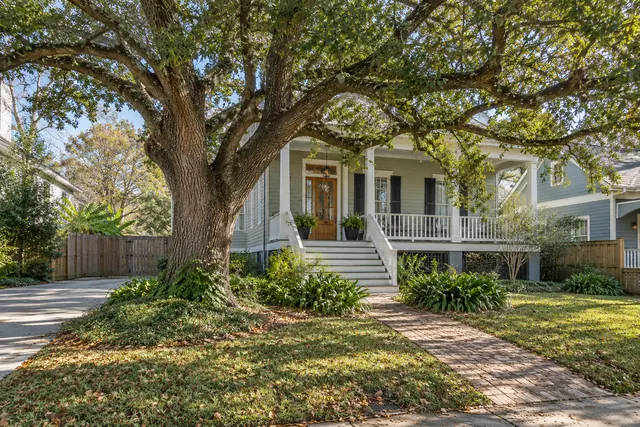
Write down changes rather than a diagnosis
Useful observations are specific: a limb appeared after the last wind, the soil at one side of the base looks newly lifted, a crack seems different from an older photograph, or a branch is now contacting a roof. Say what you can actually see and when you first noticed it. If the timing is uncertain, leave it uncertain. A confident label such as rotten or safe can obscure the facts the assessor needs to evaluate.
The International Society of Arboriculture’s tree-owner guidance explains why tree risk and its management require appropriate assessment. A homeowner’s route notes are preparation for that discussion. They cannot establish internal wood condition, root strength or the probability of a failure. Keep the questions separate from the conclusions, particularly where an occupied building or frequently used entrance is involved.
Stop the review where access becomes unsafe
A route review does not require you to approach every tree. If you see hanging material, a visibly shifting tree, damage involving a building or a possible electrical hazard, keep clear and change the route. Do not stand beneath a damaged branch to compare its angle with an older photograph. Use the appropriate emergency services or utility for immediate danger and explain the inaccessible location to the tree provider.
Ask other people using the property to avoid the same area without putting yourself into the hazard to create an elaborate boundary. On a managed site, notify the responsible contact and describe which entrance or parking area is affected. A photograph taken from a safe distant position can be useful, but an incomplete photo set is preferable to a risky close-up. The emergency service page explains how to describe an urgent inquiry and ask about current availability.

Make each photo identify a location and a question
For an ordinary accessible tree, collect a wide view that connects its crown, trunk and nearby route. Add a safe view of the base and a view showing the nearest roof, fence, parking space or gate. Where several trees stand together, use a simple written location such as the second tree along the rear walk. A series of nearly identical bark close-ups rarely explains which tree the owner means.
Keep the original files and note the date of your observation. If you annotate a copy, use the mark only to identify the intended tree or feature; do not edit away branches, ground conditions or surrounding structures. State the question beside the image, for example whether an observed limb condition needs assessment before that entrance is used. Tree Huggers’ contact page includes a practical photo and access checklist for the initial request.
Use a consistent label such as ‘front entrance, tree A’ in both the message and the photograph filename. If you provide a later image, keep the same label and state when you noticed the change. Distinguish a condition you observed today from an older photograph sent for background. That small amount of organization helps a professional connect the current question with the correct tree without treating the photographs as a complete inspection record.
Turn the route review into a usable tree-by-tree decision map
Number the entrances, walkways, play areas, parking aisles and service routes that people actually use. For each route, identify the tree by a stable property landmark rather than a guess about species or health. Describe what someone can observe safely from ordinary ground-level access, such as an altered branch position, fallen material or a known past problem. The map is a conversation aid for a qualified assessment, not a safety clearance.

Record whether the area is routinely occupied, occasionally used or currently closed, and who has authority to adjust access. An employee reporting a concern may not be the person authorized to approve tree work. If a condition appears immediately dangerous, restrict access from a safe location and use the appropriate emergency or utility channels instead of continuing a routine walk-through.
At handoff, pair each numbered location with one wide contextual photograph, the original observation date and a specific question for the tree professional. Keep old images marked as historical so they cannot be mistaken for current conditions. This turns a general November inspection into a route-based estimate request and gives the next property manager an intelligible record.
Include the ground and nearby work in the history
A tree’s surroundings may have changed even when its crown looks familiar. Record recent trenching, drainage changes, paving, construction access, fill placement or repeated vehicle traffic near the tree, if you know about it. Describe the work and approximate timing without deciding which change caused a particular symptom. Old plans and dated photographs can help the assessor understand the sequence.
Also mention an old injury, previous support hardware or a past assessment that is available to you. Do not pull back bark, excavate roots or move support components to create new information. The appropriate professional can determine which additional observations are useful. If the concern involves building work, the construction-site tree service page provides a related starting point for describing retained trees, access routes and responsibility between trades.

Capture route use without inventing a risk rating
Route usage changes the questions worth asking. A front walk may carry children toward a school bus every weekday while the same driveway is nearly empty on weekends. A back gate may serve a meter reader only occasionally. For each location, record normal traffic, seasonal differences and known access restrictions. If a route is closed after an observed change, note who was informed and which alternative is actually available. This practical context helps a qualified assessor understand exposure without a property owner assigning an unsupported numerical likelihood of failure.
Keep the tree observation distinct from the activity note. “Branch above the delivery entrance” describes a relationship; “branch will fall on a driver” is a prediction the notes cannot support. A wide photograph can locate the tree and entrance together, while a dated record can explain delivery hours. Do not estimate electrical clearance or internal tree condition from a photograph. If possible electrical contact is suspected, keep people and equipment away and involve the utility.
On multi-building properties, ask the responsible manager about accessibility, emergency-vehicle approaches and recurring deliveries. List those needs alongside landscaping preferences so they do not disappear into a general tree inventory. A provider can then explain which proposed work affects which route. The property owner still needs to confirm separate permissions or specialist reviews before changing access.
Give the assessor a usable priority list
Sort the locations by the question that needs an answer and the space affected. A current concern above the only occupied entrance deserves a different initial conversation from a routine clearance preference along an occasional garden path. Describe exposure and timing honestly; do not make every item an emergency to move the request forward. The provider still needs to evaluate the actual condition and confirm availability.
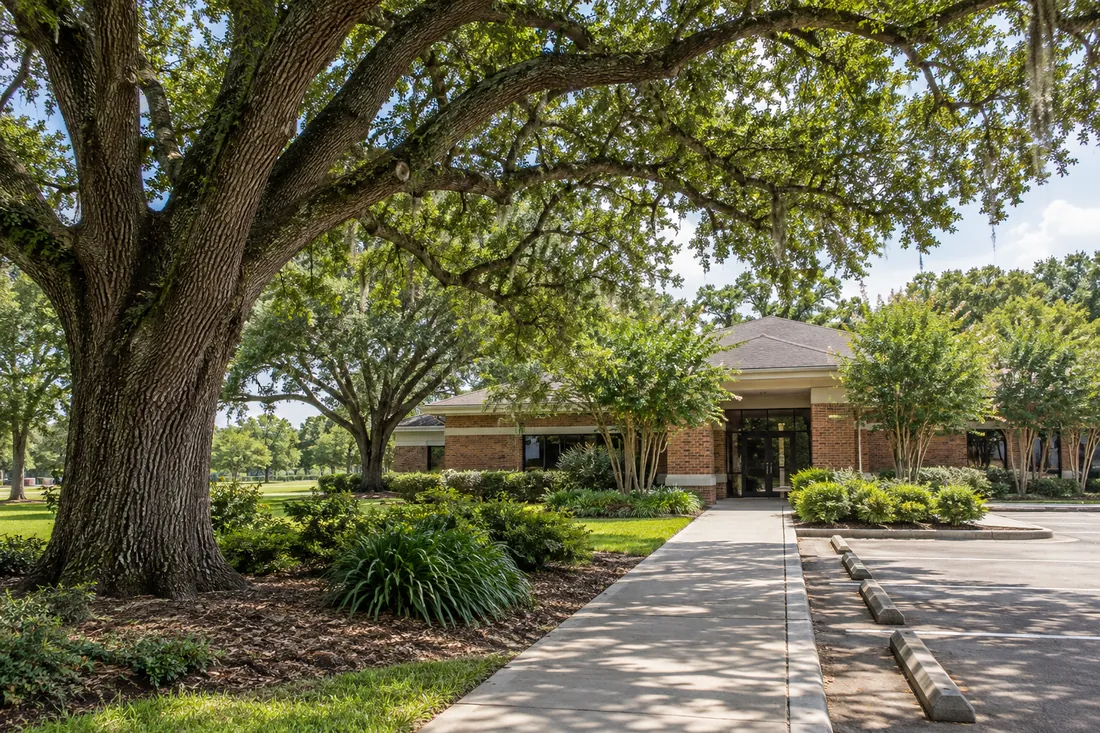
Review the routes people actually use
The safest starting point for a routine November review is a short walk through the places people use every day: the entrance from parking, the path to the front door, the gate, and any seating or play area. For each route, note observable changes in overhanging branches, soil around the base, nearby paving, and any new obstruction.
Avoid inferring an internal defect from a single photograph. Put each location on a simple numbered list so an on-site assessment can connect the observed concern to the specific route and decide whether monitoring, pruning, or a more detailed evaluation is appropriate.
For each location, identify who controls the property and who can authorize an assessment or later work. If the tree may stand on adjoining or public property, flag that uncertainty before a removal scope is discussed. A shared fence does not by itself settle ownership or permission. Keep the list short enough to use in a conversation, with the fuller photo set available for the locations that need closer review.
Distinguish assessment, clearance and removal requests
An owner may want three different things from the same walk: an assessment of a changed condition, more clearance over a route and pricing for a tree already intended for removal. Label those requests separately. That helps the company understand whether the next step is an opinion about condition, a pruning discussion or preparation of a removal scope. It also makes estimates easier to compare later.
Do not assume that reducing a tree’s size is the appropriate response to every concern. Explain the clearance needed and the parts of the property being protected, then ask which options should be assessed. Tree risk assessment, trimming and pruning and tree removal have different purposes. A route note can lead to any of those conversations without committing the customer to a method before the tree has been evaluated.
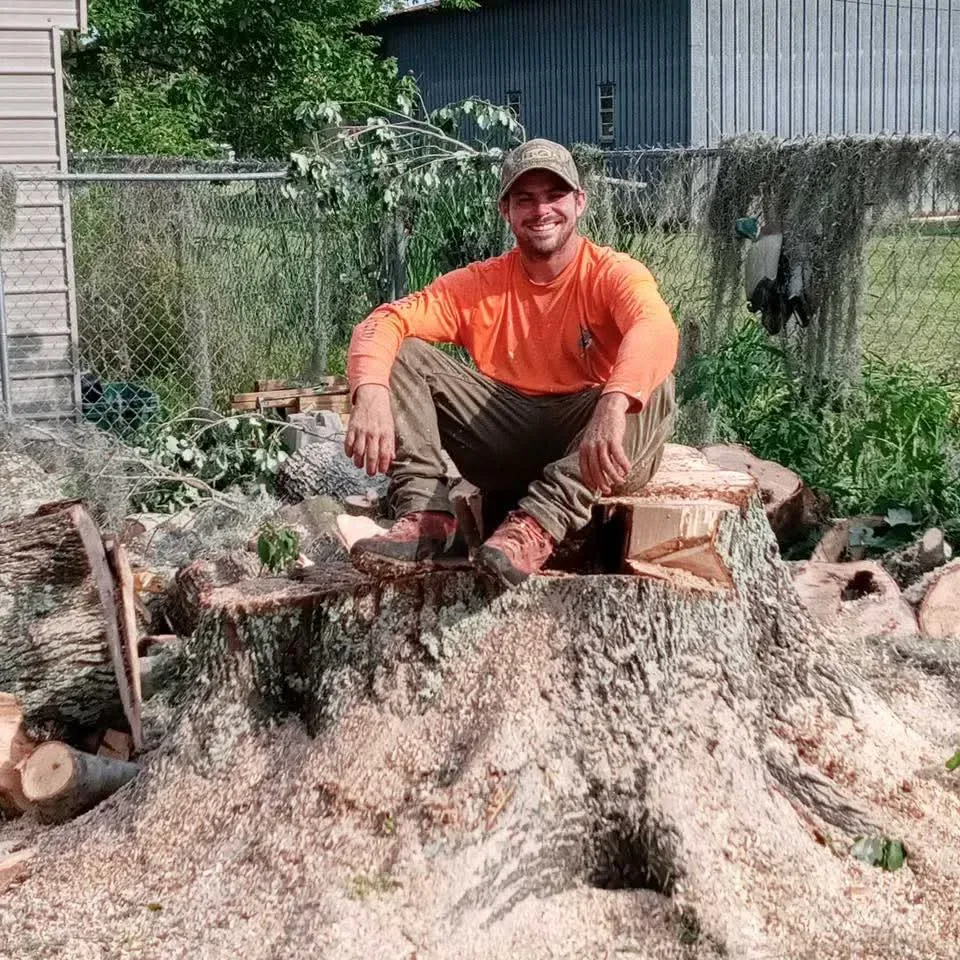
Arrange access without changing the site prematurely
Photograph the approach from the street and identify the narrowest gate, tight turn, overhead feature or surface that limits access. Mention pets, tenant notice requirements, parking restrictions and any person needed to open a gate. State what can be moved, but wait for the agreed plan before removing a fence panel or asking a neighbor to make a driveway available.
If a visit is being arranged, confirm the actual appointment and the person meeting the provider. An online request does not reserve a crew, establish a price or guarantee a work date. Report a changed tree condition before that appointment rather than assuming the earlier photo set still describes the site. These practical details help turn the observation list into a usable visit without creating unnecessary preparation or access disputes.
Keep decisions traceable after the professional visit
Do not replace the original notes with a vague statement that the trees were checked. Add the provider's written findings, visit date and the precise route or tree labels actually examined. If parked vehicles, a locked gate or another constraint limited the review, retain that limitation. Monitoring, further inspection, pruning and removal describe different next steps; none should be marked completed simply because the property was visited.
For approved work, confirm the tree identifier, intended result, access arrangements, debris expectations and any route that must remain closed. A photograph of the finished area may document the visible work but cannot prove the hidden condition of roots or wood. Record who accepted the stated finish and which questions remain open. Do not reopen a suspect route solely because it looks tidy.
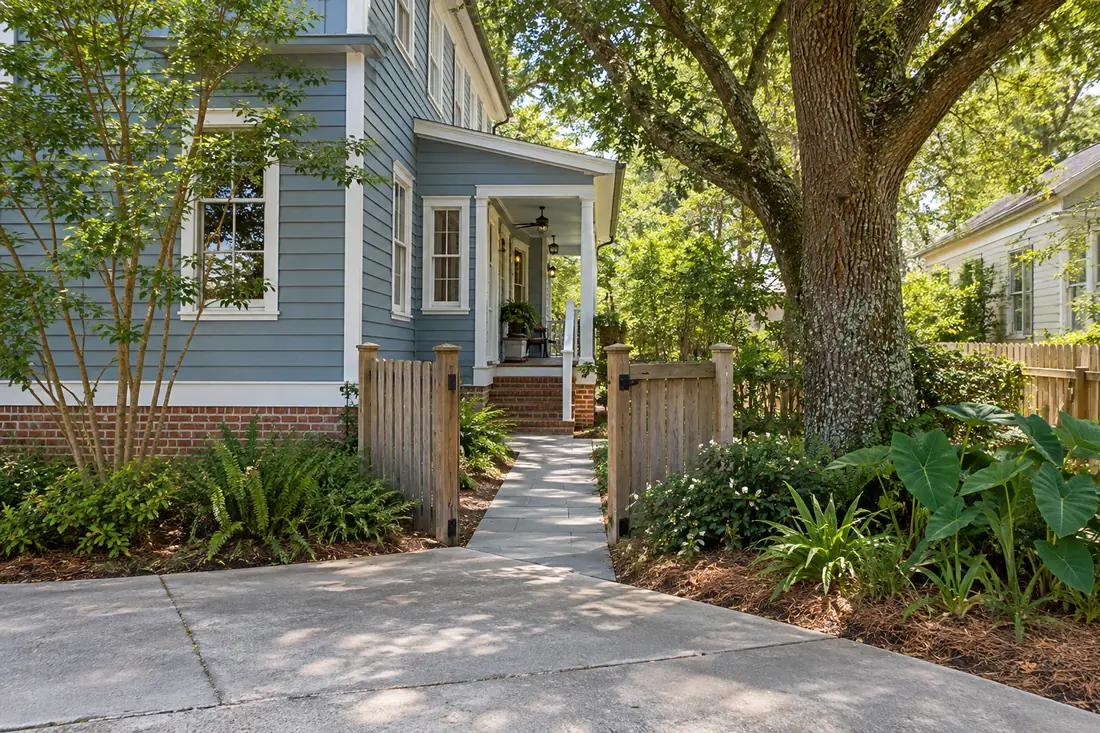
Set follow-up around the real circumstances instead of assuming every tree needs only the same calendar interval. New movement, construction near roots or significant weather may warrant contacting a professional sooner. When a manager changes, pass on the location map, dated observations, restrictions and unresolved recommendations. This creates a usable decision history instead of forcing the next person to reconstruct what was observed, what was advised and what actually happened.
Keep the next review connected with what was decided
After an assessment or estimate, keep the identified tree locations, the questions answered and any recommended next step together. If work is accepted, retain the scope and the details that explain what is included. If further monitoring or a later review is recommended, record whose advice it is and what change should prompt another conversation. Do not turn a general website checklist into a fixed inspection schedule for every tree.
Your November notes can then become a useful baseline instead of an unlabeled folder of pictures. Keep later changes with the same location names and preserve the original observation date. To start with Tree Huggers, send the property address, the routes affected, the changes you noticed and safe photographs. The goal is a clear question and a practical next step for the actual property, with the limits of a ground-level owner review understood.
Questions about November Property Review: Identify Trees Above Frequently Used Routes
Does an overhanging branch automatically need removal?
No. Its position alone does not decide the appropriate action. Describe the route and observed condition, then ask what assessment or clearance discussion is needed.
What should I review first on a busy property?
Begin with normally used entrances, parking, walks and gates from safe accessible positions. Explain how and when those spaces are occupied.
Can this checklist declare my tree safe?
No. It helps organize observations and questions. It does not establish internal condition, root strength or the likelihood of failure.
Should I photograph a hanging branch from directly below it?
No. Keep clear and use a distant view only if it can be taken safely. Explain any missing view to the provider.
How should I identify several trees in one photo set?
Use consistent written locations or tree identifiers and connect each image with a specific question. Avoid relying on similar trunk close-ups.
What if I do not know when a crack appeared?
Say that the timing is uncertain. Preserve any older photographs and report the current visible condition without inventing a history.
Are changes to paving or drainage relevant?
They can be useful context. Describe known work and timing without deciding that it caused a particular tree condition.
Should every item on the list be called an emergency?
No. Explain the actual concern and occupied space. Immediate danger belongs with the appropriate emergency authority or utility and a current availability discussion.
Can I authorize work on a tree beside a shared fence?
Establish the relevant ownership and permission first. A fence position does not by itself establish who may authorize the work.
Should I remove a gate before an estimate?
Wait for the agreed access plan. Explain the gate and route first so preparation and restoration responsibilities can be discussed.
Does sending this list reserve a work date?
No. An inquiry begins the discussion. Confirm any visit, accepted scope and work schedule directly with the company.
What should I send Tree Huggers with the review?
Send the property address, routes affected, current observations, known relevant history and safe photographs that identify each intended tree.
Get a scope for your property
A property review before winter should begin with the routes people actually use, not a checklist that calls every overhanging limb hazardous. Walk only the safe, open parts of the property and note trees above entrances, parking spaces, play areas, deliveries and accessible paths. Capture broad views from ground level that show the tree and the occupied route together.
Record any recent fallen limbs, visibly new cracks, fungal growth or ground changes as observations, not definitive diagnoses. Do not stand below a suspected hanging limb, climb or pull on branches to see if they move.
When seeking a professional review, provide a route map or numbered photographs and explain which areas must remain accessible. Ask for a scope that distinguishes routine clearance, condition assessment, further investigation and any recommended pruning or removal. If a location appears unstable, restrict use while obtaining qualified evaluation rather than waiting for a scheduled maintenance visit.
The completion plan should include controlled work areas, debris handling and a realistic route-reopening check. A seasonal walk-through can improve documentation but cannot certify all trees safe or guarantee that a storm will cause no damage.