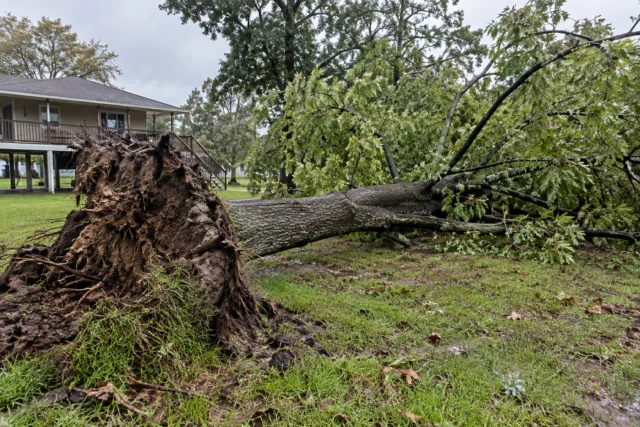
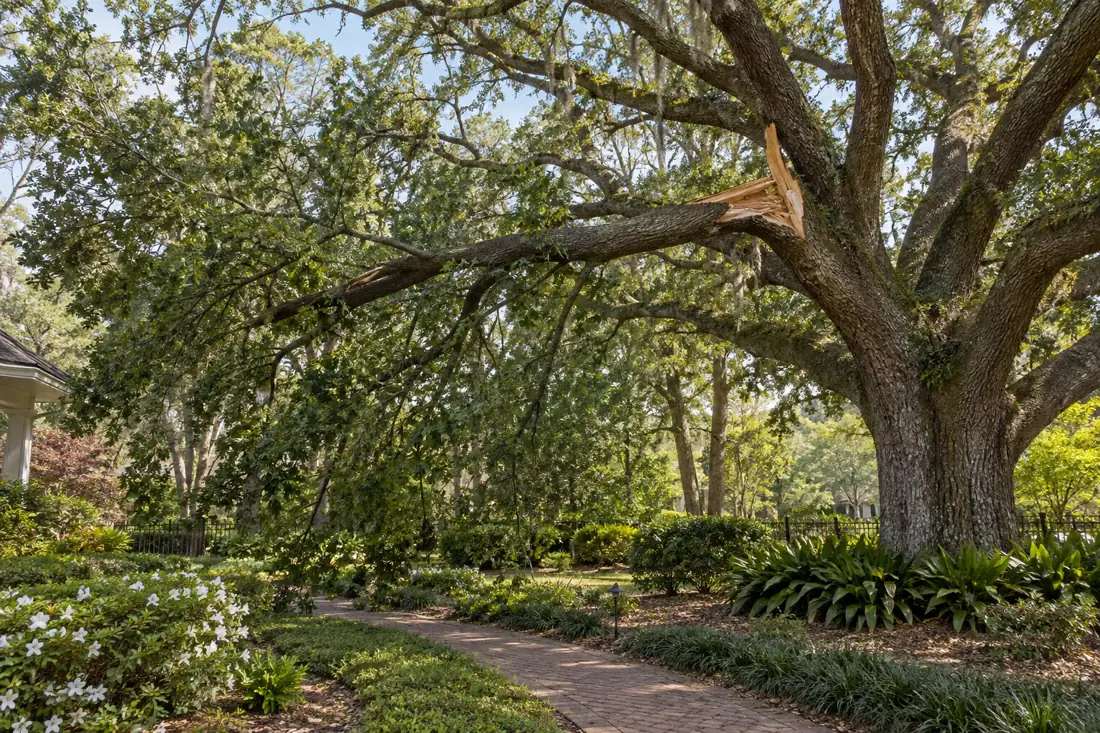
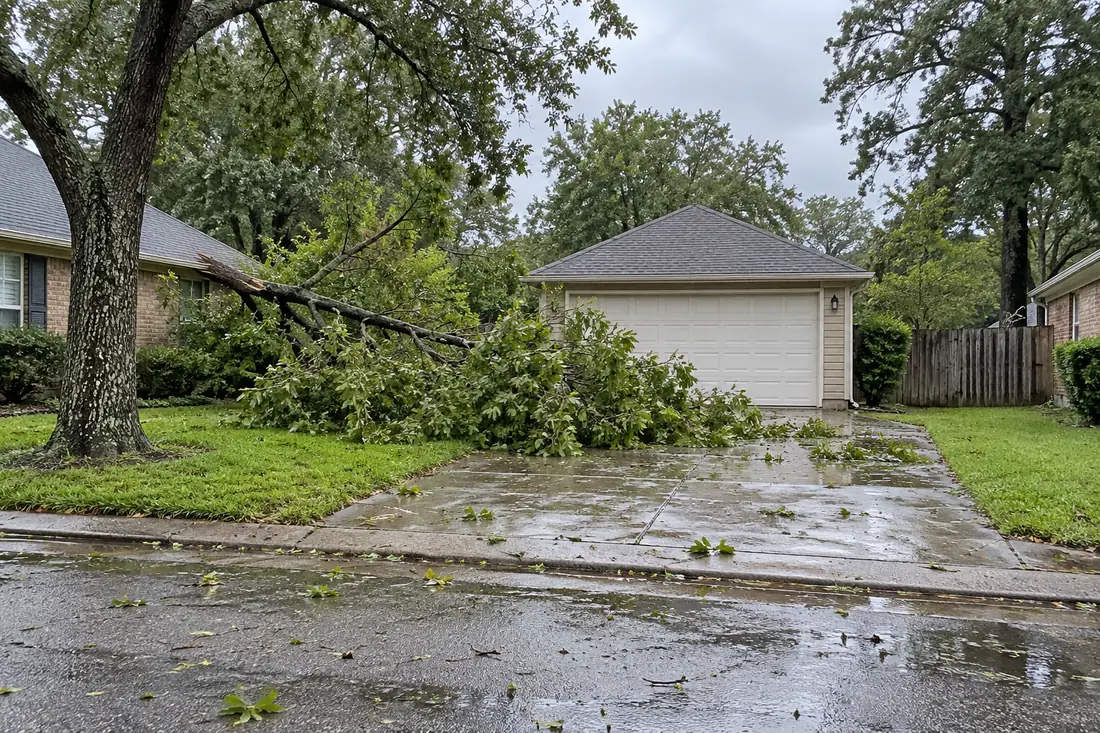
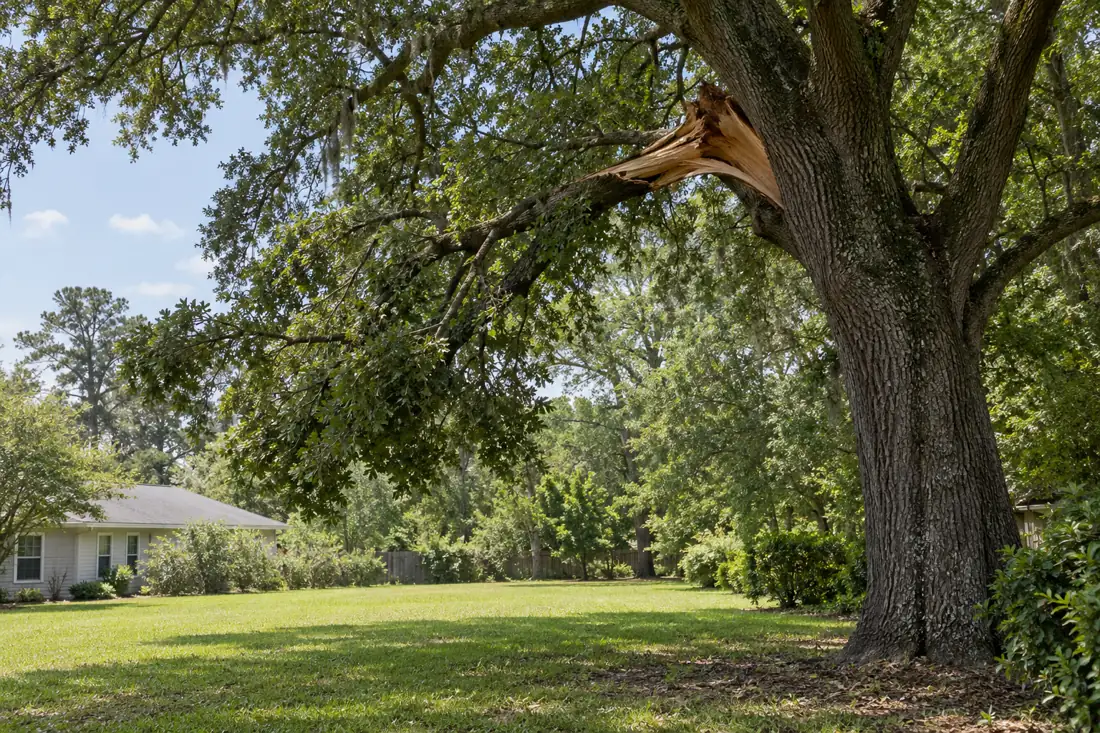
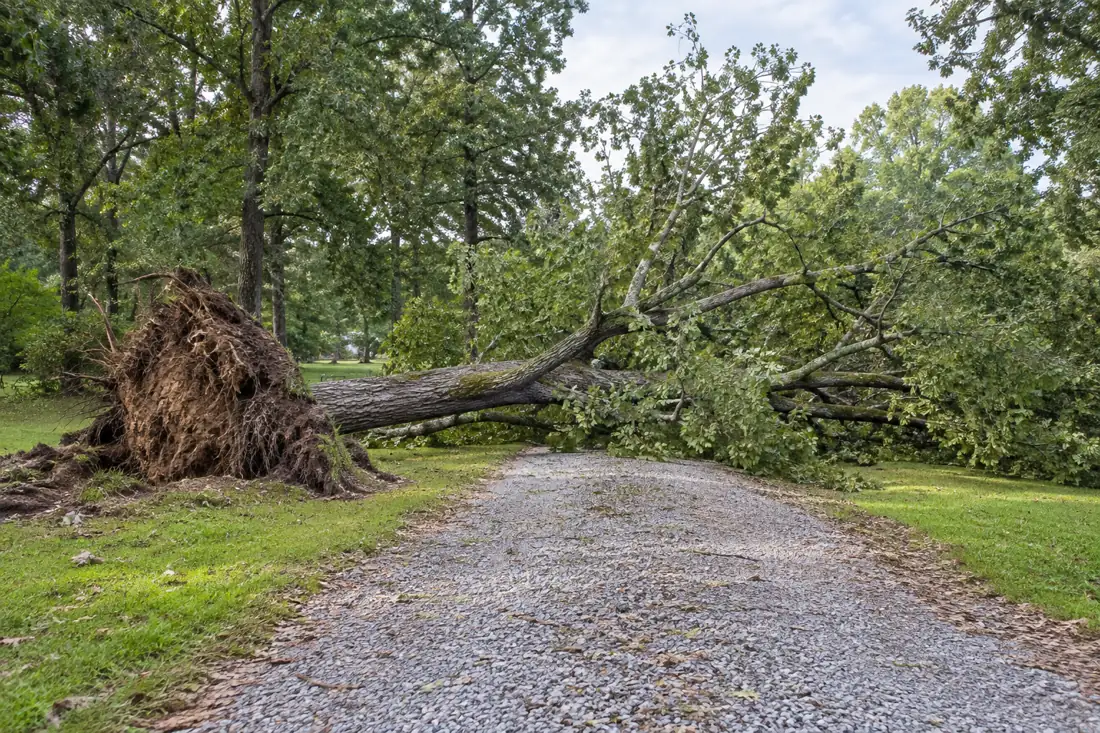
Start with the trees that can hit something important
Prioritize trees near homes, parking, streets, bedrooms, play areas, utilities and primary access. A moderate defect over an important target can matter more than a larger defect in an open area.
A tree-specific hurricane inspection plan
List the actual targets near each tree—roof, carport, driveway, school gate or frequent pedestrian route—and whether a defect appeared after recent weather. Provide one wide image and one safe detail image rather than a close-up without surrounding context. Never enter an area beneath hanging branches to take photographs.
Ask for a written distinction between immediate hazards, selective pruning, monitoring, and removal recommendations. Blanket canopy thinning is not a substitute for evaluating structural defects. Keep the reason for each proposed cut in the scope, and avoid assuming a tree is safe just because leaves remain green.
Before scheduling, disclose soft soil, limited gates, power lines, parking and debris access. Itemize limb removal, full-tree removal, hauling, stump grinding and later inspections separately so an owner knows exactly which task was authorized.
Site planning detail: A hurricane-season plan works best before a named storm is approaching. Walk the property from the ground, looking for hanging limbs, recently shifted trunks, cracks at major unions, exposed roots and branches approaching roofs or service drops. Record the tree’s location and the structures, vehicles, streets or play areas beneath it. Keep people away from suspicious branches and any electrical lines; contact the utility for electrical hazards instead of attempting pruning.
Schedule a professional inspection early enough to consider reasonable work rather than demanding rushed cuts before landfall. Discuss whether selective pruning, securing a vulnerable area, ongoing observation or removal addresses the actual risk. Do not assume heavy crown thinning or topping makes a tree safer; severe pruning can create new failures. After the storm, compare safe ground-level photographs with your previous records and prioritize changed conditions rather than automatically removing every tree that lost leaves.
Look for dead limbs, cracks, new lean, cavities, root damage and hanging branches.
Remove deadwood and address specific structural or clearance concerns without stripping the canopy.
Evaluate trees that may require support, major pruning or removal before storm season.
Do not over-prune for storms
Excessive thinning or topping can stress trees and create poorly attached regrowth. Pruning should target real problems and preserve healthy structure whenever practical.
Check the root zone
Construction damage, trenching, grade changes, soil compaction and drainage problems can reduce stability. A tree with compromised roots may be more vulnerable even if the canopy still looks healthy.
Related storm resources
Tree Risk Assessment
Tree Trimming
Storm Resource Center
Start the work well before a storm has a name
Hurricane preparation works best as a routine property-maintenance decision rather than a frantic response to a forecast. In southeast Louisiana, trees may have a dense crown, saturated soil, old pruning cuts and nearby structures that change how wind loading affects them. Walk the property during calm weather and make a simple inventory of large trees, hanging branches, roof clearance, parking areas and access routes.
Keep a date on the notes and photograph each tree from the same safe ground-level location. Those photos become a useful comparison when conditions change later in the season.
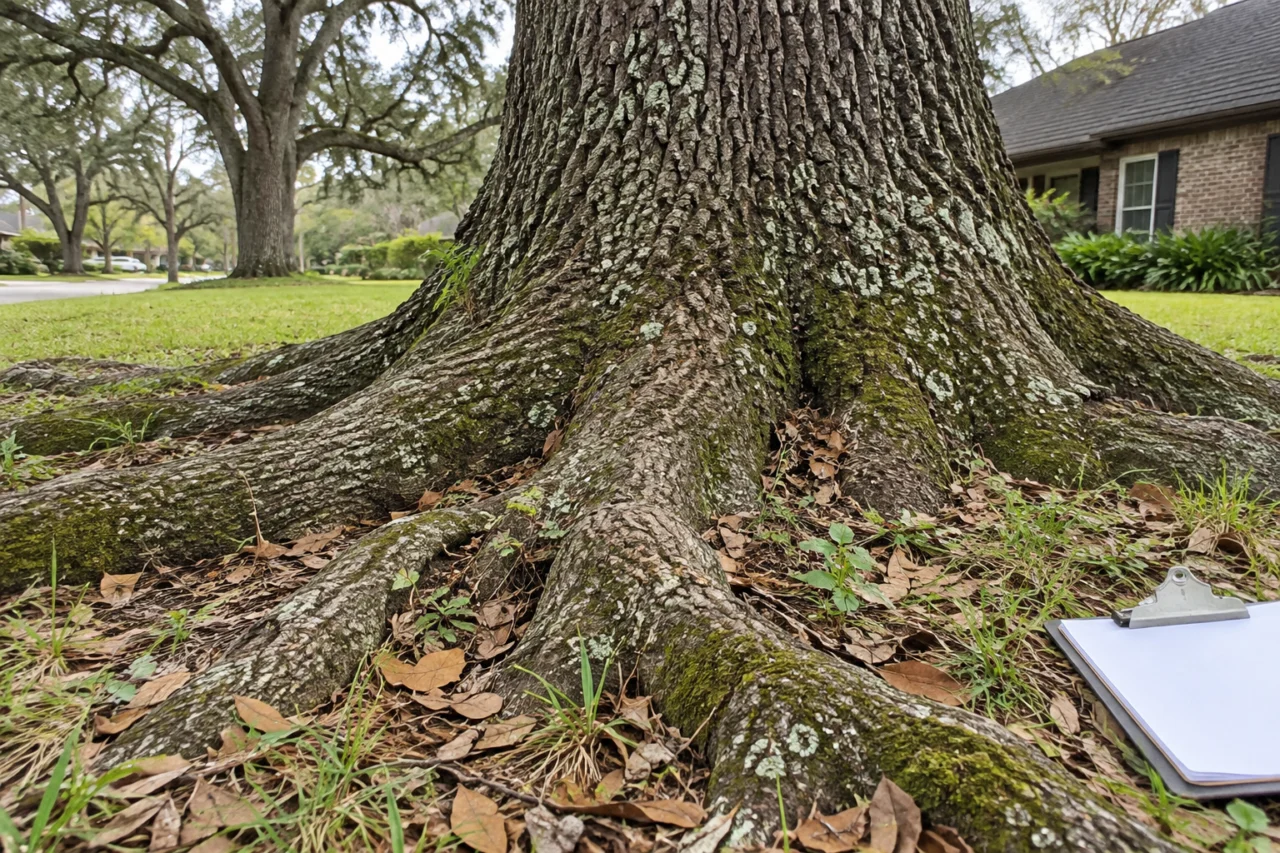
A practical timetable separates work that requires a qualified tree contractor from small housekeeping jobs. A professional can assess defects and plan equipment access while weather and scheduling remain predictable. Property owners can move loose objects, check that gates open and keep drainage paths clear without cutting live trees.
Waiting until a warning is issued may make crews unavailable or leave too little time for careful pruning and cleanup. The objective is not to make every tree hurricane-proof; it is to reduce avoidable exposure while preserving healthy, structurally valuable trees.
Rank trees by consequences, not just by height
Start with what a failed branch or trunk could strike. A mature oak next to an occupied bedroom deserves a different level of attention from a similar oak over an open field. Map the home, vehicles, fences, neighboring property, pedestrian paths, utility services and the only driveway.
The tree nearest an evacuation path may be a priority even when its canopy looks less dramatic. Discuss these targets with the person performing the assessment, because a defect that matters near a building may carry much less consequence in an unused portion of the yard.
Wind exposure and soil condition also matter. Trees at newly opened edges, near recent excavation, beside drainage changes or in standing water may behave differently from their neighbors. Do not conclude that a tree is unstable merely because it leans or that an upright tree is safe merely because it looks symmetrical.
Stable historic lean, fresh root movement and a new crack are different observations. Record what has changed since the last storm. When possible, obtain a professional assessment of both the likelihood of failure and what would be affected.

Photograph the same landmarks before the forecast changes
Use one or two repeatable ground-level viewpoints that show the trunk base, main limbs, roof clearance and surrounding grade. A new crack, fresh soil movement or changing lean is easier to discuss when the earlier view can be compared fairly. Label photos with the date you actually took them; never infer a precise defect from a distant image.
If you see hanging wood, an exposed utility line or movement around the root plate, keep the area clear and request an appropriate professional assessment rather than climbing for a closer picture.
Prioritize by consequences, not just the largest tree
A tall tree at the far edge of an empty lot may deserve a different timetable than a smaller tree with a hanging limb over a sleeping room. Walk the property from safe positions and list the routes, occupied spaces, roads and utility corridors that could be affected. Then note the known tree defects, recent work and drainage conditions without inferring what the tree will do in a specific hurricane.
A good preparation request names the tree and desired decision. It also acknowledges that severe wind can damage apparently sound trees, so no inspection or pruning service can promise storm-proof results.
Inspect from the ground without creating another hazard
Begin at a distance where you can see the full crown and trunk. Look for newly broken or dead limbs, branches rubbing the roof, large cavities, splits, detached bark, fungal fruiting bodies and visibly lifted soil around the root plate. Compare opposite sides of the canopy and note whether an area appears to be losing foliage unusually quickly.
None of these clues alone gives a reliable verdict; they are reasons to ask better questions. An ISA-qualified arborist or appropriately experienced tree professional can determine what additional investigation is warranted.
Never climb a suspected damaged tree, shake a hanging limb or use a ladder to inspect overhead branches. Binoculars and photographs taken from a safe location are usually more useful than getting closer. If a tree or limb is contacting a power line, keep clear and contact the utility rather than attempting pruning.
Trees can conduct electricity when wet, and a falling limb can pull an energized conductor toward the ground. If the tree is already shifting, cracking or dropping material, restrict access and arrange urgent professional attention instead of completing an ordinary checklist.
Prune for actual defects and building clearance
Preseason pruning should have a defined objective: remove confirmed deadwood over a target, reduce a specific overextended limb when appropriate, address a rubbing branch or create necessary clearance for a roof. Ask what branches are proposed for removal and why. The best plan often involves a limited number of technically appropriate cuts, not an indiscriminate thinning of the whole crown.
Excessive removal can expose previously shaded branches, alter growth and leave a tree with less leaf area to support recovery. Different species and ages respond differently.
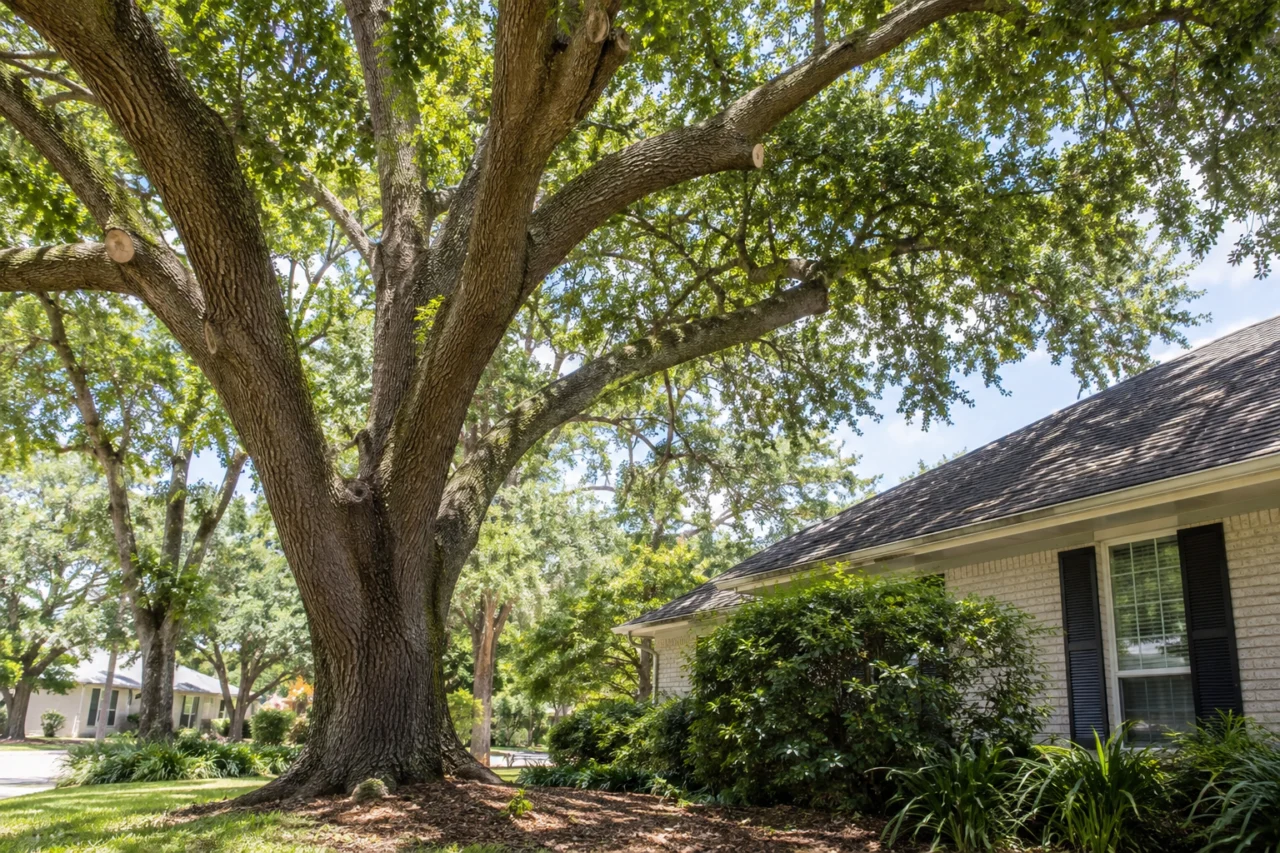
Avoid topping, lion-tailing and cutting major live limbs simply to make the crown look shorter. Topping can stimulate weakly attached shoots and create substantial wounds; stripping interior foliage concentrates weight at branch ends. A qualified crew should use appropriate branch collars, avoid flush cuts and consider how load transfers through the remaining structure. If a limb is large enough to hit the house during removal, it may require rigging or mechanical assistance. See the hurricane pruning guide for what to discuss before authorizing that work.
Prioritize tree preparation by what a failure could affect
Walk the property from accessible ground before the hurricane forecast becomes urgent. Mark the trees whose branches extend over occupied rooms, parked vehicles, walkways, or the only access route. Record any visible deadwood, fresh cracks, hanging limbs, or sudden changes in lean. Avoid guessing about roots beneath the soil or whether a tree is internally hollow; those concerns require informed examination rather than a distant visual assumption.
Review the work history if available. Old large cuts, topping, past construction near the root zone, and repeated equipment traffic can change what an arborist needs to evaluate. Keep irrigation and soil conditions in mind as well, especially when drainage changes have left parts of the yard saturated. A photo log provides context, but it does not replace a structural assessment when serious warning signs are present.
Sequence work while access is still predictable
Before storm watches are issued, determine whether pruning, cabling evaluation, tree removal or simply continued monitoring is warranted. Check which gates, fences, parked vehicles or saturated lawn areas would constrain equipment; those details affect feasibility as much as the condition of the canopy.
A prioritized list should state the reason for each proposed action, what will remain and who must approve access. Avoid authorizing heavy pruning just because a storm season is approaching; tree-specific conditions should determine the work.

Create a sensible pre-season work list
Preparation should normally favor selective, defensible cuts over drastic crown reduction. Removing appropriate dead, broken, or interfering branches may reduce a specific exposure; indiscriminate thinning or stripping interior growth can produce poor structure and new problems. Proper timing and extent depend on species, condition, and the work objective. A healthy-looking crown is not a warranty against hurricane winds.
Ask the contractor to identify the individual trees and limbs in the proposed scope, the route for equipment and debris, and any property items that need moving. If work involves a neighboring parcel, public right-of-way, or lines, clarify responsibility and permissions before scheduling. This turns a general storm-preparation request into an actionable project with realistic expectations.
Protect the roots and the ground around them
A strong-looking crown depends on functioning roots and supporting soil. Keep trucks, material piles and repeated traffic away from the root protection area when possible. Soil compaction, trenching and severed roots can reduce anchorage, sometimes without an immediate visual warning in the leaves. Landscaping projects deserve the same scrutiny: a new retaining wall, a deep utility trench or raising the soil against the trunk can change growing conditions long before a storm. Flag those recent changes in your inspection notes.
Drainage is a related but separate issue. Waterlogged soil can affect rooting and access for heavy equipment, but a wet yard does not automatically mean every tree needs removal. Avoid excavating around suspect roots or cutting them to solve a surface problem without assessment. Manage blocked surface drains where it is safe to do so, and document persistent ponding, erosion or exposed roots.
If the tree sits near a foundation, discuss both root condition and building exposure rather than assuming pruning will solve the underlying problem.
Make an access and cleanup plan before crews arrive
A tree-work estimate should explain how equipment and debris will enter and leave the property. Walk the entire route from the street, not only the distance from the truck to the tree. Check narrow gates, fence panels, overhead service wires, septic areas, soft lawns, low branches and neighboring driveways.
A boom truck, crane or grapple device may not be practical on every property, and the safest method depends on loads and space. Ask who is responsible for approvals if access requires a neighbor’s property or a temporary fence opening.
Clarify whether the quoted work includes branch removal, log handling, hauling, chipping, stump grinding and basic site cleanup. A post-storm emergency crew may price these tasks differently from scheduled maintenance, so record what is included before a forecast creates pressure. Photograph pre-existing driveway and landscape conditions and identify areas that need special protection. Keep contact details and the service address accessible to another adult in the household. A clear scope reduces confusion if weather changes the schedule.
Understand what storm forecasts change
A tropical storm watch or hurricane warning is not the time to start large canopy work. Strong wind, intermittent lightning and saturated soil make elevated cutting, ladders and rigging especially hazardous. Loose limbs may move unpredictably, and debris could block emergency access. If severe weather is approaching, shift from tree modification to personal safety: follow local emergency guidance, secure loose items from safe ground level, protect documents and prepare your household evacuation or shelter plan. Do not wait under trees to watch what happens.
If a tree already poses an imminent threat, report the location and nature of the hazard when calling a qualified emergency provider or utility. Do not promise that a company can safely remove it before landfall. Professionals may decline work when wind or electrical conditions make it unsafe. The storm resource center can help organize next steps, but public safety and local emergency instructions take priority over landscaping. Trees and property can be repaired; people should not be put at risk for a last-minute cosmetic cut.
Keep records that support sensible decisions
For each priority tree, record its location, broad species if known, visible concerns, inspection date and recommended action. Ask the professional to distinguish immediate hazard mitigation from preventive maintenance and longer-term monitoring. An estimate should identify which tree is involved and the specific scope, not simply say to trim everything. Keep photographs, written findings and invoices together. When the concern is near a roof or adjacent property, establish the boundary and permission before scheduling equipment or debris handling.
Good records also prevent the same issue from being rediscovered after every storm. Compare photographs at similar angles; note whether a lean was present previously, whether a crack has widened and whether a limb was already dead. Do not use photographs as a substitute for an on-site inspection when movement or structural damage is suspected. If an insurer becomes involved following damage, retain originals and avoid guessing about cause or coverage. Maintenance records document decisions, but insurance outcomes depend on the actual policy and circumstances.
Reassess after the weather without rushing under damaged trees
After a storm, stay out of areas with fallen conductors, hanging limbs, broken trunks or unstable root plates. Inspect from a safe distance only after authorities consider travel and the property safe. Compare your preseason photos with current conditions. New ground heave, suddenly opened splits, displaced soil, branches suspended in the crown or a tree leaning on a structure are reasons to restrict access and seek specialized help. A tree may look normal from one angle while hiding significant damage on the opposite side.
Not all storm damage calls for immediate removal. Some smaller branch injuries can be treated with proper pruning and monitoring; loss of major structural support may require a very different response. Qualified assessment should weigh species, defect, target occupancy, recovery prospects and the risk of working near the damaged tree. The post-hurricane inspection guide explains what to document and what to leave untouched. The goal remains sound decisions before, during and after a storm—not a promise that any tree can withstand every hurricane.
Questions about How to Prepare Trees for Hurricane Season
When should I start preparing my trees for hurricane season?
Schedule inspections and needed maintenance before a storm forecast creates urgent demand. Allow time for assessment, permits, equipment planning and safe cleanup.
Should every tree be trimmed before hurricane season?
No. Pruning should address identified defects, deadwood or necessary clearance. Unnecessary heavy thinning can harm tree health and structure.
Can pruning make a tree hurricane-proof?
No pruning treatment guarantees survival in extreme wind. A qualified assessment can identify avoidable hazards but cannot remove all storm risk.
What tree should I inspect first?
Prioritize trees or limbs near occupied rooms, access routes, vehicles, utility lines and neighboring property. Consequences matter as well as tree condition.
Is a leaning tree always dangerous?
Not necessarily. A long-standing lean differs from new movement, cracking or soil heave. Sudden change merits prompt professional assessment.
What should I do if a branch touches a power line?
Stay clear and notify the utility. Do not climb, prune, pull or otherwise disturb branches near energized conductors.
Does saturated soil make every tree unstable?
No. Saturation is one condition to consider alongside roots, site history, species and observed movement; it does not independently establish failure risk.
Should I top a tree to reduce hurricane wind load?
Topping is generally harmful and can create weak regrowth and large decay wounds. Ask for technically appropriate, targeted pruning instead.
What records should I keep before a storm?
Save dated photos from safe angles, written observations, inspection findings and work invoices. These help distinguish old conditions from new damage.
Can crews trim trees after a hurricane warning is issued?
It may be unsafe or impractical once strong wind, lightning or flooding is expected. Follow emergency guidance rather than attempting last-minute large-tree work.
Should I cut roots near a driveway before a hurricane?
Do not sever substantial roots without qualified assessment. Root loss can affect anchorage and tree health even if the crown still appears green.
What is included in a storm-prep tree estimate?
Ask for exact trees and cuts, site access, rigging, debris handling, hauling, cleanup and any required permissions. Avoid vague all-inclusive wording.
Get a scope for your property
For hurricane-season preparation, identify the specific trees near the occupied parts of the property, then describe recent changes, previous trimming, and equipment-access limitations. A useful estimate distinguishes planned deadwood management from structural concerns that first require evaluation. Do not assume widespread cutting provides a guarantee against storms.