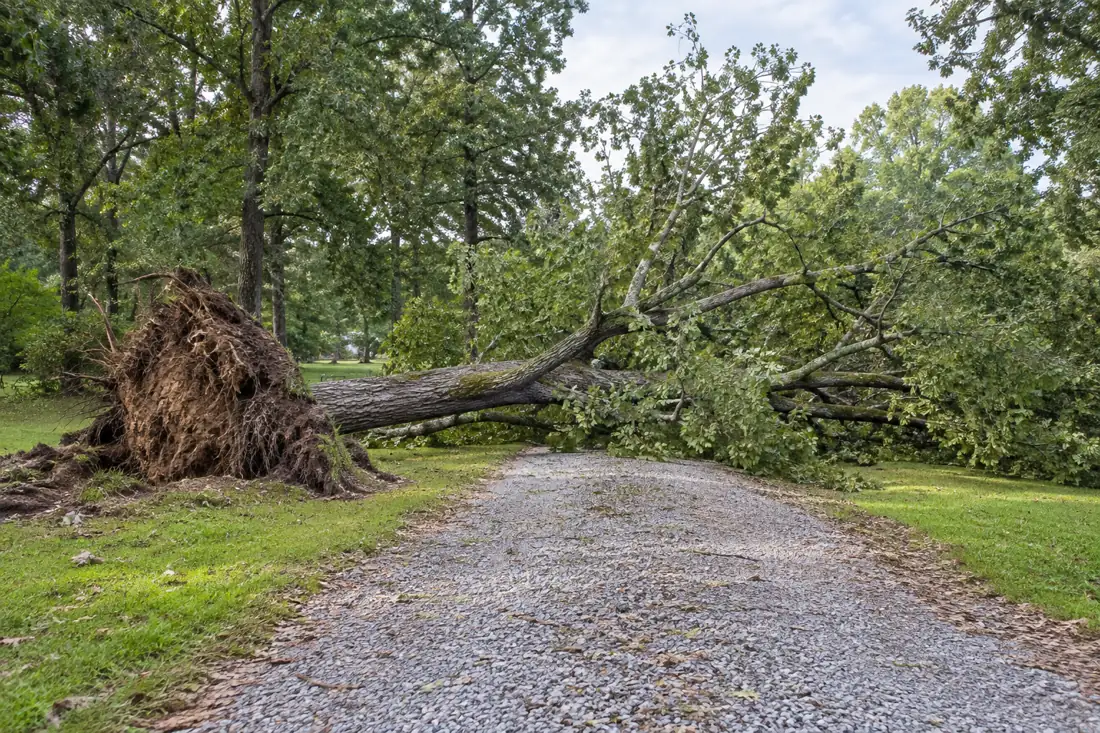
Choose a storm resource by the stage of the problem
Use pre-storm inspection and pruning guides while routine access remains safe; they are not instructions to perform tree work as a storm arrives. For fresh leaning, an uprooted plate, hanging limbs or a tree contacting a building, begin with the corresponding damage guide and keep people out of the affected area. For overhead electric lines, use the utility’s emergency process rather than a general estimate form.
When requesting professional assistance, name the hazard, its location, affected access routes and whether occupants can remain safely clear. Work that protects life and access must be discussed separately from final debris pickup or long-term tree replacement.
Before hurricane season
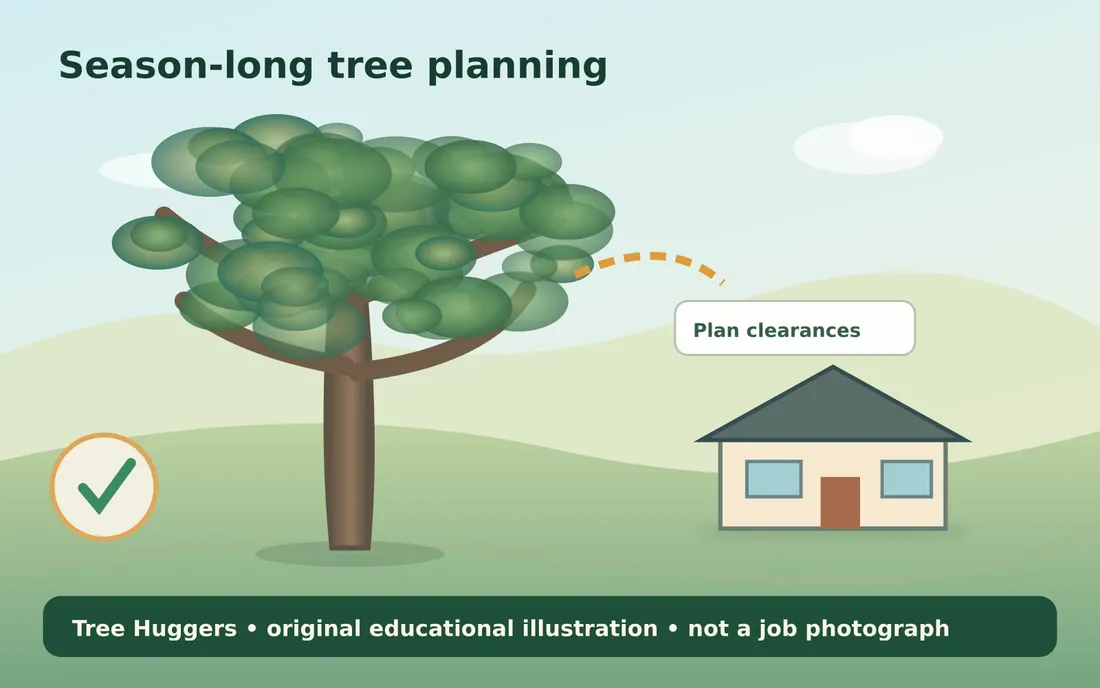
Prepare Trees for Hurricane Season
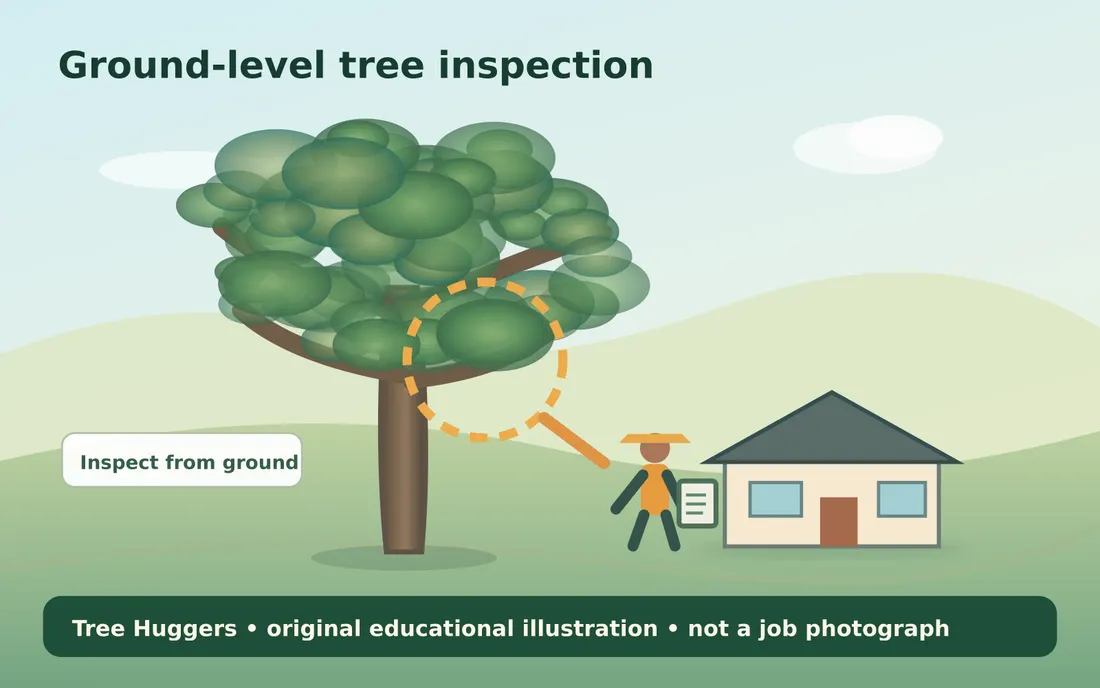
Pre-Hurricane Tree Inspection
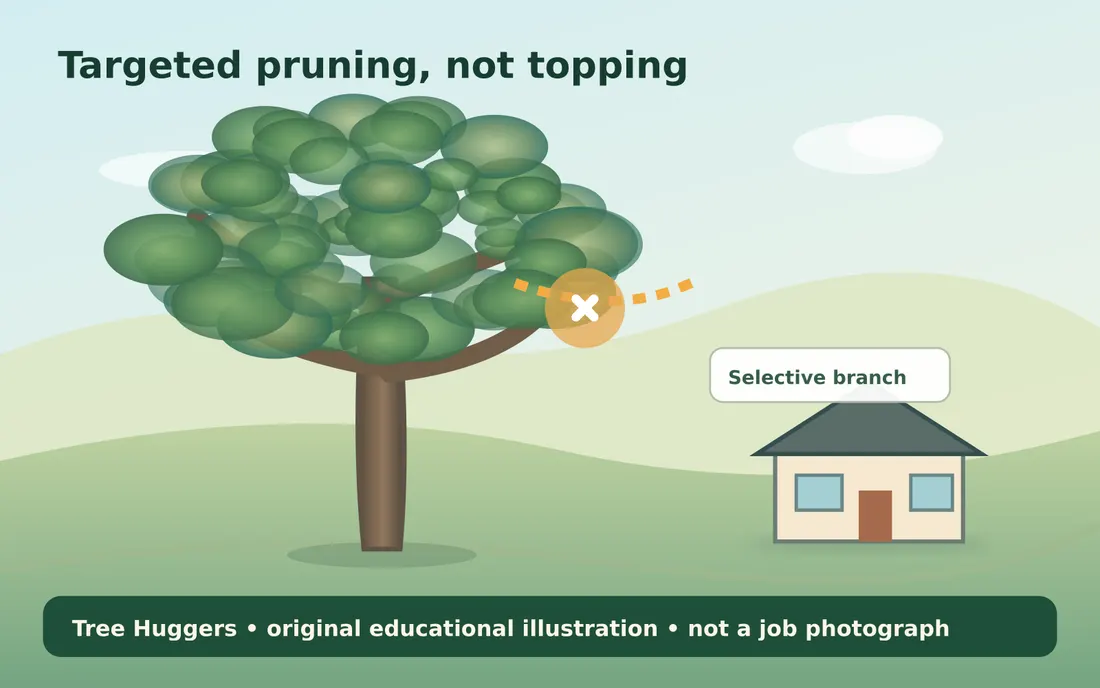
Should You Trim Before a Hurricane?
After the storm
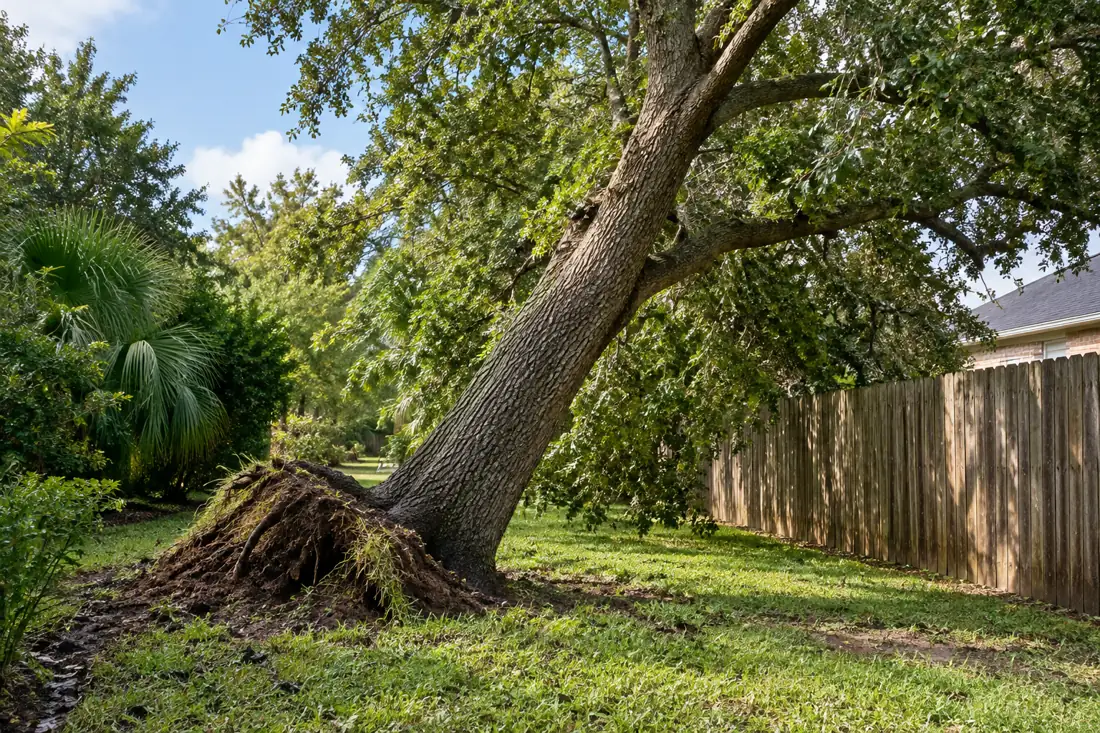
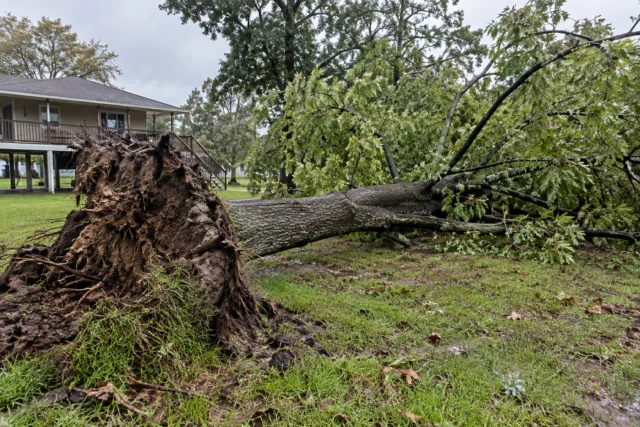
Tree Leaning After a Storm
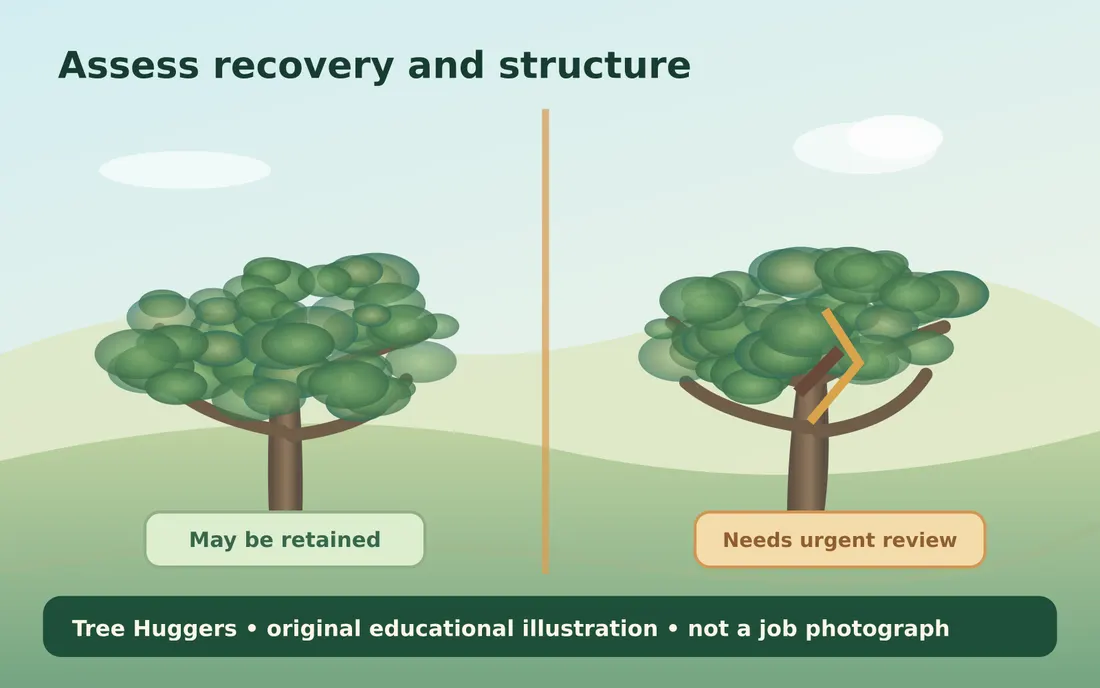
Storm-Damaged Tree: Save or Remove?
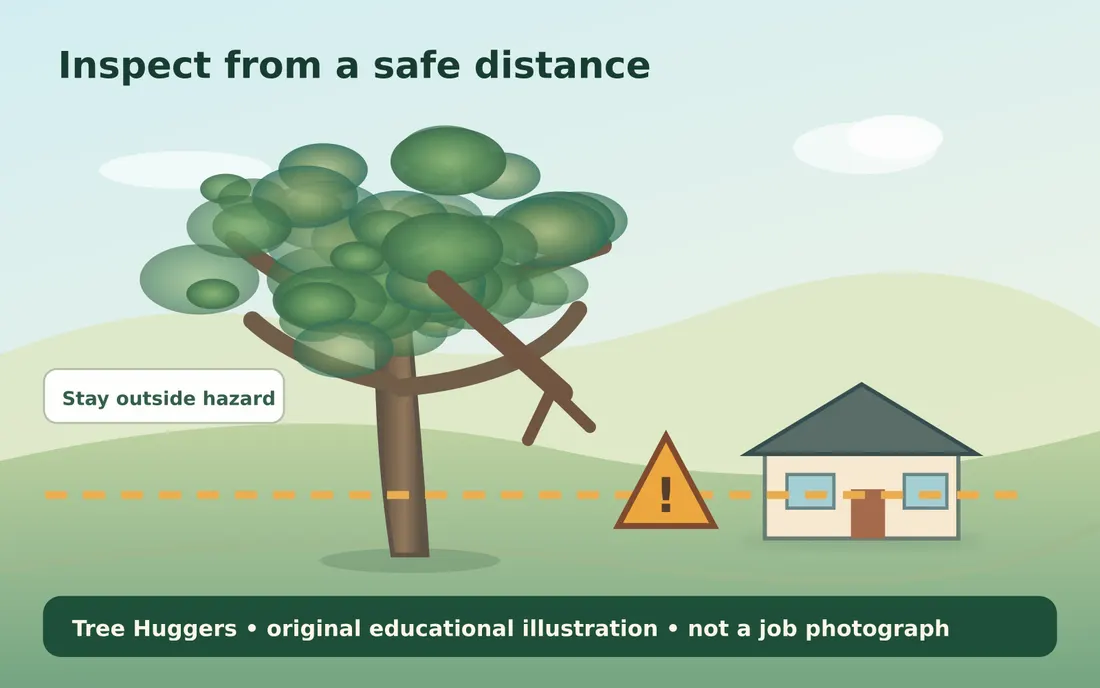
Post-Hurricane Tree Inspection
Emergency services
Controlled removal when trunks or major limbs are resting on buildings.
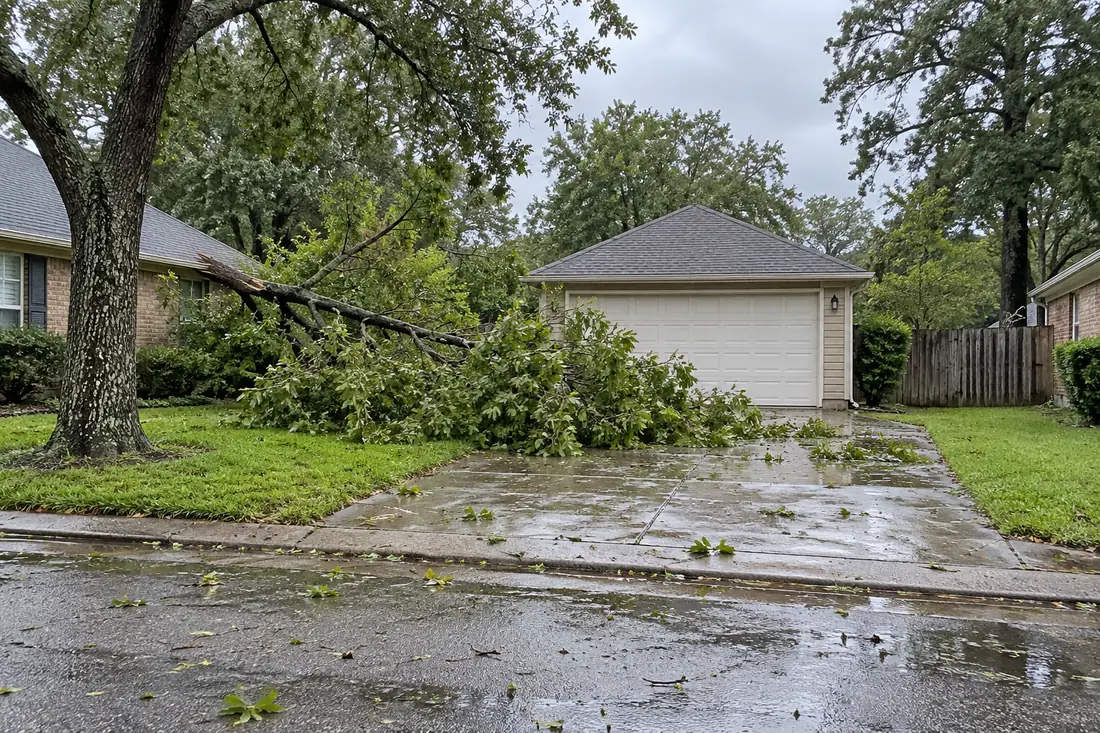
Clearing driveways, entrances and work routes after failures.
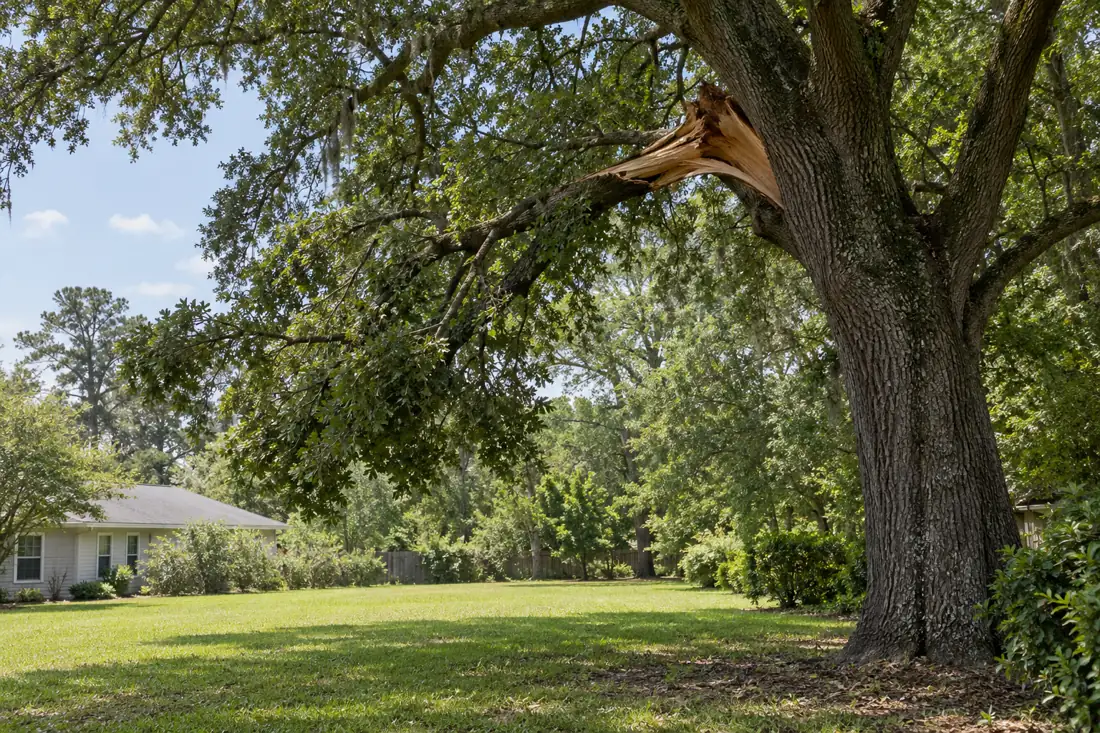
Removal of suspended branches that can fall without warning.
Large-event response
Tree Huggers serves Greater New Orleans routinely and can mobilize across Louisiana and the Gulf South for significant commercial, multi-site and disaster-response projects. Larger events require prioritization, equipment planning, debris flow and clear site coordination.
Core storm services
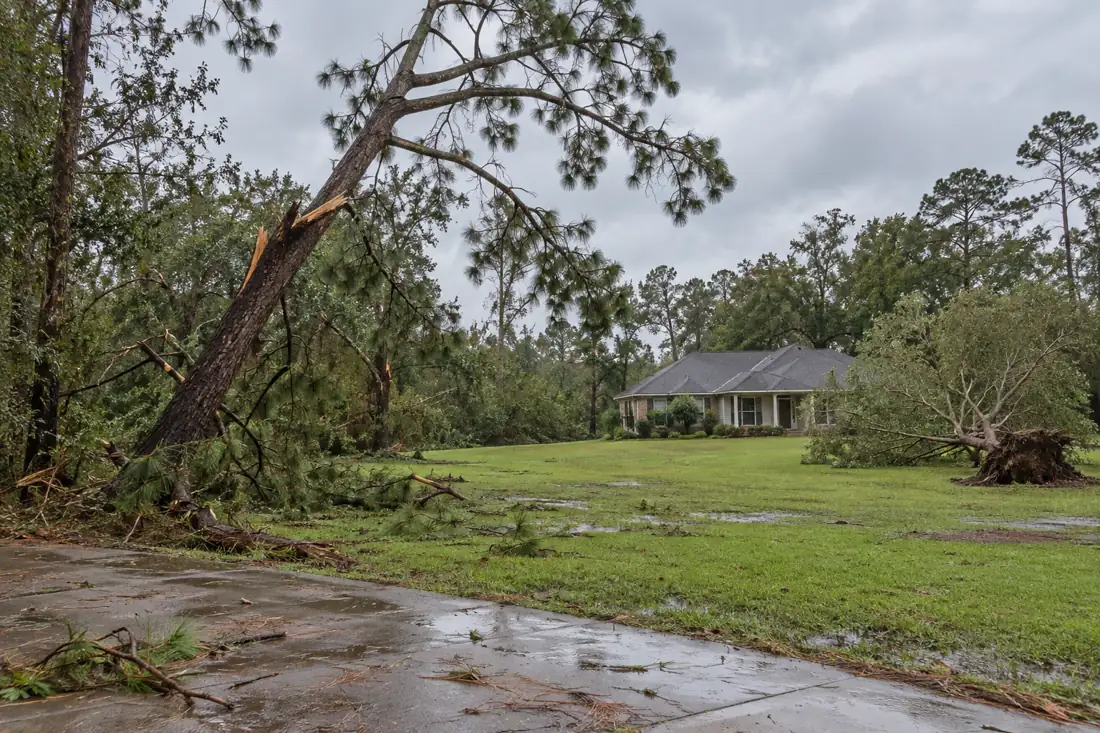
Hurricane Tree Removal
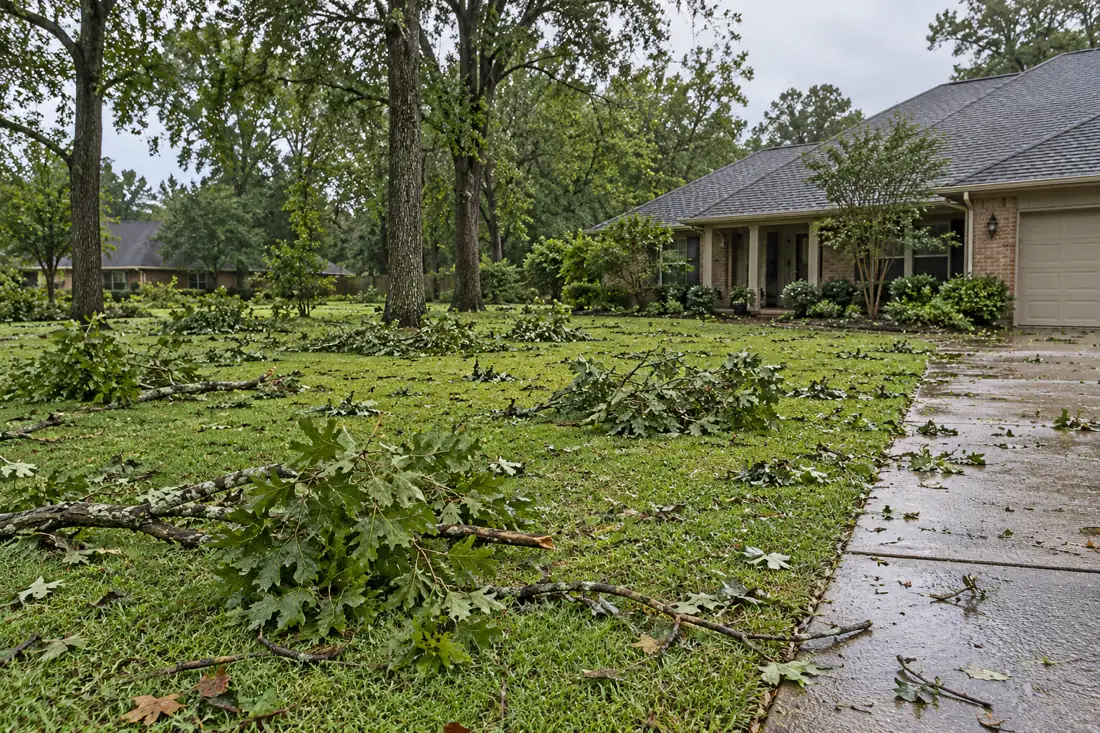
Storm Cleanup
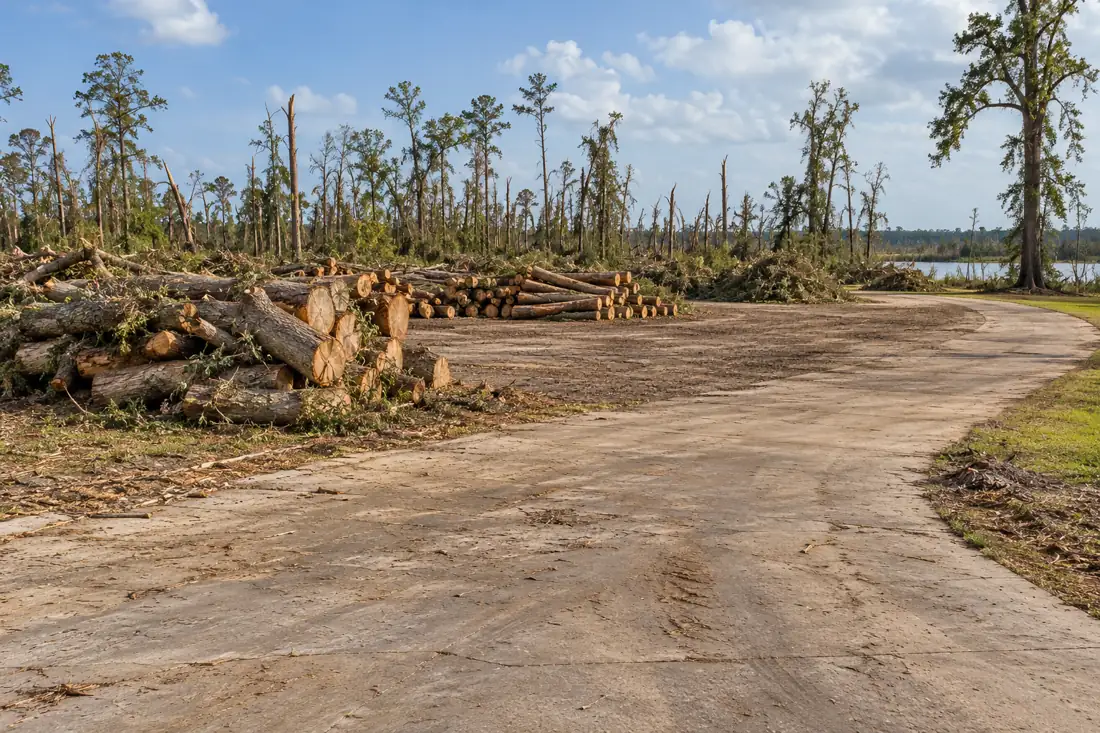
Disaster Mobilization
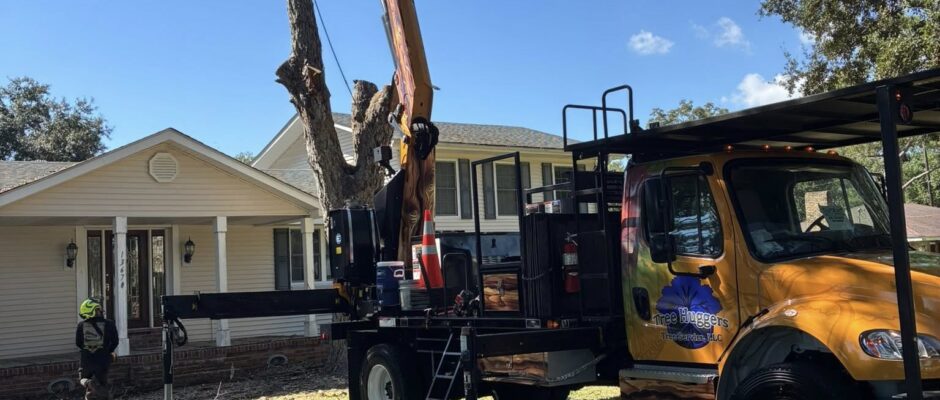
Use this center by situation, not by a single storm label
Hurricane-related tree decisions change before a forecast, during a warning, immediately after severe weather and through longer recovery. A tree that needs routine maintenance in spring should not automatically be handled like a branch resting on a roof after landfall. This center organizes those different questions so homeowners, property managers and commercial operators can act on the right information at the right stage. Begin with the current safety condition, then choose the guide that matches the decision you actually need to make.
If there are downed lines, a tree resting on occupied space, a blocked emergency route or unstable material overhead, keep away and contact the responsible emergency or utility service. Do not use an online form as a substitute for emergency dispatch. For weather warnings, follow the National Hurricane Center and local emergency officials rather than a business website. Tree Huggers can discuss assessment and work availability when conditions permit, but cannot authorize reentry, declare utility lines safe or guarantee a response time.
Before hurricane season: inspect and prioritize
The most useful preventive work starts before an approaching storm creates pressure to make decisions. Walk the property from safe ground and identify trees adjacent to occupied rooms, entrances, parking areas, neighboring structures and essential routes. Look for conspicuous deadwood, hanging material, cracked unions, new lean and recent disturbance at the base. A trained assessment can determine which observations are significant and what management, if any, is justified. Healthy-looking foliage is not a structural certificate.
For a practical sequence, read how to prepare trees for hurricane season and the pre-hurricane inspection guide. These cover property records, prioritization and the questions to ask before booking work. Do not begin major root excavation, heavy pruning or removal as a last-minute experiment when tropical conditions are already near. Scope, weather, crew availability and utility restrictions all influence whether work can be done safely. Early planning creates time for evaluation instead of unnecessary urgency.

Start with the safest decision, not the largest pile
A hurricane resource plan should separate immediate dangers from work that can be evaluated after conditions stabilize. If limbs touch electrical lines, keep away and contact the appropriate utility or emergency service. If a tree is still suspended or shifting, keep people outside the potential impact area rather than asking a cleanup crew to treat it as ordinary debris.
When requesting an assessment, describe the affected structure, the direction of visible movement, access restrictions and whether emergency responders or utilities have already been contacted. This makes the first conversation more useful without implying a diagnosis from photos.
Choose a resource according to when the problem occurs
Before storm season, the useful tasks are documenting targets, booking ordinary inspection work and planning safe access. When watches or warnings make outdoor work unsafe, preparation shifts to people, shelter and avoiding hazardous areas. After the event, the priority is identifying downed conductors, suspended wood, blocked emergency routes and fresh root movement. These are not interchangeable stages of one checklist.
A website request is not guaranteed dispatch. For immediate threats to life or electrical hazards, contact the appropriate emergency service or utility first, then coordinate tree-work assessment when access is safe.
Pruning: targeted risk reduction rather than stripping canopies
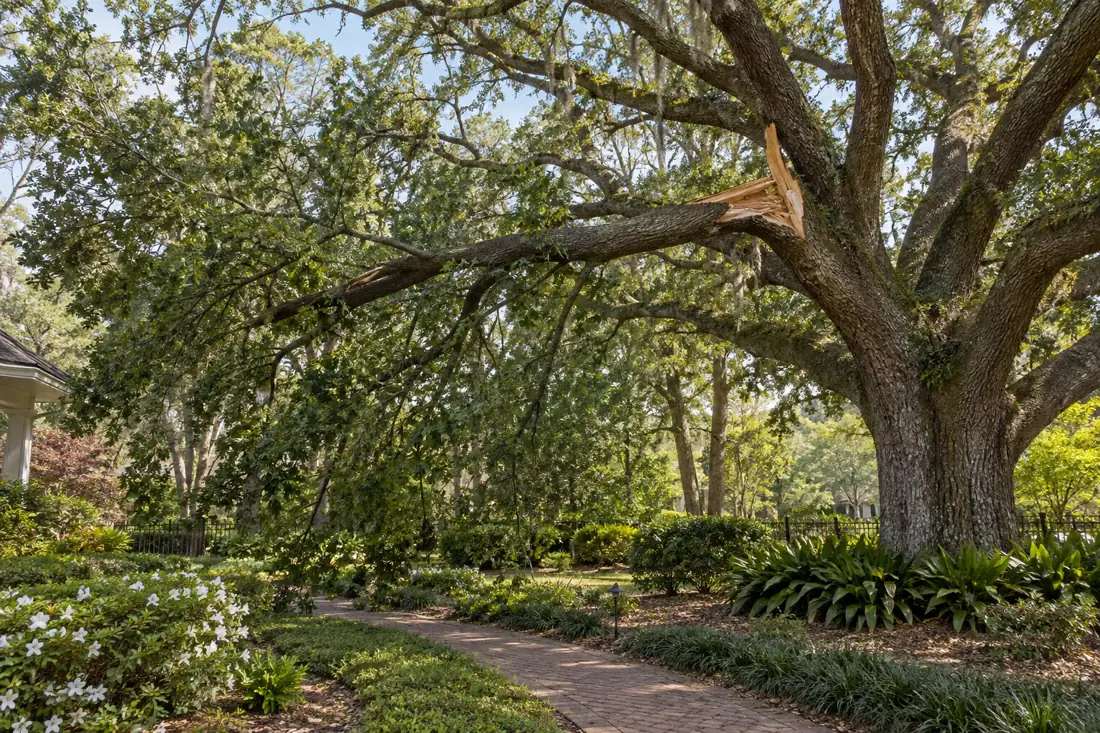
Pruning is useful when there is a definite objective, such as removing dead, compromised or poorly attached branches and managing conflicts near a structure. It is not a magic hurricane-proofing procedure. Indiscriminate topping and excessive canopy removal can produce large wounds and alter future growth without eliminating the possibility of storm failure. The ISA pruning guide explains why cuts should respect the tree’s branch structure. The amount and timing of work belong in an assessment suited to the species.
See whether to trim before a hurricane for a decision-focused comparison. Ask which specific defects or clearance conflicts each cut addresses. A quote that offers to ‘thin everything’ without identifying branches and remaining structure is not the same as a management plan. Site access is part of the question: an oak over multiple rooflines may require controlled lowering and specialized equipment, while a small open-area tree could have different needs. Protecting the structure and workers takes precedence over a cosmetic result.

Use a different decision rule before, during and after a storm
Before severe weather, review older defects and plan routine assessments while travel and ground conditions are manageable. During dangerous conditions, prioritize shelter, utility warnings and keeping people out of the potential fall zone rather than photographing or cutting branches. Afterward, report what visibly changed and which routes or structures may remain exposed.
Reopening a driveway or yard is not the same as confirming that the entire canopy is safe. A qualified inspection may be needed for suspended wood, newly shifted roots or a loaded roof. Keep emergency responders, utilities, tree crews and building repair professionals within their respective responsibilities, and request a written work boundary before cleanup begins.
During storm watches and warnings: know when to stop
When a storm becomes imminent, prioritize official evacuation and safety instructions, securing loose items and completing tasks that can be done from safe locations. Do not climb trees, operate a chainsaw beneath suspect limbs or start cutting substantial branches as winds rise. Trees and lines may move unpredictably; conditions can deteriorate faster than a homeowner expects. An unfinished pruning job can create more exposure than postponing work. Weather forecasts should come from official services, not a contractor’s sales page.
Document tree conditions with dated images only if it is safe and permitted to do so. A broad property photo taken well before the storm may be especially valuable later because it shows what existed before damage. Keep digital copies with your insurance and property records. Know which trees border neighboring areas and where service entrances are located, but do not cross another property for closer photos. For official preparedness information beyond tree care, use Ready.gov’s hurricane guidance and your parish emergency management office.
Use the storm tree resource hub to choose the right next step
Storm preparation is not a single pruning task. A property may have one tree with deadwood over the driveway, another with roots affected by construction, and a third that simply needs normal monitoring. Start by sorting those concerns by consequence: people, occupied buildings, essential access, and utility service. This makes the linked preparation and inspection guides more useful than applying the same treatment to every tree.
Before seasonal weather intensifies, gather basic site information: the trees nearest buildings, visible old wounds, recent changes in lean, drainage problems, and any past pruning records. Photographs taken from the same safe viewpoint can make later comparisons much clearer. A professional assessment may recommend selective pruning, further inspection, or no immediate work; heavy pruning is not automatically the safest response.

What this view can and cannot establish: The useful pre-storm record identifies which trees are near the home, driveway, roof and utility routes, as well as the safest place to observe them from the ground. Have defects evaluated before a storm threatens. Do not schedule emergency pruning during hazardous weather or treat an attractive canopy photograph as proof of resilience.
Keep preparation, active hazards, and recovery separate
During an active storm or immediately afterward, ordinary scheduling advice gives way to hazard management. Stay clear of suspended limbs and leaning trunks, avoid pooled water near electrical equipment, and do not enter a damaged tree to retrieve belongings. Utility concerns belong with the utility provider. When the area is secure, note whether a tree blocks an emergency route, restricts business access, or has struck a structure.
After the emergency period, organize decisions into urgent stabilization, planned removal or pruning, debris handling, and longer-term tree care. Photographs and written scopes help avoid confusion between damaged-tree work and unrelated cleanup or construction repairs. Follow the specific resource linked from this hub for the question at hand, and ask for a property-specific estimate rather than assuming conditions match another job.
Immediately afterward: treat the site as changed
After a hurricane, even familiar trees and paths may not be safe. Broken limbs can remain suspended, root systems may be partly lifted and trees may lean onto other objects under stored tension. Flooding or debris may obscure ground hazards. Stay away from downed wires and anything potentially energized.
Leave damaged overhead material to qualified personnel and the appropriate utility. Photograph from a safe perimeter instead of trying to stand beneath a broken crown. Severe storm cleanup is dangerous even on a property the owner knows well.
Use post-hurricane tree inspection for an observation checklist that distinguishes urgent hazards from routine review. If a tree has fallen into a building or blocked essential access, describe exactly which space is affected and whether occupants are safe. Do not attempt to jack up, tow or cut branches under tension. The first authorized work may be stabilization or route clearance, not complete removal and landscape repair. Ask for the immediate objective to be documented separately from work that can wait.
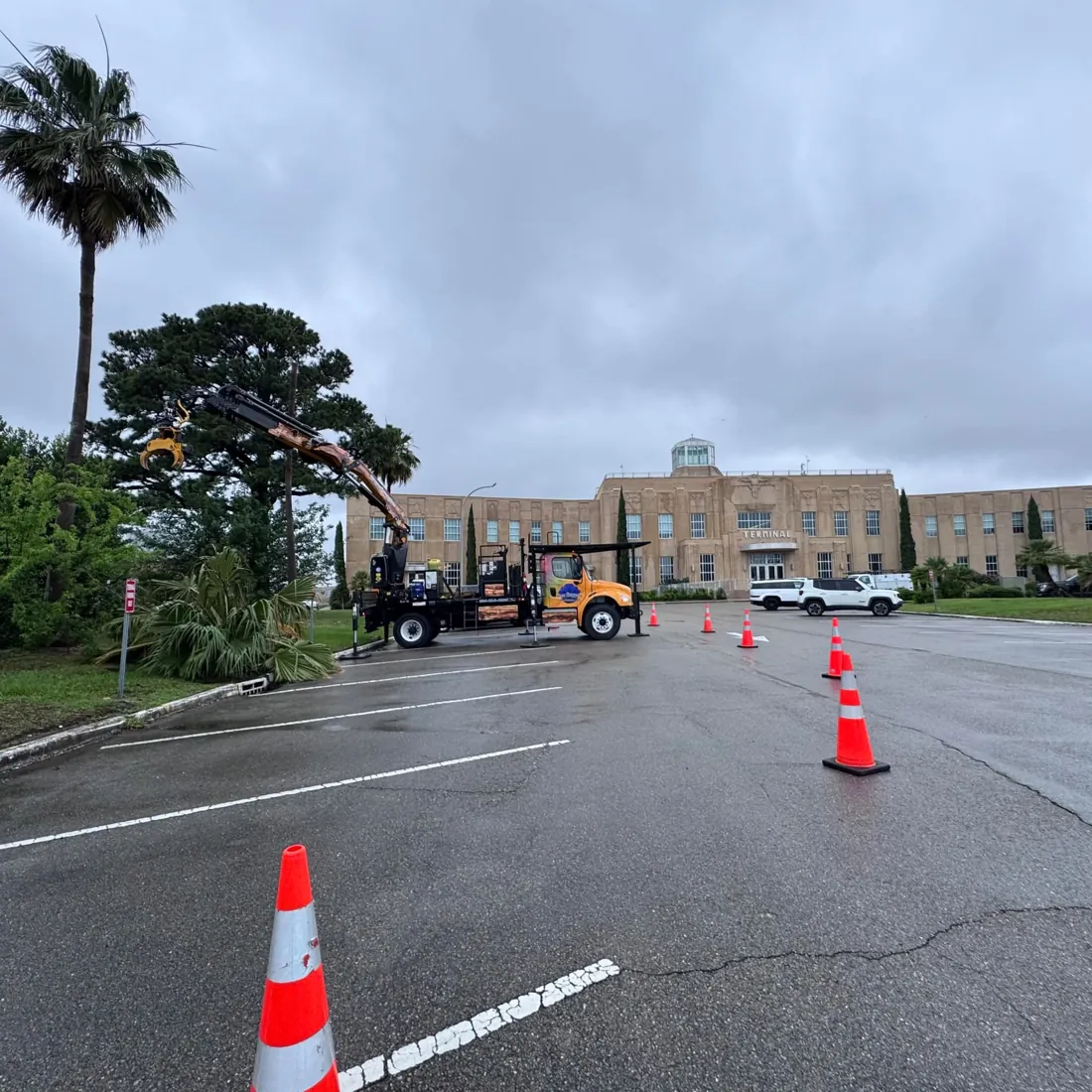
Decide whether a damaged tree can remain
Not every bent branch means a tree must be removed, and a green crown is not proof the remaining structure is stable. What matters includes the amount and location of damage, the remaining root support, the condition of major unions, species, size and property exposure.
University extension guidance on storm-damaged trees distinguishes limited damage that may be managed from serious structural failure requiring professional attention. Ask for a decision based on current findings rather than a fixed percentage of lost branches that is applied without context.
Read storm-damaged tree: save it or remove it? and leaning trees after storms to prepare the right questions. If preservation is possible, request what pruning, protection, monitoring and reassessment would involve. If removal is needed, ask how hazardous sections will be handled and which adjacent assets need protection. A tree’s history and the owner’s priorities matter, but neither overrides a serious and unmanageable risk to people or essential property.
Recovery involves more than the first cut
Storm tree work can happen in stages: emergency stabilization, removal of downed wood, assessment of standing trees, planned trimming, hauling and stump treatment. A property owner should know which stage a contractor’s quote covers and which services require another agreement. A blocked driveway may be cleared before the rest of the debris is moved; a damaged roof may need a separate specialist even after the tree is safely removed.
Keep the scope and dates for each provider and do not combine unrelated repairs into one unclear promise.
For commercial lots or multiple properties, prioritize occupied structures, essential access and hazard exposure before appearance. Give each tree or debris pile an identifier on a map or numbered photographs. Record whether utilities, neighboring lots, wet ground or heavy equipment routes affect access. Do not assume the same machinery is suitable for every tree or that a preliminary phone estimate captures every hidden condition. A clear sequence of authorized work helps crews and managers coordinate safely while other recovery efforts continue.
Records and insurance: keep observations separate from decisions
For insurance conversations, record when damage was discovered, what a tree contacted, the immediate safety condition and which services were performed. Maintain original photographs and written estimates. The adjuster or insurer applies the actual policy; a tree contractor cannot determine coverage or guarantee reimbursement. A tree lying harmlessly on open lawn, a branch on a house and a standing tree considered dangerous before a storm may be treated differently. Ask the carrier what documents are required and what its decision depends on.
Compare the tree-removal insurance guide with the situation at your property rather than treating a general example as a coverage promise. Keep the initial hazard or access work separate from routine subsequent cleanup and any structural repair. A description such as ‘storm-damaged oak near the east driveway’ is more useful than a claim that every piece of wood was part of one covered emergency. If a future inspection changes the scope, document the change and who authorized it.
Contact Tree Huggers with a clear priority
For an estimate request, send the property address, a safe wide view of the damaged tree, a brief description of nearby occupied structures or access and the result you need first. If several trees are involved, identify each separately. State whether a utility has been contacted and whether the area has actually been cleared for tree work. Mention access limitations such as gates, standing water, shared driveways and overhead wires. The company can use that information to discuss assessment, scope and availability.
The emergency and storm service hub, hurricane tree removal, storm-damage service and contact options provide direct next steps. Do not confuse a submitted form with a scheduled dispatch. If the risk is immediate, call the appropriate responder and keep clear. For non-emergency conditions, a careful assessment and written proposal protect the long-term health of valuable trees while helping the owner choose appropriate work and a realistic finish.
Questions about Hurricane & Storm Tree Resource Center
Which guide should I read before hurricane season?
Start with preparing trees for hurricane season, then the pre-hurricane inspection checklist. Both emphasize early assessment and prioritizing defects near occupied areas rather than last-minute cutting.
Can Tree Huggers provide hurricane forecasts or evacuation decisions?
No. Use the National Hurricane Center and your local emergency officials for forecasts, warnings and evacuation instructions. Tree Huggers handles tree-related scope and availability.
Should all large trees be heavily pruned before a storm?
No. Pruning should target identified defects and appropriate structure. Topping and indiscriminate canopy stripping are not reliable storm-proofing practices.
What should I do if a tree touches a power line?
Stay away and contact the utility or emergency service. Do not approach the tree or attempt to separate wood from conductors, even if the line looks inactive.
Is post-storm cleanup safe to do myself?
Broken limbs can be suspended, roots lifted and tension held in leaning wood. Avoid work under damaged trees or near conductors. Qualified crews should assess hazardous tasks.
Do I need a tree inspection after every tropical storm?
A property review is useful after significant conditions, but the scope depends on damage and exposure. New cracks, lean, root movement and hanging material deserve professional attention.
Can storm-damaged trees sometimes be preserved?
Yes, depending on structural condition, remaining roots, damage distribution and risk to people and property. A qualified review can compare preservation and removal options.
Does urgent work automatically include stump grinding?
No. Initial stabilization, removal, hauling, stump treatment and landscape restoration may be separate stages. Request a written scope for each agreed task.
How should I organize photos of many damaged trees?
Number the trees or mark a property map. Photograph the whole site and each concern from safe positions, and identify roads, buildings, utilities and blocked access.
Can I submit an emergency request online instead of calling?
A form does not confirm dispatch. For immediate danger, follow emergency or utility directions; for urgent tree services, call Tree Huggers directly to discuss current availability.
Will my insurer pay for all hurricane tree removal?
Coverage depends on your policy, event and affected property. Preserve original documentation and ask the carrier directly. A tree contractor cannot guarantee a claim decision.
Where do I start if the storm is over and several hazards remain?
Prioritize electrical hazards, occupied structures and essential routes. Keep clear, document safe observations, and request a staged assessment and written cleanup scope.
Get a scope for your property
Use the linked guides according to the current stage of the weather event. A pre-season review should show the trees and targets you want protected; a post-storm request should identify blocked access and obvious broken material. Share safe photos, then ask which portions of the proposed work require inspection before a scope can be finalized.
Turn storm preparation into a condition-specific request
A hurricane checklist helps prioritize inspections and access planning across a property, but it cannot certify the safety of a particular tree after a storm. Separately identify fresh leaning, lifted soil, hanging limbs and split unions, then record the nearby roadway, doorway, roof or utility affected. Safe wide photographs provide location context without requiring anyone to step under damaged wood.
When soil has shifted and a tree has newly leaned, follow the partially uprooted tree response. If the trunk or large union opened, use the split-tree response instead. For a changed angle without obvious exposed roots, the leaning-after-storm guide explains what to describe to an assessor.