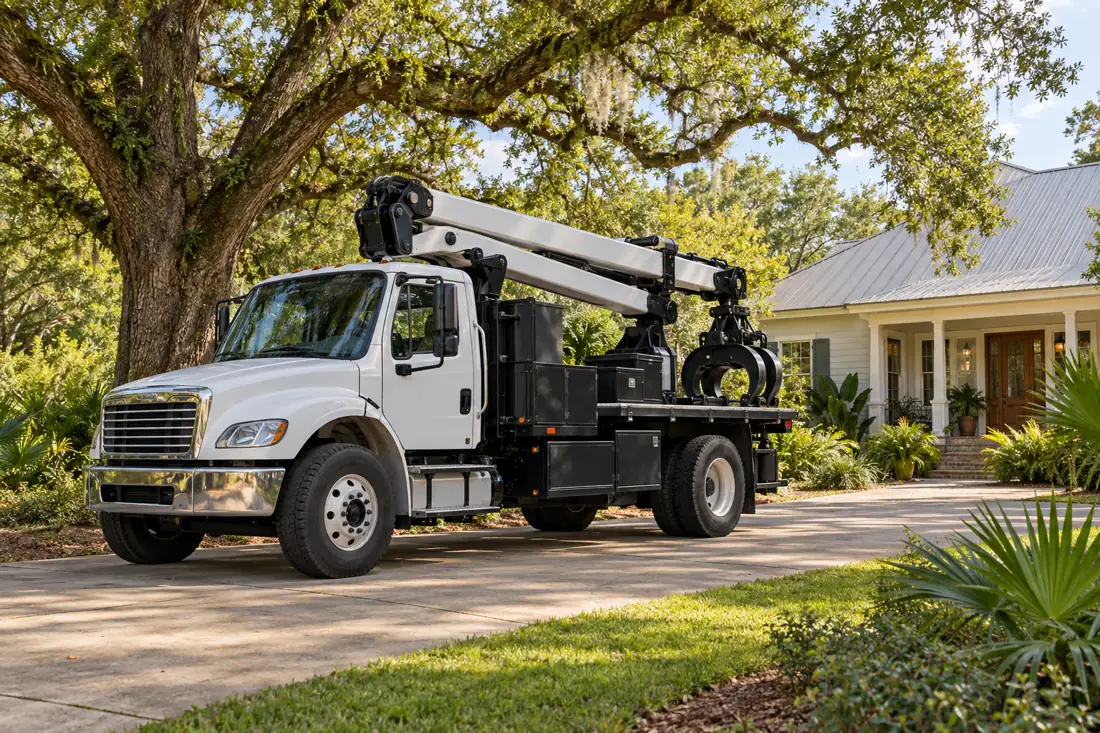
Remote-controlled equipment may help on some difficult sites, but the machine still has physical access and setup limits. Identify overhead obstructions, narrow approaches and the available work zone. The contractor should compare feasible methods for the actual property rather than promising a machine can solve every tight-space problem.
Site planning detail: Remote-controlled machinery changes how an operator interacts with equipment but does not remove site hazards. Narrow gates, turns, soft ground, concealed obstacles, utilities and people near the work zone still need assessment. Photograph these constraints along with the tree so the crew can evaluate whether the machine can reach and stage safely. The owner should also identify neighboring property boundaries and any permission needed for access.
Ask where branches will land, how logs will be transferred and whether debris loading requires additional machines or workers. The quote should describe an alternative if the advertised remote-controlled equipment cannot be used. Cleanup and surface protection remain separate scope items, even when the cutting operation is mechanized.
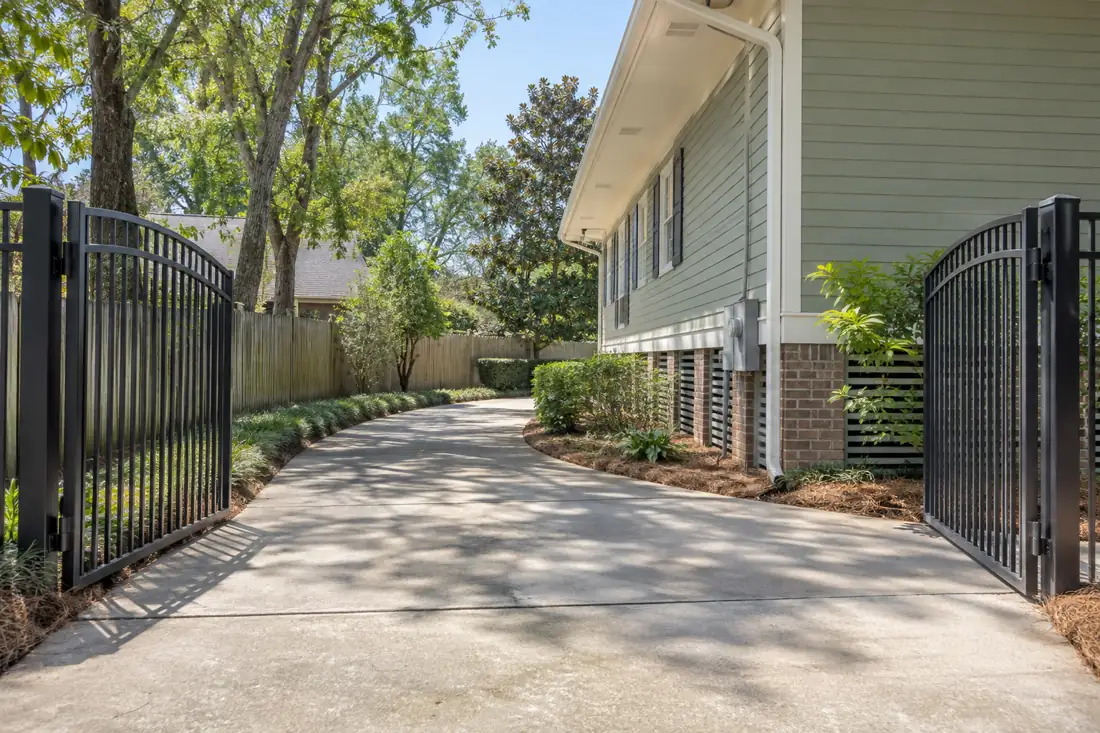
Before calling a job suitable for remote-controlled equipment, measure the tightest gate, the clearance between walls and plantings, the turning area, and the ground conditions after rain. Photograph that route from the entry point and the intended work position. Remote operation can move the operator away from the machine, but it does not shrink the machine, remove crush zones, or permit people to walk within its operating envelope.
Ask which surface supports outriggers or tracks, where limbs will be set down, and how debris will leave the same narrow passage. Treat access through a neighbor's property as a permission issue rather than an assumed shortcut.
A useful estimate describes the proposed machine and cutting sequence, where the operator and spotter will stand, and which people or pets need to stay clear. The contractor should determine whether an unobstructed view, radio communication, utility clearance and the ground-bearing situation support that method.
If a parked vehicle, saturated yard or unexpected branch position changes the setup, agree on a stop-and-reassess process rather than improvising. Ask whether smaller equipment, hand rigging or a different pickup point is an acceptable fallback. The final walkthrough should check gates, paving, lawn damage, and whether every cut section and chip pile has been removed as agreed.
Understand what remote operation changes
Remote-controlled tree equipment can allow an operator to work from a selected position rather than riding on the machine, which may be useful where visibility or proximity to moving components is a concern. It does not eliminate falling-branch hazards, pinches, uncontrolled movement, uneven footing, or the need for site-specific training. Ask what part of the proposed removal would be performed remotely and why that method fits the actual tree and access rather than assuming 'remote' means unattended or automatically safer.
An operator still needs to assess what the machine can see, where workers stand, and how material will be handled after cutting. Communication with ground staff matters even when there is no person in a basket or cab. A contractor should explain how an exclusion area, emergency stop practices, and a clear handoff between operating and cleanup phases fit the job. The homeowner should not request a demonstration inside a confined area simply to watch the technology.

Measure the narrowest usable approach
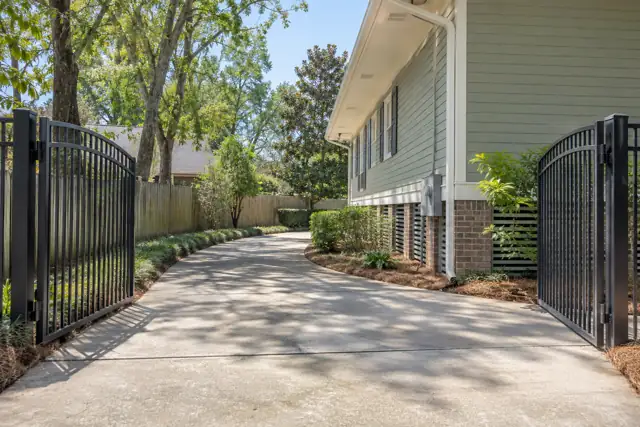
The nominal width of a machine is only a starting point. Track position, attachments, guard rails, turning radius, slope, and clearance for overhead limbs or utilities can govern whether a passage is usable. Measure gates, corners, steps, and changes in grade from safe access points; note fence latches and projecting window units. Photographs should show the complete route from street to tree, not only the tightest gap.
A machine that squeezes through a gate may have no room to work or turn safely once it reaches the tree. Ask where it will be positioned, how removed material will leave, and which surfaces or landscape features will be protected. If a fence panel must be lifted out or a neighbor's driveway used, the estimate should specify permission, removal and reinstallation responsibilities. Do not assume landscaping can be restored instantly after heavy traffic.
Evaluate tree structure before selecting the machine
A tracked or remotely operated tool cannot overcome an unstable tree or guarantee that cut material will fall harmlessly. The tree's lean, cavities, broken top, dead branches, species characteristics, and proximity to buildings affect the available approach. Describe any recent storm impact and changes in the trunk or canopy, and let a qualified professional decide what equipment or staged removal sequence is appropriate.
Sometimes conventional climbing, a lift, a crane, or hand dismantling may be more suitable than remote equipment. Ask the estimator to describe the conditions under which the chosen method could change. The goal is controlled work that respects the tree, surrounding people, and property, not the use of the newest available machine. Owners should avoid testing unstable limbs or clearing hazardous debris before the crew assesses them.

Plan clear lines of sight and communication
Remote operation still depends on the operator understanding the machine's position and the work zone. Buildings, fences, dense shrubs, parked vehicles, and uneven terrain can block views. Ask where the operator and spotters are likely to work and how pedestrians will be prevented from entering the area. A camera can help with some views, but it does not replace assessment of hidden obstacles or communication across the whole crew.
The property contact should identify occupied rooms, routes children use, deliveries due during the work window, and gates that cannot be blocked. Agree on one designated person for schedule questions so the operator is not distracted by several simultaneous requests. Crew communication and exclusion decisions belong to the contractor; the owner's helpful role is to make known the daily movement patterns that might otherwise be invisible in an aerial photograph.
Remote control does not remove physical access limitations
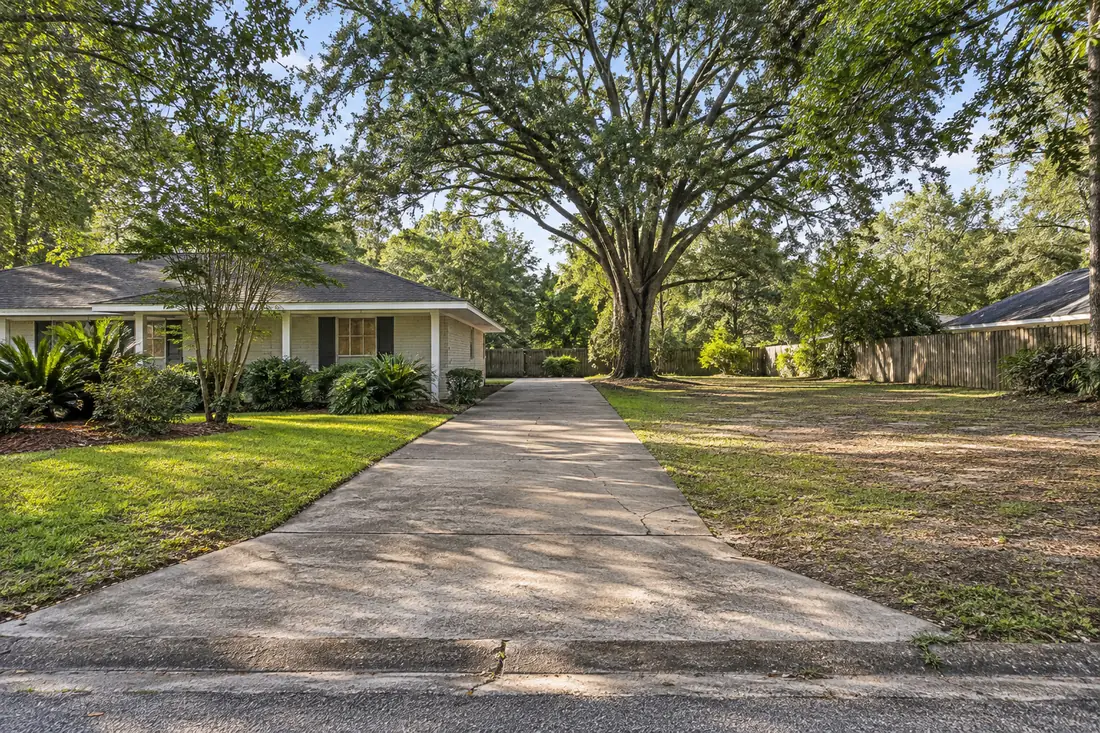
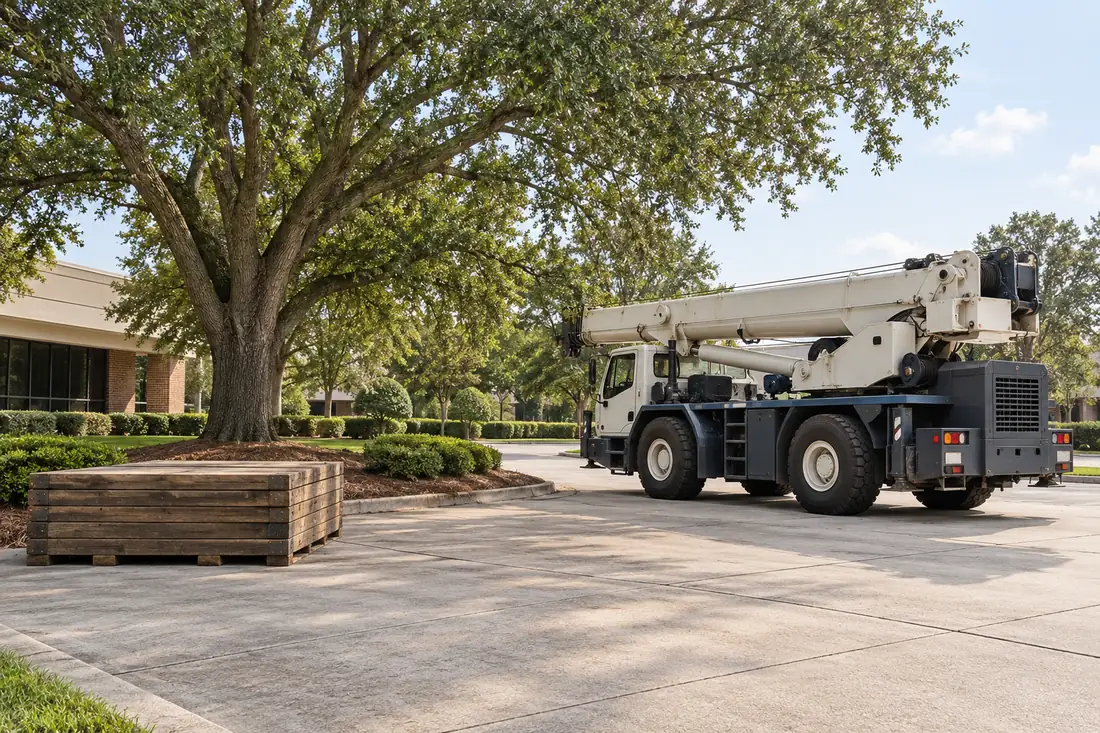
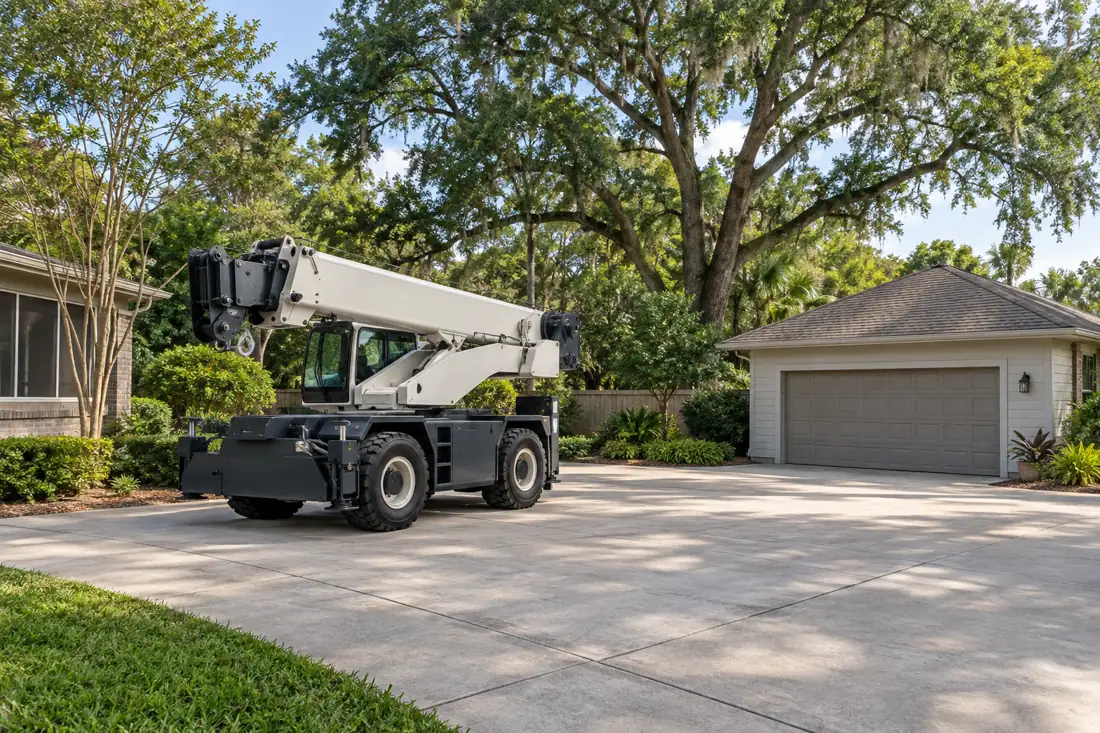
Remote-controlled equipment allows an operator to stand in a different location, but the machine still has a fixed width, height, slope limit, turning space and ground-loading requirement. A narrow gate, steps or blind corner can keep it out of a yard entirely. Photograph the path from the road to the affected tree, including corners, retaining walls, landscaping, overhead wires and surfaces that need protection. The route for carrying cut sections away may be more restrictive than the machine's empty entry.
Ask which task the remote-controlled machine would perform: movement, cutting, material handling or feeding a chipper. Compare the complete method with climbing and other equipment rather than assuming remote control is inherently better. Clarify exclusion zones even when the operator is not riding on the machine. If gate-panel removal, temporary access or surface repairs are proposed, identify who authorizes them. The estimate should specify an alternative if the chosen equipment cannot safely enter or exit after the site is inspected.
Measure the whole working corridor
Remotely operated equipment can change where the operator stands, but it cannot make the carrier narrower or eliminate the necessary working space. Photograph the entire corridor from the street to the tree, including corners, roof eaves, balconies and low branches. Note shared walkways and entrances that occupants must continue to use.
A machine can fit through a gate and still lack room to turn, stabilize or handle material. Identify low windows, drain covers, soft soil, utility lines and the intended wood-removal route. The exclusion area may extend beyond the equipment itself. If an occupied doorway lies in the work zone, access planning becomes a property-management issue.

Remote operation can change where the operator stands, but it does not make a tight work zone hazard-free. Gates, ground width, turning space, overhead obstruction and safe handling of cut wood all still apply. Ask which part of the proposed job would use remote equipment and what access, setup and exclusion space the selected machine actually requires.
Remote control does not change physical machine dimensions
Compare genuinely feasible alternatives rather than demanding a specific machine. Smaller access equipment, conventional climbing, controlled lowering or a different staging point may be appropriate. If neighboring property would be used, obtain approval in advance. The estimate should describe who handles barriers, temporary removals and restoration.
Send views in both directions through the route and wide photographs of the tree. Do not cut retained shrubs or branches solely to make a machine fit before assessment. When the route fails a qualified review, revise the method and scope.
Review slopes, soil and matting needs
A compact tracked machine may have good traction in certain conditions, but steep grass, wet clay, gravel, pavers, tree roots, and retaining edges each create different risks. The contractor needs to consider both travel and working positions. Recent rain in the New Orleans region can change the suitability of a backyard even if a driveway appears dry. Tell the estimator about known soft spots, past drainage repairs, and underground irrigation.
Ground mats may help distribute load and protect a surface, but they do not prove that the underlying soil can support the equipment. Ask whether the proposed route avoids retained trees' sensitive root areas, buried utilities, and septic features. If the site conditions are poorer than expected on arrival, a revised route or postponed work may be preferable to forcing the original plan. Confirm how affected surfaces will be assessed and what restoration is included.

Respect overhead and buried utilities
Power service drops, communication lines, low utility spans, landscape lighting, and underground cables can make a tight access corridor more hazardous than it first appears. Treat all overhead electrical conductors as energized and avoid approaching them or moving branches against them. A remote control does not make a boom, tool, or branch safe to operate near an energized line. The appropriate utility and qualified line-clearance professionals may need to coordinate a different arrangement.
Share photographs from a safe distance showing the relationship between the tree, wires, fences, and equipment access. Identify private irrigation, drainage, and other buried infrastructure that may not be covered by ordinary utility locating. A written plan should state who handles locating, access authorization, and any disconnection or relocation. Do not try to dig up a wire or temporarily lift a service line to make space.
Break the job into separate work phases
Removal is not a single machine action. There may be an initial safety assessment, path preparation, selective pruning, controlled sectional removal, processing at the landing area, and haul-out. Ask which phases require remote equipment and which require people working at the tree or loading point. This makes the estimate easier to compare and prevents the homeowner from assuming a machine-based cut includes all debris handling.
In a compact yard, cut material may need to travel through a narrow gate in smaller pieces. Clarify whether chipping is possible on site or only at the curb, whether logs will be carried or mechanically moved, and whether the stump is included. Confirm who protects the garden path, clears loose chips, and returns removable barriers. A realistic sequence is often more valuable than an optimistic completion-time promise.
Build a credible fallback plan
A mechanical fault, soft ground, an unexpected cavity, or a hidden obstacle can change the day of work. Ask how a contractor handles a method that becomes unsuitable after the crew arrives. A credible plan identifies what will be reassessed, who authorizes a major change, and whether additional equipment or a second visit might be needed. An estimate should not conceal uncertainty behind a fixed promise that the remote machine can reach every branch.
Owners can help by keeping access available, preserving known utility information, and confirming how to contact the person who can approve scope changes. If the job must pause, the tree and property should be left in an appropriately managed condition under the crew's direction. Do not accept a rushed alternative solely because a machine is already on the lawn. Safety and method suitability remain the governing considerations.
Compare estimates on method and scope
A useful bid tells you what tree or limbs will be addressed, how access is planned, what controlled handling is proposed, and what happens to wood and brush. It also distinguishes optional stump grinding, surface repairs, fence handling, and any permit or utility coordination. Specialized equipment may influence cost, but the presence of a remote machine in advertising is not itself a quality measure.
Ask for current insurance documentation and a written explanation of exclusions, not an invented performance guarantee. Show the contractor photographs of the complete route and the features you most want protected. If two proposals use different approaches, ask each to explain why the method suits the tree's condition, the available space, and the work objectives. A comparable scope matters more than matching equipment names on the estimate.

Verify cleanup and property access at closeout
When the work is complete, walk the route with the scope in hand from safe areas. Look for remaining debris behind fences, displaced edging, visible ruts, obstructed drainage, chips in beds, and any temporary barriers that should have been restored. Do not approach a tree or suspended material if workers have not released the area. Take photographs of concerns and report them through the agreed contact channel.
Check that gates latch, the driveway is usable, and people can safely resume ordinary movement. Where irrigation or a fragile feature was discussed, confirm the agreed inspection and restoration responsibility rather than assuming the tree crew repaired every hidden system. Retain the work scope and change approvals for future reference. The result should be a completed tree task with transparent handling of the tight site's practical consequences.
Questions about this project
Does a machine's maximum reach prove it can do my job?
No. Loaded reach, configuration, section handling, obstacles and setup conditions all affect suitability. A contractor needs to evaluate the particular tree and property before confirming an equipment plan.
Can specialized equipment replace a site assessment?
It does not remove the need to assess tree condition, targets, access and support conditions. Ask how the contractor will confirm that the proposed machine and method fit the actual scope.
What access information helps an estimator?
Send the narrowest opening, overhead obstacles, turns and the distance between the tree and the loading area. Include photos of the entire route and identify steps, soft ground or features that must remain protected.
Should I remove a fence before the visit?
First ask the contractor to assess access and agree on any temporary opening. Identify who owns the fence, who can authorize the change and who will reinstall it. Do not assume the opening is necessary or included.
Can I identify a safe wire by looking at it?
No. Do not approach or touch wires, a tree contacting them or connected objects to investigate. Keep clear and contact the utility or emergency services when there is an immediate electrical hazard.
Does a tree estimate include utility disconnection?
Only if the appropriate coordination and responsibilities are explicitly arranged. Utility work may require the service provider or another qualified party. Confirm those arrangements before assuming the tree crew can proceed near affected services.
Which property features should I point out?
Identify buildings, vehicles, fences, fixed fixtures, landscape features, utilities and occupied routes. Explain what can move and what must remain. Include existing damage and any buried features you know about along the access route.
Should people remain inside the work area?
The contractor and site contact should establish an exclusion area and access arrangements appropriate to the work. Keep children, pets, visitors and other workers outside the active zone until the responsible parties say it can reopen.
What should I compare besides the price?
Compare tree identification, work objectives, access assumptions, hauling, stump treatment, site finish and exclusions. Ask whether permits or other coordination are part of the scope and who can approve changes if conditions differ.
Does an online request book the crew?
No. A request starts the estimate conversation. The company still needs to discuss scope, availability and any site assessment. For a dangerous or urgent condition, call 504-458-8336 rather than relying on a form response.
What should I tell Tree Huggers about remote-controlled tree work in tight spaces?
Explain the property address, the work you want and the specific concerns: physical clearance, setup limits, work zone. Send safe photos of the tree, surroundings and access route. The contractor can then discuss the assessment and scope needed for this situation.
How do I request an estimate for this work?
Call 504-458-8336, text photos or use the estimate form on this page. Include the address, desired outcome and any timing constraints. The company will need to review scope and availability; an online request does not confirm a price, appointment or emergency dispatch.
Get a scope for your property
For a confined yard, send a photograph of the entire route from street to tree, including gate openings, turns, steps, overhead obstructions and ground conditions. Remote-controlled machines still need a stable, adequately wide travel path and a safe landing and loading area; do not infer access from a product photograph.
Identify fences, irrigation, underground services and areas that cannot support tracked equipment. Request a written method statement comparing controlled mechanical handling with hand carrying or rigging, identifying what will be dismantled, where material will go, how sensitive surfaces will be protected and what must be restored before the gate is secured.