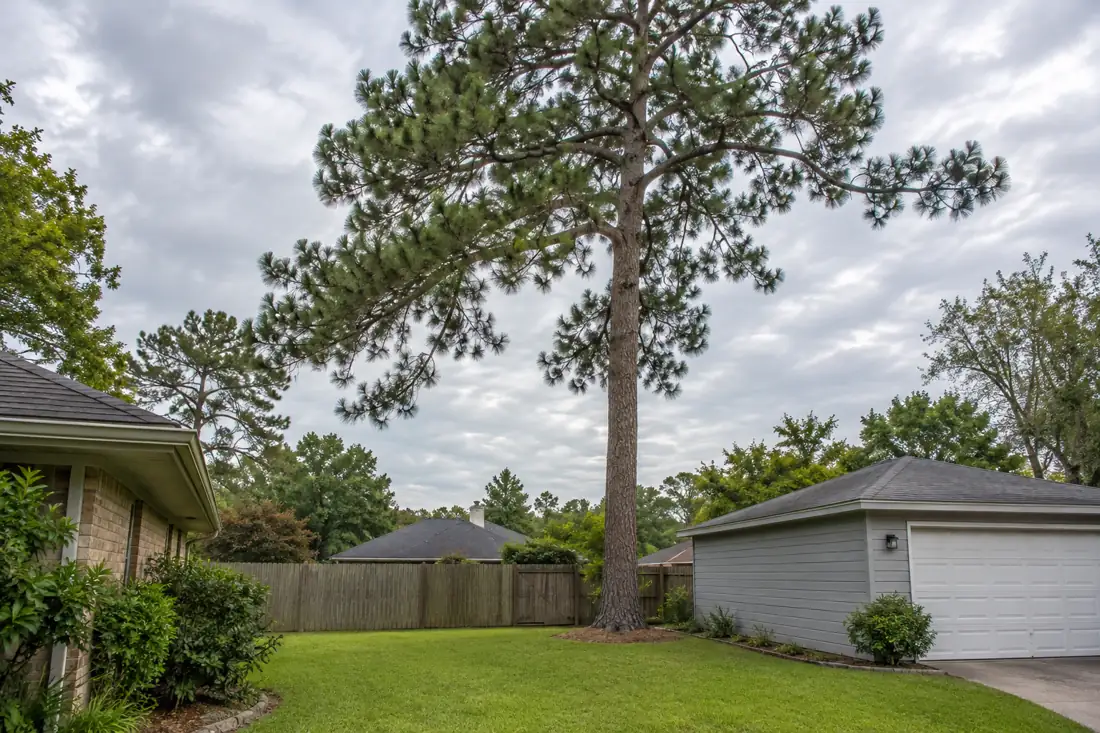
A clearer picture of the scope


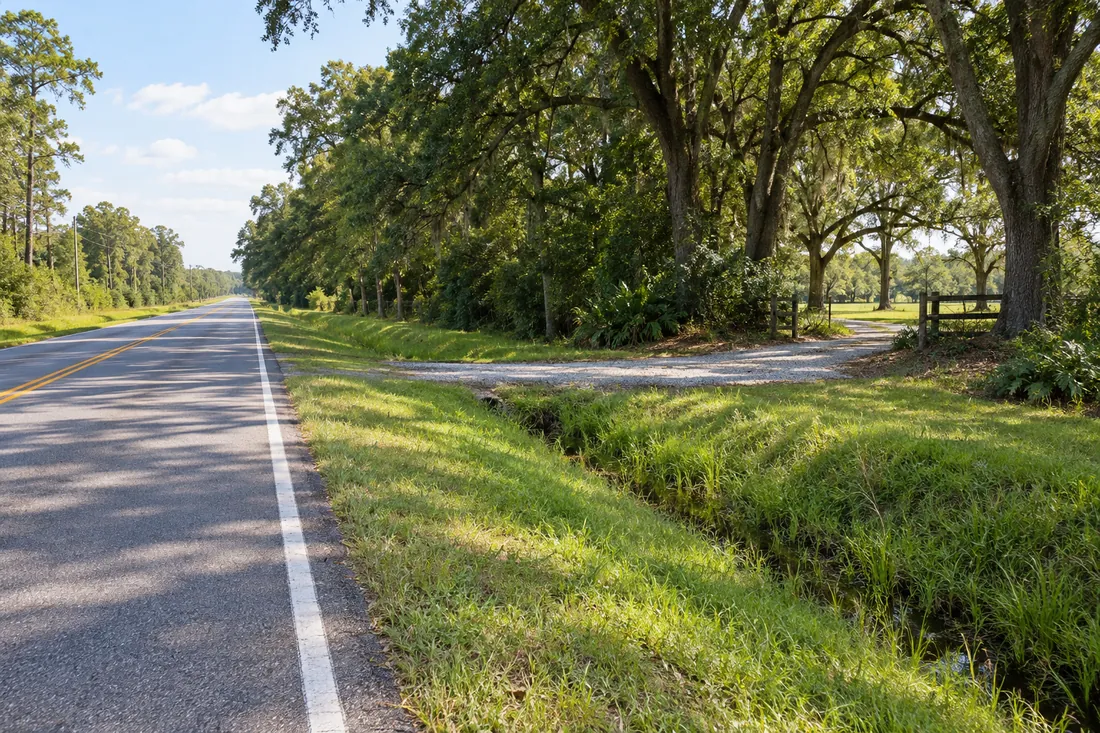
Example: Roadside debris clearance
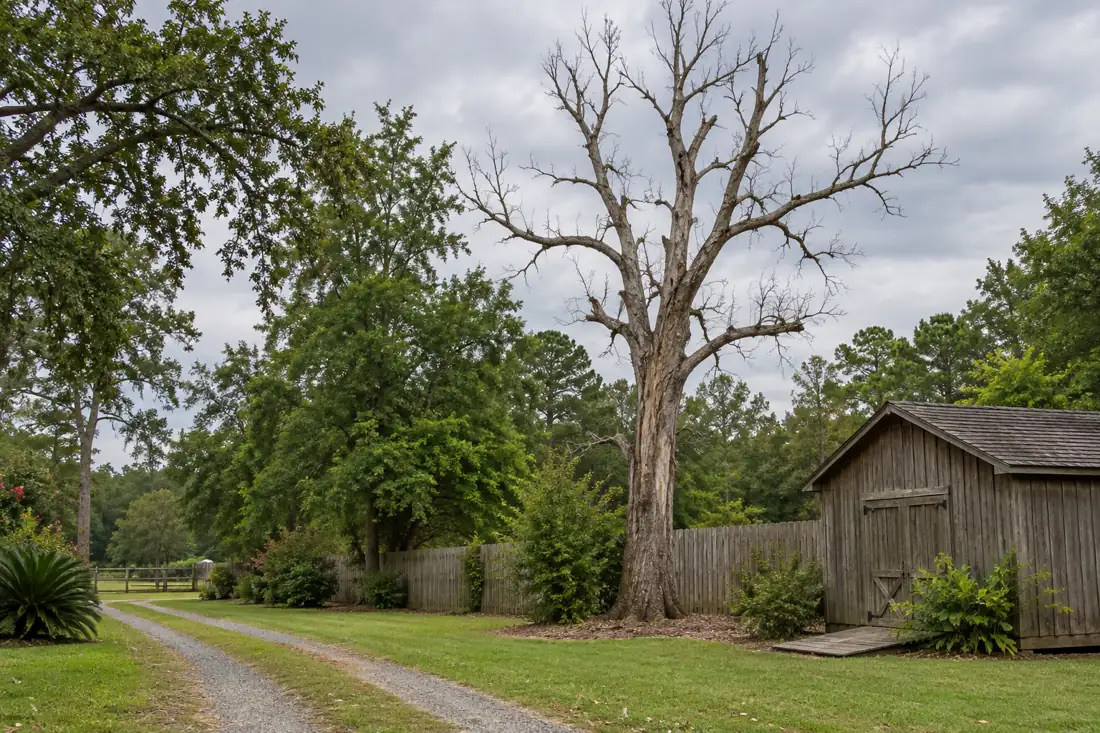
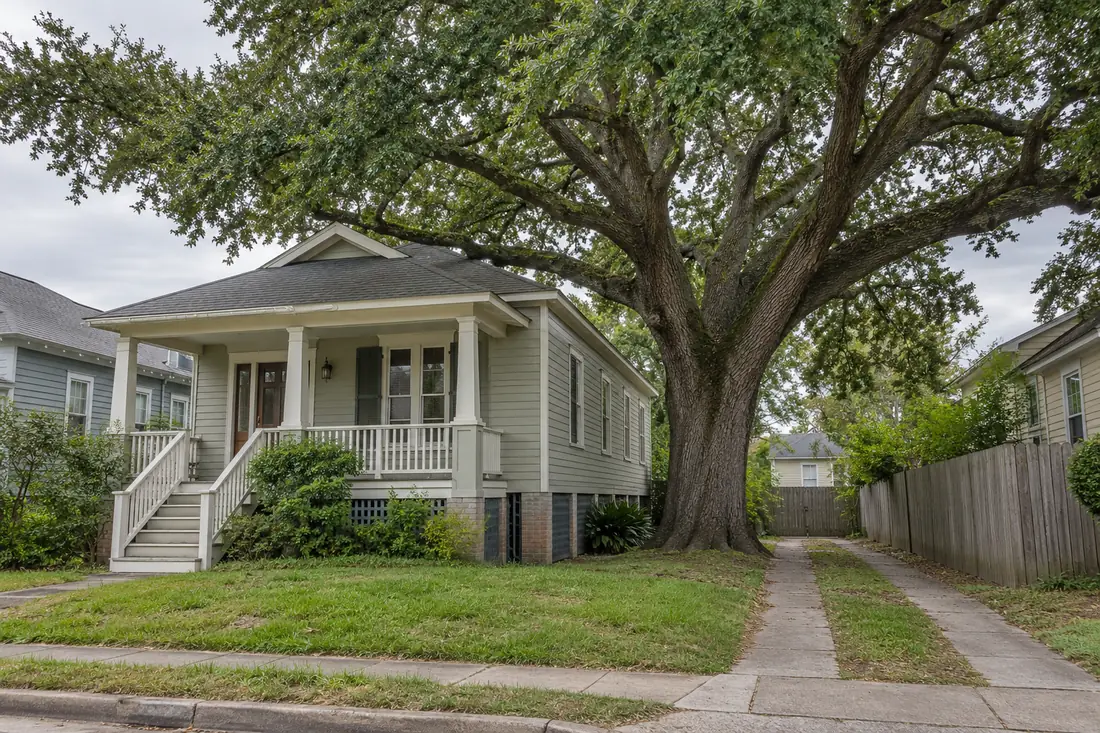
Logs, brush and equipment are cleared from the shoulder without changing the road, drainage ditch or retained oaks.
Roadside work is an access problem as much as a tree problem
Work zones and material movement need to account for vehicles and public access.
Power lines and suspended limbs require special caution and coordination.
Controlled removal may be needed where limbs cannot be dropped freely.
Storm response and blocked routes
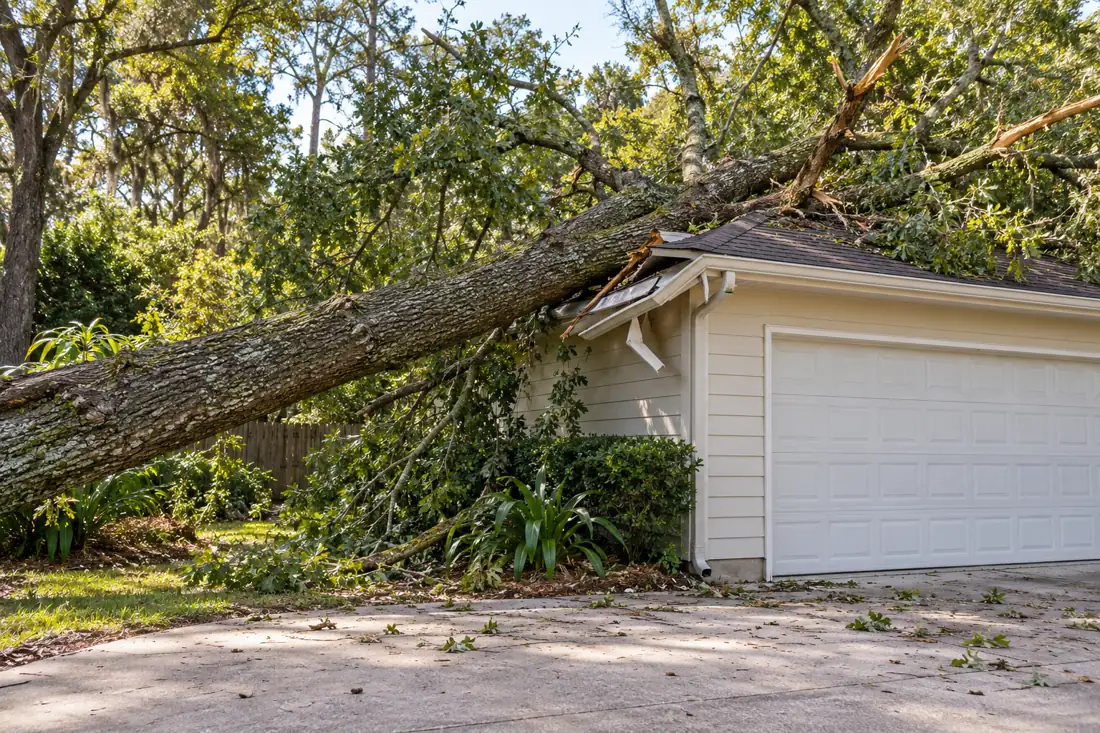
Wind events can put trees across roads, drive lanes and access corridors. Tree Huggers can prioritize safe access restoration while identifying additional standing hazards near the work area.
Keep traffic and people away from unstable trees and hanging limbs.
Remove or process material that blocks the route.
Handle remaining tree material according to the agreed scope.
Related services

Evaluate the approach to a roadside tree before the tree itself
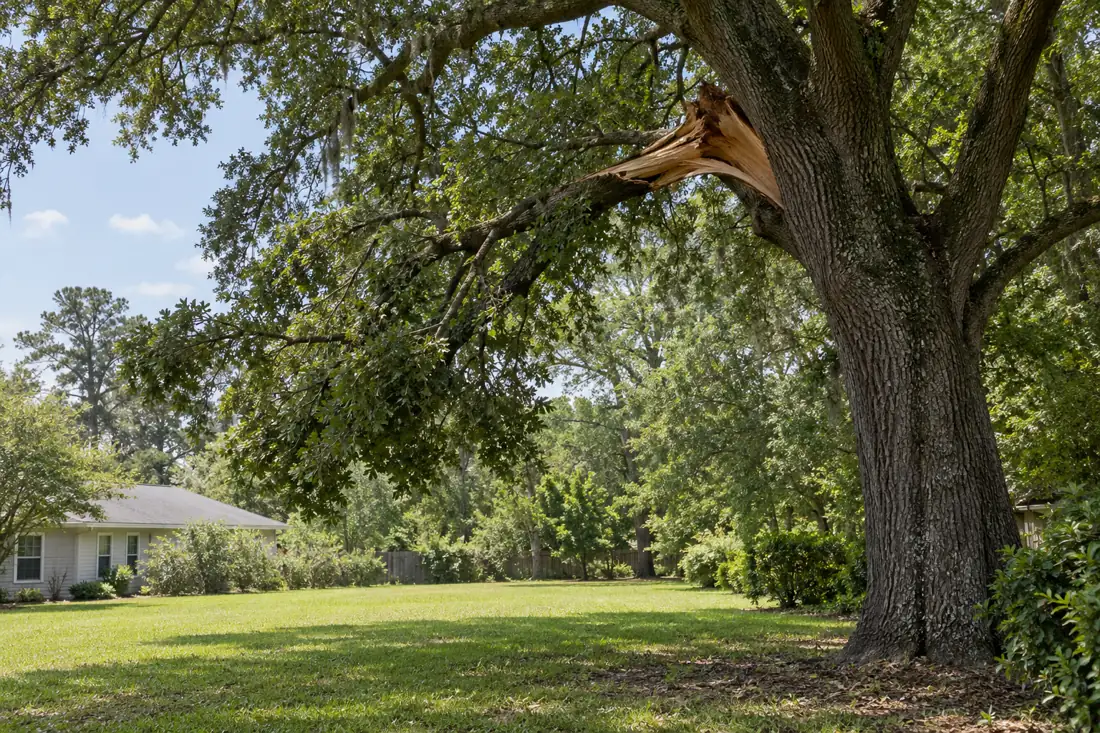
A tree lying beside the pavement may be easy to see but hard to reach. Curbs, drainage ditches, steep shoulders, guardrails, parked vehicles and narrow property strips can prevent a truck from setting up safely. A branch suspended over a live lane has a different risk than wood already resting in a closed field. Before choosing cutting or lifting equipment, identify who controls the road, where crews can park, what traffic conditions are expected, and whether the requested work needs a temporary closure or traffic-control plan.
Photos taken from a safe location can show which lane is affected, the nearest intersection, whether a sidewalk or driveway is blocked, and whether there are nearby service wires. Do not walk into an active travel lane for a better picture. If a fallen tree or conductor presents an immediate public danger, report it to emergency services or the responsible road/utility authority as appropriate. A routine scheduling request should not be used as an alternative to isolating the dangerous area.
Separate a live roadside hazard from routine clearance
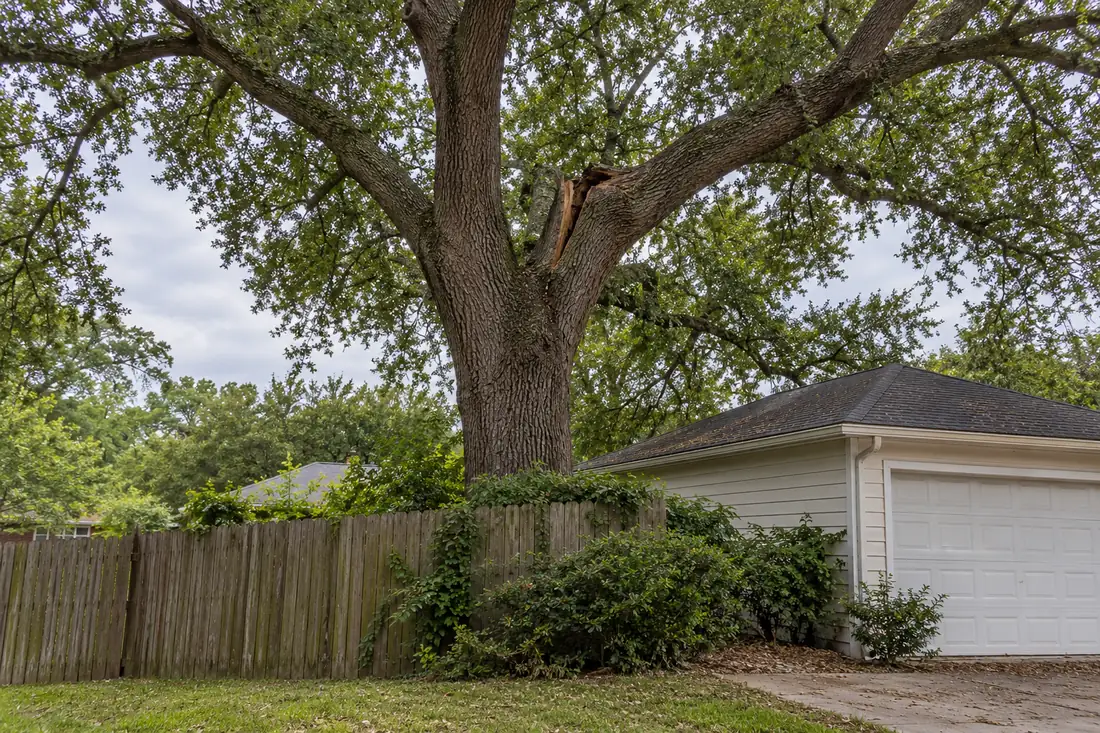
A limb already split and hanging above vehicles may call for prompt qualified assessment and isolation, even if the rest of the tree looks green. A low but intact limb brushing a delivery truck’s roof may be a scheduled clearance issue. Wind-damaged trunks, shifting root plates, and branches caught in neighboring crowns demand attention to stored energy and where material could fall after the first cut. The visible size of the branch is not the sole measure of risk.

Define the safe access objective before cutting roadside material
For roadside work, the immediate objective may be to reopen a particular lane, driveway, pedestrian path or drainage area. Those outcomes are not interchangeable with complete material removal. Record which route is blocked, who controls access, and whether the owner expects wood to be loaded and hauled after the hazard is reduced.
Do not cross a road or approach a suspended limb to obtain photographs. A safe, wider picture showing the road edge and tree position can be more useful than a close-up. Downed or low electrical wires require utility or emergency coordination; a tree estimate does not replace those instructions.
Where a public authority must approve a traffic-control plan or access change, identify that contact before scheduling the work. Discuss ditches, culverts and soft shoulders so the chosen access method does not solve one problem by creating another.
Work priorities should consider who is exposed, the direction of possible failure, the ability to block access, and any secondary hazard such as a power line or unstable structure. Customers sometimes ask for an entire tree to be removed after one broken limb; a professional assessment may identify narrower options.
In other cases, an apparently minor branch problem conceals a compromised stem. The work order should state whether the objective is to restore immediate access, remove a specific limb, reduce future clearance conflicts, or dismantle an unsafe tree.

Make the work zone part of the estimate
A roadside work site needs room for the crew, tools, branch movement, trucks and passing public. Closing a lane, tapering traffic, or redirecting pedestrians is not something to improvise with a few orange cones. The responsible authority and qualified traffic-control personnel should determine the applicable work-zone requirements, permit conditions and permitted hours. The current FHWA MUTCD includes temporary traffic-control principles; state and local rules can add further obligations.
If the truck cannot operate entirely inside an approved work area, describe the conflict before setting a price or date. The cost of traffic controls, detours, escort vehicles or lane closures should be identified as included, excluded or supplied by the client—not hidden as an assumed free service. Nearby intersections, school crossings and narrow approaches can affect the plan. Keeping a route open to emergency vehicles may dictate shorter work stages or an alternative method rather than a single extended closure.
Treat electrical lines as a separate qualified hazard
Roadside vegetation frequently grows around distribution wires, communication cables, service drops and guy wires. Cutting a branch can swing it into a line even if the initial gap seems generous. Equipment booms may also encroach on electrical clearance limits. Do not assume a power outage means a wire is de-energized or that a regular tree crew can safely work in every utility corridor. The proper utility owner and qualified line-clearance provider may have to take control of that part of the operation.
OSHA’s tree care and removal inspection guidance distinguishes safety obligations according to the type of electrical work and the worker’s qualifications. A property manager can help by providing known utility contacts and photographs from a safe distance; the manager should not touch branches on conductors or attempt to move a downed line. If the required utility coordination is not available, it is better to isolate and postpone than to complete a hazardous removal unsafely.

Match the removal technique to drop-zone restrictions
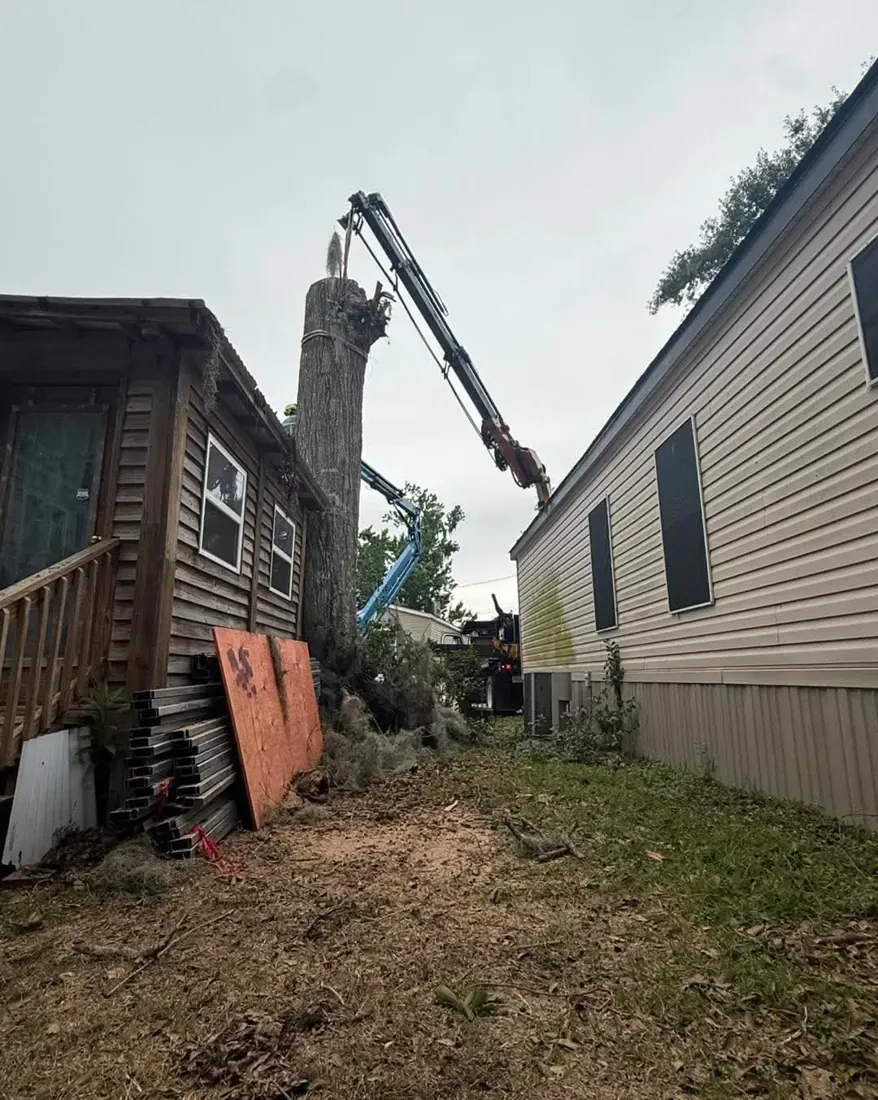
Small, isolated branches with clear ground below are not handled like a large oak limb stretching over a road, fence or parked bus. With limited landing space, crews may need controlled rigging, a bucket or crane, mechanical gripping, or section-by-section cutting. Each method has access and overhead restrictions. A grapple saw can be useful in suitable conditions but does not erase traffic, electrical or load-control needs. A tree that cannot be approached safely may require a revised work area or specialist support.
Ask who will protect nearby signs, guardrails, drains and customer property, and how cut sections move from the tree to a loading area. Dragging logs across a sidewalk or leaving a suspended section overnight may create new hazards. If a stump remains, describe the expected height and any separate grinding or restoration task.
Different methods should result in the same agreed safety and cleanup outcome; customers should be able to understand why a narrow roadside job can be more demanding than removing a larger tree in open land.
Prevent debris from becoming the next roadside problem
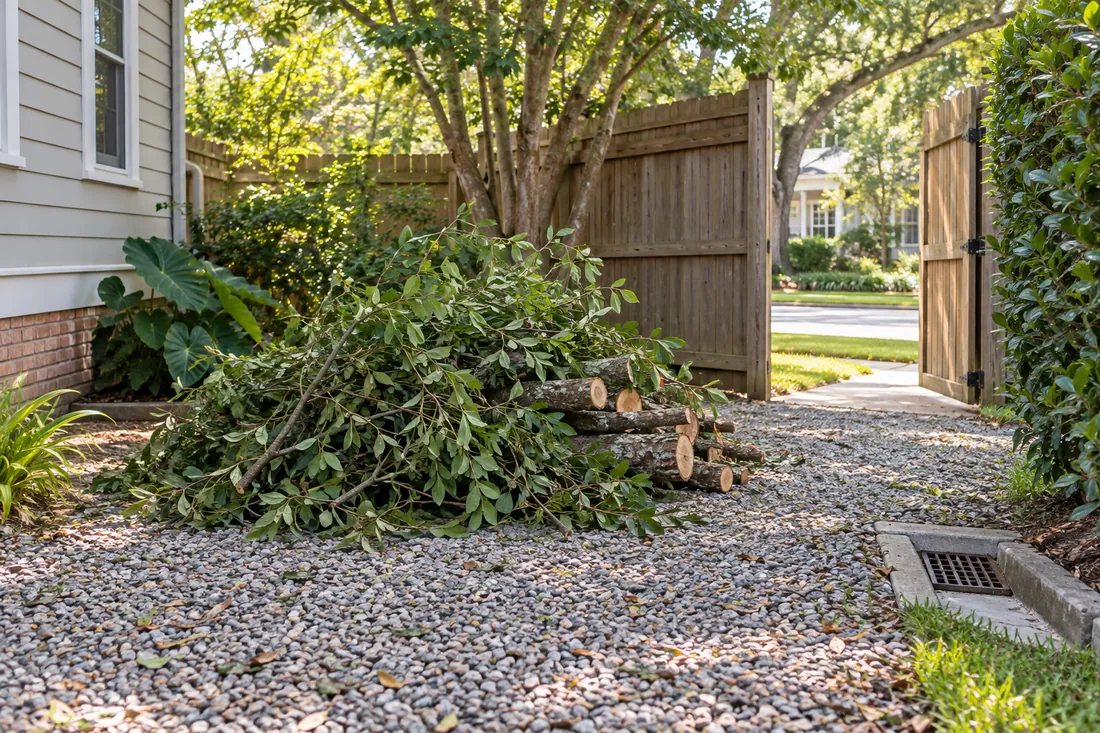
Cuttings and logs need a planned destination. A pile on a shoulder can obscure drivers’ visibility, encroach into a bike lane or block drainage after the next rain. Even temporary material can affect roadside ditches and adjacent driveways. Identify whether branches will be chipped at a safe staging point, loaded onto a truck, moved to a lawful holding area or handled by a separate debris contractor. The route from cut location to truck should remain inside controlled access wherever possible.
When multiple trees are involved, organize materials by the location required for the work order and avoid mixing logs from locations with different disposal restrictions. Decide who cleans twigs from sidewalks and pavement and who handles sawdust or wood chips. If a storm response is underway, confirm whether the public collection program accepts the material and whether the contractor is authorized for that program. The act of cutting a roadside tree does not automatically qualify the material for a government-funded haul.
Protect drainage structures, slopes and retained trees
Roadside work often takes place over compacted soils, utility trenches, culverts, stormwater swales and live root systems. A truck stabilizer placed on a weak shoulder can sink or affect buried infrastructure. A planned lift location may need ground-bearing assessment rather than a casual promise to work from the grass. Before removing vegetation near a slope, ask whether erosion or stabilization work is included and who owns that responsibility. Cutting all growth for convenience can create longer-term drainage and maintenance problems.
Tree Huggers can describe proposed equipment access, but road authorities, engineers and utility owners may need to review constraints beyond the tree-work scope. Protect trunks and root zones of trees specifically identified to remain. Do not block inlets with chips or stack timber against guardrails. A pre-work walk should note any cracked pavement, existing ruts, damaged drainage and neighboring property conditions so that the eventual closeout distinguishes previous damage from work effects without guessing.
Document where and why each cut was made
A site list with road name, nearest intersection, approximate side of road, tree or limb description, and requested purpose is more useful than a broad instruction to “clear anything low.” For a public project, the purchaser may need an asset number or station reference. For private work, a marked photograph and written permission can establish an unambiguous location. Do not assume the boundary of the right-of-way from a visible fence or roadside mow line; the authorizing party must confirm legal limits and permits.
Before-and-after evidence should pair views of the same location where possible, with the work order number and a useful marker in the frame. Never claim photos from unrelated properties are a genuine job transformation. If the scope changes because a tree is discovered to be hollow, a wire prevents access or an additional lane closure is needed, request approval from the designated contact first. That creates a defensible record without turning documentation into a substitute for qualified safety decisions.
Distinguish immediate reopening from permanent corrective work
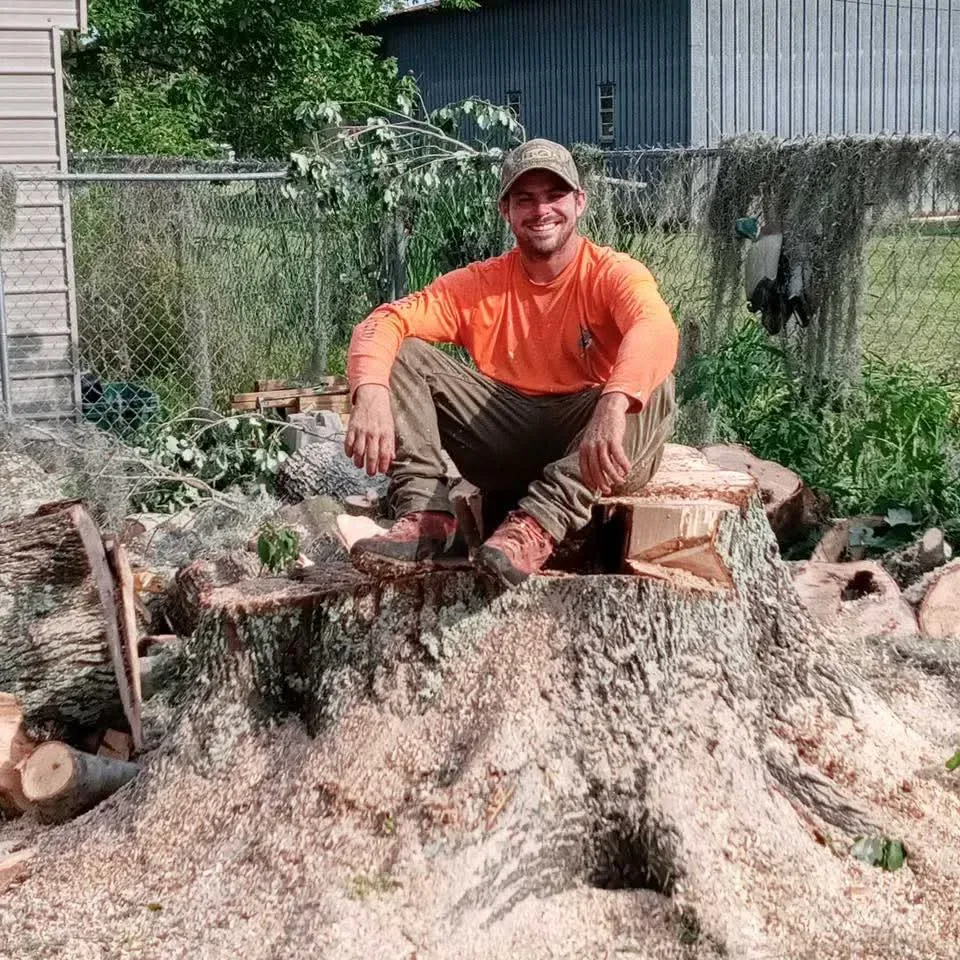
After severe weather, the first task may be limited to removing a dangerous obstruction from an access lane while leaving remaining logs for a later operation. A complete roadside removal may require more controlled cutting, a full haul, stump handling and restoration. If a live tree remains with a newly broken leader or compromised root plate, reopening the road does not prove the tree is stable. The project contact should identify whether a later inspection or pruning package is required.
Under time pressure, the job should have a clear handoff: which route is open, what debris remains, any hazards that still require barriers, and who has been notified. If electrical utilities or damaged bridges are involved, the appropriate authority may have to approve reopening. Tree Huggers can discuss an appropriate work sequence for its scope, but cannot promise that a public road will reopen at a particular time or that another agency’s inspection is complete.
Prepare a focused roadside estimate request
Give the road name, nearest cross street, actual owner or road authority if known, whether a lane or sidewalk is affected, which tree or limb is involved, and whether people can safely keep clear. Include photos only from a safe position, not a closeup under a hanging limb or a utility line. State access restrictions, required work hours and the preferred finish—hazard removal, canopy clearance, debris hauling or another result. The more specific the location and objective, the better the initial scope review.
For immediate danger, contact the responsible emergency or public authority first. For planned work, request a site assessment and written assumptions about qualified personnel, traffic controls, equipment staging, utilities, hauling and cleanup. Related guidance includes right-of-way tree clearing, which focuses on longer corridors and boundaries, and vegetative debris removal, which focuses on material after it is safe to handle. This page concerns the specific challenge of tree work alongside a live road.
Related Tree Huggers services
Review these adjoining service scopes when your project crosses more than one type of work: Tree Removal.
Questions about Roadside Tree & Limb Removal
Should I photograph a limb from the roadway?
No. Take photographs only from a safe location and report immediate roadway danger to the responsible authority.
Who controls a roadside tree removal work zone?
The road authority and qualified traffic-control personnel establish required approvals and methods.
Are hanging limbs always an emergency?
Risk depends on their condition, targets and ability to isolate the area. A qualified assessment may be required.
Can a grapple saw work beside live traffic?
Only where a suitable, authorized and safe setup exists; equipment capabilities do not replace road or utility controls.
Are utility lines safe when the lights are out?
No. Treat them as energized and contact the utility or qualified line-clearance provider.
Can you clear a road without removing the whole tree?
Sometimes an authorized access-restoration phase can remove an obstruction while later tree work remains necessary.
Will you grind roadside stumps?
That is a separate item unless included, and may require additional road or utility permissions.
Where do cut roadside branches go?
The plan should specify lawful staging, loading, hauling and a destination without blocking drains or traffic.
What about a blocked sidewalk or bus stop?
The work-zone plan must address pedestrians and any required accessible detour or closure.
What details help assess access?
Nearest junction, traffic conditions, shoulder width, overhead wires, equipment access and the exact tree location.
Who can reopen a public road?
The responsible public authority determines reopening where its approval or inspection is required.
Is this the same as clearing an entire right-of-way?
No. This guide focuses on individual roadside hazards, while corridor clearing has broader boundary and vegetation planning.
Get a scope for your property
Roadside tree and limb work may affect drivers, bicyclists, transit users and nearby homes before a crew reaches the tree. Identify the exact road segment, direction of travel, whether a shoulder exists and where fallen or hanging wood threatens access. Photograph the situation only from a safe lawful position; do not step into traffic or walk beneath suspended limbs.
Note nearby signals, drainage inlets, driveways and any utility wires. Share who controls the road and whether the issue is a temporary obstruction, an unstable limb or ongoing maintenance along a corridor.
Ask for a written response plan that separates hazard assessment, authorized traffic or lane controls, controlled cutting and material removal. Identify who obtains closure permission, how pedestrians are diverted, where equipment may stage and when the affected route can be assessed for reopening. Cutting a branch is not the same as repairing a damaged guardrail, pavement or power line. Emergency access may require coordination beyond a tree contractor, and no safe completion time should be guaranteed before the specific conditions and authority are confirmed.