Volume changes the operation
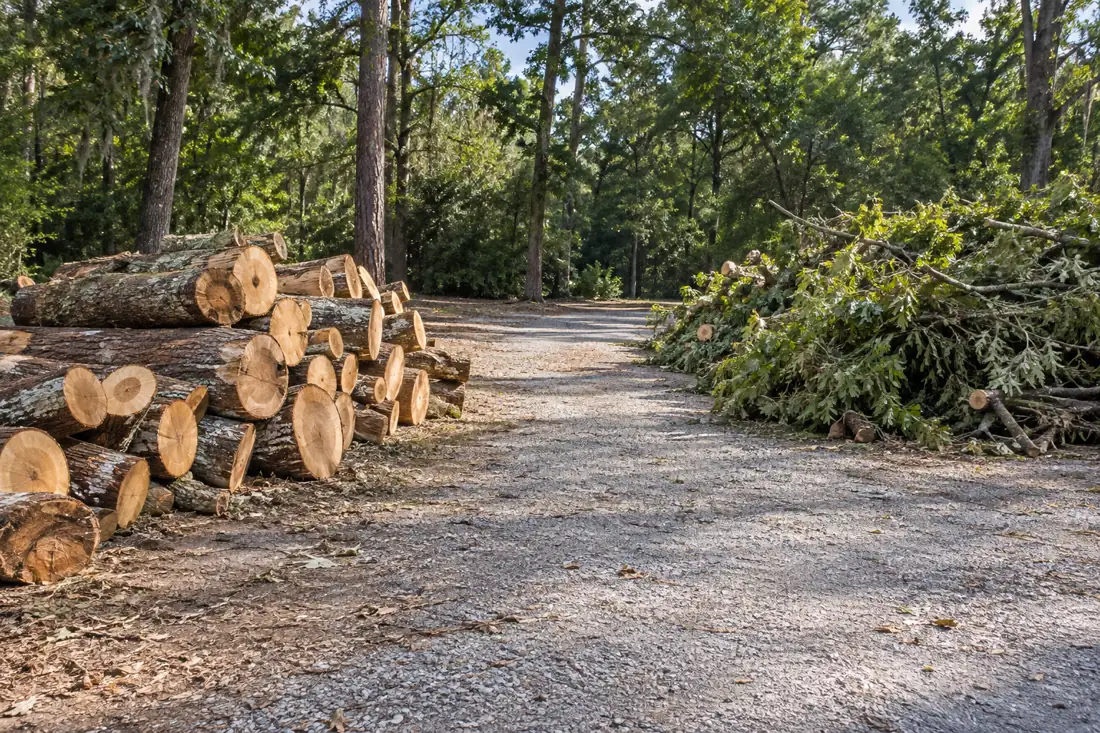
Large debris projects need more than pickup and hauling. Material may need to be cut, consolidated, moved to staging areas and loaded efficiently so equipment and trucks are not working against each other.
Vegetative loads: sort material before dispatch
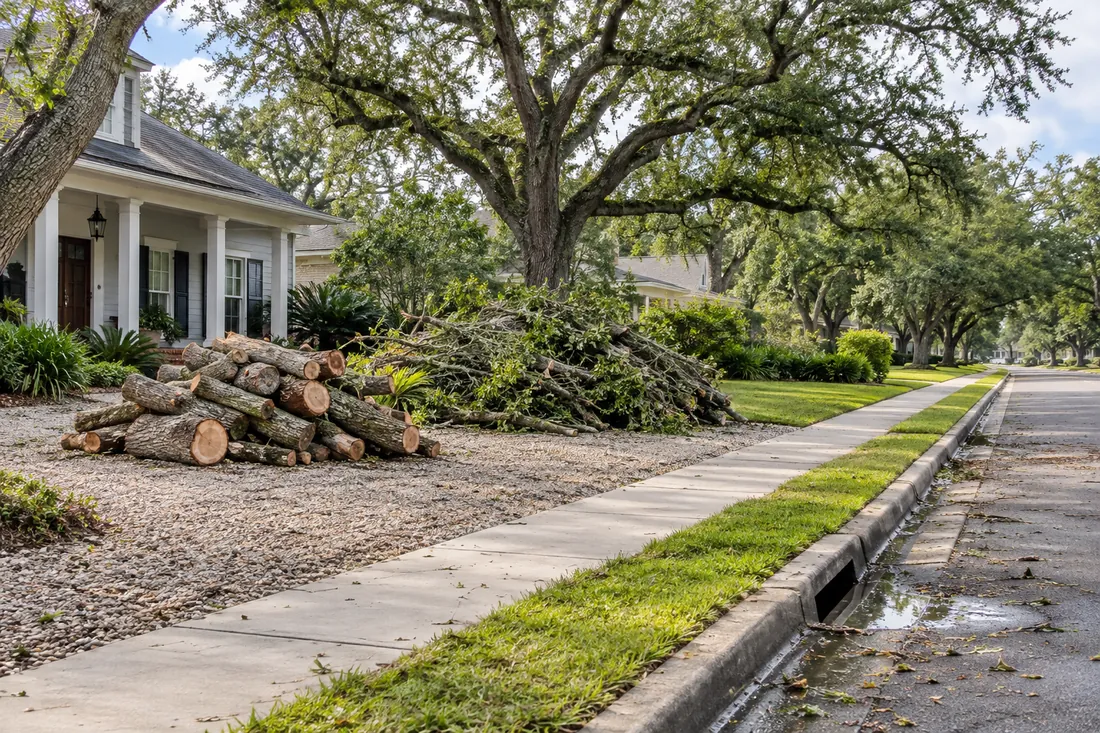
A large pile of natural material may contain limbs, leaves, vines, root balls, wood chips, soil and nonvegetative waste. Describe those categories separately. A pile contaminated with fencing, construction debris, nails or household rubbish cannot responsibly be priced or routed as clean brush without an explicit review. Protect storm drains and traffic sightlines while staging.
This guide helps property managers identify collection limits, temporary staging and disposal questions for vegetative waste. When the request is simply for already-cut tree limbs, branches or logs to be removed from a private lot, the linked tree-debris removal service is the direct estimate route. Neither page represents that public pickup, disposal fees or local program rules apply to a private job without confirmation. Tree Debris Removal.
Identify material type, concentration, access and any active hazards.
Define processing, staging, loading and haul routes.
Progress through the site and restore agreed access or work zones.
Tree hazards come before hauling
Standing damaged trees and suspended limbs should be identified before crews work underneath them. Hazard removal and debris operations can be coordinated as one recovery sequence.
Related services

Distinguish debris removal from tree dismantling
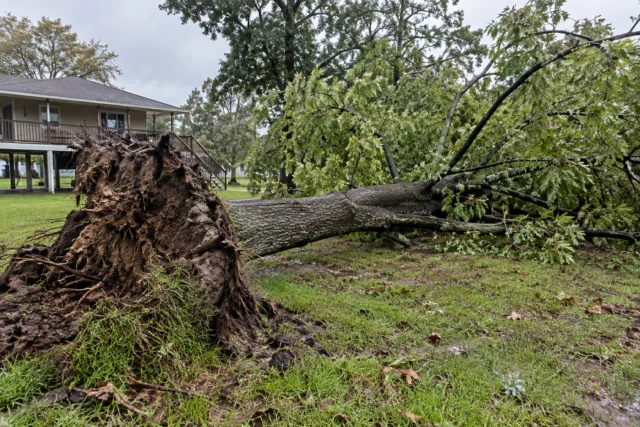
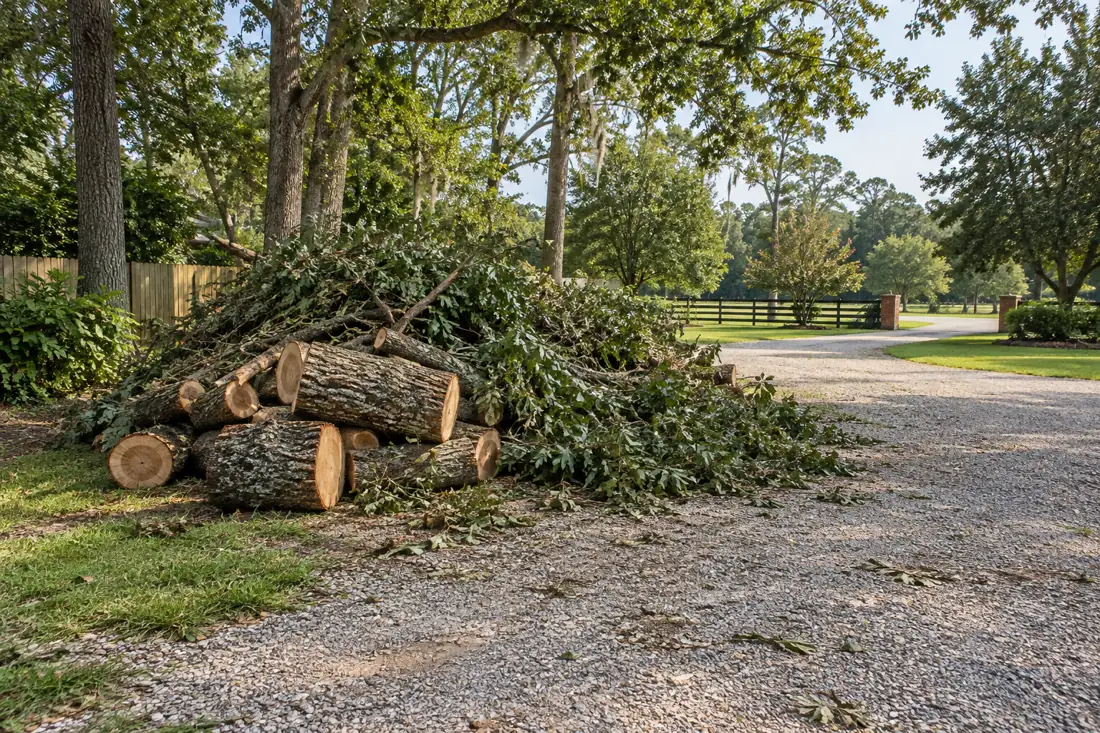
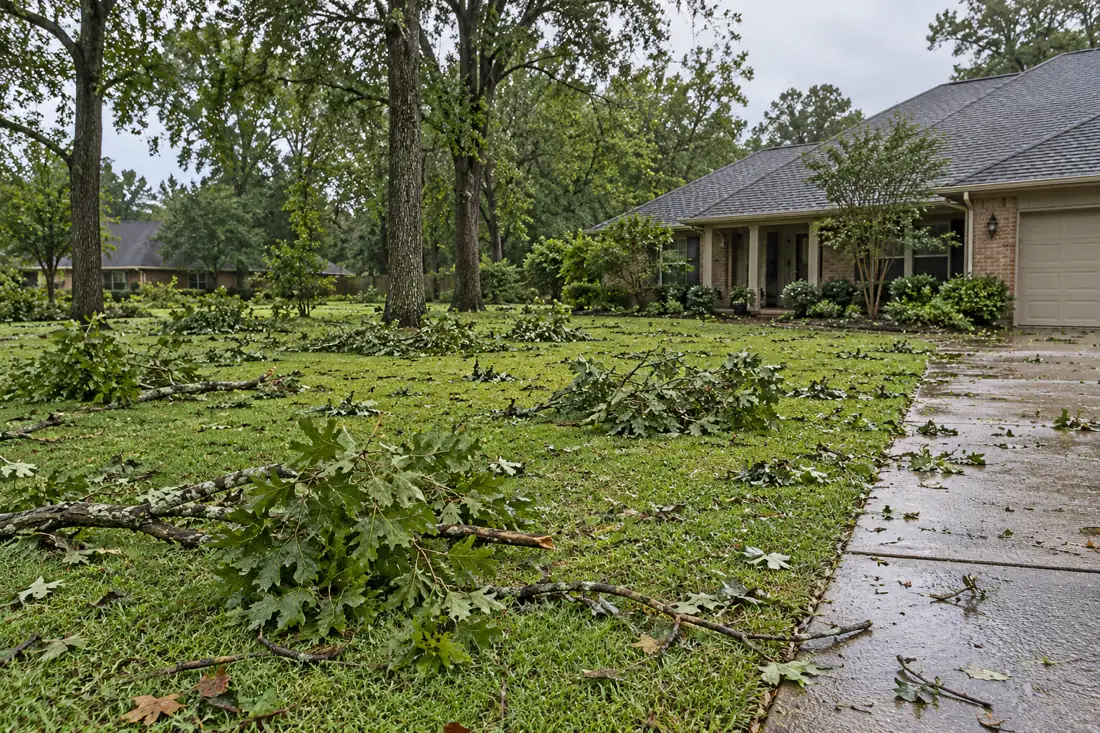
A pile of already-cut brush beside a driveway is not the same assignment as a storm-damaged tree leaning over a building. The first can often be scoped around material volume, loading access, acceptable disposal, and cleanup. The second begins with tree stability, suspended limbs, structural exposure, utilities, and a controlled cutting method. Mixing those tasks into one vague “haul it away” request makes scheduling, equipment selection, and responsibility difficult to understand. Identify which material is on the ground and which remains attached or potentially unstable.
A sensible scope separates hazard assessment, tree work, ground collection, processing, loading, transport, and final sweep. The company moving the debris may not be the same trade responsible for traffic control, utility isolation, demolition, or environmental sampling. If somebody has already cut trees and stacked the wood, ask for dimensions, approximate number of piles, species when known, and whether soil or construction material is mixed in. A pile can look small from the street yet contain several heavy logs hidden beneath brush.
Separate disposal material from the access route
Map where loose branches, large logs and chipped material sit, then describe the route each would take to the truck. Avoid assuming a curb pile can occupy a road lane, storm drain, shared driveway or an easement. Identify soft ground, steep slopes, fence openings and finished paving where carrying or equipment access would need protection.
Confirm whether the estimate includes cutting heavy pieces, manual carrying, loading, disposal, chip haul-off and final sweeping. A hanging limb, partly supported fallen trunk or energized utility conflict is not ordinary debris collection; ask for a qualified safety assessment before crews treat it as a simple pickup.

Estimate volume with honest uncertainty
Debris volume changes after cutting, stacking, chipping, and loading. Loose branches occupy more apparent space than compacted material; long trunks behave differently from wood chips; saturated wood and attached soil increase weight. A customer may describe a pile in cubic yards, but a contractor still needs a practical visual estimate and truck-access review. Measurements of pile length, width and height can support planning, provided everybody understands that an irregular windrow is not a perfect rectangular prism.
Avoid a blanket promise that a certain number of truckloads will cover any disaster scene. Include whether the expected volume is measured loose in place, loaded in a truck, chipped, or accepted at the destination. A written estimate can describe likely equipment and an agreed process for documenting unexpected additions. If multiple sites are involved, keep quantities separate by address or assigned work order; otherwise a high-volume property can obscure the status and actual scope of the others.

Set a clean material boundary
Vegetative debris generally includes woody limbs, branches, brush, leaves, and logs, but a pile after a hurricane may also contain roofing, insulation, fencing, wiring, household trash, shingles, pressure-treated timber, and displaced containers. Those materials can require separate handling or destination rules. Do not blend suspect waste into a normal brush load just because it is tangled among limbs. The property contact should identify known mixed debris and provide the applicable acceptance requirements before loading starts.
Burning, dumping into drainage corridors, and leaving unapproved piles beside public travel lanes are not harmless alternatives to licensed disposal. Determine whether the intended destination accepts whole logs, stumps, chips, root balls, and mixed brush, and whether there are documented fees, weight limits, or separate categories. A successful clearing job is not complete if the material was removed from one property only to create a violation or obstruction at another. Ask for destination information when required by the buyer or contract.
Stabilize the job site before organizing piles
Downed trees may be under torsion and compression, with branches acting as springs and root plates able to shift. A cut near the wrong point can release stored energy suddenly. A nonprofessional should not climb a pile, tug a suspended limb with a vehicle, or cut trunk sections merely to make loading easier. If a downed tree is near utility wires, a damaged building, or a street, establish a safe exclusion area and contact the appropriate qualified responder before requesting an ordinary pickup.
Even after hazards are controlled, the loading area must account for walkers, children, parked cars, neighboring doors, delivery traffic, and the routes used by trucks. A debris loader and an outbound truck cannot safely share every narrow driveway. Set an equipment direction, an approved staging boundary and a route for pedestrians. On occupied commercial or public properties, coordinate with the site manager about opening times, access corridors and temporary shutdowns so the job does not solve one hazard by creating another.

Match equipment to the material instead of the photograph
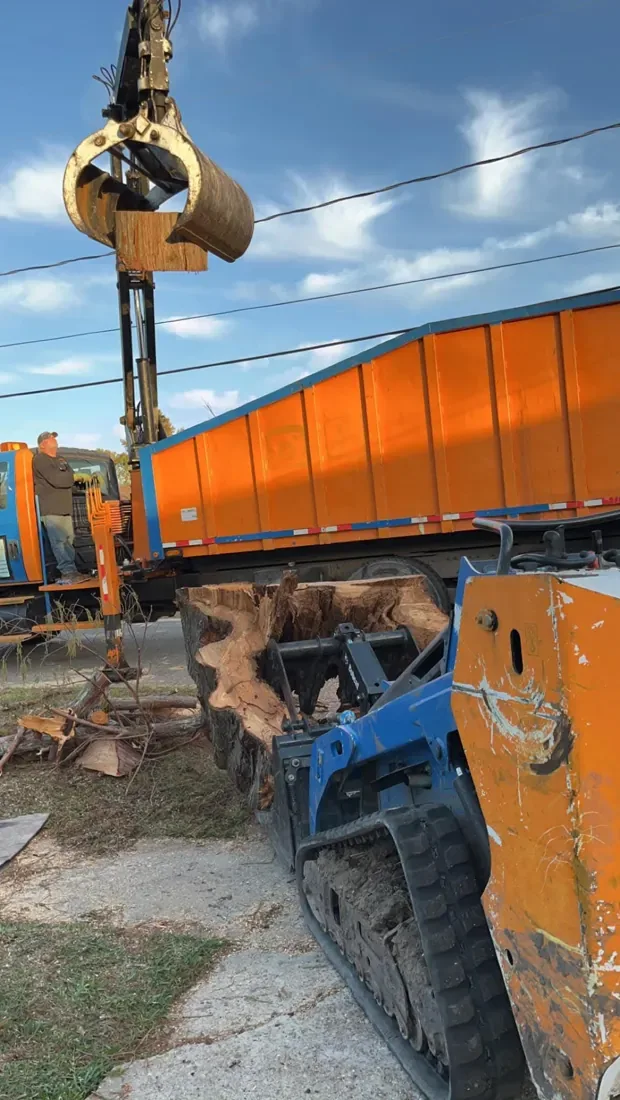
A grapple truck may efficiently load accessible limbs and logs, but it cannot reach behind every fence, cross unstable turf, or maneuver beneath every wire. A skid steer or compact loader can move material inside a property but may require protection for paved surfaces and nearby landscaping. Larger cranes or articulated machines may be necessary where trees are still elevated or heavy logs cannot be dragged safely. Manual carrying remains relevant in tight spaces, although it can increase labor and exposure.
When discussing Tree Huggers equipment, ask what dimensions and ground bearing conditions the site can accommodate rather than assuming a truck shown in a gallery is appropriate. Provide gate widths, low branches, soft ground, access changes after rain, overhead clearances, and a picture of the path to the pile. The estimate should identify whether material will be cut smaller, loaded in place, moved to a designated pickup zone, chipped, or taken away whole. These are different activities with different risk and costs.
Keep drainage, utilities and neighbors in view
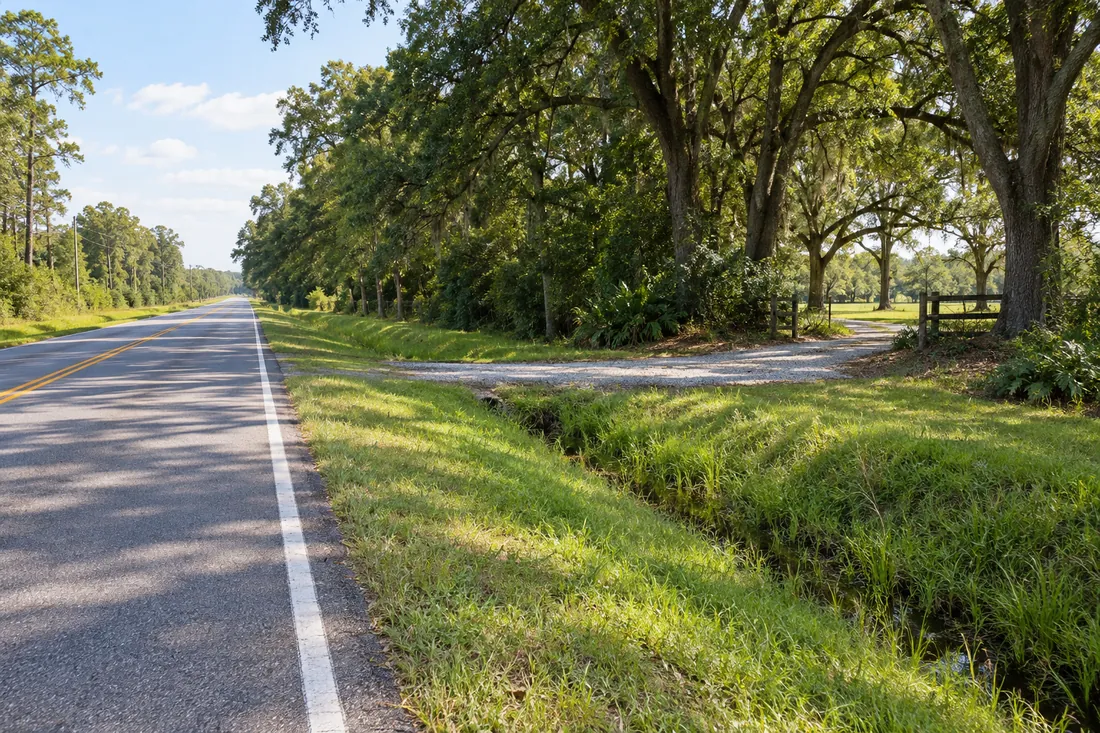
A large brush windrow placed across a storm drain can worsen flooding during the next afternoon storm. Logs stacked beside an open ditch may roll, and chains or hooks on buried utility lines can turn routine loading into an outage. Review culverts, inlets, manholes, hydrants, service meters and public sidewalks before selecting staging points. Make clear that the owner or project authority must approve any placement within public rights-of-way. A roadside shoulder is not a default private dump or parking area.

Distinguish handling areas from the final cleanup boundary
The amount of material is only one part of a debris estimate. A small pile behind a narrow fence may require more handling than a larger pile accessible directly from a truck route. Show the pile’s position relative to the curb, drain, gate and occupied parts of the property, then identify any soft ground or slope that changes the hauling path.
Separate collection of loose branches from cutting remaining attached wood, chipping, loading logs, hauling, disposal and surface cleanup. The owner should know whether chips are being left, whether thick sections are included, and whether material must be moved to an approved staging location before equipment arrives.
Photographs of actual piles should be taken without moving unstable material or entering an active exclusion area. A work plan should preserve emergency access and avoid blocking public drains or neighboring entrances. The illustration is educational planning imagery, not a record of debris collected from a Tree Huggers customer.
Where possible, use a staging location that keeps slopes stable and does not expose retained trees to repeated tracked-equipment passes over their roots. Mark newly planted areas, irrigation pipes, fences and landscape beds. If a pile crosses a property boundary, coordinate permission before work begins rather than after a neighbor complains. These details are easier to resolve at the estimating stage than when a loaded truck is waiting and a crew has already blocked the only route out.
Explain the difference between private and public storm programs
After major events, an agency may organize a separate right-of-way pickup program with published sorting, timing, and eligibility rules. Private property cleanup arranged directly by an owner is a different service and should not automatically be represented as covered by a government program. The local authority’s current notices, collection contractor and site-specific restrictions control what can be placed for public collection. Contractors should not promise reimbursement or a free pickup unless the relevant program actually provides it.
For a publicly funded operation, documentation, load tickets, monitoring, contractor procurement and eligible locations can become central to payment and audit readiness. FEMA debris management resources provide a starting point, but program eligibility is fact-specific and does not replace an award or authorized work order. Preserve quantity records and location evidence when the contract calls for them. A private homeowner usually needs an accurate quote, an agreed cleanup standard and proof that the contractor completed the authorized work.
Plan the sequence for multiple properties
A shopping center, apartment campus, subdivision or parish work order can include many disconnected piles and a few complex tree hazards. Clearing in the order materials are first encountered may be inefficient or can leave a public entrance unsafe. Organize sites into priority categories: dangerous hanging material needing professional removal, entrances that must reopen, accessible bulk piles, and low-impact finishing. Identify daily routing constraints, school or business activity windows, and who can approve changes during a field shift.
In a multi-day scope, record which piles were accepted, which were removed and which were deliberately left because they were outside the work order or unsafe to approach. Before-and-after pictures should show the same identifiable area when possible; don’t pair unrelated locations to claim a transformation. Keep public or private client records separate and protect personal property information. A clear completion log allows the customer to verify progress without hovering near operating equipment.

Define what finished cleanup actually looks like
The agreement should say whether all brush is hauled, whether large logs or wood chips remain, whether small twigs are hand-raked, whether stump grinding is included, and whether equipment ruts or disturbed mulch are excluded or repaired. A customer asking for a clean lawn may picture a different outcome than a contractor quoting bulk woody removal. State whether a final sweep of paved access is part of the scope, and whether soil, trash, concrete or contaminated material are expressly excluded.
As soon as the material is cleared, check that driveways, loading docks, exits, hydrants and drainage structures are usable. Inspect for hidden sharp branches or protruding stakes where people will walk. Photograph the accepted finish and note any conditions that require a separate trade. No responsible debris contractor should guarantee the tree itself is structurally safe merely because its broken branches were hauled; a remaining tree may warrant inspection and a separate corrective plan.
Send the facts that produce a useful debris quote
Give the property location, number of debris zones, approximate pile dimensions, whether any trunks remain attached, and whether access is limited by gates, wires or wet ground. Send pictures from safe distances showing the pile in context, an approximate scale, and the route a truck would use. Identify desired completion timing as a preference rather than assuming immediate availability after a widespread storm. For public or prime-contractor work, attach the specific quantity and destination requirements.
Ask for a scope that distinguishes hazard cutting, collection, chipping, hauling, disposal, surface protection and finishing. Tree Huggers can discuss suitable approaches and current availability once the work area and access are clear. For difficult roadside accumulations read right-of-way clearing; for actively unstable trees see emergency tree service. The practical goal is a safe, accessible and verifiable property, with the material handled at an appropriate destination.
Vegetative hauling begins with the material stream and staging plan
Vegetative debris can include branchwood, brush, vines, root masses and other organic site-clearing material. A large accumulation may require sorting, a safe staging area, equipment access, repeat truck movements and a documented destination. Unlike an ordinary request to remove a pile of cut tree limbs, larger vegetative projects may also involve site-wide collection boundaries, load segregation and municipal or property-manager approvals.
Identify what is natural vegetation and what is not. Soil-heavy root balls, treated lumber, roofing fragments, wire and household rubbish can change equipment selection and lawful handling; they should never be hidden inside a clean-brush description. Determine whether the operation includes reduction, loading, hauling, disposal documentation or only a portion of that chain. For a straightforward existing pile of logs and limbs, the tree-debris service page is the narrower customer route. This broader page addresses the planning and controls for multi-material vegetative handling.
- Map pickup boundaries and where trucks may stand without blocking emergency access.
- Separate unstable attached trees from already cut material before arranging hauling.
- Record the expected load type, finish condition and responsible approval contact.
For the related but different decision, see Tree Debris Removal. Confirm the work required for this property before relying on a general example.
Questions about Vegetative Debris Removal
Is cutting a damaged standing tree part of debris pickup?
Not unless the written scope includes qualified hazard assessment and removal. Already-cut piles and unstable trees are different jobs.
How should I estimate debris volume?
Provide pile dimensions and pictures showing scale. A contractor should explain whether volumes mean loose, compacted or loaded material.
Are construction materials accepted with branches?
They may require separate handling. Identify roofing, metal, household waste, treated wood and other mixed material before loading.
Will the crew remove large logs?
Ask for an explicit log and weight/size scope. Some estimates only cover brush or pre-cut material.
Can I put debris in a roadway ditch?
Do not obstruct drainage or public access. Follow the responsible authority’s location and collection rules.
Is stump grinding included with hauling?
No, unless it is separately specified. Tree stumps, root balls and logs can have different handling and disposal requirements.
Will public storm collection cover private cleanup costs?
Do not assume so. Government collection and reimbursement rules depend on the actual program, owner and eligible material.
What access details matter to the estimate?
Gate width, overhead wires, truck approach, wet ground, turning room and distance from piles to loading area.
Does chipping replace disposal?
Not necessarily. Specify whether chips remain on-site, are reused, or are loaded and removed.
What will the yard look like at completion?
Agree whether the work includes bulk removal, hand raking, small-twig pickup and any surface repair.
Should debris be sorted before the crew arrives?
Do not move unstable or energized material. For safe piles, separate obvious nonvegetative waste only if local rules and safety allow.
What photos help with a debris quote?
Show the whole pile, approximate scale, access route and any nearby utilities or structures from safe vantage points.
Plan large vegetative loads as a site operation
A large brush or tree-debris project is not just an oversized curbside pickup. Multiple piles, cut trunks, wet ground and occupied routes may change the equipment needed to consolidate, process and haul vegetation. Mark each collection zone on a simple property map, note safe truck approaches and loading restrictions, and distinguish material ready for collection from trees or branches still requiring controlled cutting. An agreed sequence can prevent the crew from blocking its own access or leaving later piles stranded.
For a small pile of limbs or logs already positioned safely for pickup, the tree-debris removal service page is the more direct starting point. For vegetation mixed with roofing, metal or other damaged construction material, the mixed-storm-debris guide explains why sorting and disposal boundaries should be decided first.
This page focuses on larger-volume logistics, haul routes and completion by zone. Ask for a written description of accepted debris and final site finish; do not infer municipal pickup eligibility or public storm-program authorization from a private quote.
Related decisions: Tree Debris Removal · Storm Debris Mixed With Building Materials
Get a scope for your property
Vegetative debris collection begins with distinguishing branches, logs and brush from materials that do not belong in a normal wood-disposal load. Provide a map of each collection zone, approximate piles or truck access points and photographs of the largest or most difficult material from safe positions.
State whether debris is loose, entangled with fences, mixed with mud or concentrated near drainage. Identify overhead wires, public routes and any pile that hides unstable heavy sections. Do not push material into a travel lane or climb a mound to provide a volume estimate.
Ask the contractor to define what gets cut or sorted before loading, the equipment route, staging locations, disposal or approved processing destinations and the cleanup standard for each zone. For a managed or public job, clarify whether load counts, location records, tickets or other documentation are specifically required.
Those records cannot be assumed in a small residential pickup. Note who authorizes mixed-material exclusions, access closures and follow-up collection of overlooked piles. A clear written boundary helps distinguish vegetative debris work from demolition waste, grading and structural repairs.
Vegetative pickup and public work orders serve different requests
Leaves, brush, cut branches and processed vegetative material may need separate handling from mixed demolition debris, hazardous suspended limbs or an active tree-removal operation. Before requesting a quote, identify what is already down, any nonvegetative contamination, the access road and where trucks can safely turn. Material classification is a scope decision, not a guarantee of disposal eligibility.
For an agency-managed tree hazard, review the public-works tree-service guide to identify tree numbers, traffic authority and inspection steps. If material passes through a temporary collection or reduction location, the storm debris staging guide adds questions about site flow and handoffs that an ordinary pickup estimate would not answer.