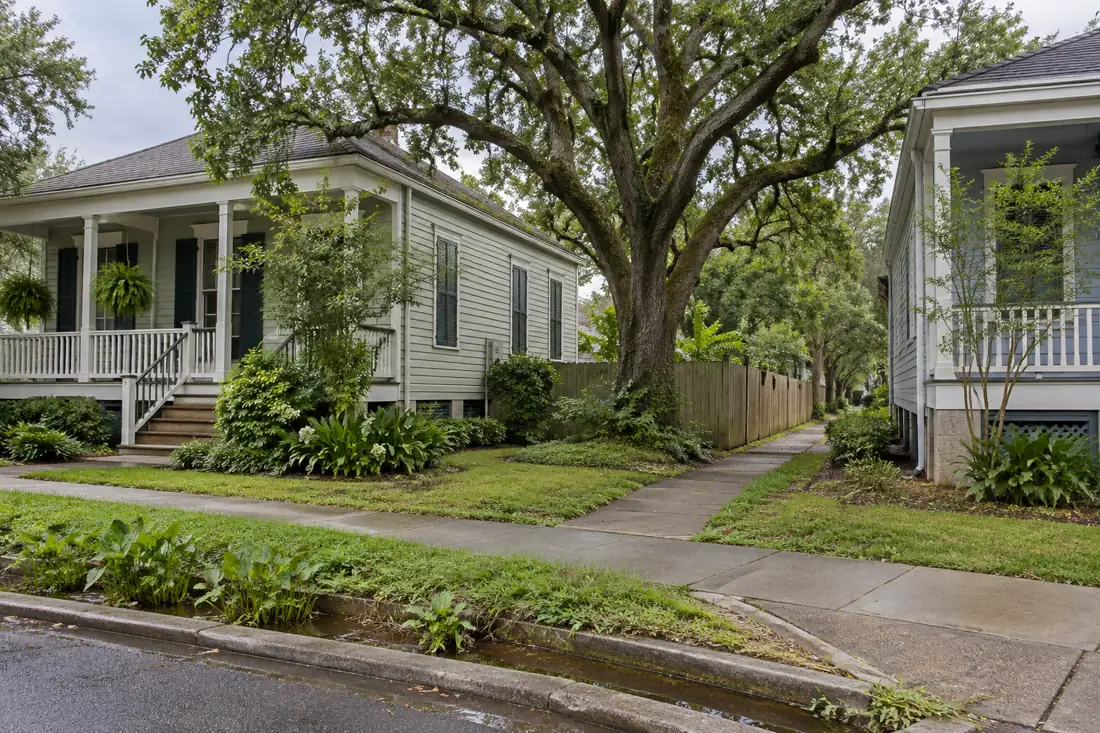
Mature trees, roofs and storm exposure
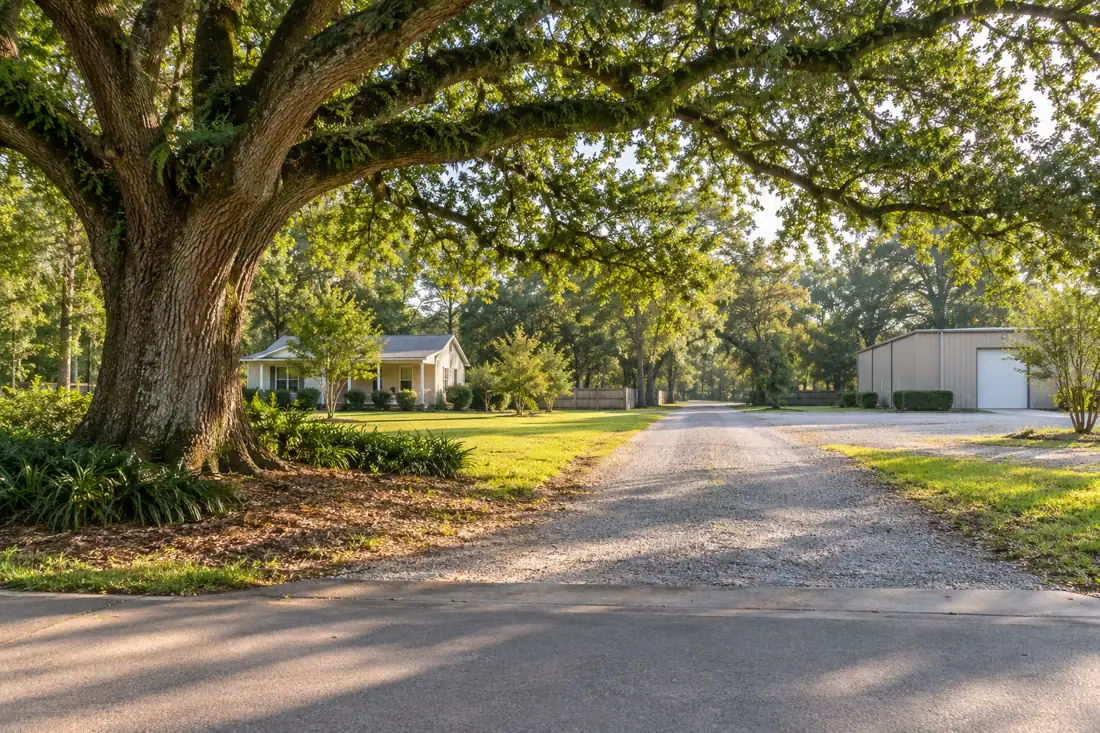
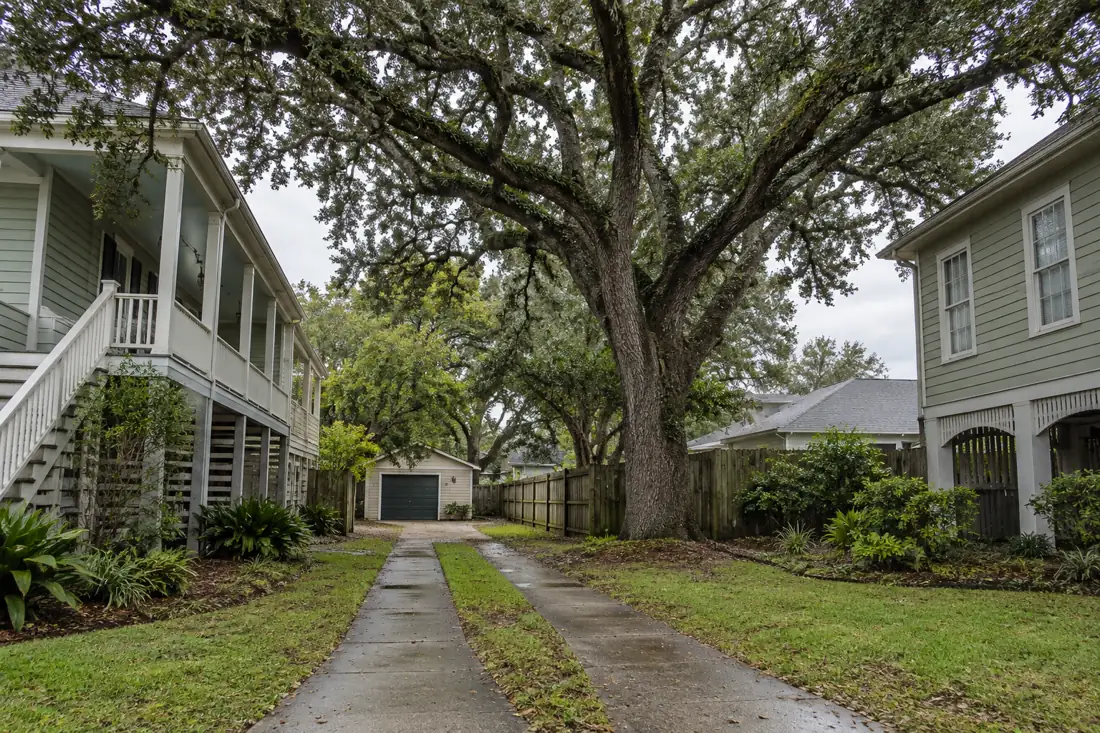
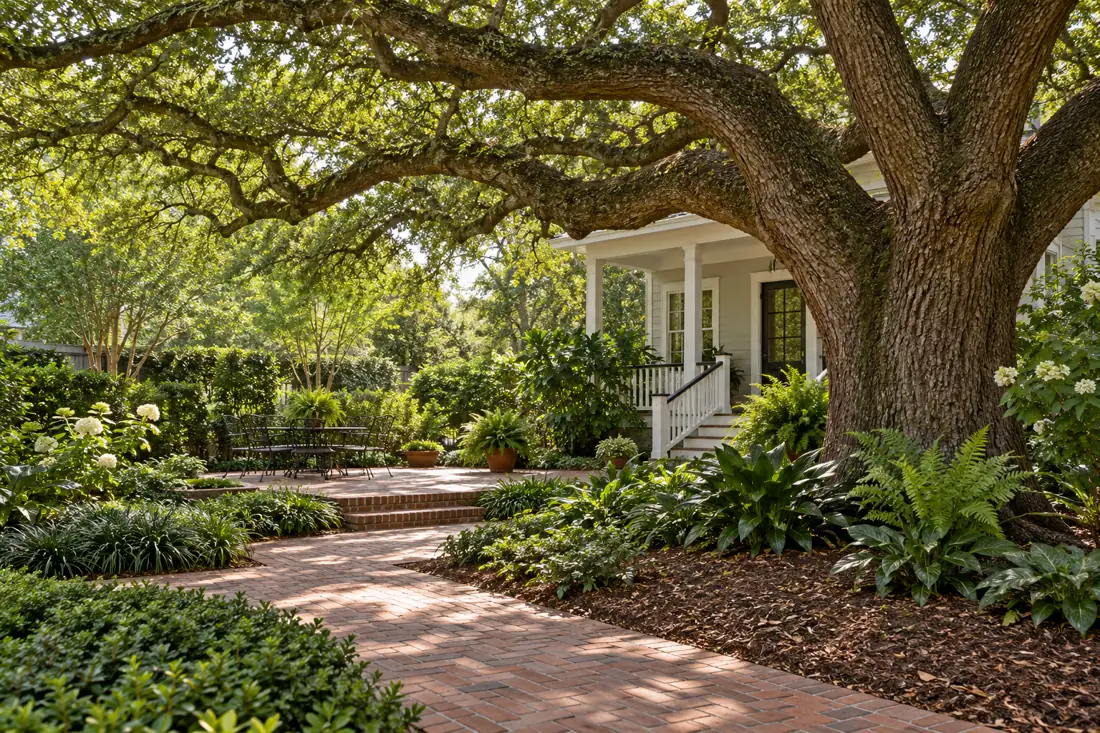
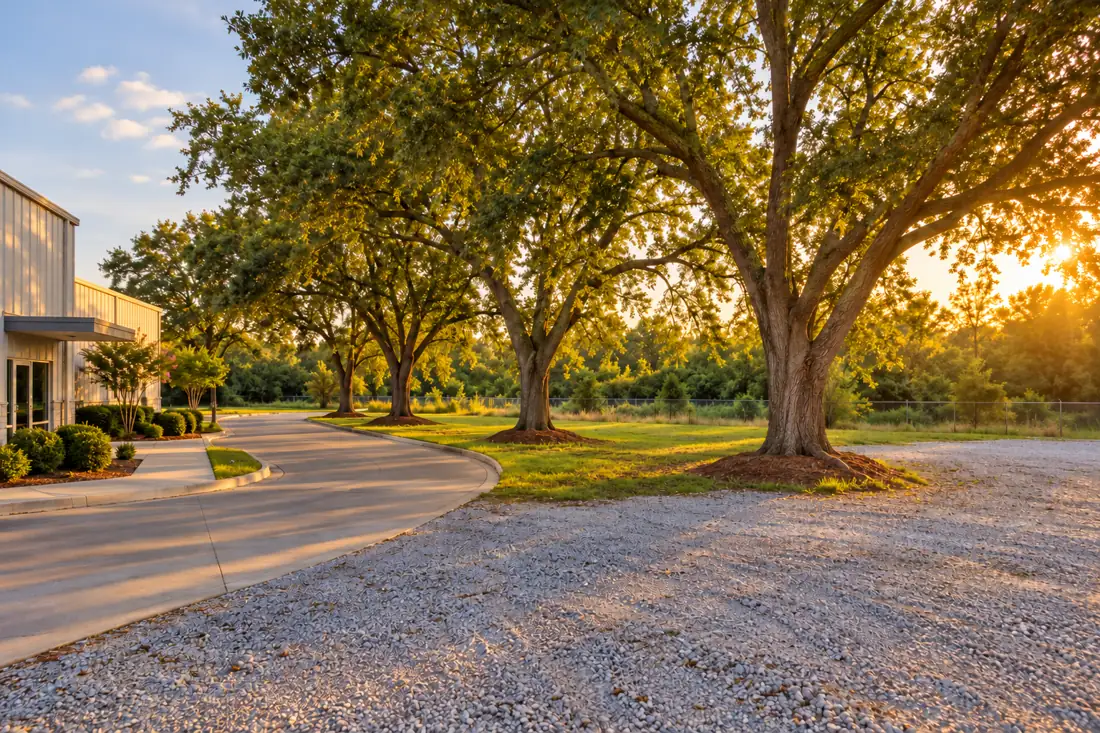
Lakeview tree work often means balancing mature canopy with homes, driveways, pools and hurricane exposure. Large limbs over structures require a defined pruning objective and controlled work methods. Storm-damaged trees should be evaluated for cracks, root movement, broken tops and suspended limbs before routine trimming begins.
Tree Huggers provides removal, pruning, stump grinding and storm response, with rigging, lifts or crane support used when the work zone requires more control.
Identify the tree task and the backyard result
Tell Tree Huggers which tree concerns you and what you want the property to be able to do afterward. A pruning objective near a roof, deadwood above a sitting area and removal of an unwanted tree are different requests. Include the tree in a wider view showing the house, yard and important features. When several crowns overlap, give separate references instead of assuming the whole canopy in the image describes one accepted task.
The pruning service and removal overview provide related context. Explain shade you want retained as well as clearance you want reviewed. A large limb over a feature does not by itself establish a universal pruning prescription. Ask what the visit and proposed work cover, especially if the owner also needs a condition evaluation or written findings rather than only pricing for a task already selected.
Make the pool and patio relationship visible
Show the pool, patio, deck edges, outdoor fixtures and relevant fence line in relation to the tree. Identify the pool or grounds contact when another provider has requirements affecting preparation or the finish afterward. Do not assume a pool cover, open water or an empty patio can be used as part of a tree-work plan. The proposal needs to reflect the particular site and accepted approach, with important limitations made clear before scheduling depends on them.
Ask which preparation and final tasks belong to the tree scope and which remain with the owner or a separate service provider. Tree-material handling, pool service and surface repairs are different responsibilities. A broad cleanup description should not be treated as a promise to complete every later maintenance task around the pool. State the desired handoff so the owner can arrange the next step without discovering that an assumed responsibility was never assigned in the accepted work.
Record any existing fence, deck or fixture condition that matters to the proposed route, and share relevant maintenance instructions from the responsible provider. A dated photo can help the parties describe what is present without creating an unlimited restoration guarantee. If a pool or patio provider requires a particular handoff, supply that requirement before tree work is accepted. The estimate should leave the owner able to identify which final tasks are included and which need a separate arrangement.

Follow the equipment route past every fence and turn
Photograph the approach from the street, side gate, turns, surface changes and the available work and loading areas. Include overhead restrictions and known ground conditions. A spacious backyard does not establish a spacious entry. The route used by a person carrying pool supplies may not describe the approach required for a proposed tree-handling method or for material movement after the standing tree work is complete.
The equipment planning hub explains why the task and complete site inform method selection together. Identify routes needing another person’s agreement and any object that would have to move under an accepted preparation plan. Do not dismantle a pool fence, alter drainage or change the ground merely to improve an estimate request. Accurate views let the company discuss the actual options and assumptions before a particular machine or setup is treated as part of the project.
Separate tree condition from a routine clearance goal
Describe cracks, previous failures, new lean, hanging material or other changes you have observed, with timing if known. Share relevant weather, excavation, paving or site history. A green canopy does not answer every structural question, and a photograph cannot establish the condition of hidden wood or roots. The assessment page helps distinguish a work estimate from a defined condition review and any documented findings the owner needs.
Lakeview: define protection near pools
A tree near a swimming pool brings separate boundaries for cutting, controlled lowering and protection of the pool and deck. A cover should never be assumed to support heavy material. Keep staging and loading away from the water, and agree on any owner preparations before work.
Show pool coping, pumps, plumbing locations and fragile planter borders in safe site photographs. Access to equipment may need to remain available throughout the job even if the tree is outside the fenced pool area.
Separate the branch work, stump finish, chip removal and final surface cleanup on the estimate. If a pool specialist must handle water or equipment afterward, identify that responsibility without suggesting the tree contractor provides it.

Ask who performs the evaluation, what relevant qualifications apply and how limitations will be explained. If a retention option is proposed, connect it to the identified objective and follow-up. A tree-care decision should not depend on a general assurance that selected pruning makes every future weather event harmless. Keep routine work, a condition concern and a possible removal decision visible as separate questions so the owner understands what has actually been reviewed and authorized.
Plan material movement without treating the yard as storage
Ask what happens to branches, logs, chips and other agreed material. Explain the intended loading area and any preference to keep wood or chips on the property. The material-handling guide provides related context. A cleared patio or pool-side area should not become a material destination by default. Processing and placement need to match the accepted plan and the way the household intends to use the space afterward.
When comparing proposals, check that they include the same handling, hauling and finish rather than comparing totals for different tasks. Removal of the standing tree does not automatically include preparing firewood or moving retained material to any later-selected location. If another provider needs the yard in a particular condition, share that requirement before the tree work is accepted. A recognizable material handoff helps keep later pool, garden or repair tasks assigned to the person responsible for them.
State the future use of the stump area
Explain whether the area will remain lawn, become a planting bed or support a later surface or building project. The stump guide distinguishes grinding from excavation and later ground work. Share known irrigation, drainage and other relevant buried-feature information with its source and limitations. Do not dig around roots or assume that a clear surface establishes everything that needs to be known before below-ground work is considered.
Ask separately about grindings, backfill, grading and restoration. A tree-removal quote should not be read as a guarantee of construction-ready ground or a new finished pool-side surface. If another contractor performs the next stage, obtain the actual handoff requirement and identify that contractor’s responsibility. This lets the owner recognize the completion point for each operation without treating the broad word cleanup as an agreement to produce every possible future condition of the area.
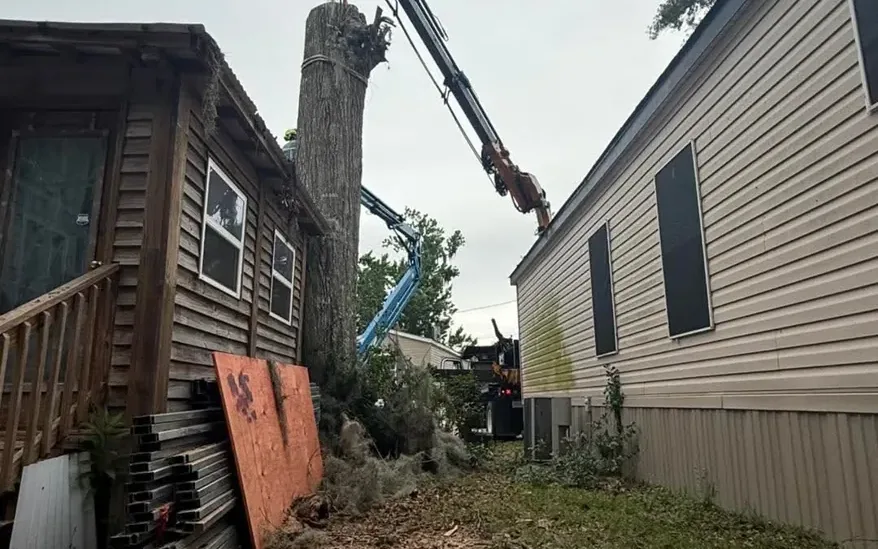
Coordinate ordinary household use and weather changes
Describe the entrances, vehicles, pets, deliveries and outdoor activity that affect the proposed work area. Name the person who can make it available and approve a changed arrangement. A quiet photograph does not establish a work window covering setup, tree handling and loading. Confirm scope and availability directly, and report a new access restriction or changed ground condition before the company relies on an earlier version of the site brief.
After weather, keep people away from newly fallen or hanging wood, movement or other unstable material. Call 504-458-8336 about current availability. Immediate threats to people or electrical involvement need the appropriate emergency or utility response. The storm overview connects related response services; a form does not confirm dispatch or certify a damaged area safe for use. Update an earlier routine estimate when the tree or its surroundings have materially changed.
Review the tree work and the remaining backyard tasks
Keep the accepted tree identifier, objective, access assumptions, material decisions and required finish together. Name the person who accepts completion and record any unresolved item with the next responsible contact. If labeled photographs are needed, agree on the intended output before work starts. Documentation should describe actual tasks without implying that every tree was assessed, every surface restored or every pool-service requirement completed under a separate tree-work quotation.
A planning example is selected roof-clearance pruning, one backyard removal and a later stump-area and pool-service handoff to different providers. Each task has a recognizable result even when the household coordinates them as one improvement project. Send the address, safe views of the tree and backyard features, the complete approach and desired result to start a practical discussion with Tree Huggers.
Tree Service Lakeview New Orleans questions
What should a Lakeview backyard inquiry show?
Include the identified tree, house, pool or patio, fences and complete access route.
Does a branch over a pool automatically determine the work?
No. Explain the concern and desired objective so an appropriate scope can be reviewed.
Can a pool cover be assumed part of the tree-work plan?
No. Discuss the actual approach and applicable preparation with the responsible providers.
Does tree cleanup include pool service?
Do not assume it. Clarify tree-material handling, pool service and surface repairs separately.
Why photograph the side gate and turns?
A large backyard does not establish suitability of the full approach or loading route.
Should a pool fence be dismantled before an estimate?
Do not improvise changes. Send accurate access information and discuss preparation first.
Is selected pruning a guarantee against future storms?
No. Ask what it addresses, its limitations and whether a separate condition review is needed.
Can patio space automatically hold wood or chips?
No. Agree on processing, placement and the household's intended use of the area.
Does tree removal include firewood preparation?
Only the accepted scope determines that; discuss processing separately.
What should be said about the stump area?
State future use and clarify grinding, grindings, excavation, backfill and restoration.
How should newly hanging wood be handled?
Keep people clear, use safe observations and call about availability; involve appropriate emergency or utility services.
What should the final review include?
The accepted tree task, access, material decisions, agreed finish and outstanding responsibilities for other providers.
Let’s plan your tree work.
Send the property address, safe tree photos and the result you need. Include access restrictions and the person who can approve the work.