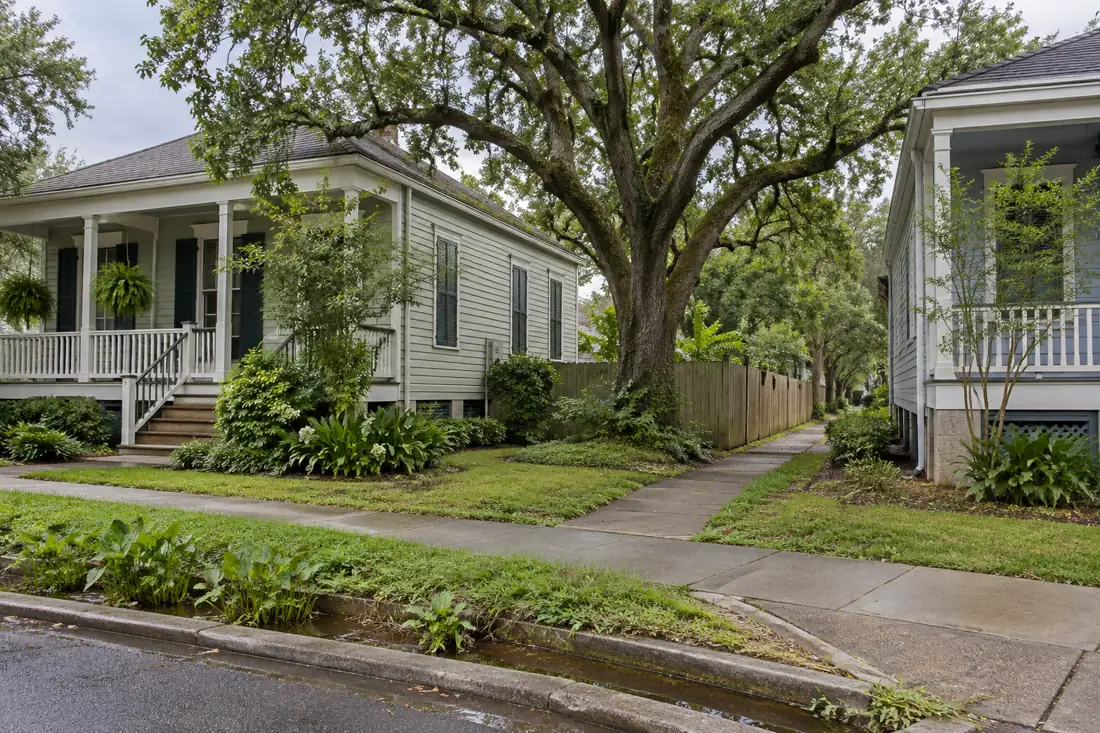
Planning around compact lots and older structures
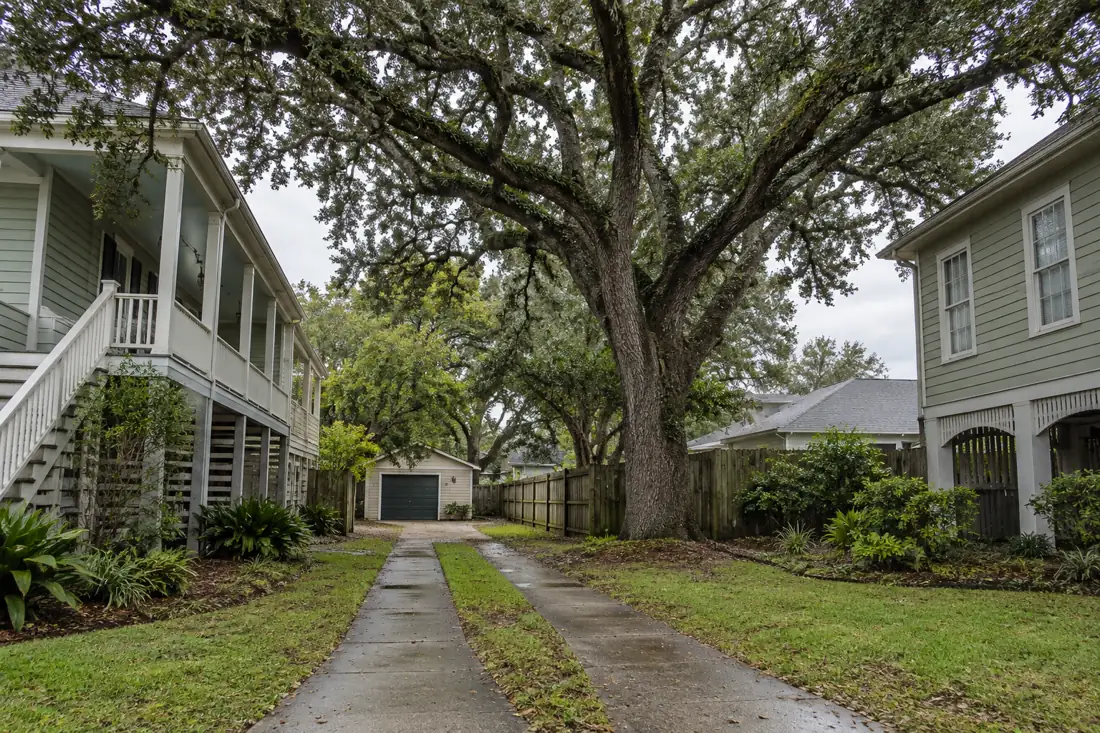
Lower Garden District tree work can involve narrow access, mature canopy, balconies, fences, street parking and neighboring buildings close to the work zone. The method should account for those targets before cutting begins.
Tree Huggers provides removal, pruning, stump grinding and high-risk work with controlled rigging or mechanical support used when open dropping is not appropriate.
Begin with the courtyard or frontage task
Describe where the tree stands and what result you need. A rear courtyard removal, selected pruning near a balcony and a frontage condition concern can involve different work even at the same address. Identify the particular tree and whether the request concerns the whole tree or an observed branch. A photograph taken close to the trunk should be paired with a wider view showing buildings and the route into the property.
The removal service and pruning service provide related starting points. State whether retaining shade, opening a particular clearance or removing an unwanted tree is the main objective. Those goals should not be collapsed into a general request to cut everything back. The first conversation can explore a question without assuming that every tree or branch visible around the courtyard has been included or authorized for work.
Photograph every change in the access route
Show the entry from outside, the gate, passage, corners, steps and transition into the yard. Include height restrictions and the surfaces that must be crossed. A photograph of the final open space does not reveal whether the approach is straight, narrow, raised or shared. Do not move a fence or alter a building opening simply to make the request appear easier. Accurate information is more helpful than a proposed shortcut that has not been reviewed.
The equipment guide explains why the task and full route inform method selection. Describe which parts of the route you control and where access needs another person’s agreement. Material movement out of a courtyard also needs review; a route suitable for ordinary pedestrian access does not establish that every handling method will fit. If older photos omit a changed gate, parked object or recent construction, include a current update with the inquiry.
Explain whether reaching the courtyard would involve an occupied interior or a separately controlled building passage. Do not assume that an ordinary pedestrian connection is an accepted tree-material route. The owner and company need to discuss the actual arrangement and what can reasonably be proposed. If a route is unavailable, say so rather than omitting it from the photographs. That information helps prevent a quotation from depending on a shortcut the property cannot or will not provide.

Put balconies, roofs and walls in the brief
Explain the nearby features that the work needs to account for: balcony edges, roof overhangs, exterior fixtures, walls, fences and planted areas. Show their relationship to the canopy rather than listing them without a location. The estimator can then discuss the review and work approach needed for the site. Do not request a handling method solely because it was used on another property that appeared similar in a photograph.
For retained trees, describe the specific clearance or care objective. A branch near a structure can raise a practical work question without establishing a diagnosis or a universal pruning prescription. The preservation hub helps frame those decisions. If building repairs or another project will follow, share the actual requirement before the tree scope is accepted. Tree work should have its own recognizable finish while responsibility for repairs, rebuilding and later landscape work remains clear.
Identify the person who controls the property
Give the owner or authorized manager’s name and explain who can approve the scope, allow entry and accept changes. A tenant, resident and maintenance contact may each have useful information but different authority. Where several units use the same courtyard or passage, identify the coordination contact so the inquiry does not rely on separate assumptions about who has agreed to make the area available.
Lower Garden District: map the courtyard exit
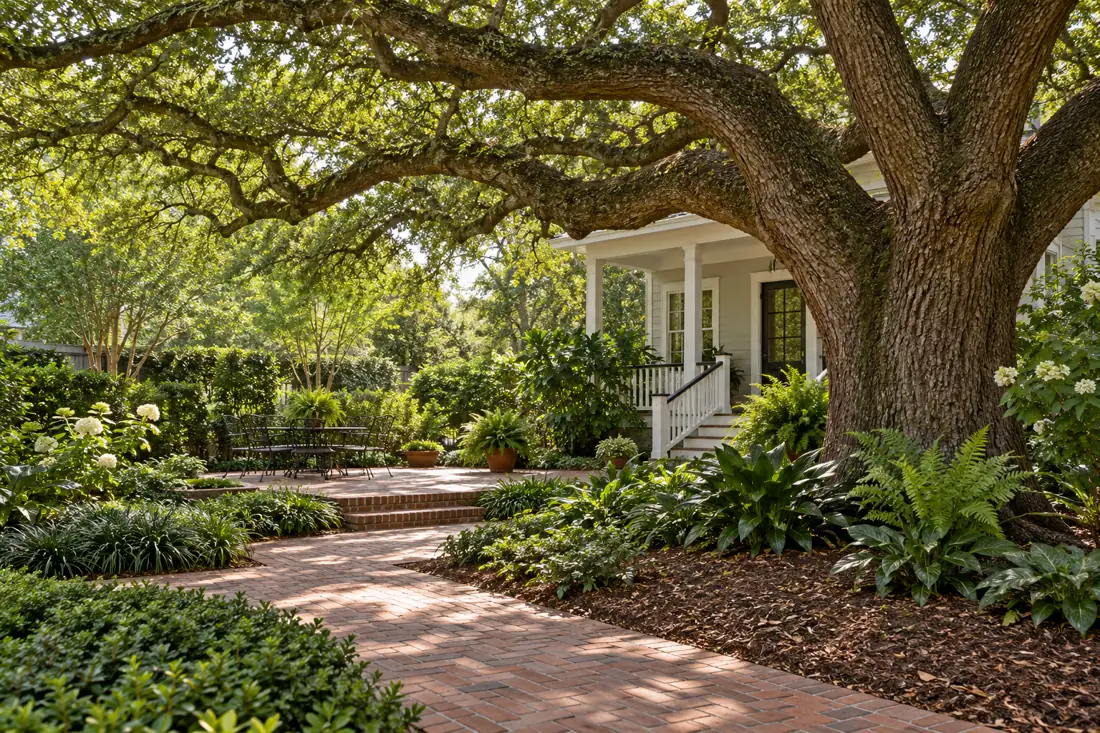
A courtyard tree may offer working room above a wall but almost no space to move wood afterward. Walk the full material route from trunk to pickup before approving a removal. Check gate clearance, sharp turns, old steps and passage height beneath any balcony.
Protecting the property involves more than avoiding contact with a roof. Courtyard drains, old masonry, planted beds and doors determine how material may be lowered and staged. A lift that cannot enter should not be assumed in the work estimate.
Compare bids by whether large pieces will be reduced inside the courtyard, what protects paving and how far cleanup extends along the exit route. Labeled before photos can distinguish tree-work scope from later repairs by a separate masonry or landscape professional.

Clarify tree ownership and any neighboring or public-space interface before requesting work beyond the area you control. A fence location or branch overhang alone does not settle that question. The property-manager service page provides related coordination context. For a public-tree question, confirm the appropriate official requirements with the responsible authority. Keep those arrangements visible in the project record rather than treating an estimate request or a resident’s preference as authorization to use every adjacent space.
Agree on how material leaves the courtyard
Ask what will be cut, processed, moved and hauled under the proposed scope. Identify the intended loading area and any limitations along the route between it and the tree. Material that can be seen from the street may still be behind a passage or wall that changes the work. A quote should make the accepted handling and destination clear enough that the owner or manager can compare it with another proposal describing the same task.
The debris planning hub explains related material decisions. If any wood or chips are requested to stay, discuss processing and the exact placement beforehand. Do not assume a courtyard is available for indefinite storage or that tree work includes preparing firewood for later use. The material decision should support the intended use of the space after the visit, including any separate cleaning, garden work or building activity the property team has arranged.
Make the stump-area handoff practical
Describe what will occupy the tree’s former position: a bed, open courtyard, lawn or a later construction element. The stump guide helps distinguish grinding from excavation and later surface work. Share known irrigation, drainage and buried-feature information with its limits and the responsible contact for confirmation. Do not investigate underground conditions or dig around the base just to provide a more detailed request.
Ask whether grindings stay or leave and who handles backfill, grading or the next finished surface. In a compact courtyard, these responsibilities can affect when another trade can start. Removing the standing tree should not be read as producing every later ground condition automatically. A useful handoff tells the owner and next contractor what has been completed and what remains, without relying on the word cleanup to mean several different operations at once.
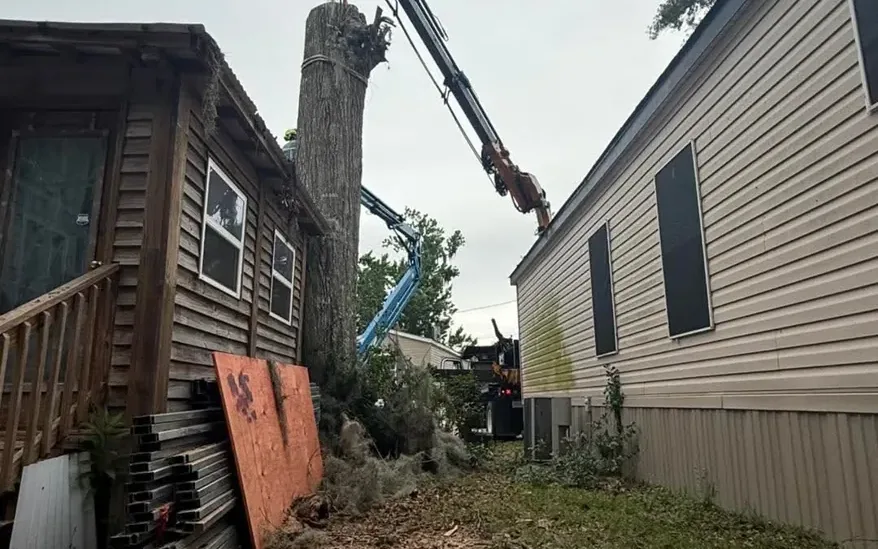
Coordinate occupied-building use and urgent changes
Explain the entrances and routes people regularly use, routine deliveries, pets and any work by other providers. A quiet courtyard in a photograph does not establish that it can remain available throughout tree handling and material movement. Discuss the work area and timing directly, then keep the responsible property contact informed when the accepted arrangements change. A gate that becomes inaccessible can matter even if the tree itself is unchanged.
If weather produces newly hanging wood, a failure, movement or another changed condition, keep people away and call 504-458-8336 about current availability. Immediate threats or electrical involvement need the appropriate emergency or utility response. The storm overview gives related context. Do not rely on a routine form to confirm dispatch or ask residents to approach unstable material so the company can receive more complete photographs.
Review a result that matches the accepted scope
Keep identified trees, work objectives, access assumptions, material handling and the required finish together. Name the person who can approve additions and review completion. If an absent owner needs labeled photographs or another record, agree on the output before work starts. The record should describe the actual courtyard tasks and remaining responsibilities, rather than implying that every tree around the building was assessed or every later property issue was resolved.
For example, a property could request selected balcony-clearance pruning, a separate courtyard removal and later bed reconstruction by its landscape provider. Each task has a different completion point even when the property coordinates them together. This is a planning example, not a claimed Lower Garden District job. Send the address, safe tree and route photos, objective and authorized contact so Tree Huggers can discuss the next review for your actual space.
Tree Service Lower Garden District questions
What helps describe a courtyard tree request?
Identify the tree, intended work, nearby building features and complete route from the street.
Does a large courtyard prove equipment access?
No. The entry, passage, corners, steps, overhead restrictions and surfaces need review.
Should I alter a gate before asking for an estimate?
Do not improvise changes. Send accurate photos and discuss the actual route first.
Can every tree in the courtyard photo be assumed included?
No. Identify each accepted tree and task in the scope.
What should I say about a balcony or roof?
Show its relationship to the canopy and describe the clearance or other objective you need reviewed.
Who should coordinate a shared courtyard?
Name the owner or authorized manager and the contact responsible for access and property use.
Can neighboring space be used without separate agreement?
No. Explain ownership and coordination before the work plan depends on it.
What should hauling pricing describe?
The material, processing, route, loading area and accepted destination or placement.
Can wood remain in the courtyard?
Discuss the exact material, processing and location rather than assuming storage or firewood preparation.
Does removal include a finished new surface?
Do not assume it. Clarify stump work, grindings, backfill and later restoration separately.
What if the tree changes before the scheduled visit?
Update the company and keep clear of unstable material; call about urgent availability.
How should the work be accepted?
Compare it with the agreed tree identifiers, objectives, access, material decisions and remaining-item list.
Let’s plan your tree work.
Send the property address, safe tree photos and the result you need. Include access restrictions and the person who can approve the work.