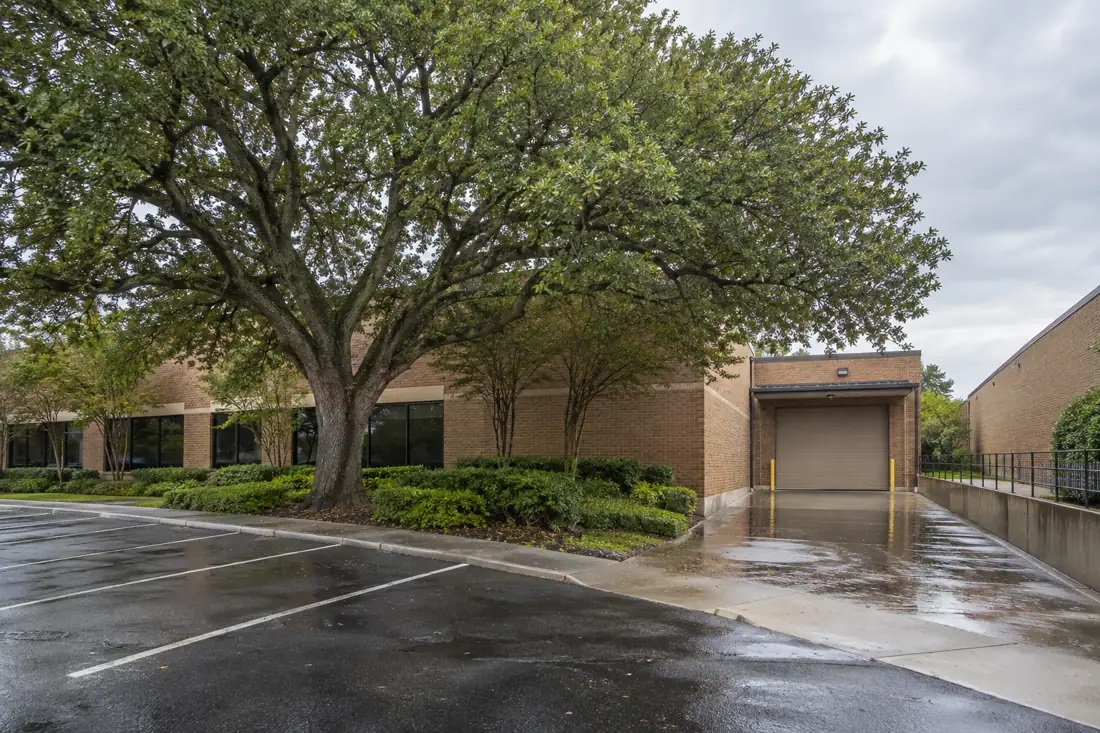
Commercial response protects access and continuity
Rank entrances by operational consequence
A blocked service drive behind a retail building can affect deliveries even when the main customer entrance is open. A hanging branch at an apartment walkway, loading dock, accessible ramp or emergency vehicle lane may call for a different initial decision. The property contact should identify which areas are occupied, which routes must stay usable and which tenant or facilities representative can coordinate access.
Preserve incident records and avoid asking staff to cross an unstable work zone for extra photographs. Tree-work priorities should be agreed with site management rather than guessed from an aerial view.
Define handoffs across trades and properties
For a portfolio or multi-building location, record separate site addresses, gate codes through secure channels, surface sensitivities, debris staging areas and a contact who can authorize each phase. Tree cutting, utilities, building repairs and landscape restoration may need different providers and approvals. No one should assume those services are bundled. The mobilization guide explains larger deployment logistics, while commercial tree service covers routine properties without a storm event. For multi-site work, identify who can approve each location and agree on how updates should reach the property contact before scheduling.
Prioritize hazards, access and operations
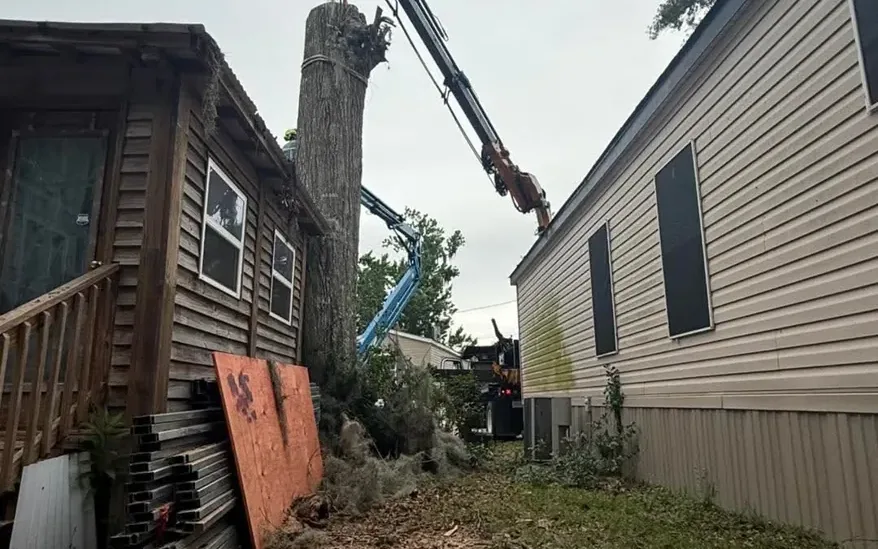
After a storm, a commercial property may have multiple tree problems at once: blocked entrances, hanging limbs over parking, trees against buildings, debris in drive lanes and damage near occupied areas. The work has to be sequenced around the property operation, not just the trees.
Practical scope and safety guidance: A commercial storm response plan should identify which hazards interfere with people, access and operations before equipment arrives. Give the site address, authorized contact, gate and loading restrictions, locations of emergency vehicles, public walkways, parking aisles and overhead utilities. Distinguish work needed to reopen a route from broader tree assessment, routine pruning and later landscape restoration. Some properties require staged work so tenants, residents, staff or deliveries can continue using safe portions of the site.
Photographs and a marked site map should identify each affected tree and the nearest workable setup location; crews should not be directed beneath a hazard just to get images. Request an itemized scope for cutting, controlled lowering, haul-off, stump services and surface protection. The party authorizing work should confirm any permit, insurance, procurement or purchase-order procedure instead of relying on a verbal request from someone without site authority.
Commercial storm response: keep operations separate from restoration
A commercial incident can involve a blocked fire route, unsafe pedestrian entrance, damaged fence and multiple tenant notices at the same time. Identify which access routes are unusable, which remain open under site control, and what the property manager has authority to approve. A photo sent from one tenant may show a branch but not the overall building or utility hazard.
An urgent request should clearly state the location, site contact, known hazards and any official restrictions without asking staff or residents to approach unstable material. After emergency access decisions, a written cleanup and restoration scope can be developed separately. The linked storm-planning guide is intended for household or property-wide preparation and evidence collection; this page addresses business continuity, controlled access and coordination across occupied commercial premises. Storm Tree Response Planning.
Identify life-safety hazards, blocked access and areas affecting business continuity.
Coordinate staging, equipment, approvals, tenant access and debris flow.
Capture job-related photos and close out the agreed scope by area or priority.
Multi-site and facility coordination
Property managers and facility teams may need work organized across multiple addresses. We can prioritize by hazard, occupancy, geography and equipment requirements, with clear site contacts and approval paths for each property.
Related commercial services
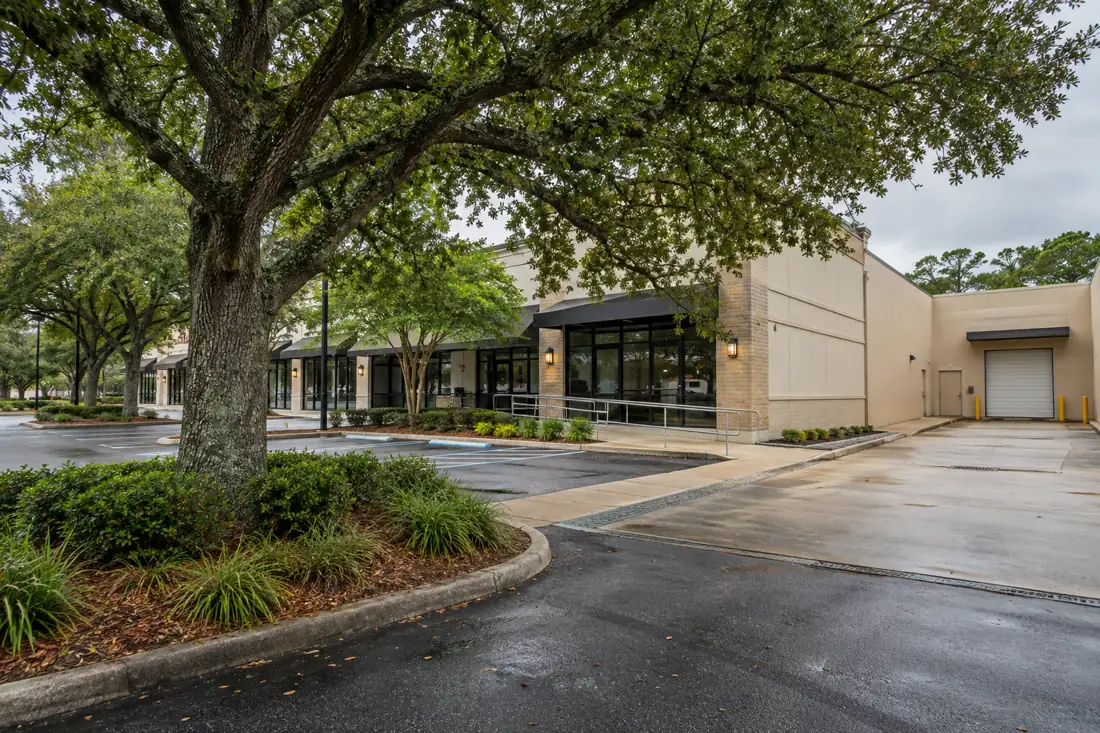
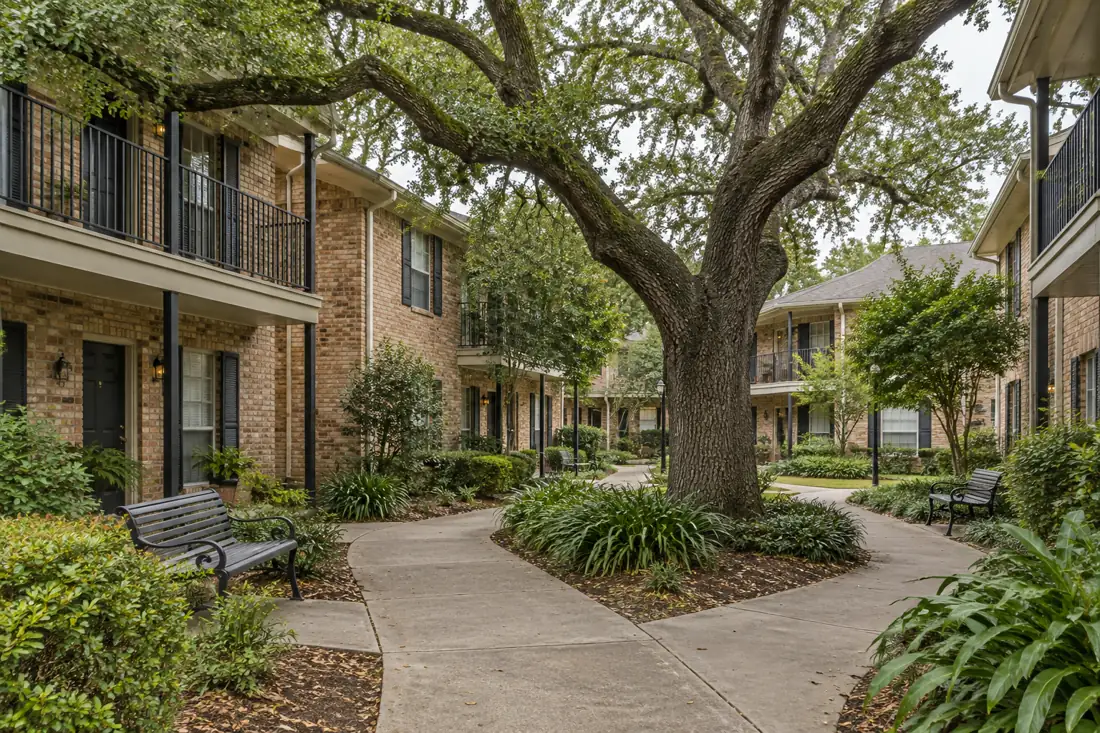
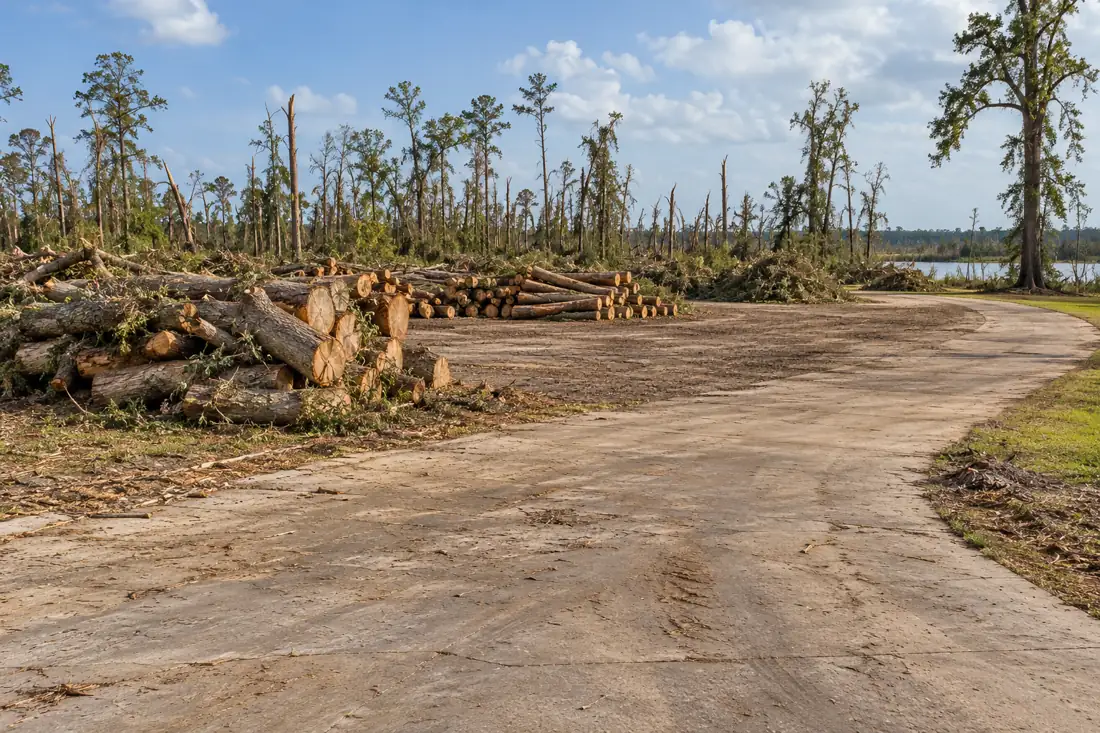
Build the first brief around the operating property
Name the property, full work address and current contact. Explain whether the concern affects an occupied building, delivery route, parking area or service entrance. The first message should connect the tree damage to the operation rather than providing only a site-wide photograph. Describe available alternative access and known restrictions so the response discussion can distinguish the immediate problem from later cleanup.
Call 504-458-8336 about current availability for urgent tree work. For immediate danger to people or utility involvement, use the appropriate emergency or utility service. A website submission is a request, not dispatch confirmation. The emergency service page explains that starting point. Identify who is currently coordinating the facility, because an outside purchaser may not know that an entrance has changed or that another damaged tree affects the planned approach.

Distinguish access priorities from confirmed work
Tell the company which route is needed for the property’s operation and whether another route remains available. That gives the conversation a practical objective. It does not establish that a particular entrance can be reopened immediately or that every damaged tree will be handled in a prescribed sequence. The actual condition, utilities, permissions and available resources still need review before a work plan is accepted.
Ask whether the proposed first stage addresses an access obstruction, a particular tree or complete cleanup of an area. Keep later work visible in the scope rather than assuming it follows automatically. The fallen-tree service and hanging-limb page explain related tasks. Coordinate site communications so occupants and deliveries do not rely on an informal statement that a damaged route is clear when the relevant providers have not established that condition.
Use one storm-response triage record for each affected zone. For a commercial property with several damaged trees, label each area by building, drive aisle, pedestrian path or parking row. Record whether the hazard is hanging overhead, resting on a structure, blocking emergency access or confined to landscape space. Assign an authorized contact to approve the sequence and coordinate utility clearance and tenant notices where relevant. Avoid sending workers into downed-line areas or changing electrical equipment. Keep completed-area photographs and disposal notes tied to the particular zone so the buyer can review the actual work.
Create one current list of affected areas
Use practical identifiers such as building A entrance, north parking row or rear service lane. Connect each identifier to safe photos and a short description. Separate standing damaged trees, fallen material and loose debris. A single storm can create different work types across the same site; combining them into one vague cleanup item makes it harder to review what the proposal actually includes.
Keep the list current when new information arrives from maintenance staff or occupants. If several addresses are involved, attach the address to each entry rather than relying on similar building names. The property management service provides related coordination context. Do not assume that a concern reported at one building establishes the condition at another. A readable area register lets the authorized contact compare the proposed scope against known conditions without inventing quantities or treating preliminary photos as a complete inspection.
Separate authority, access and day-to-day coordination
Name the person who can approve expenditure and scope, the person arranging entry and the person coordinating operations. These may be different people. Provide a practical way to resolve questions when the purchaser is off site. Keep private access information in the agreed direct channel and make sure the working contact list follows the request if responsibility changes during a larger response.
If vendor onboarding, purchase-order references or site instructions apply, send the actual current requirements. The company needs to confirm what it can provide for the request; do not assume certification, contract status or a particular document format from a general service description. The commercial service page offers a broader starting point. A clear approval path also helps when additional damage is found, so the crew does not receive conflicting additions from several people who use the property.
Review equipment movement alongside occupancy
Show the entire approach, setup area, loading location and route for tree material. Include gates, turning limits, damaged surfaces and conditions that changed during the storm. Identify entrances or activities that must be coordinated while that space is used. A broad parking lot does not automatically provide a suitable setup area, and an available service drive may still conflict with loading or other contractors.
The equipment planning hub explains the questions behind handling options. Machine selection follows the actual tree, ground and scope review. Discuss retained landscape, underground features and neighboring property along the route. Where other trades are working, identify their relevant tasks and contacts. The aim is a coordinated tree-work plan with understandable boundaries, rather than several contractors each assuming unrestricted use of the same small access or staging area.
Define the vegetative-debris boundary
List the material accepted in each area: trunks, branches, brush, chips or another identified tree-work item. Storm damage may contain fence wire, roofing, signs or building material that changes handling. Explain known mixed contents and uncertainty before hauling is arranged. Tree-debris work should not silently become an undefined demolition or general waste contract merely because the material is close to a damaged tree.
The storm cleanup page and debris removal service help frame those distinctions. Clarify retained wood, loading and the practical final surface. Stumps, grading, landscape replacement, building repair and utility work need their own assignments unless expressly included. For several sites, use consistent completion descriptions while allowing the actual tasks to differ. That gives the customer a reliable way to identify what is finished and what remains for another provider.
Agree on usable project records
Discuss what documentation the customer needs before work begins: identified areas, accepted tasks, relevant photos, change approvals and completion notes. Use site and tree identifiers that match the work list. Do not assume the tree company will supply an engineering report, insurer-specific package or public-program reimbursement documentation unless the actual requirement has been reviewed and accepted with the appropriate parties.
For public-property work, the government service page provides related inquiry context. Keep unsupported coverage, payment and eligibility assumptions outside the tree-work description. If a buyer uses a required record format, provide it early enough to discuss. Useful closeout evidence should describe what was actually performed and where, without inventing measurements, event causation or guarantees that another organization will accept a claim or pay the invoice.
Close each area before broadening the next stage
Review the accepted task list, current conditions and remaining items with the authorized contact. Distinguish a completed access task from later removal, stump work or property repairs. Keep additions visible as changes rather than folding them into an already accepted scope. A portfolio benefits from the same clear identifiers at inquiry, authorization and closeout, even when different people handle those stages.
As a planning example, a fallen tree across unused parking and a hanging limb above an occupied entrance create different coordination questions. That is an example, not a documented customer project. For large multi-site events, discuss the regional mobilization service with locations, expected work and contacts. A clear brief helps establish whether the project fits current capability and availability without promising deployment, a production rate or a particular completion date before review.
Prioritize operating access after a storm
After a storm, a commercial property can have simultaneous concerns at entrances, parking lanes, delivery approaches and landscaped edges. Identify which spaces remain occupied and which can be isolated. Report suspended wood, shifted trunks or contact with wires from a safe location; do not direct staff to move debris beneath overhead hazards. Access restoration may be a first task, but it does not mean every damaged tree or repair belongs to one emergency scope.
Number affected areas on a site diagram and connect each to current photographs, observed condition and nearby targets. Include when the report was collected, who has authority to approve work and what has changed since earlier photos. When several properties are involved, use one consistent format but separate the status and agreed scope for each. Do not let updates erase unresolved hazards or imply a site was completed simply because access to another area reopened.

Separate commercial reopening from remaining tree work
Discuss equipment approaches and wood loading around ongoing business activity. A route suitable for a small vehicle may not work for machinery. Note narrow turns, underground structures, signs, curbs, parked vehicles and restricted loading times. Share approved work limits with tenants or security staff through existing channels, and keep private gate details out of public notes or broadly distributed photographs.
For closeout, distinguish entrance access restored, tree tasks performed, vegetative material left for later stages and non-tree repairs assigned elsewhere. Keep actual photos and authorized changes with the accepted tree list. An accurate record supports property managers and insurers without suggesting that tree contractors repaired paving, roofs or every effect of the storm.
Commercial Storm Response questions
What belongs in a commercial storm response brief?
Provide site addresses, affected areas, current tree concerns, access priorities, safe photos and an authorized operations contact.
Does the first request confirm deployment?
No. Discuss current availability, scope and coordination directly. A form alone is not confirmed dispatch.
Can several properties be included in one inquiry?
Yes. Keep addresses, site identifiers, contacts and tasks separate so each location can be reviewed accurately.
How should tenants or staff report different concerns?
Use one current area list with consistent location labels and attach each safe photo to the relevant entry.
Who should approve scope changes?
Identify the authorized purchaser and a practical decision path before work, rather than accepting conflicting additions from several occupants.
Can the property specify an access priority?
Explain the route needed and alternatives. Actual sequencing depends on conditions and the accepted work plan.
Does a large parking lot guarantee equipment access?
No. Ground, setup, reach, routes, loading and active operations still need review.
Is mixed building debris included with tree material?
Disclose mixed contents and confirm the accepted boundary. Separate handling or providers may be necessary.
Will you use a required purchaser record format?
Send the current requirements before authorization so the company can review what it can provide.
Does tree-work documentation guarantee insurance payment?
No. Describe actual work and records without assuming another organization’s coverage, eligibility or payment decision.
What should closeout identify?
Use the agreed site and area labels to show completed tasks, material handling and items remaining outside the accepted scope.
When should regional mobilization be discussed?
For a substantial defined request, send locations, expected work, access conditions and contacts to discuss current fit and availability.
Let’s plan your tree work.
Send the property address, safe tree photos and the result you need. Include access restrictions and the person who can approve the work.