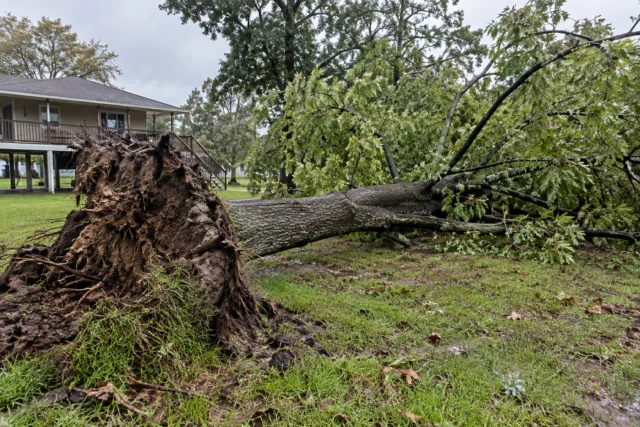
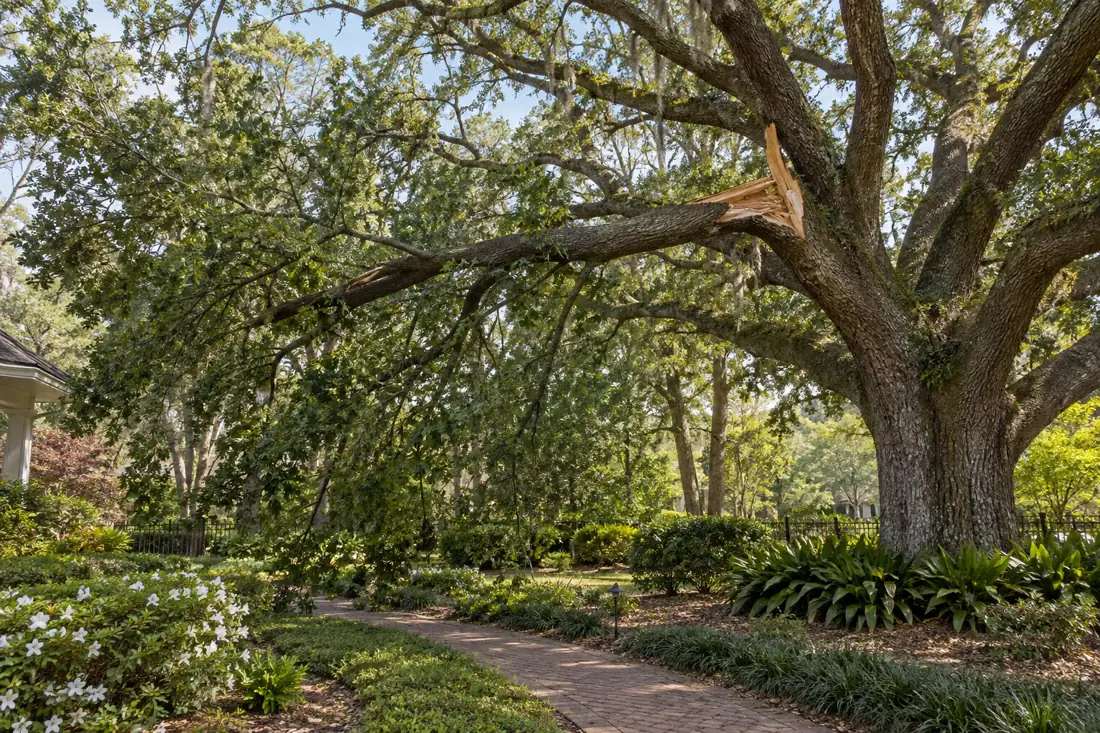
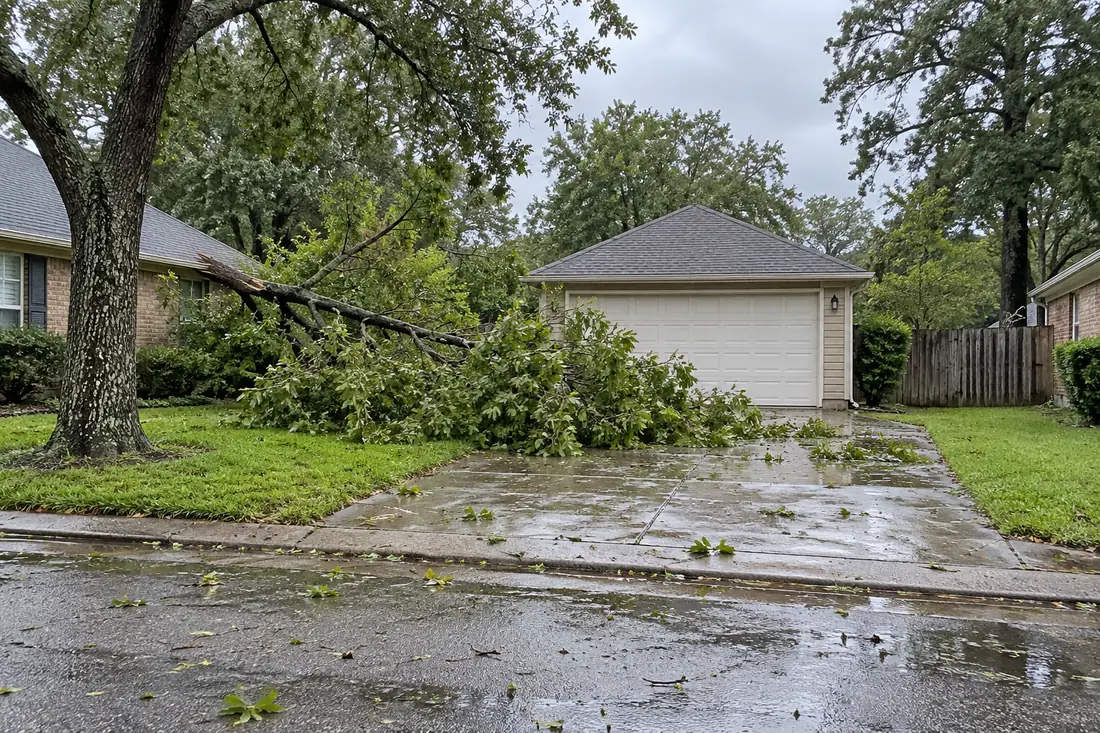
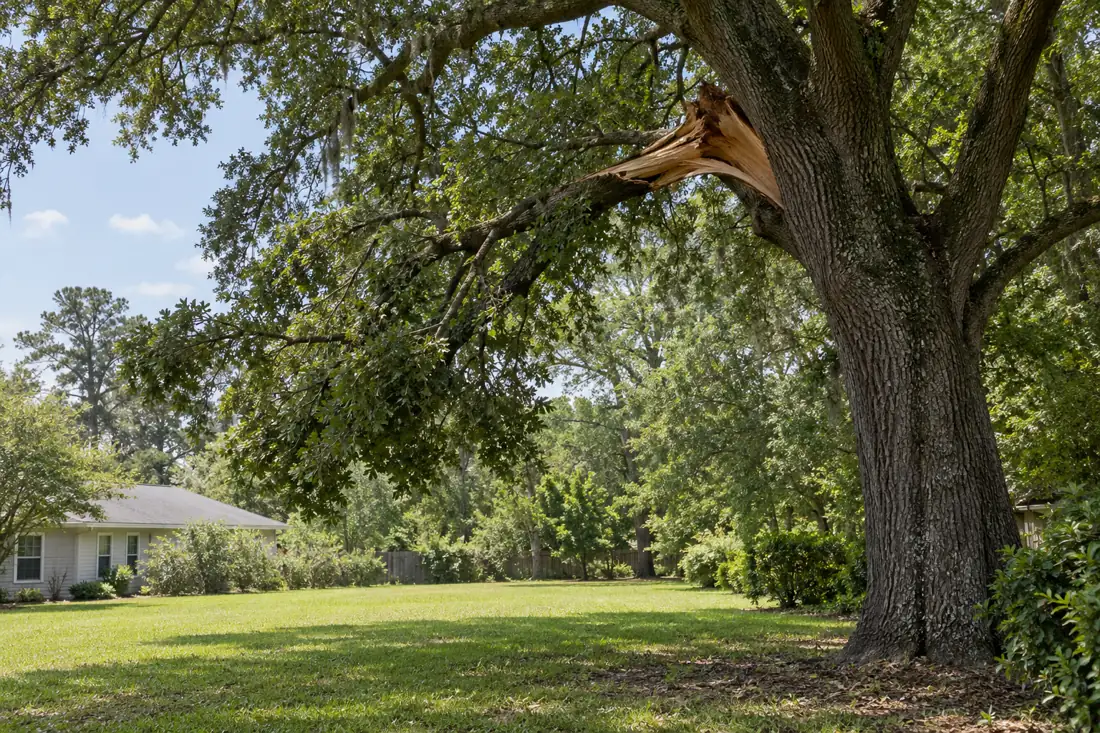
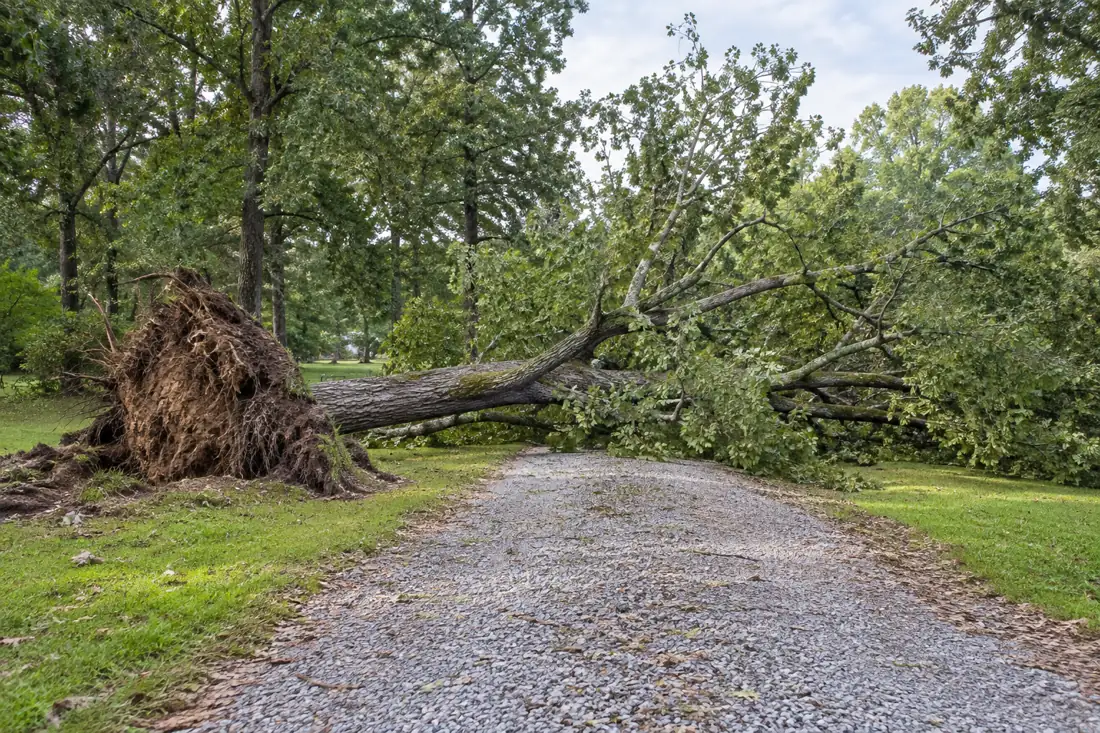
Hurricane preparation should focus on obvious defects and realistic targets, not panic pruning. Trees can fail for many reasons, but certain visible changes deserve attention before tropical weather.
Prepare a safe, specific pre-storm tree request
Before hurricane conditions reach the property, identify which trees overhang occupied rooms, driveways, pedestrian routes or utility corridors. From a safe distance, photograph the entire crown, the trunk-to-ground connection and any specific crack, broken branch or recent soil movement. Record whether the condition is newly visible rather than relying on a photograph without a date or viewpoint.
Ask for an assessment tied to the actual concern. A tree that merely has long branches is a different decision from one with fresh root movement; neither should trigger indiscriminate topping. Stop outdoor work when weather or official warnings make access unsafe.
Before a hurricane: use a bounded inspection window
Pre-storm preparation is about prioritizing observable changes while there is still time for a qualified assessment, not rushing into severe canopy cutting as weather approaches. Photograph apparent split leaders, recent soil heave, hanging branches and deadwood from a safe public or private vantage. Record whether those features are new and whether people or critical access routes are exposed.
Once severe weather is imminent, do not enter an unstable tree's fall zone or attempt owner-led corrective work. Follow official warnings and local access restrictions. The linked general danger-signs guide is useful outside hurricane season for documenting changes and arranging a normal assessment. This page specifically addresses how limited time and approaching weather change the order of decisions. Signs a Tree Is Dangerous.
Warning signs
Fresh cracks, recently increased lean, lifted soil near the root plate, large dead limbs, cavities, mushrooms near the base, broken hangers and weak unions are all worth evaluating.
Do not over-prune
Removing too much live canopy can stress a tree. If the main structure is severely compromised, pruning may not solve the problem.
Make the first review before the forecast becomes urgent
A calm-weather review gives you time to describe concerns, arrange an appropriate visit and discuss any recommended work. Walk the parts of the property you already use, looking from safe positions rather than entering neglected areas beneath questionable limbs. Note which trees overhang occupied rooms, driveways, entrances and gathering places. The aim is a useful list for a professional discussion, not a homeowner certification that everything else will withstand a hurricane.
Separate routine maintenance requests from a recent change. A long-standing low branch over a garden bed is different from a branch newly suspended after wind. Tell Tree Huggers which issue you are reporting and when you observed it. Ask about present availability and the scope of any assessment. When a storm approaches, weather, utility conditions and access can affect what work can be performed. An early inquiry improves planning but does not reserve a crew or establish that a specific intervention will be suitable.
Report new movement at the trunk or ground
A recently changed lean, new soil movement near the base or a fresh opening in a major connection deserves prompt attention. Describe the change rather than testing the tree. Do not push the trunk, pull roots, dig around the base or stand where material could fall. If you can compare with an older photograph taken from the same safe viewpoint, retain both pictures and explain the dates. Avoid returning to a questionable area simply to obtain a matching angle.
Tell the assessor about recent heavy rain, excavation, driveway changes or other work near the tree. Those details provide context without establishing a cause. The UF/IFAS discussion of tree failure explains that storm risk cannot be eliminated completely. Use the assessment to understand observed concerns and reasonable management choices. Do not interpret an absence of visible movement as proof that no root or structural issue exists, especially when the actual belowground condition has not been evaluated.

Distinguish ordinary debris from overhead concerns
Small twigs on a lawn and a large broken branch held in the canopy create different questions. From a safe location, describe whether the material is already on the ground or remains overhead. Note what lies beneath it and whether an entrance or route can be avoided. Photographs should show the whole setting as well as the branch, when a closer view is safely available. Do not walk under suspended material to decide exactly where it is caught.
The contractor needs that context to discuss urgency and plan a visit. Avoid assuming a branch is secured because another limb or tree is holding it. Keep children, pets and visitors away from the affected area. If an overhead line is involved, contact the utility rather than asking a general cleanup crew to begin work around it. Use emergency tree service for a current hazardous condition, while keeping routine yard-debris cleanup and future pruning as separate parts of the conversation.
Give cavities and canopy changes a history
An opening in the trunk, a sparse crown or a recently failed limb can be useful information for assessment. None of those observations alone gives an owner a reliable whole-tree diagnosis. State where the feature is, whether it appears new and what changed in the surrounding property. If a substantial limb has already fallen, save available pictures without moving material to recreate its former position. Ask whether the concern calls for a more detailed assessment than a pruning quote.
Do not conceal an old concern because you are unsure of its meaning. A note that a cavity was visible several years ago may be helpful even if no report exists. Equally, do not label a feature as harmless merely because the tree has survived earlier storms.
Ask the professional to relate the current observations to present targets and site use. A tree beside a newly occupied play area may require a different management discussion than it did when that corner of the yard was unused.
Replace panic pruning with an identified objective
A request to remove every low branch or take a large amount off the top is not a complete preparation plan. Explain the issue you want addressed: a damaged limb, vehicle clearance or a particular structural concern. Ask which pruning objective is recommended, where the work will occur and what should be retained. A useful proposal describes the intended work rather than making a broad promise that heavy cutting will make the tree hurricane-proof.
For the distinction between appropriate pruning and indiscriminate cutting, read why trees should not be topped. If a tree is not a suitable candidate for the proposed maintenance, discuss that before committing to a date. The work may require assessment, a different scope or a longer decision about removal and replacement. Keep storm readiness grounded in observed needs and an appropriate professional plan. It should not become an annual instruction to repeat the same heavy cuts regardless of the tree’s condition.
Prepare access and communication as well as the trees
A tree-work visit is easier to organize when gates, parking and property contacts are already understood. Photograph the access route, note the narrowest openings and identify utilities or surfaces that constrain equipment. Tell the company if a tenant, neighbor or manager controls a gate or shared driveway. Do not remove a fence or arrange traffic occupation based on a preliminary message; confirm the actual work requirements and permissions with the contractor first.
Keep your storm contact plan separate from the work estimate. Know how to report a utility hazard and how occupants will receive updates if a tree affects an entrance. If the property will be vacant, identify a reachable decision-maker and provide current access arrangements. These practical details help a provider evaluate the request without suggesting that service will be available during unsafe weather.
Confirm any schedule directly and report changed conditions before the crew travels, especially when rain or wind has altered the original tree or access route.
Keep an honest before-storm record
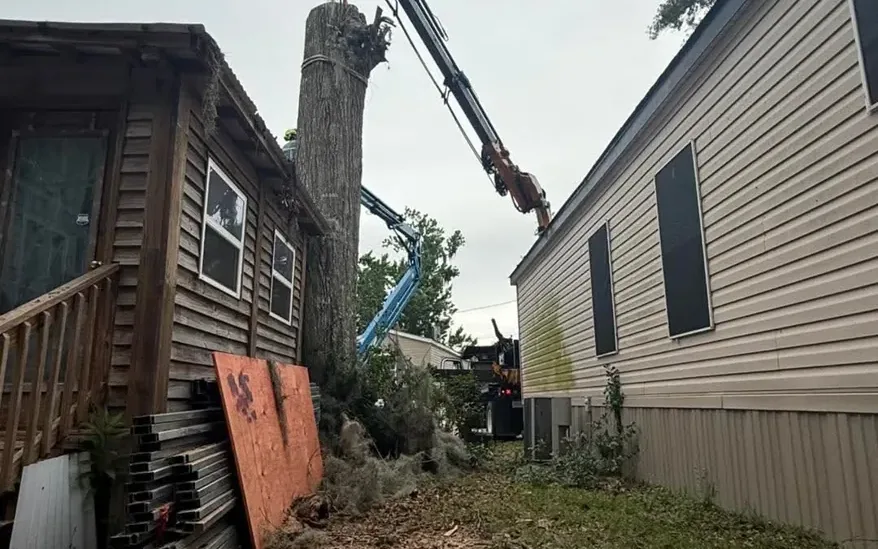
Store a few safe whole-property views and tree photographs with the date, recent work history and any professional recommendations. Those records can help explain later changes and keep maintenance discussions consistent. They are not a guarantee of the tree’s condition or an insurance coverage determination. Label them accurately and retain originals. If a contractor provides an assessment, preserve its limitations and follow-up instructions with the photographs instead of retaining only the most reassuring sentence.
If work is recommended but not completed before the weather changes, ask how to handle the unfinished item and affected area. Do not assume accepting a proposal means the hazard has been managed. After the storm, report new failures or movement before relying on an earlier assessment. The relevant question is the condition now, not whether the tree was on a preparation list last month. Keep the history available so the next discussion can build on actual observations and work rather than repeated guesses.
Send a focused pre-storm request
Include the property address, specific trees or areas of concern, safe photographs and the approximate time each change appeared. Mention large broken material, a changed lean, known root disturbance and the nearby buildings or routes people use. Say whether you want a maintenance quote, a condition-focused assessment or review of a current urgent problem. This lets the company discuss the right next step rather than treating every storm-season message as the same service request.

The pre-hurricane inspection guide and storm resource center can help organize the wider property plan. Follow official weather and emergency instructions when conditions deteriorate. A website guide does not establish safe access during an active event. The useful outcome is a clear list of concerns, a professional response suited to the site and an understood work status, with no promise that preparation eliminates every possible storm-related tree failure.
Screen hurricane-season tree concerns without panic pruning
Start hurricane preparation well before a forecast brings urgency to the property. From a safe location, identify each tree by where it stands and note recent changes: a major limb that fractured, new exposed roots or soil movement, a widening union crack, extensive deadwood or a changed lean. Differentiate a long-standing shape from something genuinely new. Old photos and dated observations can help a qualified provider understand the timing, but images alone cannot establish the safety of hidden roots or wood.
The consequence of a defect depends on what the tree could strike. A canopy over an occupied building, an evacuation route or frequently used parking area deserves different consideration from a similarly sized branch over unoccupied open ground. Keep people away from an obviously compromised area while advice is being obtained. Do not enter a tree to remove a hanger, cut a leaning trunk or move branches touching power lines. Utility and emergency contacts take priority where electrical or immediate life safety is involved.

Sort visible changes by urgency and site exposure
A rushed request to remove large amounts of healthy canopy can introduce other problems. Proper pruning has a defined purpose and should be planned around tree species, structure and timing, not a general belief that fewer leaves always means fewer storm failures. Some concerns require a condition-focused assessment, while others are straightforward deadwood or clearance work. Ask the contractor to explain the objective of proposed cuts and whether retention, support, removal or monitoring is actually being considered.
Prepare a concise tree-by-tree list with safe photographs, the target beneath each tree, visible changes, access notes and the purchaser's contact details. Understand that services may have limited capacity during active weather threats and no submitted request guarantees a response time or crew dispatch. After a storm, update the description rather than relying on pre-storm photos. This record can guide a safer new triage decision without implying that pre-season work makes trees hurricane-proof.
A pre-hurricane triage map rather than a panic-pruning list
Walk the property only while conditions are safe and identify targets first: bedrooms, a frequently used entrance, parked vehicles, public walkways and any overhead utilities. Note obvious defects such as hanging limbs, newly opened cracks, disturbed soil around the root plate or a rapid change in lean. A healthy-looking canopy does not rule out root or structural problems, and an old scar alone does not prove imminent failure. Separate observed warning signs from assumptions in your notes.
Set three action levels with the reviewing professional: immediate exclusion or utility referral, a prompt tree assessment before storm conditions arrive, and ordinary follow-up maintenance. The list should identify the exact tree and the relevant location instead of saying only 'several large trees.' Avoid requests for aggressive topping to make the canopy smaller; poorly placed cuts can create weak regrowth and new hazards.
If electrical wires are involved, maintain distance and use the utility's established safety procedure rather than sending a tree crew into an energized area.
Once warnings are issued, stop outdoor inspections and do not schedule dangerous work in approaching winds. Keep an accessible copy of the site map and prior photos for the post-storm assessment. After the weather, compare changes from a secure position; never walk underneath broken hanging limbs to repeat a photo. The safest preparation is an earlier documented assessment and a realistic plan for occupied areas.
Practical handoff checklist
- Label each tree against a building or route on the site plan.
- Distinguish defects from normal species characteristics.
- Assign an action owner and safe deadline before conditions deteriorate.
- Keep the same viewpoints for later storm-damage comparisons.
For related context, see the storm cleanup planning guide. This planning information is not a substitute for an on-site professional assessment.
Signs a Tree May Be Dangerous Before a Hurricane questions
Can a tree be made hurricane-proof?
No assessment or pruning plan can eliminate every possible failure. Ask about observed concerns, reasonable management options and remaining limitations.
When should I request a pre-storm review?
Start in calm weather, allowing time for assessment, permissions and appropriate work rather than waiting for an urgent forecast.
What movement should I report?
Report a recent change in lean, ground near the base or a major union from a safe position; do not test the tree.
Is a hanging branch safe if another tree holds it?
Do not assume it is secure. Keep clear and describe the overhead condition and what lies below it.
Should I top trees before hurricane season?
Indiscriminate topping is not a storm-readiness plan. Ask for pruning objectives based on the actual tree and concern.
Do old cavities always require removal?
No single feature decides every case. Provide history and ask for an assessment appropriate to the tree and targets.
Does surviving previous storms prove future safety?
No. Current condition and site use still matter, and some defects may not be visible to an owner.
What if power lines are involved?
Keep clear and contact the utility. Do not start cleanup or enter the affected area to obtain photos.
Should an absent owner name a local contact?
Yes. Identify who controls access, receives updates and can approve the scope or changes.
Does an accepted quote mean a concern is resolved?
No. Confirm the work status and any interim restrictions; an accepted proposal does not mean work has occurred.
What should I do after the storm changes the tree?
Report the new condition and ask what further review is appropriate before relying on earlier recommendations.
What belongs in the first message?
Include the address, safe views, specific changes, nearby occupied spaces and whether you need maintenance, assessment or urgent availability reviewed.
Let’s plan your tree work.
Send the property address, safe tree photos and the result you need. Include access restrictions and the person who can approve the work.