What changes crane-removal cost?
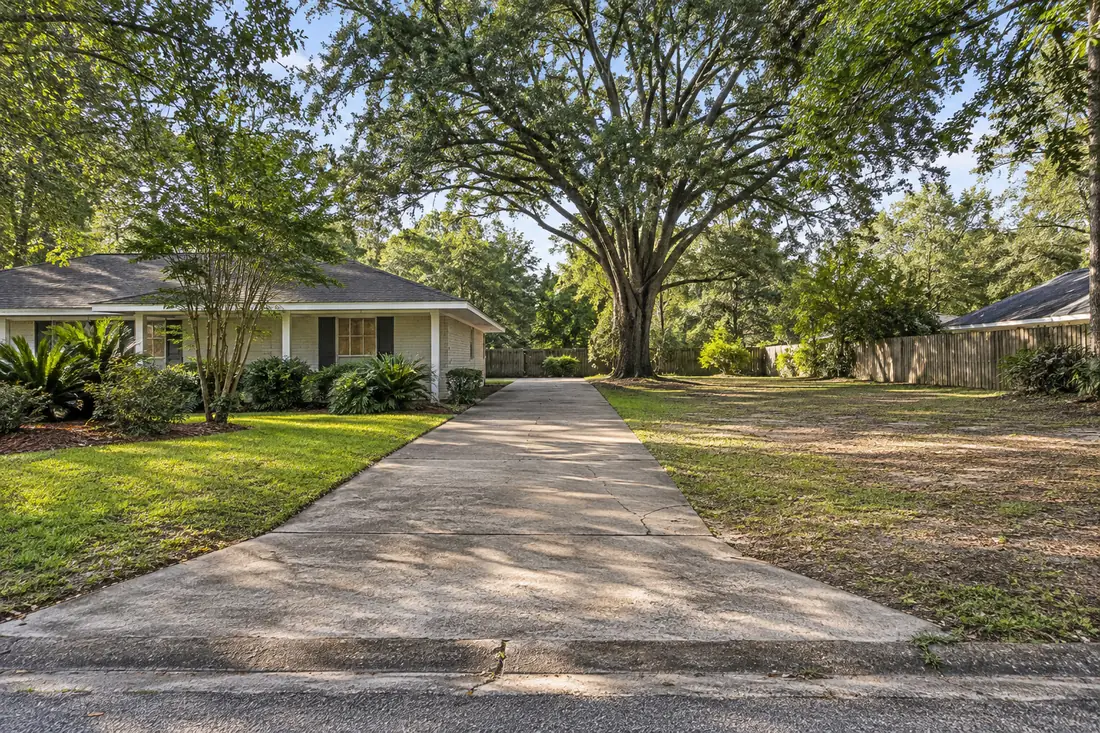
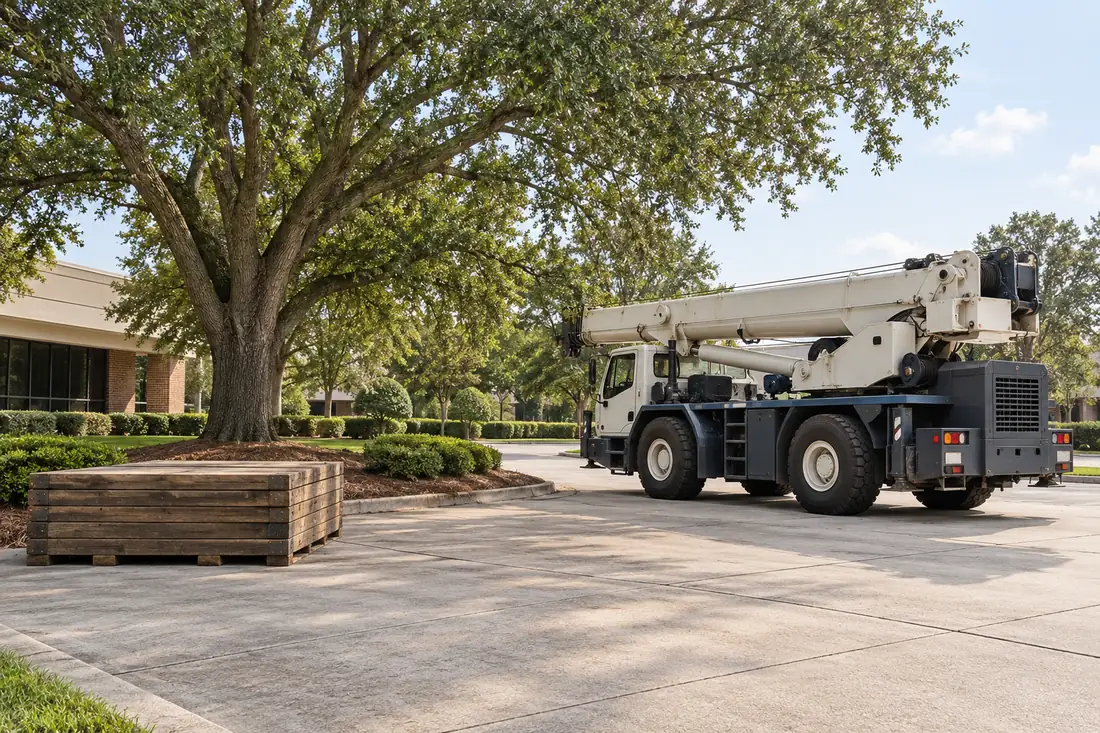
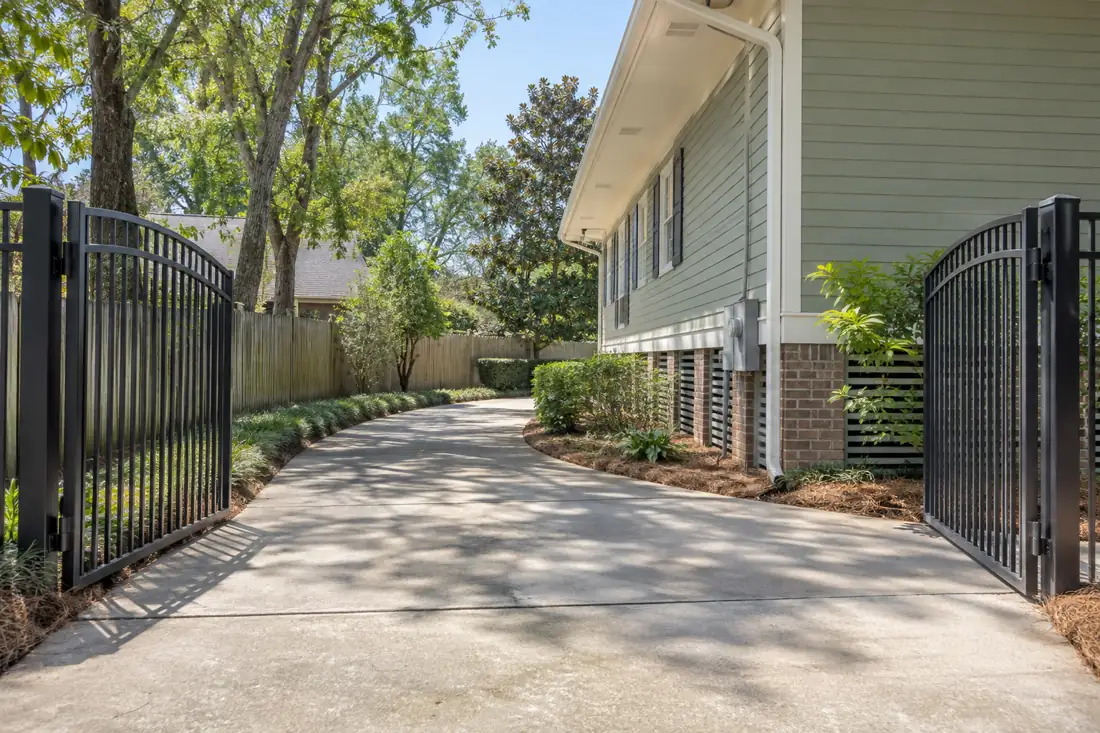
The crane needs a practical position with suitable access and ground conditions.
What makes a crane-assisted removal quote comparable
A crane is not a shortcut around evaluating a tree. First identify the portion that cannot be lowered safely through conventional rigging, the lift route, the distance to the truck, and whether the machine can occupy firm ground without restricting a road or driveway. The tree crew may still need climbers, riggers, ground personnel, protection mats, and a separate haul-out operation. Ask which of those services the written quote actually includes.
Two crane quotes may describe different work. One might include traffic controls, site access preparation, a full debris haul and stump work, while another assumes the owner handles permits, parking and cleanup. Compare the sequence of operations, the estimated equipment footprint, and who is responsible for restoring lawn or paving surfaces. A low headline amount does not identify the eventual scope or the safe method.
For a useful site review, provide ground-level photographs from the street, the tree base, the side yard and any overhead lines, taken without entering a hazard area. Include approximate gate openings and note shared driveways. The crew should determine whether crane use is actually appropriate; neither a photograph nor a generic size estimate can settle lifting capacity, clearance or the removal plan.
Longer reach and heavier sections can change equipment needs and production.

Efficient pick planning can reduce how long specialized equipment is required.
A crane quote starts with the actual setup area
A crane can be an appropriate part of a removal plan in some constrained situations, but an estimate should distinguish equipment access from the tree-cutting scope. Provide views of the proposed setup area, nearby structures, utility lines, road space and the distance between the tree and possible machine position. A crew cannot reliably infer legal street occupation, ground bearing or lift geometry from the tree height alone. Do not promise that a crane will be used before the qualified contractor evaluates the site.
Ask whether the price description includes traffic or pedestrian controls, required permissions, setup protection, debris handling and stump work, rather than assuming those tasks are bundled with equipment time. The setup-space guide addresses a feasible working footprint and how access is checked; this cost page is for understanding why proposals can contain different mobilization and scope components without claiming a standard crane rate. For the related but distinct decision, see Crane Setup Space for Tree Removal.
A crane can reduce labor on the right job
Equipment cost is only one side of the equation. If a crane allows large canopy sections to be supported, cut and moved quickly, it may reduce repeated rigging and manual handling. That can make the overall project more efficient even though specialized equipment is involved.
Not every large tree needs a crane
Some trees are better suited to conventional rigging or mechanized cutting. Tree Huggers evaluates the site and uses crane assistance when it improves control, production or access.
Separate the equipment question from the project total
A crane-assisted removal quote should explain the tree work the customer is purchasing, not simply list a machine rate. Ask what problem the proposed equipment addresses and what other activities are included. Setup, handling, processing, loading and the agreed cleanup all belong in the project discussion. A higher equipment component does not by itself establish that the total is worse value than another suitable method.
Likewise, a claim that a crane will always save money is not a substitute for a property-specific estimate. The comparison needs the same trees, condition, access and finished result. Ask whether the provider needs an on-site review before confirming equipment suitability and price. The owner should understand why an approach is proposed without having to choose a crane size or design the handling operation. Those technical decisions belong to the qualified people responsible for evaluating and performing the actual work.

Explain the tree’s position and current condition
The height of the tree is only part of the information needed. Show its spread, nearby roofs, the base and any known damage from safe viewpoints. Tell the provider about recent failures, changed lean or material resting on another feature. Do not enter a hazardous area to estimate weight or obtain a close measurement. An initial photo set can prepare the visit without establishing every condition needed to plan the work.
Ask what further assessment is required and how any changed condition affects the proposal. OSHA’s tree-care inspection guidance emphasizes assessment of the tree and work site. This page is an owner-planning guide, not a lifting procedure or a statement of which operating rules apply to every job. The qualified provider needs to determine appropriate procedures and applicable requirements for the actual equipment, people and location rather than relying on a customer’s estimate of a branch or trunk section.
Ask for a crane plan rather than comparing equipment labels. A crane-assisted removal estimate should identify why that method is being considered, how the machine reaches the setup area and where outriggers can stand without damaging utilities or unstable ground. Access restrictions, lift radius, traffic control, rigging, permits and the number of handling stages can change the scope. Ask which parties provide the crane, who coordinates the lift and how wood leaves the property. Height alone cannot establish a dependable price.
Show possible setup space without certifying it
Send broad views of the street approach, driveway, nearby buildings and ground around the tree. Identify overhead lines, fixed fixtures, slopes and surfaces that cannot be crossed. A space that looks open in a photograph is not automatically a suitable setup location. Tell the contractor what is known and what remains uncertain, including private underground features or past ground disturbance that may affect the discussion.
Do not promise that a driveway, slab or yard will support a machine based on appearance. The provider must review suitability and any further professional information required. If another owner’s property or a public area is being considered, confirm the necessary permissions and coordination for the location. An accepted tree-work price does not itself grant that access. Making these boundaries clear before scheduling helps prevent a quote from relying on a setup assumption that the customer never had authority or information to confirm.
The setup geometry matters before a crane appears on the estimate
A crane may be helpful when sections cannot be lowered safely within the available work zone, but it is not automatically the preferred method for a tall tree. The operator must evaluate the lifting radius, working surface, overhead restrictions and the route for moving equipment. A tree that seems close to the street can still present difficult access if the setup position is too far from the load.
Ask for the proposal to identify the removal method being considered and how site protection, traffic control, load handling and cleanup are treated. Avoid treating a general crane rental figure as the cost of a completed tree-removal job. If utilities, permits or neighboring access may be involved, those dependencies belong in the scope discussion before a schedule is fixed.

Include the destination for removed material
Ask where material will be handled after it leaves the tree and how it will be processed or loaded. An open setup position does not guarantee that a suitable handling area is also available. Identify vehicles, entrances, gardens and other trades’ work areas around the property. If the owner wants wood retained, describe the destination and whether additional cutting or moving is part of the requested result.
Do not assume a street or neighbor’s driveway can serve as a temporary processing area without confirmed arrangements. Ask how the proposed work affects normal access and who communicates restrictions to occupants or deliveries. These logistics can influence the complete removal scope independently of the equipment component. A useful estimate shows the customer-facing site arrangement clearly enough that the owner can prepare the property and authorize the actual work, while leaving detailed handling decisions to the people responsible for the operation.
Clarify the way equipment time is quoted
Ask whether the proposal is a fixed total for a defined result or uses stated variable components. If time-related charges are involved, ask what activities the quoted period includes and how changes are authorized. Avoid assuming a universal hourly rate, minimum period or travel charge from an unrelated project. The actual contractor should explain its pricing arrangement in the proposal so the customer knows which assumptions affect the total.
Ask for optional follow-up work to be distinguished from the accepted removal scope, with any unresolved pricing variable stated clearly. Keep that clarification with the proposal so another decision-maker can understand the agreement without relying on a conversation they did not attend. Tell the company about genuine deadlines and other providers that must act before or after the removal.
A delay caused by unresolved utility work, unavailable access or a changed tree may require a revised arrangement. Ask how that possibility is handled rather than expecting one preliminary number to cover every condition. Clear authorization and communication make a variable scope more understandable. They also help the owner compare it with another proposal that may include different activities, timing assumptions or responsibilities in a single fixed figure.
Compare alternative methods on equal terms
A crane is one possible tool, while another project may fit conventional handling, a grapple saw or a different arrangement. Ask why the proposed method is suitable and which alternatives were considered where relevant. Do not select from advertised maximum reach or machine size alone. The method comparison guide helps frame the customer discussion without replacing the provider’s technical review.
When two approaches are offered, confirm that they address the same identified trees and final scope. Include property protection, material handling, hauling and stump treatment in the comparison. One proposal may appear cheaper because it leaves wood for the owner or assumes access the other provider has excluded. Clarify those differences before interpreting the price. The useful comparison is between feasible plans for the actual property, with the intended result and limitations understood, rather than a contest between equipment labels detached from the job.
Define the handover after the crane leaves
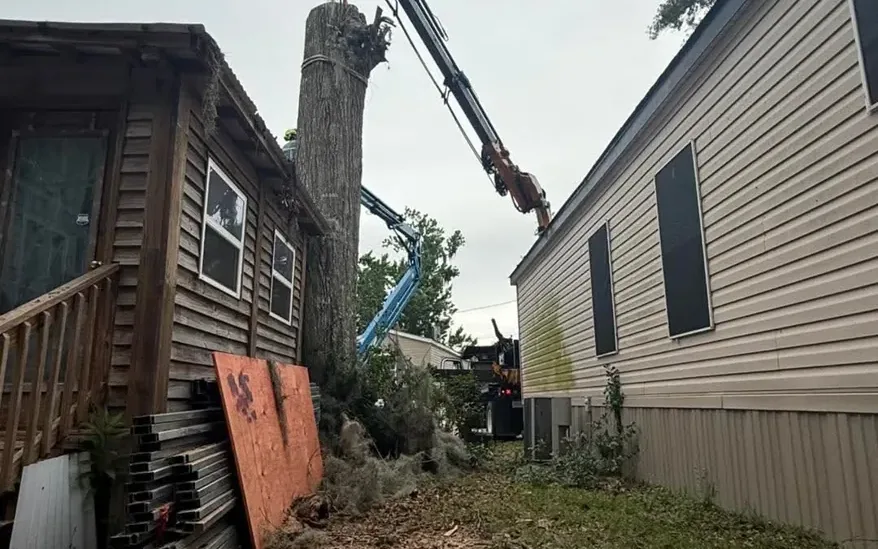
Confirm which material is hauled, what remains and whether stump grinding is included. Ask who restores a temporary access opening and which landscape or surface work is separate. The end of specialized equipment time is not automatically the end of every project task. An owner planning a fence, driveway or garden improvement should coordinate the required preparation with the provider responsible for that next stage.
Keep the accepted scope and any authorized changes with the final invoice. At handover, compare the completed tree work and material handling with the agreement from a safe permitted location. Record unfinished tasks clearly with a responsible contact. For broader scope questions, see New Orleans removal-cost planning. A useful completion record explains the work actually performed and the agreed finish, without implying that a machine’s departure certifies unrelated building, soil or future-construction conditions.
Separate equipment allowances from the removal quote
When comparing crane-assisted tree removal costs, request a written description of the complete work: tree sections, travel and setup, control of material, debris handling, site protection and the expected finished condition. The number of hours a crane is present does not independently establish the final price, and the least expensive equipment allowance does not always mean the least expensive complete job.
Ask whether an on-site evaluation is needed to confirm bearing surfaces, reach and access. Confirm how a changed setup, parking restriction or unexpected obstruction would be discussed before additional work is authorized. Keeping these dependencies visible makes two estimates easier to compare without advertising an unsupported fixed price.
Request a crane-review estimate with complete context
Send Tree Huggers the address, safe whole-tree and base views, nearby structures and the full approach and possible setup area. Note utilities, known underground features, delicate surfaces, access permissions and any deadline. Say whether the request is for removal pricing or an assessment before deciding on the tree. The company can then discuss the information or visit needed before equipment, scope and price are confirmed.
Use crane tree removal for the service inquiry and large-tree removal for the wider property context. A dependable proposal connects the equipment decision to the actual tree, access and finished result. It should leave the customer able to understand what is included, which assumptions remain and how changes will be approved. That is a stronger basis for budgeting than an invented machine rate or a promise that the largest available crane is automatically the best choice.
Understand what makes crane-assisted tree work appropriate
Crane-assisted removal can be useful when a heavy crown stands above structures or when conventional branch handling would require repeated complex rigging. That does not mean every large tree needs a crane. The property-specific question is whether a controlled lifting and handling plan is suitable for the tree, nearby obstacles and available staging space. A proposal should explain the reason for the equipment rather than treating its presence as a measure of quality.
Crane setup is not decided from a street photograph alone. Ground conditions, underground services, driveway construction, grade, overhead lines and clearances affect where a machine can stand and what work is feasible. Tell the provider about known septic systems, recent excavations, buried utilities, retaining walls and restricted street access. Any necessary permissions or utility coordination must be established by the responsible parties before an operational plan is approved.

Equipment selection is part of the site plan
Material still has to move after it leaves the tree. Clarify where lifted sections would be placed, how wood is processed, and whether trucks can enter and leave without interfering with neighbors or business operations. A long reach or awkward staging location may change the equipment, support vehicles and total job duration. The owner can help by documenting access conditions but should not perform lifting calculations or enter a hazardous area for photographs.
Compare crane and non-crane proposals using the same finished scope: tree sections included, protection expectations, hauling, stump handling and approved changes. Ask what happens if a planned setup cannot be used safely on arrival. An estimate should not imply guaranteed savings from one technique or conceal exclusions within an equipment charge. The finished result and realistic site constraints matter more than the machine label.
Compare complete crane-removal quotes, not crane-hour labels
A crane line item is only one part of a tree-removal estimate. Two proposals can use a crane and still describe substantially different work: setup and travel, traffic coordination, qualified riggers, cutting and loading, chip or log processing, hauling, ground protection and cleanup may be included or excluded in different combinations. No meaningful comparison follows from a bare equipment rate, and there is no responsible price promise without assessing the individual site.
Request the same written finish from every bidder and identify the conditions that could change the scope. A long reach may change lift capacity or setup choice. A narrow road may require a different staging plan. Decayed, storm-damaged or interlocked sections may require more cautious sequencing than intact wood. Use the crane-removal service page to understand the proposed method, then use this cost-focused guide to examine allowances, exclusions and responsibilities before accepting an estimate.
- Ask whether traffic control, permits or property-access permissions are in the quoted work.
- Compare final debris handling and surface restoration alongside machine time.
- Record which conditions trigger a revised proposal rather than an assumed fixed-price guarantee.
For the related but different decision, see Crane Tree Removal. Confirm the work required for this property before relying on a general example.
Crane Tree Removal Cost questions
Is a crane rate the same as the removal price?
No. The complete project can include setup, tree handling, processing, loading, hauling and other agreed tasks.
Does a crane always make removal cheaper?
No guarantee applies. Compare feasible complete scopes for the actual tree and site.
Can I confirm setup suitability from a driveway photo?
No. Photos help prepare the review but do not certify ground, surfaces, overhead conditions or system suitability.
Should underground features be disclosed?
Yes. Share known private systems and ground history and ask what further information is required.
Can public or neighboring space be assumed available?
No. Confirm applicable permissions and coordination before relying on it in the plan.
Should I estimate the weight of branches myself?
Do not enter a hazardous area or attempt operating calculations. Qualified people determine suitable handling procedures.
What should time-related pricing explain?
Ask which activities are included, which variables affect the total and how changes are authorized.
How can two equipment approaches be compared?
Use the same identified trees, access assumptions, handling, cleanup and finished result.
Does the equipment leaving mean everything is complete?
No. Confirm hauling, stump work, access restoration and any separately assigned follow-up.
Is stump grinding always included?
No. It should be expressly defined with material handling and any preparation needed for the next project.
What if utility or access conditions change?
Tell the provider before arrival and ask how the scope and scheduling arrangements need review.
What photos help the first request?
Show the tree, base, nearby structures, full approach and possible setup space from safe viewpoints.
Compare crane-related proposals on the same finished job
A quote that lists a crane charge but excludes traffic control, tree dismantling, staging or haul-away cannot be compared directly with an all-inclusive removal proposal. Ask each bidder to specify equipment access, anticipated work window, scope of lifting, handling of branches and trunk material, debris destination, final cleanup and what could trigger a revised scope. The right question is not simply the crane’s hourly rate: it is what work the coordinated operation will complete and what remains for another contractor.
Use the crane-assisted removal service guide to understand whether the site’s physical constraints justify discussing that method at all. Use the general removal-cost guide if you are comparing a crane proposal with rigging, lift or other methods. Keep hazard assessment separate from price comparison.
A tree’s condition can change after wind or rain, so report new visible damage before work begins and request a revised approach if needed. No published guide can promise a quote without seeing the property and establishing an authorized scope.
Related decisions: Crane Tree Removal · Tree Removal Cost in New Orleans
Let’s plan your tree work.
Send the property address, safe tree photos and the result you need. Include access restrictions and the person who can approve the work.