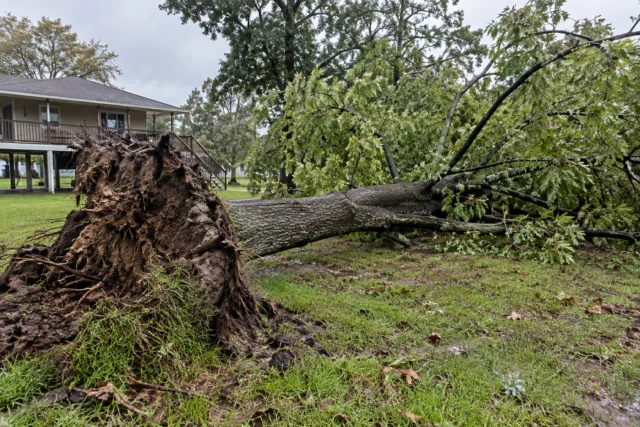
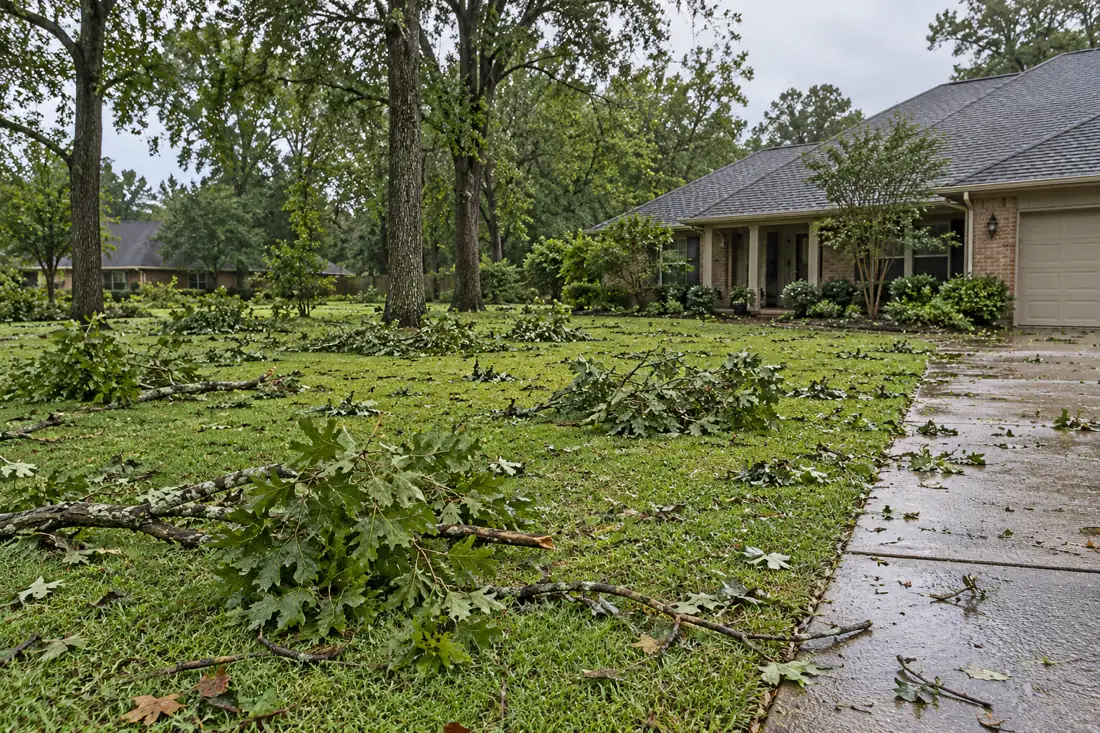
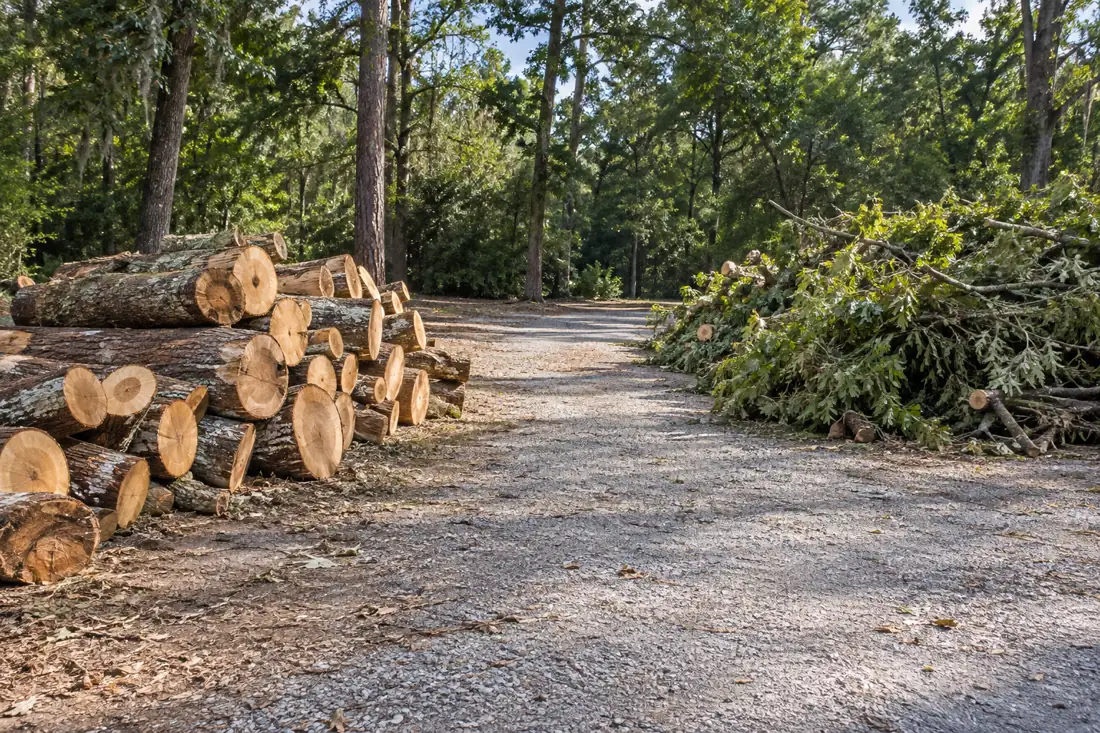
Built for larger, documented scopes
Commercial and public-sector tree work demands more than routine residential production. The site may have restricted access, occupied buildings, public traffic, multiple subcontractors, deadlines and documentation requirements. Tree Huggers approaches these jobs by defining the tree-work package clearly, matching equipment to the scope and coordinating around the needs of the broader project.
Before mobilization we look at access, tree size, targets, overhead hazards, disposal or staging requirements, work windows, crew needs and the sequence that gives the project the best chance of staying productive. That planning matters even more after severe weather, when local infrastructure and disposal routes may already be under pressure.
Tree & Limb Removal
Focused on the work that must happen first so the rest of the project can proceed safely and efficiently.
Debris Reduction
Equipment and work sequencing are matched to access, material size, site restrictions and production goals.
Loading & Hauling Coordination
Tree work is coordinated around owners, site managers, traffic, other trades and the larger project schedule.
Site Documentation
Photos, locations, completion notes and scope records can be maintained when the project requires documentation.
Where Tree Huggers fits
We can work directly for an owner, property manager or agency, or as a specialty subcontractor under a prime or general contractor. The right arrangement depends on the contract structure and what portion of the work is actually tree-related. Our strongest fit is where large trees, difficult access, storm damage, mechanized removal or woody vegetative debris require a dedicated tree-service operator.
Clear scope, clear handoff
A useful scope identifies what is being cut or removed, what material is being processed or hauled, what stays on site, what access must remain open and what supporting documentation is expected. When those items are defined early, production is easier to measure and fewer assumptions are left for the field crew to resolve.
Related capabilities
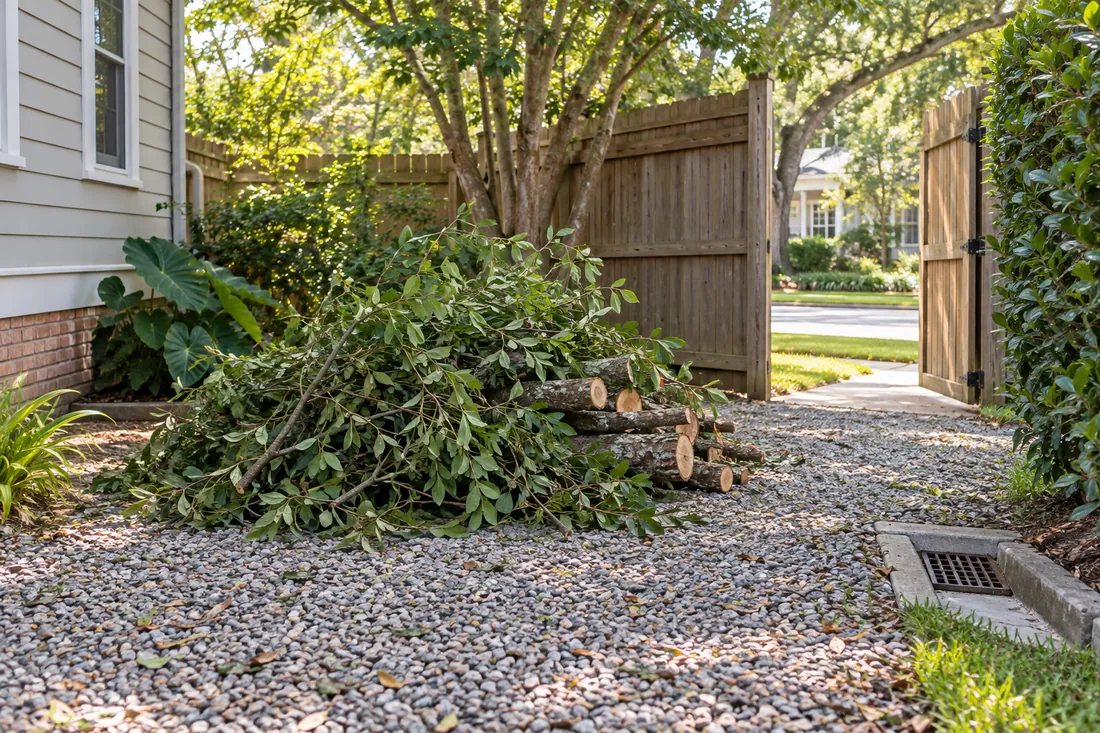
Vegetative Debris Removal
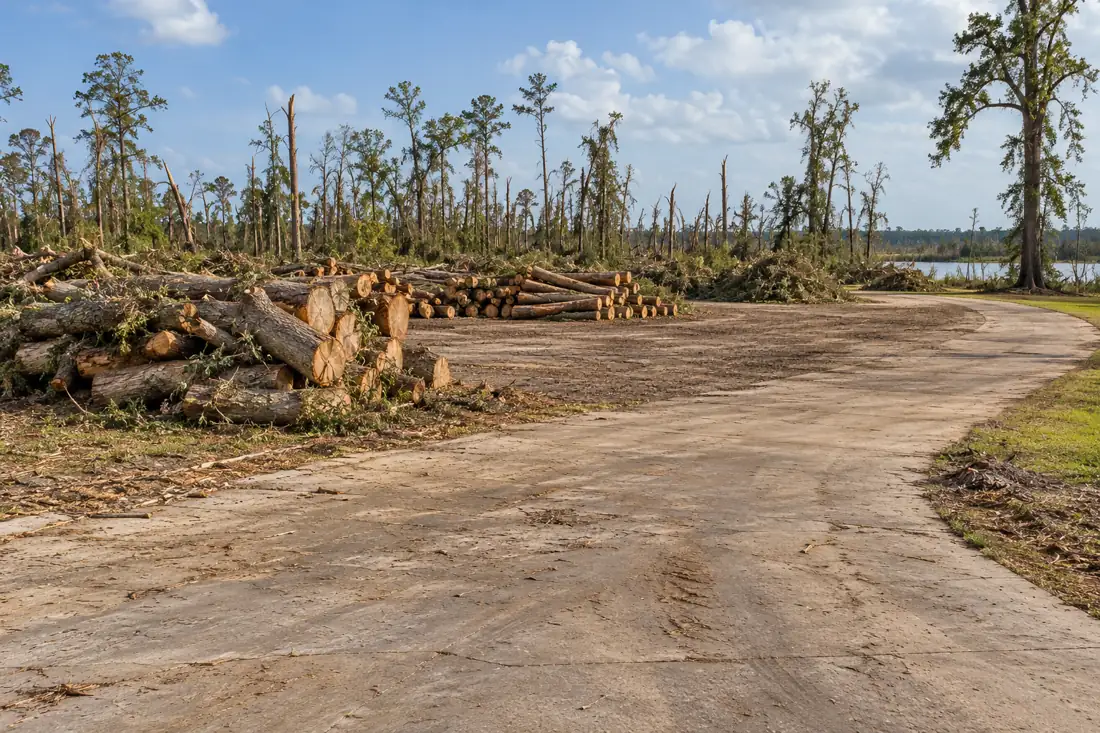
Disaster Mobilization
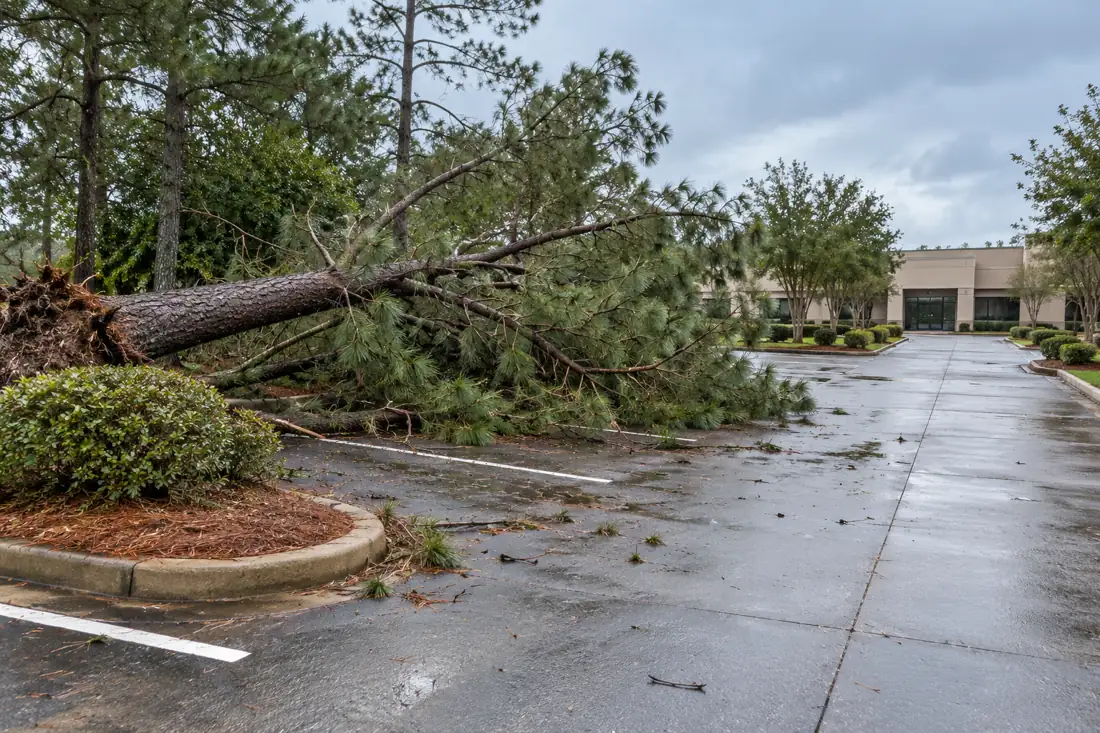
Commercial Storm Response

Define the disaster debris mission before selecting trucks
Large disaster debris operations do not begin with a picture of a grapple truck. They begin with an authorized purchaser, a defined incident, the locations that the contract covers, the eligible material categories, and a documented quantity or unit-price method. A private commercial campus may contract directly for cleanup. A city or parish may procure debris contractors under separate rules. A prime contractor may assign one specialty package to a tree-work subcontractor. These are different projects even when the piles of branches look similar.
Tree Huggers can review a defined tree and vegetative-debris work package and discuss equipment and staffing assumptions. Its stated capability should not be confused with an active government contract, a FEMA designation, a standing public award or approved hauling volume. Ask the buyer to provide the solicitation, site maps, collection boundaries, debris-monitor requirements and permitted disposal chain. Without those details, a broad promise to remove “all storm debris” conceals legal, safety and payment uncertainties.
Separate right-of-way collection from private-property work
Debris beside a public road is not automatically eligible for a particular funded program. Jurisdiction, ownership, who placed it there, the disaster declaration, the applicant’s legal responsibility and specific eligibility criteria all matter. A commercial owner can hire a private contractor to clear its property, but should not assume a parish debris collection program will accept everything from that site. Private-property removal under a public program may require special findings and approvals that are outside an ordinary tree-service quote.
The federal regulation at 44 CFR 206.224 addresses public-interest debris removal and limitations on assistance. Its existence does not establish eligibility for any particular address, contractor or invoice. The responsible governmental applicant and program administrators make those decisions. In a quote, distinguish private-property collection, public right-of-way pickup, debris from waterways, and work at public facilities. Contract limits should be evident before anyone cuts or hauls material.

Identify what counts as a payable load
Vegetative debris includes limbs, tree trunks, brush and sometimes stumps or root balls, but their acceptance and measurement can vary by contract. A single truck may contain mixed lengths and densities, creating disputes if the buyer’s unit is not clear. Some contracts measure cubic yards by capacity and load fraction; others use weight, unit items or pre-authorized work quantities. Do not invent a conversion between weight and volume for wet hardwood, compacted chips and loosely stacked limbs.
When a public debris monitoring system is required, the truck’s capacity and load volume may be validated by designated monitors and controlled tickets. FEMA’s debris monitoring guide provides examples of load-ticket procedures, but buyers must follow the version and process adopted for their incident. In a private project, a signed delivery receipt or documented haul count may suffice. The right method is the one agreed and supported before work, not whatever seems simplest after the last truck leaves.
Map an uninterrupted collection-to-disposal path
A debris operation can involve collection at the point of damage, temporary staging, mechanical reduction, transportation and final acceptance. Every transfer introduces equipment needs, environmental exposure and recordkeeping requirements. A site that is perfect for picking up brush may be unsuitable for loading large trucks; an accessible temporary staging area may not have permission to operate a grinder. Choose the route and process around actual land use, traffic, environmental and facility requirements.
Ask for the designated debris management site, its hours, material acceptance criteria, hauler credentials if required, distance, route restrictions and monitoring contacts. A buyer should explain whether reduction is authorized, whether chips are reused, and which party controls final disposition. Do not claim a privately selected empty lot is a valid public disaster staging site. The proposal must distinguish work Tree Huggers would perform from disposal, environmental review, hauling or site operations assigned to other qualified vendors.

Start a daily production and reconciliation system
One large storm may produce scores of work orders and hundreds of movements between pickup and disposal. Without a common identifier, loads can be misattributed to a street or site, duplicated in an invoice, or lost during a crew change. A practical record identifies the assigned segment, tree or pile reference, date, equipment, load number, destination, authorized ticket, operator and any applicable monitor signature. A private job may use a simpler daily worksheet but still benefits from matching collection and disposal records.
The office should compare accepted tickets against work orders before issuing an invoice. Missing or rejected tickets should be resolved while supervisors remember the route, not at closeout weeks later. The purpose is not to maximize numbers by creative rounding; it is to produce quantities that both sides can verify. Keep protected customer details out of unnecessary public photos and analytics events. Contract documents, authorized monitors and any public records obligations determine what must be retained and how it is shared.
Plan safe routes through crowded recovery zones
Storm-damaged neighborhoods contain compromised trees, unreliable traffic signals, temporary utilities, flooded shoulders, emergency responders, volunteers and residents moving possessions. Large equipment may require routes that ordinary pickup trucks can use only with difficulty. Identify bridge limits, turning radius, school zones, work hours, one-way streets and where a truck can safely load without blocking emergency vehicles. A city can close one road while another must remain open; the contractor should not guess which roads are available.
Traffic control for public corridors requires the appropriate authority and a plan consistent with applicable standards, including the current FHWA MUTCD. Separate crew work zones from public drop-off and volunteer collection areas. No hauling schedule justifies cutting around energized conductors or placing trucks beneath unstable tree crowns. The operation should have stop-work authority when hazards, weather or access conditions change, and a procedure for informing the buyer about resulting adjustments.
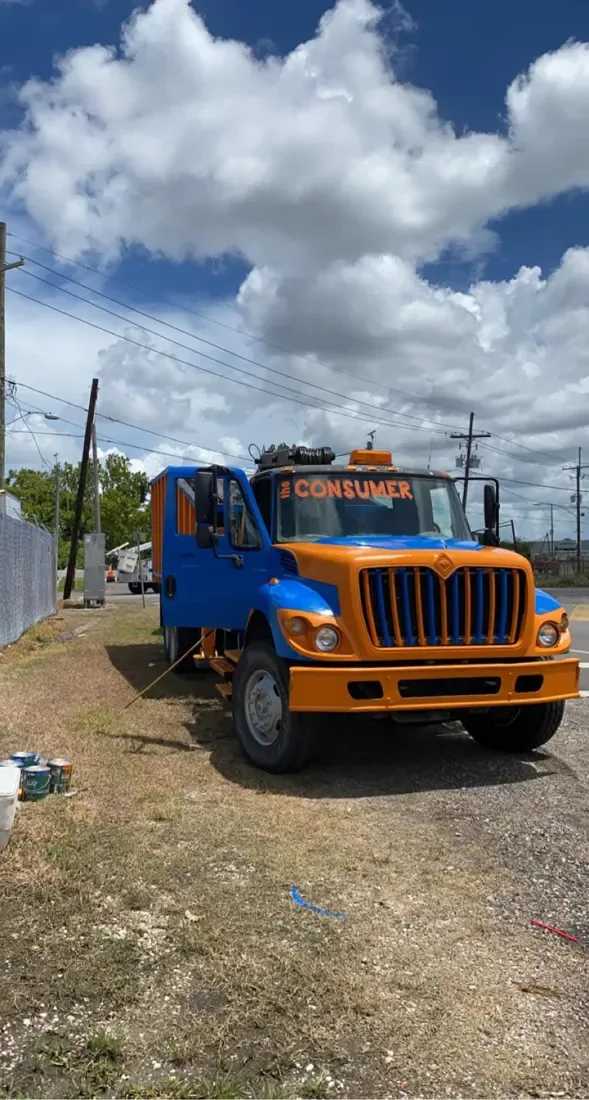
Manage hazardous limbs, whole trees and loose brush differently
Already-cut vegetation may be suitable for bulk loading after the site is made safe. Hanging broken branches, uprooted trees with unstable root plates, and trunks leaning onto structures may require qualified tree removal before any collection operation. Stumps with attached soil can raise load weights and destination restrictions. Wood contaminated with construction debris, chemical spills or electrical components may need a different chain of handling. Each category should be assessed before a truck or grapple approaches.
For tree hazards, identify the target and approved method of controlled removal, the landing zone and any required engineering or utility coordination. The buyer may have separate line items for hazardous trees, limbs, hanging branches or stumps in a public assistance framework, but the particular contract and program guidance control eligibility. Do not advertise specific diameters, cut thresholds or reimbursement rates as universally applicable. Keep the field team’s safety decisions distinct from the administrator’s later funding decisions.
Address staging-site and environmental constraints early
A temporary reduction site can concentrate noise, dust, runoff, truck traffic and fire risk. It may need permits, environmental review, drainage controls, security, operating hours and a site restoration plan. A useful project schedule identifies whether the staging location has been approved, who operates and maintains it, and who provides waste-stream segregation. Calling a pile a “temporary site” does not exempt it from relevant rules. The contractor should not silently accept an unpermitted disposal obligation.
Public and private buyers should describe whether work includes mulching, grinding, reusable timber, recycling or final disposal. An inaccessible site after rain may require an alternative hauling route or temporarily reduced production. If the job is beside wetlands, waterways or historic resources, agency approvals can be especially important. Tree Huggers’ tree-work scope may feed an authorized debris stream without making it the operator of every downstream facility. Document the exact handoff to prevent material from being stranded.

Make the contract’s change process usable in the field
Disaster conditions evolve: another road becomes accessible, previously hidden trunk sections are exposed, a utility imposes an exclusion area, or the authorized work map changes. A contract should specify who can order extra locations, how quantities are approved, and which documentation precedes payment. Verbal instructions from an unidentified person standing beside a loader are not a reliable basis for expanding a public work order. A foreman needs a simple and safe escalation route.
Keep vegetative debris categories separate from other site waste
A workable debris hauling scope identifies exactly what material belongs in each category and which location it occupies. Vegetative logs and branches may follow a different handling process from construction waste, metal or mixed household debris. A visual site inventory should not merge these categories into an undefined pile called storm cleanup.
Identify where material can be safely staged without blocking drainage, private access, emergency routes or a facility’s normal operation. Trucks may need turning room and a clear approach; the safest staging location is not always closest to the fallen tree. For an occupied site, specify who controls the loading area and work hours.
Ask whether the proposal includes cutting, consolidation, loading, transportation, disposal charges, final surface cleanup and documentation. An agency or commercial client should establish measurable units and approval procedures before expecting field crews to resolve every scope difference on site.

If a buyer calls for emergency access clearance today and full hauling next week, issue distinct scopes or clearly documented phases. Track what remains hazardous at each handoff and which trade accepts responsibility. A contractor should not promise unspecified 24-hour production, unlimited equipment, or immediate parishwide mobilization unless those commitments are actually documented and supported. Clear boundaries protect the customer and allow a capable specialty crew to focus on the work it can safely perform.
[/fusion_text][/fusion_builder_column_inner][/fusion_builder_row_inner]Close out with evidence of the accepted result
Completion means more than showing an empty truck. The buyer should have a list of completed segments, accepted quantities, required load tickets, disposal or transfer records, location-matched photos, authorized change orders, and outstanding exclusions. Check that travel lanes, drainage entrances, hydrants and accessible paths are usable. Confirm whether restoration of disturbed soil, damaged surfaces or landscaping is included or passed to a separate contractor. A verified closeout avoids arguing over which piles were in the original scope.
For a contracting inquiry, supply the solicitation or private work package, anticipated locations, material categories, unit of measure, reporting method, staging rules, expected schedule, traffic requirements and authorized contact. Tree Huggers can review whether a defined tree-work or hauling package is appropriate, without promising public eligibility or a governmental award. For immediate obstruction instead of multi-site collection, see emergency debris response. For already-safe piles on a private site, see vegetative debris removal.
Related Tree Huggers services
Review these adjoining service scopes when your project crosses more than one type of work: Debris Removal.
Questions about Disaster Debris Removal & Hauling
Is Tree Huggers a contracted FEMA vendor?
This page does not claim a FEMA contract, an agency award or approved reimbursement status. Verify each procurement independently.
Is all disaster debris eligible for federal funding?
No. Eligibility depends on the incident, applicant, legal responsibility, location, material and applicable rules.
Are private property piles automatically eligible?
No. Public assistance for private-property debris has specific conditions and approval requirements.
What is a load ticket?
It is a project-specific record used to document a debris load’s origin, type, quantity and destination when required.
Does every project measure cubic yards?
No. The contract controls measurement; some use load volumes, weights or unit prices.
Can wood be taken to any open lot?
No. Staging, reduction and disposal locations need proper authority and may require permits and environmental controls.
Are hazardous hanging limbs included in bulk hauling?
Only if the contract specifically covers qualified hazard removal. Loose brush and suspended tree material are different tasks.
What is a debris management site?
It is an authorized location for receiving or processing debris under a defined operating and environmental plan.
Who supplies debris monitoring?
The public or private contract should identify the monitoring responsibility and required records.
How do contractors document daily collection?
Use approved work-order or segment IDs, load records, dates, material categories, destinations and acceptance evidence.
Can a prime contractor subcontract tree work?
Potentially, under approved procurement and subcontract terms that identify methods, insurance and scope boundaries.
What is needed to request a hauling bid?
Supply the authorized work area, material categories, expected quantities, units, staging and disposal rules, schedule and documentation process.
Get a scope for your property
Disaster-scale debris hauling is a logistics and documentation operation as well as a tree service. Identify authorized collection districts, material types, approved staging or disposal facilities, road restrictions and any separation rules for vegetative versus other debris. A site map should show safe equipment entry, likely truck paths and areas that may remain closed after the initial response.
Share governing specifications or contract requirements rather than assuming a private quote can satisfy public reimbursement or reporting rules. Do not invite residents to relocate unstable debris into the roadway for easier pickup.
Ask for a written operational scope identifying collection boundaries, loading methods, truck or equipment coordination, load-record requirements where specified, material acceptance and disposal documentation. Clarify who provides monitors, approves tickets, certifies quantities or authorizes changes; those duties may belong to the public owner or its designated team. Include traffic controls and final inspection responsibilities. The statement of work should separate rapid debris clearance, longer-term hauling and restoration of damaged infrastructure. No reimbursement outcome or contract award should be promised by the tree-service page.