A clearer picture of the scope


Example: Large oak removal
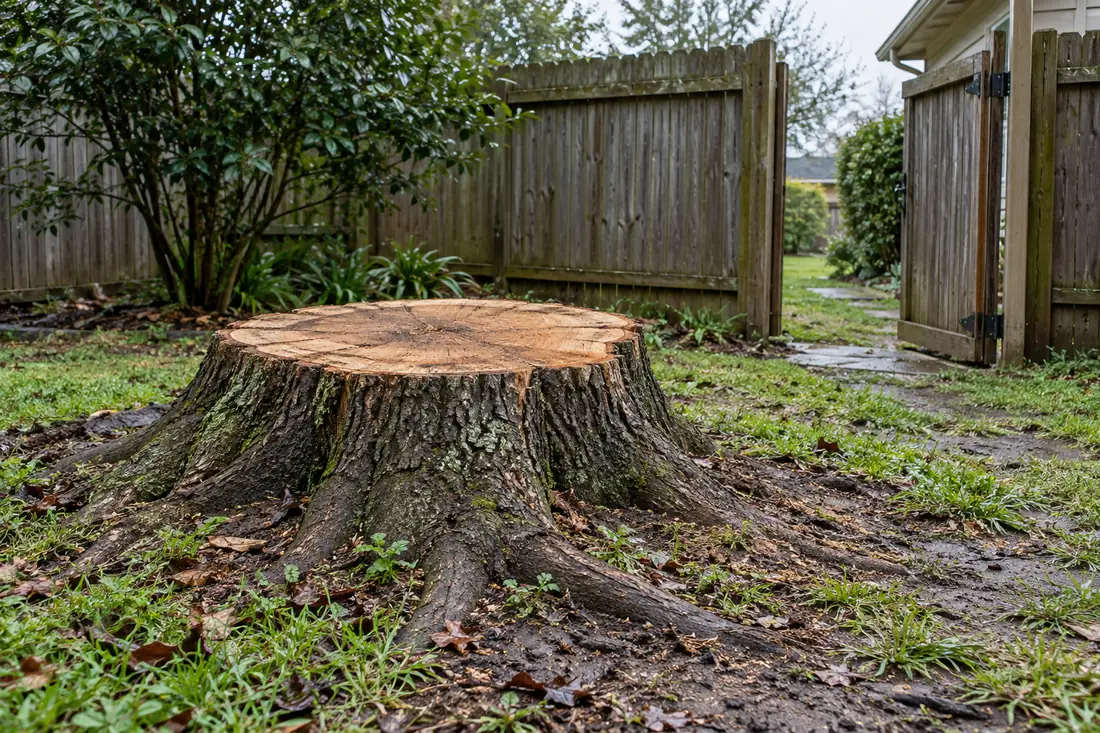
The same home with the large oak removed. Stump finish, hauling and restoration should be specified in the estimate.
When the size of a tree changes the removal plan
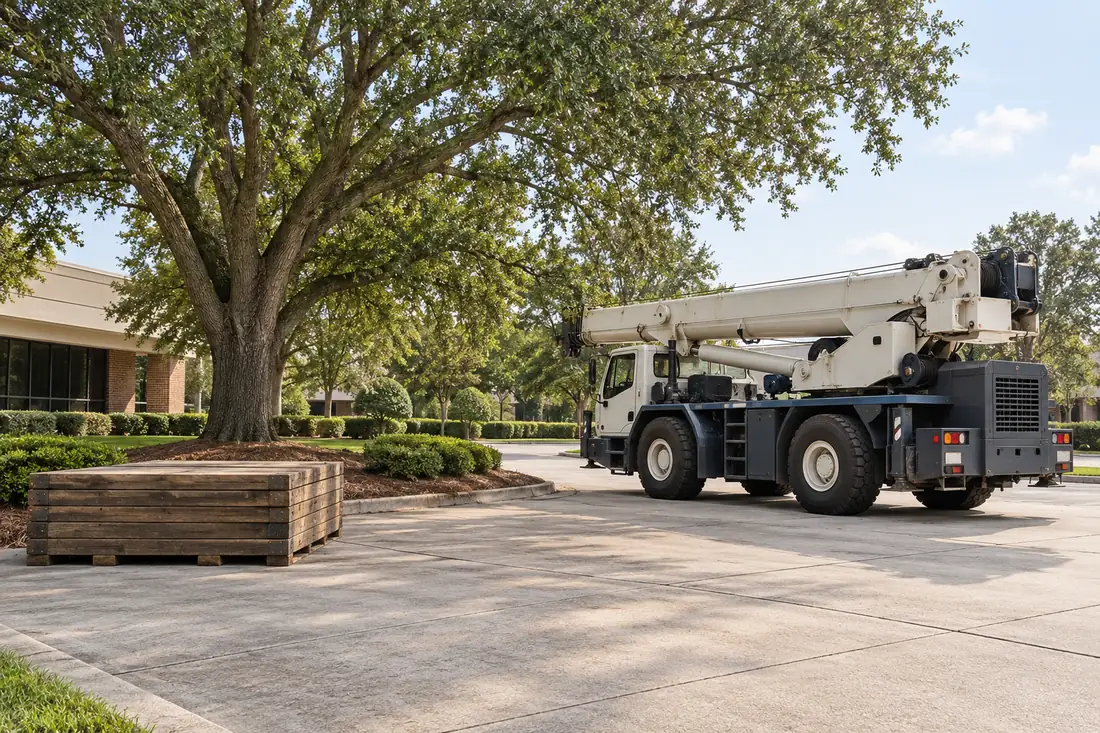
General tree removal describes the objective; large-tree removal changes the handling sequence. A mature crown may require a controlled descent plan, protected drop zones and space for equipment or cut timber. Height alone does not establish that a crane is required. The crew needs to consider the weight and direction of each section, nearby structures, utility clearance, ground bearing and whether the material can actually leave through the available gate.
If the tree is exceptionally broad, difficult to rig or close to buildings, compare the access and section-handling guidance in large tree removal planning. Describe what must remain protected and whether chips, logs, stump work and surface restoration are included; none of those should be assumed from the words “remove the tree.”
Removal starts with what must be protected
Tree removal in Greater New Orleans is often less about making a cut and more about controlling weight around houses, fences, streets, utilities and neighboring property. We evaluate trunk condition, canopy balance, lean, visible decay, root-zone disturbance, storm history, access and the size of pieces that can be handled safely.
Practical scope and safety guidance: A responsible tree-removal plan begins with the reason removal is being considered and the consequences for nearby people and property. Describe any cracked unions, soil movement, dead limbs, past storm injury or conflict with construction, and ask for an onsite evaluation rather than treating a photograph as a diagnosis. The proposed sequence depends on canopy weight, space to lower sections, working distance, structures, utilities, neighboring property and the condition of the ground.
Discuss whether a climber, lift, crane or other equipment is appropriate only after access and site conditions are checked. In the estimate, request clear treatment of stump grinding, wood removal, brush hauling, lawn or driveway protection, and what will remain. Tree preservation may be practical in some situations; removal should not be presented as the automatic remedy for every concern. Keep children, vehicles and visitors outside the work area until crews confirm it is safe to re-enter.
Removal service: the tree, work zone and finish
A removal estimate should identify the actual tree or group of trees, location, nearby structures, overhead lines, access limitations and whether wood or stump work is included. A request saying only ‘remove a tree’ leaves too much unresolved: the trunk might be easy to reach but the canopy may extend over a neighbor’s roof or a closed driveway.
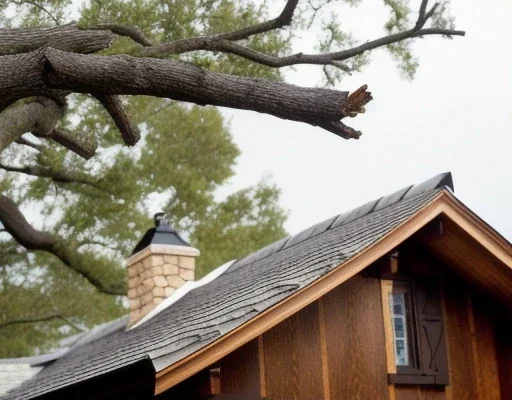
Record the protected targets before selecting a method
A limb extending toward a roof changes where cut sections may travel and where ground workers can safely stand. The removal plan should account for overhead hazards, neighboring property, exit access, rigging and debris handling—not just the tree’s diameter. A photo cannot certify that a particular machine is needed.
This is the service destination for asking about removal feasibility and an itemized scope, not a promise that every tree can or should be removed. If the owner first needs to compare retention, pruning, permission, sequencing and photo documentation before seeking a contractor estimate, the linked removal-planning guide is more appropriate. Both pages should ultimately point to one clear, written decision rather than duplicate quote requests. Tree Removal Planning.
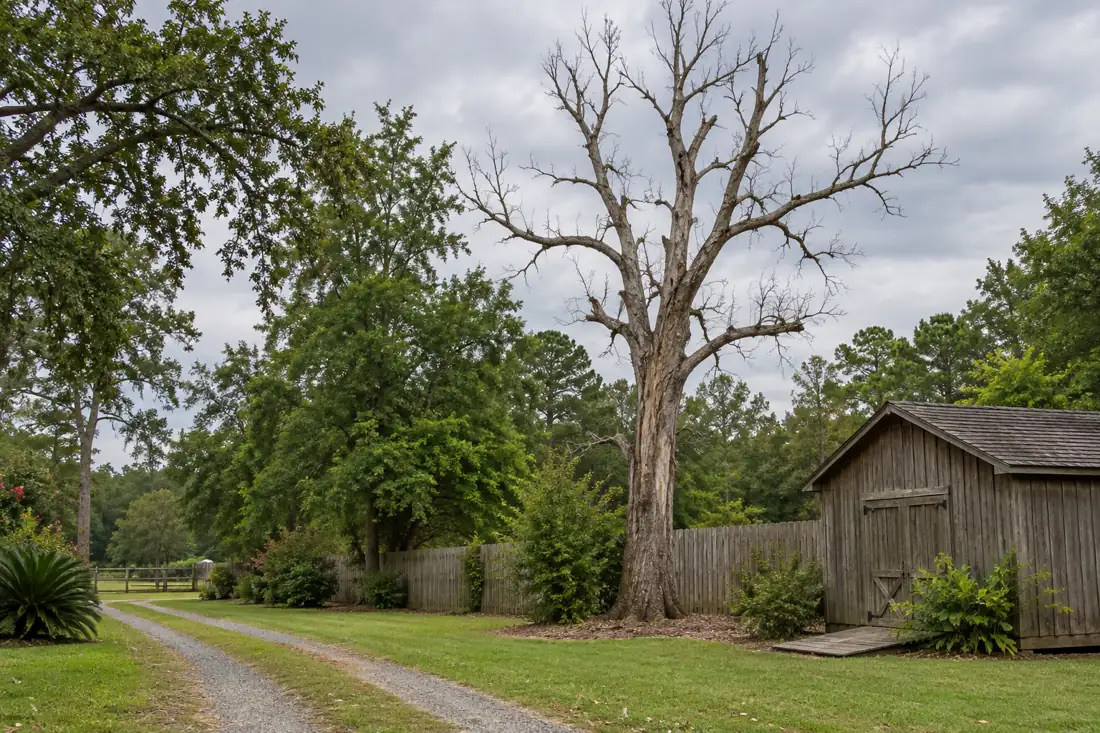
Condition, size, targets, access and the reason removal is needed.
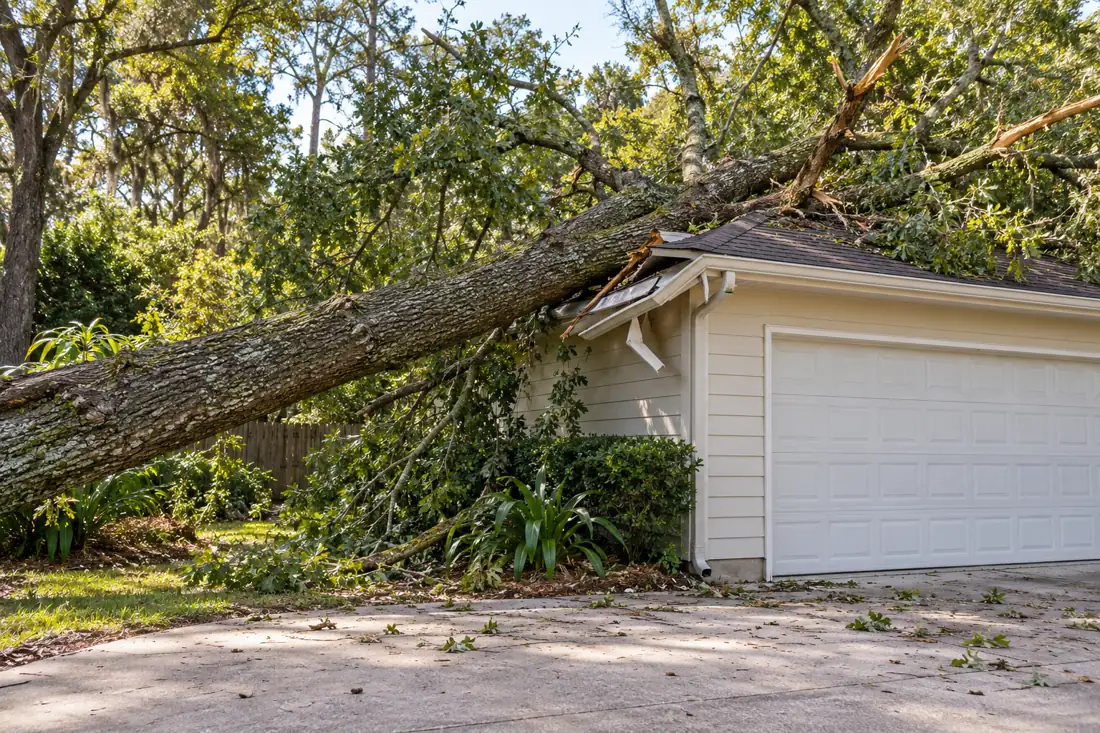
Work sequence, equipment, staging, control method and cleanup scope.
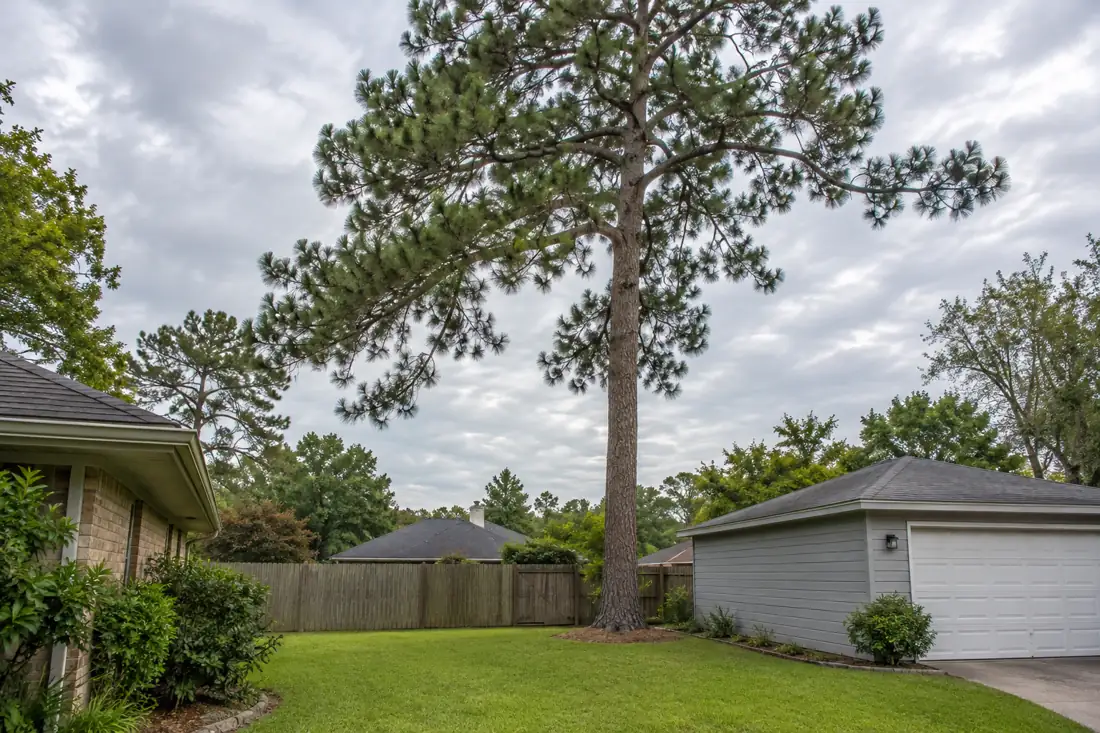
Controlled dismantling with the agreed hauling and stump-grinding plan.
Large and high-risk removals
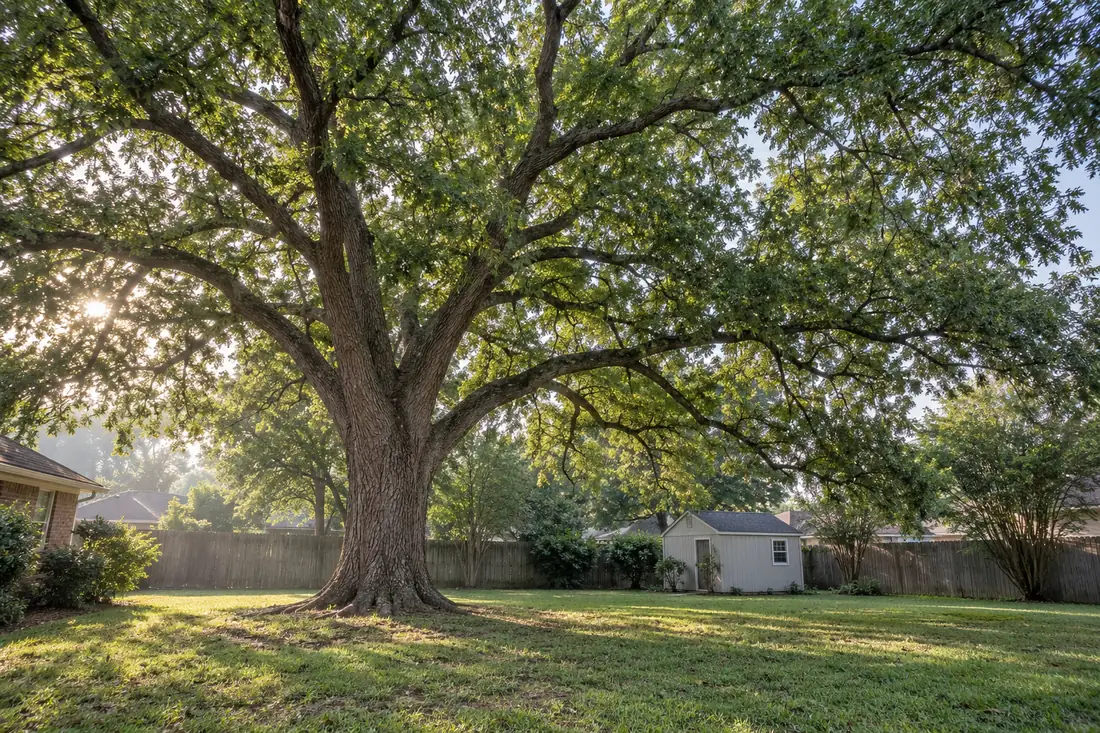
Large live oaks, pecans and other mature trees can contain tremendous weight. A limb that looks manageable from the ground may weigh thousands of pounds. Conventional rigging, crane assistance and mechanized or remote-controlled cutting each have a place. We choose the method that fits the tree and the site rather than forcing every job into the same approach.
Cleanup should be defined before the first cut
Tree removal produces logs, limbs, chips and often stump material. We define whether debris is hauled, whether wood or chips stay, and whether stump grinding is included so the scope is clear from the start.
Related services
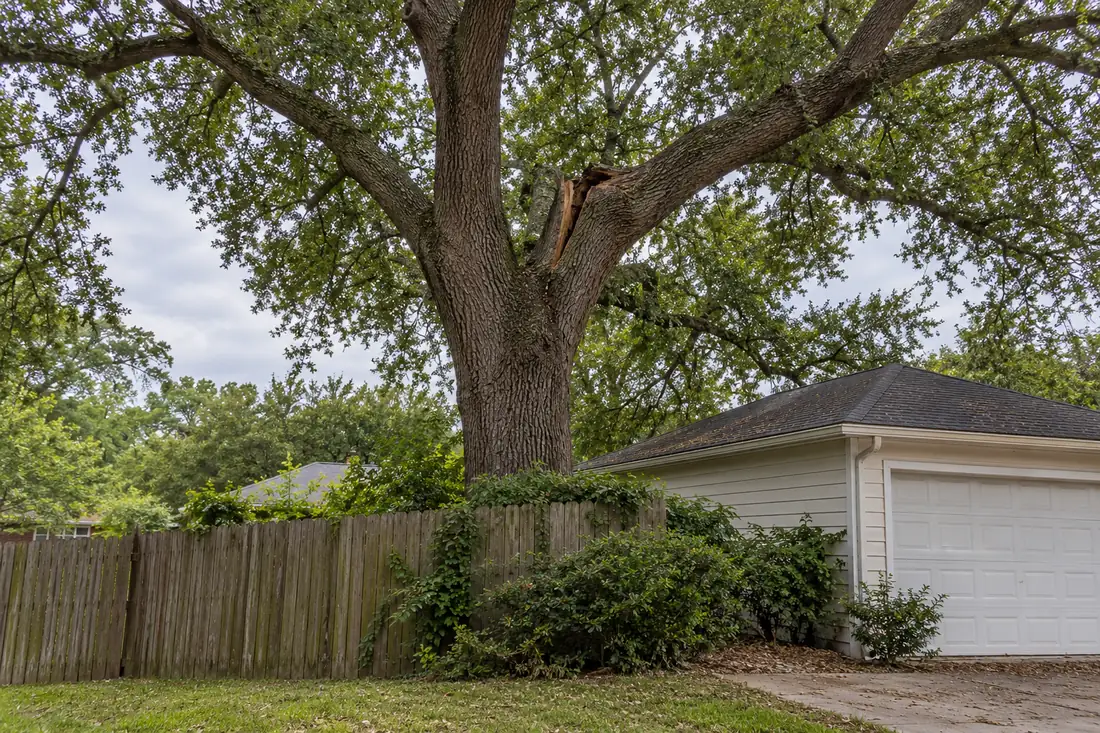
Build the removal plan around the exact tree and final property condition
Before requesting a removal estimate, identify which tree is being considered and why. A risk concern, a construction conflict and a preference for more light are different reasons that may lead to different recommendations. Share an overview of the whole canopy and nearby targets from safe ground, along with the access route and any recent change in the tree’s condition.
Plan around the property
Ask the contractor to separate the decision to remove the tree from the logistics of the removal. Limited work area, neighboring structures, overhead utilities and soft soil affect how material can be handled. The written scope should identify which tree, how the site will be protected, whether wood and branches leave the property and which restoration tasks are not included.
Agree on the finished site
Decide what should remain when the crew departs: an elevated stump, a flush cut, grinding, wood retained for the owner or a cleared surface ready for another trade. Those results are not interchangeable. Walk through the documented scope after authorized work, without entering an active work zone, and note remaining tasks before calling the tree job complete.

Decide what problem removal needs to solve
Sometimes the question is straightforward: a tree has died, failed or become incompatible with the use of a property. Other times an owner is weighing shade, repeated branch problems, building clearance and the cost of ongoing care. Explain the actual concern before choosing a service. “Remove the tree beside the garage” gives the estimator a location; describing a recently changed lean, recurring roof contact or a planned addition gives the discussion a purpose.
If keeping the tree is still a possibility, say so. A removal estimate and a preservation discussion answer different questions. Tree Huggers can discuss whether the next step is a site assessment, a pruning scope or a removal proposal. A photograph of a green canopy alone cannot settle that decision, and a tree’s appearance from one side does not describe everything happening around its base or behind nearby structures.
A clear tree list prevents the wrong scope
On a property with several similar trees, identify each one in wide photographs and use the same names in the estimate. “Front oak,” “tree behind the shed” and “dead trunk at the rear fence” are more useful than an unmarked close-up. Keep the trees you intend to retain visible in that record too. If a shared boundary or neighboring property affects the work, explain it before the contractor plans access or handling.
For a rental, inherited property or managed site, name the person who can authorize removal and the person who will meet the crew. They may not be the same person. Any ownership questions, required permissions or restrictions need to be resolved through the appropriate parties before work begins. An online request starts an estimate conversation; it does not authorize cutting a particular tree.
Tight access changes the handling plan
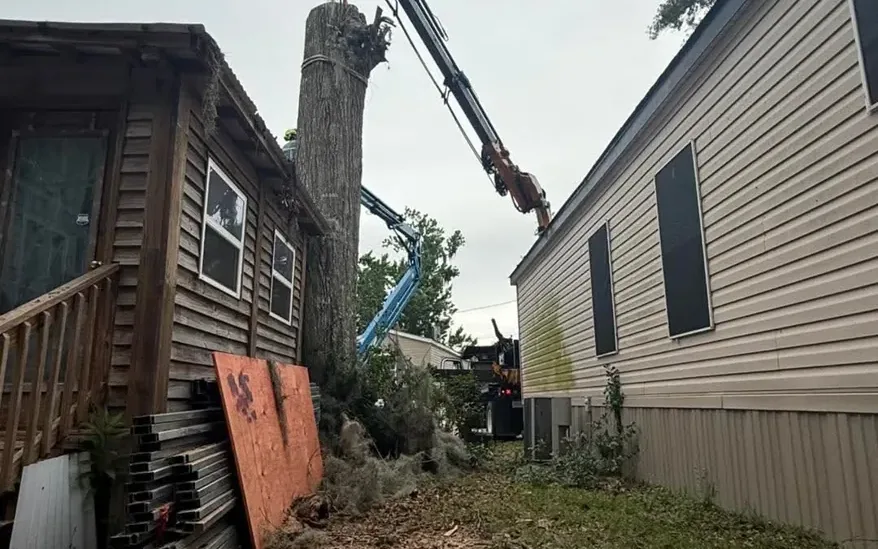
A tree can be close to the street but difficult to reach with equipment. Side-yard gates, air-conditioning equipment, roof overhangs, steps and turns can matter more than the straight-line distance. Show the narrowest point and the approach beyond it, rather than sending only a photograph of the open gate. Explain whether parked vehicles, storage, fence panels or temporary obstacles can actually be moved.
The path for removed material matters as well. Sections may need to move from the tree to a processing area and then to a truck or container. That handling route can affect the work sequence, protection plan and time required. If access depends on crossing another property, do not assume that the contractor’s ability to fit equipment creates permission to use that route. Coordinate access before scheduling.

Trees over buildings need a different conversation
When branches extend above a house, garage, covered patio or neighboring roof, the estimate should account for how material can be controlled and moved away from those targets. A convenient open area elsewhere in the yard does not necessarily solve the handling problem at the tree. Include photographs from different safe positions so the estimator can understand the relationship between the canopy and the structures.
Tell Tree Huggers about occupied rooms, fragile coverings, solar equipment, pool enclosures and any areas that must remain accessible. These details help define the job; they are not a request for you to inspect the tree from a roof. Specialized equipment may offer useful options, but the final method depends on the tree, reach, setup conditions and the crew’s assessment of the actual site.
Compare removal estimates by what is included
Two totals can describe very different finishes. One proposal may include dismantling and hauling, while another leaves wood on the property. Stump grinding may be separate, and a request to keep firewood may not include splitting or cutting every piece to a preferred length. Ask which trees, branches, material handling and cleanup tasks the price covers before comparing the amounts.
The written scope should identify relevant exclusions and assumptions too. If access requires a temporary fence opening, who handles it? If the owner keeps chips, where will they go? Does the work include a specific stump treatment or only cutting the trunk to the agreed height? Clear answers make a quote easier to evaluate and reduce last-minute decisions when equipment is already on site.
Protect the property by discussing its weak points
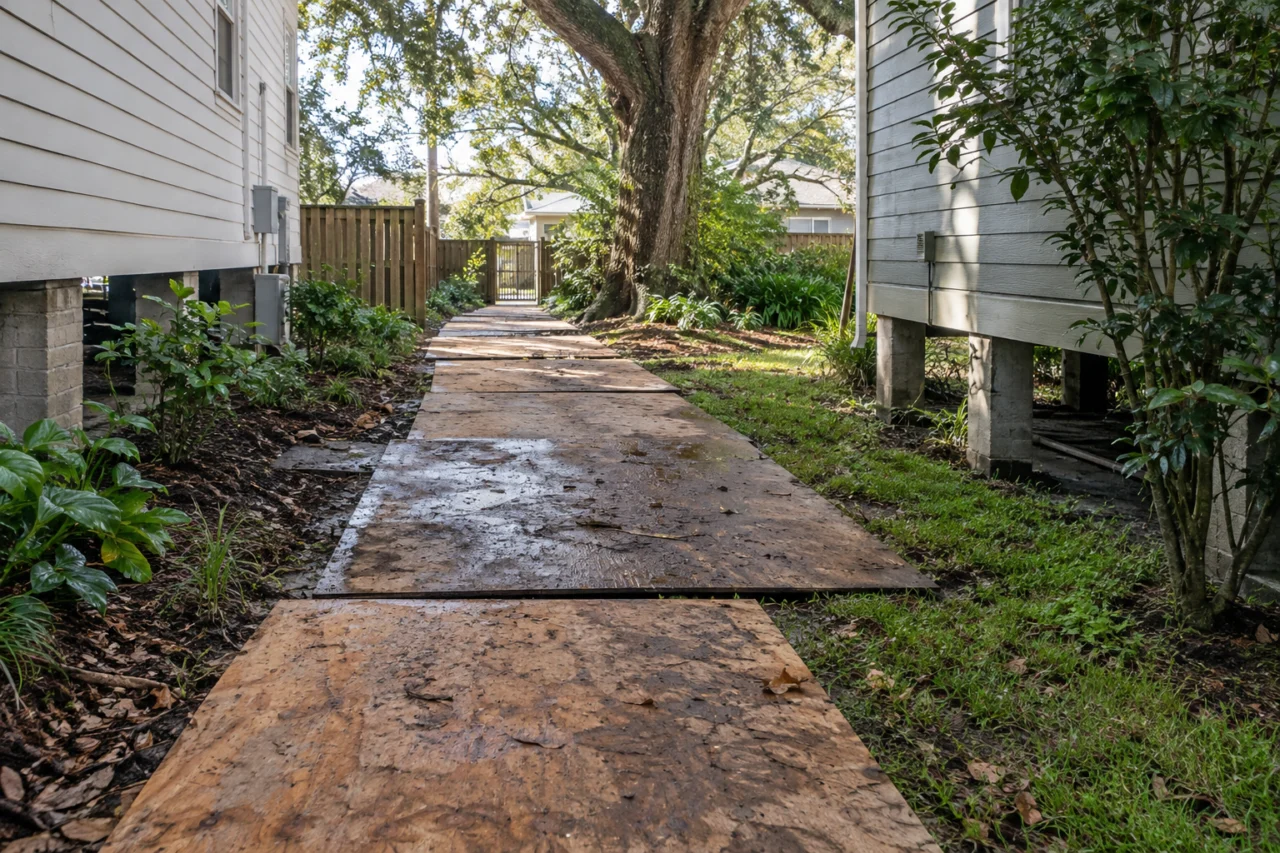
Point out irrigation, drains, buried private services, landscape lighting and other features that may not be obvious during a walk-through. Explain any known soft ground, damaged paving or previous repairs along the proposed route. The contractor needs that information to evaluate the approach and any protection measures. A driveway should not be treated as suitable for every vehicle simply because a passenger car uses it.
Move portable furniture, toys and other agreed items before the work window. Discuss pets and how residents will enter or leave while the work area is controlled. The goal is a workable site plan, not a blanket promise that tree work produces no disturbance. Ask how surface protection, temporary openings and any separate restoration responsibilities will be handled for your property.
Choose the stump finish before the crew arrives
Removing the standing tree does not answer what should happen below the final trunk cut. If the area will become lawn, planting space, a path or part of a construction project, explain that intended use. It helps distinguish a simple removal scope from stump grinding, chip hauling or a separate excavation requirement. Those tasks should be priced and described as applicable.
Keep expectations about roots and soil realistic and specific. Ask what remains after the agreed treatment, where grindings will be placed and whether imported soil or new grass is included. An attractive result in a photograph is not a substitute for defining your own finish. Planning that handover early also helps coordinate any landscaper, fence contractor or builder who follows the tree crew.
Scheduling starts with a confirmed scope
Tell Tree Huggers about a closing date, construction start, rental turnover or other timing constraint when requesting the estimate. The company can then discuss whether the tree work can fit that sequence. Weather, equipment access, other approvals and the tree’s condition can influence the work window. A preferred date entered into a form should not be treated as a confirmed appointment.
If the condition changes while you are waiting, contact the company again rather than relying on the original photographs. A newly broken limb or a tree contacting a structure changes the conversation. For an immediate dangerous condition, use the storm and emergency contact guidance and keep people away from the affected area. Do not attempt to make the tree easier to remove before the crew assesses it.
Finish with the same tree list you started with
At completion, compare the identified trees and included tasks with the estimate. Check the agreed wood handling, stump treatment and cleanup areas. If you are not present, arrange a clear completion record with the property contact and photographs where appropriate. Describe any unresolved item by location and task so the next conversation can address something concrete.
Tree Huggers is based in Marrero and works across Greater New Orleans. To start a removal estimate, send the property address, a wide view of the tree, nearby buildings and the access route. Include the outcome you want and who can authorize the work. Call 504-458-8336 or use the estimate form to discuss the next step and current availability.
Removal: separate the tree decision from the finish
Identify each tree separately before requesting a removal price. A wide view should show the crown, rooflines, fences and surrounding property, while a second safe view of the base can show the working area. Explain whether the goal is to address a suspected hazard, resolve a construction conflict or change the landscape. Those are different questions and should not be combined into one vague tree-removal request.
Describe what must be protected, including nearby retained trees, driveways, private utilities, neighbors’ property and restricted access. Ask the contractor to distinguish cutting and material handling from stump grinding, hauling, landscape restoration and any temporary fence work. Compare proposed methods by the actual access and protections they require, not just the machine name.
At completion, compare the named trees and agreed wood destinations with the written scope. If retaining the tree remains a goal, review the pruning discussion before treating removal as the only choice. The high-risk guide explains where site-specific assessment and controlled work boundaries matter.
Three details to settle before an estimate
- Name each tree and objective
- List targets, access limits and retained features
- Specify wood, stump and surface-finish expectations
Tree Removal questions
Can you price removal from one photograph?
A photograph can start the discussion, but it may not show access, hidden targets, tree condition or handling constraints. Send several safe views and ask whether a site visit is needed before a firm scope is offered.
Should a tree be marked before an estimate?
Clear identification helps, especially with several similar trees. Use a wide marked photograph or consistent tree names, and confirm the included trees in the written proposal before work is authorized.
Does removal automatically include the stump?
No. Ask whether the proposal includes stump grinding, what treatment is intended and how grindings will be handled. Tree removal and the final ground finish should be described separately when appropriate.
Can you remove a tree between two houses?
Possibly, depending on the actual tree, access, nearby targets and equipment options. Share safe views of the full tree and both approaches so Tree Huggers can discuss assessment and a workable plan.
Will a crane always make removal cheaper?
Not necessarily. Setup, reach, tree geometry, access and material handling affect suitability and cost. Compare a complete proposed scope rather than assuming one machine makes every job simpler.
Can I keep the wood after removal?
Discuss it before pricing. Identify which material you want, where it can be placed and any required piece size. Keeping wood does not automatically include splitting or processing it for use.
Who arranges access through a neighbor’s property?
The access arrangement must be agreed with the appropriate parties before use. Explain any proposed shared route during the estimate and confirm responsibility for permissions, temporary openings and restoration.
What should I move before removal day?
Ask the contractor which vehicles, furniture, planters, toys and other portable items need relocating. Also discuss pets, resident access and any fixed items that cannot be moved from the proposed route.
Can trimming be considered before full removal?
Yes, explain that keeping the tree is a goal. Tree Huggers can discuss the next assessment or pruning conversation; an online description cannot establish whether a particular tree is a suitable candidate.
Does the estimate include replacing grass or paving?
Only when the written scope says so. Discuss anticipated access, protection and any separate landscape or surface restoration so the handover standard is clear before work starts.
What if a branch breaks after the estimate?
Contact Tree Huggers with the change and safely taken photographs. Keep people clear. For immediate danger or a utility hazard, contact the appropriate emergency service or utility rather than waiting on a web-form reply.
How do I start a New Orleans removal estimate?
Call or text 504-458-8336, or use the form. Send the address, tree identification, safe wide views, access photographs and desired finish. Confirm scope, availability and any visit directly with the company.
Talk to Tree Huggers
Get a clear estimate for your tree work.
Text the property address, a wide photo of the tree, and what you want done. We’ll talk through access and next steps.