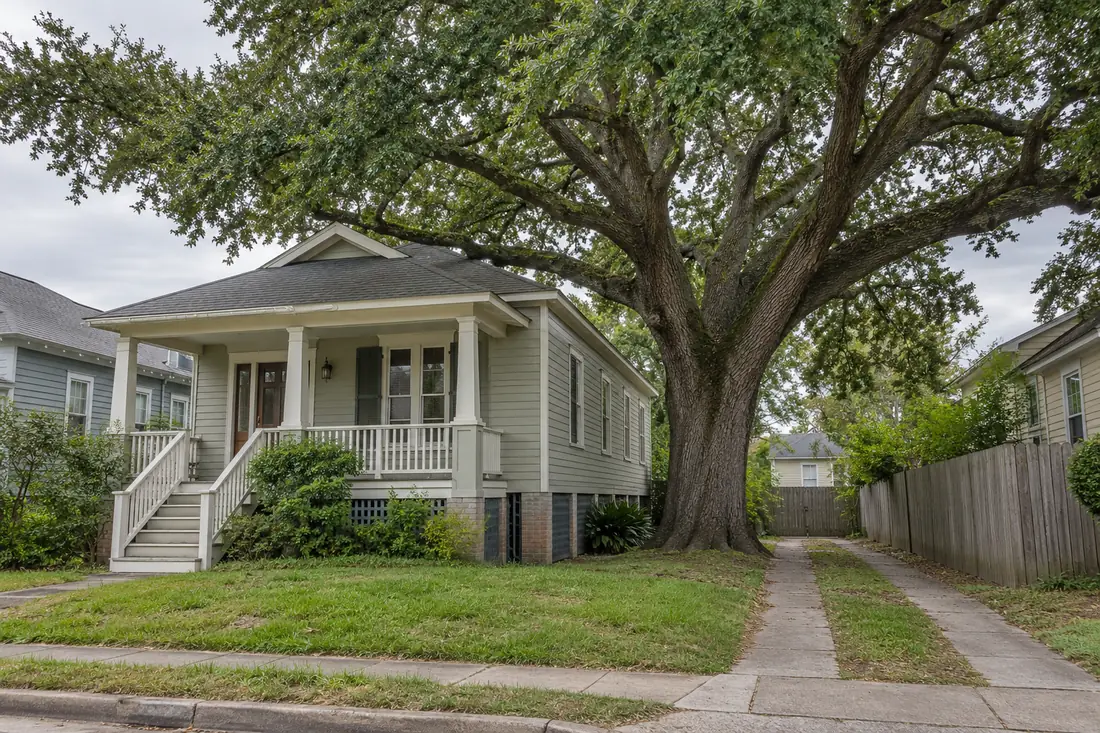
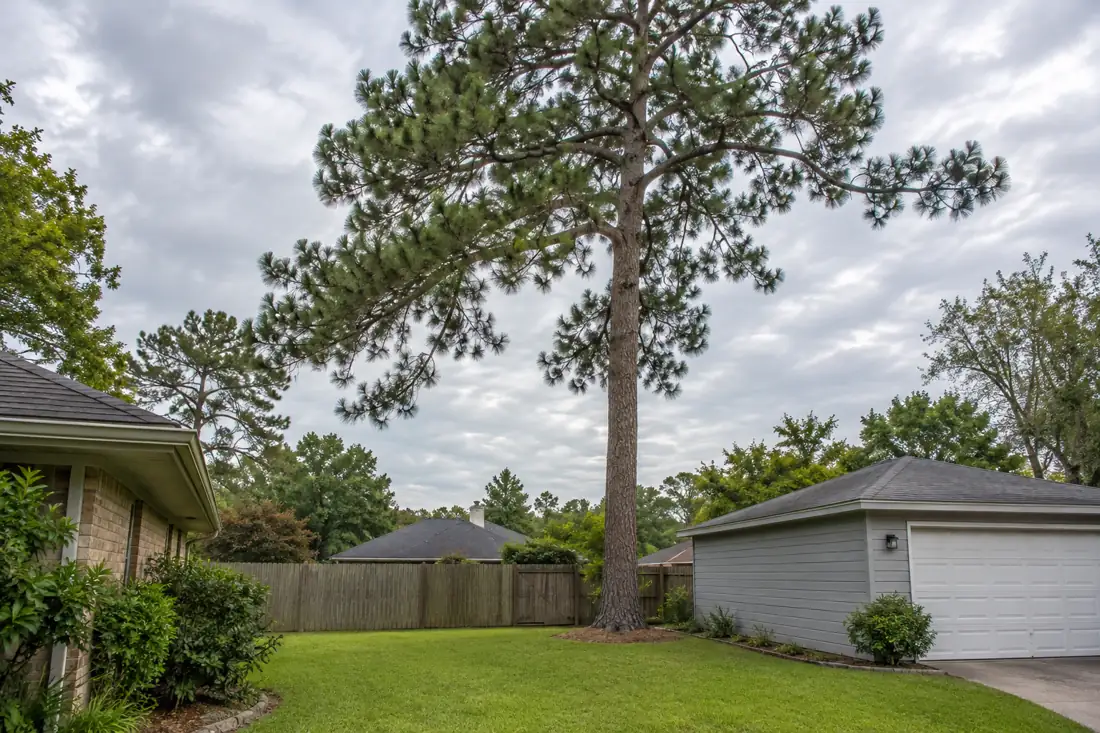
Two prices can describe very different jobs. Compare the same trees, removal method assumptions, debris handling, stump treatment, access arrangements and exclusions. Ask each contractor to clarify ambiguous items in writing. The useful comparison is the complete scope and responsibility, not just the amount at the bottom of the page.
Compare the contingency triggers, not just the bid totals
Two removal estimates may appear equally detailed until conditions change. Give each bidder the same tree numbers, viewing photographs, gate width, overhead obstructions and debris preference; then ask them to list what would require a revised price or an alternative method. Examples include discovering inaccessible equipment routes, a different disposal expectation or permission that cannot be obtained. Do not ask contractors to promise a method before assessing the site.
In your comparison worksheet, include the base tree scope, stump decision, material destination, surface protection, traffic or sidewalk control and responsible person for each outside approval. Record optional work separately from required work, and compare documented insurance and credentials appropriate to the operation. The preferred proposal should remain traceable to an agreed written endpoint, not an assumed ‘complete cleanup’ phrase.
For this project, separate inclusions, exclusions and matching cleanup standard. These details help the contractor understand what must be protected, what information needs confirmation and what result you want from the work. A clear request is more useful than an assumed method or a price based only on tree size.
Put two tree-removal estimates side by side and check the actual tree IDs, work boundaries, branch handling, equipment route, ground protection, stump finish and hauling. A quote that leaves logs and chips on site is not equivalent to one that removes them. Ask each estimator to explain exclusions such as fence restoration, lane permits, utility coordination and neighboring access. If the tree is unstable, clarify whether a professional risk assessment is included or separately needed.
Check what happens if soaked soil prevents equipment access or hidden decay forces a revised work plan. Clarify payment milestones and which crew will carry out the described scope. Equipment labels such as crane or lift do not establish safety or guarantee the same final condition. Request written answers to ambiguities so the proposals become comparable. A fair evaluation identifies which services are genuinely included rather than assuming the lowest number is the best outcome.
Make sure both quotes describe the same tree
Before comparing totals, check that both contractors identified the same tree or group of trees, using a location description that will still make sense on the work day. One quote may cover a main trunk and several hazardous limbs; another may describe only a portion of the canopy. If the yard contains similar trees, mark them on a simple site sketch or photographs. Give every estimator the same current observations, access restrictions and desired outcome rather than allowing assumptions to differ silently.
The condition and objective matter as much as the size. Removal of a dead tree beside an occupied house is not equivalent to trimming a healthy tree, even if both estimates mention the same address. Ask whether the proposed scope addresses immediate safety concerns, removal to a specified height, preservation of an adjoining tree or a construction deadline. You cannot compare two prices fairly until you can describe in one sentence what result both prices are supposed to buy.

Create a side-by-side scope matrix
Write each contractor's quote under the same headings: trees identified, work included, access, debris handling, stump treatment, protective measures, restoration and exclusions. A line that says complete removal may refer to a different stump endpoint or cleanup standard than another company's wording. Ask both estimators to clarify those differences before calculating which proposal actually costs less for the same result.
Use photographs or a numbered tree map to make the comparison unambiguous. If one contractor inspected the site and the other quoted from a picture, note that distinction without assuming either quote is automatically inaccurate. A fair comparison depends on what was observed, what remains uncertain and what each contractor will be responsible for if conditions change.
Make two tree-removal quotes genuinely comparable
Before comparing totals, make one consistent description of the tree: location, approximate size, visible condition, nearby structures and the result you requested. Confirm whether each proposal identifies the same tree or trees. One contractor may include an entire removal while another describes selective cutting, leaving the trunk, or simply clearing what can be reached from the street. A side-by-side checklist prevents those different deliverables from appearing equivalent.
Ask each bidder how the same site constraints affected their approach. A narrow gate, soft turf, overhead service drop, pool equipment or limited parking may change where equipment can stand and how large sections are handled. A photo of the site does not prove a machine will fit; dimensions, load limits and site inspection may still be needed. Avoid choosing an equipment method on the basis of marketing language alone.

Scope differences matter more than a number alone
Compare the final condition of the property in writing. Does the price include cutting wood into manageable lengths, removing all brush, hauling heavy logs, grinding the stump to a specified depth, handling chips, or restoring disturbed surfaces? None of these should be inferred from a single phrase like full removal. Clarify who is responsible for access permission, utility coordination and disposal, and which uncertainties may trigger a revised scope.
Documentation should answer questions you can verify, not simply display badges. Request applicable insurance information and a clear contracting identity, plus the conditions and exclusions that matter for your address. Keep any proposal revisions in writing. When submitting a question to Tree Huggers, provide both scopes if you wish and identify the specific disagreement, such as stump depth or protected landscape areas, so the conversation can focus on a useful comparison.
Separate cutting, stump treatment and hauling
A quote headed tree removal can mean cutting a tree to a stump, removing the trunk and limbs from the site, grinding the stump or some combination. Check exactly what happens to branches, logs, chips and grindings. Some owners want wood stacked; others expect everything taken away. Ask where retained material will be placed and whether small debris along access routes is included in cleanup. A lower total may be entirely reasonable for a narrower endpoint, but it is not the same service.
Stump grinding should have its own clearly stated limit, including any agreed depth or accessibility assumptions. Grinding does not imply extraction of the wider root network, removal of buried utilities or structural soil preparation for new construction. If landscaping repairs, sod, topsoil or surface restoration matter, identify whether either estimate includes them. Compare the property condition expected at handover rather than relying on vague phrases such as clean up everything or leave it nice.

Examine access and equipment assumptions
One contractor may plan to work through a wide driveway while another has assessed a narrow gate, steps and sensitive paving. Check which route is assumed and whether permissions are needed for shared or neighboring property. Ask what space is required for cutting, lowering material and loading debris. A quote that appears cheaper because it overlooks a restricted route is not necessarily a better offer. It may instead create a change order or a failed appointment after equipment arrives.
Avoid judging a quote by the largest machine listed. Equipment and methods follow the tree's condition, site constraints and qualified crew judgment. What matters is whether the plan fits the actual property and has a sensible way to handle changes. Discuss where vehicles can park, whether a sidewalk or driveway must close and who prepares removable obstacles. Compare the operational assumptions openly, but do not demand a particular rigging technique based on price alone.
Compare hazard assumptions without dictating a technique
A tree over a roof, beside an electrical service or intertwined with another canopy may require different work planning from an open-yard removal. Ask each company what hazards it identified, what additional evaluation may be needed and whether its estimate is conditional on a site inspection. Do not demand that both use the same equipment: the appropriate method depends on professional assessment of access and tree condition.
Consider whether either proposal explains the controlled work area and protection of neighboring property. A very brief price can be legitimate, but it leaves more questions unanswered. Request written clarification rather than interpreting silence as proof that every protection, permit or utility coordination task is included.

Check documentation and responsibility before price
Ask each prospective contractor for current documentation appropriate to the work, including relevant insurance details and any credentials they claim. Verify material facts through the issuing sources rather than accepting a screenshot or relying on a marketing badge alone. Discuss who supervises the work and who the homeowner contacts if site conditions differ. Documentation should match the contracting entity and the type of work proposed, not merely the name of an individual who once worked on a different job.
Claims about licensing and insurance vary by jurisdiction and project type, so avoid treating an unfamiliar label as proof of competence or legal authority. Ask clear questions and compare the answers consistently. If electrical lines or a public right-of-way are involved, identify the utility and permit responsibilities separately. A low figure does not outweigh unresolved safety and authorization questions. A good estimate should support an informed agreement about who does what, not substitute confidence for verification.
Make two estimates cover the same job before comparing cost
Tree-removal proposals often look similar because both say 'remove tree,' even when one assumes equipment access through a gate and the other excludes hauling or stump work. Compare each quote against the same marked tree, number of stems, property constraints and finished site condition.
Check whether controlled lowering near the roof, moving vehicles, use of a neighbor's yard or lane restrictions are included assumptions. A low total is not evidence of poor work, and a high total is not proof of superior care; the descriptions must be aligned before the numbers are meaningful. Ask each contractor to explain vague wording in plain terms.
Look closely at insurance information, necessary permits, schedule contingencies, cleanup standards and change-order procedure. Confirm the status of any promised disposal of logs, branches and grindings. A photo estimate may be provisional until onsite inspection, especially when weight, root condition or machine access cannot be established remotely.
Ask how additional work will be authorized if hidden conditions change the plan. Be cautious of unconditional damage guarantees that do not describe the work area or exclusions. For the homeowner, the best comparison includes specific deliverables, safety arrangements and the actual state of the yard after the crew leaves, not just a dollar amount.
If an estimate leaves one of these points unanswered, request a written revision before treating the offers as equivalent.
Compare changes, exclusions and contingencies
No estimate can guarantee that every hidden cavity, buried obstacle or weather change is visible at the first visit. Read each quote for the conditions under which the scope or price may change. Does it address unexpected decay, newly unstable limbs, soft ground or a blocked access route? Ask how the contractor will pause, explain options and obtain approval before additional work. An honest contingency process is more useful than a fixed-sounding promise that leaves the homeowner guessing when conditions differ.
List exclusions beside the stated price instead of hiding them in small print. Stump work, utility coordination, permits, gate removal, hauling, damage repair and imported soil may be outside a basic scope. If the two estimates differ, ask for a clarification that can be attached to the agreement. The goal is not to force every contractor to offer identical methods; it is to make the important differences visible before a commitment. Clear boundaries also make later completion review more straightforward.
Check credentials and responsibility for the actual work
Ask who will perform the tree work, who supervises the crew and what licensing or insurance documentation is relevant to the proposed service and location. Verify claimed credentials through the issuing authority where appropriate; a logo or verbal statement is not itself evidence of current coverage. If the work includes electrical, HVAC, crane or other specialist tasks, ask which qualified party will handle those portions.
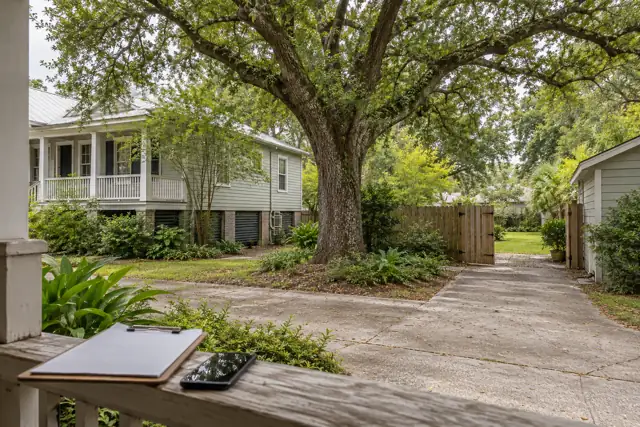
City trees in New Orleans have specific permit procedures that differ from normal private property work, so establish ownership and required approvals before comparing start dates. Ask each contractor to identify any city application, utility coordination or property-owner consent that is excluded. A quote cannot substitute for approval from the organization that controls the tree or the infrastructure.
Understand timing without assuming a reservation
Compare how each contractor proposes to schedule the work and what must happen first. A tree threatening a used entrance may require a different risk response from a planned removal before landscaping. Ask about weather-sensitive conditions, utility arrangements and homeowner preparations. A verbal suggestion of next week is not necessarily a confirmed appointment. Keep the agreed work window and decision contact in writing so both sides know what can be relied upon.
If you have a deadline for a roof repair, fence replacement or property sale, communicate the real milestone and any dependencies. The quickest available date is not automatically the safest or most suitable one if access, permits or another trade are unresolved. Ask how updates will be communicated if conditions change. Compare the clarity of the scheduling process alongside price, without treating an estimated response time as a guarantee. Good coordination often prevents expensive work from being done in the wrong order.
Match the cleanup and stump endpoint
One price may include hauling every branch and trunk section, while another leaves wood stacked where the owner directs. Compare whether chips, leaves, large rounds and inaccessible debris are removed and what the contractor considers a finished site. Ask about stump grinding, removal of grindings, backfilling and surface restoration as separate items; none should be silently inferred from the word removal.
Where a fence panel must be opened, a driveway used for staging or a lawn crossed by equipment, record which surfaces are expected to be protected and which repairs are specifically included. Photograph the starting condition, particularly when access is tight. The cheapest written figure may not be the least expensive complete scope if major finish items are missing.

Build a practical side-by-side scope sheet
Create a comparison with the tree location, requested result, stump endpoint, wood handling, debris cleanup, access route, property protection, exclusions, documentation and proposed timing. Enter what each contractor actually committed to rather than filling gaps with optimistic assumptions. Where an item is not stated, mark it for clarification. This approach can reveal that one proposal is substantially more complete while another leaves important parts to the homeowner or a separate service provider.
Use the comparison to ask precise questions, not to pressure a crew into a promise it cannot safely make. For example, ask whether the quote includes hauling all logs from a rear yard or whether a gate must be made removable by the owner. Record the response and request a revised scope if it changes the agreed work. Detailed scope comparison should remain readable; a one-page sheet with clearly defined inclusions and exclusions is usually more useful than a confusing collection of text messages.
Review scheduling, changes and payment terms
Ask whether the proposed dates depend on weather, municipal approval, utility coordination, equipment availability or a particular site condition. Clarify how the contractor will communicate if the work method changes after inspection. A written change-order process helps the owner approve additional tasks and costs instead of discovering them at completion.
Compare deposit requirements, payment milestones, cancellation terms and how final acceptance is documented. Do not treat a projected completion date as a guarantee against storms or hidden defects. The estimate should specify what happens when an unexpected issue is found and who may authorize extra work; this protects both parties without assuming a dispute will occur.

Choose the proposal you can verify at completion
The best value is the offer that addresses the actual objective, is supported by appropriate documentation and sets a clear path from preparation to handover. Price matters, but so do feasibility, property protection, communication and the conditions for authorized changes. Before accepting, ask how you will know the job is finished: what tree material remains, what areas will be cleaned and what restoration is included. Put those conditions in the accepted scope rather than relying on a general impression.
Keep the final signed or accepted scope and your pre-work photographs. At completion, compare the visible result with those terms and note unresolved items with locations and dates. If an additional hazard appears, evaluate it as a separate decision rather than assuming an open-ended agreement.
Tree Huggers can discuss an estimate with safe-distance photographs and site details, but submitting a form does not itself establish a price, booking or emergency dispatch. A careful comparison helps the homeowner make a decision that remains understandable after the work.
Choose the most complete defensible scope
Once the line items match, review the proposals for unanswered questions rather than making the decision solely on a difference in totals. Consider clarity about the exact trees, safety-related prerequisites, cleanup finish, access restrictions and communication. Ask the company you prefer to resolve any ambiguous language in the final written scope before a date is confirmed.
Keep both estimates and the final accepted version with the property photographs. At completion, compare the agreed items with the actual finish from a safe area after machinery has departed. If the circumstances require a revised plan, document the change openly. A useful decision is one where the owner can explain exactly what was purchased, who is accountable and what remains outside the contract.
Questions about this project
What should I compare besides the price?
Compare tree identification, work objectives, access assumptions, hauling, stump treatment, site finish and exclusions. Ask whether permits or other coordination are part of the scope and who can approve changes if conditions differ.
Does an online request book the crew?
No. A request starts the estimate conversation. The company still needs to discuss scope, availability and any site assessment. For a dangerous or urgent condition, call 504-458-8336 rather than relying on a form response.
Does cleanup include every root and wood chip?
That depends on the written scope. Tree removal, stump grinding, chip hauling and root excavation are different tasks. Ask what material is removed, what remains and whether soil or landscape restoration is separately included.
What should a final walk-through check?
Compare the identified trees and tasks with the agreement. Check agreed debris handling, stump treatment, access openings and any listed restoration. Record unresolved items clearly instead of relying on a general impression that the property looks finished.
How should extra work be approved?
Use the agreed approval process and identify the change, reason, scope, price or schedule effect as applicable. Confirm who has authority before treating an additional tree or task as part of the original job.
What completion records are useful?
Keep the agreed scope, tree or area identification, authorized changes, invoice and labeled photos where appropriate. Include unresolved items and a contact. Contract-specific records should follow the buyer's stated requirements.
Does stump grinding remove the entire root system?
Grinding normally addresses an agreed stump area and depth. It should not be assumed to extract every underground root. Describe your future use of the site and ask what additional work or coordination is needed.
Can the area be paved or planted immediately afterward?
That depends on the intended project and the agreed finish. Chips, remaining roots, excavation and soil preparation may need separate attention. Coordinate the grinding scope with the installer who is responsible for the next phase.
What access information helps an estimator?
Send the narrowest opening, overhead obstacles, turns and the distance between the tree and the loading area. Include photos of the entire route and identify steps, soft ground or features that must remain protected.
Should I remove a fence before the visit?
First ask the contractor to assess access and agree on any temporary opening. Identify who owns the fence, who can authorize the change and who will reinstall it. Do not assume the opening is necessary or included.
What should I tell Tree Huggers about how to compare two tree removal estimates?
Explain the property address, the work you want and the specific concerns: inclusions, exclusions, matching cleanup standard. Send safe photos of the tree, surroundings and access route. The contractor can then discuss the assessment and scope needed for this situation.
How do I request an estimate for this work?
Call 504-458-8336, text photos or use the estimate form on this page. Include the address, desired outcome and any timing constraints. The company will need to review scope and availability; an online request does not confirm a price, appointment or emergency dispatch.
Get a scope for your property
When comparing two estimates, send the same marked-tree photos, requested result and access details to both contractors. Compare what each actually includes: dismantling method where specified, log and brush hauling, stump grinding, property protection, exclusions and the cleanup finish. If a line item differs, ask for an explanation rather than assuming the less expensive proposal covers identical work. A written side-by-side scope helps prevent surprises when the crew arrives.