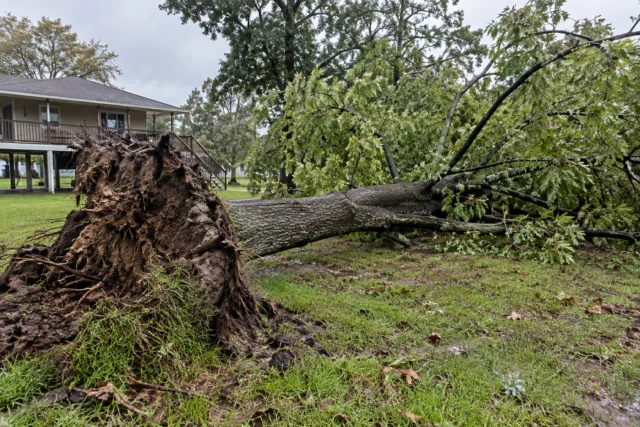
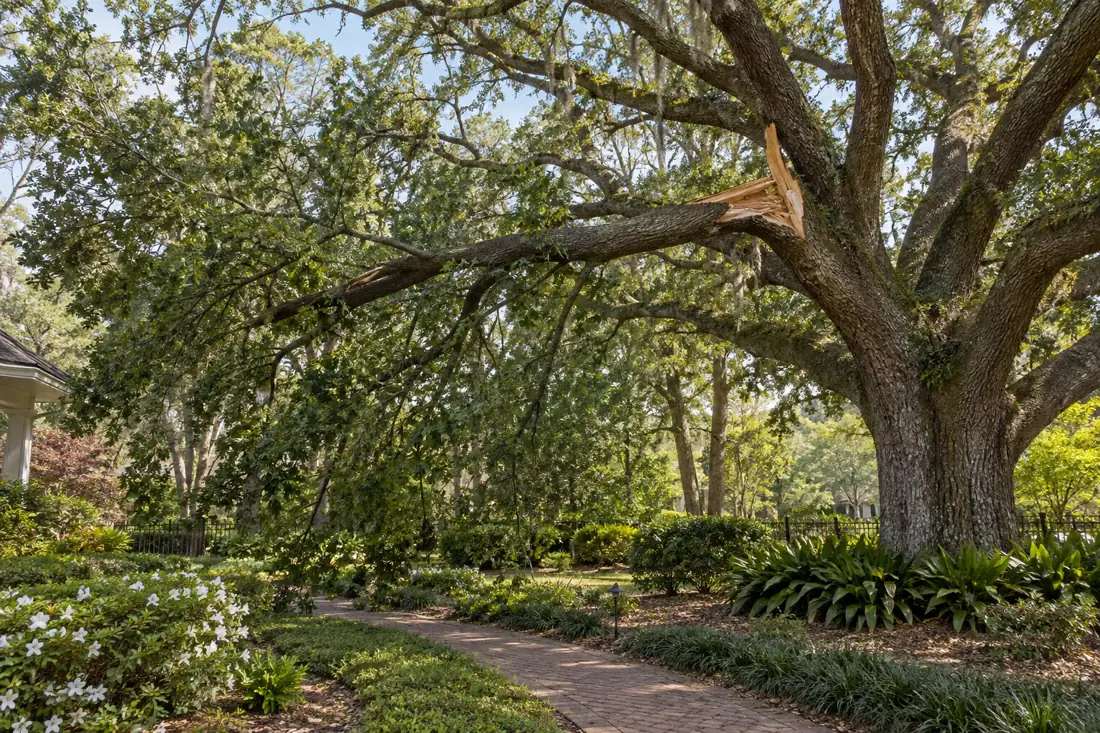
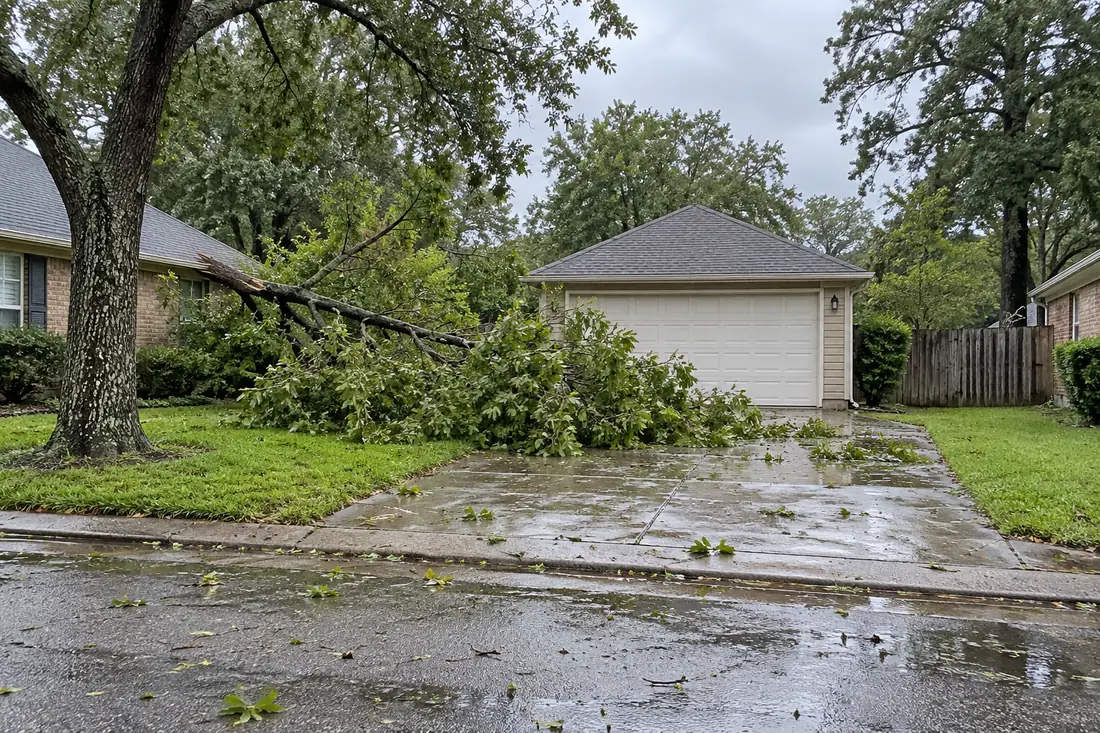
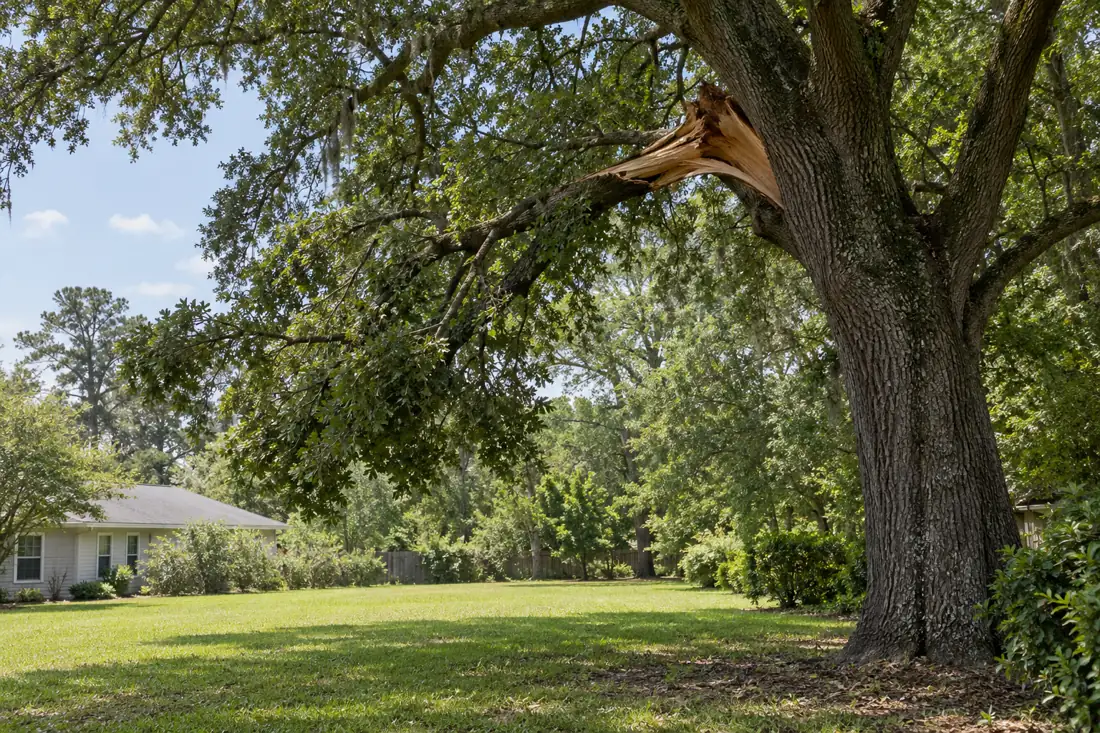
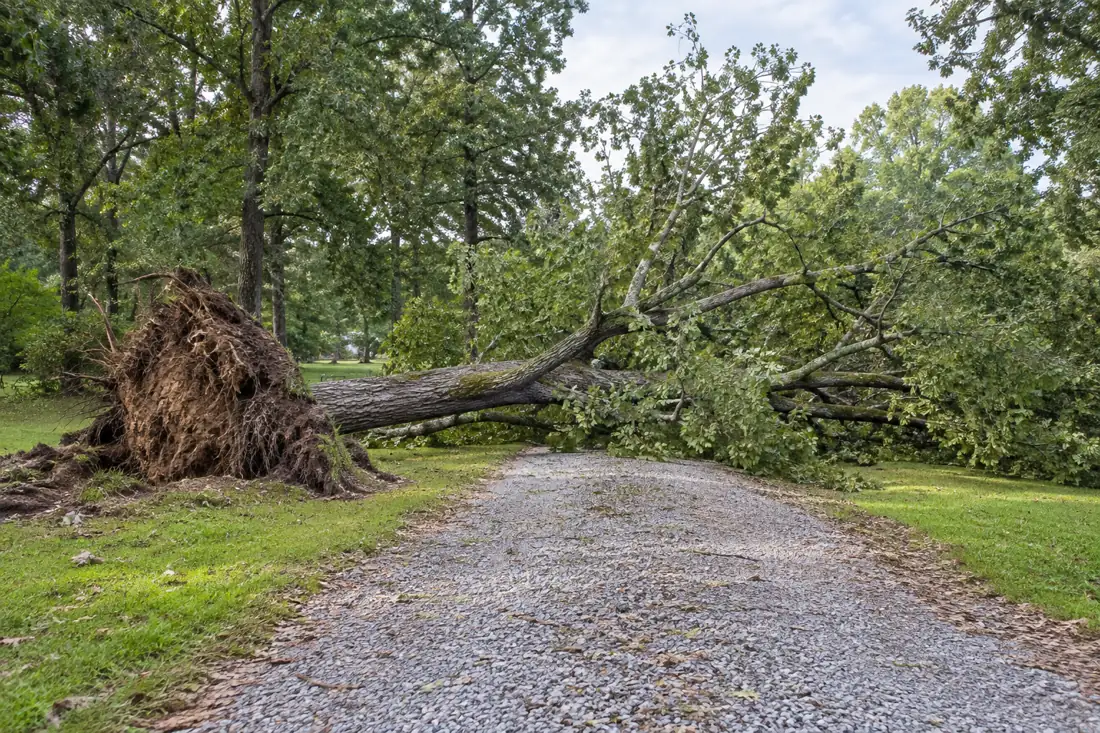
Backyard debris is not priced only by its visible volume. Gate width, carrying distance, standing hazards and the ability to load material all affect the scope. Explain whether any trees remain unstable and whether wood is to be retained. Ask how chips, logs and small branches will be handled at the end.
Measure the backyard exit before choosing a debris-handling method
A backyard may have ample space around the fallen material but only one narrow route to the street. Measure the unobstructed gate opening, note any step, dog run, irrigation controller, air-conditioning clearance, retaining edge or tight turn, and photograph the route while conditions are safe. Explain which garden structures are movable only with permission and which must remain protected.
Request separate information for cutting debris into transportable sections, carrying or mechanically moving it, loading at the street and disposing of nonvegetative material. Avoid asking a tree crew to remove unknown household waste as part of a generic vegetative-debris price. When the last branch leaves, inspect the route for sharp fragments, ruts and affected drains, and identify any cleanup requiring a different specialist.
Backyard storm debris often sits behind narrow gates, fences, decks, pools or landscaping that cannot support a heavy machine. Before requesting work, photograph the safest available access and measure gate openings without entering an unstable tree zone. Check whether branches are resting on a roof or fence, whether a trunk is suspended, and where utilities or irrigation might run. A small-looking pile can still include heavy wood under tension, so carrying it by hand is not always a safe or practical plan.
Ask for a written explanation of whether wood will be cut into manageable sections, carried out, chipped in place or lifted with equipment from another access point. Protect pavers, garden beds, drains and adjoining property by identifying them before the crew arrives. Confirm responsibility for dismantling or restoring fence panels, removing chips, treating stumps and disposing of logs. If access through a neighbor is proposed, secure permission first and document the route; never assume the lowest visible estimate includes all restoration.
Storm Debris Removal From a Backyard: Start With a Site Read
After a southeast Louisiana storm, a backyard can look like one pile while actually holding several different problems: suspended limbs, crushed shrubs, loose roofing or fence pieces, and branches pinned beneath one another. Before anyone moves material, identify where people, pets, and neighbors can safely stay out of the work area.
Note standing water, unstable fences, damaged structures, and any debris that shifts in gusts. Photograph conditions from a safe position; the images can help explain access limits and priorities without requiring anyone to approach a hazard.
Walk the intended route from the debris to the street, but do not step over limbs or enter a place where a tree may still move. In low-lying yards, saturated soil may conceal holes, soft edges, or displaced edging, and floodwater can hide sharp scraps. Mark which areas are visibly firm and which should remain untouched. A useful first decision is whether the job can be divided into safe ground debris and a separate specialist assessment for suspended or structurally unstable material.

Separate Overhead Hazards From Ground Cleanup
A limb caught in a canopy, leaning over a roof, or balanced on a fence is not ordinary cleanup. Wind can release stored tension without warning, and a branch that looks stationary may be supported by a smaller limb that is already cracked. Keep people away from the drop zone and do not pull, shake, climb, or cut a hanger. If lines are nearby, treat every overhead wire as energized, regardless of whether it appears damaged or whether power is currently on.
Contact the electric utility about any tree or debris contacting, threatening, or lying near a power line; use the utility’s instructions to establish the response. A qualified tree-care professional can assess non-electrical hangers and explain whether specialized equipment or a coordinated utility response is needed. Ask who will evaluate the hazard, how the exclusion area will be maintained, and whether ground cleanup can proceed without entering it. Do not assume a routine debris crew is equipped to resolve overhead hazards.
Verify vegetative debris before setting a hauling scope
Wood from a fallen branch, a cut log, fence lumber and household trash do not belong to one automatically priced debris category. The planning illustration cannot certify what a real backyard pile contains. From a safe edge of the yard, describe separate groups of leafy limbs, natural logs, loose construction boards and any material still attached to standing trees. Do not climb over a heap, pull tangled limbs apart or move wood resting against a fence merely to make the photograph tidier.
Estimate backyard debris by the access route and material class
A storm debris pile can conceal heavy sections beneath branches, and large logs require different handling from small brush. Measure the gate opening, note steps or slopes, and separate vegetation from fencing, roofing and other non-tree debris. Keep piles away from drainage paths and usable exits. Never move suspended or tensioned limbs simply to improve a photograph. A wide view taken outside the work zone can adequately show the mixed-material conditions.
Clarify whether a quote includes cutting remaining sections, hand-carrying, equipment access, chipping, loading and ground cleanup. Wet turf and buried irrigation can make the shortest route unsuitable for machinery. Decide where material may be staged and whether access needs protection or restoration. If a public storm collection program is being used, verify its separation and placement requirements instead of assuming every material belongs at the curb.

Ask for an estimate that identifies the material included, where the loader or crew can enter, the gate opening and the distance to the haul vehicle. Note irrigation heads, drainage swales or softened lawn areas along that route. A finished job might include chipping, hauling, leaving designated logs or clearing the gate—those choices should be agreed in writing. Keep disposal requirements and any mixed-waste handling separate from vegetative debris, and never represent this generated planning scene as a Tree Huggers customer yard.
Plan backyard debris removal around gates and ground conditions
A backyard cleanup estimate should describe the amount and type of loose vegetation, but also the route by which material leaves the property. Mark gates, steps, retaining walls, pools, septic components, gardens and waterlogged turf that limit machine access. Keep children, pets and visitors out of the work zone and away from any suspended limbs.
Ask whether material will be cut for hand-carry, moved with compact equipment or staged at an approved truck location; do not assume debris can be dragged across neighboring land. Confirm what happens to stumps, embedded roots, sawdust, broken fencing and nonvegetative storm waste. After work, inspect access and debris boundaries and record any separate restoration items before considering the scope complete.
Measure the Gate Before Choosing an Equipment Plan
In older neighborhoods and compact lots, a side gate may be the only backyard route, and its clear opening can be narrower than a wheelbarrow, compact machine, or bundled limb. Measure between the actual obstructions, including latch hardware, posts, and any branches that cannot be moved safely. Check the route for steps, sharp turns, low eaves, air-conditioning equipment, and fence panels that must remain intact. A plan based on the street-facing entrance alone can lead to avoidable damage or an impractical work sequence.
Ask the crew to identify the equipment and carrying method they expect to use through the gate, rather than simply saying that access is available. Some debris may need to be broken down by qualified workers at a safe work position before it can pass through, while other pieces may have to be carried individually. Agree on whether a gate or panel may be removed, who handles that work, and how it will be secured afterward. Decide in advance which narrow passages are off limits.

Protect Soft Lawns Before Loads Cross Them
Rain-soaked Louisiana clay and compacted fill can rut under repeated foot traffic, carts, or machinery even when the surface initially appears firm. Palmetto roots, shallow tree roots, and recently repaired areas may also be vulnerable to concentrated loads. Identify wet or spongy ground and note where runoff collects after a storm. Ask how the work route will be kept as short as practical, where materials will be staged, and what surface protection is suitable for the actual soil and expected load.
Ground mats or plywood can spread pressure, but placing them carelessly may trap water, scrape turf, or bridge a weak spot that later collapses. The protection plan should include how panels will be moved and checked, not just where they will be laid. If the yard is too soft, delaying machine access or carrying smaller loads may be the better choice. Set a clear stop point for new rutting, standing water, or shifting ground, and discuss any visible lawn damage before work begins.
Backyard storm debris: plan the route before assigning equipment
A backyard can contain more fallen wood than the gate can accommodate. Measure the usable gate opening, turns, steps and carry distance, then flag irrigation, drain lines, pets, pool fencing and soft soil. A wide open work area behind the house does not mean a large grinder or loader can travel there safely.
Record whether trunks remain attached to unstable roots, whether the fence can legally and practically be opened, and whether a neighboring property would be involved. Do not remove gate posts, drive equipment over a septic area or disturb a shared fence without permission and scope approval.
The finish should be discussed as carefully as the cut. Some owners want logs stacked for later use, while others want all wood hauled away; chips, grindings, leaves and minor surface restoration may be treated separately. Ask where material may temporarily sit without blocking drainage or exits, how paths and landscape beds will be protected and which surface conditions will be inspected afterward.
One price for 'backyard cleanup' should not silently include stump grinding, fence restoration or hazardous mixed waste. Keep children and pets away until the work area has been inspected.
Map Patios, Irrigation, and Buried Services
Backyard routes often cross more than grass. Flagstone, pavers, pool edges, outdoor kitchens, drain inlets, landscape lights, and irrigation heads can be cracked or hidden beneath branches. Mark visible sprinkler heads and valves, hose bibs, cleanouts, and known utility routes before carrying or staging debris. A storm may already have shifted a paver or broken a fitting, so record existing conditions from a safe distance. Avoid driving or stacking heavy loads over covers and features whose location or support is uncertain.
Ask the property owner, site manager, or irrigation contractor for available plans, while recognizing that old drawings may not match the ground. Before excavation, stake installation, or other ground disturbance, arrange the appropriate utility-location process; private irrigation and landscape services may need separate identification. A debris-removal crew should not guess where buried lines run. Agree which patio areas can be used for temporary staging, how fragile surfaces will be protected, and who will check irrigation operation if a damaged head or pipe is suspected.

Untangle Mixed Debris Without Making a New Hazard
Storm piles commonly combine live branches, deadwood, vines, fencing, wire, plastic, and pieces from sheds or patio furniture. Vines can bind branches together, while a bent fence panel may spring when its load is released. Do not reach into an opaque tangle or pull an embedded object free: hidden sharp edges, nails, insects, and compressed limbs can make the pile shift suddenly. Keep children and pets away, and preserve a clear boundary around debris that contains unknown materials or appears structurally loaded.
A practical sorting plan separates ordinary vegetative material from metal, construction scraps, and items that may require separate handling under local disposal rules. Ask the crew how it will expose and identify concealed objects without having workers stand in a likely release path. Material should be moved in a sequence that reduces pressure on trapped pieces, not simply dragged toward the gate. If debris includes damaged electrical equipment, chemicals, or suspicious containers, pause handling and seek the appropriate utility or hazardous-material guidance.
Plan backyard hauling from the gate to the loading vehicle
A backyard debris pile may be close to the house but far from a place where a truck can load. Provide the gate opening, any steps or tight turns, and an approximate carry route from a safe area. Patios, pools, storage sheds and uneven ground can require smaller sections and more labor. Ask whether the proposed bid assumes hand carrying, machinery access or temporary removal of an authorized fence panel rather than treating every backyard as the same job.
Saturated soil, buried irrigation, septic piping and loose pavers may be harmed by repeated loads. Show what is known about those features and request an approach that protects the agreed surfaces. A lightweight tarp catches small brush but is not a load-bearing mat. If branches rest on a fence or another tree, do not pull them away to consolidate the pile before qualified assessment. The work may include unstable wood, not merely loose garden waste.

Protect lawn, buried services and narrow turns
Define the finish: who hauls larger logs, where chips remain if requested, whether stump work is included, and what happens to scattered twigs. Do not assume material may be burned, buried or placed at a public curb. Loading should leave sidewalks, hydrants, drainage inlets and accessible travel clear. A bid can be compared more fairly when each contractor is asked to reach the same specific finish condition.
Provide one wide site photo, safe gate views and known access restrictions, not a risky close-up from beneath hanging branches. At the final walk, inspect the fence, irrigation lids, patio edges and the route used for loading. If lawn recovery or sprinkler repairs are outside scope, state that clearly. A sensible debris plan connects the pile to a safe exit without promising that every yard can be left untouched.
Plan Safe Breakdown and Sectional Carry Distances
A narrow route often turns removal into a series of short transfers: from the drop area to a firm staging point, through the gate, then to a vehicle or curbside pile. Estimate each distance and note bends, steps, overhead clearance, and places where two carriers cannot pass.
Larger pieces may need controlled sectional breakdown, but decisions about cutting storm-damaged limbs belong to qualified tree workers using suitable methods. No owner or unqualified worker should attempt hazardous tree cutting, especially where limbs are suspended, loaded, or close to structures.
Ask how the crew will keep each transfer within a manageable size and how it will avoid carrying long pieces upright beneath eaves, wires, or branches. A clear handoff area can reduce repeated trips across a patio or soft lawn. Establish who directs movement, where workers may set a load down, and how bystanders will be kept beyond the route. If a piece cannot pass safely without force, stop and reassess the route or handling method rather than twisting it through a gate.

Match Debris Handling to the Backyard Route
Dragging branches may seem quick, but bark and twigs can gouge turf, catch on irrigation heads, and scrape pavers; a loaded cart can concentrate weight on wet ground. Carrying every piece by hand may protect surfaces but increase trips and congestion. The appropriate method depends on branch size, soil conditions, the gate, and the location of safe staging areas. A site manager can help by clearing parked equipment and movable furniture from the agreed route without entering the active hazard area.
Ask the crew to describe where limbs will be reduced, where bundles will travel, and how traffic will be separated from occupants. For a multi-unit property, arrange access around residents, delivery paths, and emergency exits; do not route debris through a doorway or shared walkway without an approved plan. Keep vehicles outside the travel path and do not block a street or sidewalk contrary to local requirements. Check the route periodically from a safe location and raise concerns before a new path is used.
Stage Hauling and Disposal Before the Pile Grows
Haul-out can be the limiting step when a backyard has a narrow gate and no room for a truck to reach the debris. Determine whether material will be carried to a trailer, placed at an approved curbside collection point, or loaded at another accessible location.
Keep the staging area clear of drainage structures and sight lines, and do not let a pile obstruct a sidewalk, roadway, fire access, or neighboring property. Separate loads where local collection rules require vegetative debris to be handled apart from household or construction waste.
Ask who arranges transport, what material the receiving facility accepts, and whether branches must meet a particular size or bundling rule. Local storm collection instructions can change by parish or event, so verify current requirements rather than relying on an old schedule. If hauling is not included in the agreed work, identify the remaining pile and who is responsible for moving it. Confirm that temporary storage will not block gates, attract avoidable pests, or interfere with drainage during another rain.

Finish With a Yard and Access Walk-Through
Once the debris is removed, inspect the agreed work route and staging areas from stable ground. Look for scattered twigs, exposed sharp scraps, displaced pavers, new ruts, damaged sprinkler heads, and items left behind a fence or planting bed. A visual check cannot prove that buried irrigation or utilities are undamaged, so arrange a system check if the work crossed known service routes or a problem is suspected. Keep people out of any area where a remaining hanger or unstable tree part has not been addressed.
Walk the site with the crew lead or property representative and compare the result with the original scope: which debris was removed, what remains, and which hazards were referred to a specialist or utility. Record any newly noticed surface damage and agree on the next action rather than assuming it will resolve itself. Restore gates and movable protections, reopen only routes confirmed clear, and preserve drainage paths. A careful closeout makes the yard usable while keeping unresolved tree, electrical, or buried-service concerns visible.
A backyard debris plan begins with the route out
The pile volume alone does not determine backyard storm-cleanup difficulty. A narrow side gate, soft lawn, steps, fences, buried irrigation and a distant truck loading point can govern how wood is cut and carried. From a safe location, show the debris in relation to the house and gate, not just a close-up of branches. Avoid uncovering sharp materials, lifting entangled wood or entering a pile that contains suspended limbs. Photos often hide how much weight lies beneath the visible leaves.
Request a scope that explains whether vegetative debris is separated from fences, roofing material and other mixed waste; whether hauling and disposal are included; and how planting beds or turf will be protected. If heavy equipment is proposed, ask about ground protection and turning space. After pickup, examine the route for ruts, displaced pavers and remaining sharp material before accepting completion. The illustrative backyard images cannot prove the contents, volume or access limitations of a specific property.
Site-specific information to include with your request
- Include a wide image of the pile and a separate view of the entire exit path from gate to truck.
- Identify irrigation, drainage, patios, decorative fences and any known buried lines before moving debris.
- Agree on debris categories, staging, haul-away finish and what surface repairs are excluded.
Separate storm vegetation from other backyard debris
A backyard after a storm can contain broken limbs, fencing, construction waste and loose household materials. A useful photo set records what is present without lifting, stacking or stepping over unstable wood. Different material streams may require different handling and disposal agreements.
- Photograph the entire debris area from a safe gate or firm path, so scale and access are visible.
- Take a separate safe view of tree limbs and trunks without climbing a pile or pulling branches apart.
- Show clearly any fence, roofing or household materials mixed with vegetation, without attempting to separate them.
- Include the available gate width and any hardscape, irrigation or planted areas along the removal route.
Ask the contractor to identify what wood and brush handling covers, what nonvegetative material is excluded, and where the final cleanup boundary will be. Do not infer a disposal method or fixed price from photographs alone; confirm the scope before authorizing work.
Questions about this project
What access information helps an estimator?
Send the narrowest opening, overhead obstacles, turns and the distance between the tree and the loading area. Include photos of the entire route and identify steps, soft ground or features that must remain protected.
Should I remove a fence before the visit?
First ask the contractor to assess access and agree on any temporary opening. Identify who owns the fence, who can authorize the change and who will reinstall it. Do not assume the opening is necessary or included.
How should several storm-damaged trees be described?
Use marked photos or a simple tree list showing locations, affected targets and access problems. Identify urgent routes or buildings separately from later cleanup. The contractor can then discuss assessment and a practical work sequence.
Can restoration be handled in phases?
Yes, when the parties agree on clear scopes. Initial hazard or access work, planned removal, hauling and building or landscape repairs may involve different stages and providers. Record the responsibilities and completion requirements for each.
Does cleanup include every root and wood chip?
That depends on the written scope. Tree removal, stump grinding, chip hauling and root excavation are different tasks. Ask what material is removed, what remains and whether soil or landscape restoration is separately included.
What should a final walk-through check?
Compare the identified trees and tasks with the agreement. Check agreed debris handling, stump treatment, access openings and any listed restoration. Record unresolved items clearly instead of relying on a general impression that the property looks finished.
Does vegetative-debris hauling include building waste?
Do not assume it does. Describe mixed roofing, fencing, soil or other material before pricing. Ask what is accepted in the scope and what needs a separate provider or handling arrangement.
Why does access affect a debris-removal price?
The route, loading position, carrying distance and obstacles affect how material can be handled. Send photos of both the pile and the access, and identify any remaining tree or utility hazards.
What should I compare besides the price?
Compare tree identification, work objectives, access assumptions, hauling, stump treatment, site finish and exclusions. Ask whether permits or other coordination are part of the scope and who can approve changes if conditions differ.
Does an online request book the crew?
No. A request starts the estimate conversation. The company still needs to discuss scope, availability and any site assessment. For a dangerous or urgent condition, call 504-458-8336 rather than relying on a form response.
What should I tell Tree Huggers about storm debris removal from a backyard?
Explain the property address, the work you want and the specific concerns: carrying distance, standing hazards, hauling finish. Send safe photos of the tree, surroundings and access route. The contractor can then discuss the assessment and scope needed for this situation.
How do I request an estimate for this work?
Call 504-458-8336, text photos or use the estimate form on this page. Include the address, desired outcome and any timing constraints. The company will need to review scope and availability; an online request does not confirm a price, appointment or emergency dispatch.
Get a scope for your property
For backyard storm debris, photograph the pile and the entire removal route from a safe location: fence gate, narrow turns, patio edges, lawn conditions and the point where a truck could legally load. Do not move large logs or work beneath branches to improve a photograph.
Note whether debris is already on the ground or still attached, since those are different scopes and safety conditions. Ask whether cutting, hand carrying, ground protection, hauling, stump work and final small-debris cleanup are included. If gates or landscaping must be temporarily removed, put responsibility and restoration terms in writing before the crew arrives.