Urban tree work where space is limited
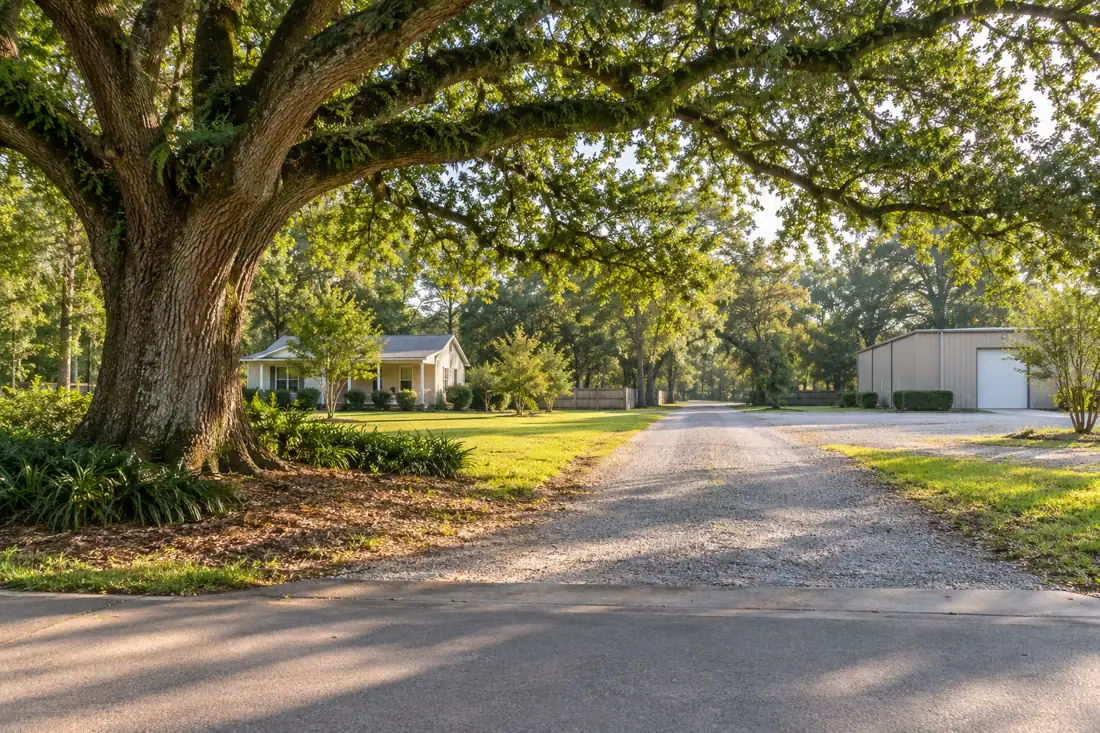
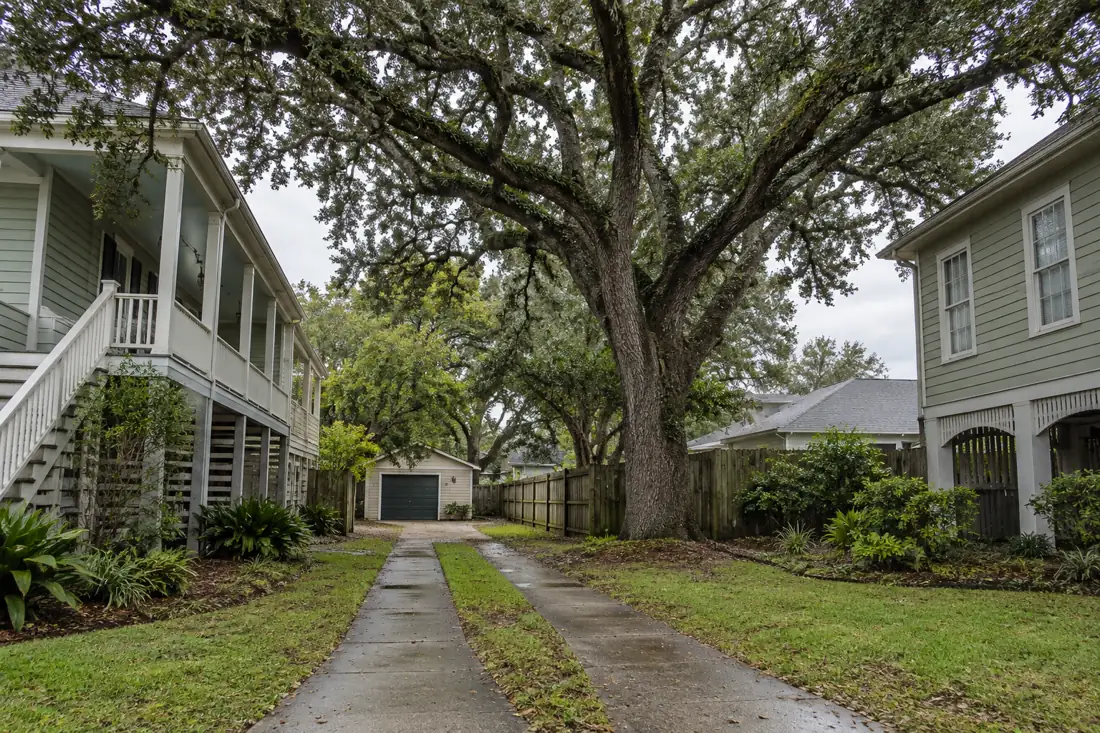
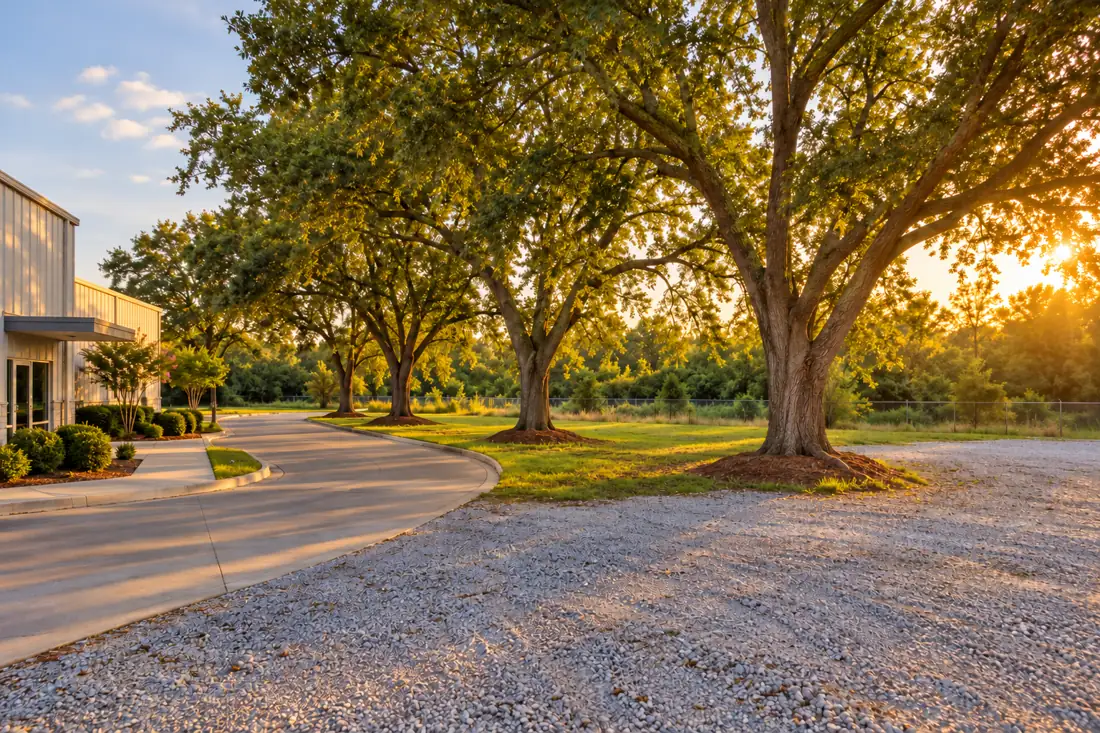
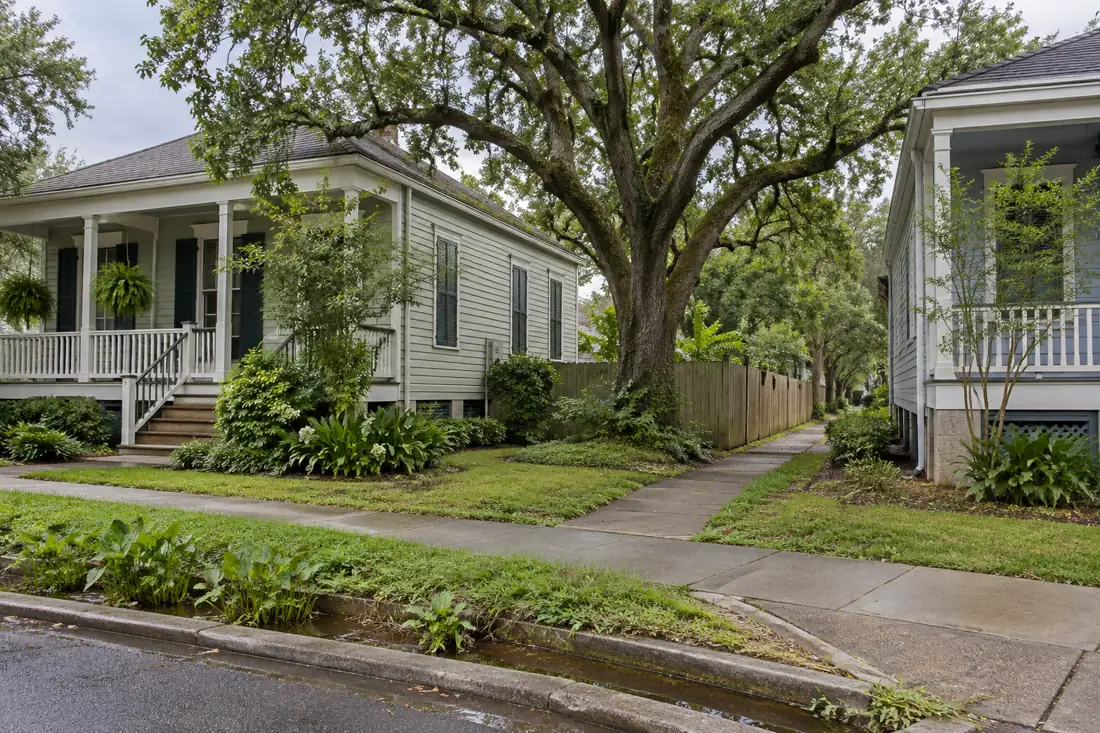
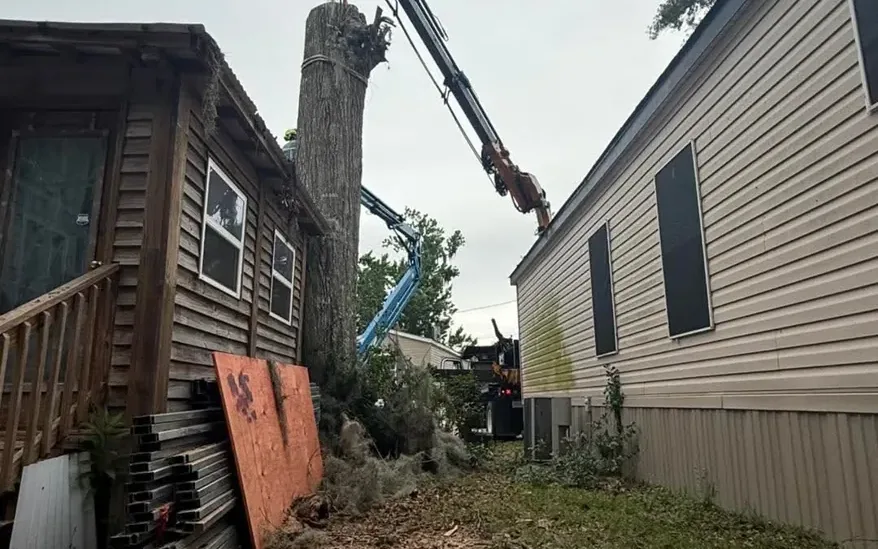
Mid-City properties often have mature trees, tight side yards, street parking, utility conflicts and neighboring structures close to the canopy. These constraints change how limbs are lowered, where debris can be staged and what equipment can reach the tree.
Tree Huggers evaluates the whole work zone before selecting climbing, rigging, aerial equipment or crane support. Pruning can address clearance and defects; removal is considered when condition or location makes retention unreasonable.
Put the right tree at the right address
Send the property address and a full view showing the intended tree in relation to the house, fence or other recognizable feature. If several trees are involved, identify each task separately rather than calling the whole group the back tree. Distinguish a selected removal, a pruning objective, existing stump work and any condition question that still needs review. That gives the estimator a usable work picture before a method or price is discussed.
The removal overview and pruning service explain related starting points. Describe what you want retained as well as what you want changed. A large canopy in a compact space does not automatically establish that removal is the intended or appropriate result. The first inquiry should identify the owner’s decision and safe observations without turning every tree visible over adjoining yards into part of the same accepted work scope.
If a front-yard and rear-yard task will be priced together, label them separately and show how their access differs. One may be visible from the street while the other depends on a gate or shared route. Treating both as one generic tree request can hide a handling or finish difference. A simple paired photo reference lets the owner compare the proposed tasks and confirms that the accepted work list follows the trees actually intended.
Follow access all the way to the rear yard
Photograph the approach from the street, driveway entry, gate, turns, steps and transition into the actual work area. Include overhead restrictions and the surfaces or ground conditions you know about. An open rear yard can be reached through a narrow or interrupted route. Showing only the final space leaves the estimator to guess about the part of the property that may determine how the work can be approached.
The equipment planning hub connects method selection to the full site. Explain where a route is shared or controlled by someone else, and whether a proposed access window is confirmed or only being considered. Do not dismantle a fence or alter the ground to prepare a preliminary request. Accurate views of the actual arrangement are useful before the company discusses what can fit, what needs coordination and which assumptions should appear in the proposed scope.

Connect nearby roofs, fences and ordinary use
Show branches in relation to houses, garages, sheds, fences and other features that matter to the task. Describe entrances, parking, pets, deliveries and outdoor areas used during a typical day. A tree photograph taken while the yard is empty does not establish that the full work and material route can stay available. Explain what the household or manager can coordinate and who will handle arrangements with other users of the property.
If another building or garden project motivates the request, provide its actual clearance or finish requirement. Tree care should not become a vague promise to solve every adjoining repair or landscape issue. The customer guide provides related preparation questions. A good plan gives the tree company a defined task and gives the owner a way to recognize that result without relying on how much wood or foliage appears to have been removed.
Clarify boundaries and permission before relying on a route
Identify the owner or authorized manager who can approve work and changes. Explain whether the tree stands on the property being quoted and whether any part of the proposed route involves another owner or public space. A fence line, branch overhang or convenient driveway opening should not be treated as a complete ownership determination. State unresolved questions early so the quote does not depend on authority or access that the customer does not actually control.
Keep the relevant approval contact with the tree identifiers and any site instructions. For public-tree questions, use the responsible official process for the actual location and task. This page does not grant permission or determine a legal boundary. The local planning hub offers broader context for organizing the address, property contact and route information. A clear brief reduces uncertainty without replacing the separate coordination a particular site may require before work is accepted or scheduled.
Make material movement part of the tree estimate
Describe where branches and logs would be handled and how they would reach the accepted loading or placement area. A narrow passage can matter to material movement even when a person can easily walk through it. Ask whether the proposal includes processing, hauling and a particular destination. The debris guide helps distinguish moving a tree’s material from completing every other cleanup or property task around it.

Mid-City: trace the whole debris route
Side-yard width does not by itself determine whether a removal plan is workable. Trace the route from the trunk to the street, including gate swings, uneven slabs, air-conditioning units, hoses and planted edges. Access may allow hand carrying while ruling out larger equipment.
Ask whether lawn, concrete and garden surfaces require protection and where cut material may be staged temporarily. If wood must pass a neighboring window or shared path, document that route and whose authorization is needed.
The final walk-through should include the exit path as well as the stump area. Confirm whether chips, branches, logs and surface cleanup are included, rather than assuming unrelated paving or drainage restoration is part of the price.
If the owner wants wood or chips to remain, agree on the material, processing and location before the job. Do not assume that retained material means firewood preparation or unlimited placement anywhere on the property. A defined destination also helps keep household use and a shared route visible in the plan. When comparing quotations, check that they describe the same material flow and site finish rather than comparing totals for different cutting, hauling or retained-material expectations.
State what the next use requires at the stump
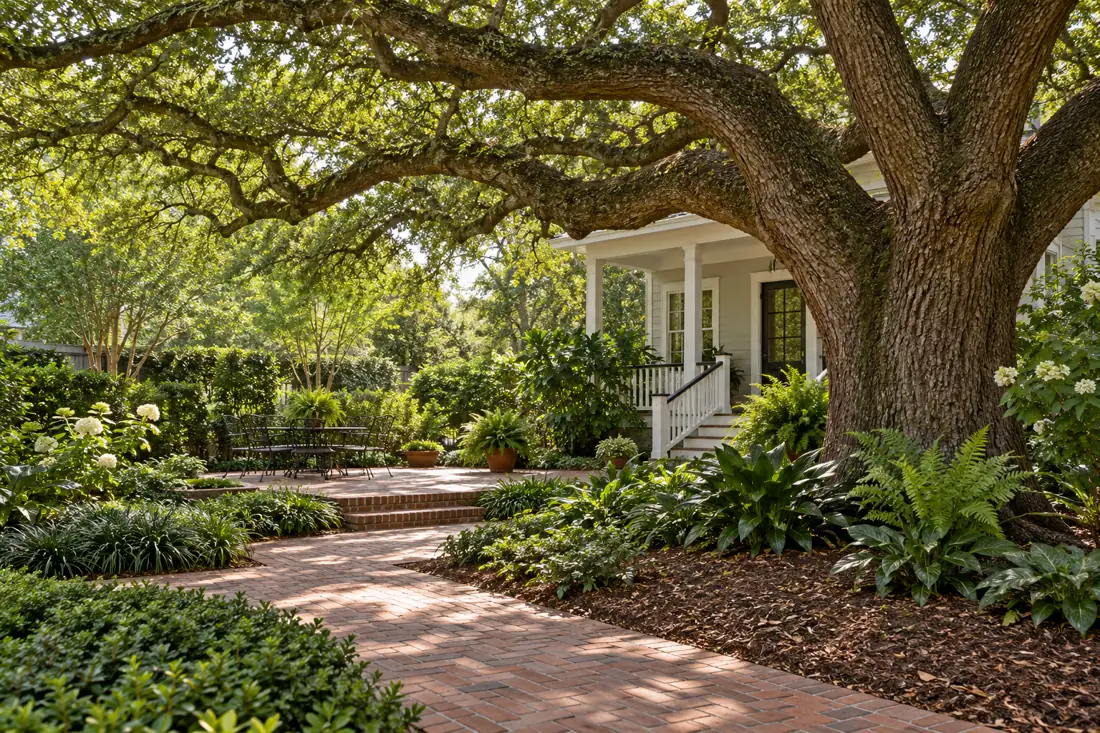
Explain whether the area will become lawn, a planting bed or the site of another project. The stump planning guide connects those goals with separate work decisions. Share known irrigation, drainage and other relevant buried-feature information with its limitations and the responsible contact for confirmation. A clean-looking surface is not a complete record of what is below it, and customers should not dig around roots simply to improve a preliminary inquiry.
Ask about grinding, grindings, excavation, backfill, grading and restoration as distinct operations. If another provider follows the tree company, obtain the handoff condition that provider needs. Removing the standing tree does not automatically leave ground ready for every future construction or landscape use. A useful scope lets the owner recognize the completion point for tree work and identify what remains assigned to the next trade, rather than hiding several different operations inside an undefined cleanup request.
Update routine work when weather changes the tree
Report newly fallen material, hanging branches, a visible split, movement or a changed route from safe positions. Keep people clear of affected areas and call 504-458-8336 about current availability. Immediate threats to people or electrical involvement require the appropriate emergency or utility response. An online estimate request does not confirm dispatch or establish that a damaged tree can be safely approached for closer inspection by the customer.
The storm overview connects related response inquiries. Explain the affected entrance, building or use area and the contact who can coordinate decisions. A new failure can change an earlier pruning or removal estimate, so provide current information rather than relying on an unchanged appointment request. Separate the first accepted tree or access task from broader debris processing, property repairs and later surface restoration when discussing what the household needs first.
Compare completion with the original work brief
Keep accepted tree identifiers, objectives, access assumptions and material decisions together, including any approved changes. Name the person who can review the result and approve additions. If photographs are needed for an absent owner, agree on the intended record beforehand. Closeout should describe actual tasks and remaining items without implying that every nearby tree was assessed or that the property has received an unlimited guarantee against future tree change.
A planning example is one rear-yard removal, selected clearance pruning on a retained tree and a later stump-area finish by a landscape provider. Those tasks can share an access arrangement while having different objectives and completion requirements. Send the address, safe tree and route photos, desired result and authorized contact so Tree Huggers can discuss a practical review for the actual property.
Tree Service Mid-City New Orleans questions
How should several Mid-City trees be identified?
Use separate references and connect each requested task to a recognizable property view.
Does a large canopy automatically mean removal?
No. Describe the owner's objective and any condition question that needs review.
Why show the whole driveway rather than just the gate?
Turns, steps, overhead restrictions, surfaces and the final work area can all affect the approach.
Should a fence be dismantled before an estimate?
Do not improvise preparation. Show the actual route and discuss the accepted arrangement first.
What nearby features should be photographed?
Show roofs, fences, sheds, entries, parking and other relevant use in relation to the tree.
Can a shared driveway be assumed available?
No. Identify control and confirm the relevant arrangement before the plan relies on it.
Does an overhanging branch settle tree ownership?
No. Clarify the actual tree, property authority and any relevant boundary question.
What should material handling include in the proposal?
The material, processing, route, loading or placement area and accepted destination.
Does keeping wood mean firewood preparation?
Do not assume it. Processing and placement should be discussed explicitly.
What should the owner say about the stump area?
Explain future use and clarify grinding, grindings, excavation, backfill and restoration.
Does the form confirm urgent storm dispatch?
No. Call about current availability and involve emergency or utility services where appropriate.
How should the finished work be reviewed?
Compare it with accepted tree identifiers, tasks, access assumptions, material decisions and remaining items.
Let’s plan your tree work.
Send the property address, safe tree photos and the result you need. Include access restrictions and the person who can approve the work.