Tree work for older neighborhoods and tight lots
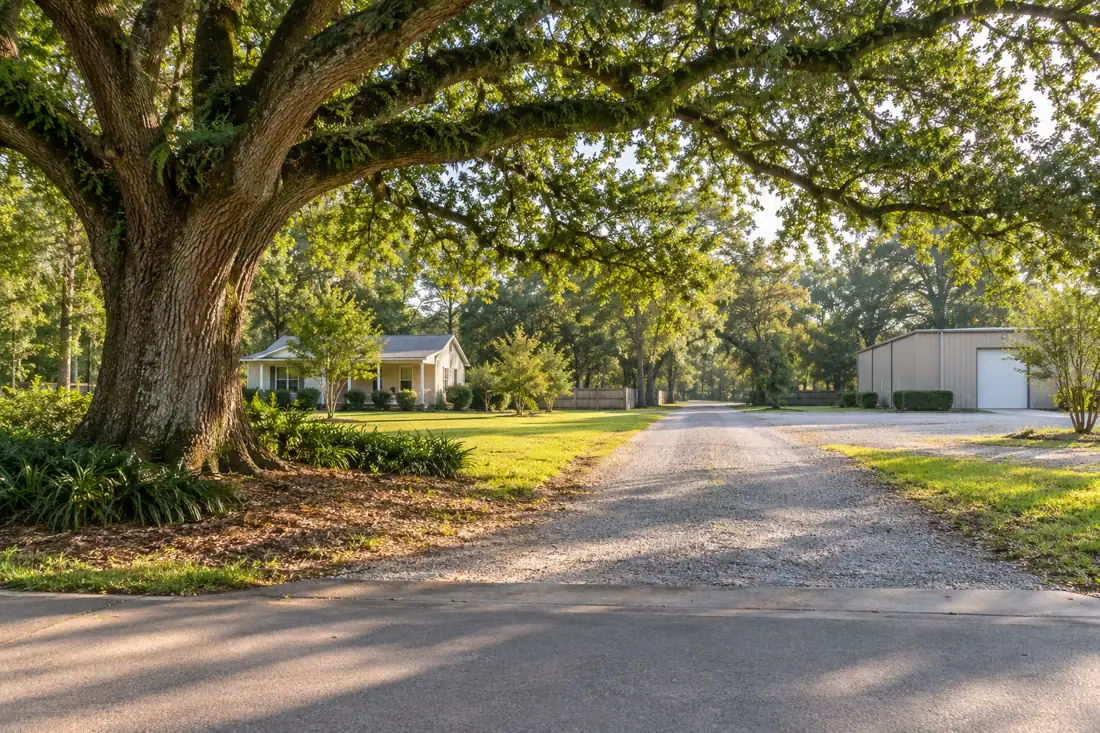
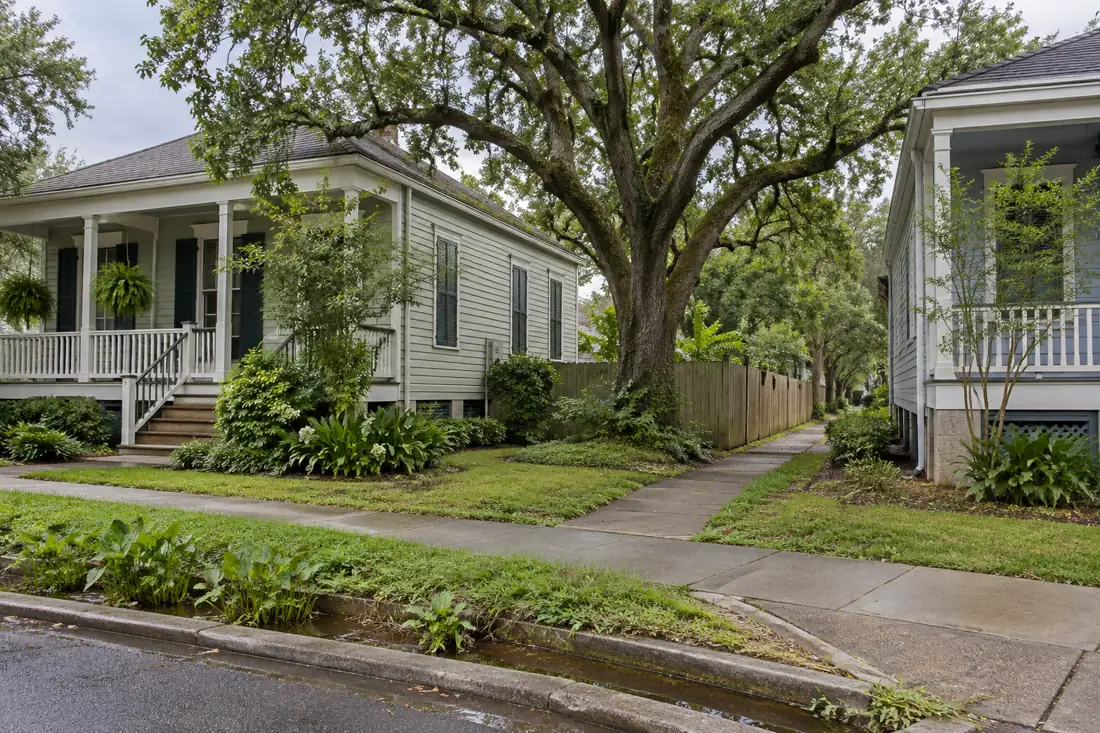
Algiers properties can combine mature trees with narrow side yards, fences, overhead service lines and homes close to the canopy. Tree Huggers plans around those targets, using controlled rigging, aerial access or other equipment when open dropping is not appropriate.
Algiers site access and neighbor coordination
An Algiers tree-work request is more useful when it describes both the tree and how a crew could reach it. From the street, note the available curb space, overhead lines, locked gates and whether a driveway stays clear throughout the day. For a back-yard tree, include approximate gate width and photographs showing the full route rather than only the trunk. A narrow passage may change the equipment and debris-removal plan even when the tree itself looks straightforward.
When a canopy extends across a fence or property line, document the shared boundary and identify who can approve access to each side. Do not enter a neighboring yard or arrange cutting across the line without permission. If a limb is already broken or touching electrical equipment, keep people away and describe the hazard first instead of attempting to move it. A photo taken from a safe distance can help distinguish urgent stabilization from work that can be scoped during a normal inspection.
For a useful estimate request, state whether the objective is removal, directional pruning, clearance, or an assessment of a changing condition. Mention any outdoor furniture, parked vehicles, delicate landscaping and narrow walkways that must remain protected. The final scope should explain what material is hauled away, whether stump work is included, and what areas need to be accessible when the crew arrives.
Pruning can address deadwood, roof clearance and storm preparation, while removal may be recommended when a tree is dead, structurally unsound or no longer reasonable to retain.
Begin with the tree’s role in the property
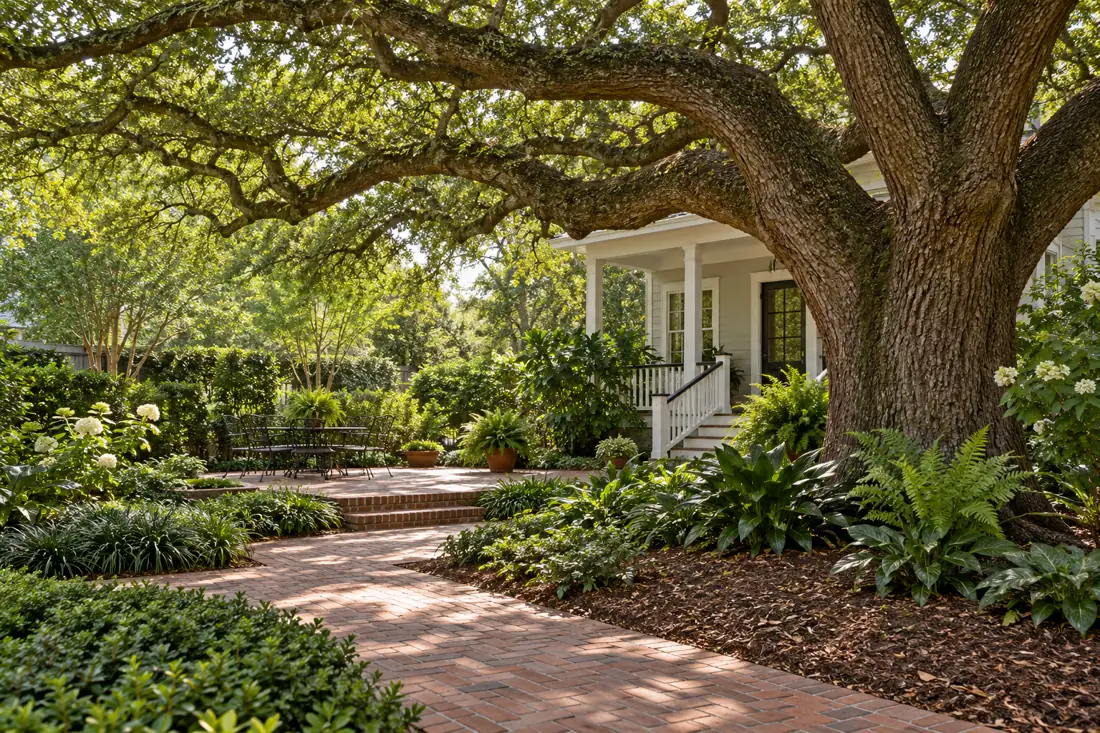
In an established Algiers yard, one tree may shade the house, frame a courtyard and extend into the space between neighboring roofs. A tree-service request should make clear what you value about that tree as well as what worries you. If the objective is keeping shade while addressing deadwood or roof contact, say so. If the tree has died or a major condition has changed, describe that history rather than simply asking to have it cut back.
Tree Huggers serves Algiers and the wider Greater New Orleans area from Marrero. Planning can include routine trimming, difficult removals, stump work and emergency concerns. The address establishes the site, while safe photographs show what a map cannot: a raised porch, narrow passage, rear outbuilding or branch over the neighboring home. Those details let the first conversation focus on your actual property instead of an assumed open yard.
Make roof clearance a defined objective
A branch over a roof is not the same as a branch rubbing shingles or resting against a gutter. Show the relationship in a wide view and describe what you are trying to prevent or change. If a roofer has identified a particular clearance need, share that information. The tree contractor still needs to consider the tree’s structure and a suitable pruning approach. An undefined request to cut everything away can produce a very different result from the selective work you had in mind.
When discussing tree trimming, ask which parts of the canopy are included and what will be retained. Keep a reference photo with the accepted scope. If a major limb or structural concern requires further evaluation, treat that as a separate decision before assuming clearance pruning resolves it. The desired outcome should be a coherent tree-care plan that addresses the identified target while making the limits of the work understandable.

Trace the rear-yard route in both directions
For a tree behind the house, photograph the side passage from the front and again looking back from the yard. Include the roof overhang, steps, gate posts, meters and fixed equipment. A straight-looking path can contain a tight turn or overhead obstruction that changes the equipment choice. The route also needs to accommodate handling tree material on the way out, which may require different space from a person simply walking in.
If access is through a garage, carport or shared drive, explain how that area is controlled and whether it can be cleared. Do not remove fencing or alter another part of the property before the contractor reviews the route. A practical plan may involve a temporary opening or a different handling method, but those arrangements need to be specific. Ask who prepares the route, what protection is proposed and which restoration items are included if something must be temporarily changed.
Understand why a rear tree can take more planning
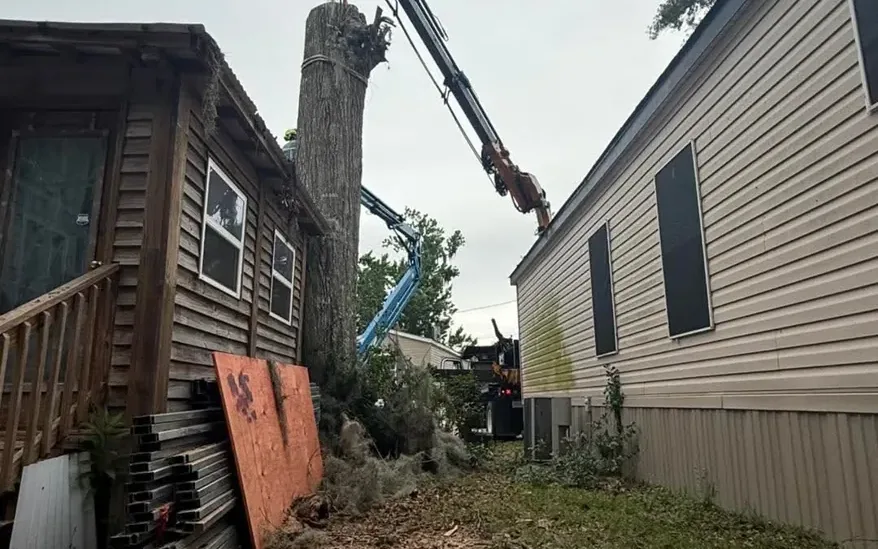
The apparent size of the tree is only one part of a removal estimate. A smaller rear tree over a roof and between fences may require more controlled handling than a larger tree with open access. The estimator needs to consider where sections can be lowered, how they reach the loading point and what sits under the handling path. A price based only on height leaves those constraints unresolved.
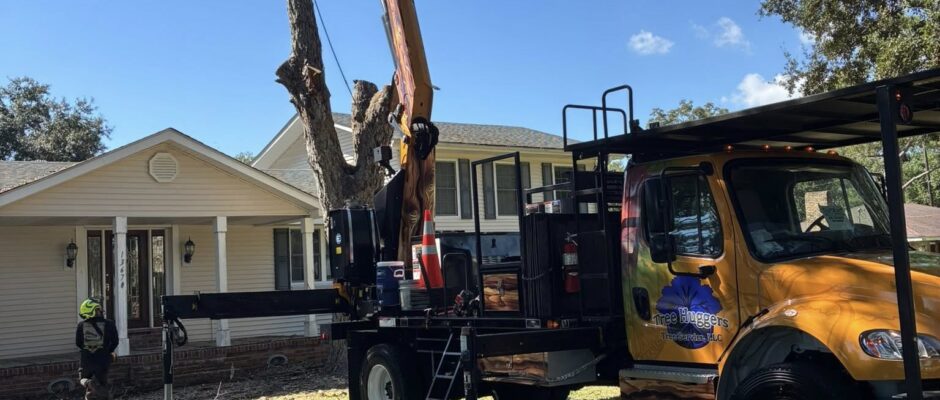
Tree Huggers can discuss difficult removal situations and equipment options where appropriate. No machine should be selected from a distant photograph alone. If you have seen a grapple saw or crane used elsewhere, ask whether that approach suits your access rather than assuming it is necessary. The point is a feasible method that fits this tree and property, with clear assumptions about access, setup and material movement.
Planning Tree Work Around Algiers Streets and Raised Homes
Algiers properties often combine mature shade trees with compact house lots, front porches and access routes that were not designed around large modern equipment. For a tree near a raised home, start with the relationship between the trunk, roof, foundation, neighboring structure and street rather than with a generic removal price.
An overhanging branch might call for selective pruning, while a seriously compromised tree may require a more involved evaluation. Walk the perimeter from a safe location and identify any side gate, shared drive, overhead wire or restricted parking that could affect equipment placement. A nearby street or landmark does not establish property ownership or authorization to work on a tree.

Tree work above a sidewalk adds an important public-use dimension. The crew may need a way to keep pedestrians out of the work zone, control vehicle access and remove debris without blocking nearby doors. A narrow street and limited equipment staging can influence the proposed method, but the scope should explain those constraints rather than assume a crane or lift can always fit. Where a branch is next to energized overhead lines, coordinate with the responsible utility and appropriately qualified personnel instead of interpreting it as ordinary pruning. If a neighboring fence or roof is within the work area, obtain the necessary permissions before arranging entry or lowering material there.
Accessibility and property boundaries in an established neighborhood
Before requesting an estimate, take an overall photograph showing the tree and house, then a separate safe view of the gate or driveway. Mention whether the concern involves a broken limb, branches rubbing roofing, roots near a walk, planned renovation or storm debris. Avoid climbing a ladder, walking below hanging wood or approaching downed electrical conductors for a closer shot.
For a tree near historic structures, ask what physical protection and debris-handling approach will be used; do not assume that an illustrative streetscape photo represents a completed local project. Any required permissions or municipal coordination must be checked for the actual address rather than guessed from the neighborhood name.
Compare written estimates by the same outcome. Clarify the exact tree or numbered limbs, how cut sections will be lowered, whether logs and brush leave the property, the stump result and what cleanup covers. Distinguish immediate hazard management from longer-term aesthetic trimming. If an owner wants to retain a mature tree, the alternative may involve a professionally informed plan rather than a blanket promise that one prune will eliminate future risk.
The best next step is a site-specific conversation using the property city, safe access details and the owner's desired result. A requested quote is not authorization to alter a neighbor's tree or proof of an emergency appointment.

Put neighboring roofs and fences into the plan
Algiers tree work can involve branches that cross a boundary even when the trunk is clearly on one property. Tell the estimator what lies beyond the fence and who needs to be involved in access arrangements. Avoid describing a neighbor’s roof as open space merely because it is out of view from the front. The site review needs the surrounding targets as well as the customer’s own building.
If an owner needs to authorize entry, a gate opening or use of a driveway, handle that coordination before the work window. For an uncertain ownership or boundary question, obtain the appropriate property information before approving a disputed task. Keep the field scope and permissions easy to identify. A marked photo can show the intended tree without making unsupported assumptions about property lines or granting access that the customer does not actually control.
Keep the ground and retained trees in the discussion
A removal can affect the way the rest of a yard is used. Point out retained trees, garden beds, drainage paths, irrigation and landscape lighting along the proposed route. Mention known soft areas and surface features that cannot bear the proposed loads. An approach that looks clear from the gate may cross a fragile path or tree root zone. Those details are relevant before setup and protection are chosen.
For a retained tree, describe recent changes around its base, such as excavation, new paving or altered drainage. Such history can be useful to a condition discussion without establishing a diagnosis by itself. Do not cut roots or excavate beside the tree to investigate before the visit. Ask which concerns need closer evaluation and how any adjacent project should be coordinated. Keeping the surrounding site history visible helps avoid treating the canopy as if it existed separately from the ground supporting it.
Agree on the space after removal
Once the tree is gone, you may want lawn, a garden bed, a replacement tree or access for another project. Explain that intention early. Stump grinding can address a visible obstruction, but it is not the same as excavating an entire root system or preparing a structural foundation. If the next project has a defined layout, share it with the estimator and the contractor responsible for that work.
Chip handling and finish deserve explicit decisions. Ask whether grindings remain, whether excess material is removed and whether soil placement or grading is part of the quote. For a narrow yard, identify where any retained material can reasonably sit without blocking normal access. The best time to settle that is before cutting, while the full handling route and project objective can still be considered together. A broad phrase such as complete cleanup should not have to carry several unstated landscaping assumptions.
Make storm information useful without approaching danger
After severe weather, describe a newly leaning tree, raised ground, split limb or contact with the house from a safe position. Keep people out of the affected area, including side paths that run beneath damaged branches. Do not climb onto a porch roof or cross a fallen tree to get a more detailed picture. Wires or an immediate threat to people require the appropriate emergency or utility contact before routine tree-work arrangements.
When calling Tree Huggers, identify the Algiers address and the practical obstruction: an entrance blocked, a tree resting on a structure or a branch hanging over occupied space. That helps distinguish urgent access needs from later cleanup. Ask about current availability and any assessment required. The storm response information explains that an online request does not itself dispatch a crew. Follow-up tree care, stump work and restoration may need separate scope decisions after the urgent condition has been addressed.
Organize the visit around an understandable result
Before the estimate, gather a few wide views, the work objective and any access constraints. If someone else will meet the company, send them the same tree identifiers and notes. If the property is rented or managed, establish who can authorize work and changes. This is especially useful when the person requesting help is not the person with the gate key or knowledge of a shared drive.
Read the proposed scope against the actual yard: included tree, pruning objective or removal, debris route, hauling, stump decision and expected finish. Ask for clarification where those items are unclear. At completion, use the same photos and list to review the result. Start by texting safe photos and the Algiers address or use the estimate form above. A specific goal and an honest view of the access will move the discussion further than a request for an instant price with no site context.
Tree Service Algiers New Orleans questions
Does Tree Huggers serve Algiers properties?
Yes. Send the Algiers work address and the tree concern. The company serves the area from its Marrero base, with availability confirmed for each request.
Can you plan removal behind a raised house?
A site review needs the full access route, overhead clearance and nearby targets. Photos help introduce the project but do not confirm a final method.
What if the side yard is too narrow for equipment?
Discuss alternative handling after the route is assessed. Do not assume a crane is required or alter a fence before an approach is agreed.
Can roof clearance be done while retaining shade?
Make both goals explicit. The contractor can discuss an appropriate pruning objective and whether condition concerns require further evaluation.
Should I send a close photo of the branch only?
Include it if safe, but also send the whole tree, roof relationship and access route. A close view alone omits important planning information.
Can equipment cross a neighboring driveway?
Only with suitable access and authorization from those who control it. Your accepted quote does not automatically grant entry to another property.
What site history matters for a retained tree?
Mention excavation, paving, drainage changes or visible decline. These observations help the assessment; they do not establish a diagnosis on their own.
Will stump grinding remove every root?
No. Define the grinding area, intended depth, chip handling and future use. Structural excavation or complete root removal is a different scope.
Where can grindings be left in a small yard?
Agree on a feasible location and amount before work. Keep paths and entrances in mind, and clarify whether excess material will be hauled away.
How do I report a tree resting on a roof?
Call from a safe place with the address and condition. Keep clear of the tree and wires; do not climb onto the structure to inspect it.
What should a landlord arrange before the visit?
Provide access, the approval contact and the tree identifiers. Make sure tenants know the agreed work window and affected routes through normal property communication.
How do I request an Algiers estimate?
Text safe photos, the address, access details and your desired result. Use the form for a routine request; call about a newly dangerous condition.
Let’s plan your tree work.
Send the property address, safe tree photos and the result you need. Include access restrictions and the person who can approve the work.